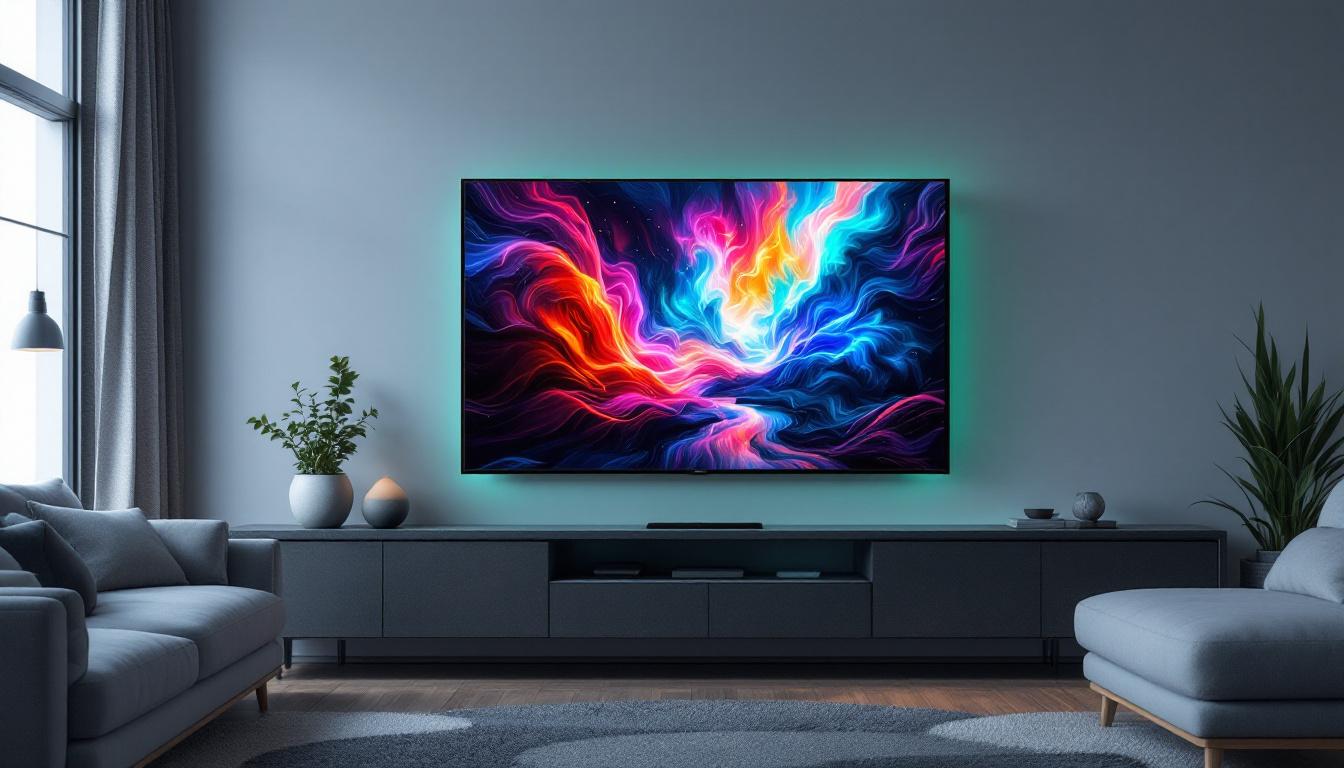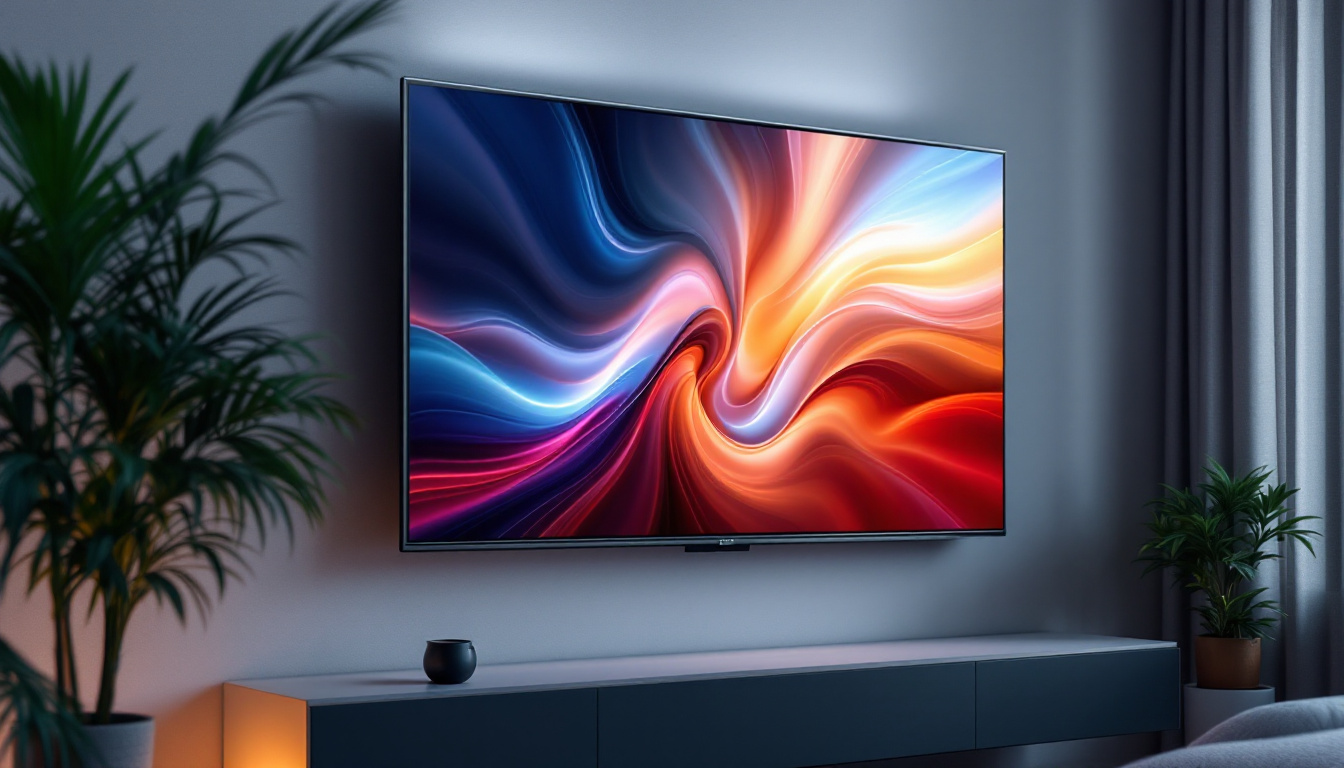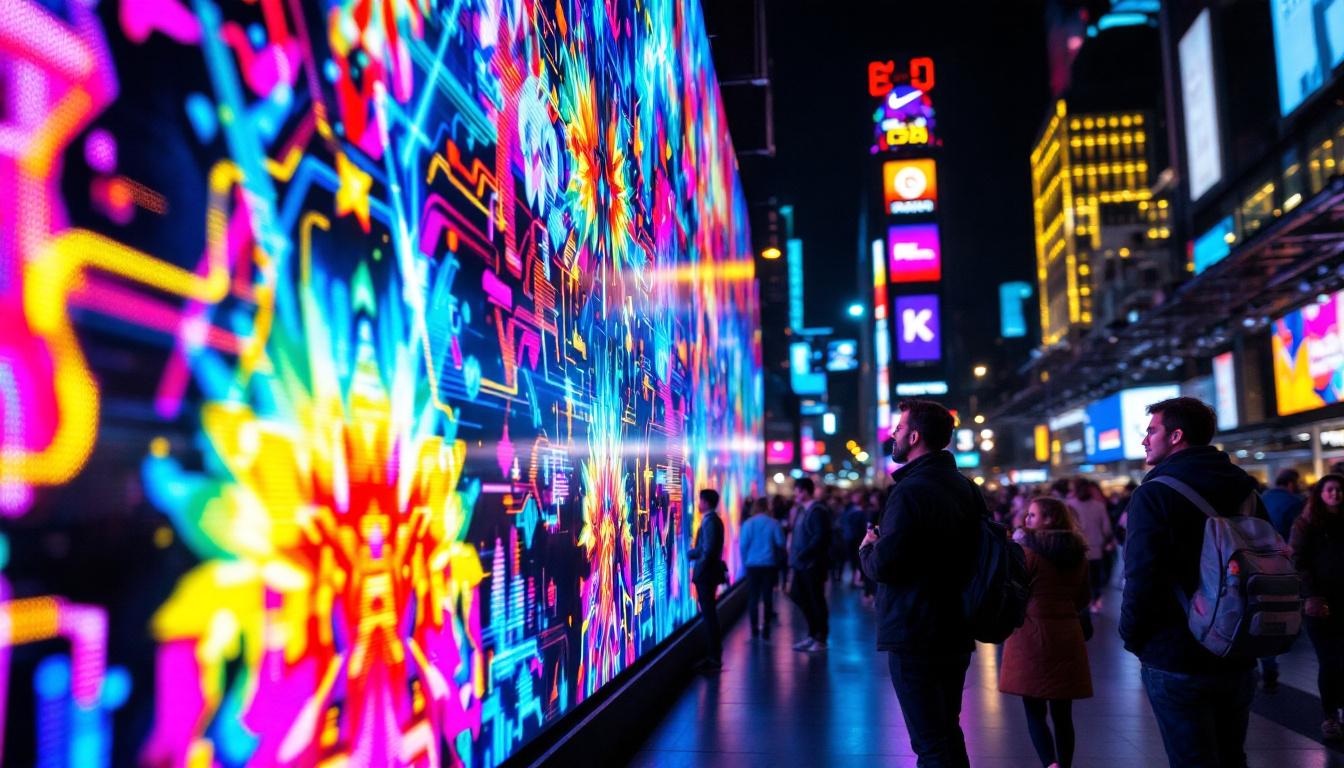
In the rapidly evolving world of digital signage and display technology, LED displays have emerged as a dominant force. Their versatility, brightness, and energy efficiency have made them the preferred choice for everything from stadium screens to retail advertising and corporate presentations. This article delves into the intricacies of LED displays, explaining what they are, how they work, and why their size—in inches—matters significantly in visual performance and application.
Understanding LED Displays: The Basics
LED, or Light Emitting Diode, displays are a type of flat panel display that use an array of light-emitting diodes as pixels to create images. Unlike traditional LCD or plasma screens, LED displays generate their own light, which results in brighter images and better contrast ratios.
At the core of an LED display are thousands to millions of tiny LEDs, each capable of emitting light in different colors. These LEDs are arranged in a grid pattern, and by controlling the intensity and color of each diode, the display can render detailed images and videos with vibrant colors and sharp clarity. This technology not only enhances the visual experience but also allows for energy efficiency, as LEDs consume significantly less power compared to older display technologies.
Types of LED Displays
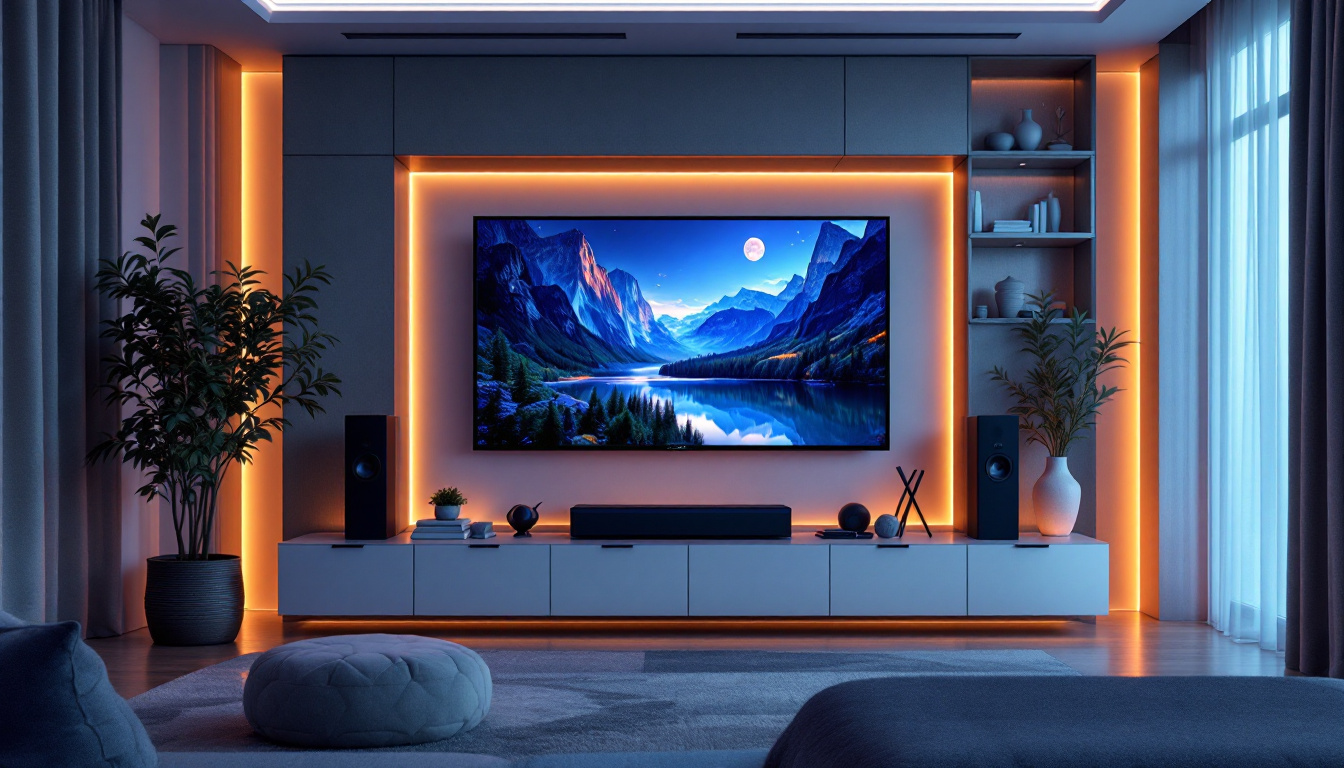
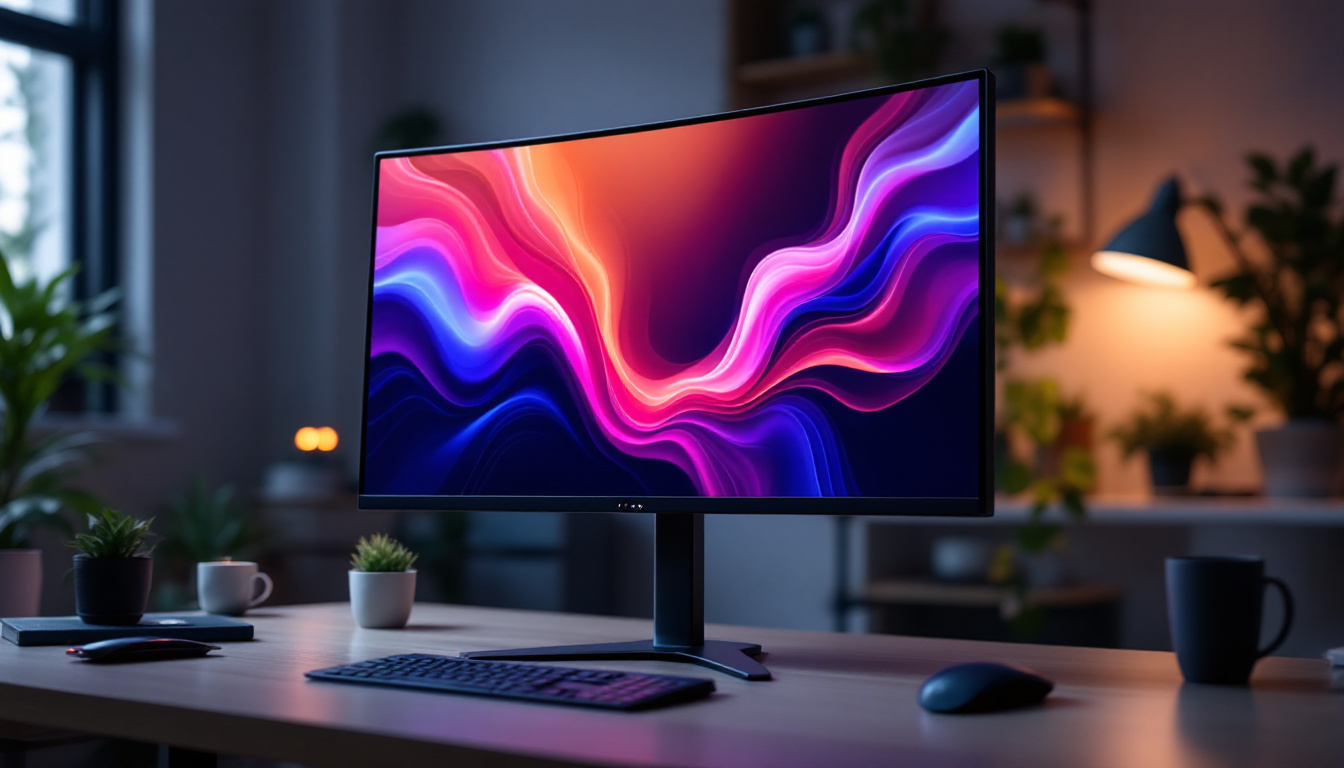
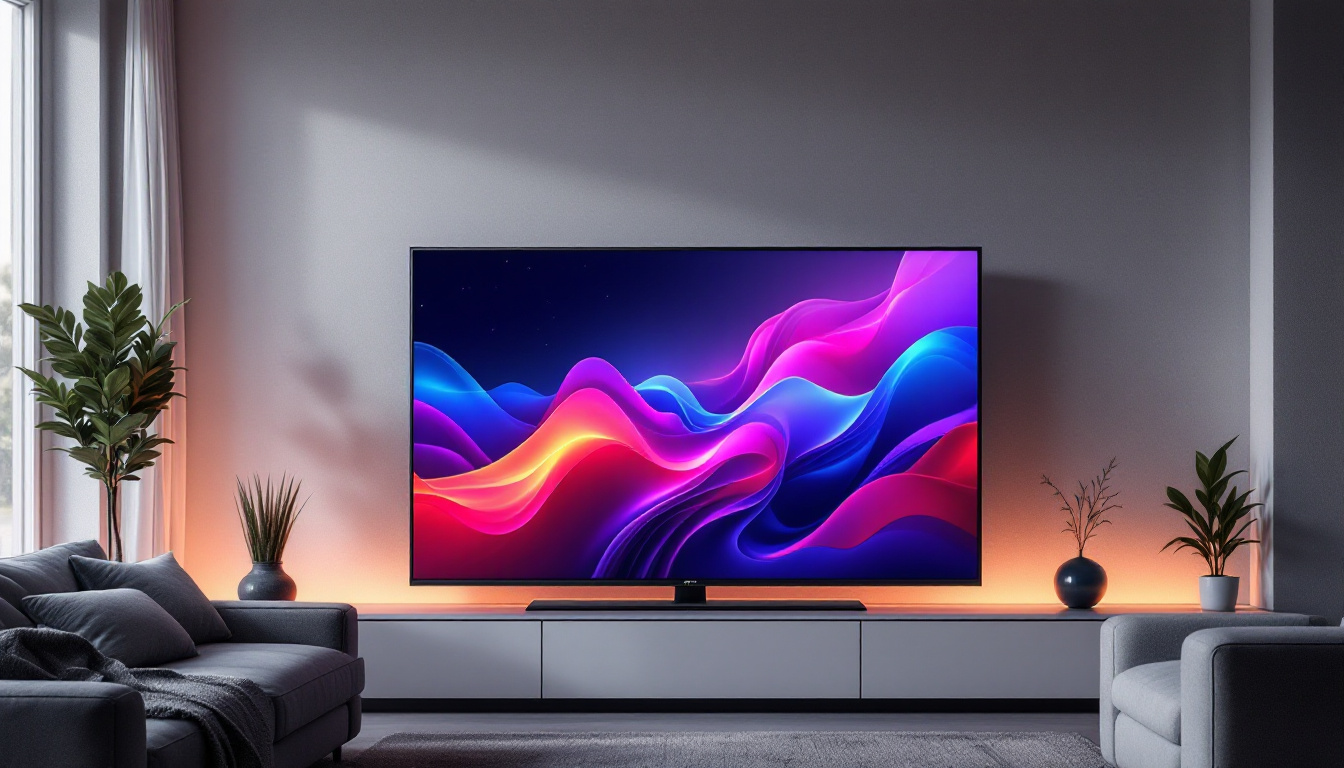
There are two primary types of LED displays: direct view LED displays and LED-backlit LCDs. Direct view LED displays use LEDs as the actual pixels, making them ideal for large-scale outdoor and indoor applications. LED-backlit LCDs, on the other hand, use LEDs as a backlight source for liquid crystal displays, common in consumer electronics like televisions and computer monitors.
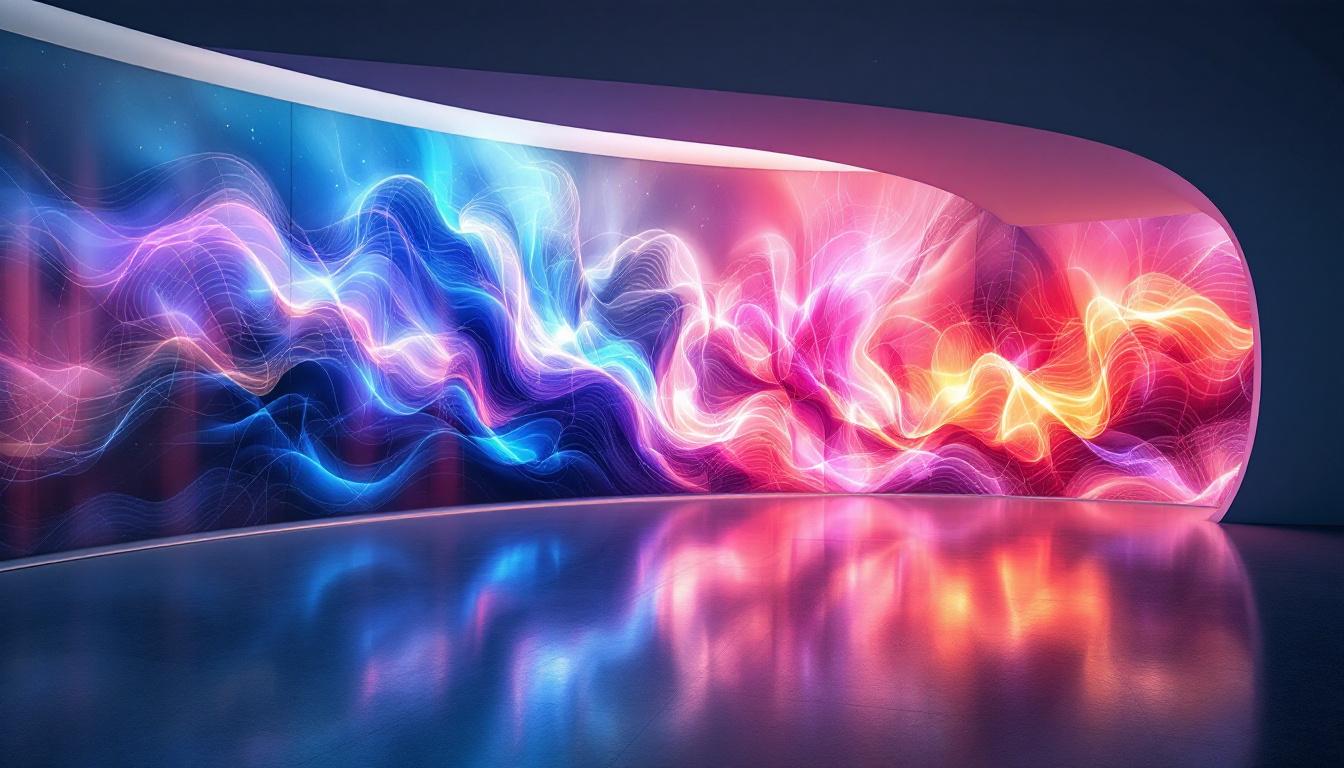
Direct view LED displays are often measured in inches diagonally, just like televisions, but their pixel pitch and module size play a crucial role in determining image quality and viewing distance. The pixel pitch refers to the distance between the centers of two adjacent pixels, and a smaller pixel pitch generally results in higher resolution and clarity, making these displays suitable for close viewing. Furthermore, advancements in technology have led to the development of flexible LED displays, which can be shaped to fit unconventional spaces, offering new possibilities for creative installations in advertising and art.
In addition to their visual performance, LED displays are known for their durability and longevity. Unlike traditional displays, which may suffer from burn-in or fading over time, LED technology is designed to withstand the rigors of continuous use, making them a preferred choice for digital signage and public displays. Moreover, their ability to operate effectively in various lighting conditions, including direct sunlight, further enhances their versatility, allowing businesses to reach audiences in diverse environments without compromising on visibility or quality.
The Importance of Inch Size in LED Displays
The size of an LED display, typically measured in inches diagonally, is more than just a physical dimension—it impacts the display’s resolution, pixel density, and ultimately, the viewing experience.
Pixel Pitch and Its Relationship with Inch Size
Pixel pitch refers to the distance between the centers of two adjacent pixels, usually measured in millimeters. A smaller pixel pitch means more pixels per inch, resulting in higher resolution and finer image detail. For example, a 55-inch LED display with a 1.2 mm pixel pitch will provide a much sharper image than a 55-inch display with a 4 mm pixel pitch.
When choosing an LED display size, understanding pixel pitch is critical because it determines the optimal viewing distance. A large display with a high pixel pitch may look pixelated up close but perfect from afar, while a smaller display with a low pixel pitch can deliver crisp images even at close range. This relationship between pixel pitch and size not only affects clarity but also influences how viewers perceive color and contrast, making it essential for applications where visual fidelity is paramount.
Why Display Size Matters for Different Applications
Inch size determines not only the physical footprint but also the suitability of the display for various environments:
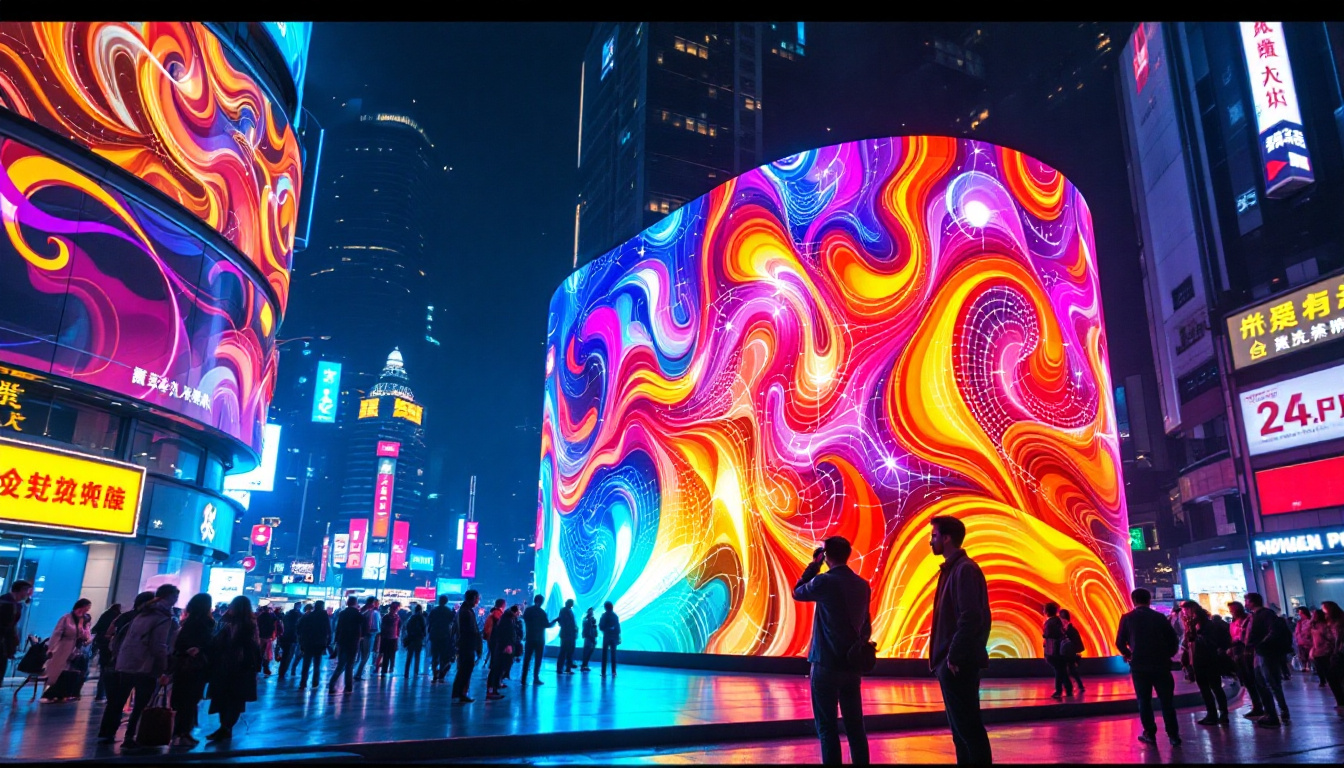
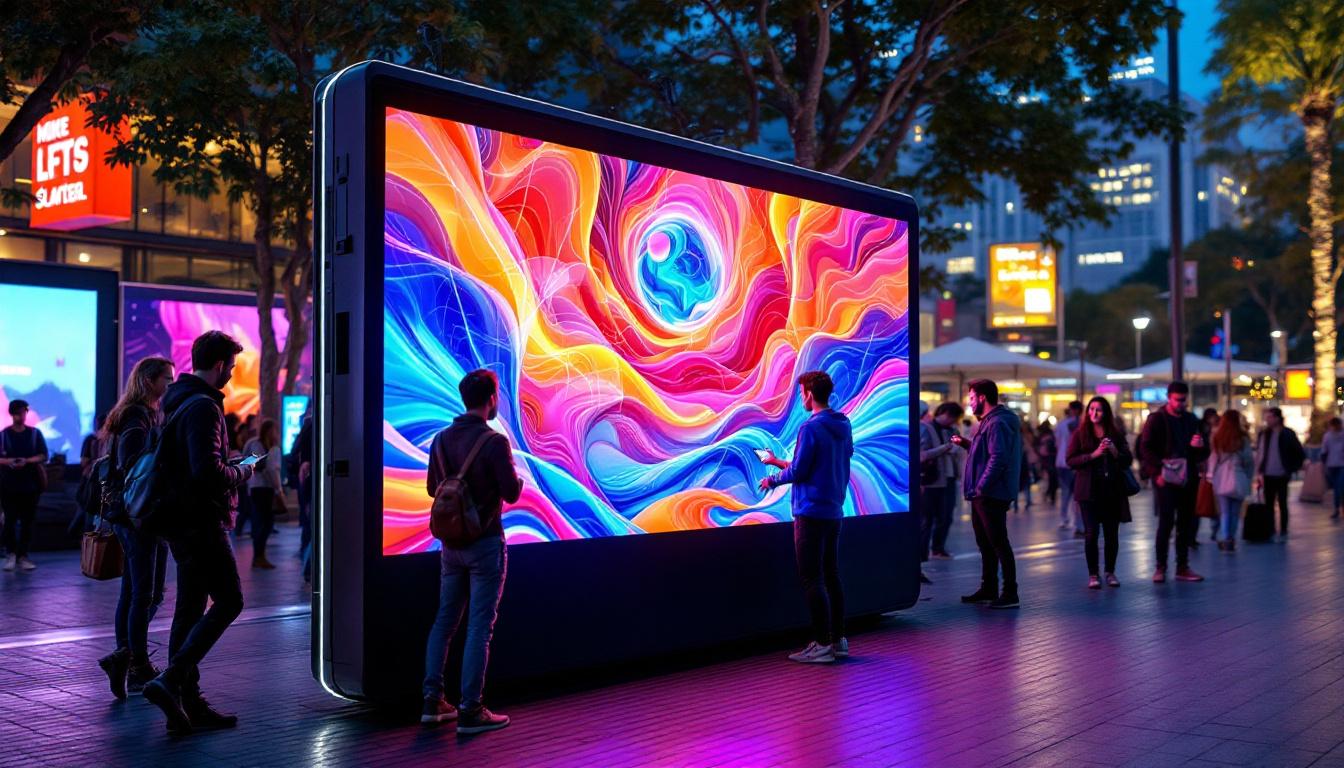
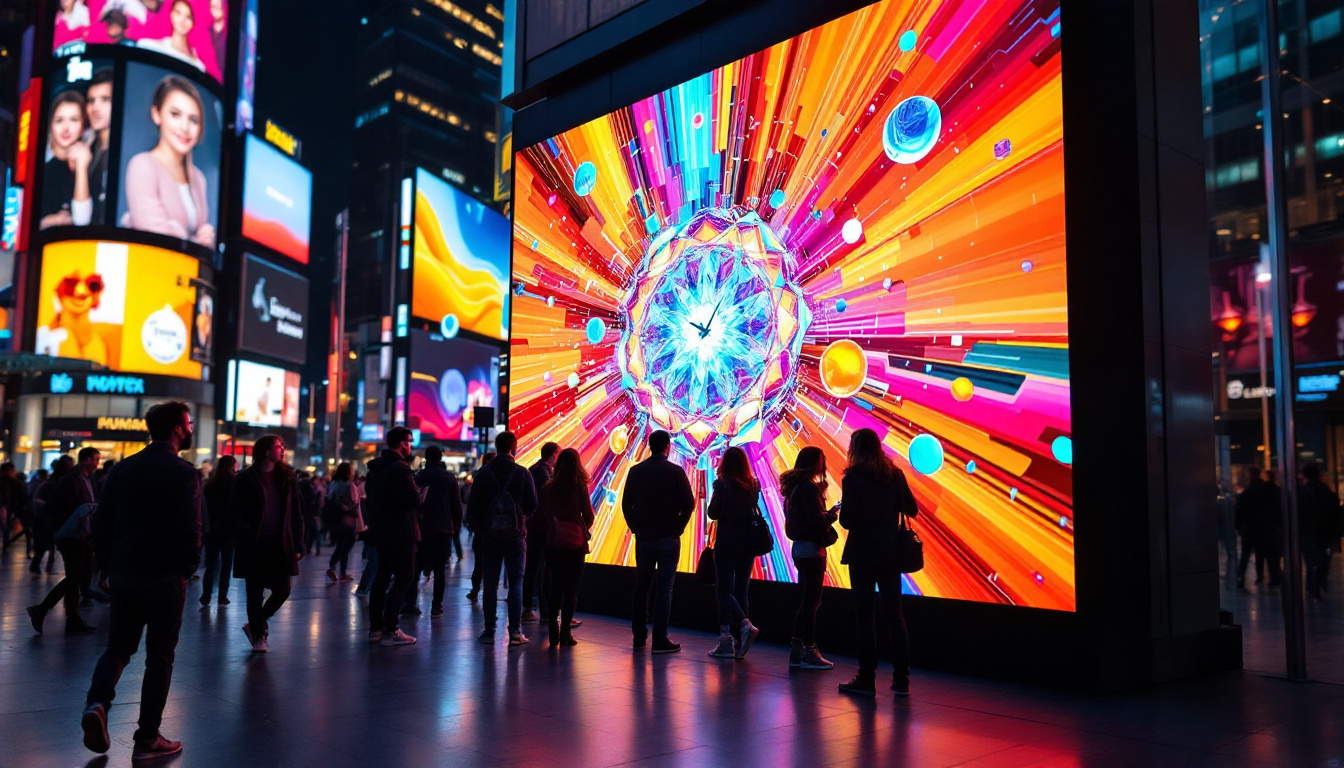
- Retail and Advertising: Larger LED displays, often 75 inches and above, are used for outdoor billboards and in-store promotions to capture attention from a distance.
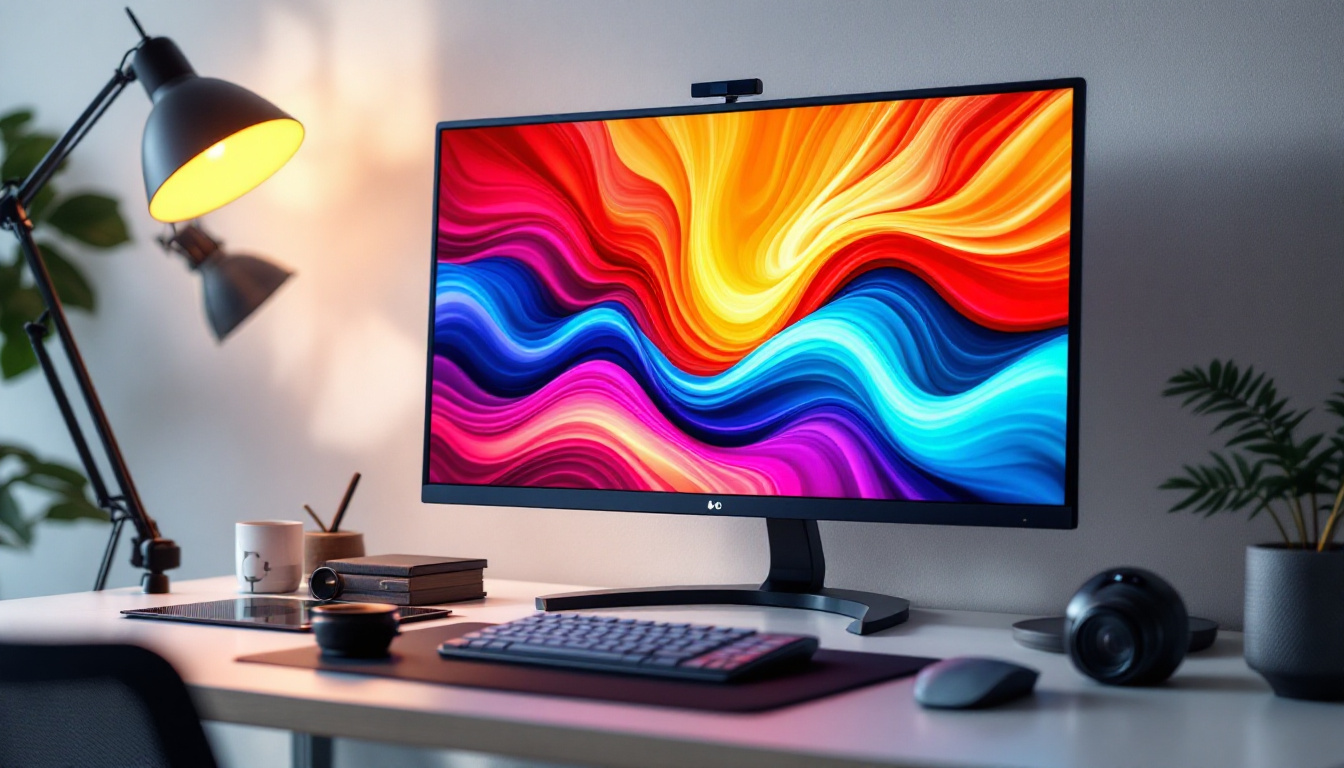
- Corporate and Conference Rooms: Medium-sized LED displays, ranging from 40 to 65 inches, are ideal for presentations, video conferencing, and digital whiteboards.
- Entertainment and Sports Venues: Massive LED video walls, sometimes exceeding 200 inches, deliver immersive experiences for audiences in stadiums and arenas.
Choosing the right inch size ensures that the display meets the visual demands of the space and audience. For instance, in educational settings, a larger display can enhance engagement by allowing students to see content clearly from the back of the classroom, while smaller displays may be more suitable for intimate settings like huddle rooms where close collaboration is key. Additionally, the aspect ratio of the display can play a significant role in how content is presented; for example, widescreen formats are often preferred for cinematic experiences, while standard ratios may be used for traditional presentations.
Furthermore, the technological advancements in LED displays have led to options such as curved screens and ultra-thin bezels, which can enhance the viewing experience by providing a more immersive feel. These innovations, combined with the right inch size, can transform how information is conveyed in various settings, making it crucial for decision-makers to consider both size and technology when selecting an LED display for their specific needs.
How LED Displays Work: Technical Insights
To fully appreciate the significance of inch size and pixel pitch, it helps to understand the technology behind LED displays.
LED Modules and Panels
LED displays are composed of multiple modules, each containing numerous LEDs. These modules are assembled to form a larger panel, which in turn creates the full display screen. The size of each module and the number of modules used directly influence the overall inch size of the display.
For example, a 55-inch LED display might be made up of several smaller modules, each with a defined pixel pitch. The precision in manufacturing these modules ensures uniform brightness and color consistency across the entire screen.
Color and Brightness Control
Each LED in the display can emit red, green, or blue light, and by varying the intensity of these colors, the display can produce a full spectrum of colors. The brightness of LEDs can reach several thousand nits, making them visible even under direct sunlight—an essential feature for outdoor displays.
Advanced LED displays incorporate sensors and software to adjust brightness automatically based on ambient lighting conditions, enhancing visibility and reducing power consumption.
Choosing the Right LED Display Size: Practical Considerations
When selecting an LED display, understanding how inch size interacts with other factors is crucial for achieving the desired visual impact and functionality.
Viewing Distance and Resolution
One of the most important considerations is the relationship between display size, pixel pitch, and viewing distance. As a rule of thumb, the optimal viewing distance (in meters) is roughly equal to the pixel pitch (in millimeters) multiplied by 1.5 to 2.5. For instance, a display with a 2 mm pixel pitch should be viewed from about 3 to 5 meters away for the best clarity.
This means that a larger display with a larger pixel pitch is best suited for distant viewing, while smaller displays with finer pixel pitches are better for close-up applications.
Installation Environment
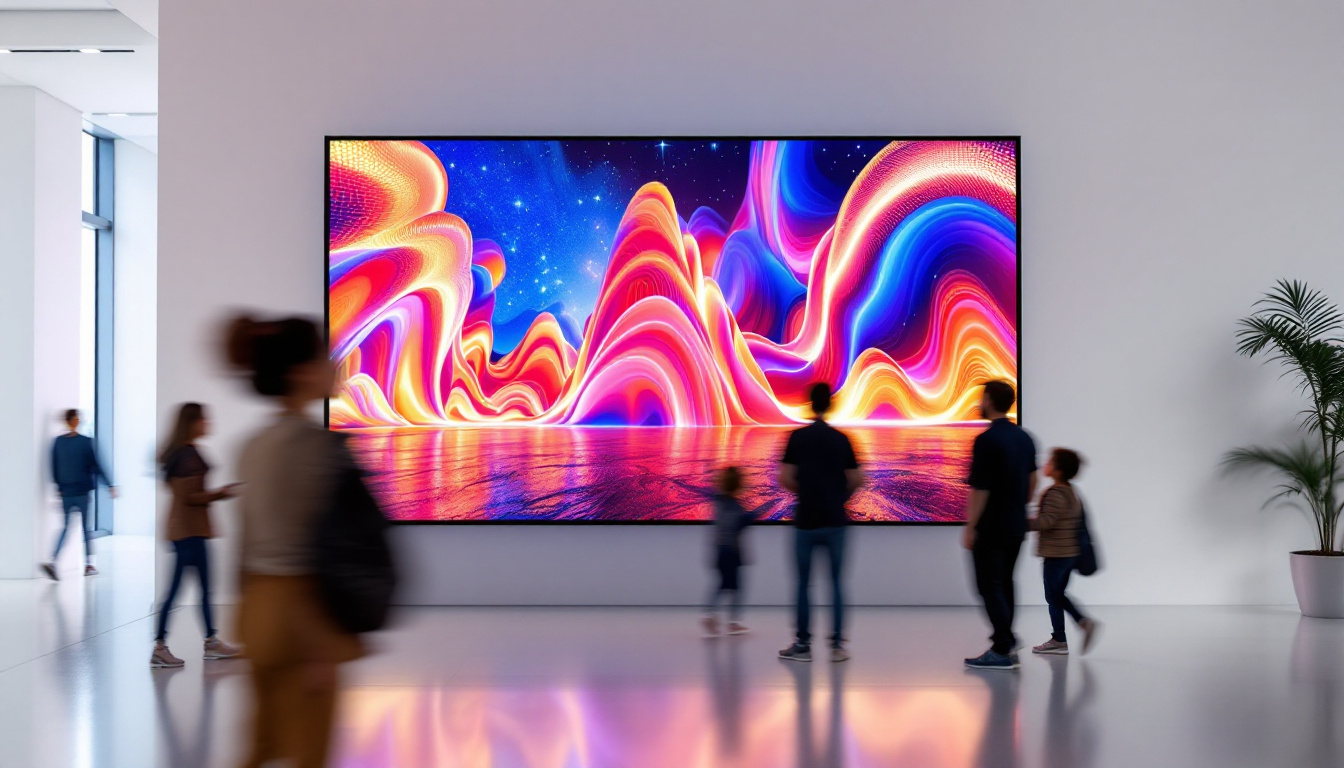
The physical space where the LED display will be installed also influences the ideal inch size. For example, a narrow retail storefront might only accommodate a 40-inch display, while a large conference hall could support a 100-inch video wall.
Additionally, environmental factors such as lighting conditions, weather exposure, and mounting options must be considered to ensure the display performs optimally and remains durable.
Budget and Maintenance
Larger LED displays with finer pixel pitches tend to be more expensive, not only in initial cost but also in maintenance. Higher resolution displays require more LEDs and more complex control systems, which can increase power consumption and maintenance requirements.
Balancing size, resolution, and budget is key to selecting an LED display that delivers value without compromising performance.
Emerging Trends in LED Display Technology
LED display technology continues to advance, offering new possibilities in size, resolution, and functionality.
MicroLED and MiniLED Innovations
MicroLED and MiniLED technologies represent the next frontier in LED displays. MicroLEDs are extremely small LEDs that allow for even higher pixel densities and thinner displays. This technology promises exceptional brightness, contrast, and energy efficiency, potentially revolutionizing the market for both consumer and commercial displays.
MiniLED backlighting is already enhancing LCD displays by providing better contrast and brightness control, bridging the gap between traditional LED-backlit LCDs and direct view LED displays.
Flexible and Transparent LED Displays
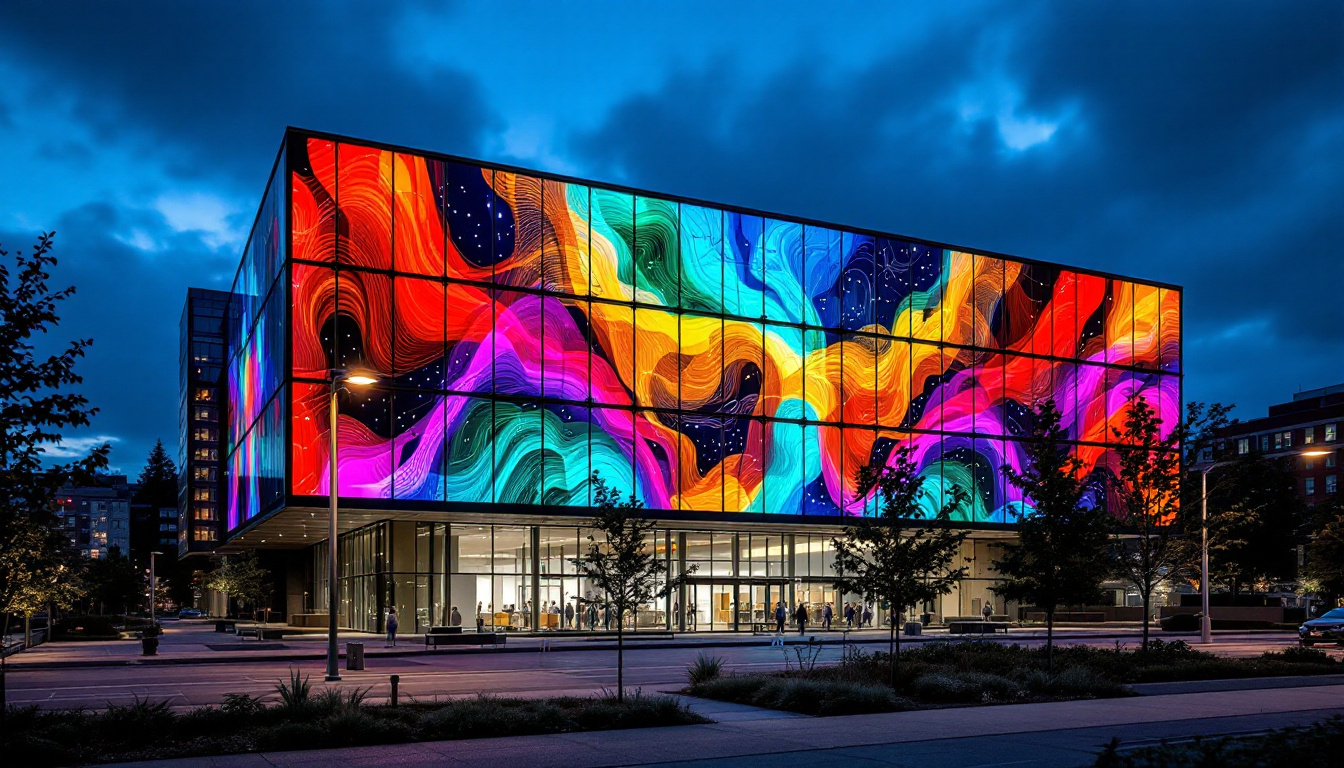
Recent developments include flexible LED panels that can curve around surfaces, enabling creative architectural integrations and immersive environments. Transparent LED displays are also gaining traction, allowing screens to be placed on glass surfaces without obstructing views, ideal for retail windows and modern office spaces.
Integration with Smart Technologies
Modern LED displays increasingly integrate with IoT and AI technologies for dynamic content management, real-time data display, and interactive user experiences. This integration enhances the utility of LED displays beyond simple advertising or information dissemination.
Conclusion: The Role of Inch Size in LED Display Excellence
Inch size is a fundamental aspect of LED displays that influences not only the physical presence of the screen but also the quality of the visual experience. Understanding how inch size interacts with pixel pitch, viewing distance, and application environment is essential for selecting the right LED display for any purpose.
As LED technology continues to evolve, offering higher resolutions, greater flexibility, and smarter capabilities, the importance of choosing the correct display size remains paramount. Whether for advertising, entertainment, corporate use, or public information, the right LED display size ensures maximum impact and engagement.
Investing time in understanding these factors will empower businesses and organizations to harness the full potential of LED displays, delivering vibrant, clear, and compelling visuals that captivate audiences everywhere.
Discover LumenMatrix’s Innovative LED Display Solutions
Ready to elevate your visual communication with cutting-edge technology? Explore LumenMatrix’s comprehensive range of LED display solutions, designed to meet the diverse needs of any application. From vibrant Indoor LED Walls to dynamic Outdoor LED Displays, and from versatile Vehicle LED Displays to sleek LED Poster Displays, LumenMatrix has the perfect fit for your brand. Experience the revolution in digital signage with our LED Sports Displays, interactive Floor LED Displays, and the stunning clarity of our Custom and All-in-One LED Displays. Don’t forget to see through a new lens with our LED Transparent Displays. Check out LumenMatrix LED Display Solutions and transform your space into a captivating visual experience.