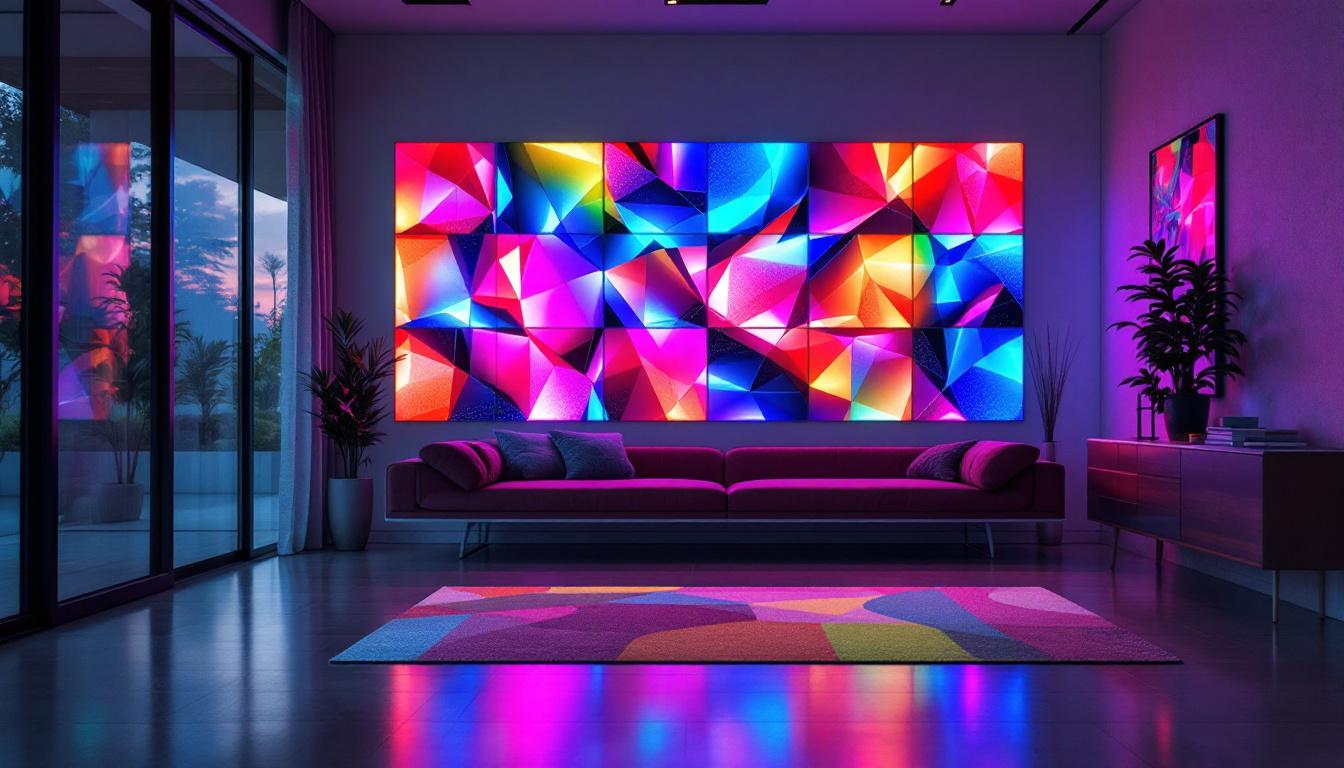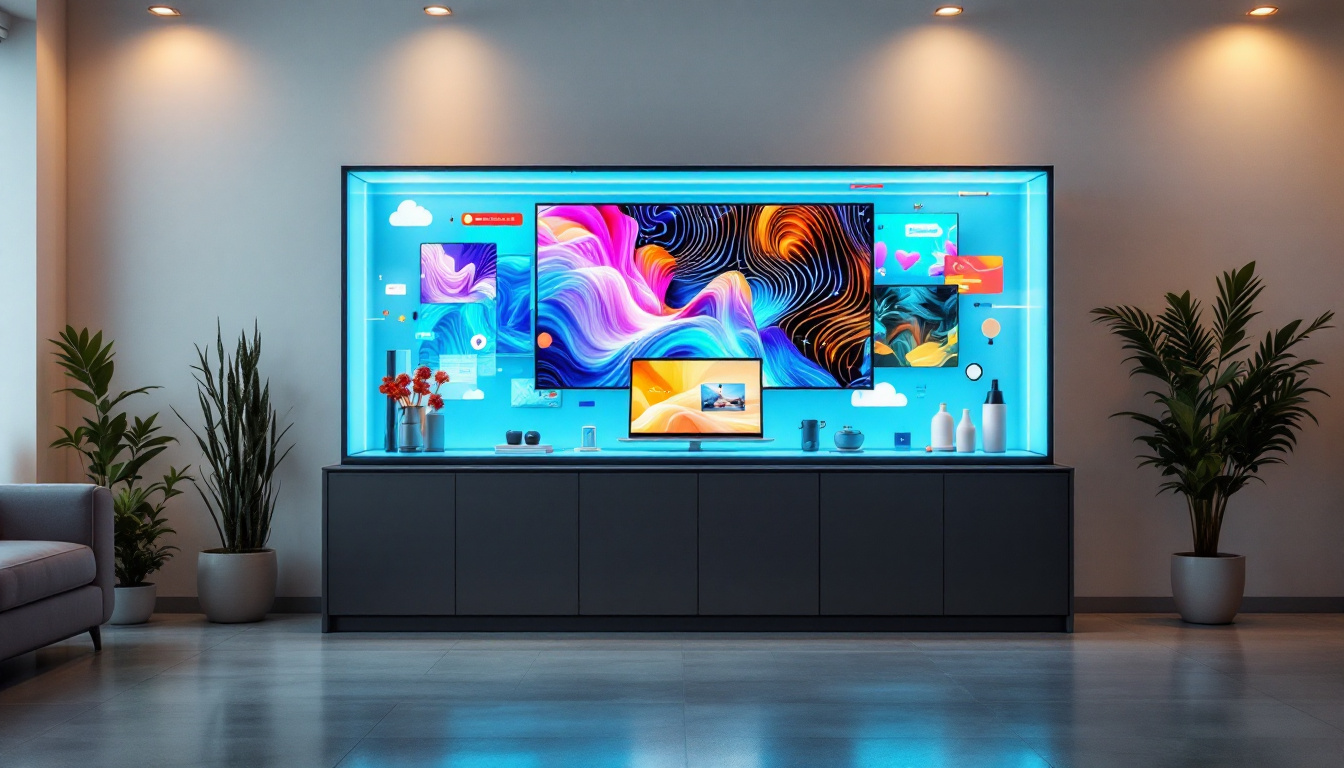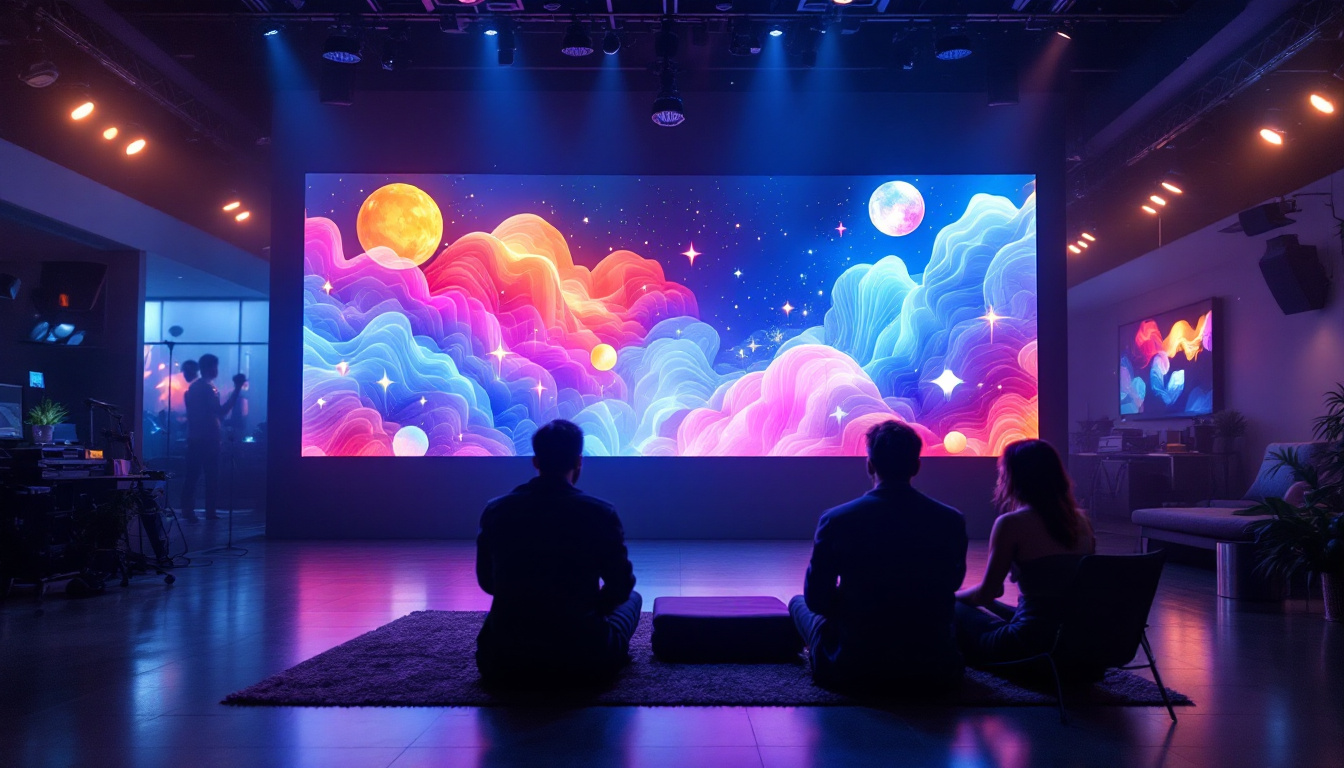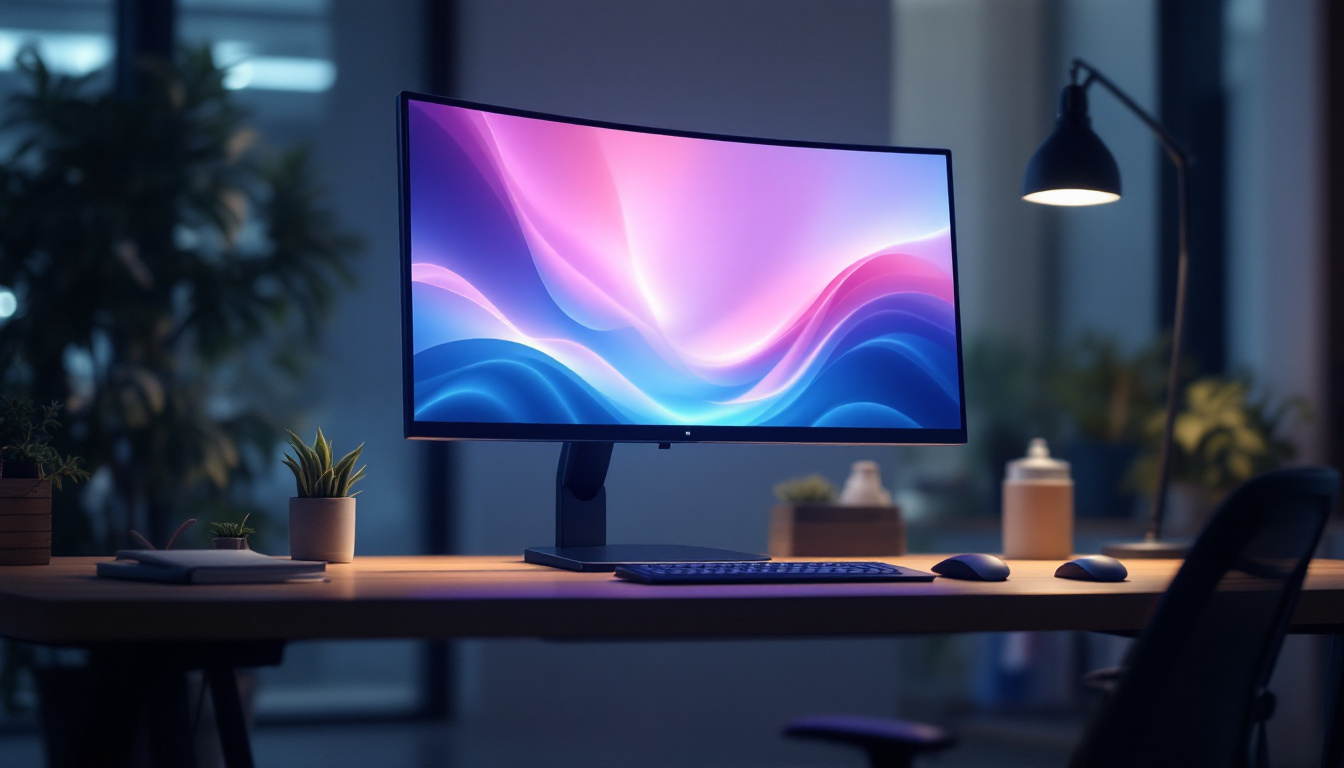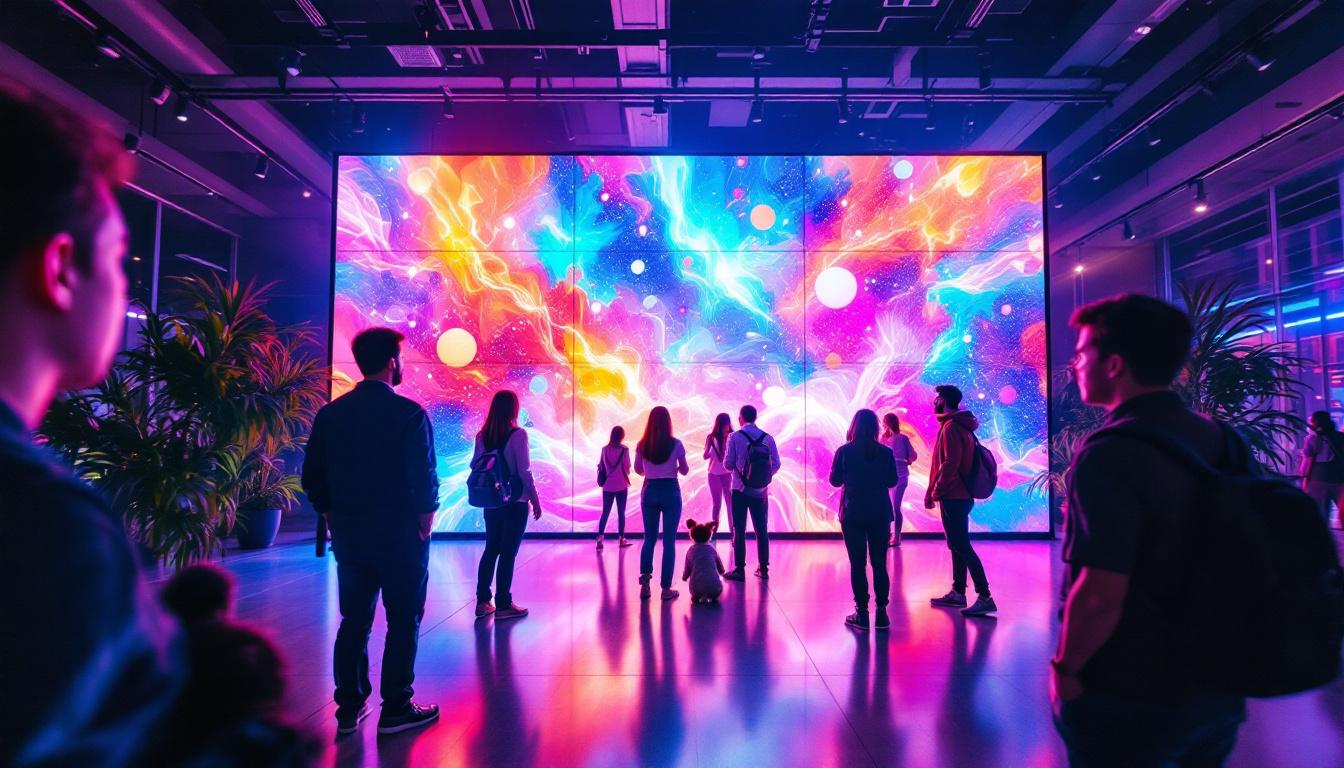
Indoor LED displays have revolutionized the way businesses, event organizers, and advertisers communicate visually. These vibrant, high-resolution screens offer unparalleled brightness, clarity, and versatility, making them a preferred choice for indoor environments ranging from retail stores to conference halls. Understanding how indoor LED displays work, their advantages, and their applications can help organizations make informed decisions when investing in digital signage solutions.
What is an Indoor LED Display?
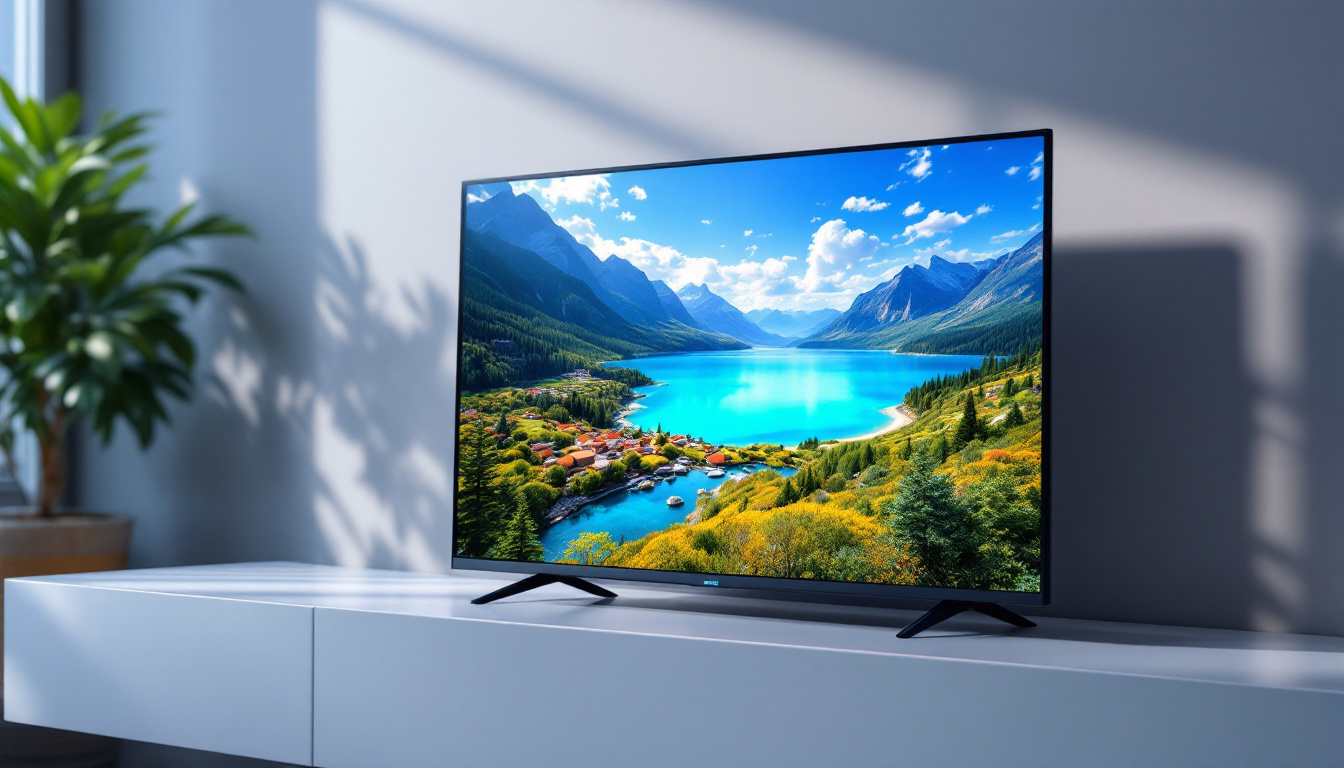
At its core, an indoor LED display is a screen composed of numerous light-emitting diodes (LEDs) arranged in a matrix to form images, videos, or text. Unlike traditional LCD or projection screens, LED displays generate their own light, allowing for brighter and more vivid visuals. Indoor LED displays are specifically designed for use within enclosed spaces, optimized for viewing distances, ambient lighting, and space constraints.
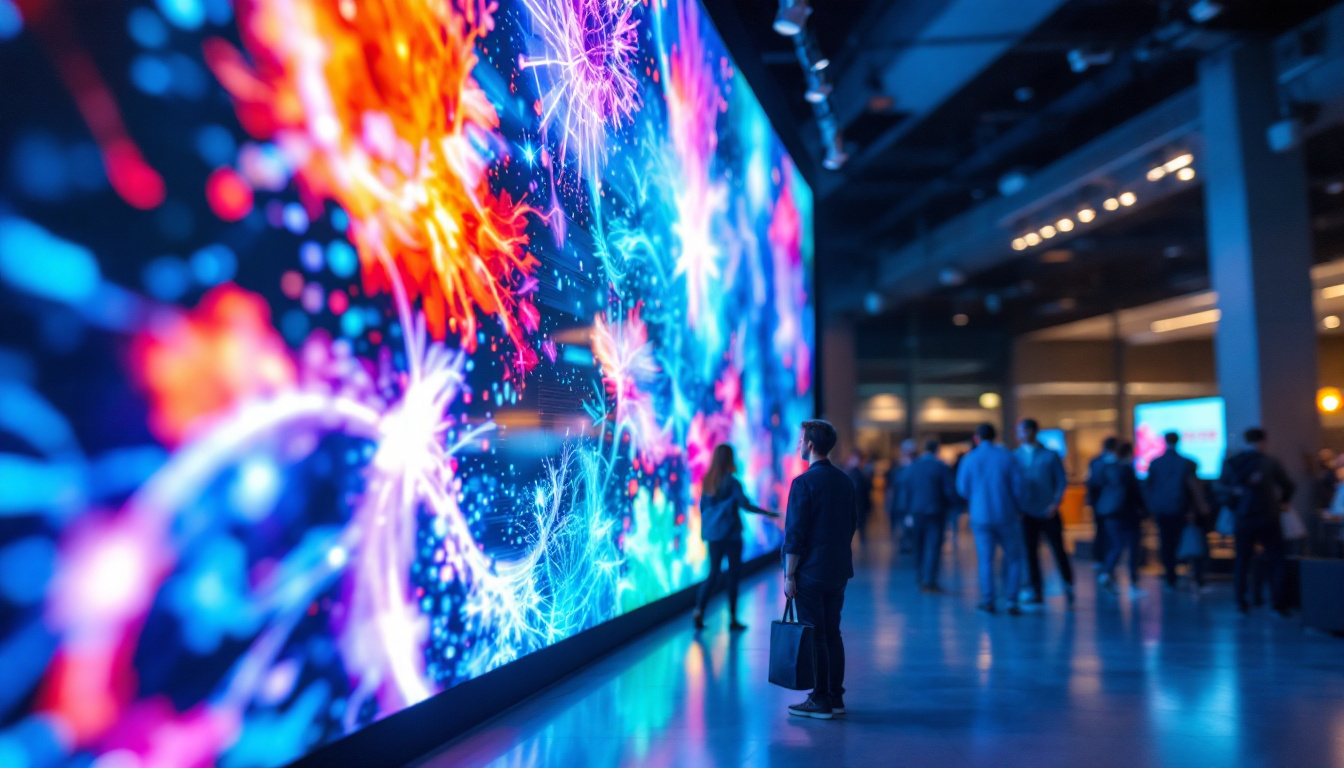
These displays come in various sizes and resolutions, from small panels used for information kiosks to massive video walls in stadiums or shopping malls. Their modular design enables customization to fit virtually any indoor environment, while their slim profiles and lightweight construction facilitate easy installation and maintenance. The versatility of indoor LED displays makes them ideal for a wide range of applications, including corporate presentations, retail advertising, and entertainment venues, where dynamic content can capture the audience’s attention effectively.
Moreover, the energy efficiency of LED technology contributes to lower operational costs, making them a sustainable choice for businesses looking to reduce their carbon footprint. With advancements in technology, many indoor LED displays now come equipped with smart features, such as built-in sensors that adjust brightness based on ambient light conditions, ensuring optimal visibility at all times.
How Do Indoor LED Displays Work?
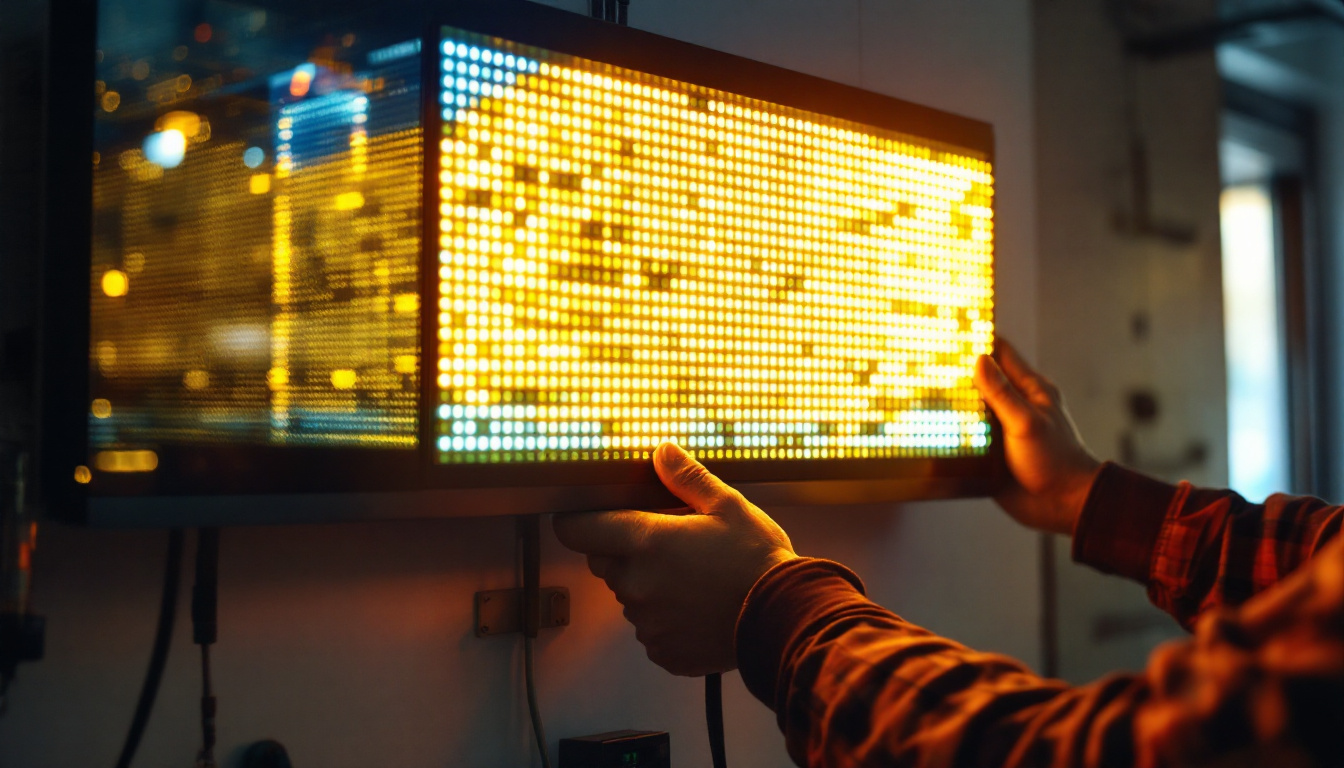
Each pixel on an LED display consists of tiny red, green, and blue LEDs. By varying the intensity of these LEDs, the display can produce a full spectrum of colors. The combination of these pixels creates the images or videos seen on the screen. The resolution of the display depends on the pixel pitch—the distance between the centers of two adjacent pixels. Smaller pixel pitches result in higher resolution and sharper images, which is essential for close-up viewing indoors.
Indoor LED displays are connected to a control system that manages the content shown on the screen. This system can range from simple media players to sophisticated software platforms that allow real-time content updates, scheduling, and remote management. These advanced systems often support various content formats, including high-definition videos, animations, and interactive elements, enabling businesses to engage their audiences in innovative ways. Additionally, many displays are now compatible with cloud-based solutions, allowing for seamless content distribution across multiple locations, making them an ideal choice for brands with a national or global presence.
The technology behind indoor LED displays also includes features like high refresh rates and wide viewing angles, which enhance the overall viewing experience. This is particularly important in environments like trade shows or conferences, where large groups may be viewing the content from different angles. Furthermore, the durability of LED displays ensures they can withstand the rigors of daily use, making them a reliable investment for any organization looking to enhance their visual communication strategy.
Key Advantages of Indoor LED Displays
Superior Image Quality and Brightness
One of the most significant benefits of indoor LED displays is their exceptional image quality. LEDs produce bright, vibrant colors with high contrast ratios, making content easily visible even in well-lit indoor environments. Unlike LCD screens, which rely on backlighting, LEDs emit light directly, resulting in deeper blacks and more vivid colors.
Brightness levels for indoor LED displays typically range from 800 to 1,500 nits, which is more than sufficient to overcome ambient lighting without causing eye strain. This makes them ideal for retail environments, corporate lobbies, and event venues where lighting conditions can vary. The ability to maintain clarity and color accuracy in diverse lighting scenarios ensures that advertisements and presentations capture attention effectively, enhancing viewer engagement and retention.
Energy Efficiency and Longevity
LED technology is known for its energy efficiency. Indoor LED displays consume significantly less power compared to traditional display technologies like plasma or LCD. This efficiency translates into lower operating costs, especially for installations that run continuously. Businesses can enjoy substantial savings on electricity bills, allowing them to allocate resources to other critical areas.
Moreover, LEDs have a long lifespan, often exceeding 50,000 hours of operation. This durability reduces maintenance costs and downtime, ensuring that displays remain functional and visually appealing over many years. The reduced frequency of replacements not only minimizes waste but also contributes to a more sustainable approach to technology, appealing to environmentally conscious consumers and businesses alike.
Flexibility and Customization
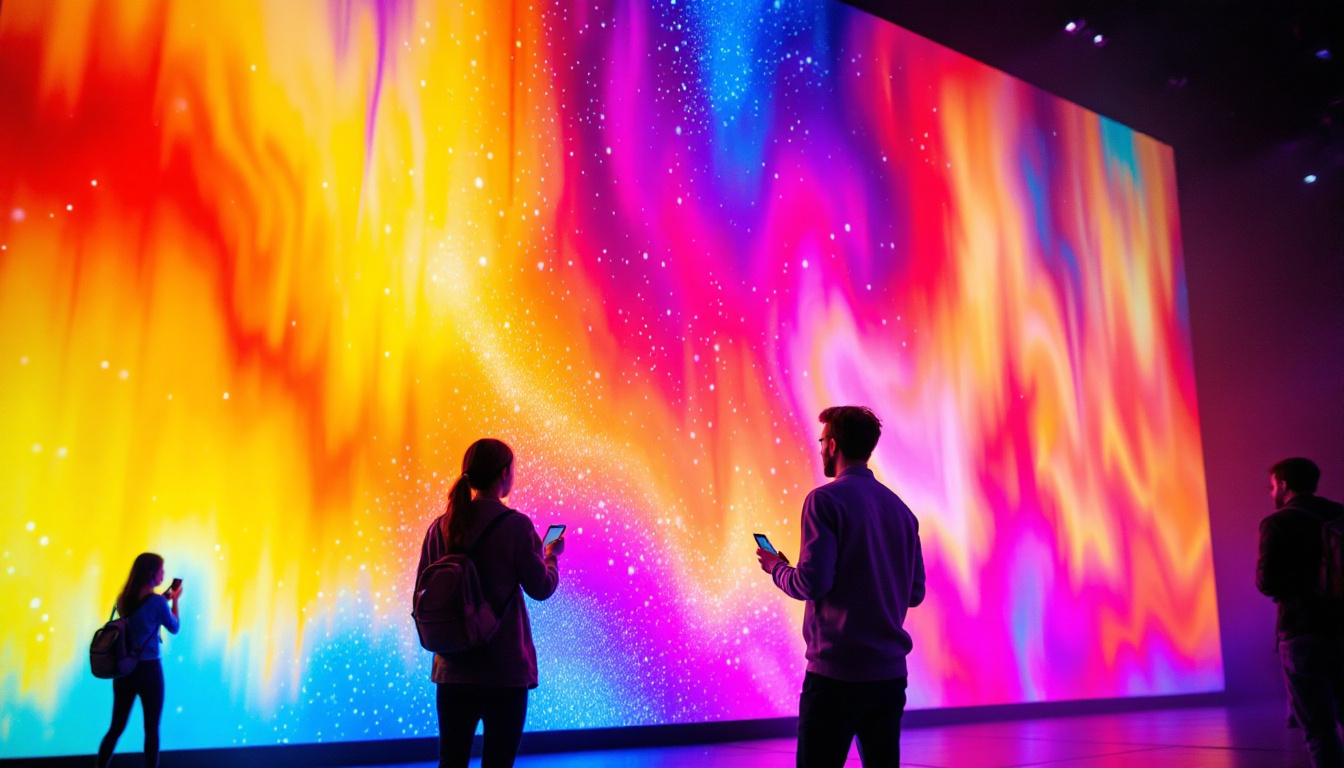
Indoor LED displays offer unmatched flexibility in terms of size, shape, and resolution. Because they are made up of modular panels, they can be assembled into virtually any configuration—curved walls, irregular shapes, or seamless video walls. This adaptability allows designers and marketers to create immersive visual experiences tailored to specific spaces and audiences. For instance, a retail store can use a curved LED display to wrap around a product showcase, drawing customers in and enhancing the shopping experience.
Additionally, content can be easily updated or changed remotely, enabling dynamic messaging that can be adjusted in real time to respond to customer behavior or event requirements. This capability is particularly beneficial for businesses that frequently change promotions or events, as it allows for quick and efficient updates without the need for physical alterations to the display. Furthermore, the integration of interactive elements, such as touchscreens or motion sensors, can elevate the user experience, encouraging greater interaction and engagement with the displayed content.
Applications of Indoor LED Displays
Retail and Advertising
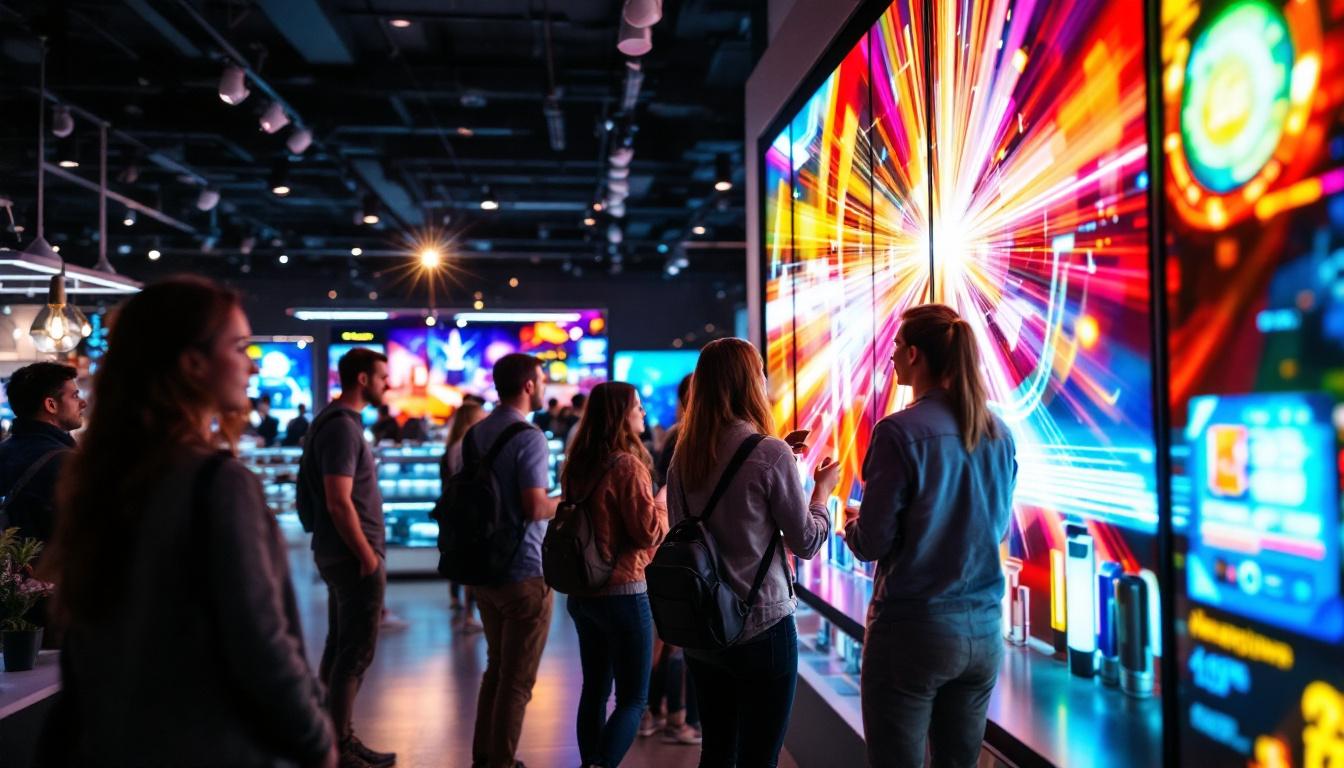
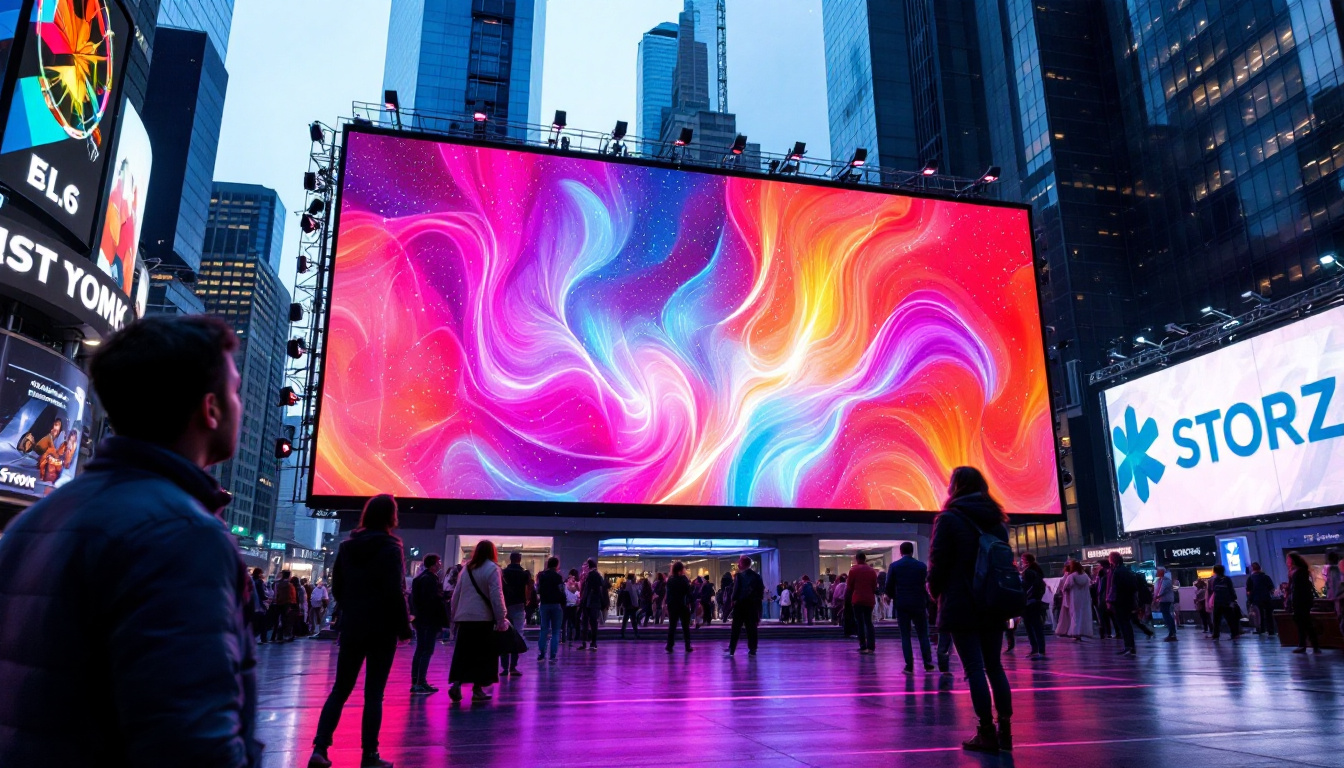
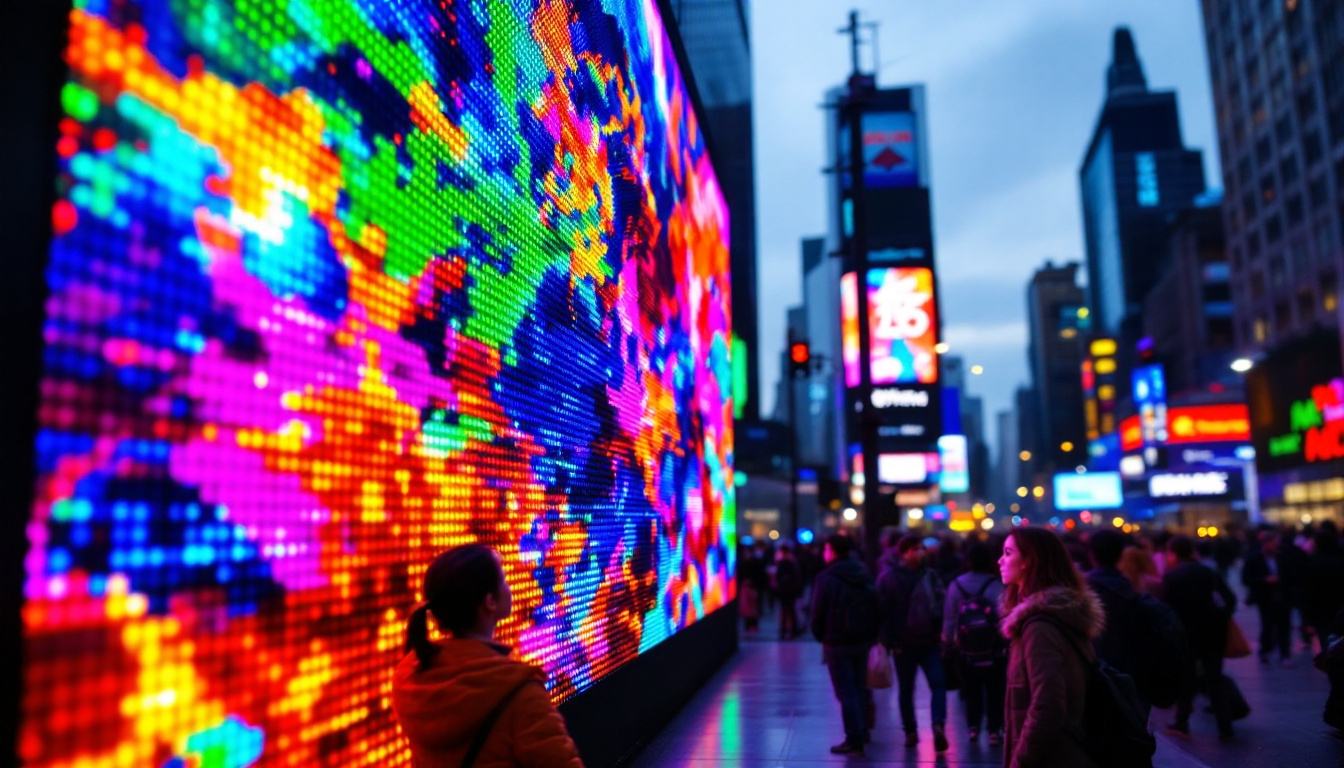
Retail environments benefit immensely from indoor LED displays, which attract customer attention and enhance brand messaging. Stores use LED walls to showcase promotions, product launches, and interactive content that engages shoppers. According to a study by the Digital Signage Federation, digital signage, including LED displays, can increase sales by up to 31.8% in retail settings.
High-resolution indoor LED displays also enable retailers to create immersive brand experiences, such as virtual fitting rooms or interactive product demonstrations, which can differentiate them from competitors.
Corporate and Conference Settings
In corporate environments, indoor LED displays are used for presentations, video conferencing, and digital signage within lobbies and meeting rooms. Their clarity and brightness ensure that all attendees can see content clearly, improving communication and collaboration.
Many companies use LED video walls in auditoriums and event spaces to deliver impactful presentations and live broadcasts. The ability to customize screen size and shape allows for seamless integration into modern office aesthetics.
Entertainment and Events
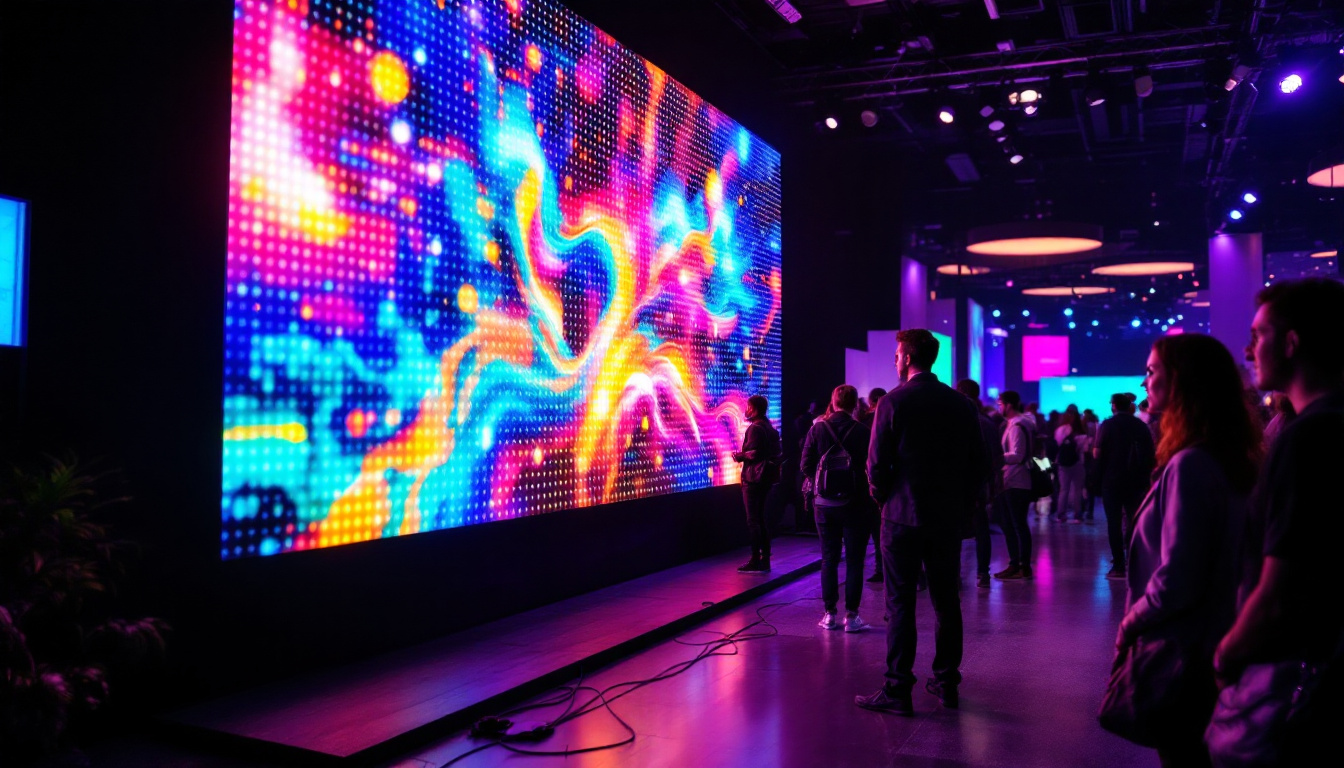
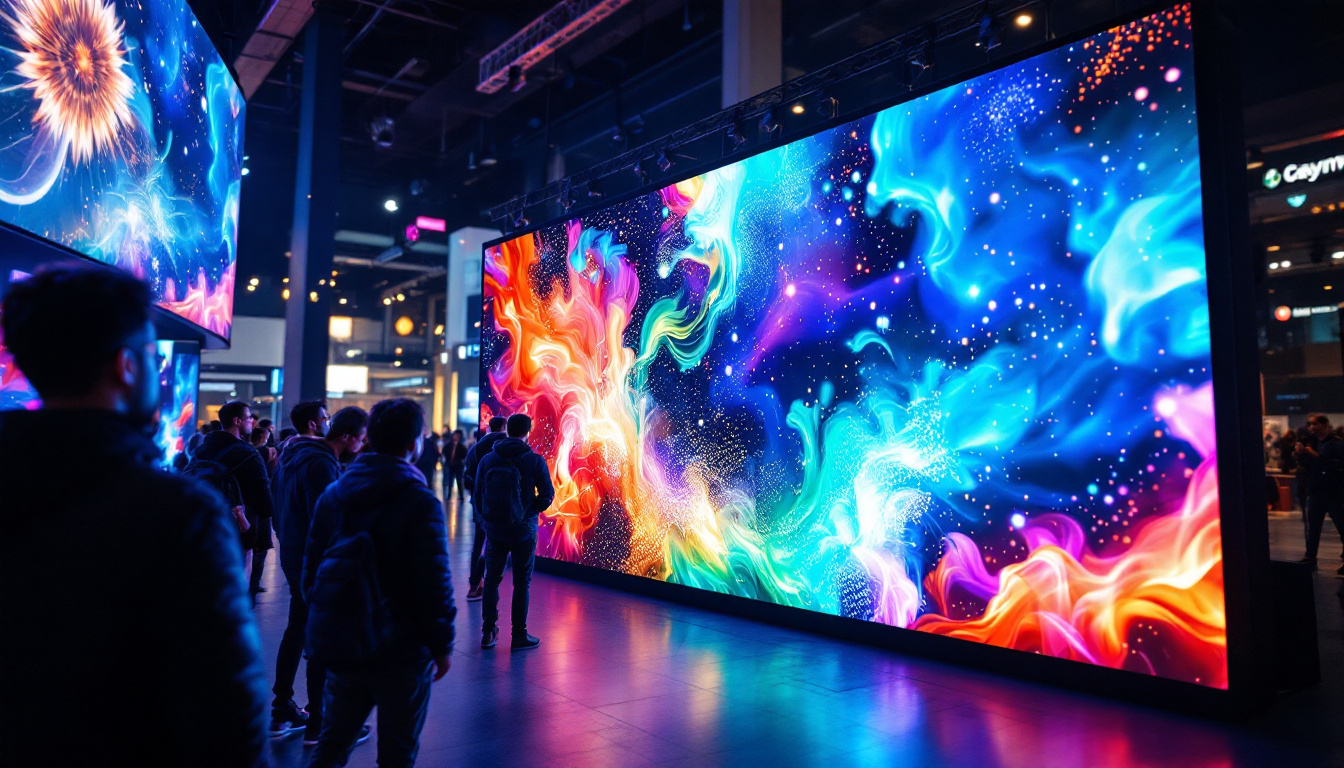
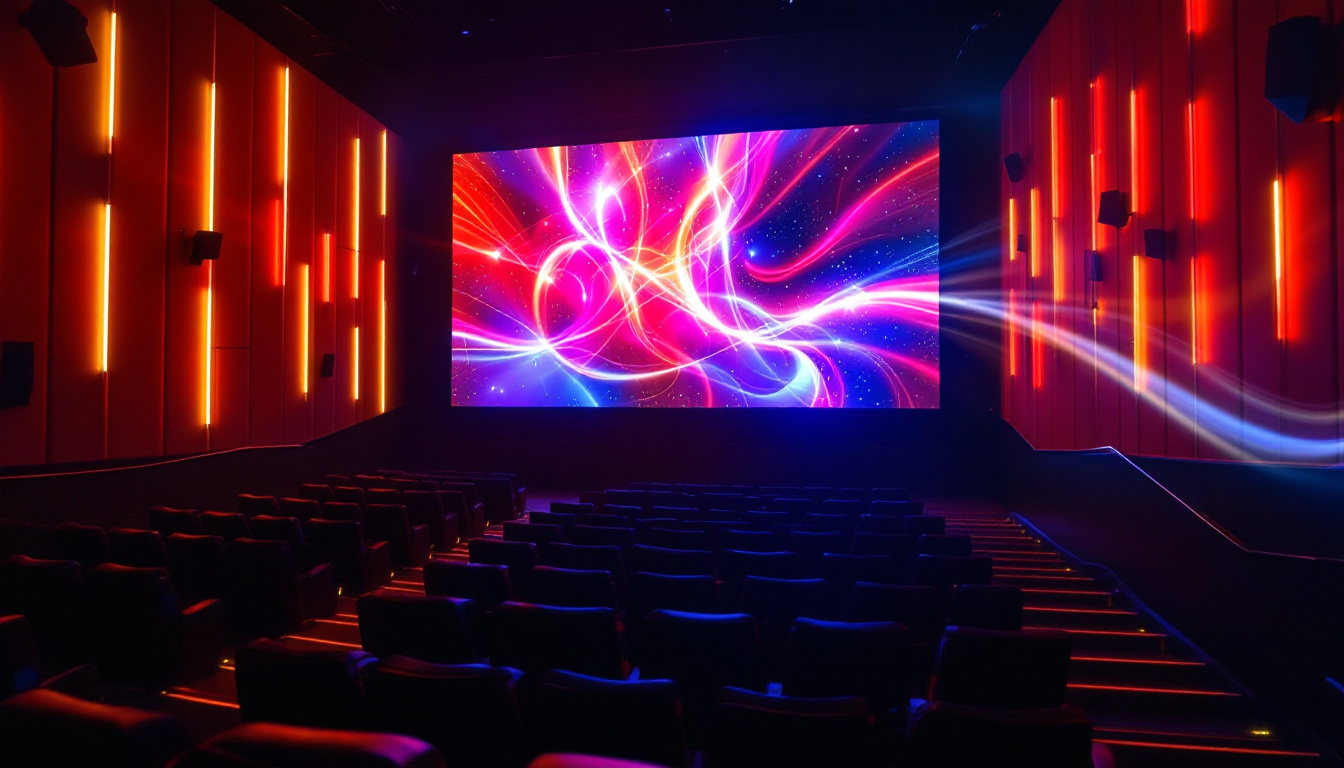
Indoor LED displays are a staple in the entertainment industry, from concerts and theaters to trade shows and exhibitions. Their vibrant colors and high refresh rates make them ideal for displaying live video feeds, dynamic graphics, and interactive content.
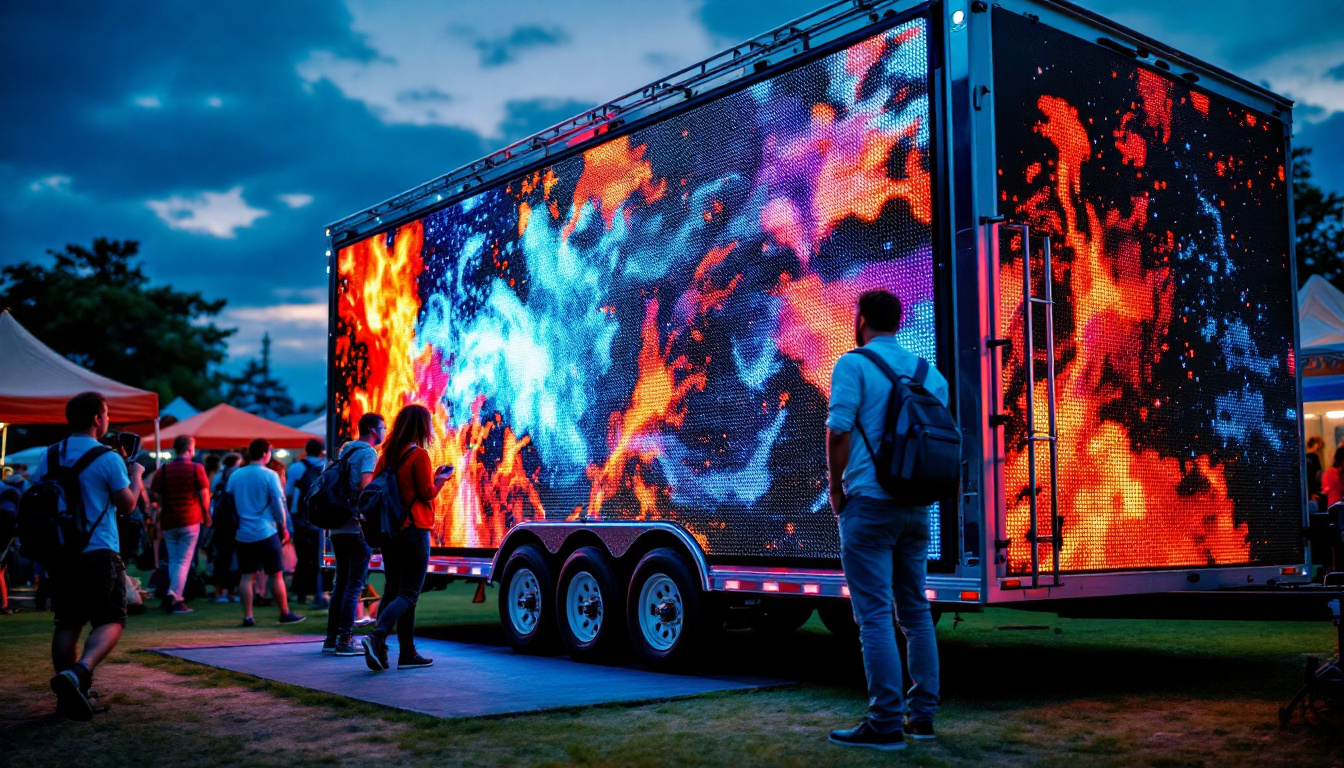
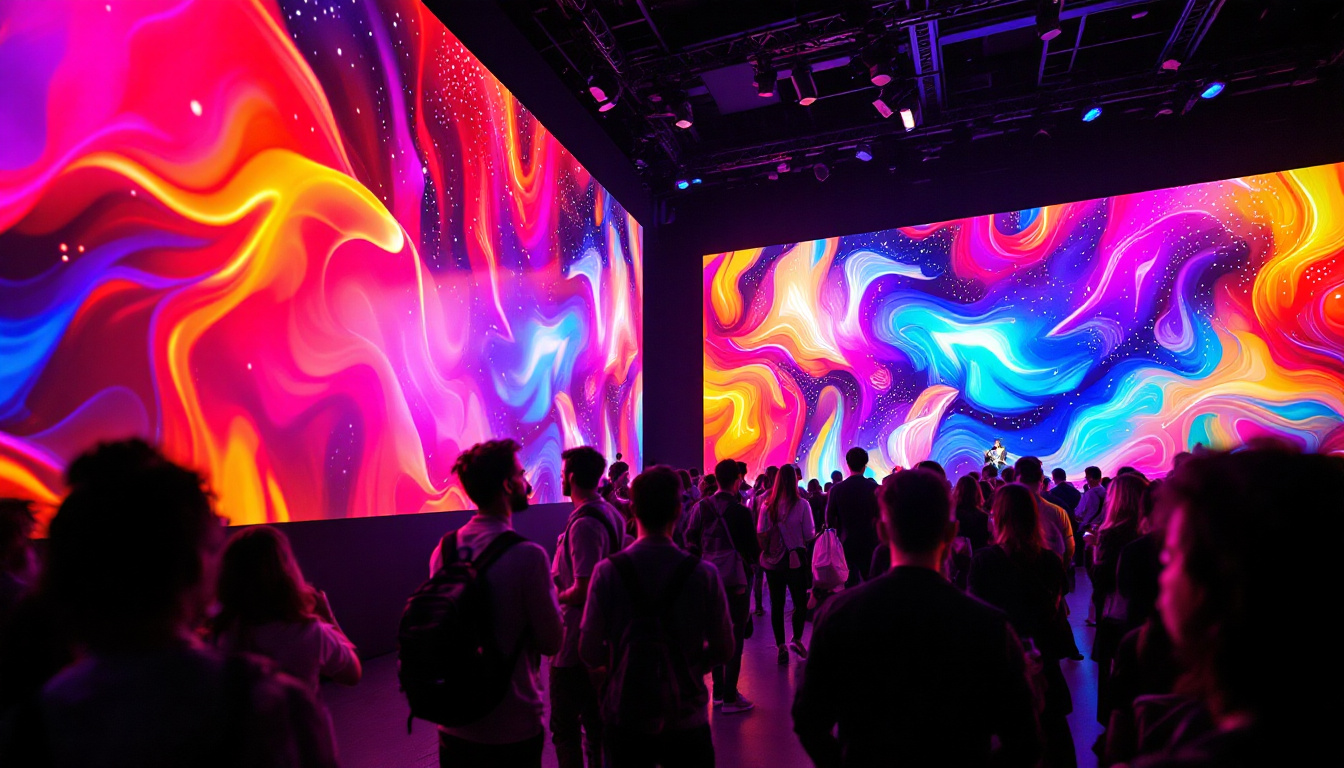
Event organizers often rely on LED walls to create immersive environments, enhance stage design, and provide real-time information to attendees. The lightweight and modular nature of these displays also facilitates quick setup and teardown, which is critical for temporary installations.
Choosing the Right Indoor LED Display
Consider Viewing Distance and Pixel Pitch
One of the most important factors when selecting an indoor LED display is the pixel pitch, which directly affects image sharpness. For close viewing distances, such as in retail or conference rooms, a smaller pixel pitch (e.g., 1.2mm to 2.5mm) is essential to ensure crisp, clear visuals.
For larger spaces where viewers are farther away, a larger pixel pitch may be acceptable and more cost-effective. Understanding the typical viewing distance helps determine the optimal resolution and size for the display.
Assess Ambient Lighting Conditions
Indoor environments vary widely in terms of lighting. Brightly lit lobbies or retail stores require displays with higher brightness levels to maintain visibility. Conversely, dimly lit conference rooms or theaters may benefit from displays with adjustable brightness to prevent glare and eye strain.
Some indoor LED displays come with ambient light sensors that automatically adjust brightness based on surrounding light conditions, enhancing viewer comfort and energy efficiency.
Evaluate Content Management Capabilities
Modern indoor LED displays often come with sophisticated content management systems (CMS) that allow users to schedule, update, and customize content remotely. When choosing a display, consider the ease of use, compatibility with existing software, and the ability to integrate with other digital marketing tools.
For businesses that require frequent content changes or real-time updates, a robust CMS is essential to maximize the display’s effectiveness.
Installation and Maintenance Considerations
Professional Installation Ensures Optimal Performance
Installing an indoor LED display requires careful planning and expertise. Factors such as structural support, electrical wiring, ventilation, and accessibility must be addressed to ensure safety and performance. Professional installers can also calibrate the display for color accuracy and uniform brightness, which are critical for delivering high-quality visuals.
Routine Maintenance Extends Lifespan
Although LED displays are durable, regular maintenance is necessary to keep them operating at peak performance. This includes cleaning the panels to remove dust and debris, checking for dead pixels, and ensuring that cooling systems function properly.
Many manufacturers offer maintenance contracts or remote monitoring services to detect and address issues proactively, minimizing downtime.
The Future of Indoor LED Displays
Technological advancements continue to push the boundaries of what indoor LED displays can achieve. Innovations such as microLED technology promise even higher resolution, improved energy efficiency, and thinner form factors. Additionally, integration with artificial intelligence and augmented reality is opening new possibilities for interactive and personalized content.
As costs continue to decrease and capabilities expand, indoor LED displays are expected to become even more prevalent across industries, transforming how information and experiences are delivered indoors.
Conclusion
Indoor LED displays represent a powerful tool for communication and engagement in a wide range of indoor settings. Their superior image quality, energy efficiency, and flexibility make them an attractive choice for businesses and event organizers looking to captivate audiences with dynamic visual content.
By understanding the technology behind indoor LED displays, their advantages, and key considerations for selection and maintenance, organizations can harness their full potential to create impactful, memorable experiences.
Discover LumenMatrix LED Display Solutions
Ready to elevate your indoor space with the latest in LED display technology? Look no further than LumenMatrix, a pioneer in creating immersive and dynamic visual experiences. Whether you’re seeking to enhance your retail environment, make a statement in corporate settings, or captivate audiences at live events, LumenMatrix offers an extensive range of LED display solutions, including Indoor LED Wall Displays and Custom LED Displays tailored to your unique needs. Experience the future of visual communication today and check out LumenMatrix LED Display Solutions to transform your message into an unforgettable visual journey.