In today’s fast-paced digital world, captivating your audience’s attention is more challenging than ever. Whether it’s a corporate event, a trade show, a concert, or a retail promotion, the way information is presented can make all the difference. Indoor LED screens have revolutionized visual communication, offering vibrant, dynamic, and versatile display solutions. This article explores the ins and outs of indoor LED screen hire, explaining how LED displays work, their benefits, and why hiring an indoor LED screen might be the best choice for your next event or project.
Understanding Indoor LED Screens: What Are They?
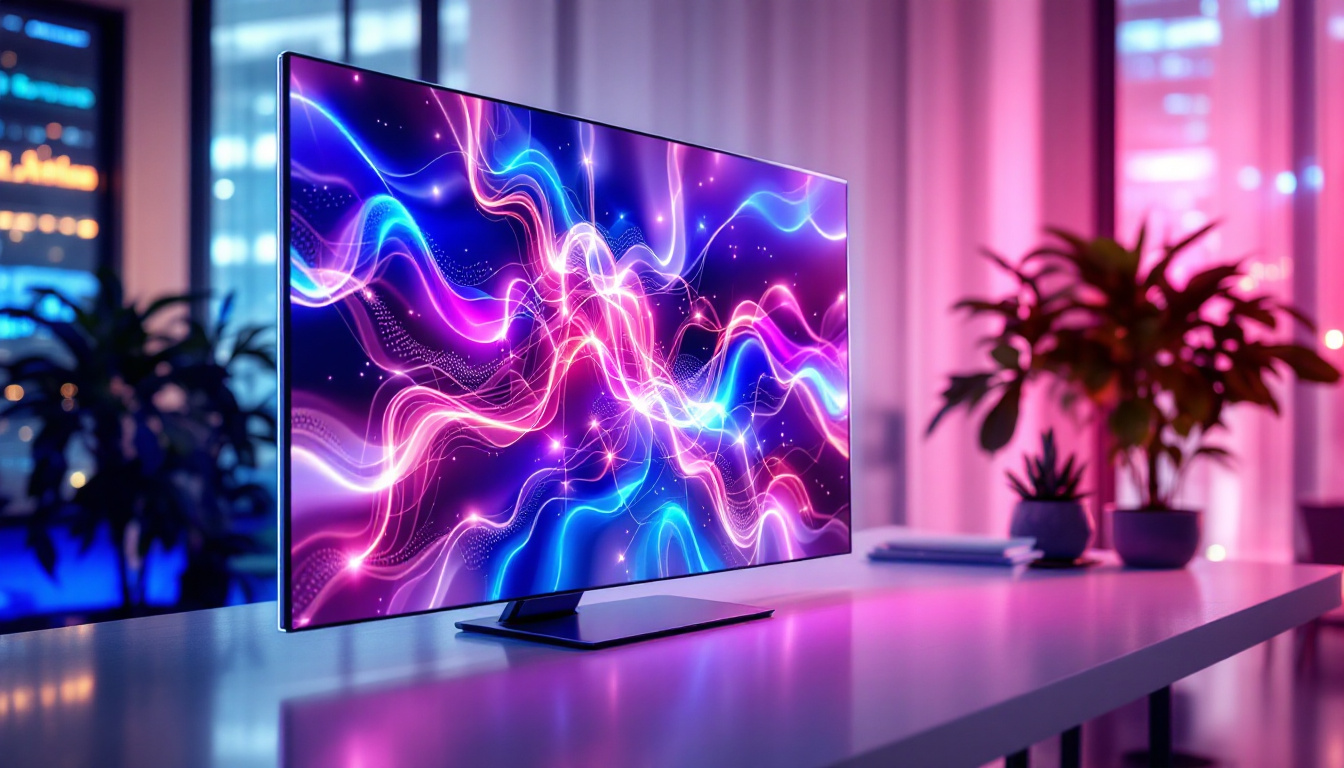
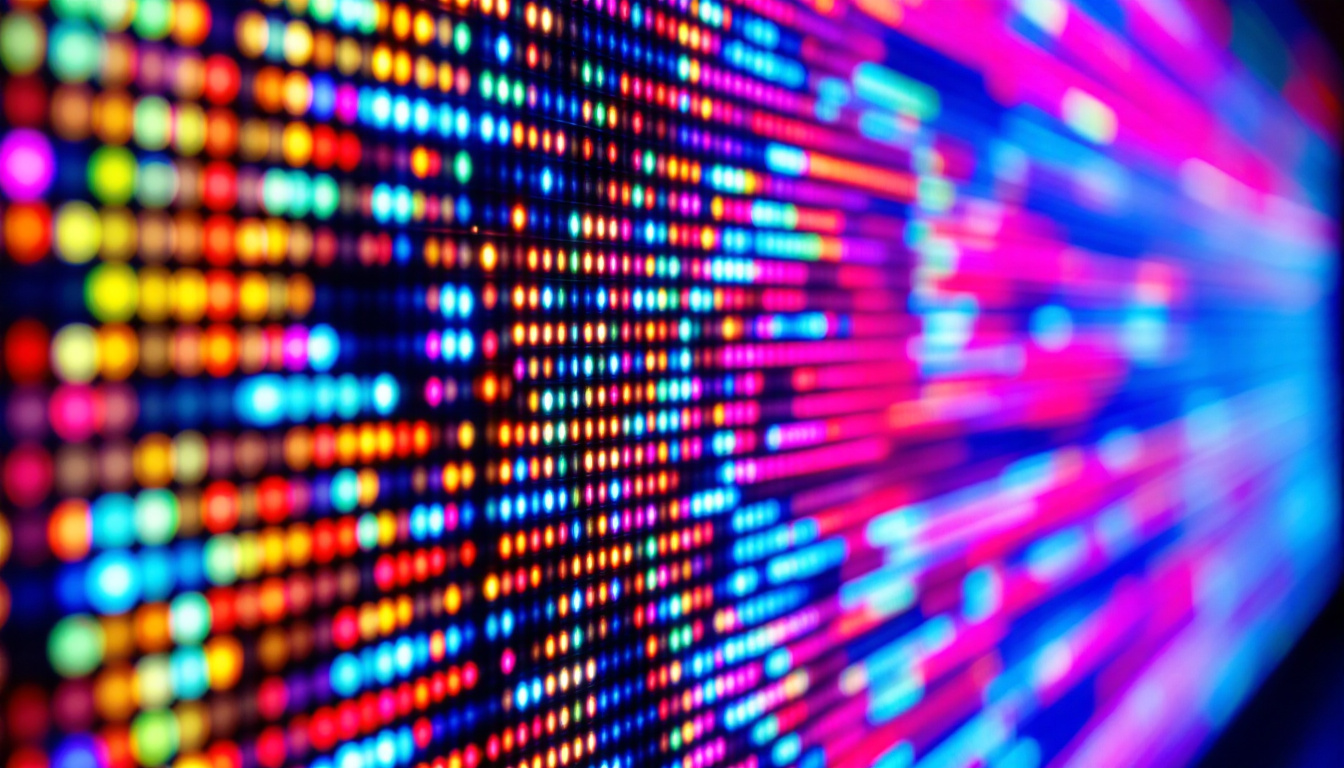
LED stands for Light Emitting Diode, a semiconductor device that emits light when an electric current passes through it. Indoor LED screens are composed of thousands of these tiny diodes arranged in a grid to form a display panel. Unlike traditional LCD or projection screens, LED displays produce their own light, resulting in brighter images with better contrast and color accuracy.
Indoor LED screens are designed specifically for use inside buildings, offering optimal brightness levels that suit controlled lighting environments. They come in various sizes and resolutions, making them adaptable to a wide range of applications—from small conference rooms to large auditoriums.
How Do Indoor LED Screens Work?
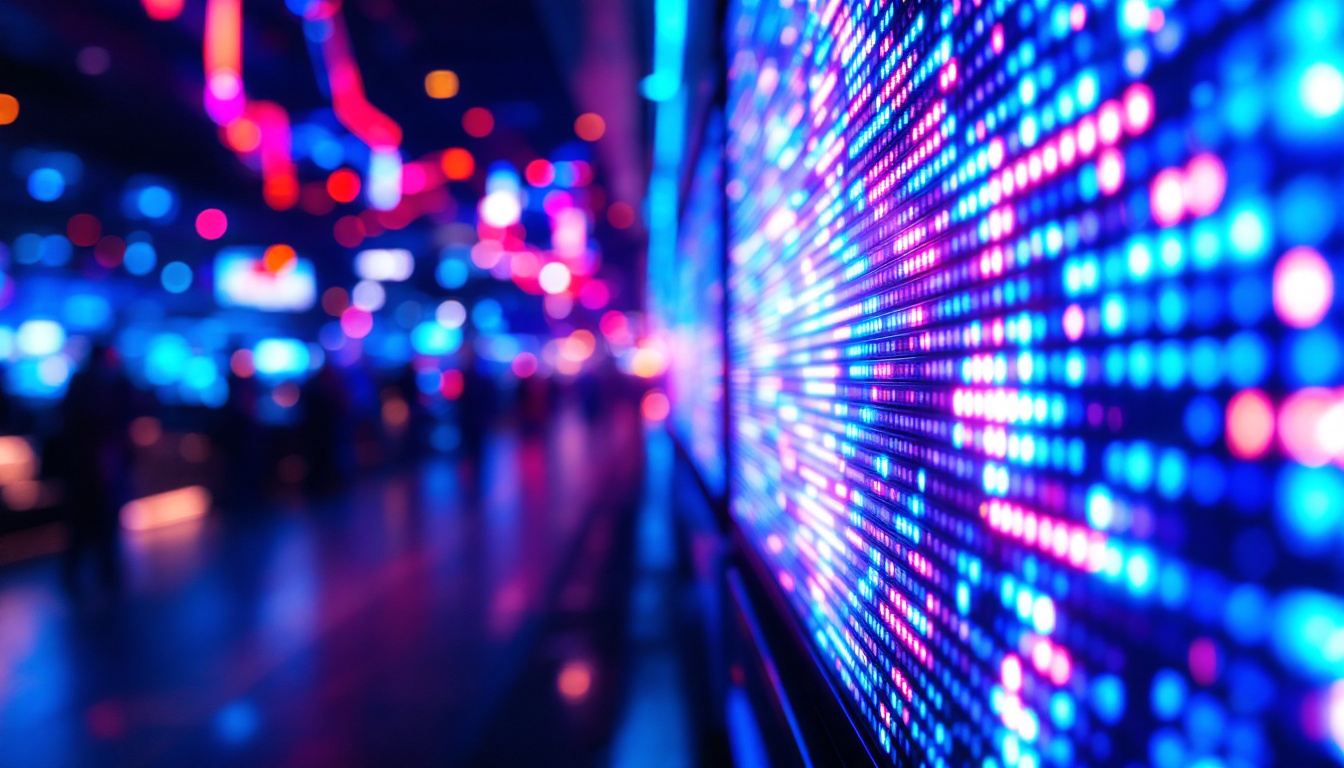
Each pixel on an LED screen consists of red, green, and blue diodes. By adjusting the intensity of these three colors, the screen can produce millions of different hues. The pixels light up in patterns controlled by a video processor, which receives input from a computer or media player, translating digital content into vivid images and videos.
Modern indoor LED screens use surface-mount technology (SMT) for placing LEDs on circuit boards, enabling higher pixel density and finer image quality. This technology allows for seamless displays with minimal bezels between panels, creating a smooth, uninterrupted viewing experience.
Pixel Pitch: The Key to Image Clarity
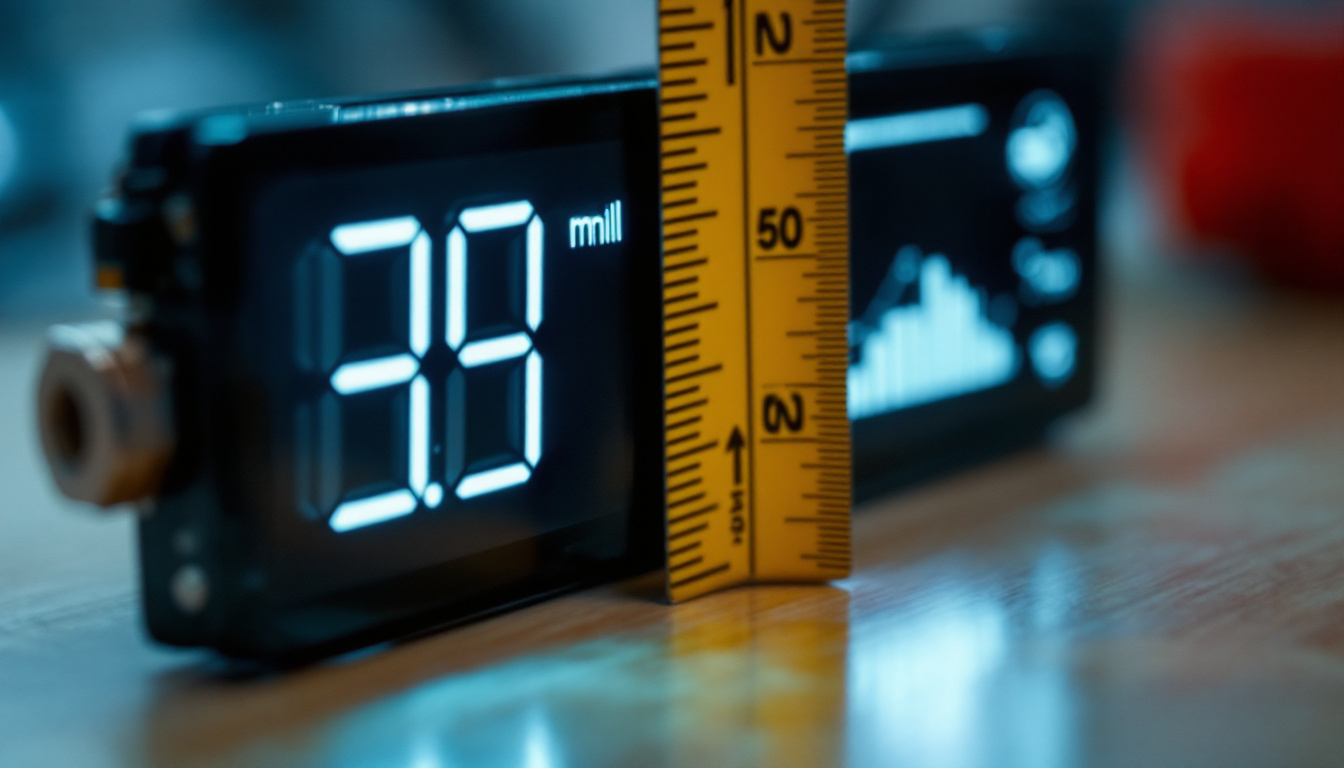
One of the most important specifications when choosing an indoor LED screen is the pixel pitch, which refers to the distance between the centers of two adjacent pixels, measured in millimeters. A smaller pixel pitch means higher pixel density and sharper images, making it ideal for close viewing distances.
For example, a pixel pitch of 1.5mm to 2.5mm is common for indoor LED screens used in corporate events or exhibitions where viewers are close to the display. Larger pixel pitches (3mm and above) are suitable for bigger screens viewed from a distance, such as in auditoriums or conference halls.
Benefits of Hiring Indoor LED Screens
Hiring an indoor LED screen offers numerous advantages over purchasing or using traditional display methods. Here are some of the key benefits that make LED screen hire an attractive option for businesses and event organizers.
Cost-Effectiveness and Flexibility
Purchasing an LED screen can be a significant investment, especially for high-resolution, large-format displays. Hiring allows you to access the latest technology without the upfront costs and maintenance responsibilities. This is particularly beneficial for short-term events or projects where permanent installation is not practical.
Additionally, hiring companies often provide technical support, installation, and dismantling services, reducing the logistical burden on your team. This flexibility enables you to scale the display size and resolution according to your specific event requirements.
Enhanced Visual Impact
Indoor LED screens deliver bright, high-contrast images that stand out even in well-lit environments. Their vibrant colors and smooth video playback can significantly enhance audience engagement and message retention. Whether you’re displaying product demos, live feeds, or dynamic presentations, LED screens create a memorable visual experience.
Studies have shown that dynamic digital displays can increase audience engagement by up to 47% compared to static signage. This makes LED screens a powerful tool for marketing, education, and entertainment purposes.
Versatility Across Applications
Indoor LED screens are incredibly versatile. They can be used for:
- Corporate events and conferences
- Trade shows and exhibitions
- Retail promotions and product launches
- Concerts and live performances
- Broadcast studios and control rooms
- Educational institutions for lectures and presentations
This adaptability means that hiring an LED screen can meet a wide variety of needs, making it a smart choice for organizations that host diverse events throughout the year.
Choosing the Right Indoor LED Screen for Your Event
Selecting the appropriate indoor LED screen involves considering several factors to ensure optimal performance and audience experience.
Screen Size and Viewing Distance
The size of the LED screen should correspond to the venue size and the expected viewing distance. A general rule is that the minimum viewing distance (in meters) should be roughly 1.5 to 2 times the screen’s diagonal size (in meters). For example, a 3-meter wide screen is best viewed from 4.5 to 6 meters away.
Ensuring the correct size prevents viewers from straining to see details or feeling overwhelmed by an excessively large display. It also helps optimize the pixel pitch choice for the clearest image.
Resolution and Content Type
The resolution of the LED screen should match the type of content you plan to display. High-definition videos and detailed graphics require higher resolution screens with smaller pixel pitches. Conversely, simple text or logos can be effectively displayed on screens with lower resolution.
Understanding your content needs upfront helps avoid overspending on unnecessary resolution or, conversely, ending up with a screen that underperforms.
Brightness and Ambient Lighting
Indoor LED screens typically offer brightness levels between 800 to 1,200 nits, which is sufficient for most indoor environments. However, if the venue has large windows or strong artificial lighting, opting for a brighter screen ensures visibility remains uncompromised.
Consulting with the hire provider about the venue’s lighting conditions can help determine the ideal brightness level.
Installation and Support Services
Professional installation is critical for the safety and performance of indoor LED screens. Many hire companies provide full-service packages that include setup, calibration, and on-site technical support during the event. This service minimizes downtime and technical issues, allowing you to focus on your event.
Always clarify what support services are included in the hire agreement to avoid unexpected costs or complications.
Common Applications of Indoor LED Screens
Indoor LED screens have become a staple in numerous industries due to their dynamic display capabilities and adaptability. Below are some of the most common applications where indoor LED screens excel.
Corporate Events and Conferences
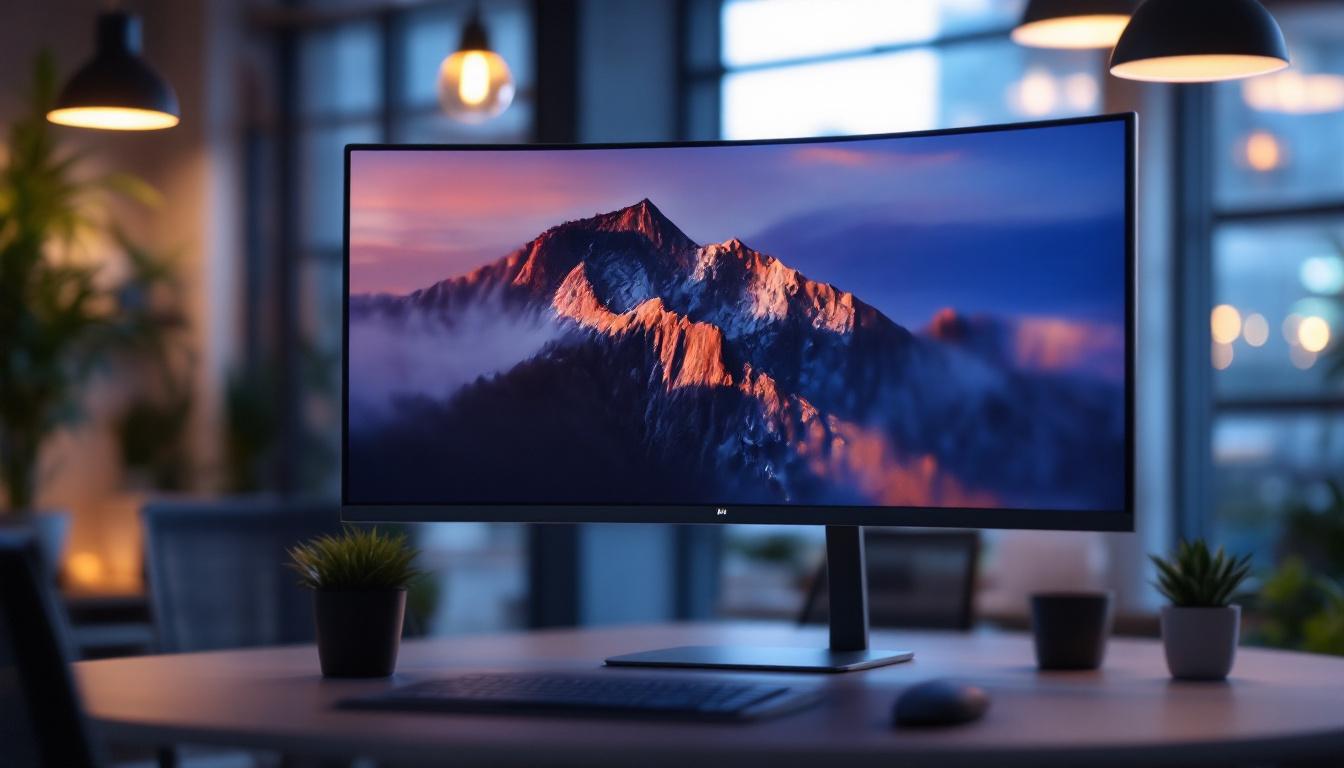
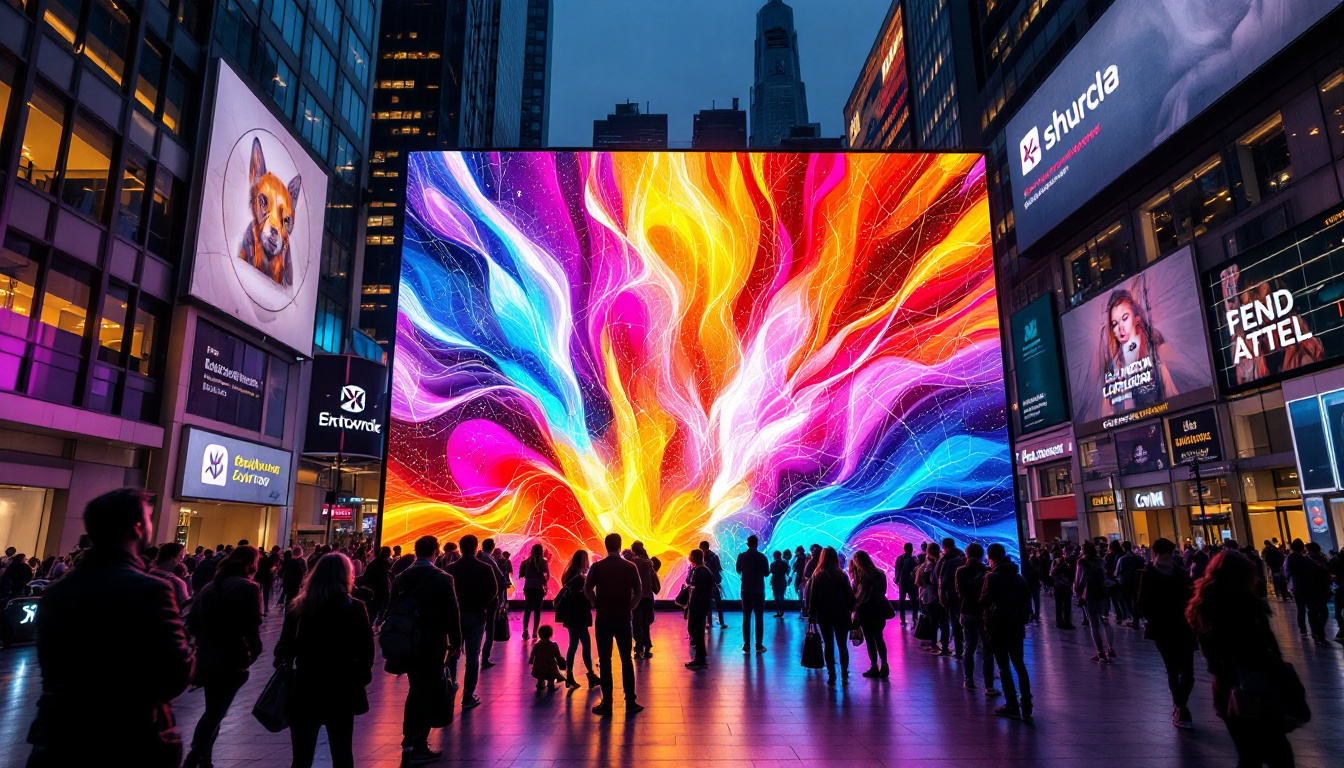
In corporate settings, indoor LED screens are used to display presentations, live video feeds, branding materials, and interactive content. Their ability to clearly display detailed graphics and video makes them ideal for keynote speeches, panel discussions, and product launches.
For example, a global technology company recently used a 4K indoor LED wall at their annual conference to stream live demonstrations and engage attendees with real-time social media feeds, significantly enhancing the event’s interactive experience.
Trade Shows and Exhibitions
Trade shows are competitive environments where attracting attention is crucial. Indoor LED screens help exhibitors stand out by showcasing eye-catching visuals and videos that highlight products and services. The screens can also be used to display schedules, interactive maps, or live social media updates.
Because trade shows often require temporary setups, hiring LED screens is a cost-effective way to access premium display technology without long-term commitments.
Retail and Advertising
Retailers use indoor LED screens to create dynamic in-store advertising that can be quickly updated to reflect promotions, new products, or seasonal campaigns. The bright, vivid displays attract shoppers’ attention and can influence purchasing decisions.
Research indicates that digital signage can increase sales by up to 30%, making LED screens a valuable investment for retail marketing strategies.
Entertainment and Live Performances
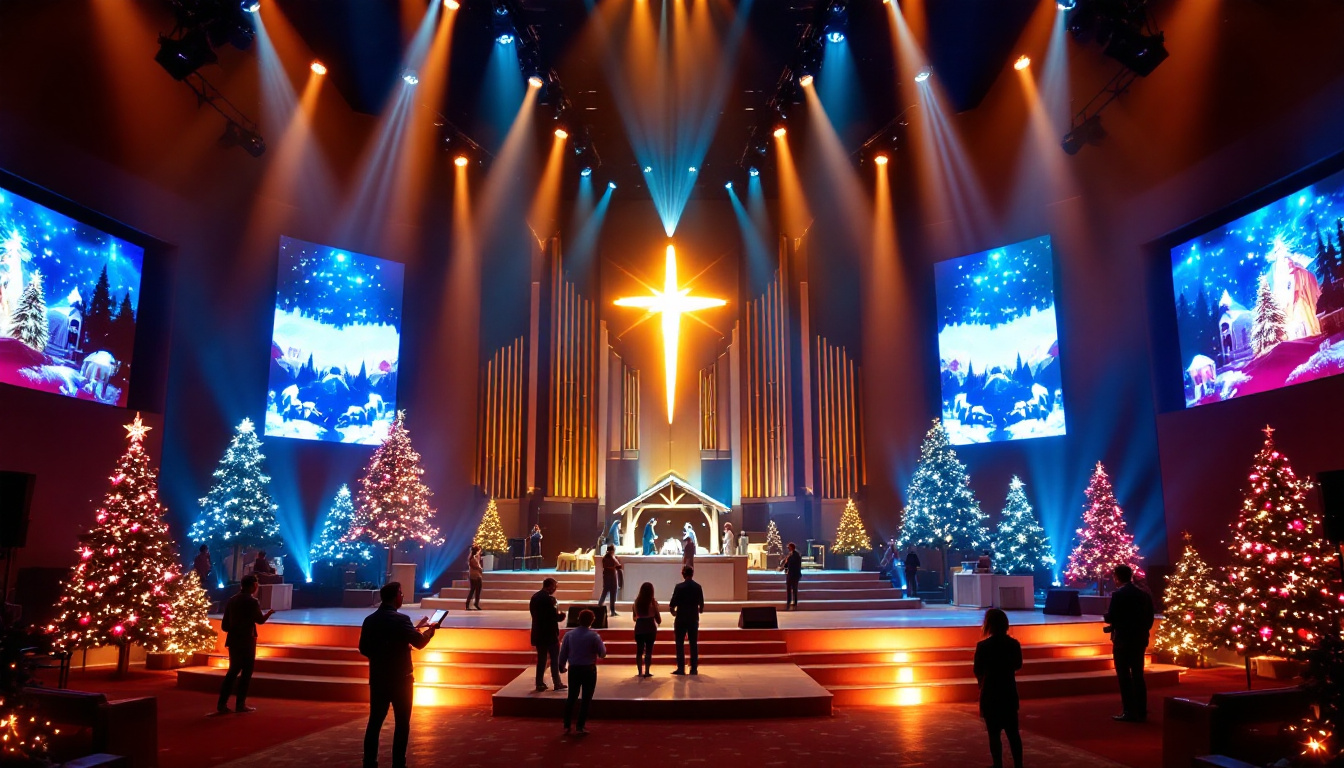
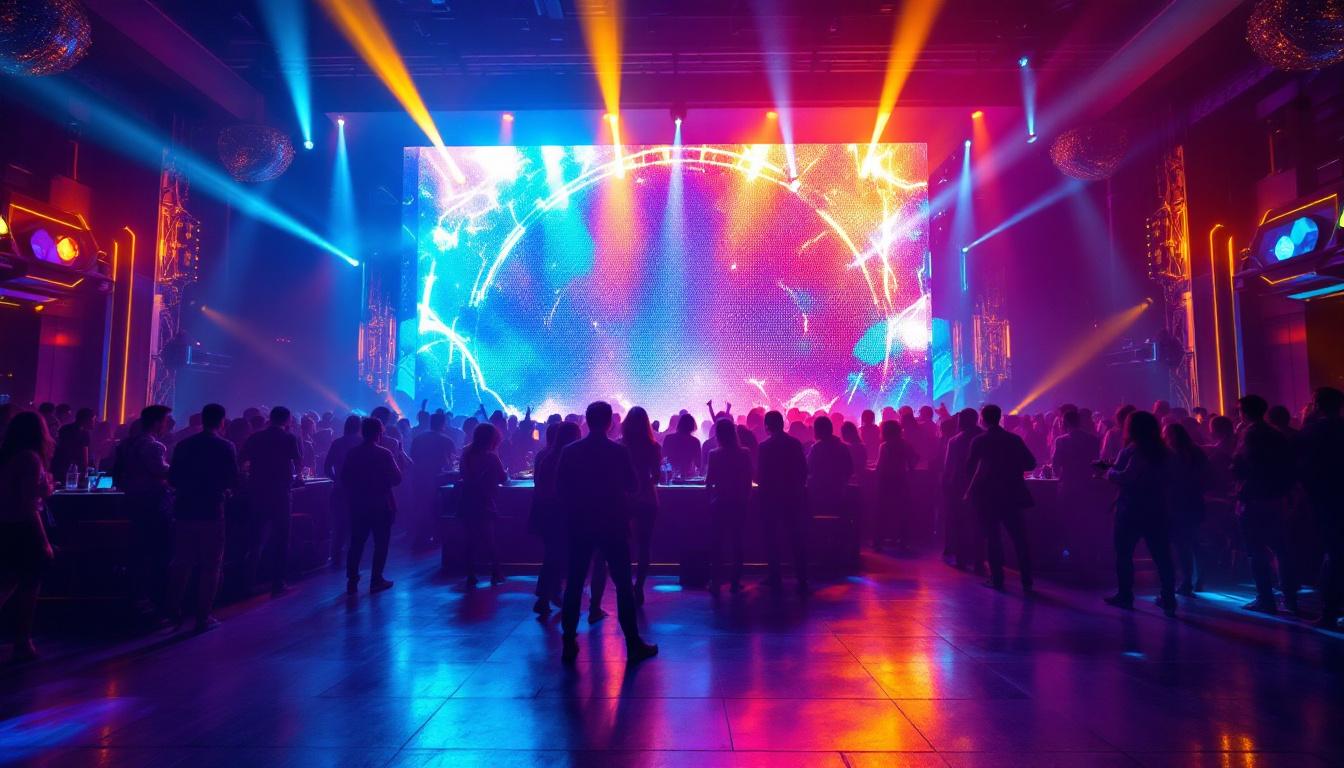
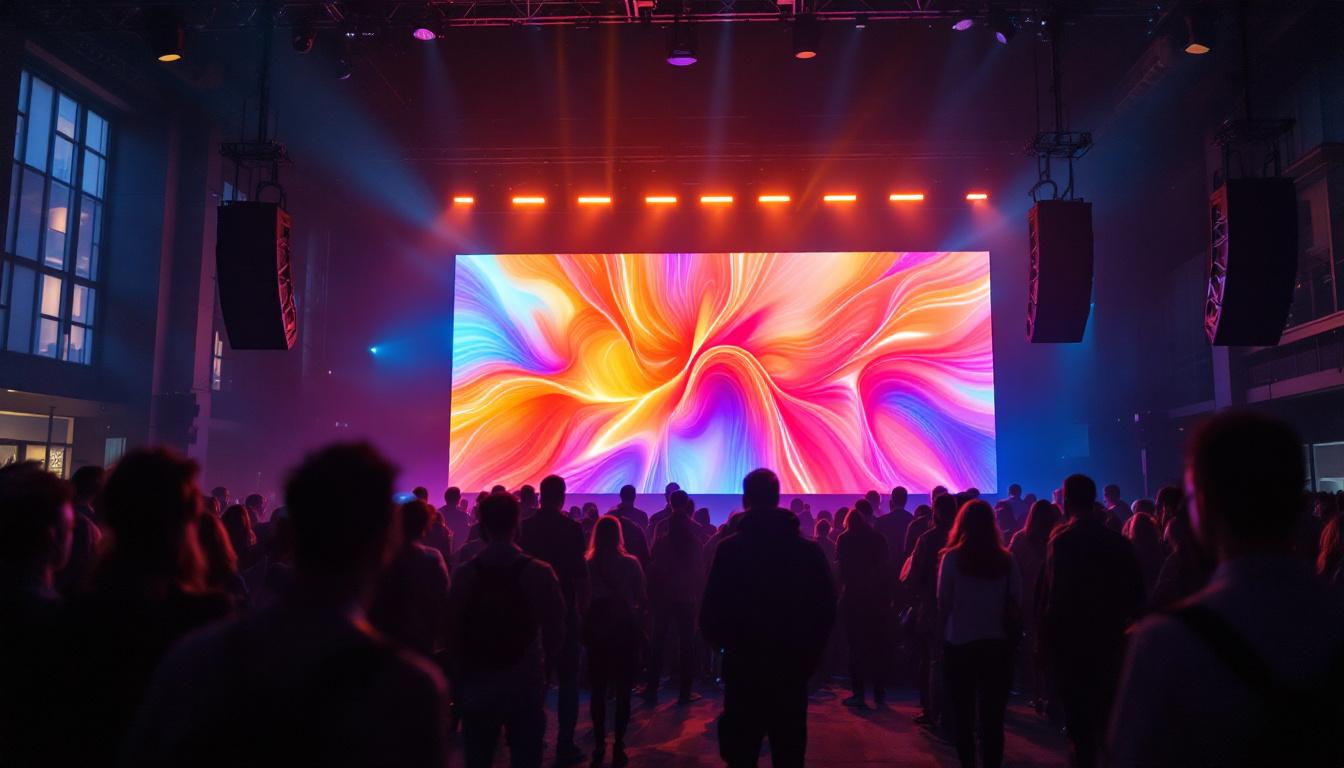
Concerts, theater productions, and other live events use indoor LED screens to enhance the audience experience. They can display live video feeds, visual effects, or lyrics, ensuring that even attendees far from the stage have a clear view of the performance.
Many large-scale events employ curved or flexible LED screens to create immersive environments that complement the artistic vision of the show.
Key Considerations When Hiring Indoor LED Screens
While indoor LED screen hire offers many benefits, there are important considerations to keep in mind to ensure a successful experience.
Budget Planning
Costs for hiring an indoor LED screen vary based on size, resolution, rental duration, and additional services like installation and technical support. It’s essential to obtain detailed quotes and understand what is included to avoid surprises.
Some providers offer package deals that include content management and on-site technicians, which can be cost-effective for complex events.
Content Preparation
High-quality content is crucial to maximize the impact of an LED screen. Content should be tailored to the screen’s resolution and aspect ratio, and optimized for brightness and color settings.
Many hire companies offer content creation or formatting services, which can be valuable for clients without in-house design teams.
Venue Restrictions and Logistics
Before finalizing a hire, confirm that the venue can accommodate the LED screen’s size and weight requirements. Check for access points, power availability, and any restrictions on rigging or mounting equipment.
Early coordination with venue management and the hire provider helps ensure smooth installation and operation.
The Future of Indoor LED Screens
Indoor LED technology continues to evolve rapidly. Innovations such as microLED and transparent LED screens are expanding possibilities for creative display solutions. These advancements promise even higher resolution, improved energy efficiency, and new ways to integrate digital content into physical spaces.
Moreover, the integration of LED screens with interactive technologies like touch sensors and augmented reality is opening new avenues for audience engagement. As these technologies become more accessible, indoor LED screens will play an increasingly central role in events, retail, and corporate communications.
Conclusion
Indoor LED screen hire offers a powerful, flexible, and cost-effective way to deliver striking visual content across a wide range of applications. Understanding the technology, benefits, and key considerations can help businesses and event organizers make informed decisions that maximize audience impact and return on investment.
Whether you are planning a corporate event, trade show, retail promotion, or live performance, hiring an indoor LED screen can elevate your presentation and create memorable experiences that resonate with your audience long after the event ends.
Discover LumenMatrix LED Display Solutions
Ready to transform your next event with a visually stunning LED display? LumenMatrix is at the forefront of LED technology, offering a diverse range of solutions tailored to your unique needs. From Indoor LED Wall Displays to immersive Custom LED Displays, our products are designed to captivate your audience and amplify your message. Experience the future of visual communication with LumenMatrix and make your brand stand out. Check out LumenMatrix LED Display Solutions today and take the first step towards an unforgettable event.