In today’s fast-paced world, where open-plan offices and shared spaces have become the norm, maintaining privacy without sacrificing aesthetics or functionality is a growing challenge. Enter the indoor privacy wall with LED display technology—a modern solution that combines privacy, communication, and dynamic visual appeal into one seamless installation. This article explores the concept of indoor privacy walls integrated with LED displays, their benefits, applications, and the technology behind them.
What Is an Indoor Privacy Wall with LED Display?
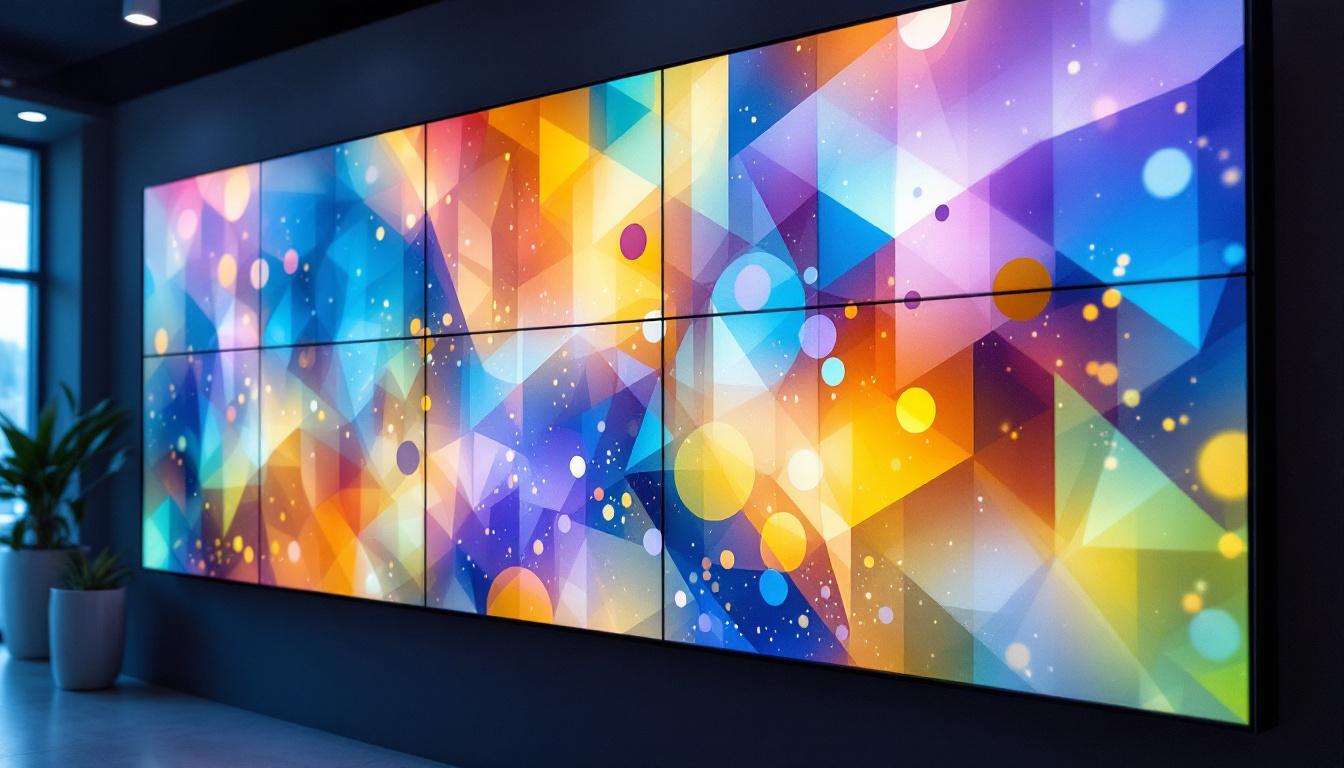
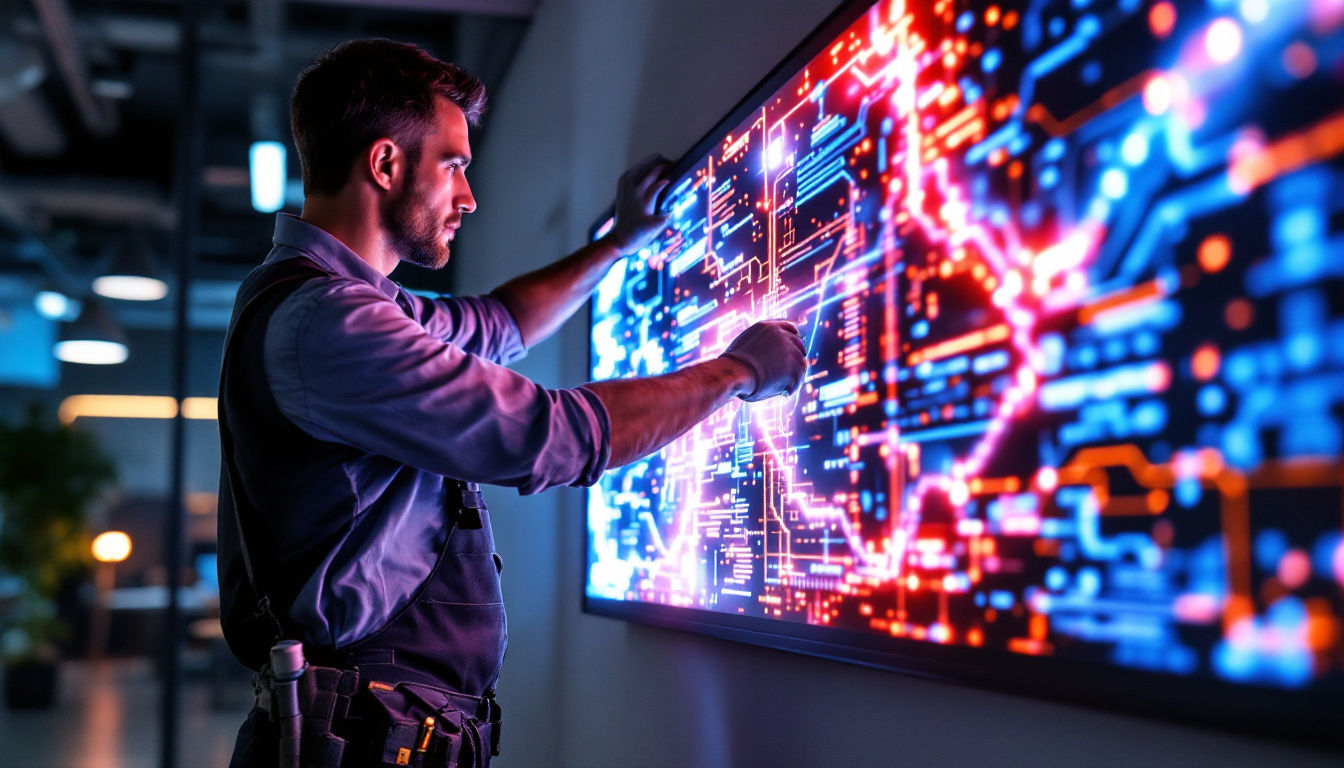
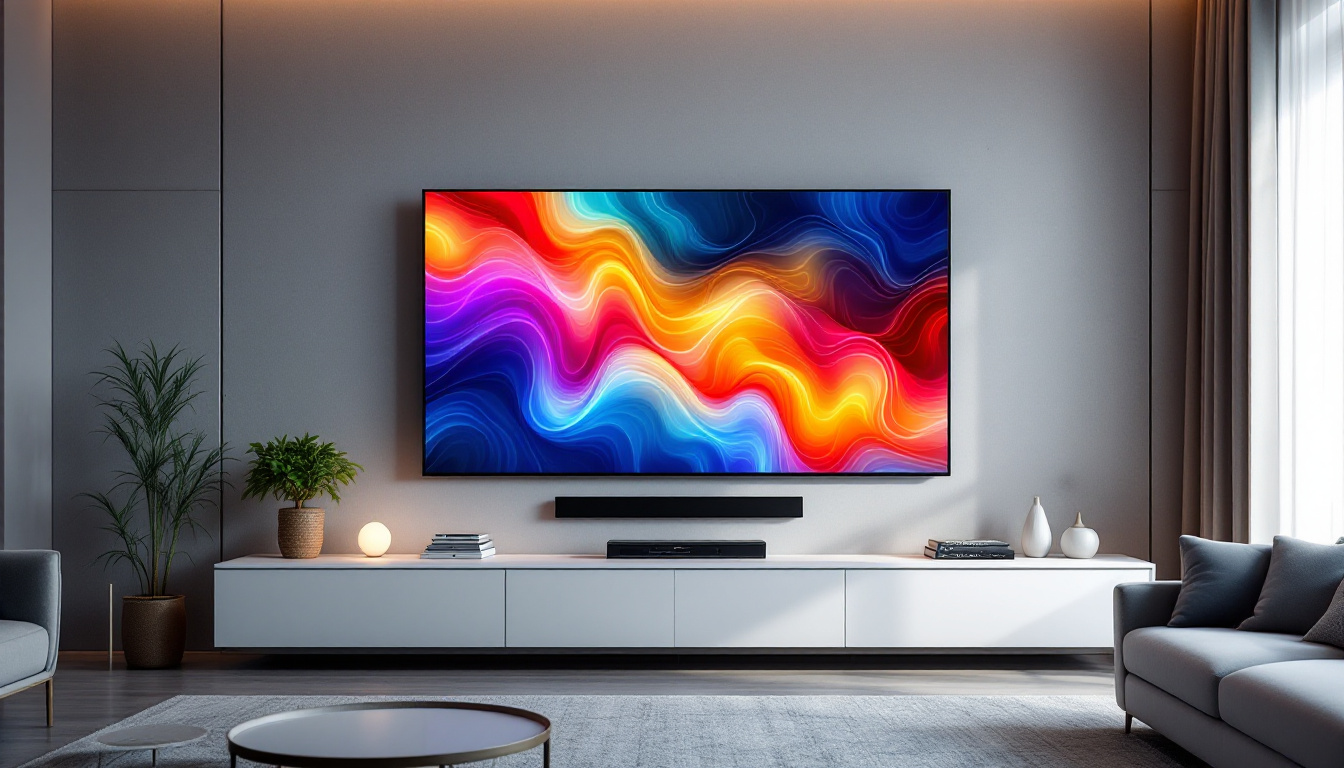
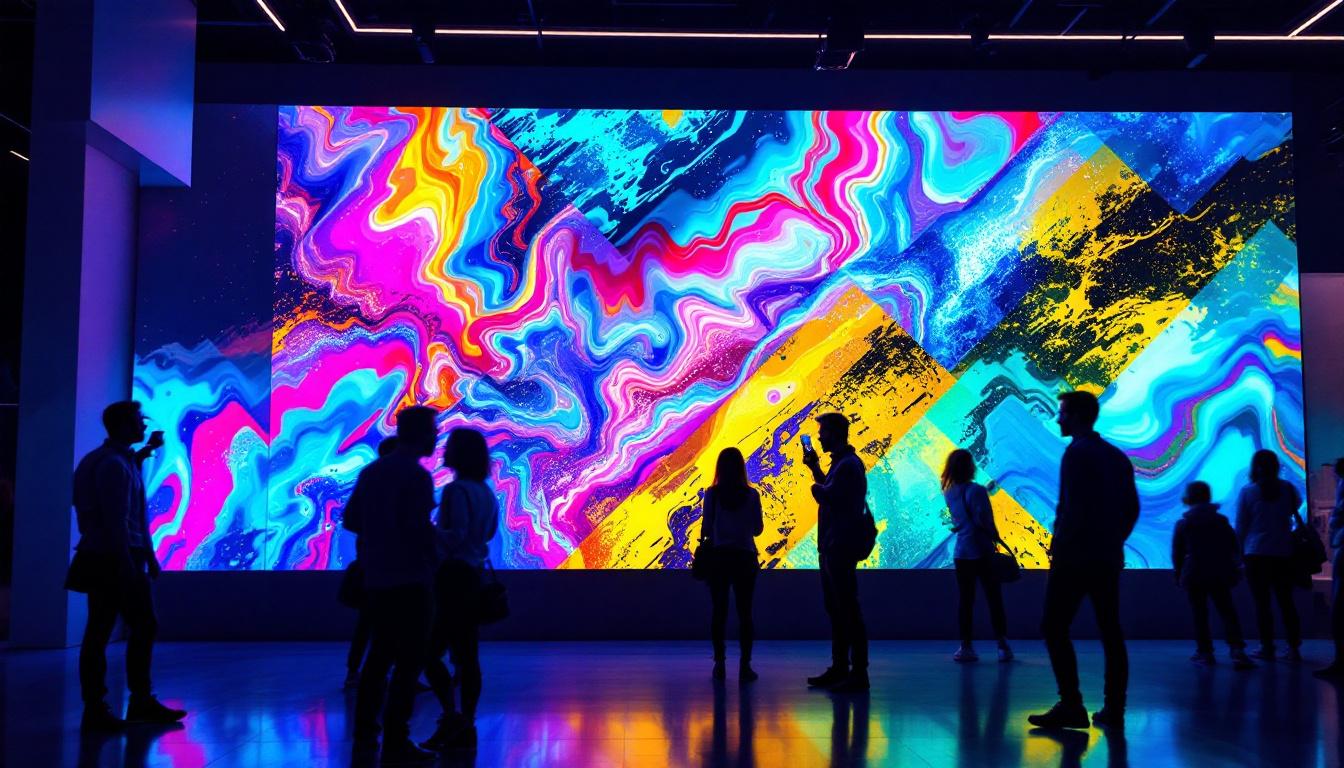
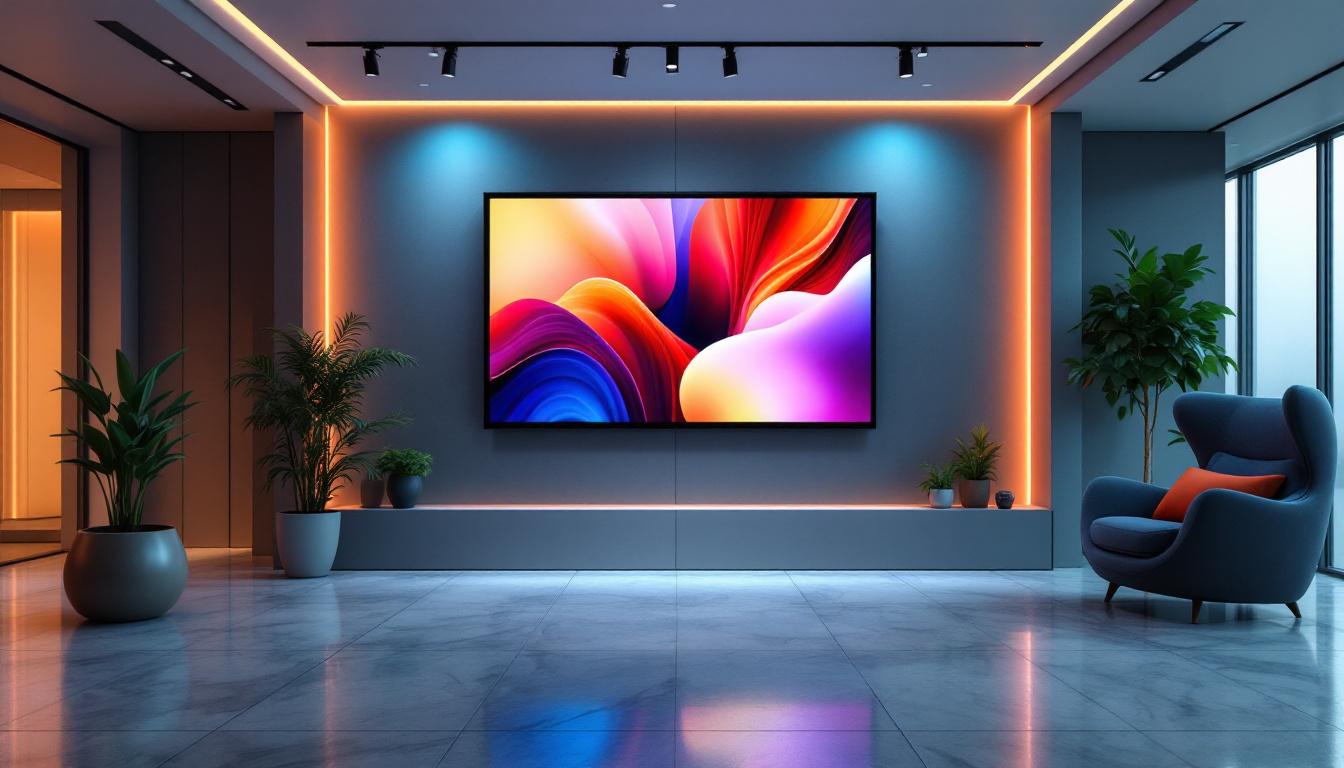
An indoor privacy wall with an LED display is a partition or divider designed to create private or semi-private spaces within larger indoor environments, such as offices, retail stores, or public venues. Unlike traditional walls or partitions, these privacy walls incorporate LED screens that can display high-resolution images, videos, or dynamic content.
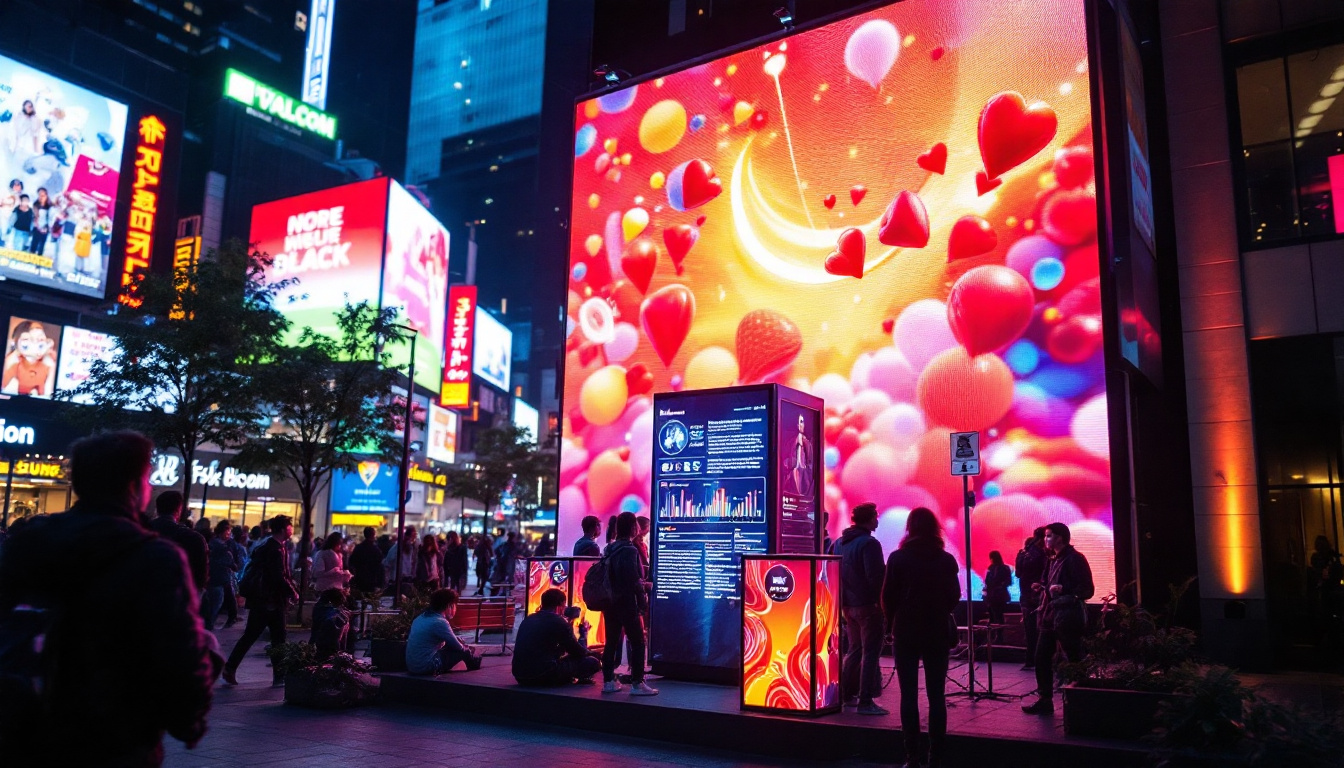
This hybrid solution serves dual purposes: it physically separates spaces to provide privacy and simultaneously functions as a digital communication platform. The LED display can be customized to show anything from branding messages and informational content to ambient visuals that enhance the atmosphere. For instance, in a corporate setting, these walls can be used to showcase company achievements, upcoming events, or even live social media feeds, fostering a sense of community and engagement among employees.
How It Differs from Traditional Privacy Solutions
Traditional privacy walls or partitions typically rely on opaque materials like wood, glass with frosting, or fabric panels. While effective at blocking sightlines and reducing noise, these solutions are static and limited in their functionality. In contrast, LED privacy walls are dynamic, offering versatility in both design and use. They can transform a simple divider into an engaging digital canvas, making them ideal for modern environments that value both privacy and connectivity. Additionally, the ability to change the displayed content in real-time allows for a more responsive and adaptive use of space, catering to the needs of different activities or events throughout the day.
Moreover, the integration of smart technology into these LED walls can enhance their functionality even further. Many models come equipped with touch-screen capabilities, allowing users to interact directly with the content displayed. This feature can be particularly beneficial in retail environments, where customers can browse product information or promotions simply by touching the screen. Furthermore, some advanced systems can even utilize sensors to adjust the displayed content based on the audience’s demographics or preferences, creating a tailored experience that resonates more deeply with viewers. This level of interactivity not only elevates the user experience but also encourages longer engagement with the space and its offerings.
Key Benefits of Indoor Privacy Walls with LED Displays
Integrating LED displays into privacy walls brings several advantages that go beyond simple partitioning. These benefits are especially relevant in corporate, retail, hospitality, and healthcare settings.
Enhanced Privacy with Visual Appeal
One of the primary functions of any privacy wall is to block visual access. LED displays can achieve this by acting as a solid screen that obscures the view while simultaneously displaying vibrant content. This dual function ensures that privacy is maintained without sacrificing the aesthetic value of the space.
Moreover, the ability to change the displayed content allows the environment to be tailored to different moods or occasions, which is impossible with static walls.
Dynamic Communication and Branding
For businesses, the LED display on a privacy wall offers a unique opportunity to communicate with employees, clients, or customers. Instead of a blank wall, companies can showcase brand messages, announcements, or promotional content. This dynamic communication tool can be updated in real-time, ensuring that the information is always relevant and engaging.
Space Optimization and Flexibility
Indoor environments often require flexible solutions that can adapt to changing needs. LED privacy walls can be designed as modular units that are easy to move or reconfigure. This flexibility is particularly valuable in co-working spaces or event venues, where space usage changes frequently.
Additionally, the use of transparent or semi-transparent LED panels can allow natural light to pass through while maintaining privacy, enhancing the overall spatial experience.
Improved Acoustics
While LED displays primarily address visual privacy, many indoor privacy walls also incorporate acoustic materials to reduce noise transmission. This combination helps create quieter, more focused environments, which is crucial in open offices or healthcare settings where confidentiality is important.
Technology Behind LED Privacy Walls
Understanding the technology that powers LED privacy walls is essential to appreciate their capabilities and limitations.
Types of LED Displays Used
Indoor LED displays come in various forms, including:
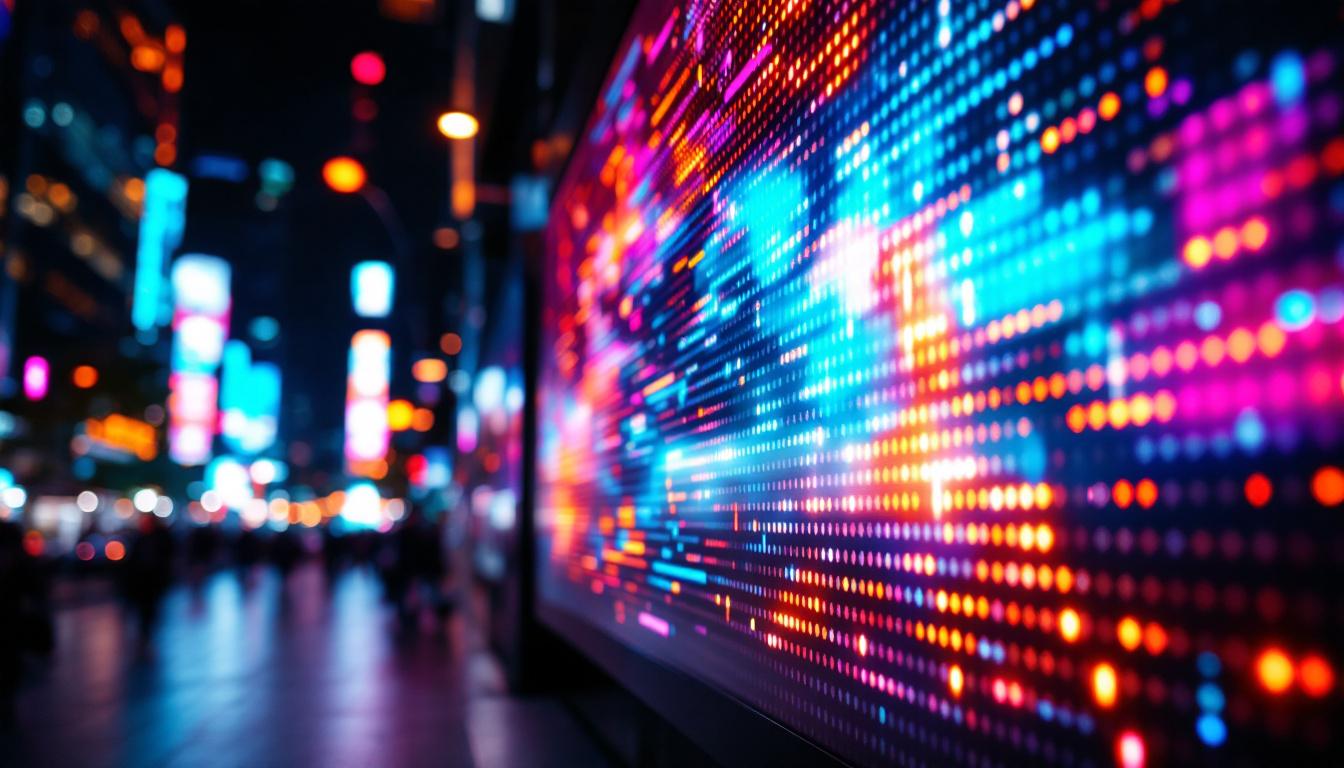
- Direct View LED (DVLED): These displays consist of individual LED pixels that create bright, high-resolution images. They are ideal for large-scale privacy walls where vivid visuals are required.
- Transparent LED Panels: These allow light to pass through the screen, maintaining some level of transparency while displaying content. They are perfect for glass partitions or areas where natural light is a priority.
- Flexible LED Screens: These can be curved or shaped to fit unique architectural designs, offering creative freedom in privacy wall construction.
Resolution and Pixel Pitch
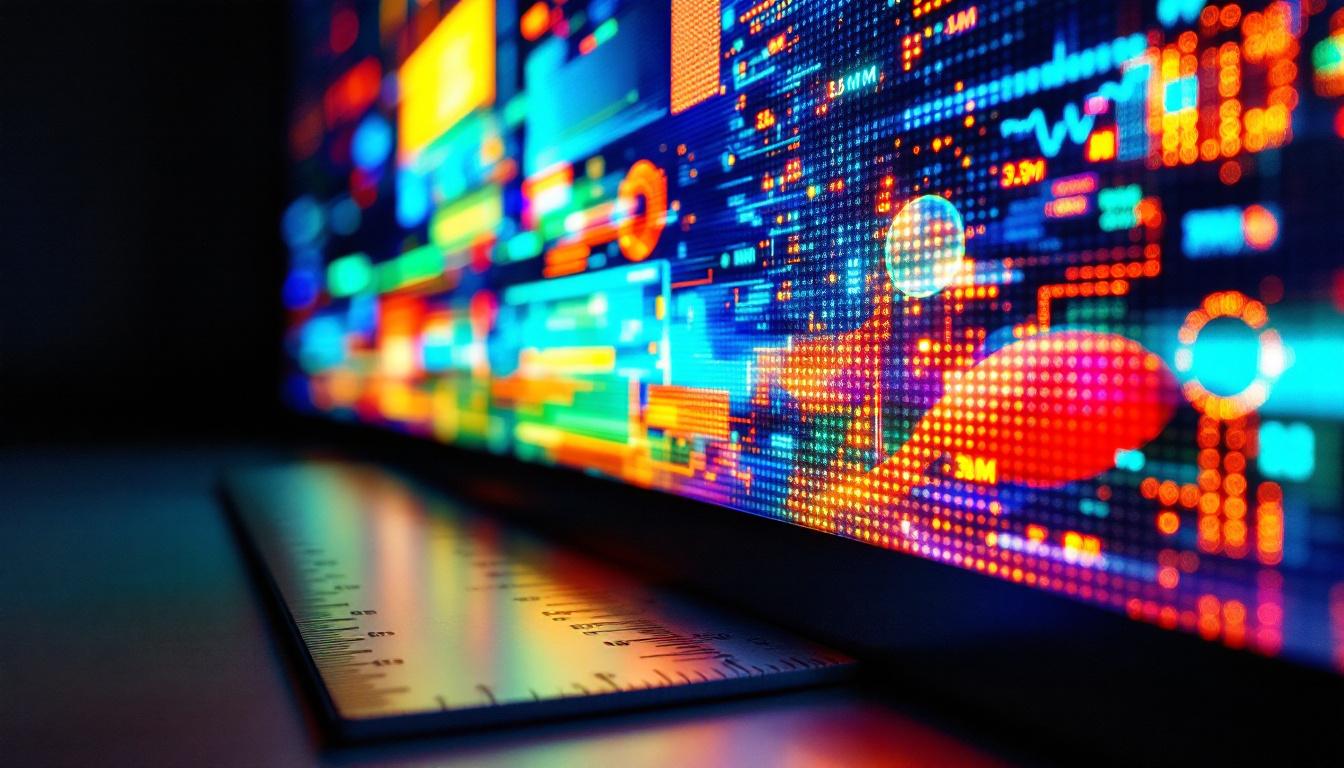
Pixel pitch—the distance between individual LED pixels—directly affects image clarity and viewing distance. Indoor privacy walls typically use fine pixel pitch (1.2mm to 2.5mm) to ensure crisp visuals at close range. Higher resolution is important because users often view these walls from a short distance, such as in meeting rooms or reception areas.
Brightness and Viewing Angles
Indoor LED displays are designed with brightness levels suitable for indoor lighting conditions, generally ranging from 800 to 1,500 nits. This ensures content is visible without being overpowering. Wide viewing angles (up to 160° horizontally and vertically) guarantee that the displayed content is clear from different perspectives within the room.
Integration with Building Systems
Modern LED privacy walls can be integrated with building automation and control systems. This allows for centralized management of content, scheduling, and even environmental controls such as lighting and sound. Integration enhances the user experience and simplifies maintenance.
Applications of Indoor Privacy Walls with LED Displays
The versatility of LED privacy walls makes them suitable for a wide range of environments and purposes.
Corporate Offices and Meeting Rooms
In open-plan offices, privacy walls with LED displays can create quiet zones or meeting areas without erecting permanent walls. They provide visual separation and can display meeting schedules, company news, or motivational content. This approach supports collaboration while respecting individual work needs.
Retail and Showroom Spaces
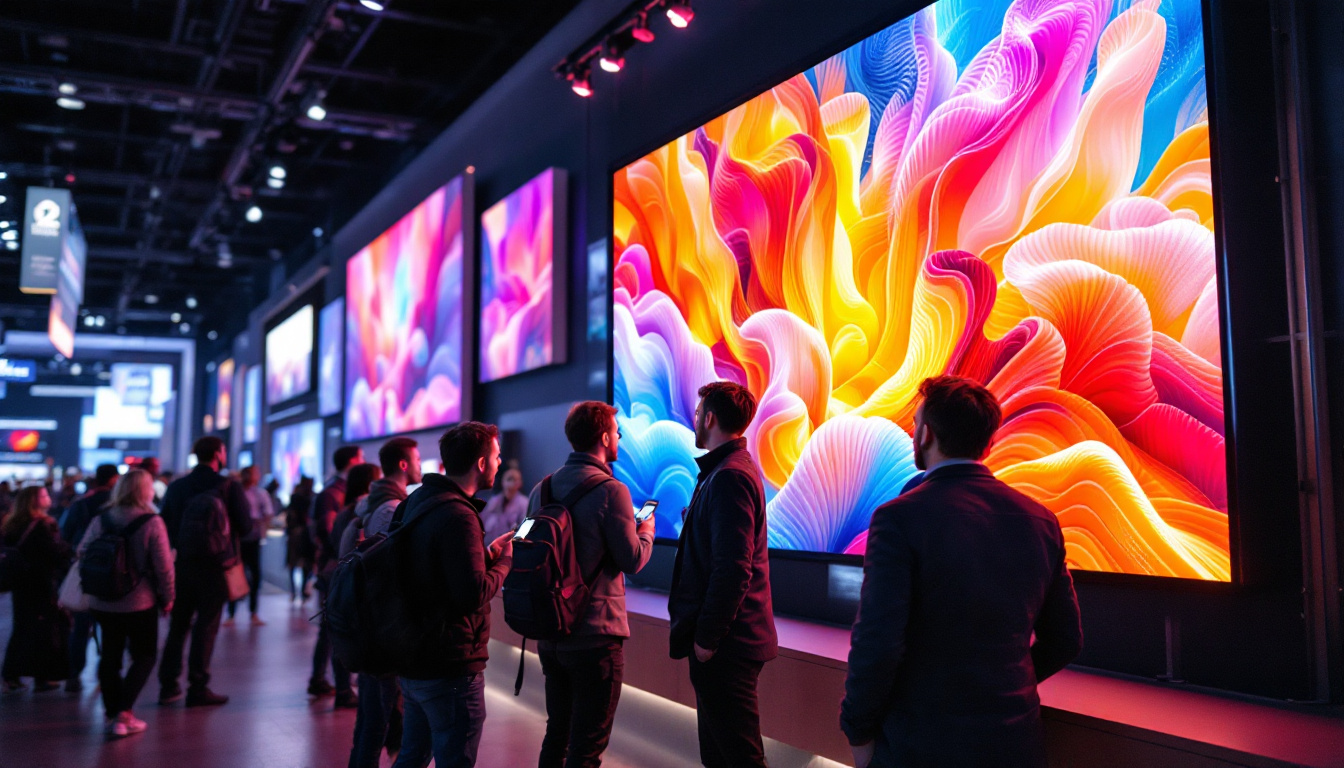
Retailers use LED privacy walls to segment areas such as fitting rooms, VIP lounges, or product demonstration zones. The displays can showcase advertisements, product information, or immersive brand stories, enhancing the customer experience and driving engagement.
Healthcare Facilities
Privacy is crucial in healthcare settings. LED privacy walls can separate patient areas while displaying calming visuals or educational content. This not only protects patient confidentiality but also contributes to a soothing environment that promotes healing.
Hospitality and Event Venues
Hotels, restaurants, and event spaces benefit from LED privacy walls by creating intimate dining or meeting areas that can be easily reconfigured. The digital displays can set the ambiance with themed visuals or provide event-specific information, adding value to guest experiences.
Considerations When Choosing an LED Privacy Wall
Selecting the right indoor privacy wall with LED display requires careful evaluation of several factors to ensure it meets the specific needs of the space and users.
Purpose and Content Strategy
Clarifying the primary function—whether it’s privacy, branding, communication, or ambiance—will guide the choice of display type, size, and resolution. A well-planned content strategy ensures the LED wall remains relevant and engaging over time.
Budget and Installation
Costs vary widely depending on the size, resolution, and complexity of the LED display. Installation may require structural modifications, electrical work, and integration with existing systems. Consulting with experienced vendors and installers can help optimize investment and avoid unforeseen expenses.
Maintenance and Lifespan
LED displays require regular maintenance to ensure longevity and performance. Factors such as heat dissipation, dust protection, and software updates should be considered. Choosing high-quality components and service agreements can reduce downtime and extend the lifespan of the installation.
Compliance and Safety
Indoor installations must comply with fire safety regulations, electrical codes, and accessibility standards. LED privacy walls should be designed to meet these requirements without compromising functionality or aesthetics.
Future Trends in LED Privacy Walls
The evolution of LED technology and smart building design continues to expand the possibilities for indoor privacy walls.
Interactive and Touch-Enabled Displays
Future LED privacy walls are increasingly incorporating interactive features, allowing users to engage directly with the display. Touch-enabled panels can facilitate collaboration, wayfinding, or personalized content delivery, making privacy walls more than just visual barriers.
AI-Driven Content and Analytics
Artificial intelligence can optimize content based on user behavior, time of day, or environmental conditions. Analytics gathered from LED privacy walls can provide insights into space utilization and audience engagement, informing better facility management.
Energy Efficiency and Sustainability
Advancements in LED technology focus on reducing energy consumption and environmental impact. Incorporating sustainable materials and energy-efficient designs aligns with corporate social responsibility goals and reduces operational costs.
Conclusion
Indoor privacy walls with LED displays represent a sophisticated solution to modern spatial challenges, blending privacy, communication, and design innovation. Their ability to adapt to diverse environments and evolving needs makes them a valuable asset for businesses and institutions seeking to enhance functionality and user experience. As technology advances, these dynamic partitions will continue to redefine how indoor spaces are organized and experienced.
Discover LumenMatrix’s Innovative LED Solutions
Ready to elevate your space with the cutting-edge functionality and aesthetic appeal of LED privacy walls? LumenMatrix is at the forefront of LED display technology, offering a wide array of solutions that transform environments and captivate audiences. From enhancing brand visibility to creating immersive experiences, our Indoor LED Wall Display and other innovative products are designed to meet your unique needs. Check out LumenMatrix LED Display Solutions today and step into the future of visual communication.