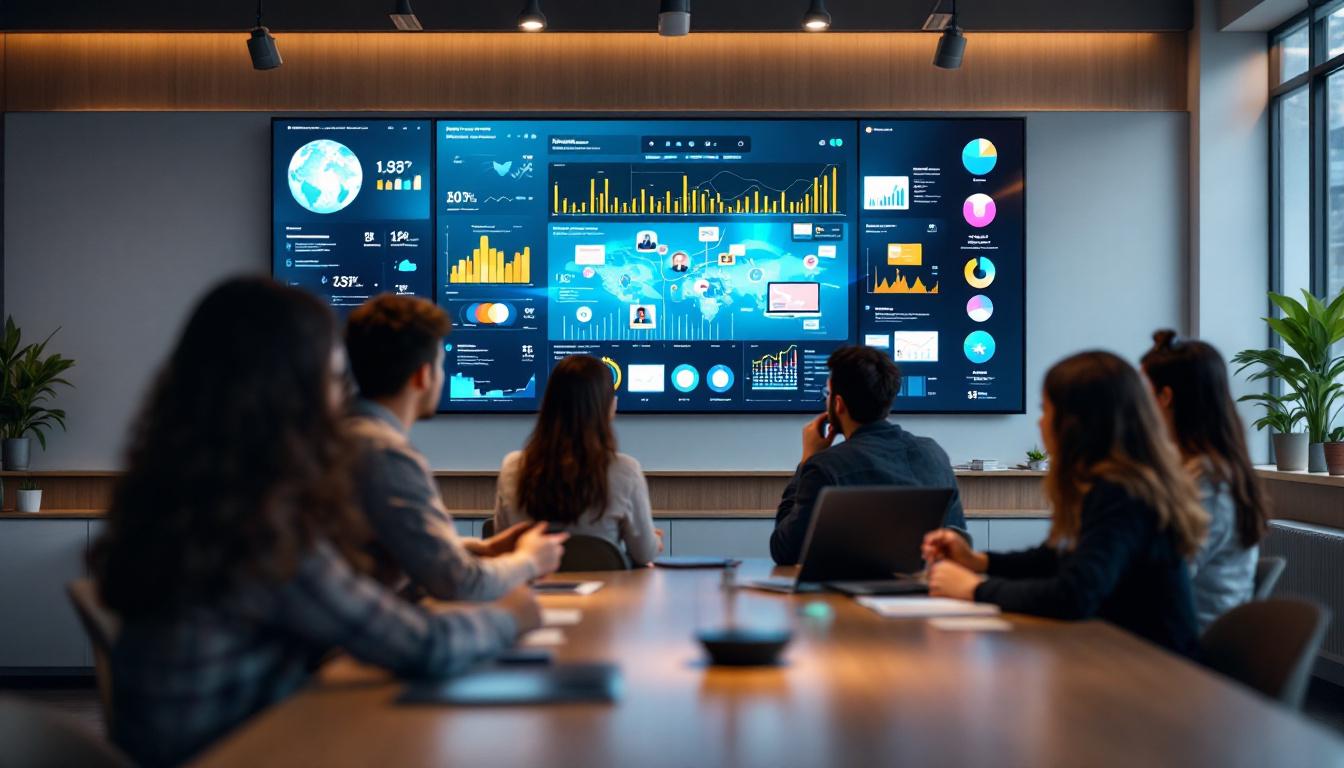
In the evolving landscape of education technology, interactive classroom boards have become a cornerstone for modern teaching environments. Among the various types of interactive boards, LED display technology has gained significant traction due to its vibrant visuals, durability, and interactive capabilities. This article explores the fundamentals of LED displays in interactive classroom boards, their benefits, practical applications, and the future trends shaping educational experiences worldwide.
Understanding LED Display Technology in Classroom Boards
What is an LED Display?
LED stands for Light Emitting Diode, a semiconductor device that emits light when an electric current passes through it. In the context of classroom boards, LED displays consist of numerous tiny LEDs arranged in a matrix to form images, videos, and interactive content. These displays are known for their brightness, energy efficiency, and long lifespan, making them ideal for educational settings.
Unlike traditional LCD screens that rely on backlighting, LED displays produce their own light, resulting in higher contrast ratios and more vivid colors. This self-illumination characteristic enhances visibility even in brightly lit classrooms, ensuring that content remains clear and engaging for all students. Furthermore, the durability of LED technology means that these displays can withstand the rigors of daily classroom use, reducing the need for frequent replacements and maintenance, which can be a significant cost-saving for educational institutions.
Types of LED Displays Used in Interactive Boards
Interactive classroom boards typically utilize one of two main types of LED technology: direct-view LED and LED-backlit LCD. Direct-view LED displays are composed entirely of LEDs that form the image, offering superior brightness and color accuracy. These are often used in larger, high-end interactive boards designed for spacious classrooms or auditoriums. The ability to display high-resolution images and videos makes them particularly effective for multimedia presentations, allowing educators to captivate students’ attention and enhance the learning experience.
On the other hand, LED-backlit LCD displays use LEDs as a backlight source behind an LCD panel. This hybrid approach provides good image quality at a more affordable price point and is common in many interactive whiteboards used in standard classrooms. Both types support touch interactivity, but direct-view LEDs tend to offer better performance in terms of brightness and viewing angles. Additionally, many modern interactive boards come equipped with advanced features such as multi-touch capabilities, enabling collaborative learning experiences where multiple students can interact with the display simultaneously, fostering teamwork and engagement in the classroom.
Benefits of LED Interactive Boards in Education
Enhanced Visual Engagement
One of the most significant advantages of LED interactive boards is their ability to deliver sharp, vibrant visuals that capture students’ attention. Studies show that visual learning can improve information retention by up to 400%, making the clarity and brightness of LED displays a critical factor in effective teaching.
LED boards can display high-resolution images, videos, and animations that make complex concepts easier to understand. For example, science teachers can use detailed 3D models of molecules or anatomy, while history instructors can showcase vivid historical reenactments, all contributing to a richer learning experience. Additionally, the use of bright colors and dynamic visuals can stimulate students’ interest and motivation, encouraging them to engage more deeply with the subject matter. This heightened engagement can lead to more interactive discussions and a more vibrant classroom atmosphere, fostering a love for learning that extends beyond the classroom walls.
Interactivity and Collaboration
Interactive LED boards support multi-touch capabilities, allowing several students to engage with the content simultaneously. This fosters collaboration and active participation, which are essential for developing critical thinking and communication skills.
Teachers can annotate directly on the screen, save notes, and share content instantly with students. Integration with educational software and cloud platforms further enhances interactivity, enabling dynamic lesson plans and real-time feedback. Furthermore, the ability to incorporate gamified elements into lessons through these boards can make learning more enjoyable. Students can work together to solve problems or compete in educational games, which not only reinforces the material but also builds teamwork and social skills. This collaborative environment can lead to a more inclusive classroom where every student feels valued and empowered to contribute.
Durability and Energy Efficiency
LED technology is known for its robustness and energy-saving properties. LED displays consume significantly less power than traditional projection systems or older display technologies, which translates into lower operational costs for schools.
Moreover, LED boards are less prone to damage from frequent use. Their solid-state components resist wear and tear better than projectors or plasma screens, ensuring a longer lifespan and reducing maintenance needs. In addition to their durability, these boards often come with features that allow for easy cleaning and upkeep, making them ideal for busy educational environments. The long-term savings associated with reduced energy consumption and maintenance costs can free up valuable resources for schools, allowing them to invest in other essential areas such as teacher training or student resources. This combination of efficiency and reliability makes LED interactive boards a smart choice for modern educational institutions looking to enhance their teaching capabilities.
Implementing LED Interactive Boards in the Classroom
Choosing the Right Size and Resolution
Selecting an appropriate LED board depends on the classroom size and the number of students. For small to medium classrooms, a 65- to 75-inch display with 4K resolution is often sufficient to ensure all students can see content clearly from any seat.
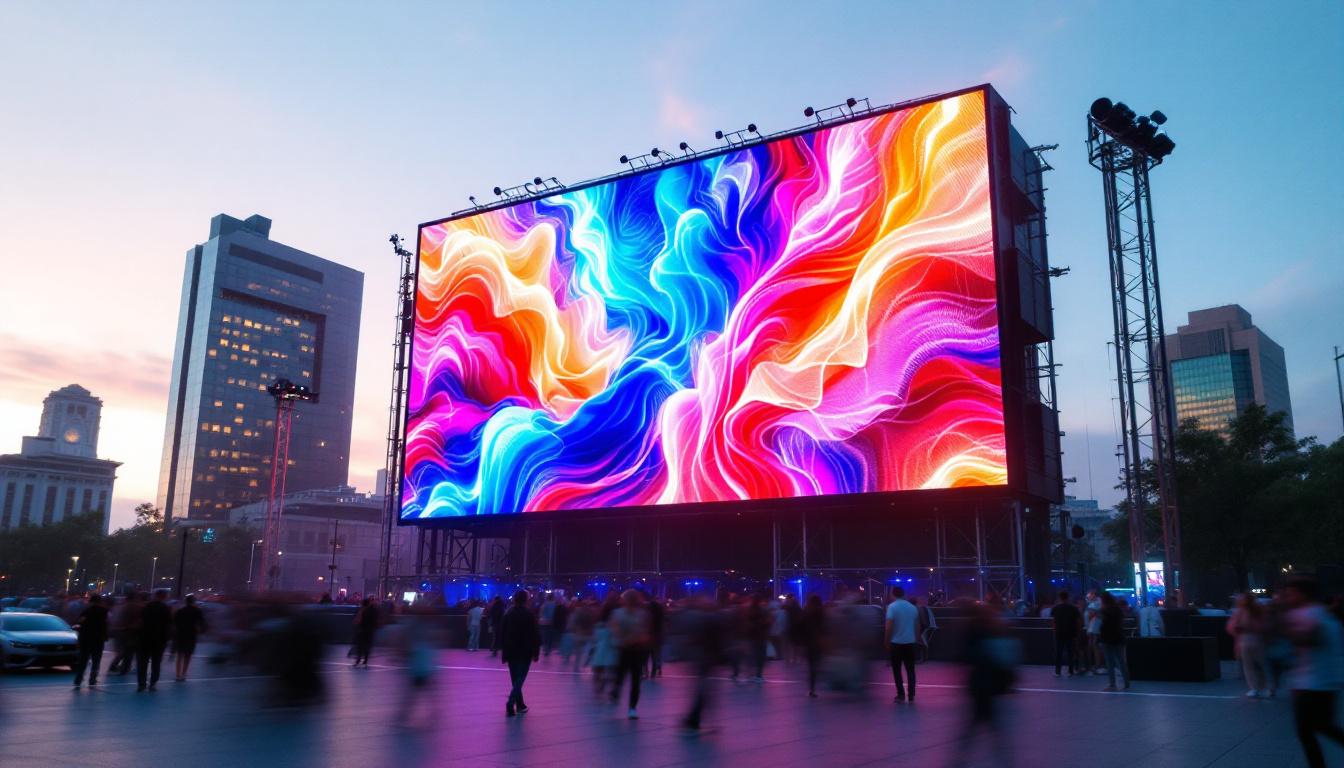
Larger classrooms or lecture halls may benefit from direct-view LED walls that can span several meters, providing visibility to even the farthest rows. High resolution remains crucial to maintain image sharpness at larger sizes. Additionally, it is important to consider the viewing angle; a wider angle ensures that students seated at the sides of the classroom can also engage with the material without straining their necks or squinting at the screen. The brightness of the display is another factor to consider, especially in well-lit environments, as a brighter screen can combat glare and enhance visibility.
Integrating with Existing Educational Technology
Compatibility with existing hardware and software is essential for a seamless teaching experience. Modern LED interactive boards often support standard connectivity options such as HDMI, USB, and wireless casting, allowing easy integration with laptops, tablets, and smartphones.
Many boards come preloaded with educational apps and support popular platforms like Google Classroom, Microsoft Teams, and Zoom. This integration facilitates hybrid learning models, enabling educators to reach both in-person and remote students effectively. Furthermore, the ability to share screens and collaborate in real-time enhances group projects and interactive lessons, fostering a more engaging learning environment. Teachers can also utilize cloud-based resources, allowing for easy access to a wealth of educational materials and interactive content that can be displayed directly on the board.
Training and Support for Educators
Successful implementation of LED interactive boards requires adequate training for teachers. Professional development programs help educators leverage the full potential of the technology, from basic operation to advanced interactive features.
Ongoing technical support is also critical to minimize downtime and ensure the technology remains a reliable classroom tool. Schools should consider partnerships with vendors that offer comprehensive support services and regular software updates. Additionally, creating a community of practice among educators can foster collaboration and sharing of best practices, allowing teachers to learn from one another’s experiences. Workshops and peer-led training sessions can further enhance confidence in using the technology, enabling teachers to explore innovative teaching methods that utilize the interactive capabilities of the boards. This collaborative approach not only improves individual teaching skills but also enriches the overall educational experience for students.
Case Studies: LED Interactive Boards in Action
Transforming STEM Education in Urban Schools
In several urban school districts across the United States, LED interactive boards have been instrumental in revitalizing STEM education. For instance, a high school in Chicago integrated 75-inch LED boards in their science labs, enabling teachers to display interactive simulations of physics experiments.
Students reported increased engagement and understanding, with test scores in physics improving by 15% over the academic year. Teachers highlighted the ease of demonstrating complex phenomena like electromagnetic fields and chemical reactions through vivid visualizations.
Enhancing Language Learning in Multicultural Classrooms
In multilingual classrooms, LED interactive boards have supported language acquisition by providing immersive content. A language school in Toronto uses LED boards to display interactive vocabulary games, pronunciation guides, and real-time translation tools.
The bright, clear displays help students follow along regardless of their native language, and the interactive features encourage participation. Educators noted a marked improvement in student confidence and speaking skills after integrating LED technology.
The Future of LED Interactive Boards in Education
Advancements in Display Technology
Emerging innovations such as microLED and quantum dot displays promise even greater brightness, color accuracy, and energy efficiency. These advancements will likely make LED interactive boards more affordable and accessible to a broader range of educational institutions.
Additionally, flexible and transparent LED panels are under development, potentially allowing for more creative classroom setups and integration with other surfaces like windows or desks.
Artificial Intelligence and Adaptive Learning
The integration of AI with LED interactive boards is set to transform personalized learning. AI-driven analytics can monitor student interactions in real time, adapting content to individual learning paces and styles.
For example, an AI-powered LED board could identify when a student struggles with a concept and automatically provide additional resources or alternative explanations, enhancing the overall effectiveness of instruction.
Expanding Remote and Hybrid Learning Capabilities
As hybrid learning models become more prevalent, LED interactive boards will play a crucial role in bridging the gap between physical and virtual classrooms. Enhanced connectivity and cloud integration will allow teachers to conduct interactive lessons that engage both in-person and remote students simultaneously.
Features like real-time polling, shared digital whiteboards, and virtual breakout rooms integrated with LED boards will redefine collaborative learning beyond traditional classroom walls.
Conclusion
LED display technology has revolutionized interactive classroom boards by combining vivid visuals, durability, and advanced interactivity. These boards enhance student engagement, support collaborative learning, and offer practical benefits such as energy efficiency and ease of maintenance. As technology continues to evolve, LED interactive boards are poised to become even more integral to education, driving innovation and inclusivity in classrooms worldwide.
For educators and institutions considering upgrading their classroom technology, understanding the capabilities and advantages of LED interactive boards is essential. Investing in this technology not only enriches the learning environment but also prepares students for a future where digital literacy and interactive skills are paramount.
Discover LumenMatrix LED Solutions for Your Classroom
Ready to transform your educational space with the latest in LED display technology? LumenMatrix offers a wide range of LED display solutions tailored to meet the needs of dynamic learning environments. From vibrant Indoor LED Wall Displays to engaging All-in-One LED Displays, our products are designed to foster interactive learning and bring lessons to life. Elevate your teaching experience and captivate your students with the clarity and impact of LumenMatrix displays. Check out LumenMatrix LED Display Solutions today and step into the future of education.