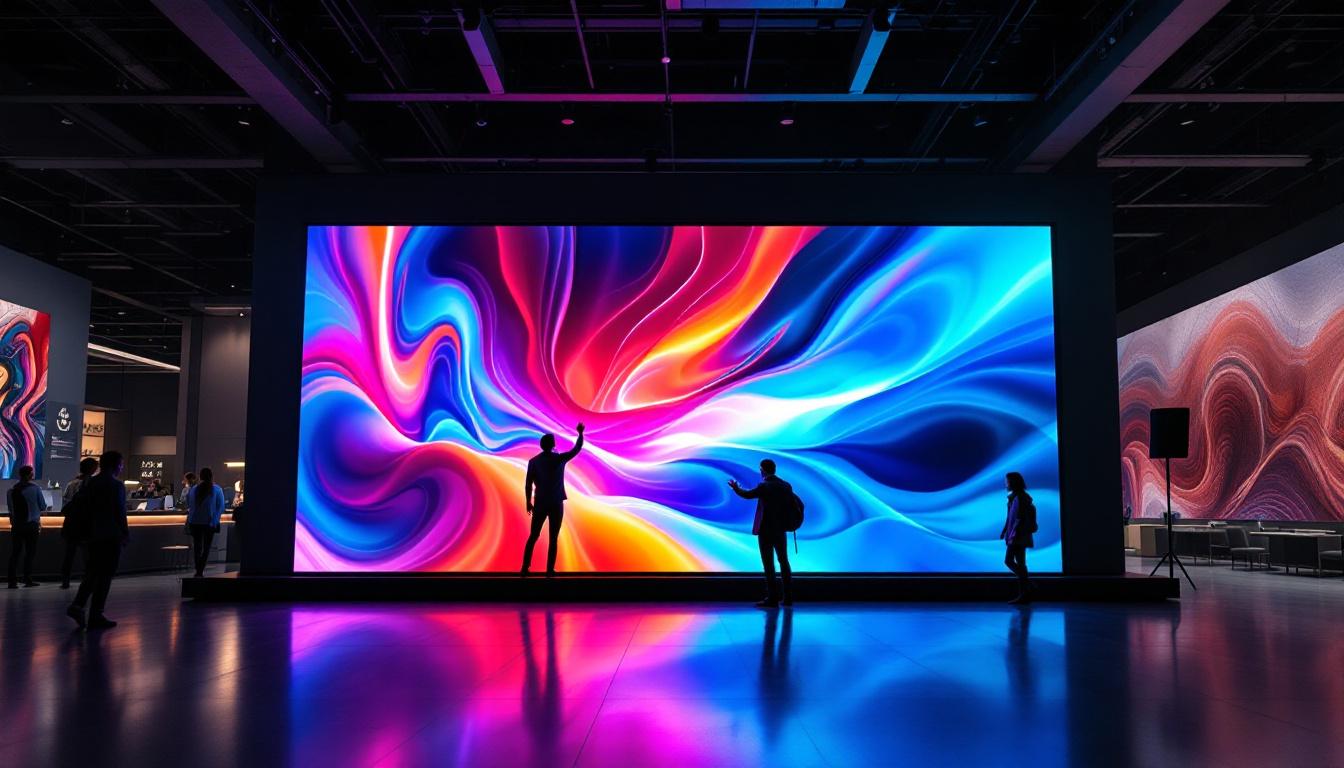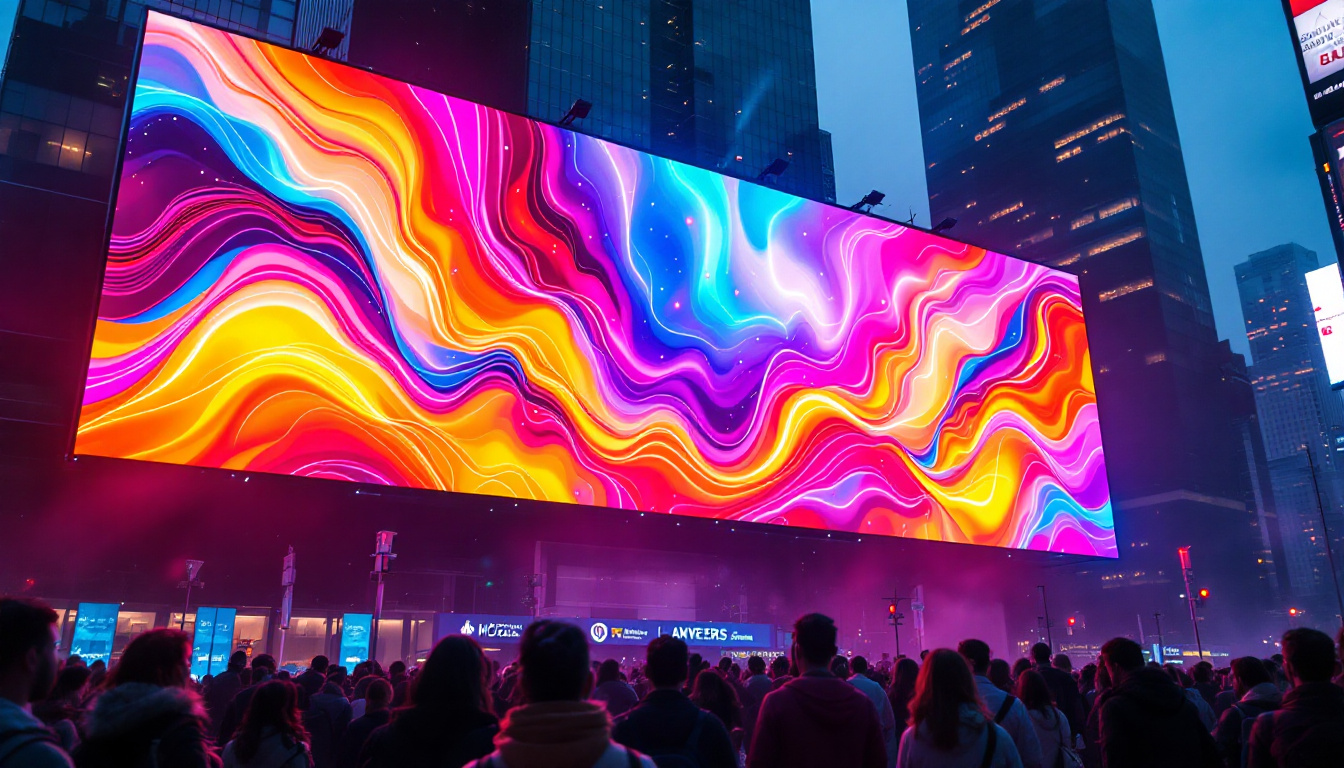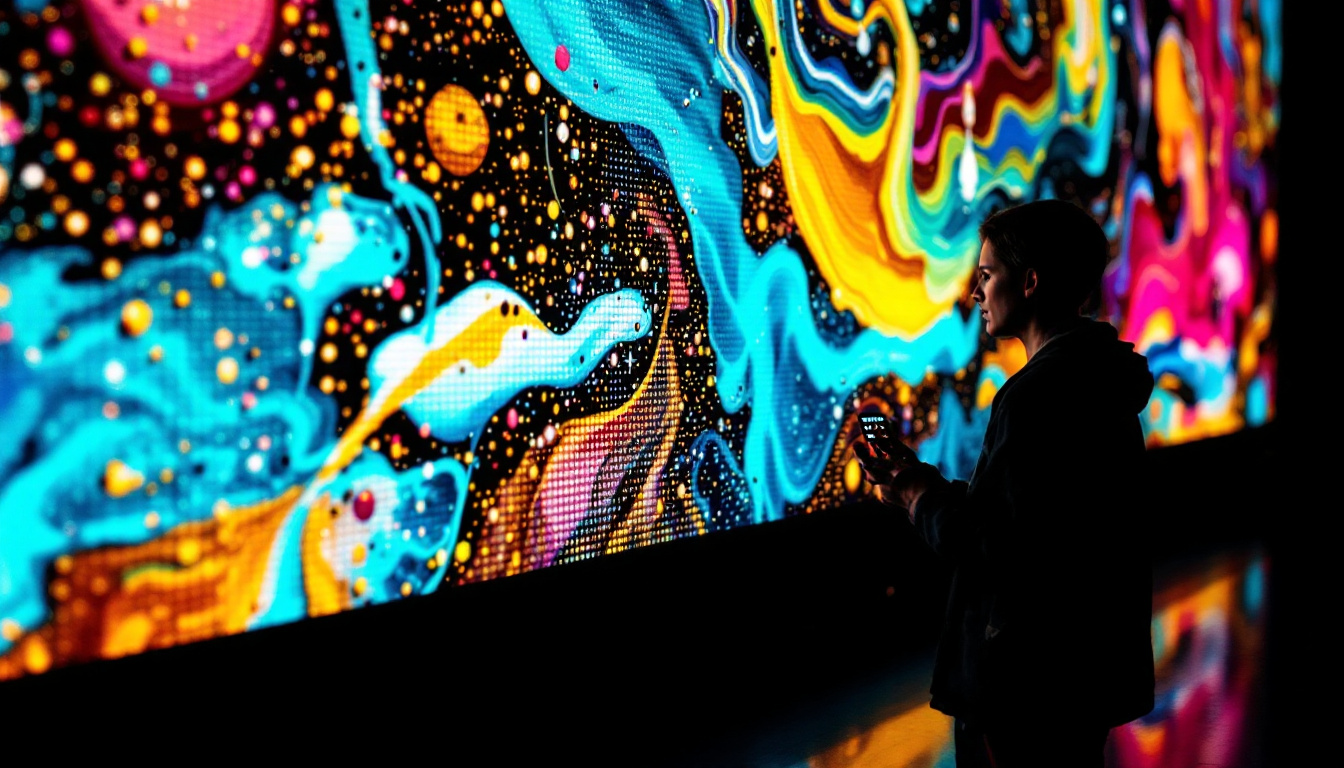
In recent years, interactive floor screens have transformed the way businesses, educational institutions, and entertainment venues engage with their audiences. These dynamic installations combine cutting-edge LED display technology with interactive sensors, creating immersive experiences that captivate users and elevate the environment. This article delves into the technology behind interactive floor screens, focusing on LED displays, their applications, benefits, and future trends.
Understanding Interactive Floor Screens
What Are Interactive Floor Screens?
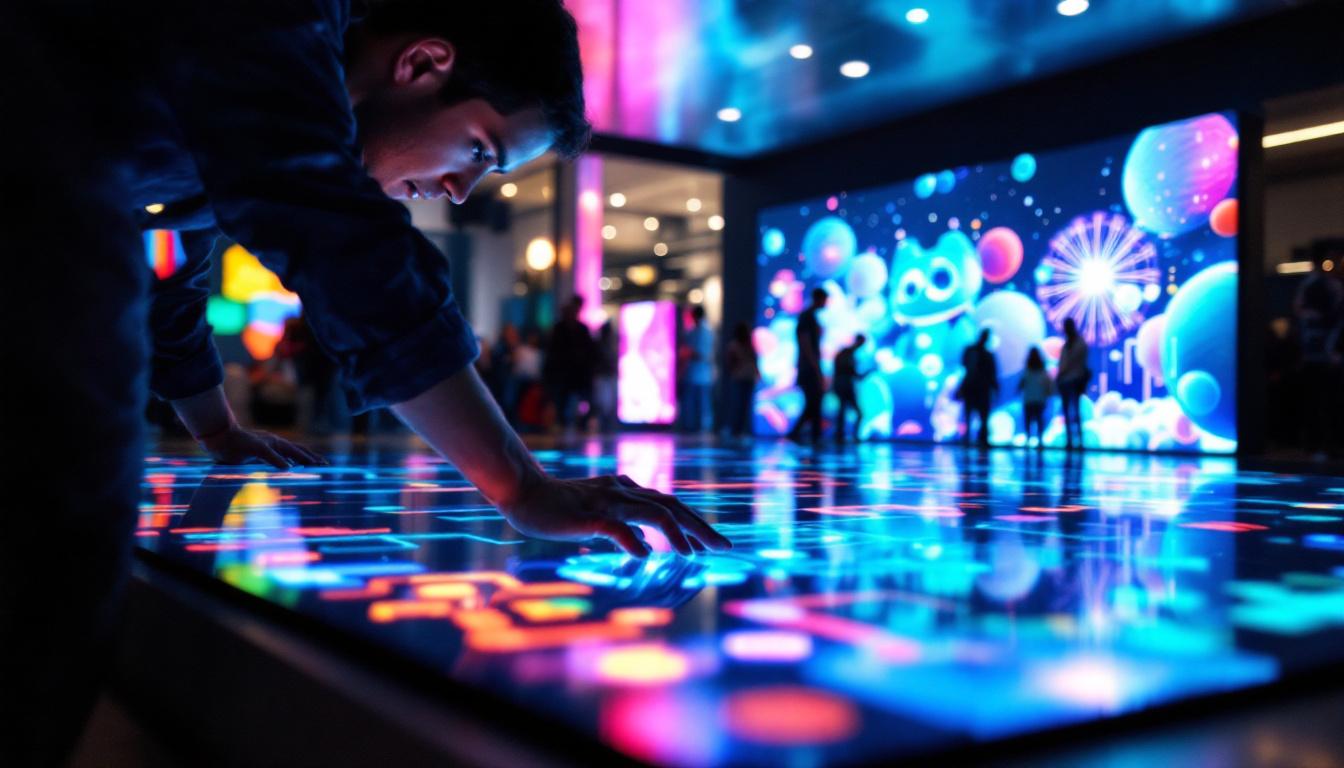
Interactive floor screens are large-scale digital displays embedded into or placed on floors that respond to user movements and interactions. Unlike traditional static floor graphics or signage, these screens utilize sensors such as infrared, motion detectors, or cameras to detect footsteps, gestures, or proximity, triggering real-time visual or auditory feedback.
This technology enables users to engage with digital content simply by walking, stepping, or gesturing on the floor surface, creating an intuitive and immersive experience. The core of these systems is the LED display panel, which provides vibrant, high-resolution visuals capable of withstanding foot traffic and environmental wear. These screens can be utilized in various settings, from retail environments that aim to captivate customers with engaging advertisements to educational institutions where they serve as interactive learning tools, enhancing student participation and retention of information.
Moreover, the versatility of interactive floor screens allows for a wide range of applications, including gaming, art installations, and even public information displays in museums or airports. The ability to create dynamic content that responds to user actions not only attracts attention but also encourages exploration and interaction, making the experience memorable and impactful.
How Do Interactive Floor Screens Work?
The operation of an interactive floor screen involves several integrated components working seamlessly:
- LED Display Panel: The visual output device, typically composed of numerous tiny light-emitting diodes arranged in a matrix, capable of producing bright and colorful images visible even in well-lit environments.
- Interactive Sensors: These detect user presence and movement. Common technologies include infrared sensors, pressure sensors, and depth cameras (e.g., Microsoft Kinect), which track motion and position.
- Processing Unit: A computer or embedded system processes sensor data and controls the LED display, ensuring that the visuals respond accurately and promptly to user interactions.
- Software Platform: Specialized software manages the content, interaction logic, and user interface, allowing customization and integration with other systems.
When a user steps or moves on the interactive floor, sensors capture this input and send it to the processing unit. The software then determines the appropriate visual response, which the LED display renders instantly, creating a fluid, engaging experience. This interaction can range from simple animations that react to footsteps to complex games that require multiple users to collaborate or compete, fostering social interaction and engagement.
Additionally, the technology behind interactive floor screens is continually evolving. Innovations such as augmented reality (AR) integration are starting to emerge, allowing users to see digital overlays that enhance their real-world environment. This adds another layer of interactivity and immersion, making the experience not just about the floor itself but also about how it interacts with the surrounding space and the users within it. As these technologies advance, we can expect even more creative and impactful applications in various industries, from entertainment to education and beyond.
The Role of LED Displays in Interactive Floors
Why Choose LED Technology?
LED (Light Emitting Diode) technology is the backbone of modern interactive floor screens due to its numerous advantages over other display types such as LCD or projection systems:
- Brightness and Visibility: LEDs provide exceptional brightness, ensuring clear visibility even in brightly lit indoor environments or outdoor settings.
- Durability and Longevity: LED panels are robust and can withstand physical pressure, making them suitable for floor installations where foot traffic is constant.
- Energy Efficiency: LEDs consume less power compared to other display technologies, reducing operational costs and environmental impact.
- Color Accuracy and Contrast: LED screens deliver vibrant colors and deep contrast ratios, enhancing the visual appeal and clarity of interactive content.
- Thin and Modular Design: LED panels can be manufactured in thin, modular sections, allowing for flexible installation and easy maintenance.
Types of LED Displays Used in Interactive Floors
Interactive floor screens typically employ either direct-view LED or LED-backlit LCD panels, each with unique characteristics:
- Direct-View LED: These displays consist of LEDs arranged directly on the surface, offering superior brightness and viewing angles. They are ideal for high-traffic areas due to their robustness and seamless appearance.
- LED-Backlit LCD: While less common for floor applications, these displays use LEDs as a backlight for LCD panels. They tend to be thinner and lighter but may lack the durability required for heavy foot traffic.
For interactive floors, direct-view LED displays are generally preferred because they provide the necessary durability and brightness for engaging user experiences.
Applications of Interactive LED Floor Screens
Retail and Advertising
Retailers leverage interactive floor screens to attract customers and enhance in-store experiences. By displaying dynamic advertisements, promotions, or brand messages that react to customer movement, stores can increase engagement and dwell time. For example, a shoe store might use an interactive floor to showcase different shoe models as customers walk by, encouraging exploration and purchase.
Studies indicate that interactive digital signage can increase customer engagement by up to 30%, making interactive floor screens a powerful marketing tool in competitive retail environments.
Education and Museums
Educational institutions and museums use interactive floor displays to create immersive learning environments. These screens can simulate natural phenomena, historical events, or scientific concepts that respond to student interaction, fostering active learning and curiosity.
For instance, a museum exhibit on marine life might feature an interactive floor where visitors “walk” through an underwater scene, triggering animations and information about different species. This hands-on approach helps reinforce knowledge retention and makes learning enjoyable.
Healthcare and Rehabilitation
Interactive floor screens have found applications in physical therapy and rehabilitation centers. They provide engaging exercises that encourage patients to perform specific movements, improving balance, coordination, and motor skills.
Therapists can customize programs to track progress and adapt difficulty levels, making rehabilitation more effective and motivating. Additionally, the visual feedback helps patients understand their movements and corrections in real time.
Entertainment and Events
Entertainment venues, theme parks, and event organizers use interactive floor screens to create memorable experiences. Dance floors that respond to movement, interactive games projected on the floor, and immersive installations are just a few examples.
These applications not only entertain but also encourage social interaction and participation, enhancing the overall atmosphere and guest satisfaction.
Benefits of Interactive LED Floor Screens
Enhanced User Engagement
Interactive floor screens transform passive viewers into active participants. By responding to natural movements, they create an intuitive interface that encourages exploration and interaction. This heightened engagement can lead to increased brand loyalty, better learning outcomes, or improved therapy adherence depending on the context.
Versatility and Customization
The content displayed on interactive floors can be easily updated and customized to suit different objectives, audiences, or events. This flexibility allows businesses and institutions to keep their environments fresh and relevant without costly physical changes.
Space Optimization
Unlike traditional interactive kiosks or wall-mounted displays, floor screens utilize otherwise underused space, maximizing the utility of an area without obstructing traffic flow. This is particularly valuable in crowded or compact environments.
Data Collection and Analytics
Many interactive floor systems can collect data on user interactions, such as foot traffic patterns, dwell times, and popular content areas. This information provides valuable insights for optimizing layouts, marketing strategies, or educational approaches.
Technical Considerations for Implementation
Durability and Safety
Since interactive floor screens are subject to constant foot traffic, durability is paramount. LED panels must be protected by toughened glass or acrylic surfaces that resist scratches, impacts, and moisture. Additionally, the surface should be slip-resistant to ensure user safety.
Installation and Maintenance
Proper installation requires a level, stable subfloor and adequate support to prevent damage. Modular LED panels facilitate easier repairs and upgrades. Maintenance routines should include regular cleaning and system diagnostics to maintain optimal performance.
Sensor Accuracy and Responsiveness
The effectiveness of the interactive experience depends on precise and timely detection of user movements. High-quality sensors and well-calibrated software ensure that the system responds smoothly without lag or false triggers.
Content Design
Creating engaging and intuitive content tailored for floor interaction requires expertise in user experience design and digital media. Content should be visually appealing, easy to understand, and encourage natural interaction patterns.
Future Trends in Interactive Floor LED Displays
Advancements in Sensor Technologies
Emerging sensor technologies such as LiDAR and advanced computer vision are poised to enhance the accuracy and range of interactive floor systems. These improvements will enable more complex interactions, including multi-user recognition and gesture differentiation.
Integration with Augmented Reality (AR)
Combining interactive floor screens with AR devices could create multi-layered experiences where digital content extends beyond the floor into the surrounding environment. This integration will open new possibilities for education, gaming, and retail.
Energy-Efficient and Sustainable Designs
As sustainability becomes a priority, manufacturers are developing LED panels with lower power consumption and recyclable materials. Solar-powered or energy-harvesting interactive floors may become viable options for outdoor installations.
AI-Driven Personalization
Artificial intelligence can analyze user behavior in real time to personalize content dynamically, enhancing engagement and effectiveness. For example, retail floors could adapt promotions based on demographic data or shopping habits detected through interaction patterns.
Conclusion
Interactive floor screens equipped with LED displays represent a powerful fusion of technology and design, offering versatile solutions across various industries. Their ability to engage users through immersive, responsive visuals transforms ordinary spaces into interactive environments that inform, entertain, and inspire.
Understanding the technology behind these systems—from LED panel selection to sensor integration and content design—is essential for organizations aiming to implement effective interactive floor solutions. As innovations continue to evolve, interactive LED floor screens will undoubtedly play an increasingly prominent role in shaping the future of digital interaction.
Discover LumenMatrix LED Display Solutions
Ready to transform your space with the immersive power of interactive LED floor screens? LumenMatrix is at the forefront of LED display technology, offering a wide range of innovative solutions tailored to your needs. From captivating Indoor and Outdoor LED Wall Displays to dynamic Floor LED Displays and beyond, our products are designed to elevate your brand and create unforgettable visual experiences. Embrace the future of digital interaction and check out LumenMatrix LED Display Solutions today to see how we can help you share your message with the world.