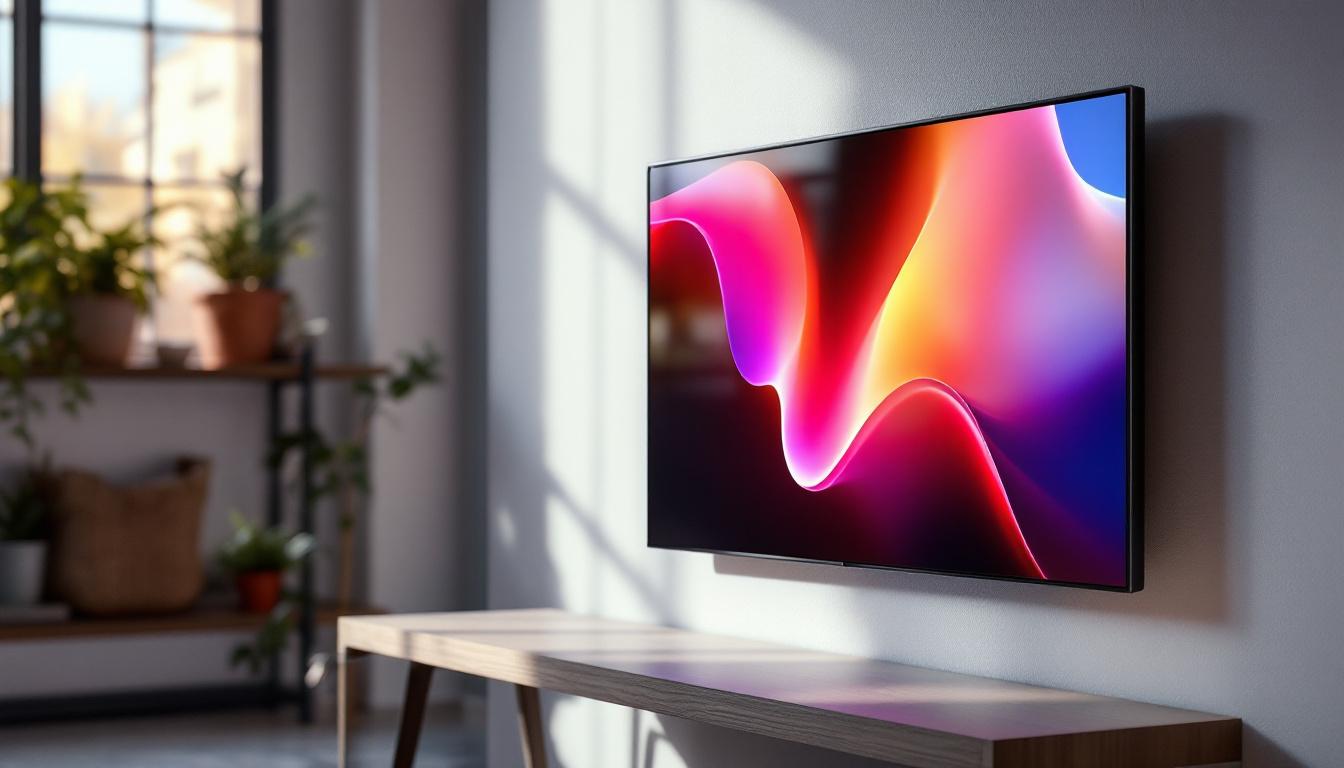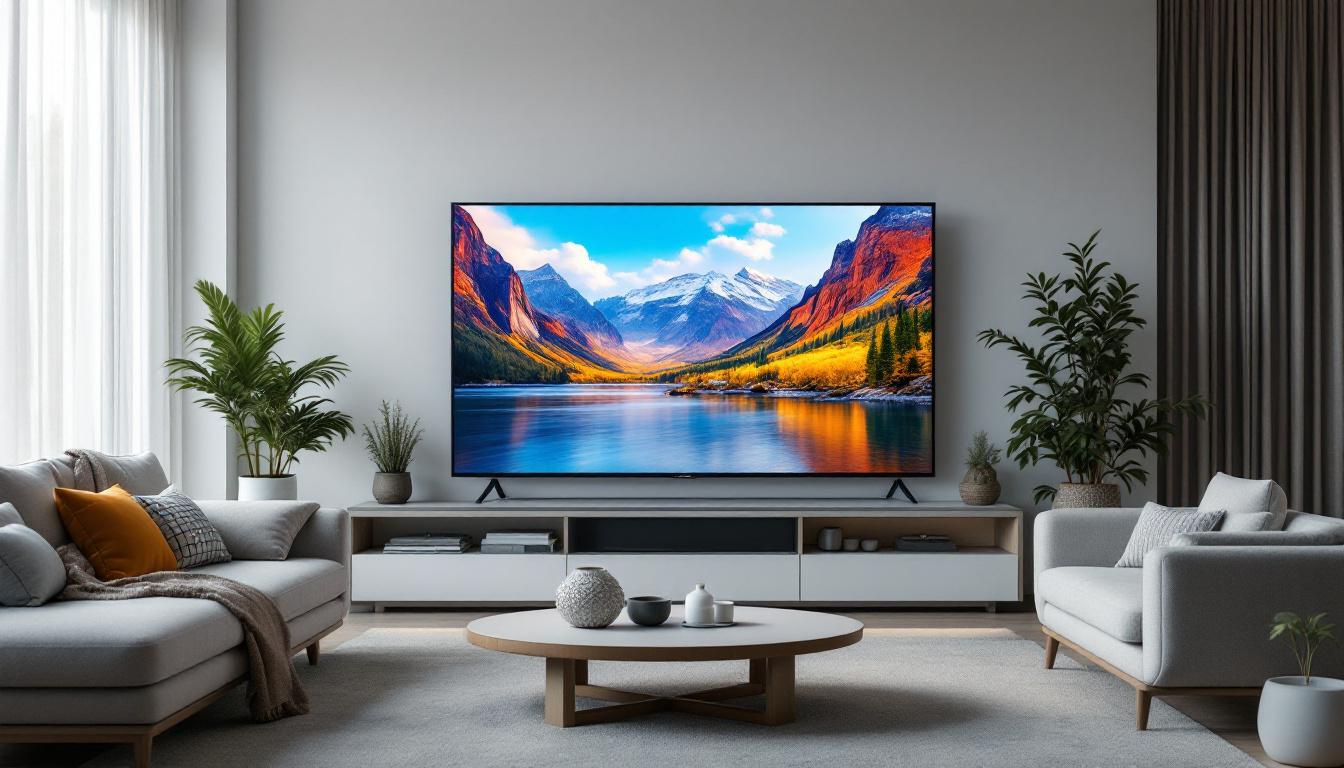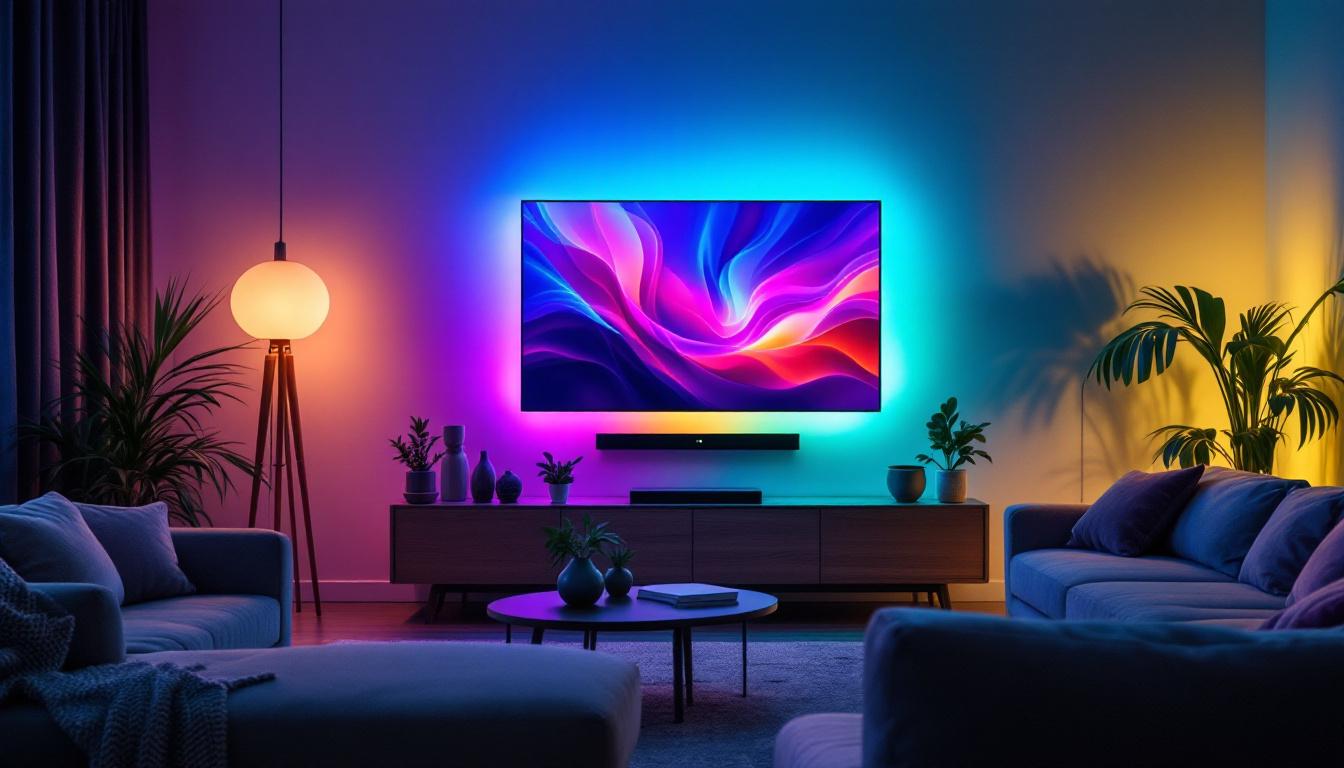
In the evolving world of home entertainment, LED TV lights have emerged as a captivating innovation, transforming the way viewers experience their favorite shows and movies. These interactive LED lights not only enhance the visual appeal of television screens but also contribute to immersive viewing environments. This article delves into the technology behind LED displays, the benefits of interactive LED TV lights, and how they are shaping the future of home entertainment.
Understanding LED Display Technology
What is an LED Display?
LED, or Light Emitting Diode, displays are a type of flat-panel display technology that uses an array of light-emitting diodes as pixels to create images. Unlike traditional LCD screens that rely on backlighting, LED displays utilize these tiny diodes to produce light directly, resulting in brighter images, better contrast ratios, and energy efficiency. This technology has revolutionized the way we view content, providing a more immersive experience whether you’re watching movies, playing video games, or simply browsing the web.
Modern LED TVs typically use one of two main technologies: edge-lit LED and full-array LED. Edge-lit LED TVs place LEDs around the edges of the screen, using light guides to illuminate the display, while full-array LED TVs position LEDs directly behind the screen in a grid pattern, allowing for more precise control of brightness and contrast. This distinction is crucial for consumers, as full-array displays tend to offer superior performance in terms of local dimming and uniformity, making them ideal for viewing in darker environments.
How LED Displays Work
Each LED in the display emits light when an electric current passes through it. By controlling the intensity and color of these diodes, the screen can produce a wide range of colors and shades. In full-color LED TVs, red, green, and blue LEDs combine at varying intensities to create the full color spectrum visible to the human eye. This color mixing is fundamental to the vibrant visuals we enjoy today, allowing for lifelike images that can captivate viewers.
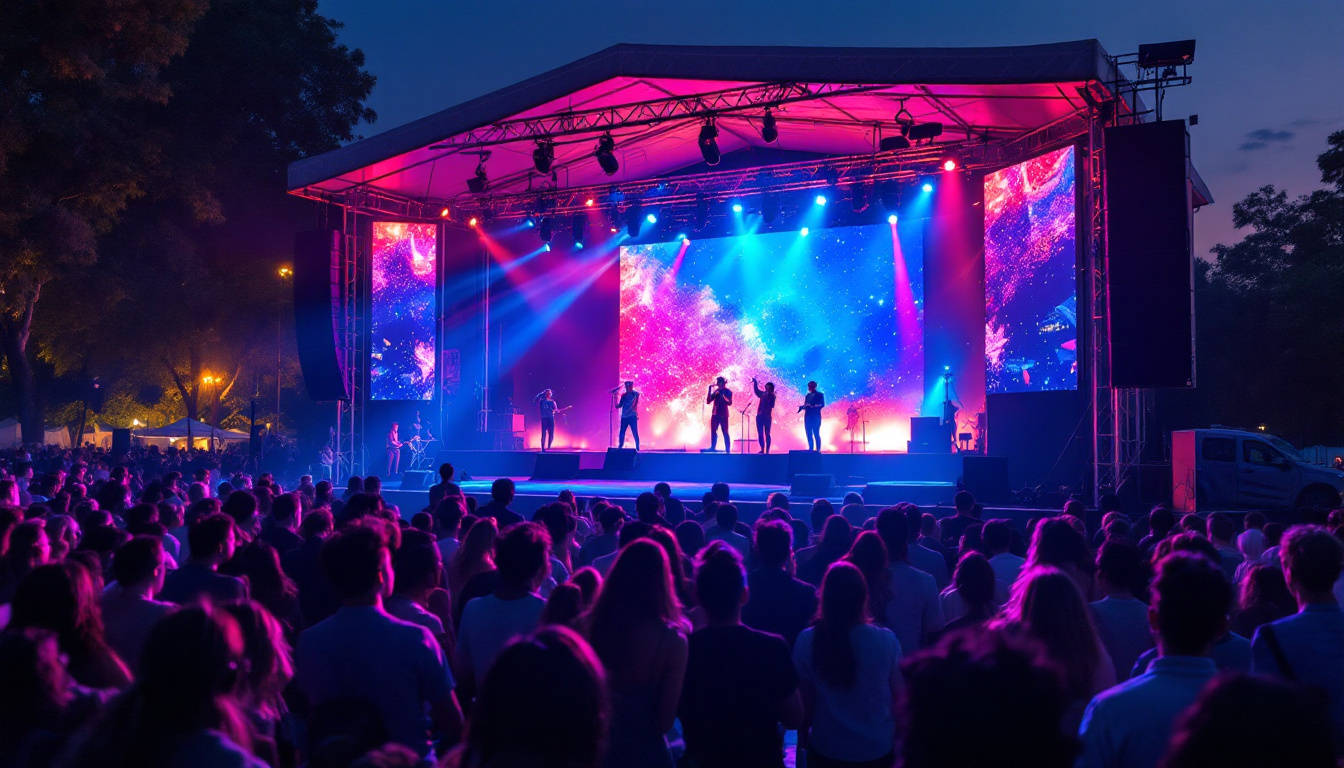
Advancements in LED technology have led to the development of OLED (Organic LED) and QLED (Quantum Dot LED) displays, which offer even greater color accuracy, contrast, and energy efficiency. OLED displays, for instance, are known for their ability to produce true blacks, as each pixel can be turned off completely, resulting in an infinite contrast ratio. On the other hand, QLED technology enhances brightness and color volume by utilizing quantum dots, tiny semiconductor particles that emit specific colors when illuminated. However, traditional LED displays remain popular due to their affordability and robust performance. They are widely used in various applications, from consumer electronics to large-scale outdoor advertising, proving their versatility and reliability in diverse environments.
The Rise of Interactive LED TV Lights
What Are Interactive LED TV Lights?
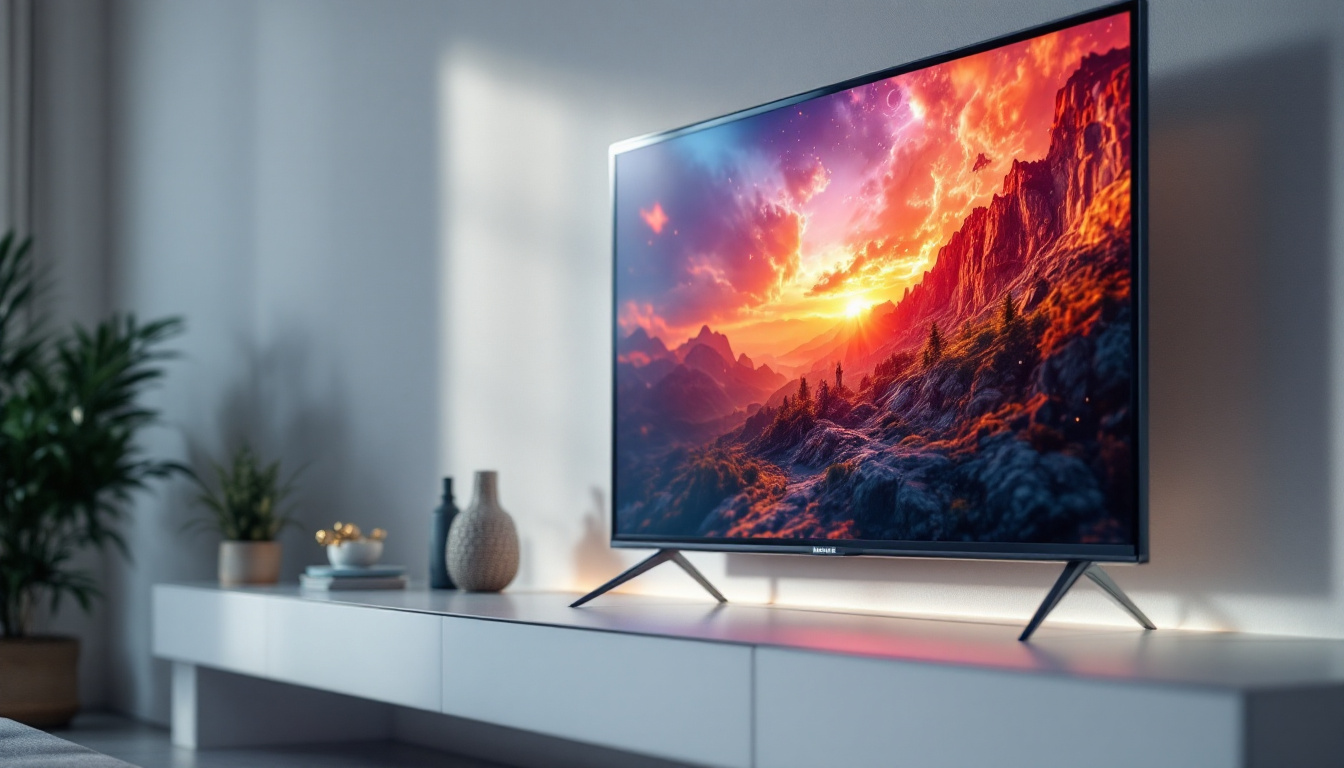
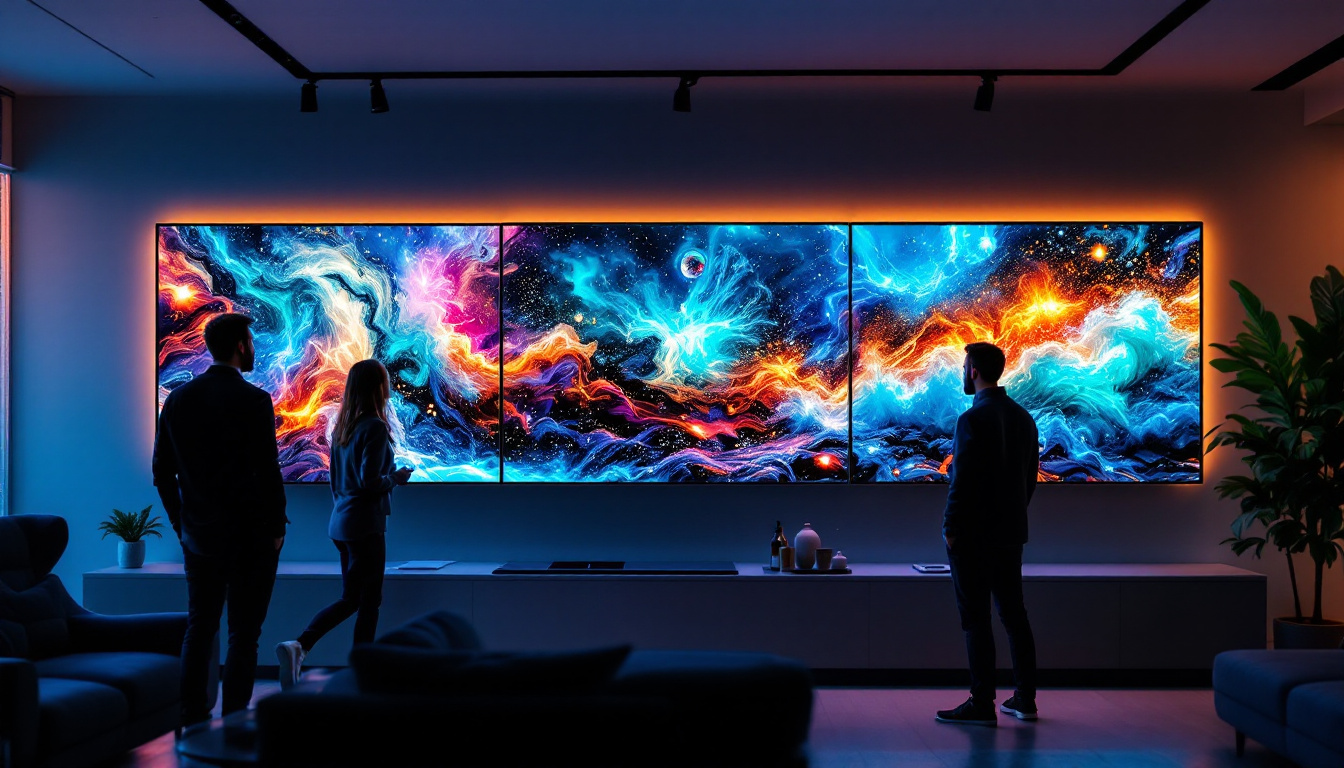
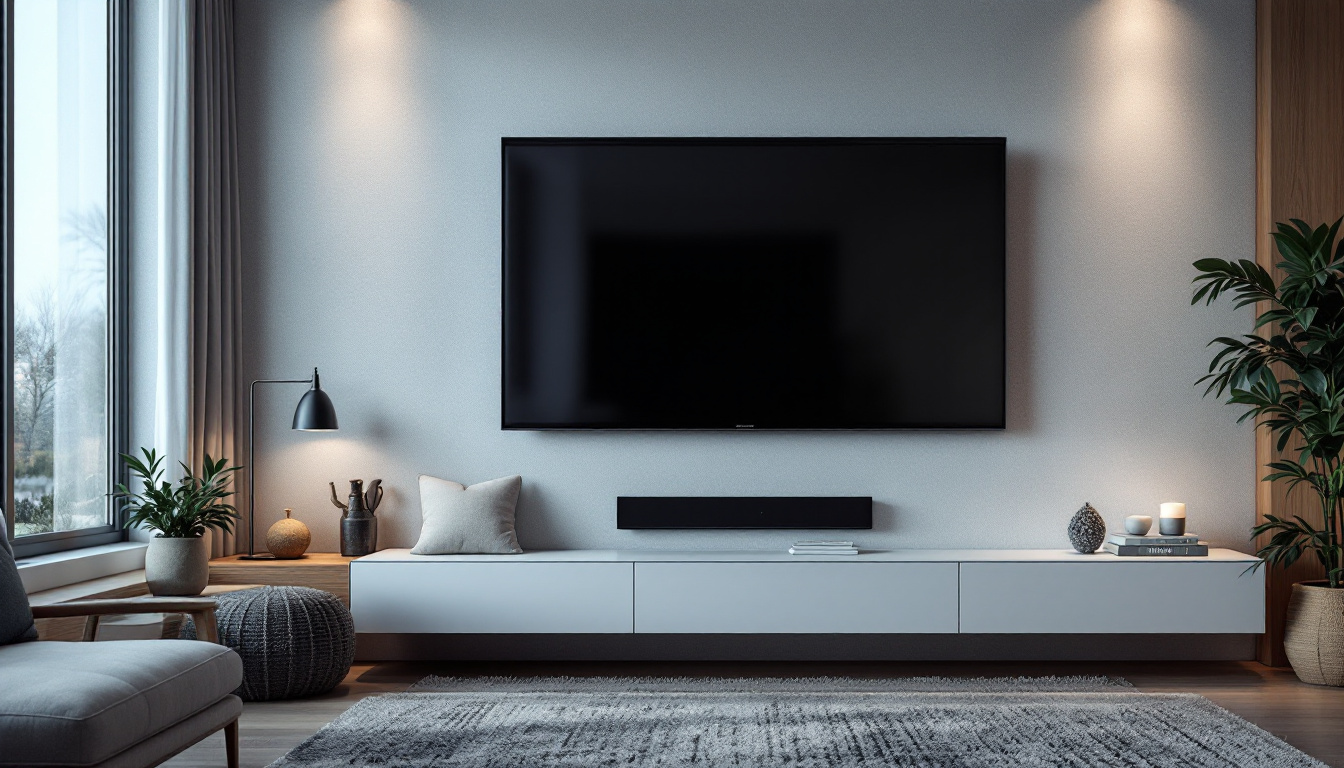
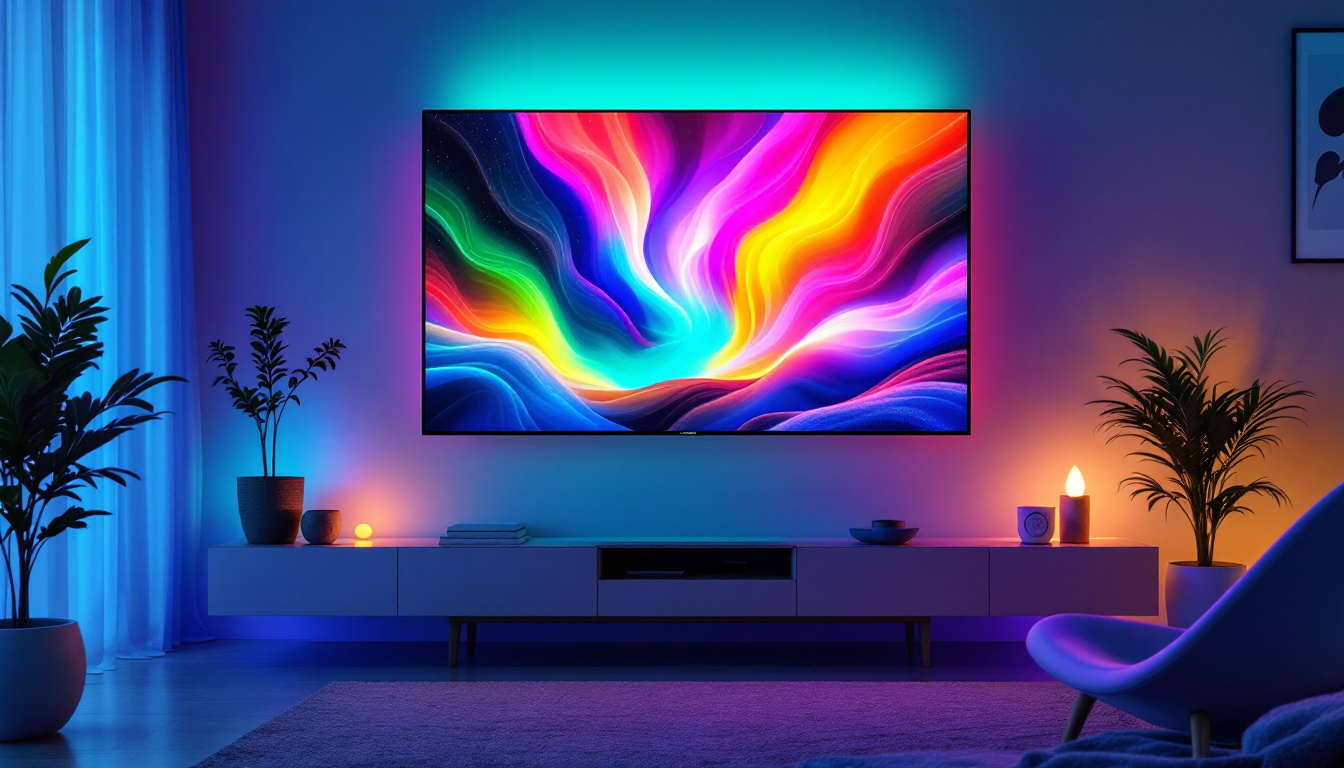
Interactive LED TV lights are external lighting systems that synchronize with the content displayed on the television screen. These lights typically attach to the back or edges of the TV and project ambient lighting onto the surrounding wall or room. The lighting dynamically changes color and intensity in real-time, matching the on-screen visuals to create a more immersive viewing experience.
This technology is often referred to as bias lighting or ambient backlighting, but the “interactive” aspect refers to the smart synchronization with the content, often facilitated by software or hardware that analyzes the video signal. This integration not only enhances the aesthetics of your home theater setup but also helps reduce eye strain by providing a more balanced light environment, especially in dark rooms. As viewers become more engaged with their favorite shows and movies, the surrounding atmosphere transforms, making each viewing experience unique and captivating.
How Do Interactive LED TV Lights Work?
Interactive LED TV lights use a combination of hardware and software to detect the colors and brightness levels on the screen. Some systems connect directly to the TV’s HDMI output or use cameras and sensors to capture the screen content. The collected data is then processed to control the LED lights, adjusting their colors and brightness in real-time.
For example, during a sunset scene in a movie, the LED lights may emit warm orange and red hues, extending the colors beyond the screen and enhancing the ambiance. During fast-paced action sequences, the lights may shift rapidly to reflect the changing visuals, adding a sense of depth and excitement. Additionally, many of these systems come equipped with customizable settings, allowing users to fine-tune the light effects according to their preferences. Some even offer preset modes for different types of content, such as gaming, movies, or sports, ensuring that the lighting complements the viewing experience perfectly. As a result, viewers can enjoy a tailored atmosphere that enhances their emotional connection to the content, making every moment on screen feel more alive and engaging.
Benefits of Interactive LED TV Lights
Enhanced Viewing Experience
One of the primary advantages of interactive LED TV lights is the enhanced viewing experience they provide. By extending the colors and light from the screen into the surrounding environment, these lights reduce eye strain and create a more immersive atmosphere. This effect can make movies, sports, and video games feel more engaging and realistic.
Studies have shown that bias lighting can improve perceived contrast and reduce eye fatigue during prolonged viewing sessions. This is particularly beneficial in dark rooms where the contrast between the bright screen and the surrounding darkness can cause discomfort.
Improved Aesthetics and Room Ambiance
Beyond functional benefits, interactive LED TV lights also contribute to the aesthetic appeal of a living space. They add a modern, stylish touch to home entertainment setups and can be customized to match the room’s décor or mood. Many systems offer a wide range of colors and lighting modes, allowing users to personalize their environment.
For example, during social gatherings, the lights can be set to vibrant colors to enhance the party atmosphere, while during quiet movie nights, softer tones can create a cozy ambiance.
Energy Efficiency and Longevity
LED technology is known for its energy efficiency and long lifespan compared to traditional incandescent or fluorescent lighting. Interactive LED TV lights consume minimal power, making them an eco-friendly addition to home entertainment systems. Their durability means they require less frequent replacement, reducing maintenance costs over time.
Popular Interactive LED TV Light Systems
Philips Hue Play Gradient Lightstrip
The Philips Hue Play Gradient Lightstrip is a premium interactive LED lighting solution designed specifically for TVs. It offers seamless color synchronization with compatible Philips Hue smart lighting ecosystems. The lightstrip attaches to the back of the TV and projects multiple colors simultaneously to match the on-screen content.
Users can control the lights via smartphone apps, voice assistants, or through integration with streaming platforms. The system supports dynamic lighting effects and can be customized for different viewing scenarios.
Govee Immersion LED TV Backlights
Govee’s Immersion LED TV backlights are known for their affordability and ease of installation. Equipped with a camera that captures the screen content, the system processes the colors and adjusts the LED lights accordingly. This approach eliminates the need for direct HDMI connection, making it compatible with a wide range of TVs.
The Govee app provides various lighting modes and customization options, including music synchronization and DIY color settings, catering to diverse user preferences.
LIFX Z TV Backlight
LIFX Z LED strips offer vibrant colors and high brightness levels, making them a popular choice for interactive TV lighting. While they do not include a camera for direct content capture, the lights can be integrated with smart home systems and controlled via apps or voice commands.
Users can create custom lighting zones and effects, enhancing the overall entertainment experience with dynamic and responsive lighting.
Choosing the Right Interactive LED TV Lights
Compatibility and Installation
When selecting interactive LED TV lights, compatibility with the existing TV and home setup is crucial. Some systems require HDMI connections or specific smart home ecosystems, while others use cameras or sensors for content detection. Understanding the installation process and ensuring it fits your TV size and mounting style can prevent future frustrations.
Lighting Quality and Features
Consider the quality of the LEDs, including brightness, color accuracy, and the number of LEDs per strip. Higher LED density often translates to smoother color transitions and better overall effects. Features such as app control, voice assistant compatibility, and customizable lighting modes can enhance usability and personalization.
Budget Considerations
Interactive LED TV lights range from budget-friendly options to premium systems with advanced features. It is important to balance cost with desired functionality and quality. Investing in a reputable brand with good customer support can also ensure a better long-term experience.
The Future of Interactive LED TV Lighting
As technology advances, interactive LED TV lights are expected to become more sophisticated and integrated. Emerging trends include deeper integration with streaming services, AI-driven content analysis for more precise lighting effects, and greater compatibility with smart home ecosystems.
Additionally, innovations in LED materials and design may lead to thinner, more flexible light strips that blend seamlessly with TV designs, further enhancing aesthetics without compromising performance.
With the increasing demand for immersive home entertainment experiences, interactive LED TV lights are poised to become a standard feature in living rooms worldwide.
Conclusion
Interactive LED TV lights represent a significant leap in enhancing visual entertainment. By combining advanced LED display technology with real-time content synchronization, these lighting systems create immersive, comfortable, and visually stunning viewing environments. Whether for movie enthusiasts, gamers, or casual viewers, investing in interactive LED TV lights can transform the way content is experienced at home.
Understanding the technology, benefits, and available options allows consumers to make informed decisions and select the best system to suit their needs. As this technology continues to evolve, the future of home entertainment looks brighter and more vibrant than ever.
Discover LumenMatrix LED Display Solutions
Ready to elevate your home entertainment experience with the latest in LED display technology? LumenMatrix is at the forefront of creating immersive visual experiences that bring your content to life. From the comfort of your living room to the excitement of outdoor events, our comprehensive range of LED display solutions, including Indoor LED Wall Displays and innovative Transparent LED Displays, is designed to transform any space into a dynamic and engaging environment. Don’t just watch—immerse yourself in the action and let LumenMatrix light up your world. Check out LumenMatrix LED Display Solutions today and step into the future of visual storytelling.