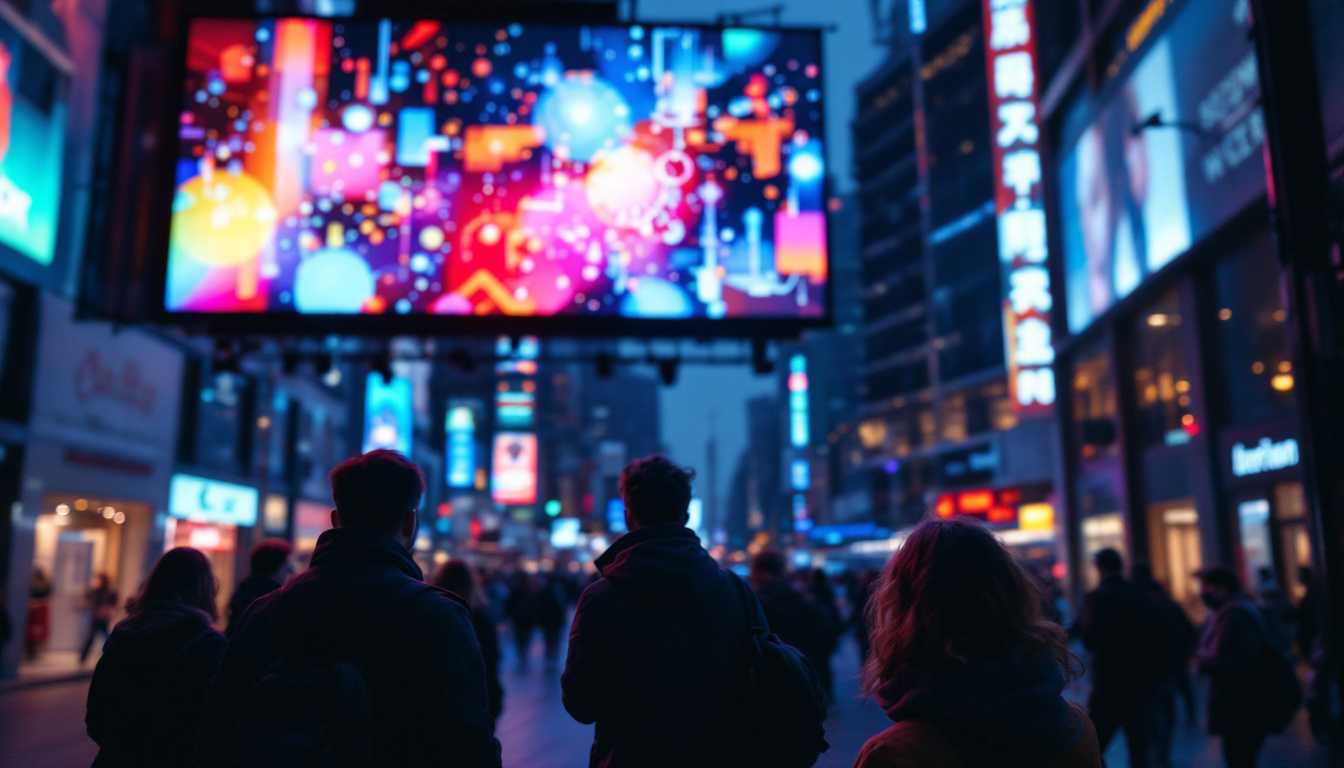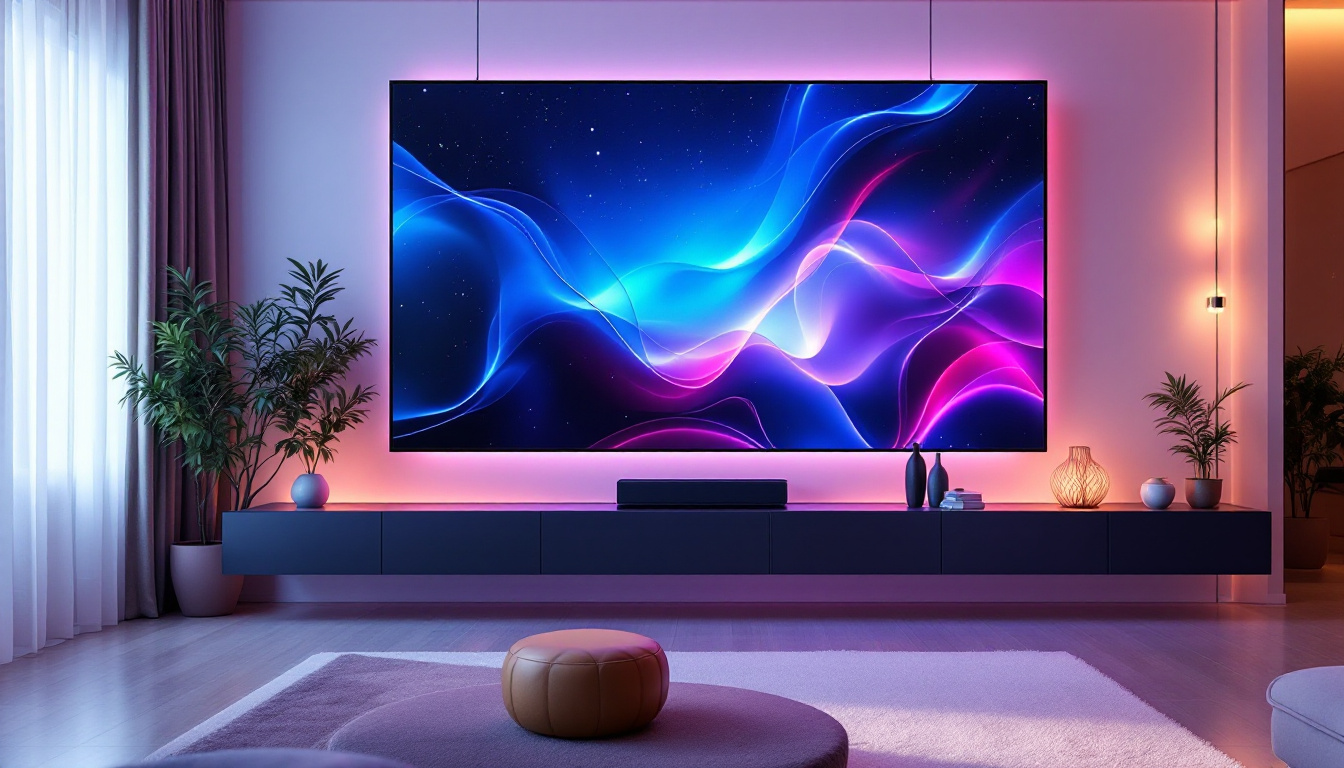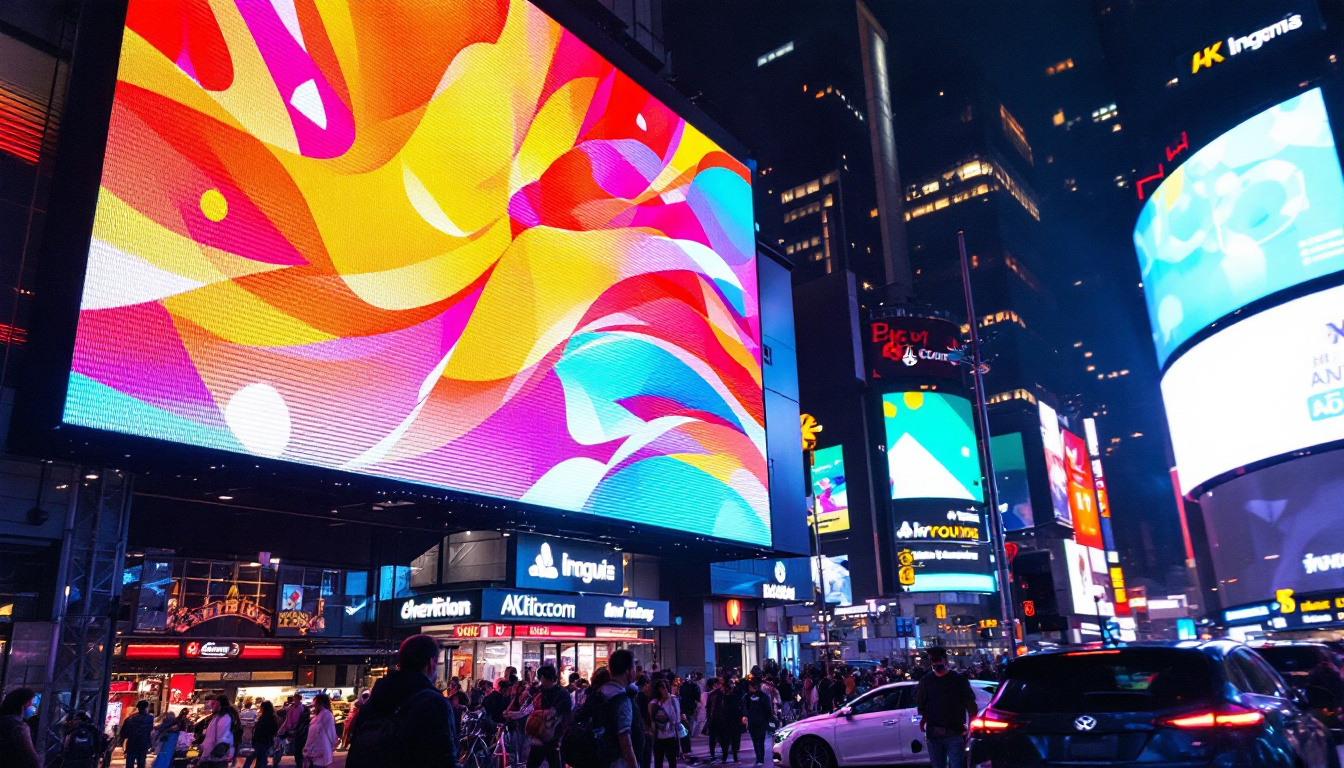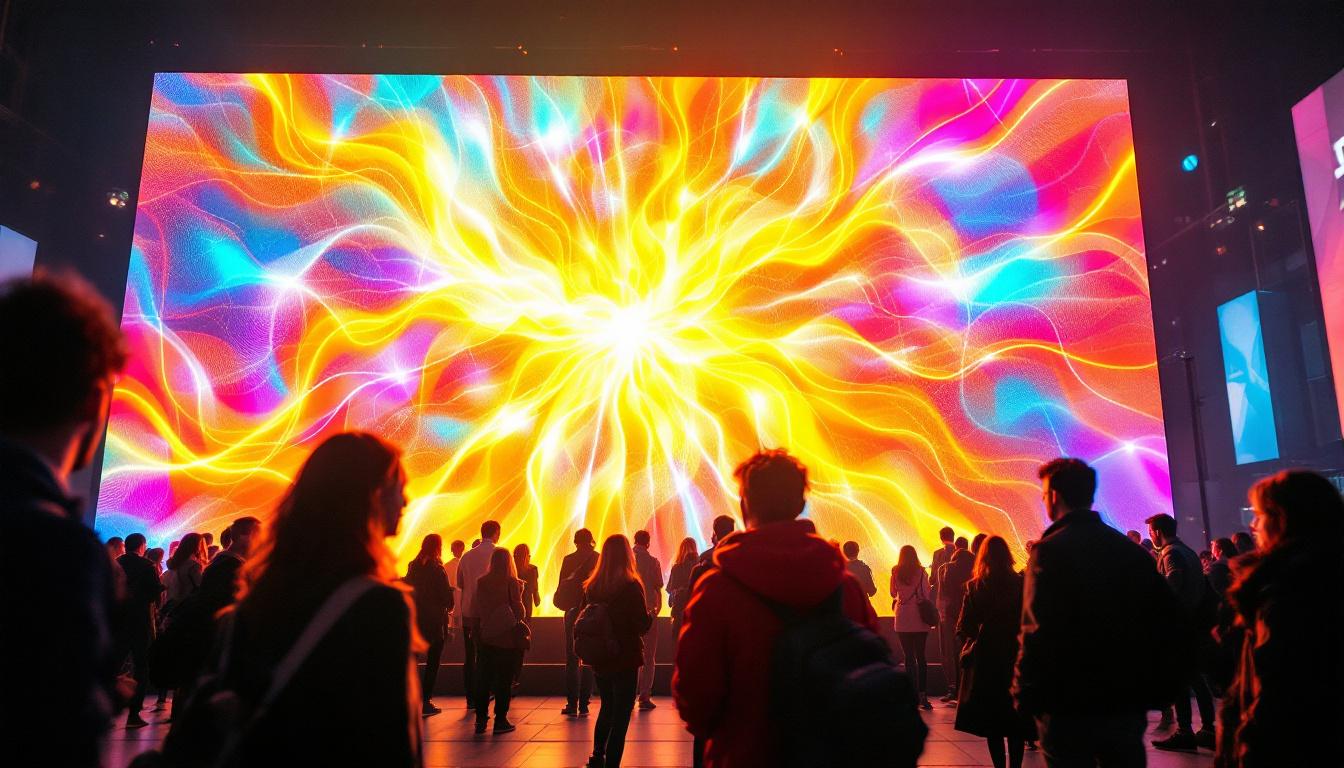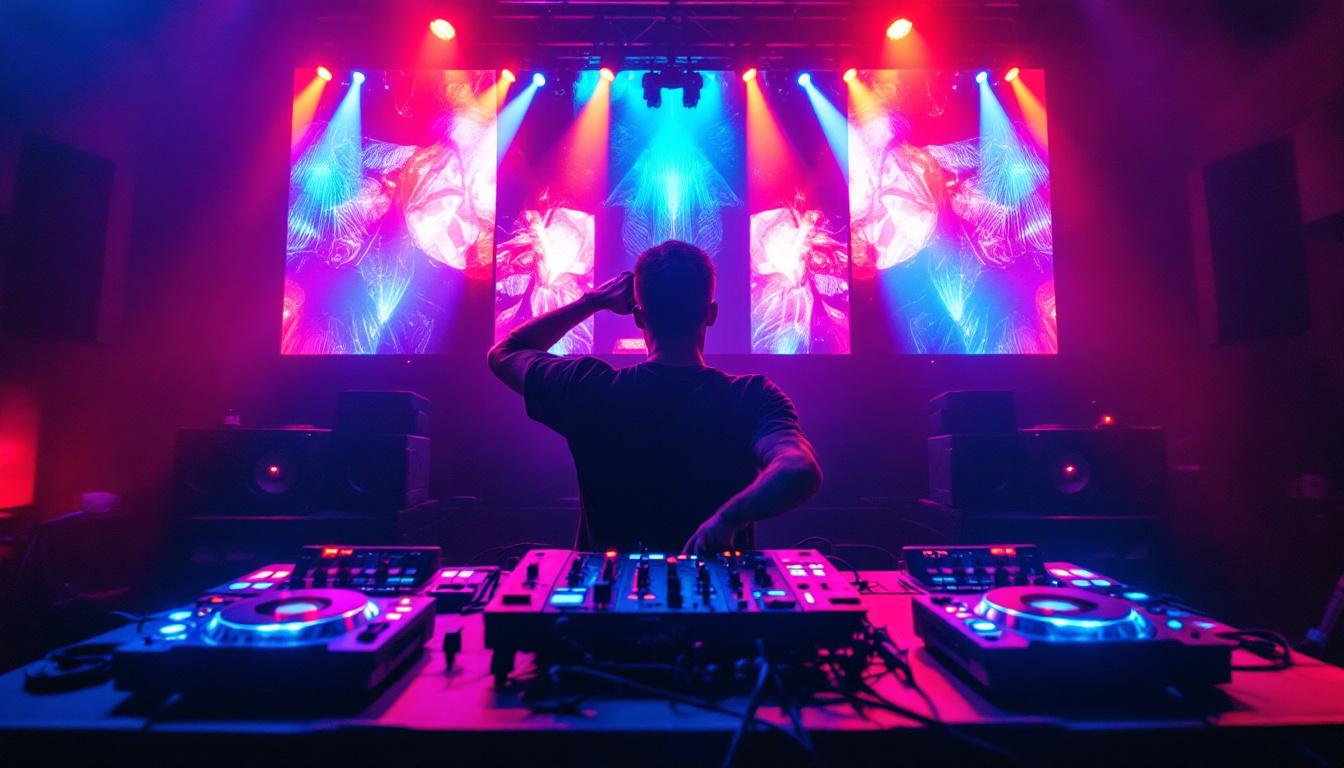
In the dynamic world of live entertainment, visual impact is just as critical as audio quality. DJs, event producers, and stage designers increasingly rely on LED light screens to create immersive environments that captivate audiences. These LED displays have revolutionized how performances are experienced, offering vibrant visuals, synchronized lighting effects, and versatile configurations that adapt to any venue or event style.
This article delves into the technology behind DJ LED light screens, exploring how they work, their key features, and why they have become indispensable tools in modern live performances. Whether you are a DJ looking to enhance your stage presence or an event professional seeking to understand the latest in display technology, this comprehensive guide will illuminate the essentials of LED displays in the entertainment industry.
Understanding LED Display Technology
LED stands for Light Emitting Diode, a semiconductor device that emits light when an electrical current passes through it. Unlike traditional incandescent bulbs, LEDs are highly energy-efficient, long-lasting, and capable of producing intense, vivid colors. These properties make them ideal for large-scale displays used in concerts, festivals, and club environments. The versatility of LED technology has revolutionized the way visual content is presented, enabling artists and event organizers to create dynamic and engaging experiences that captivate audiences.
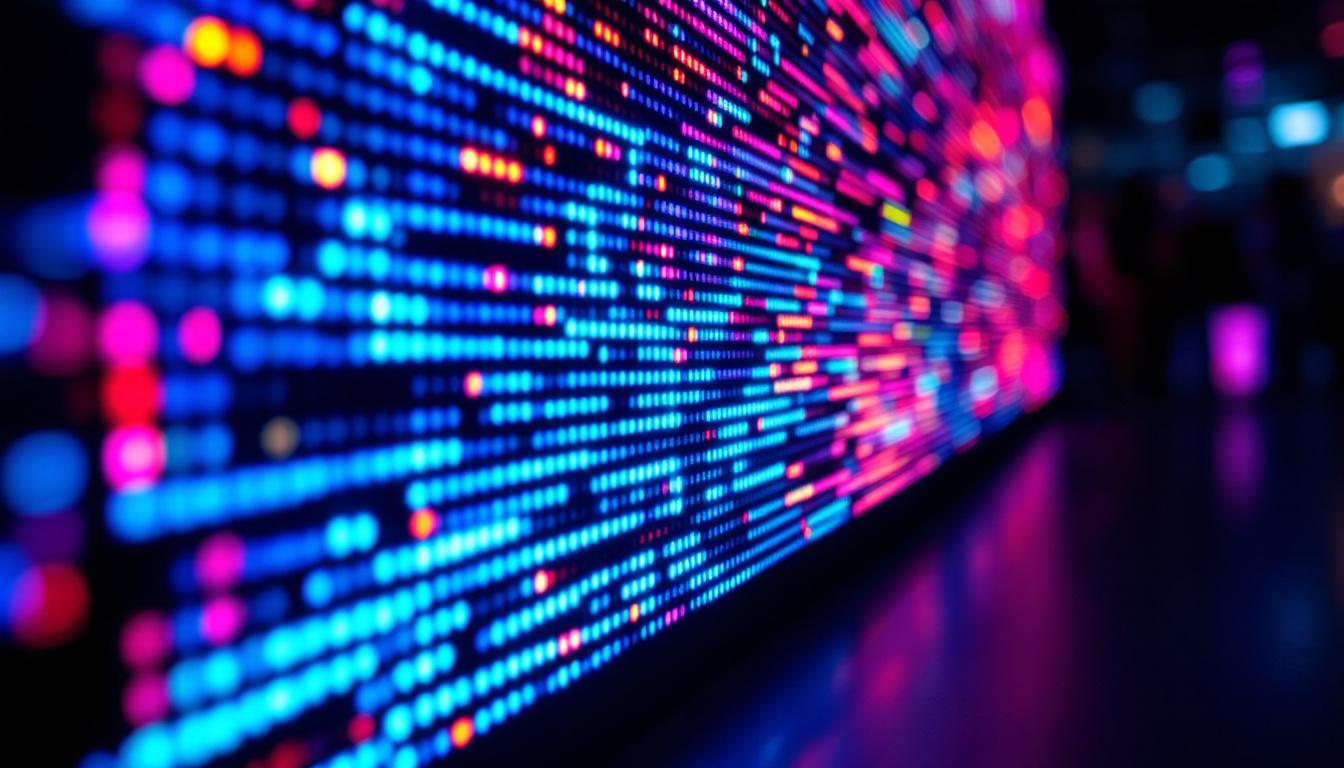
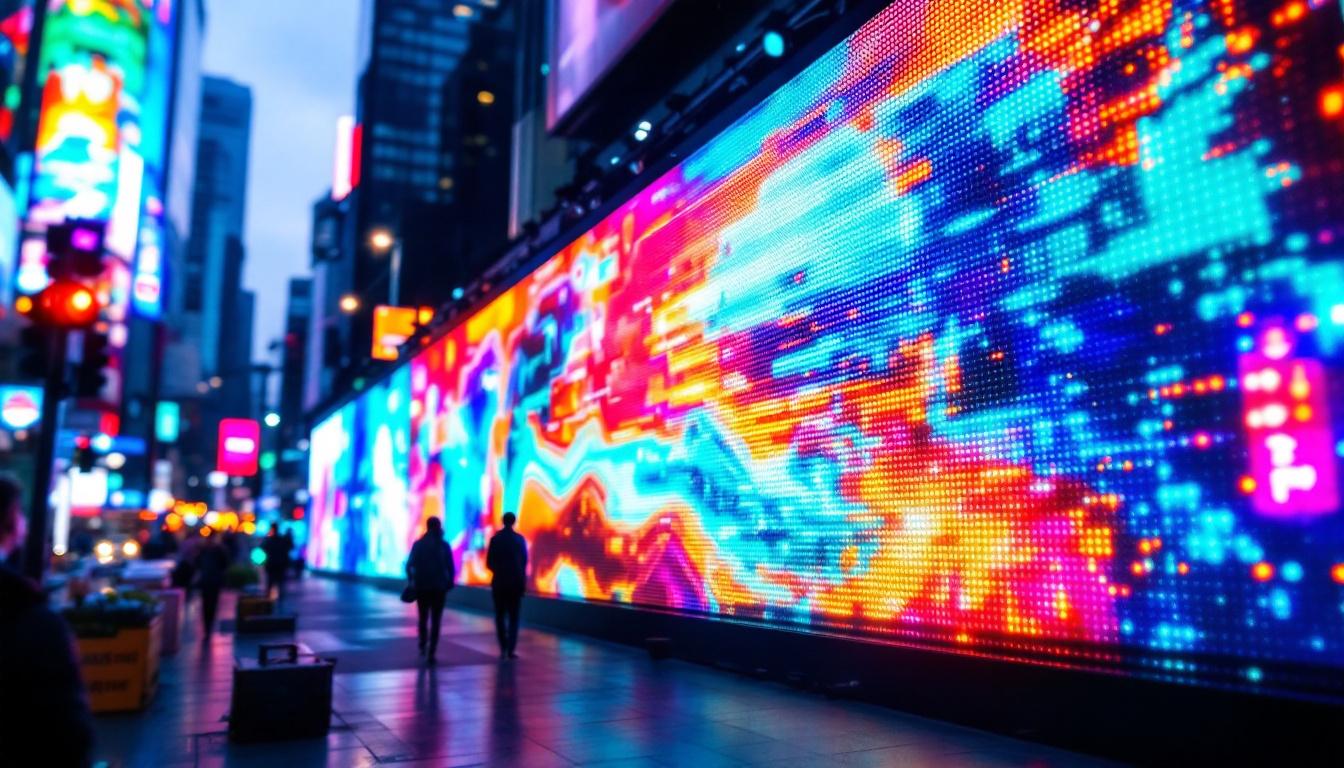
At its core, an LED display is composed of thousands of tiny LEDs arranged in a matrix to form pixels. Each pixel can emit different colors by combining red, green, and blue LEDs (RGB), allowing for full-color video and graphic presentations. The resolution and clarity of the image depend on the density of these pixels, often measured by pixel pitch — the distance between the centers of two adjacent pixels. This intricate arrangement not only enhances visual quality but also allows for intricate animations and effects that can synchronize with music, creating a multisensory experience that resonates with the audience.
Pixel Pitch and Resolution
Pixel pitch is a critical factor in determining the quality of an LED screen. Smaller pixel pitches mean more LEDs per square meter, resulting in higher resolution and sharper images. For DJ LED light screens, pixel pitches typically range from 1.5mm to 10mm. Screens with a pitch of 1.5mm to 3mm are considered fine-pitch and are suitable for close viewing distances, such as indoor clubs or small venues. Larger pitches, like 6mm to 10mm, are often used for outdoor festivals or large stages where viewers are farther away. The choice of pixel pitch not only affects the visual fidelity but also influences the overall design and layout of the stage, as it dictates how close the audience can get to the display without losing image quality.
Choosing the right pixel pitch depends on the venue size, viewing distance, and budget. For example, a DJ performing in a packed nightclub might opt for a fine-pitch LED screen to display detailed visuals and text, enhancing the immersive experience. Conversely, a festival DJ might prioritize larger, more robust screens with wider pixel pitches to ensure visibility from a distance. Additionally, advancements in LED technology have led to the development of high-refresh-rate displays, which are essential for smooth video playback and reducing motion blur, particularly in fast-paced environments where rapid visual transitions are common.
Types of LED Displays for DJs
LED displays come in various forms, each suited to different applications within the DJ and live event space:
- Indoor LED Screens: Designed for controlled environments, these screens offer high brightness and fine pixel pitch. They are lightweight and easy to assemble, making them popular for club installations and touring setups. Their ability to deliver vibrant visuals even in low-light conditions makes them a staple for indoor events.
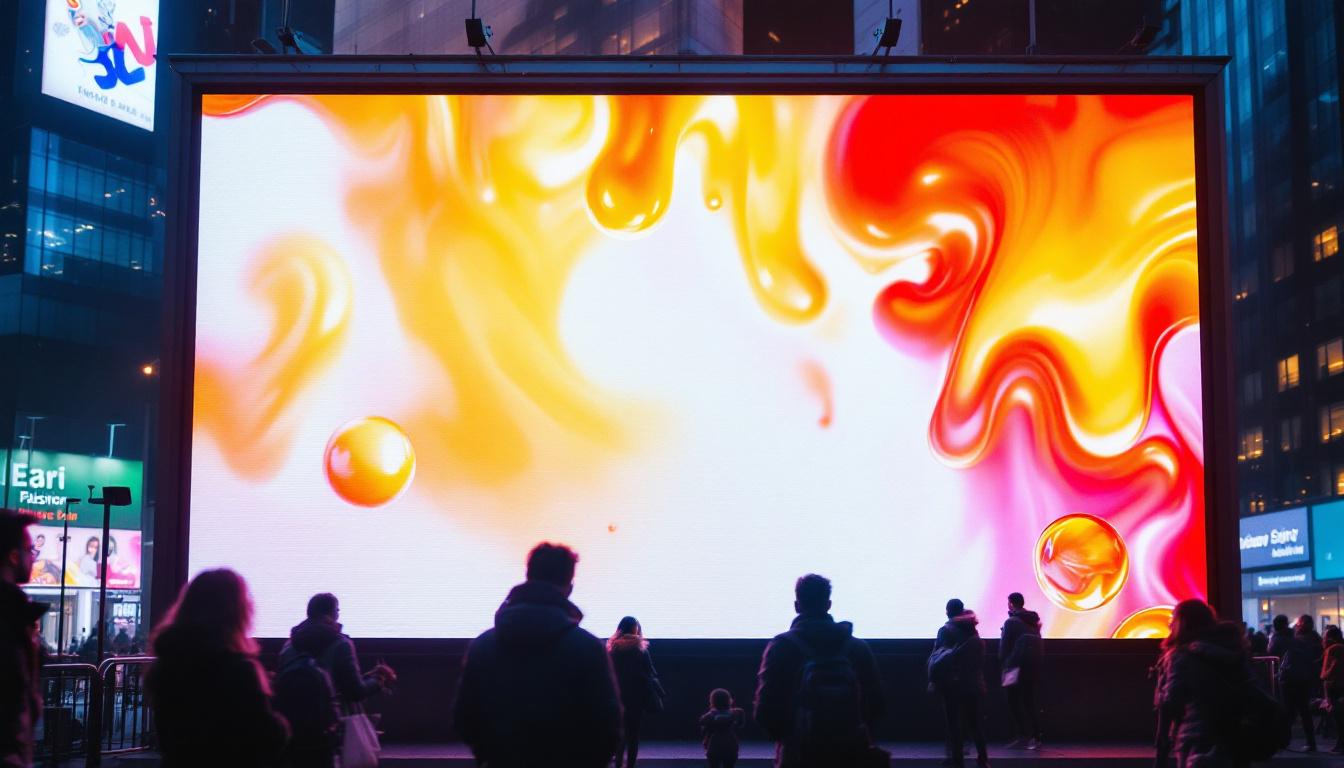
- Outdoor LED Screens: Built to withstand weather conditions, these displays feature higher brightness levels (often exceeding 5,000 nits) to combat sunlight glare. They typically have larger pixel pitches and rugged construction, ensuring durability and longevity in various outdoor settings. The robust design allows them to maintain performance even in adverse weather, making them ideal for festivals and concerts.
- Flexible and Curved LED Panels: These innovative panels allow for creative stage designs, wrapping around DJ booths or forming unique shapes. Flexibility in design helps create memorable visual experiences that complement the music. Their adaptability enables DJs to explore new artistic expressions, transforming the stage into a canvas for light and color.
- Transparent LED Screens: These semi-transparent panels can be placed in front of windows or as part of stage backdrops, allowing light and visuals to blend seamlessly with the environment. This type of display not only enhances the aesthetic appeal of a performance but also allows for interactive elements, where the audience can see through the visuals while still being engaged by the content being presented.
Why LED Light Screens Are Essential for DJs
LED light screens have become a staple in the DJ industry because they offer several advantages that enhance both the performance and audience engagement. Their versatility and visual impact make them a powerful tool for creating memorable live experiences.
Enhancing Visual Storytelling
Music is an auditory art form, but pairing it with compelling visuals creates a multisensory experience that resonates more deeply with audiences. LED screens allow DJs to project dynamic graphics, animations, and video content that synchronize with their sets. This visual storytelling can reflect the mood, genre, or theme of the performance, making the event more immersive and emotionally engaging.
For example, during a trance set, a DJ might use flowing, ethereal visuals that mirror the music’s atmospheric qualities. In contrast, a techno performance might feature sharp, geometric patterns and strobe effects that amplify the rhythm and energy.
Customizable and Interactive Displays
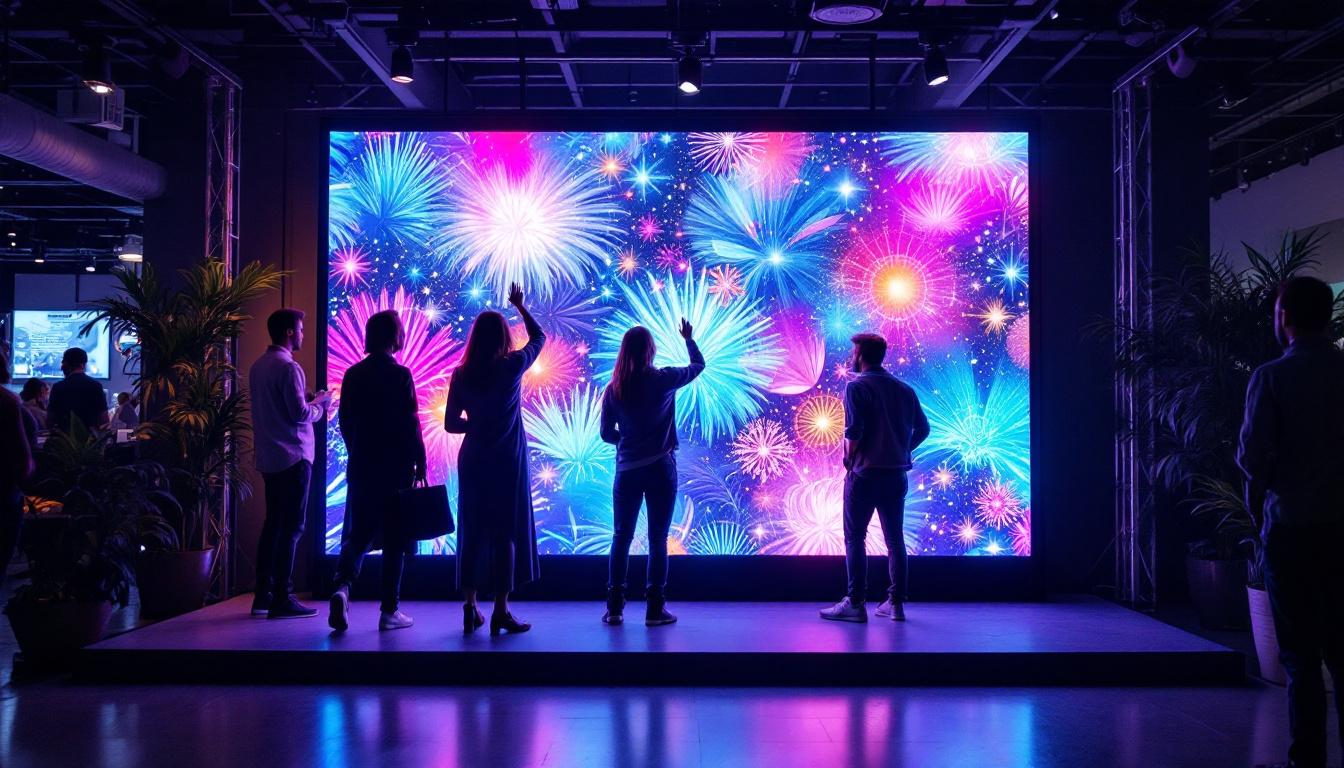
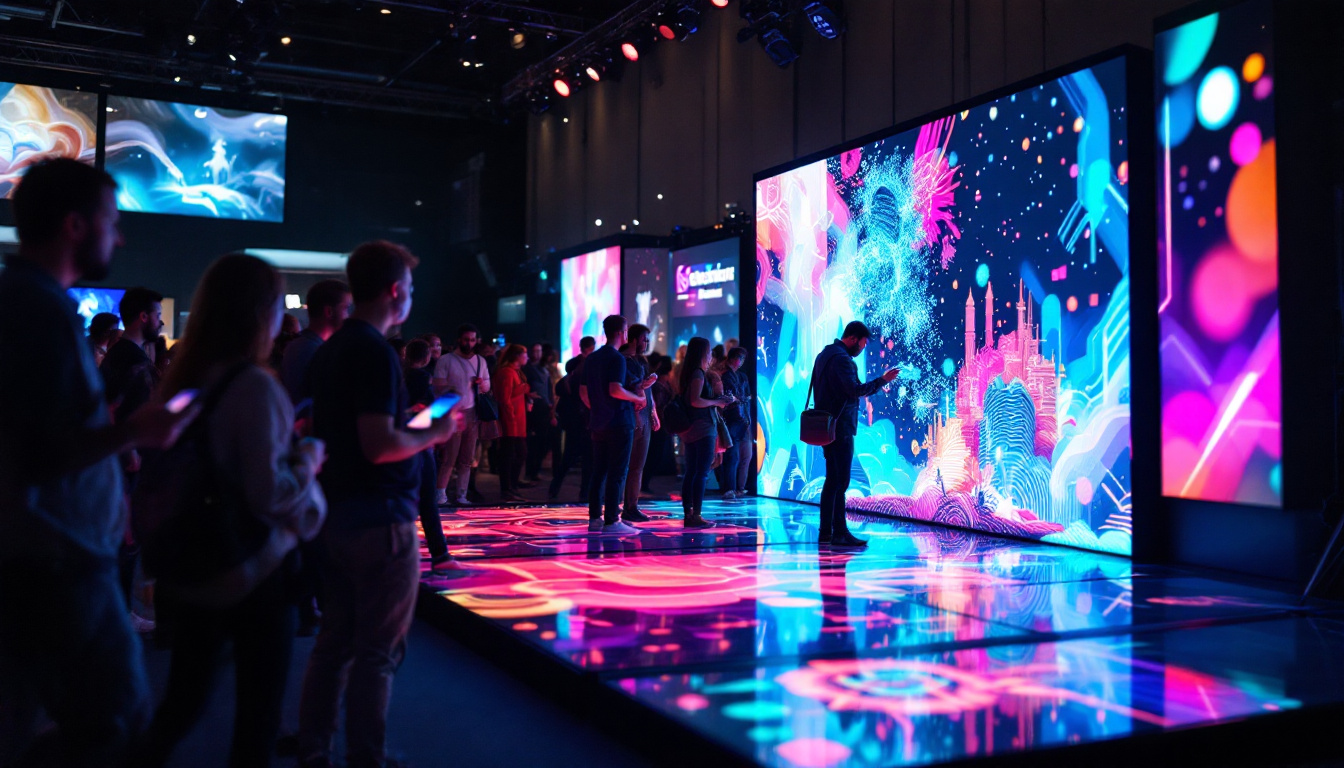
Modern LED screens can be programmed to react in real-time to audio inputs, creating interactive visualizations that respond to beats, basslines, and other musical elements. This synchronization fosters a deeper connection between the DJ and the crowd, as the visuals become an extension of the music itself.
Additionally, LED screens can be customized to display branding, event information, or social media feeds, offering promotional opportunities for DJs and event organizers. This flexibility helps DJs build their brand identity and engage fans beyond the music.
Improved Stage Presence and Atmosphere
In crowded venues or large festivals, a DJ’s physical presence can be overshadowed by the scale of the event. LED screens help amplify their presence by creating a visually striking backdrop that draws attention and sets the tone. The combination of lighting, visuals, and music transforms the stage into a focal point, elevating the entire production value.
Moreover, LED screens contribute to the overall atmosphere by complementing other lighting elements, such as moving heads, lasers, and smoke machines. The cohesive visual environment enhances audience immersion and encourages active participation.
Technical Considerations for DJ LED Light Screens
Choosing and operating LED light screens requires understanding several technical aspects to ensure optimal performance and reliability during live events.
Brightness and Contrast
Brightness is measured in nits, with higher values indicating a brighter screen. For indoor venues, brightness levels between 800 and 1,500 nits are generally sufficient, while outdoor screens may require 5,000 nits or more to remain visible under direct sunlight. Contrast ratio, the difference between the darkest black and brightest white, affects image depth and clarity, making visuals more striking.
Balancing brightness and contrast is essential to avoid washed-out images or excessive glare, which can detract from the audience’s experience.
Refresh Rate and Color Accuracy
The refresh rate, measured in Hertz (Hz), indicates how many times per second the screen updates its image. Higher refresh rates (above 3,000 Hz) reduce flicker and provide smoother motion, which is especially important for video playback and fast-moving visuals. Flicker-free screens also prevent eye strain for both performers and audiences.
Color accuracy ensures that visuals appear true to the content creator’s intent. High-quality LED screens support a wide color gamut and precise calibration, enabling vibrant and consistent colors across the display.
Installation and Portability
For touring DJs, portability and ease of setup are crucial. LED panels designed for quick assembly, lightweight construction, and modular design allow for flexible stage configurations and faster load-in/load-out times. Magnetic or tool-less mounting systems further streamline installation.
In contrast, permanent installations in clubs or venues prioritize durability and integration with existing lighting and sound systems. Understanding the specific needs of the event or venue helps in selecting the appropriate LED screen solution.
Control Systems and Content Management
LED displays are controlled via specialized software that manages content playback, synchronization, and screen calibration. Popular control systems include those from manufacturers like Novastar, Brompton Technology, and Linsn, which offer robust features for live event production.
Content management platforms allow DJs and visual artists to schedule playlists, trigger effects in sync with music, and adjust settings on the fly. Training and familiarity with these systems are essential to maximize the creative potential of LED screens.
Trends and Innovations in DJ LED Light Screens
The LED display industry is rapidly evolving, with innovations that continue to expand creative possibilities for DJs and event producers.
MicroLED and MiniLED Technologies
Emerging display technologies like MicroLED and MiniLED promise even higher resolution, improved brightness, and better energy efficiency. MicroLEDs, in particular, offer pixel-level control with exceptional color accuracy and contrast, making them ideal for premium visual experiences. Although still costly, these technologies are gradually making their way into live event applications.
Integration with Augmented Reality (AR) and Virtual Reality (VR)
Some cutting-edge performances incorporate AR and VR elements alongside LED screens to create hybrid environments that blur the line between physical and digital spaces. For DJs, this means the potential to craft multisensory shows where visuals extend beyond the screen and interact with the audience in novel ways.
AI-Driven Visuals and Automation
Artificial intelligence is increasingly being used to generate and adapt visuals in real-time based on music analysis and audience reactions. AI-powered systems can automate content changes, optimize visual effects, and even predict crowd dynamics, helping DJs deliver more engaging and personalized performances.
Conclusion: Elevating DJ Performances with LED Light Screens
LED light screens have transformed the landscape of live DJ performances by providing vibrant, versatile, and interactive visual platforms. Their ability to enhance storytelling, amplify stage presence, and engage audiences makes them indispensable in today’s entertainment industry.
Understanding the technology behind LED displays—from pixel pitch and brightness to control systems and emerging trends—empowers DJs and event professionals to make informed decisions that elevate their productions. As LED technology continues to advance, the possibilities for creative expression and audience immersion will only grow, promising even more spectacular live experiences in the future.
Discover LumenMatrix’s Advanced LED Solutions
Ready to elevate your DJ performances and live events with cutting-edge LED display technology? Explore LumenMatrix’s comprehensive range of LED display modules, designed to captivate your audience and enhance your brand’s visibility. From the vibrant Indoor LED Wall Display to the dynamic Outdoor LED Wall Display, and from the innovative Transparent LED Display to the interactive Floor LED Display, LumenMatrix offers tailored solutions that meet your specific needs. Experience the future of visual storytelling with LumenMatrix’s state-of-the-art LED displays. Check out LumenMatrix LED Display Solutions and transform your next event into an unforgettable visual spectacle.