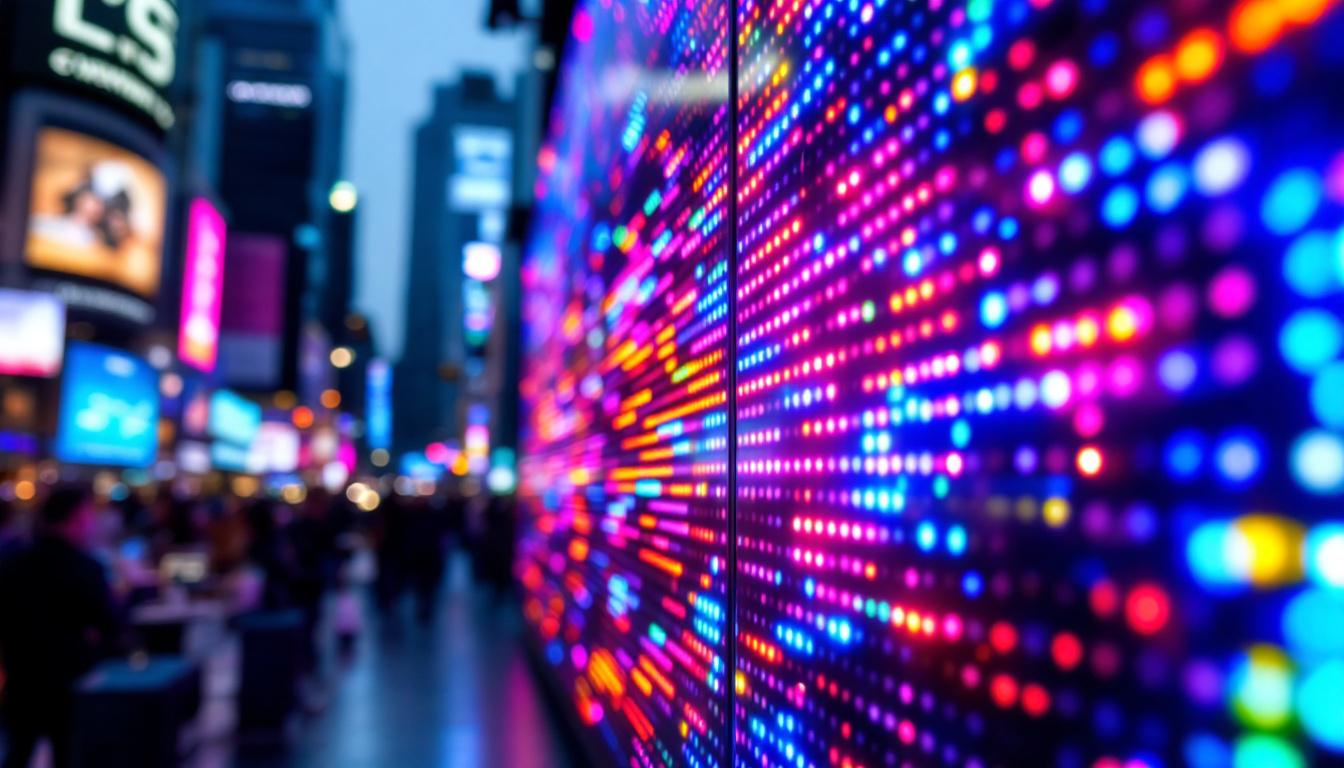
In today’s digital age, the way information is presented and consumed has evolved dramatically. One of the most visible and impactful technologies in public and commercial spaces is the LED display. From billboards and scoreboards to indoor advertising and traffic signs, LED displays have become an integral part of modern communication. This article delves into the world of LED displays, explaining what they are, how they work, and why they have become a cornerstone of visual technology in the internet era.
What is an LED Display?
LED stands for Light Emitting Diode, a semiconductor device that emits light when an electric current passes through it. An LED display is a flat panel that uses an array of these tiny LEDs to create images, text, and video. Unlike traditional LCD or plasma screens, LED displays rely on these diodes to produce bright, vibrant visuals that are easily visible in various lighting conditions. The efficiency of LEDs also means they consume less power compared to older display technologies, making them a more environmentally friendly option for both consumers and businesses.
LED displays come in many forms, including single-color, dual-color, and full-color configurations. The most common type used for dynamic content is the full-color LED display, which combines red, green, and blue LEDs to produce a wide spectrum of colors. This capability makes LED displays ideal for advertising, public information, entertainment, and more. Additionally, the longevity of LED technology means that these displays can last for tens of thousands of hours, significantly reducing maintenance and replacement costs over time.
Types of LED Displays
LED displays can be broadly categorized based on their design and application:
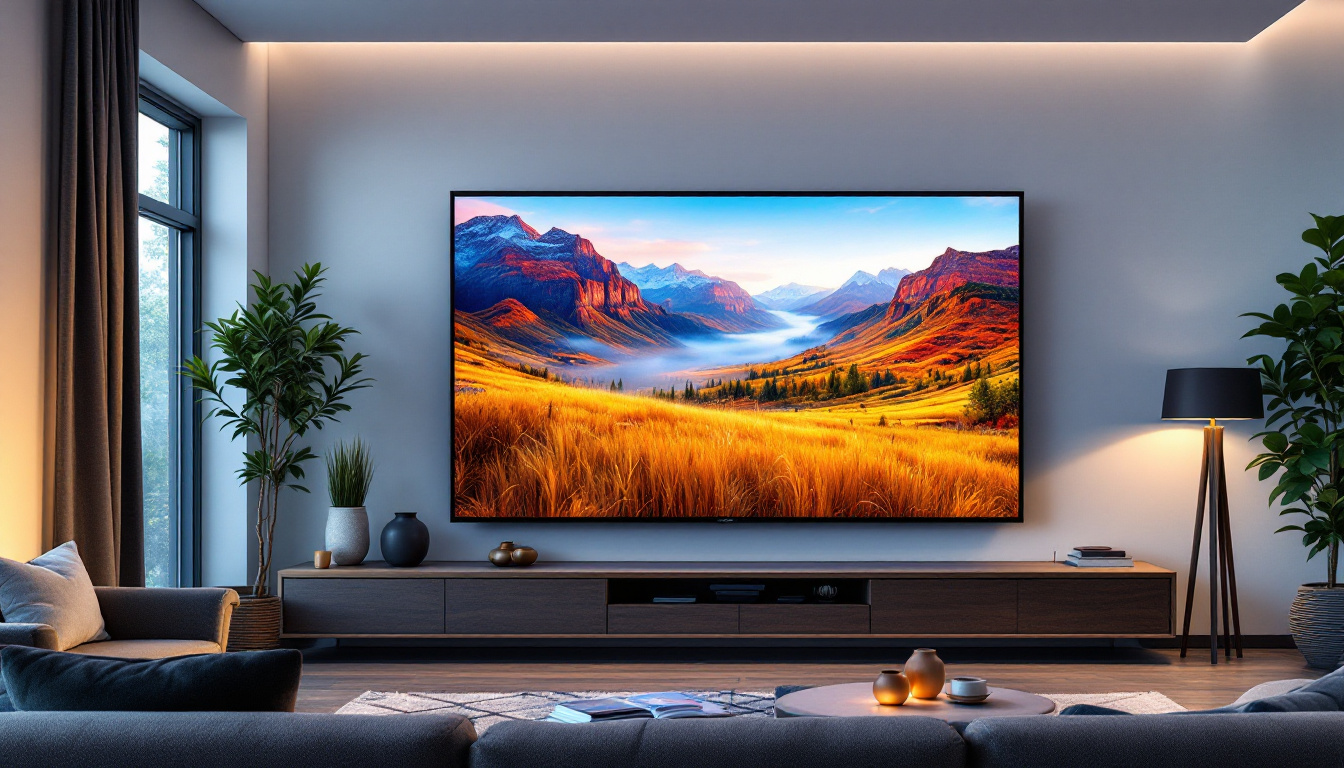
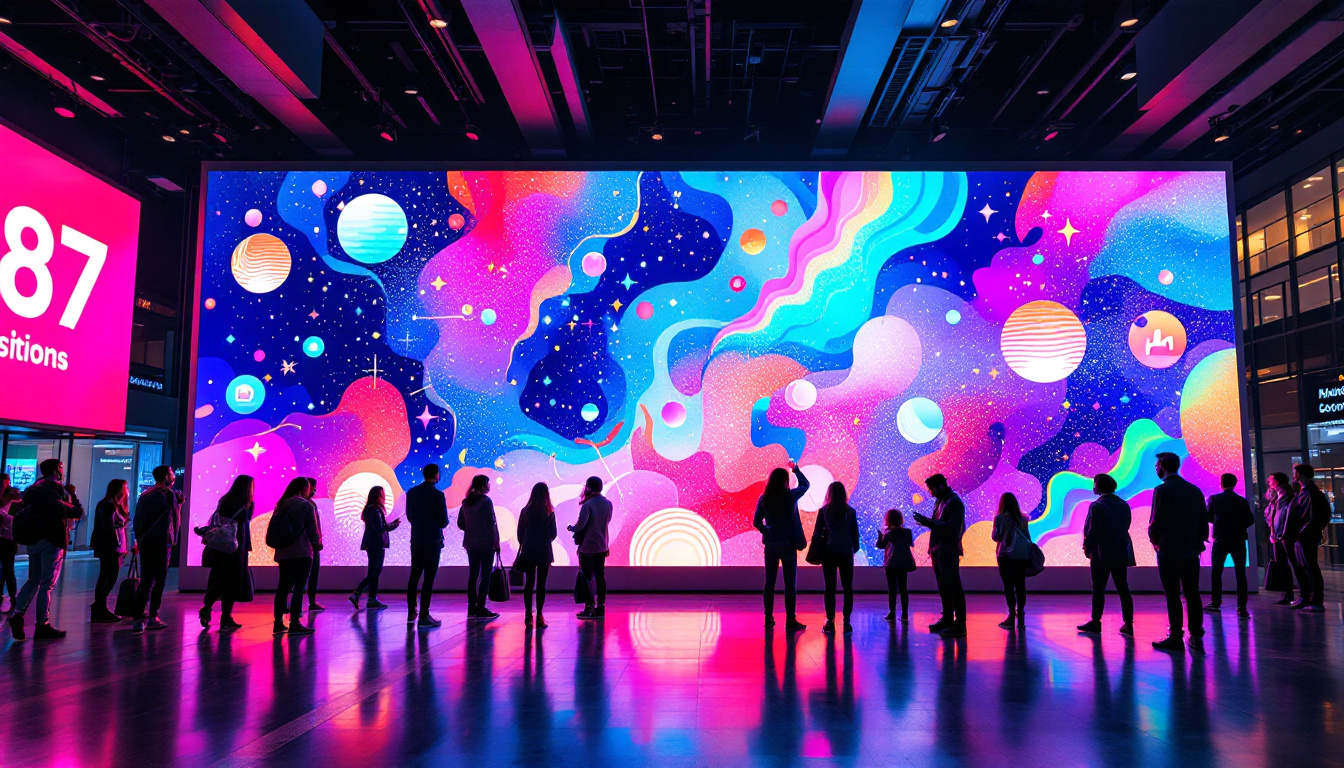
- Indoor LED Displays: Designed for use inside buildings, these displays have a higher pixel density and smaller pixel pitch, resulting in sharper images suitable for close viewing distances. They are commonly found in venues such as shopping malls, conference rooms, and theaters, where clarity and detail are paramount.
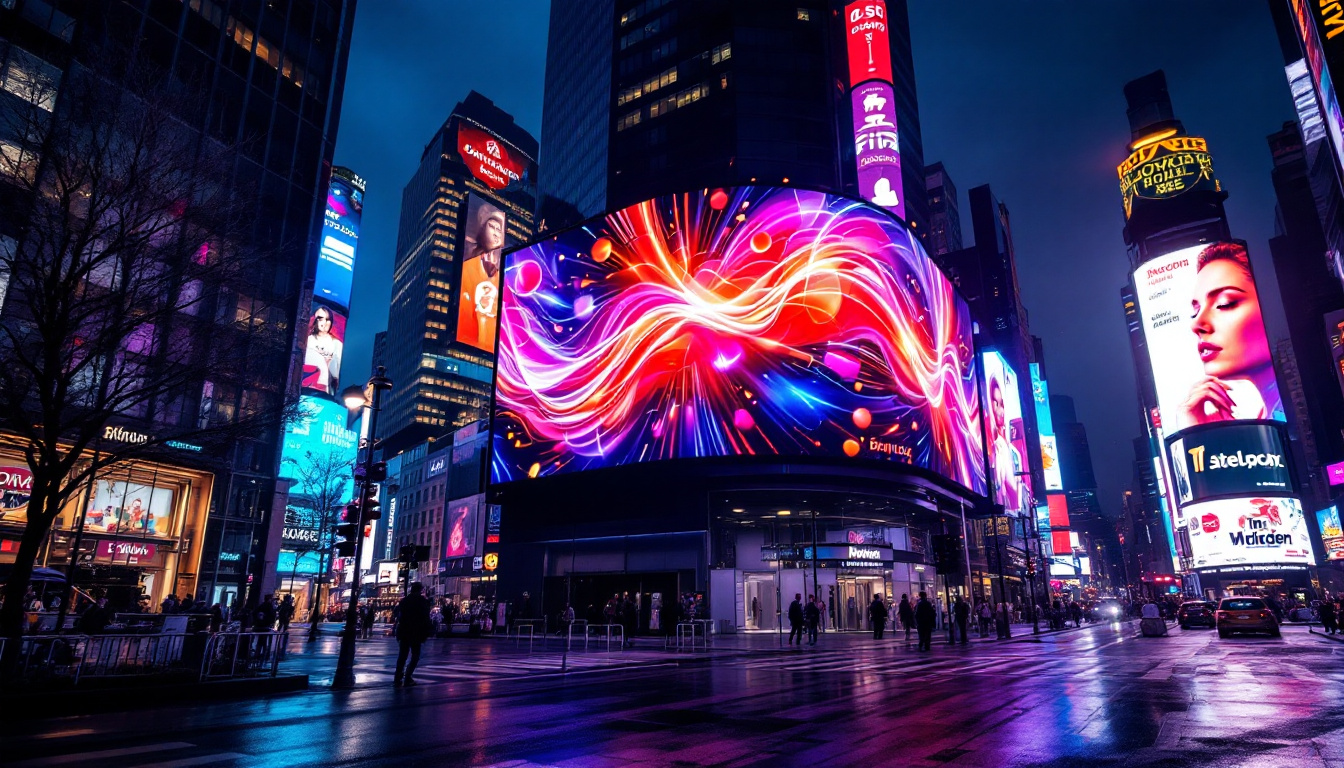
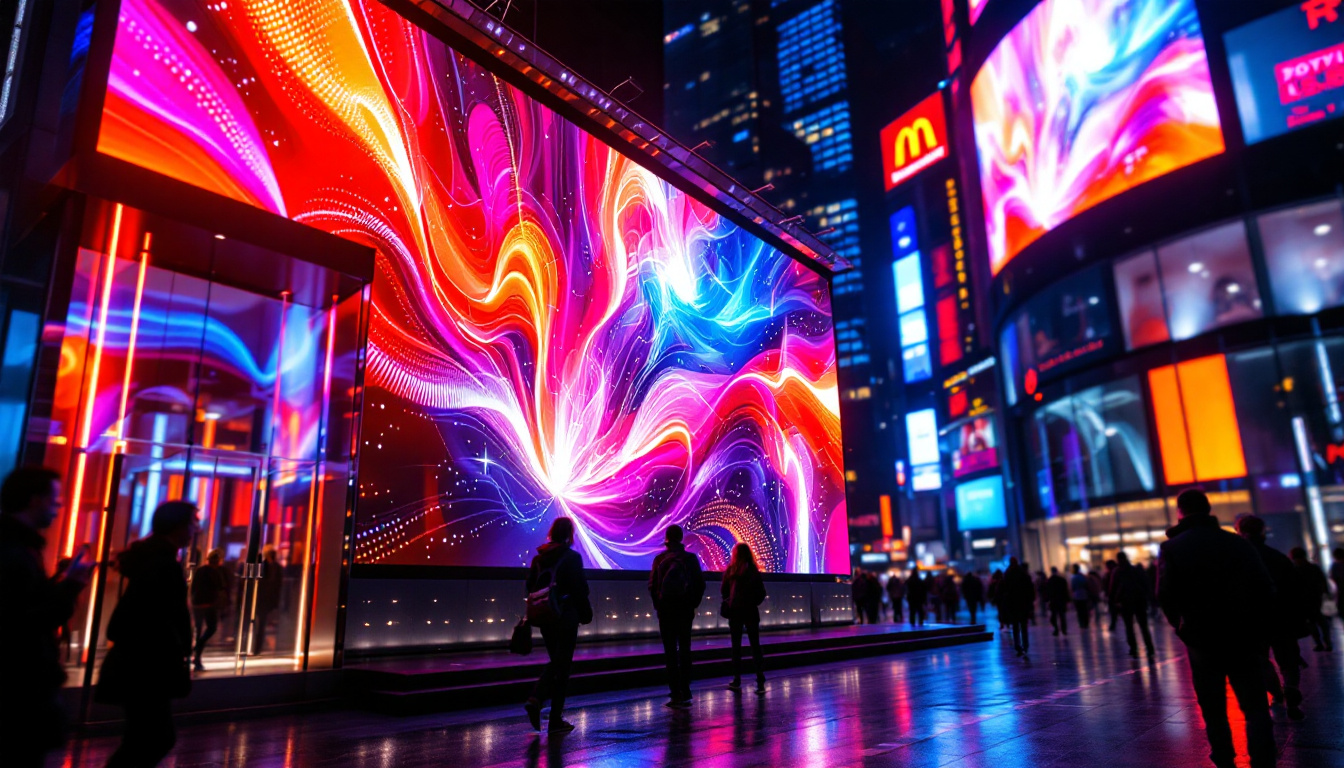
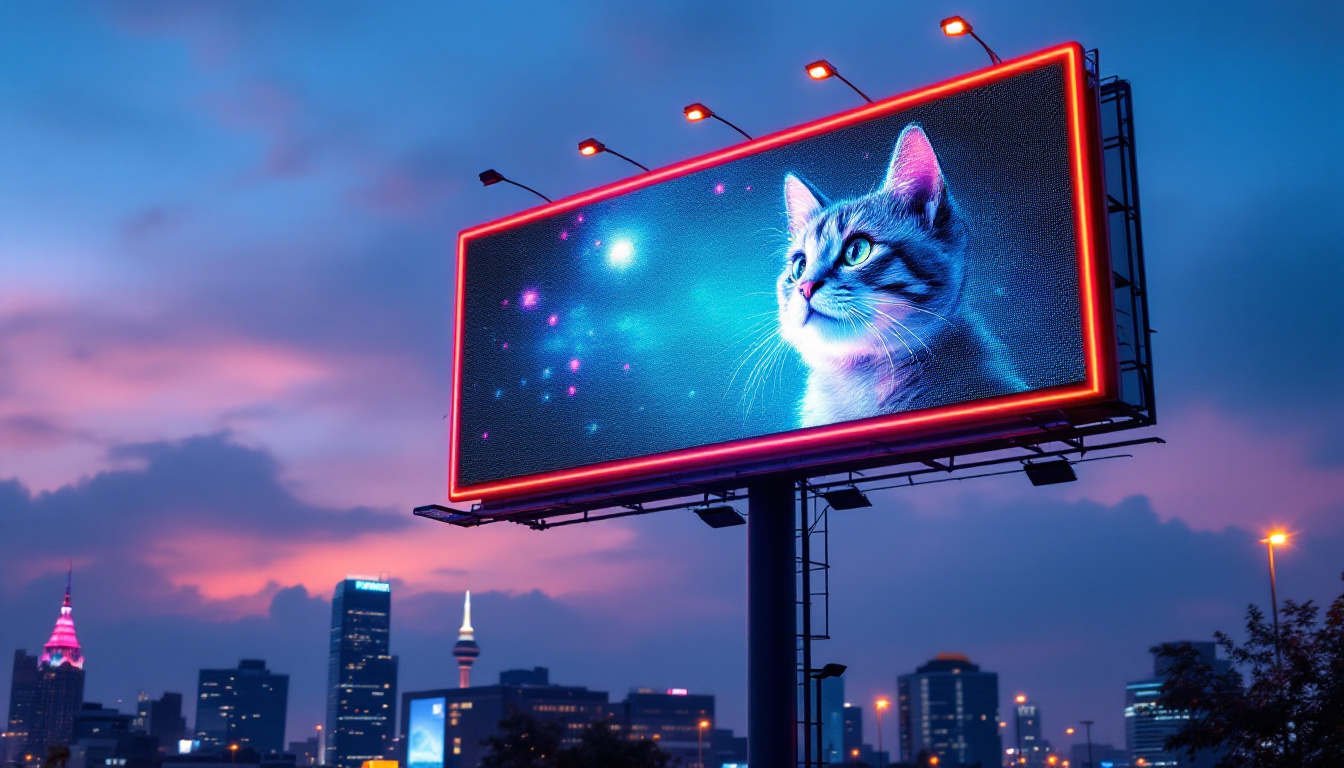
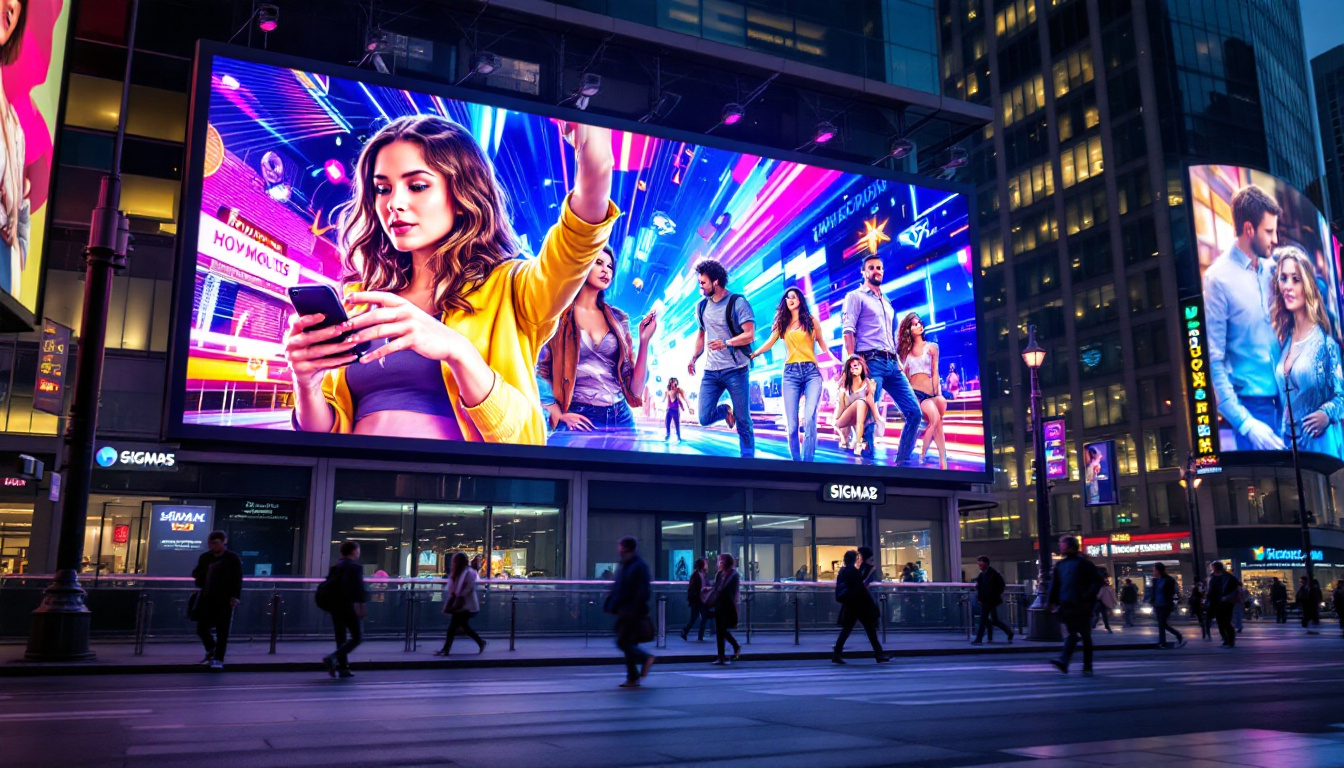
- Outdoor LED Displays: Built to withstand weather conditions, these displays are brighter and have larger pixel pitches to ensure visibility from long distances. They are often used for billboards, sports arenas, and public events, where they can capture the attention of large crowds even in direct sunlight.
- Flexible and Transparent LED Displays: Emerging technologies allow LED panels to be flexible or transparent, enabling innovative applications such as curved screens or windows that double as digital displays. These types of displays are particularly popular in modern architecture and retail environments, where they can seamlessly blend into the surroundings while providing dynamic visual content.
Another interesting category includes Video Wall Displays, which consist of multiple LED panels tiled together to create a larger, cohesive image. These setups are often used in control rooms, broadcasting studios, and large public events, where they can deliver stunning visuals that captivate audiences. The modular nature of video walls allows for easy scaling and customization, making them a versatile solution for various applications.
Additionally, advancements in LED technology have led to the development of Smart LED Displays, which integrate connectivity features allowing for real-time content updates and interactivity. These displays can connect to the internet, enabling businesses to change advertisements based on current trends or audience engagement. This capability not only enhances the viewer experience but also allows for more targeted marketing strategies, making LED displays an essential tool in the digital age.
How LED Displays Work
The fundamental principle behind LED displays is the control of individual LEDs to form an image. Each LED acts as a pixel or part of a pixel, and by adjusting the intensity of red, green, and blue LEDs, a full-color image is created.
Modern LED displays use a matrix of LEDs arranged in rows and columns. A controller processes the input signal—whether from a computer, media player, or internet source—and sends instructions to the LEDs to turn on or off at specific brightness levels. This process happens thousands of times per second, enabling smooth video playback and dynamic content changes.
Pixel Pitch and Resolution
One of the key technical specifications of an LED display is its pixel pitch, which is the distance between the centers of two adjacent pixels. Pixel pitch is measured in millimeters and directly affects the resolution and clarity of the display.
A smaller pixel pitch means more pixels per square meter, resulting in higher resolution and sharper images. Indoor LED displays typically have pixel pitches ranging from 1.2mm to 4mm, while outdoor displays usually have larger pitches, such as 10mm to 20mm, to accommodate viewing from greater distances.
Brightness and Color Accuracy
Brightness is another critical factor that distinguishes LED displays from other screen technologies. Outdoor LED displays can reach brightness levels of 5,000 to 10,000 nits, making them visible even under direct sunlight. Indoor displays generally operate at lower brightness levels, around 800 to 1,500 nits, to avoid eye strain and glare.
Color accuracy is achieved through careful calibration of the red, green, and blue LEDs, as well as advanced processing algorithms. This ensures that the colors displayed are vivid and true to the original content, which is essential for advertising and branding purposes.
Applications of LED Displays in the Internet Era
The internet has transformed how content is created, shared, and consumed, and LED displays have adapted to this new environment by integrating with online systems and networks. This integration has expanded the possibilities for real-time updates, interactive content, and targeted advertising.
Digital Signage and Advertising
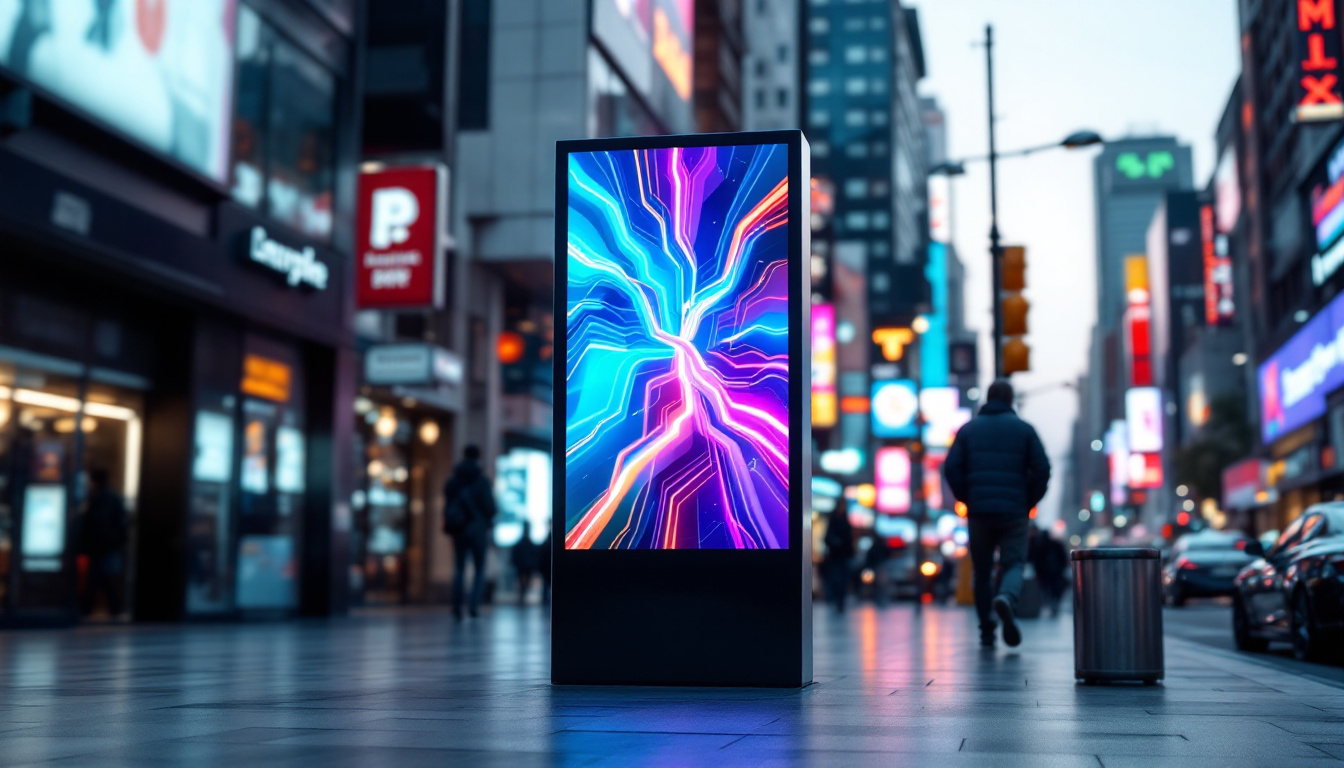
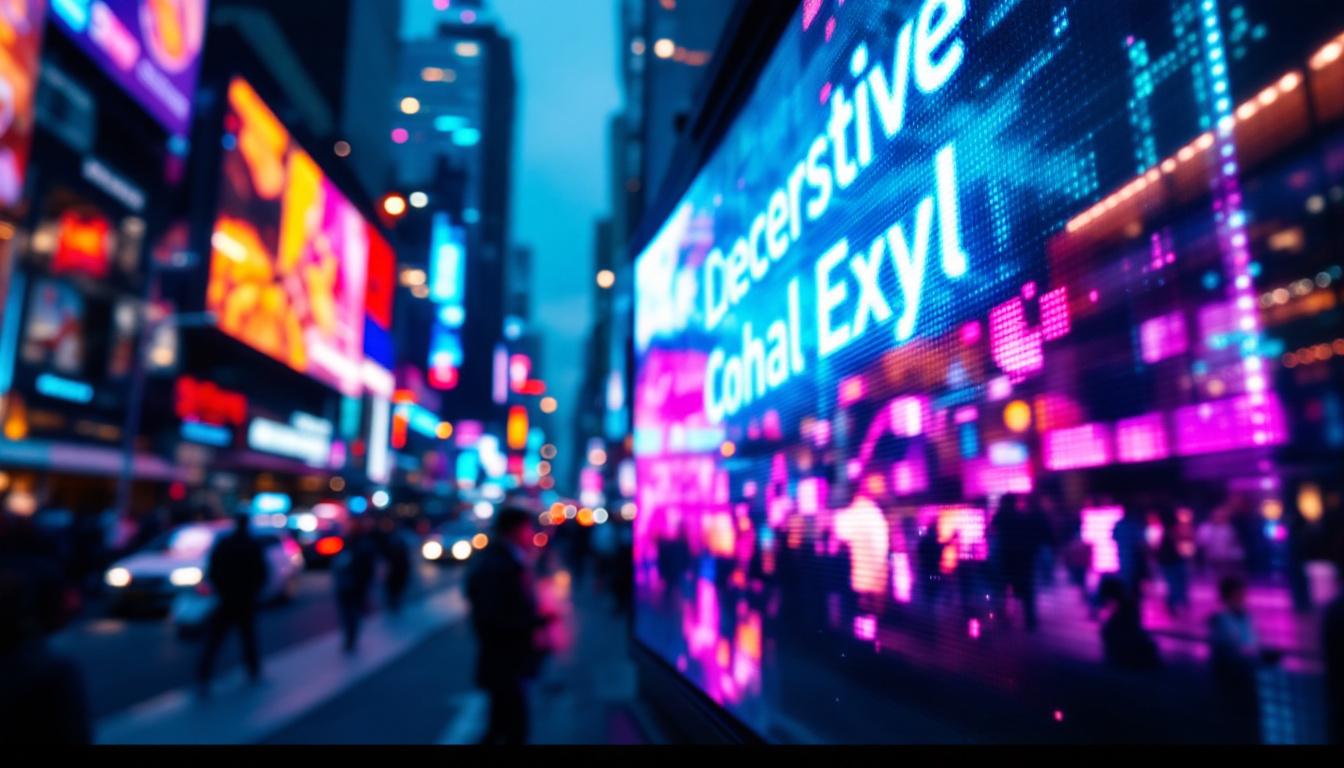
One of the most widespread uses of LED displays is in digital signage. Retailers, transportation hubs, and public spaces use LED screens to display advertisements, announcements, and wayfinding information. The ability to update content remotely via internet-connected control systems allows for timely and relevant messaging.
According to a 2023 report by Grand View Research, the global digital signage market is expected to reach $32 billion by 2028, growing at a compound annual growth rate (CAGR) of over 8%. LED displays are a significant driver of this growth due to their durability, visibility, and flexibility.
Event and Entertainment Displays
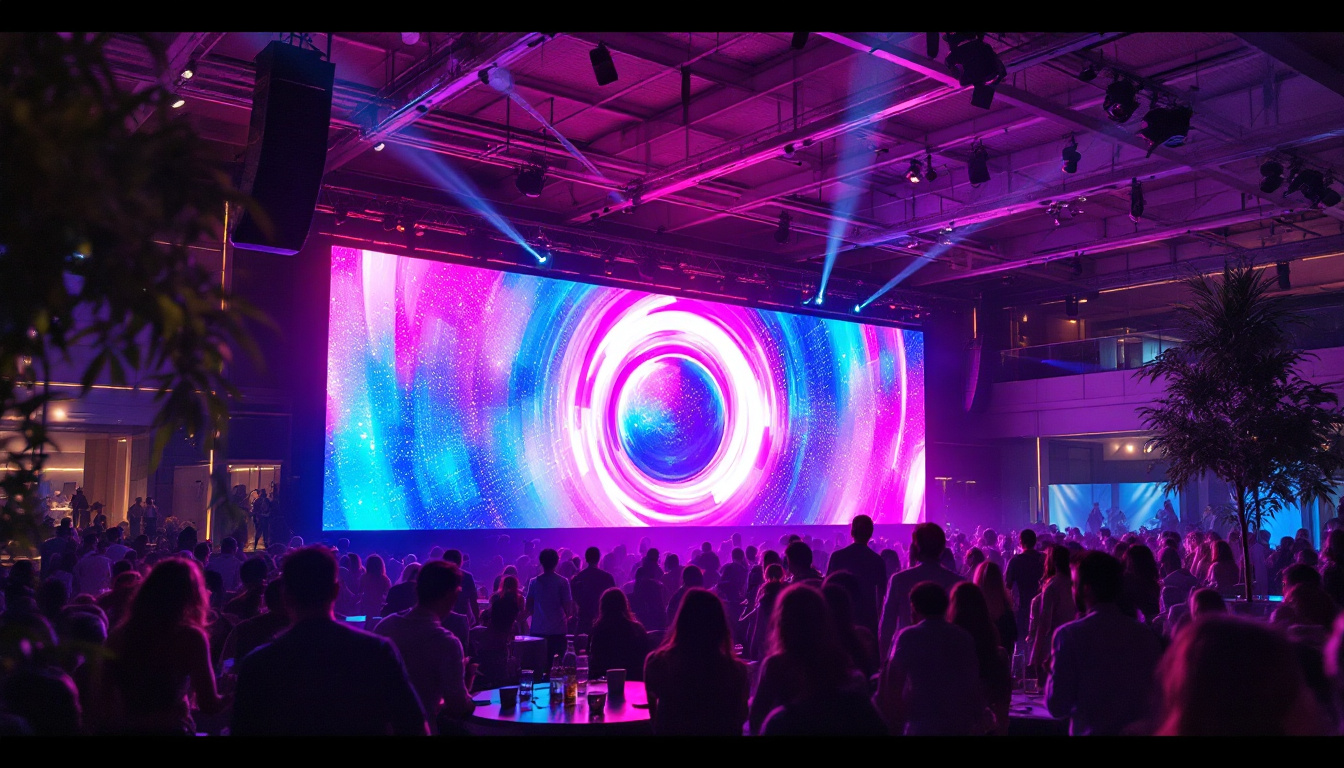
Concerts, sports events, and festivals frequently use large-scale LED displays to enhance the audience experience. These displays provide live video feeds, scores, and interactive content that engage attendees. The internet enables live streaming and synchronization with social media, creating a more immersive and connected environment.
Smart Cities and Public Information
In smart city initiatives, LED displays serve as dynamic information hubs. They can show traffic updates, weather alerts, emergency notifications, and public service announcements. Connected to the internet, these displays can pull real-time data from various sources, ensuring citizens receive accurate and timely information.
Advantages of LED Displays Over Other Technologies
While LCD and OLED screens are common in consumer electronics, LED displays offer unique benefits that make them preferable for large-scale and outdoor applications.
Energy Efficiency and Longevity
LED technology is known for its energy efficiency. LEDs consume less power than traditional lighting and display technologies, reducing operational costs, especially for large installations. Additionally, LEDs have a longer lifespan, often exceeding 100,000 hours, which translates to lower maintenance and replacement expenses.
Durability and Weather Resistance
Outdoor LED displays are designed to withstand harsh environmental conditions, including rain, wind, dust, and extreme temperatures. Their robust construction ensures consistent performance and reduces downtime, which is crucial for public-facing applications.
Scalability and Customization
LED displays can be assembled from modular panels, allowing for virtually unlimited sizes and shapes. This scalability enables tailored solutions for various contexts, from small indoor signs to massive stadium screens. Customization options also include pixel pitch, brightness, and resolution to meet specific needs.
Challenges and Considerations When Using LED Displays
Despite their many advantages, LED displays come with certain challenges that must be carefully managed to maximize their effectiveness and longevity.
Initial Investment and Installation
The upfront cost of LED displays, especially high-resolution models, can be significant. Installation requires expertise to ensure proper alignment, calibration, and integration with control systems. However, the long-term benefits often justify the initial expenditure.
Content Management and Connectivity
Managing content for LED displays requires reliable software platforms and internet connectivity. Poorly managed content or connectivity issues can lead to outdated or incorrect information being displayed, which can harm brand reputation and user experience.
Light Pollution and Environmental Impact
In urban areas, the brightness of LED displays can contribute to light pollution, affecting nearby residents and wildlife. Responsible placement and brightness control are essential to mitigate these effects while maintaining visibility.
The Future of LED Displays in a Connected World
As internet connectivity and display technology continue to advance, LED displays are poised to become even more integrated into daily life. Innovations such as 5G networks, artificial intelligence, and augmented reality will enhance the capabilities of LED displays, making them smarter and more interactive.
For example, AI-powered content management systems can analyze audience demographics and behavior in real time, adjusting advertisements dynamically for maximum impact. Augmented reality overlays on LED displays could provide immersive experiences in retail or entertainment settings.
Moreover, sustainability trends are driving the development of more energy-efficient and recyclable LED components, aligning with global efforts to reduce environmental footprints.
Conclusion
LED displays represent a powerful fusion of lighting and digital technology, offering vibrant, versatile, and durable solutions for visual communication. Their integration with internet technologies has expanded their functionality, enabling real-time updates, interactivity, and targeted messaging across various industries.
Understanding the technical aspects, applications, and challenges of LED displays is essential for businesses, city planners, and event organizers looking to leverage this technology effectively. As the digital landscape evolves, LED displays will continue to illuminate the way forward, making information more accessible and engaging than ever before.
Discover LumenMatrix LED Display Solutions
Ready to elevate your visual communication with the latest in LED technology? LumenMatrix is at the forefront of creating immersive and dynamic visual experiences. Whether you’re looking for Indoor LED Wall Displays, Outdoor LED Wall Displays, or specialized solutions like Vehicle LED Displays, LED Posters, Sports Displays, or even Custom and Transparent LED options, LumenMatrix has the expertise to bring your vision to life. Embrace the future of digital signage with our All-in-One LED Display solutions that promise to captivate your audience and amplify your message. Check out LumenMatrix LED Display Solutions today and see how we can transform your space with unparalleled clarity and impact.