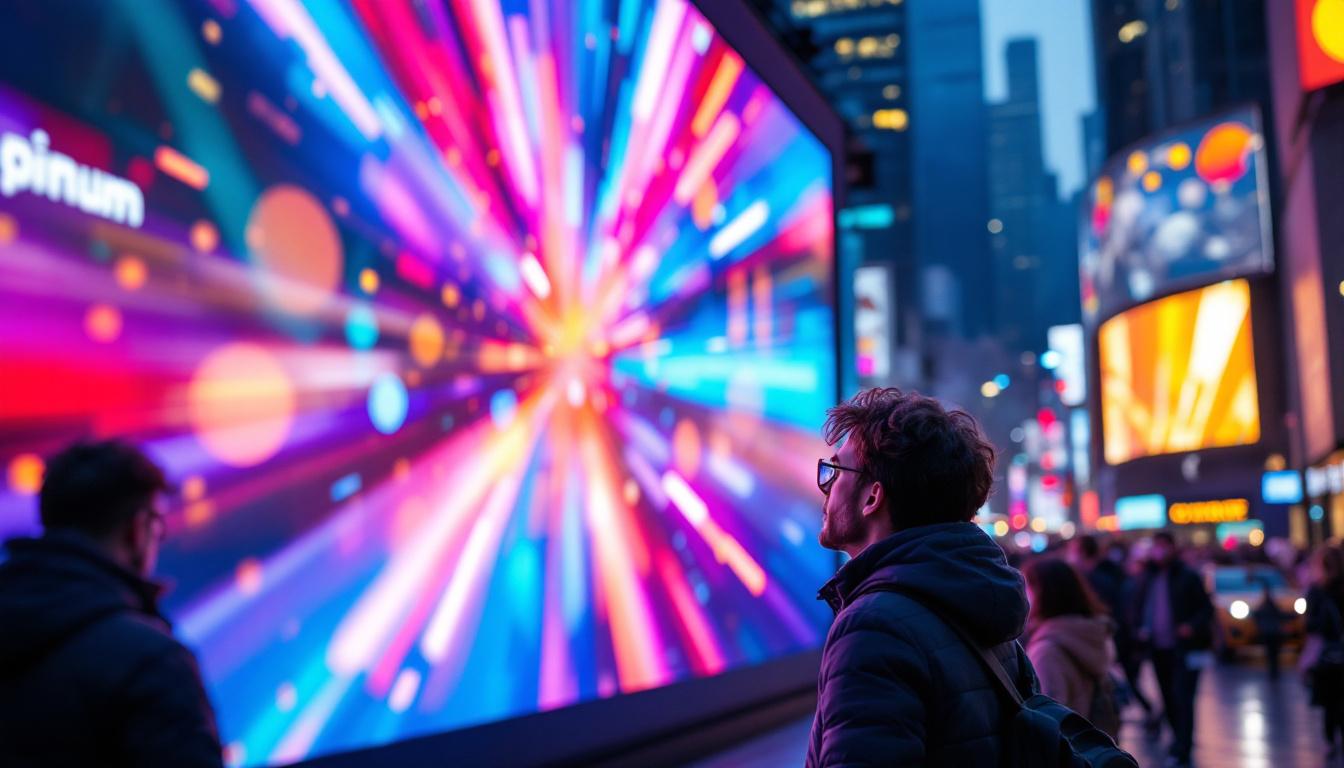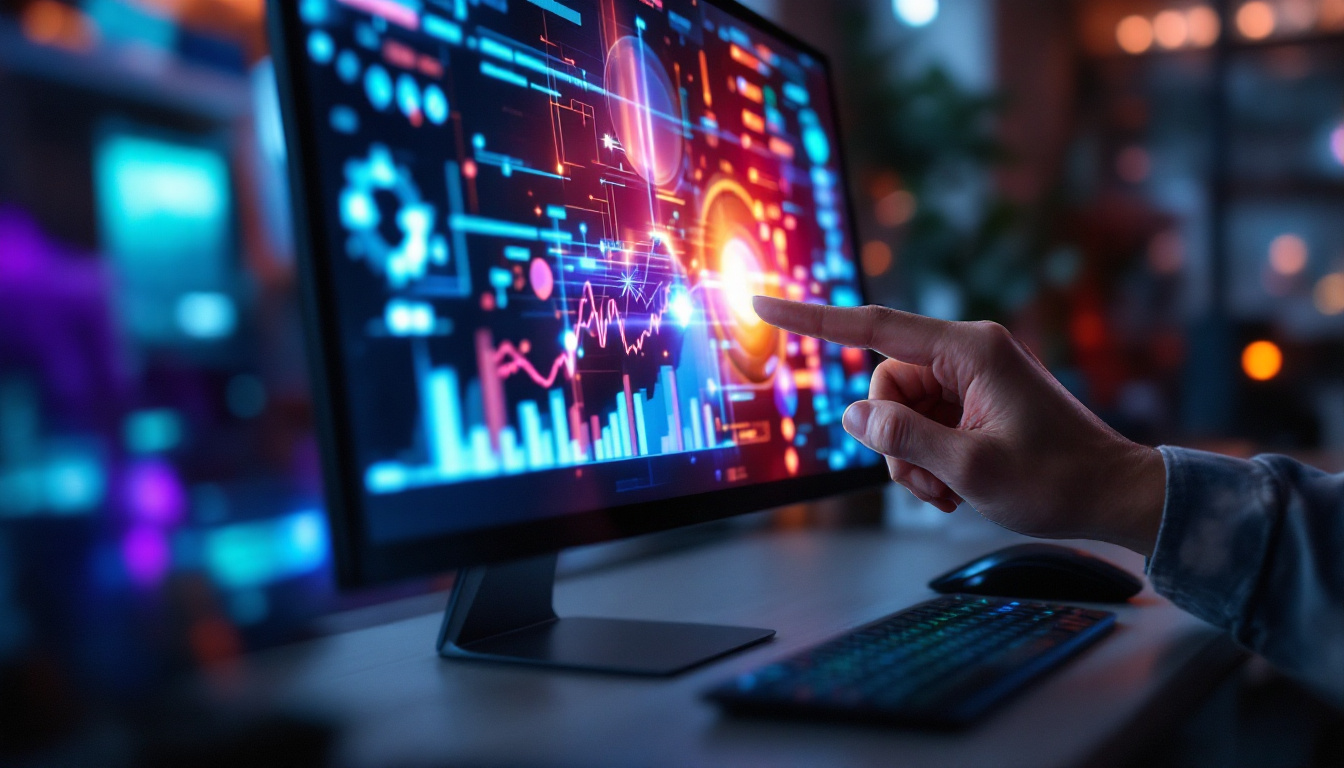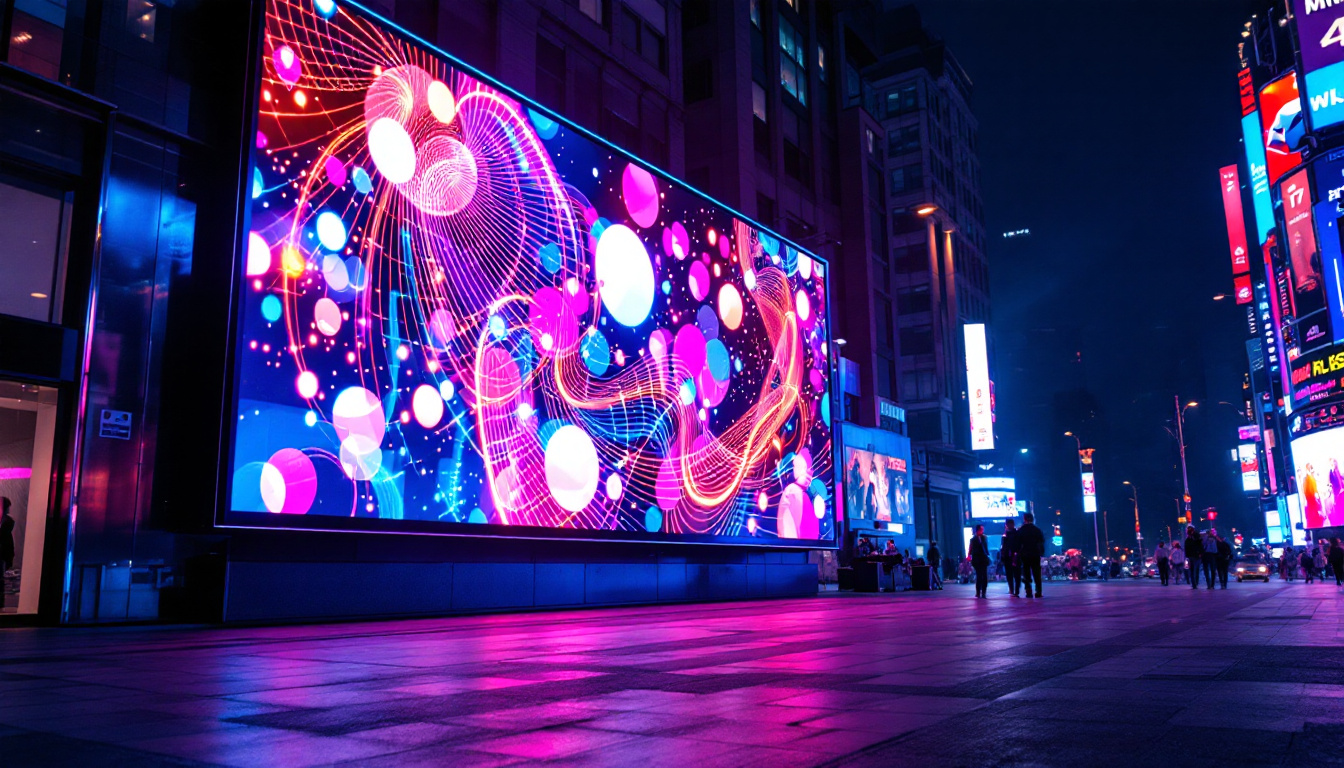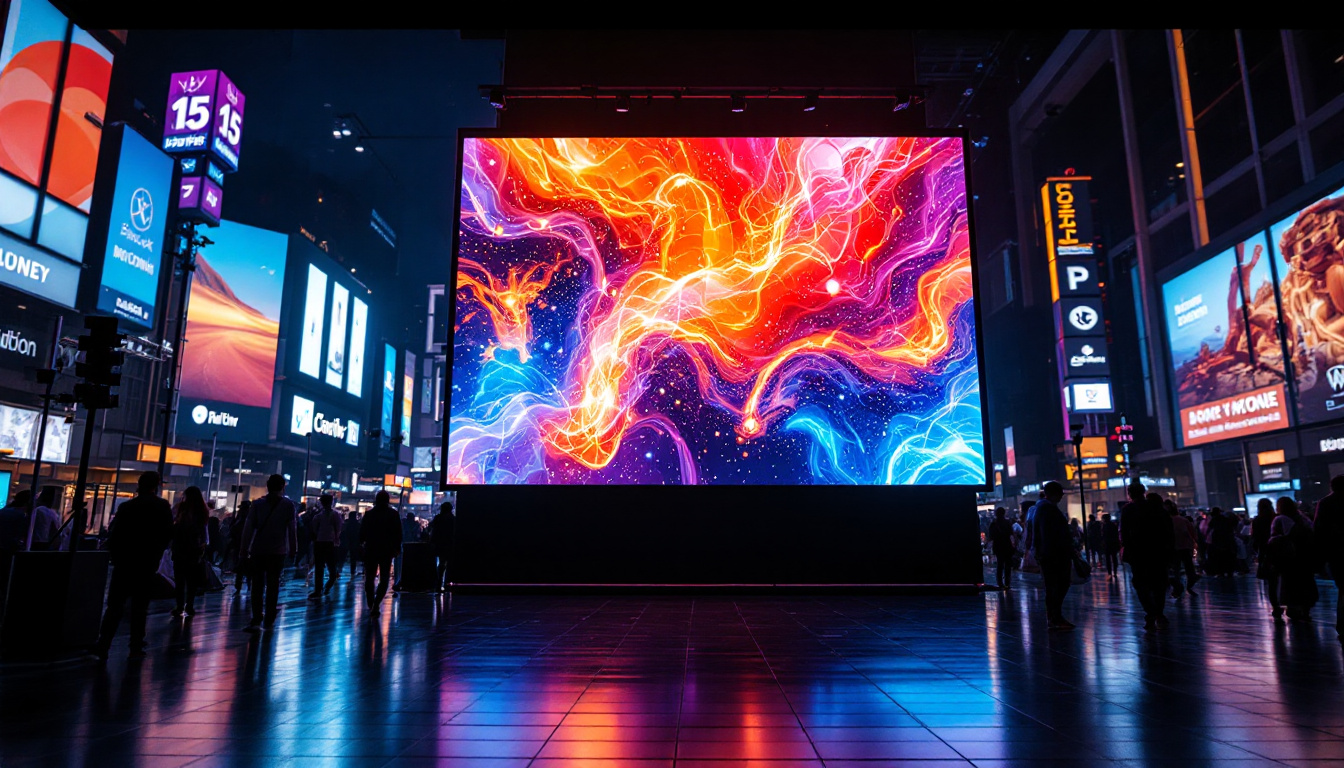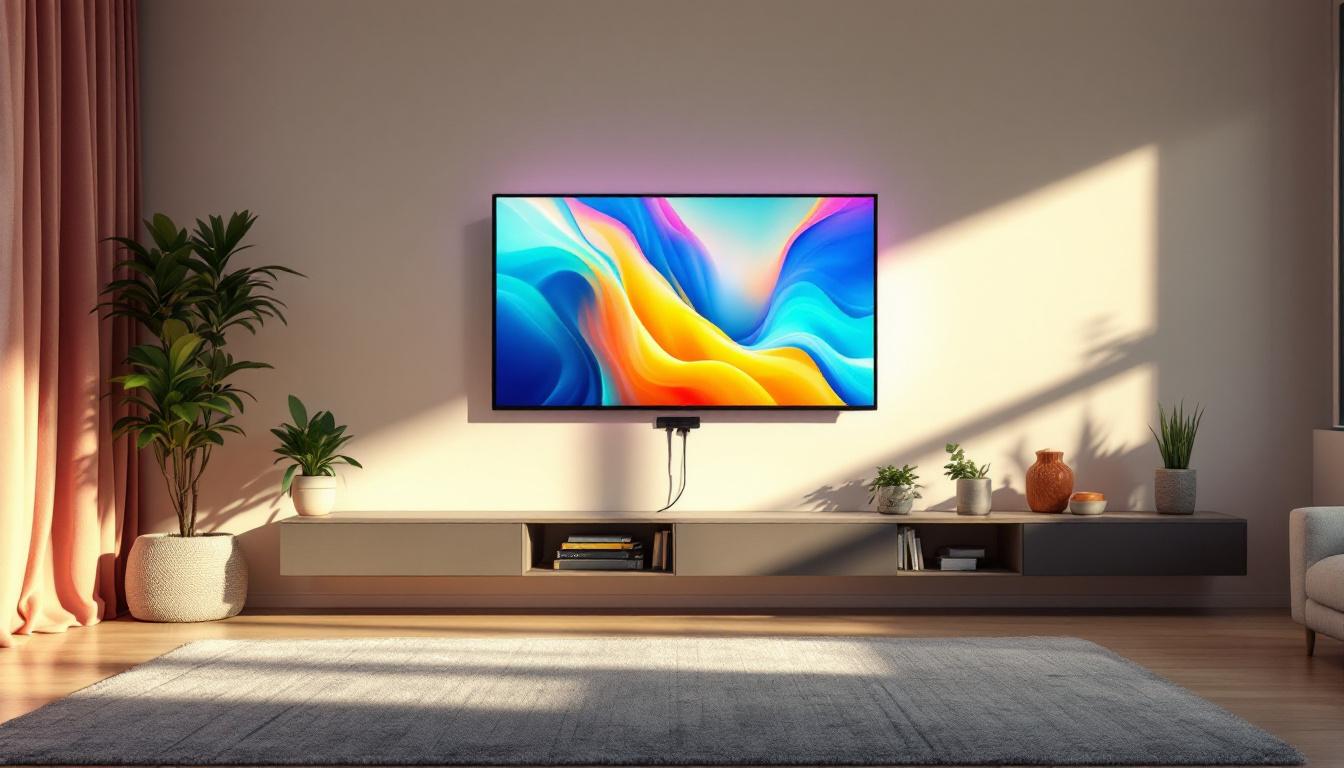
In today’s rapidly evolving digital landscape, the integration of internet connectivity with innovative display technologies has transformed the way information is shared and consumed. One such innovation gaining momentum is the Internet Plug In Wall featuring LED displays. This technology combines the visual impact of LED screens with seamless internet connectivity, creating dynamic, interactive, and highly customizable display solutions for a variety of environments.
What is an Internet Plug In Wall with LED Display?
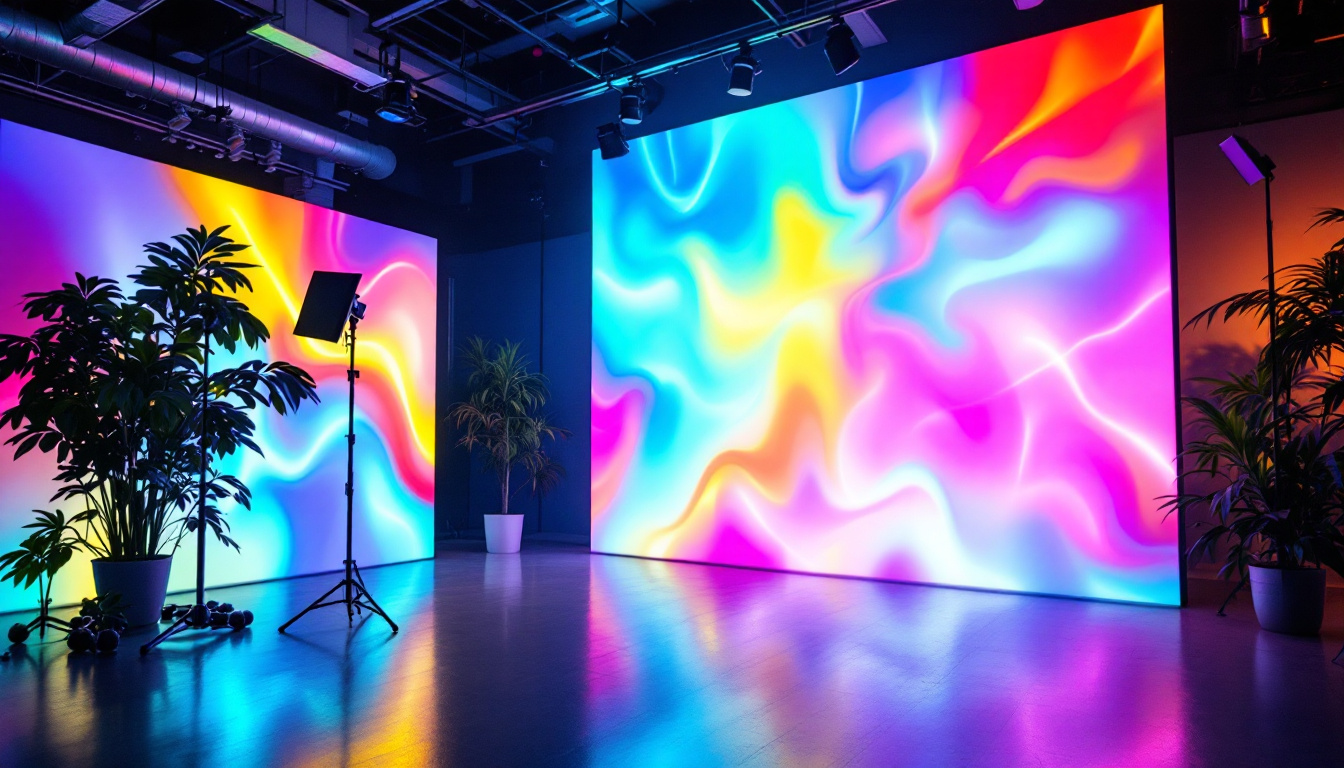
An Internet Plug In Wall with LED display refers to a modular LED screen system that connects directly to the internet, allowing real-time content updates and remote management. Unlike traditional static signage, these walls are designed to be plug-and-play, meaning they can be installed quickly and easily, often without extensive technical expertise. The LED panels that make up the wall are capable of producing bright, vibrant images that are visible even in well-lit environments.
This technology is particularly popular in commercial spaces, public venues, and corporate environments where dynamic content presentation is essential. The internet connectivity enables users to control what is displayed remotely, schedule content, and integrate live data feeds such as news, weather, social media, or advertising campaigns. This flexibility not only enhances engagement with audiences but also allows businesses to respond swiftly to changing circumstances, such as promoting a flash sale or announcing an event in real-time.
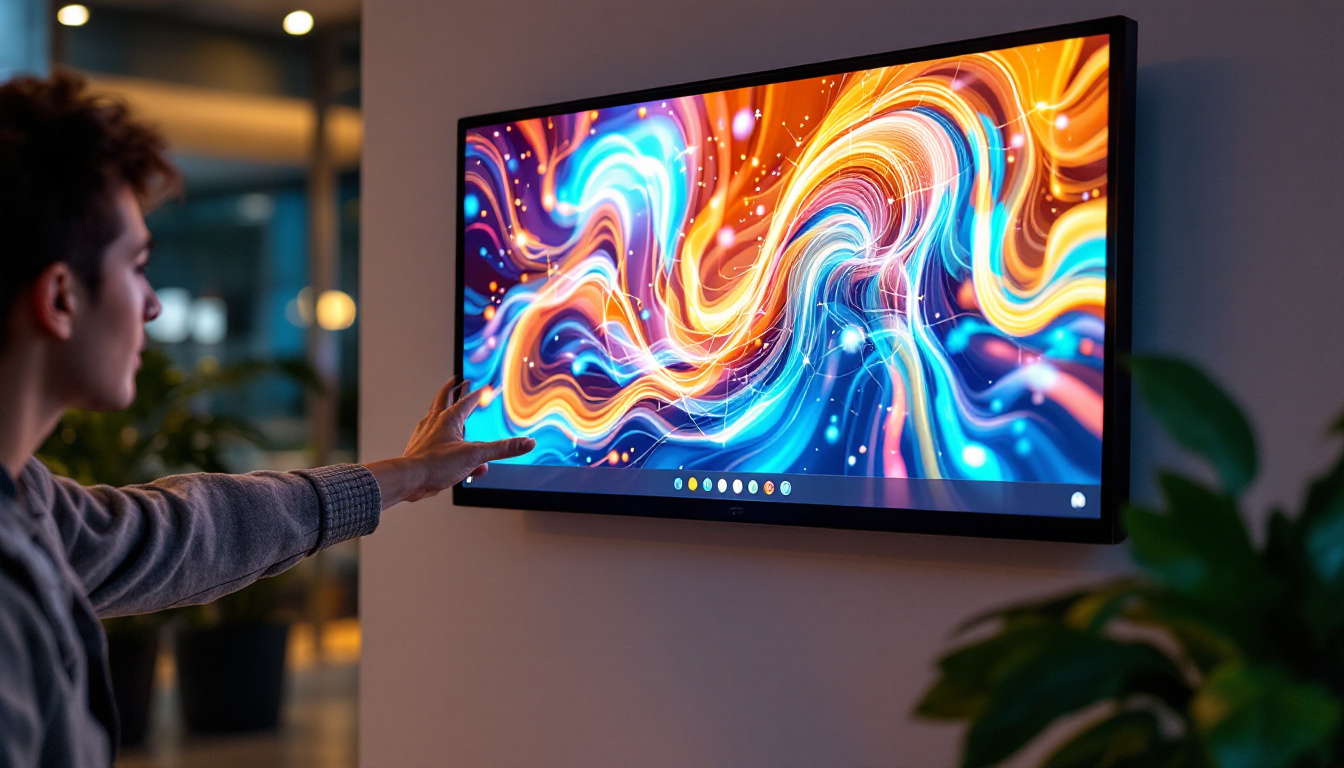
Moreover, the versatility of these LED walls extends beyond mere advertising; they can be used for interactive experiences, such as touch-enabled displays that allow users to engage with the content directly. This interactivity can be particularly effective in trade shows or exhibitions, where capturing the attention of passersby is crucial. The ability to showcase high-definition videos, animations, or even user-generated content adds a layer of personalization and excitement that static displays simply cannot match.
Key Components of an Internet Plug In LED Wall
The core components of this system include:
- LED Panels: These are the building blocks of the display wall. Each panel contains numerous tiny LED lights that collectively produce high-resolution images.
- Controller Unit: This device manages the input signals and synchronizes the display across all panels.
- Internet Connectivity Module: Enables the wall to connect to the internet via Wi-Fi or Ethernet, facilitating remote content management.
- Software Interface: A user-friendly platform that allows users to upload, schedule, and customize content remotely.
In addition to these components, many systems also include advanced features such as analytics tools that track viewer engagement and interaction. This data can be invaluable for businesses looking to refine their marketing strategies or understand audience preferences better. Furthermore, some models offer modular designs that allow for easy scaling; businesses can start with a smaller setup and expand as needed, making these LED walls a cost-effective solution for growing enterprises.
How LED Technology Enhances Display Walls
LED (Light Emitting Diode) technology has revolutionized digital displays due to its superior brightness, energy efficiency, and longevity. When integrated into plug-in walls, LEDs offer several advantages over traditional display technologies such as LCD or projection screens.
Brightness and Visibility
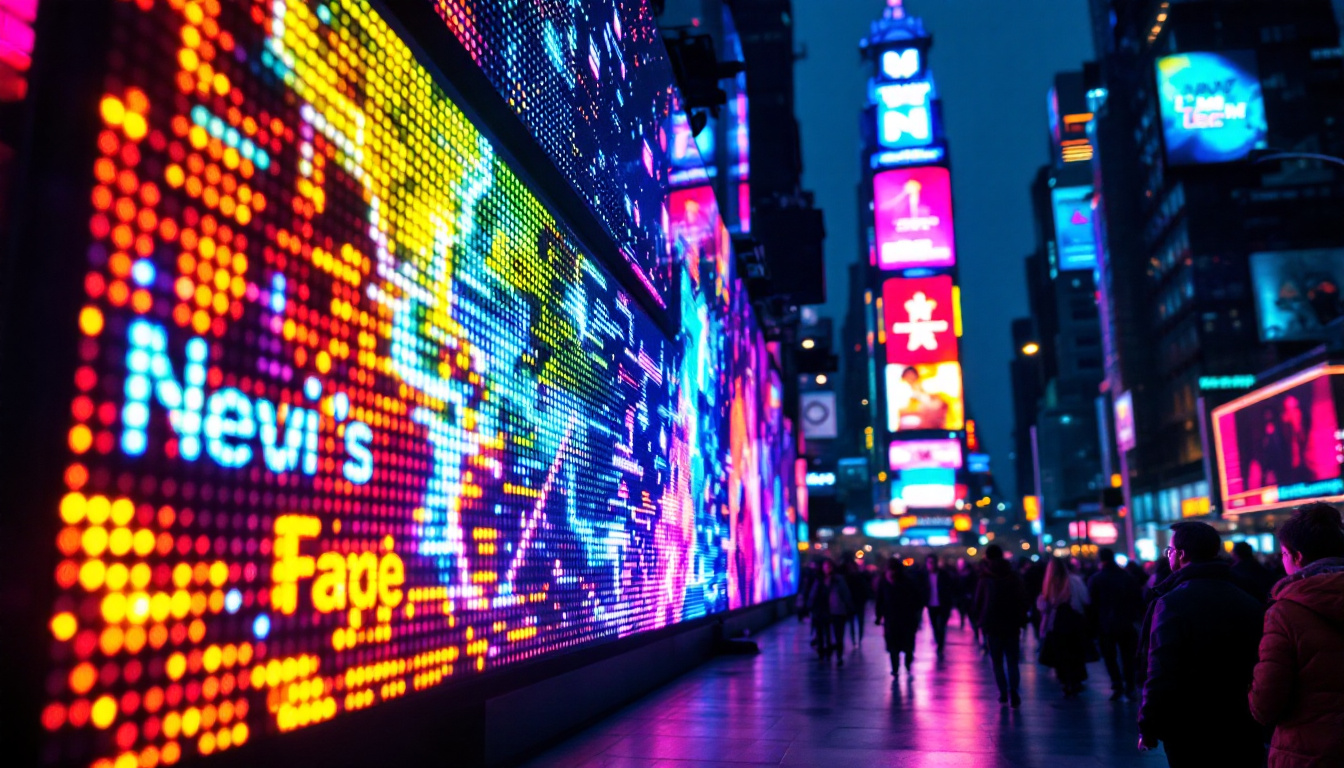
LED displays are known for their exceptional brightness, often reaching levels of 1,000 to 5,000 nits or more. This makes them highly visible in various lighting conditions, including direct sunlight. For outdoor advertising or indoor environments with strong ambient light, LED walls ensure the content remains clear and eye-catching. The ability to maintain visibility in challenging lighting scenarios is particularly beneficial for events such as concerts, sports games, and outdoor festivals, where audiences expect to see vibrant visuals regardless of the time of day or weather conditions.
Energy Efficiency and Durability
Compared to other display technologies, LEDs consume significantly less power, which reduces operational costs and environmental impact. Additionally, LEDs have a longer lifespan, often exceeding 100,000 hours of use, which translates to lower maintenance and replacement costs over time. This durability is especially advantageous for venues that rely on continuous operation, such as airports and shopping malls, where downtime can lead to lost revenue and customer dissatisfaction. Furthermore, the robust nature of LED technology means that these displays are less susceptible to damage from shocks or vibrations, making them ideal for high-traffic areas.
Color Accuracy and Resolution
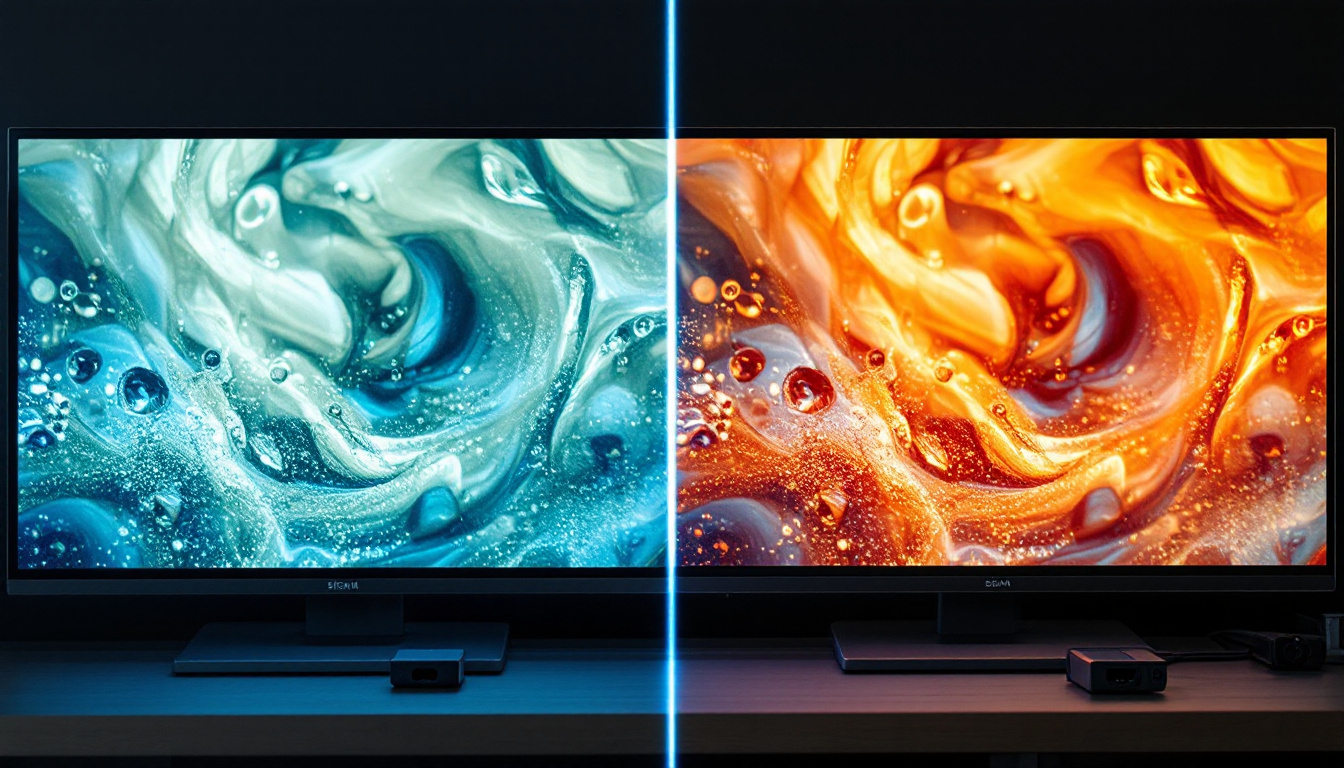
Modern LED panels support a wide color gamut and high pixel density, enabling sharp images and vibrant colors. This is crucial for branding and marketing applications where visual impact influences audience engagement. The precision in color reproduction allows brands to maintain consistency across various platforms and mediums, ensuring that their message is conveyed effectively. Additionally, advancements in LED technology have led to the development of fine-pitch displays, which offer higher resolutions for close viewing distances, making them perfect for immersive experiences in environments like museums or art galleries where detail is paramount.
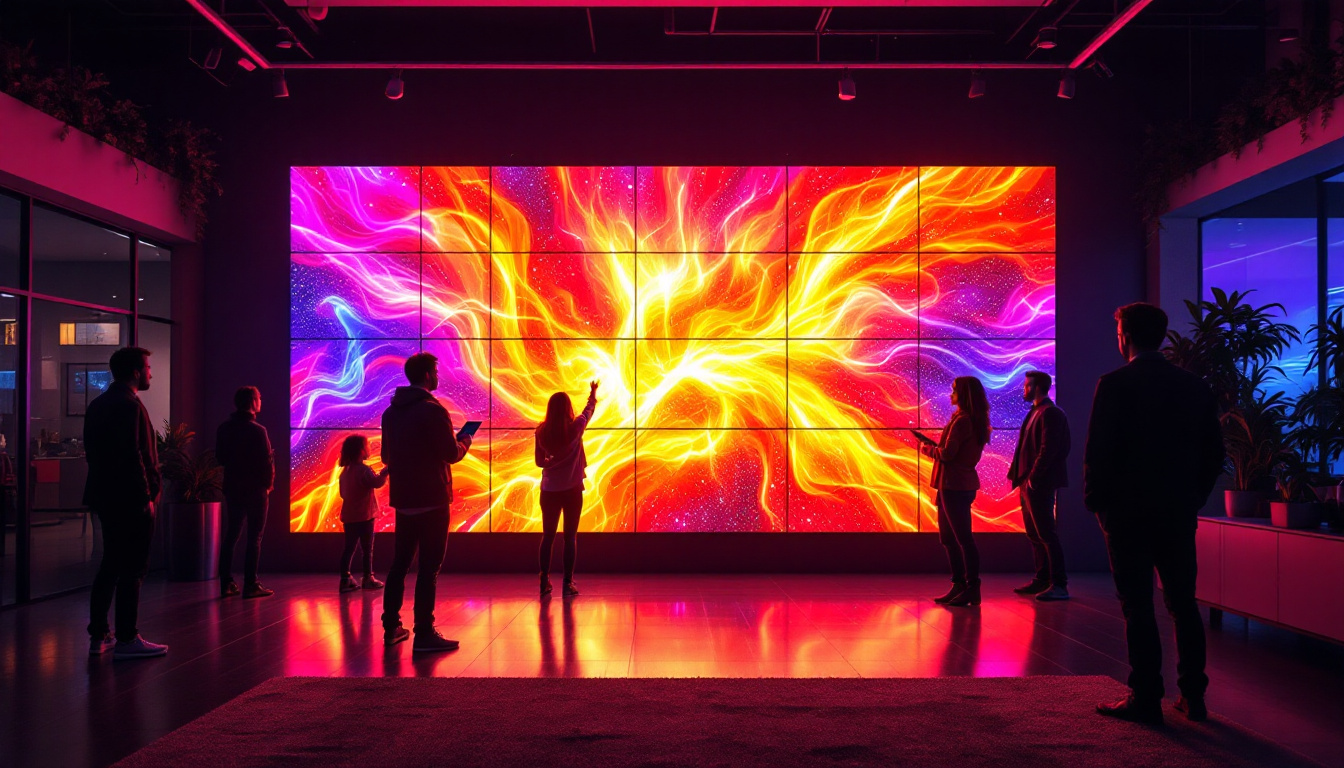
Moreover, the flexibility of LED technology allows for creative installations that can adapt to different shapes and sizes. Curved or even transparent LED walls can create stunning visual effects that captivate audiences and enhance the overall aesthetic of a space. This adaptability not only opens up new possibilities for artistic expression but also enables businesses to tailor their displays to fit specific themes or branding strategies, ensuring a unique and memorable viewer experience.
Applications of Internet Plug In LED Walls
The versatility of internet-connected LED walls makes them suitable for a broad range of applications across industries. Their ability to deliver dynamic, real-time content tailored to specific audiences is a key factor driving adoption.
Retail and Advertising
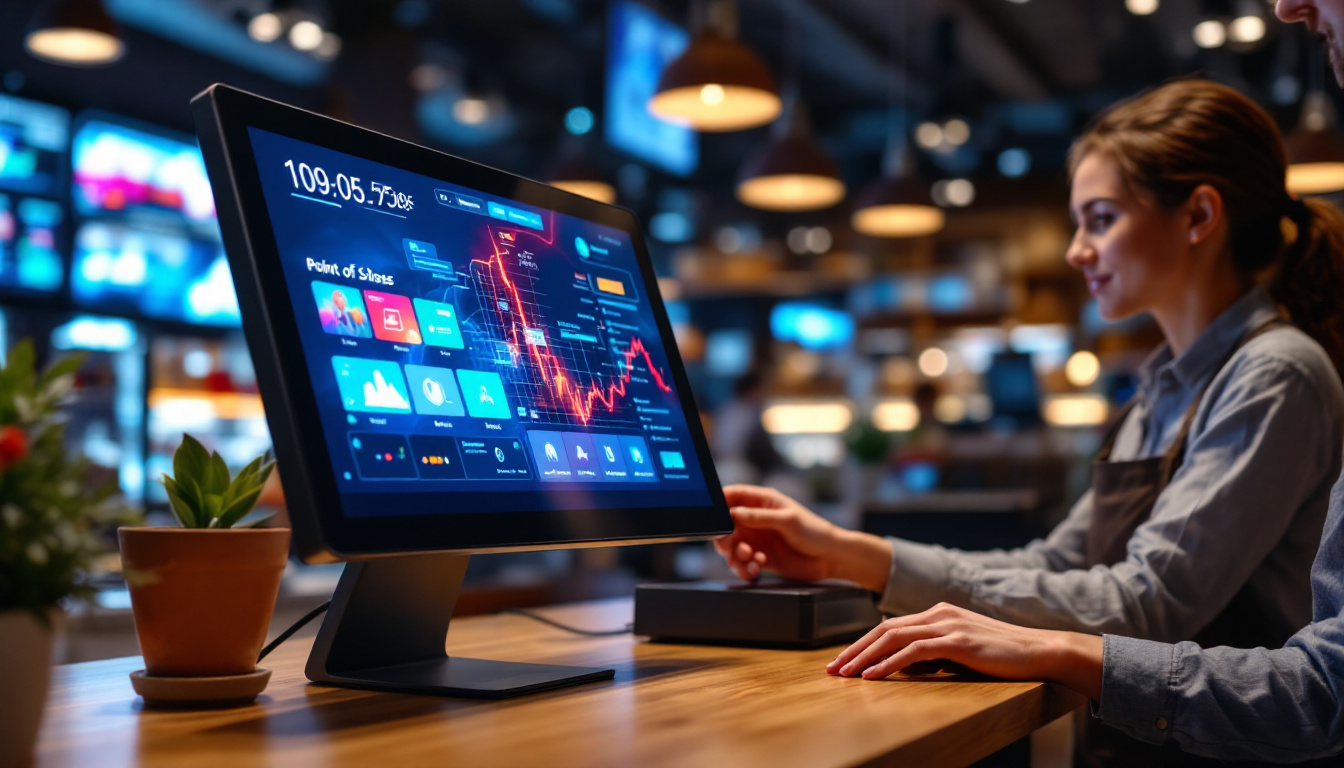
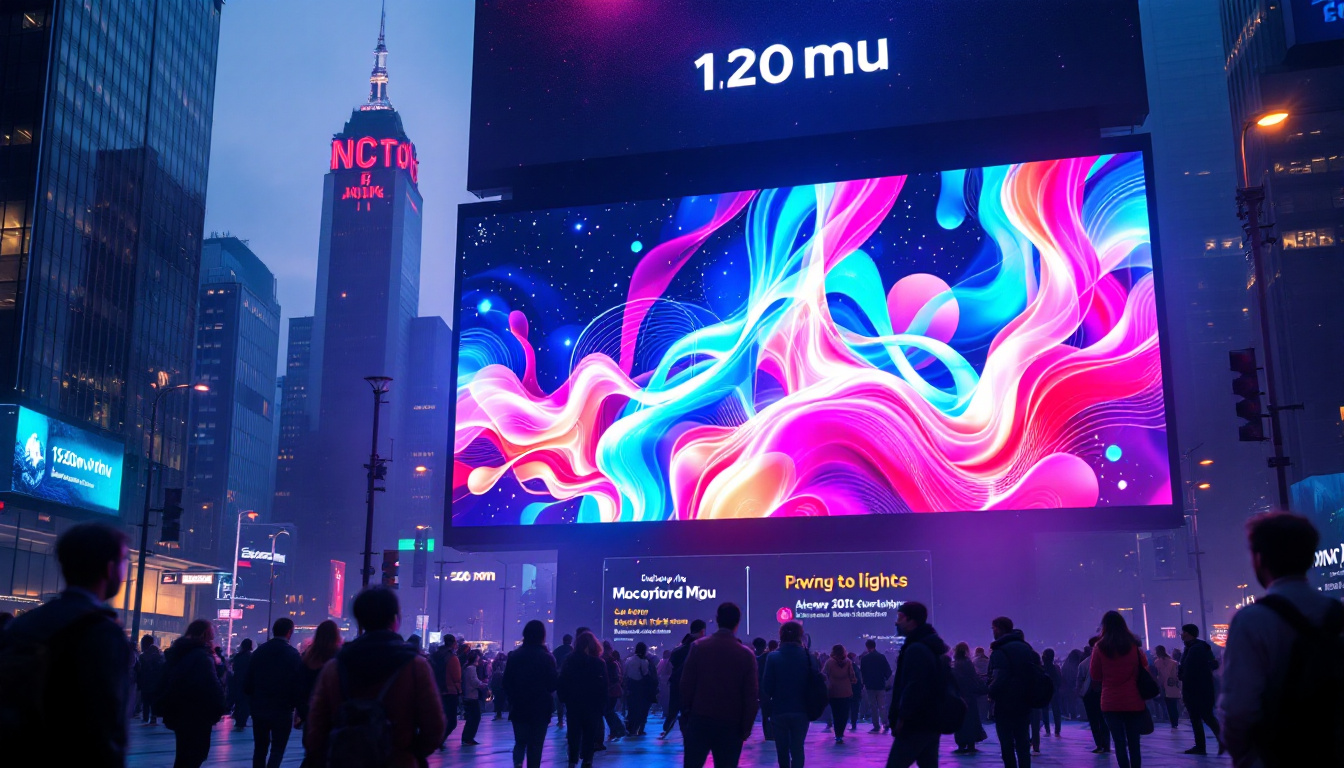
Retailers use LED walls to create immersive shopping experiences, promote products, and display targeted advertisements. The internet connectivity allows for quick content changes based on time of day, promotions, or inventory levels. For example, a clothing store might display seasonal collections during the day and switch to flash sales in the evening.
Corporate and Conference Settings
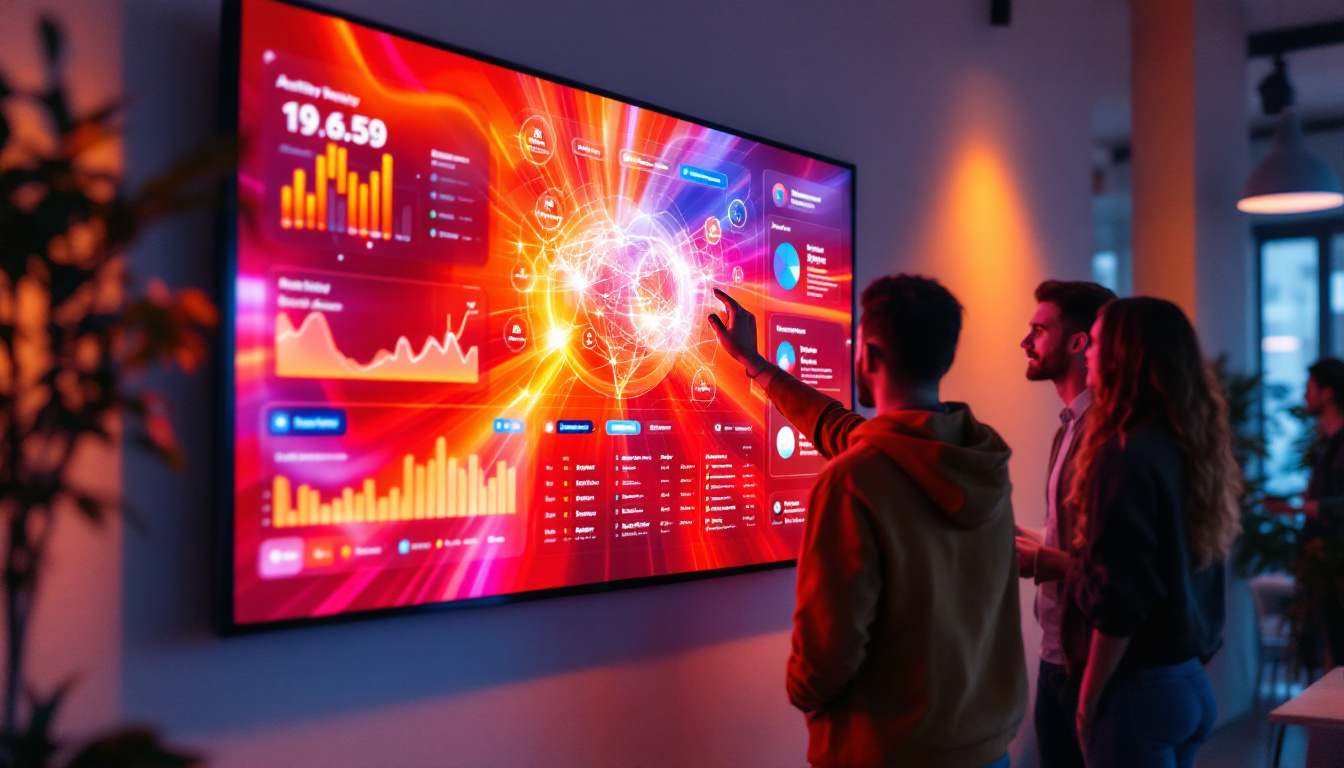
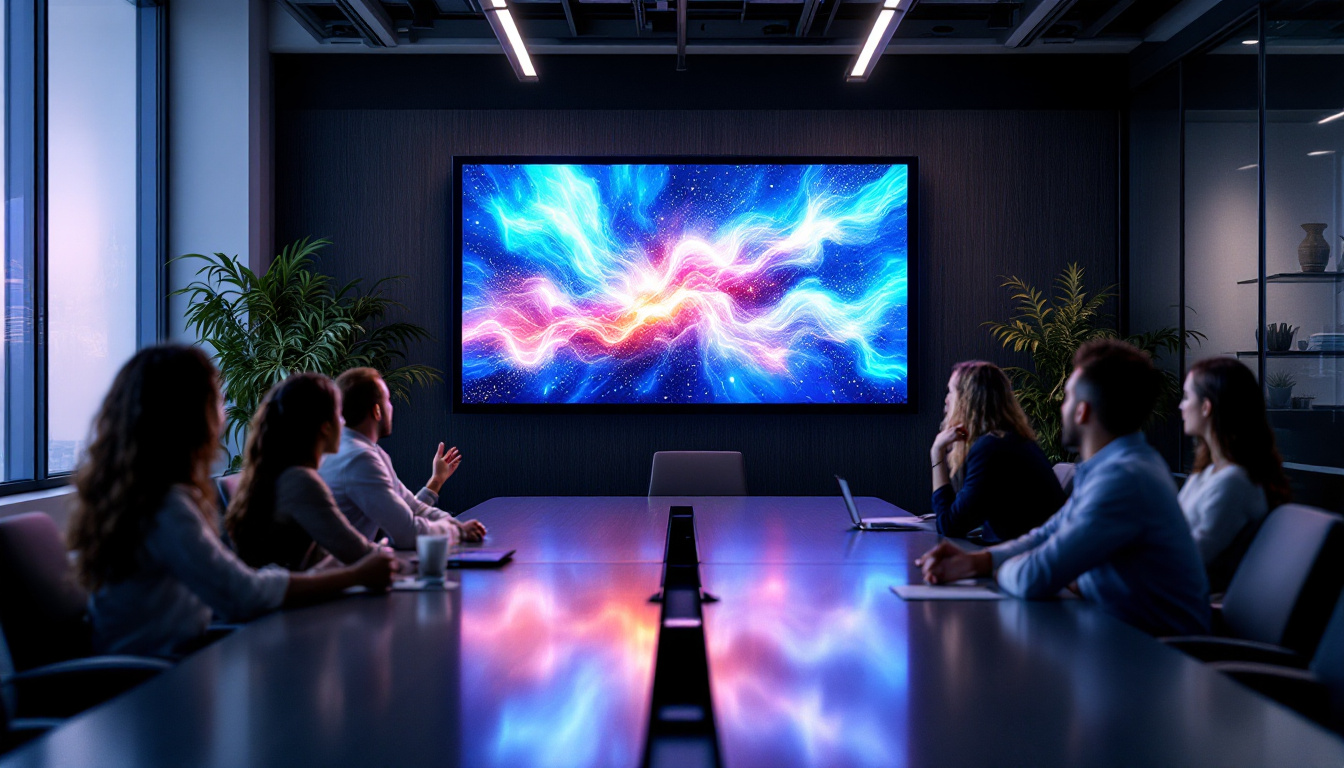
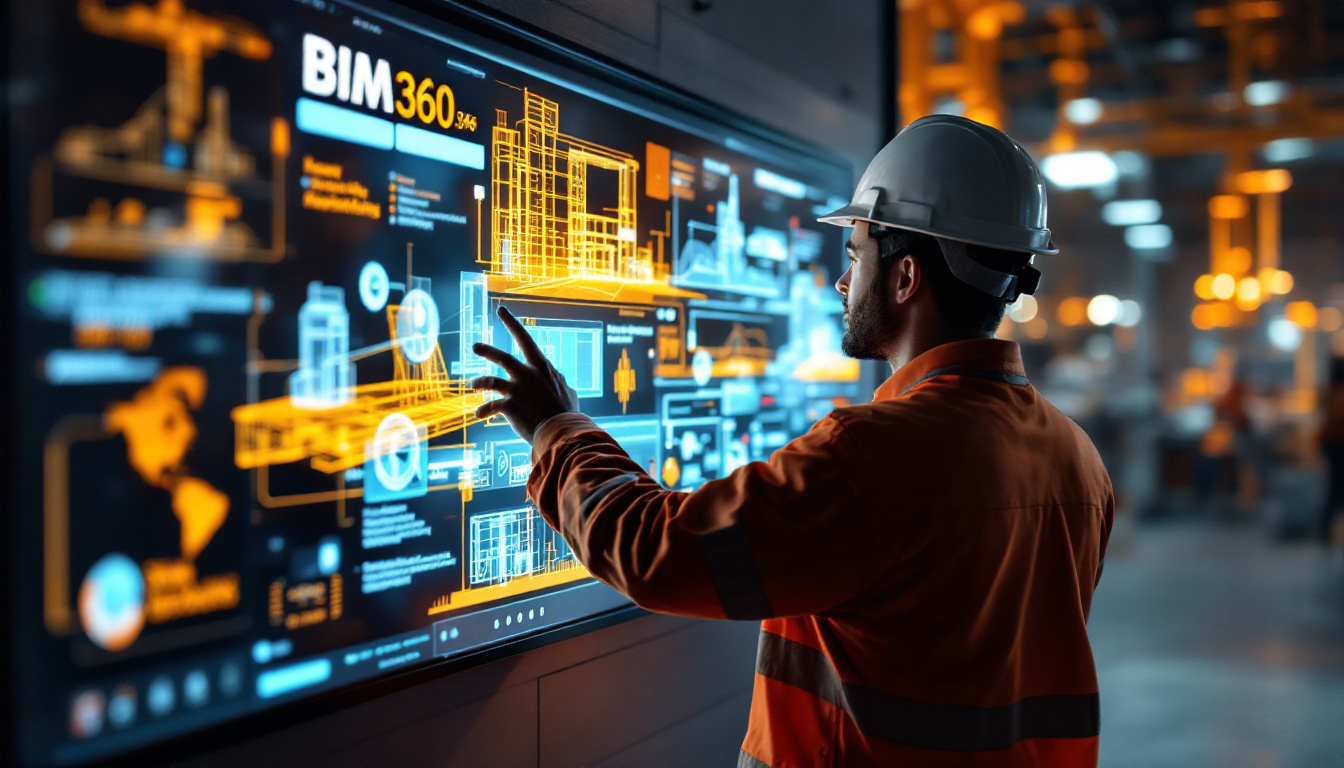
In corporate environments, LED walls serve as digital notice boards, presentation screens, or interactive collaboration tools. Companies can broadcast live data, stock prices, or internal communications across multiple locations simultaneously, enhancing information flow and engagement.
Public Spaces and Transportation Hubs
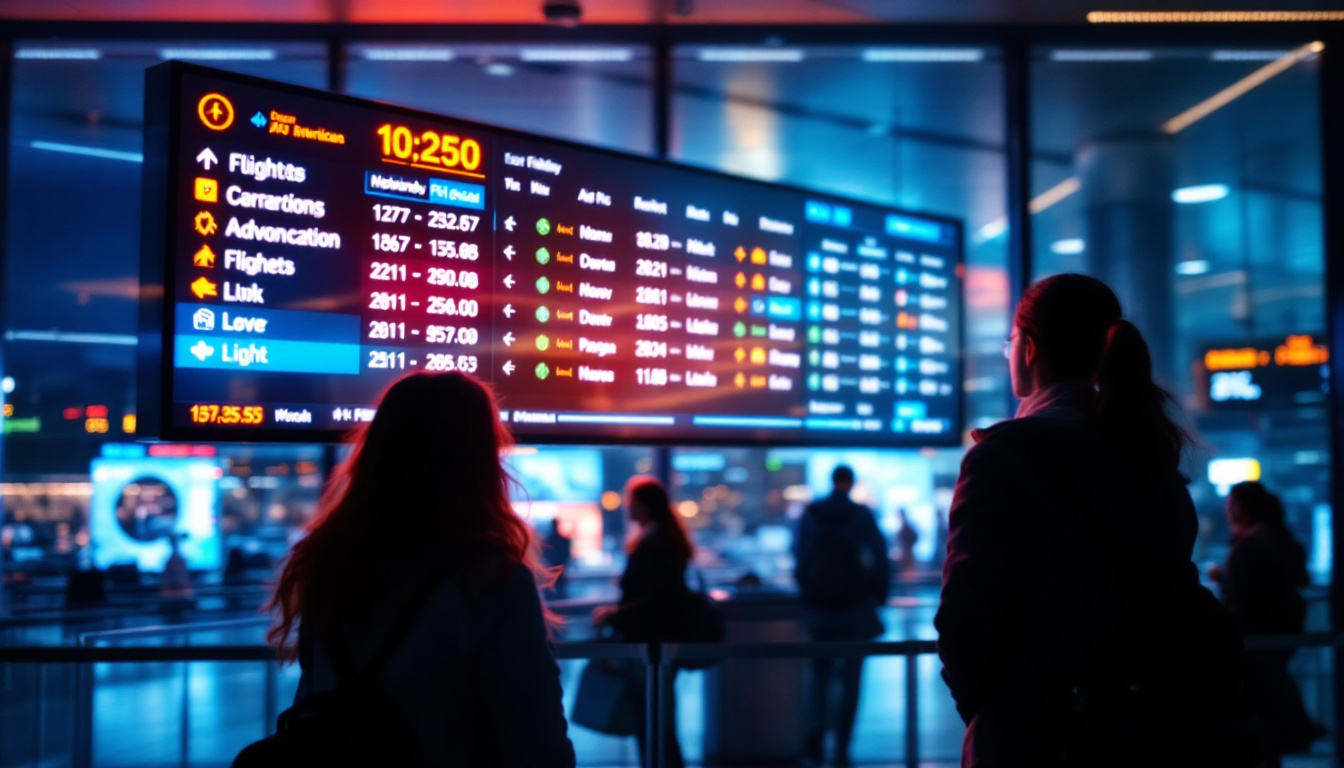
Airports, train stations, and city centers utilize internet-connected LED walls to provide travelers with real-time updates, wayfinding information, and emergency alerts. The ability to remotely update content ensures that information is always current and relevant.
Entertainment and Events
Concerts, sports arenas, and exhibitions benefit from the large-scale, high-impact visuals that LED walls provide. Internet connectivity enables live streaming, social media integration, and interactive audience participation, elevating the overall experience.
Benefits of Internet Connectivity in LED Walls
Integrating internet connectivity into LED walls unlocks a new level of functionality and convenience. This connectivity transforms static displays into dynamic communication platforms.
Remote Content Management
One of the most significant advantages is the ability to control and update content remotely. This eliminates the need for physical access to the display, which can be time-consuming and costly, especially for large or hard-to-reach installations.
Real-Time Data Integration
Internet-connected LED walls can pull live data from various sources such as news feeds, social media, weather services, or custom APIs. This capability ensures that displayed content is always timely and relevant, enhancing user engagement.
Scheduling and Automation
Users can schedule content to play at specific times or trigger changes based on external events. For instance, a sports bar might automatically switch to live game coverage during match times and revert to promotional content afterward.
Scalability and Flexibility
Internet Plug In Walls can be expanded by adding more LED panels or linked with other digital signage networks. This scalability is ideal for businesses looking to grow their digital presence without overhauling existing infrastructure.
Considerations When Choosing an Internet Plug In LED Wall
While the benefits are compelling, selecting the right LED wall solution requires careful consideration of several factors to ensure it meets specific needs and budget constraints.
Resolution and Pixel Pitch
The resolution of an LED wall depends on the pixel pitch — the distance between individual LEDs. Smaller pixel pitches offer higher resolution and are better suited for close viewing distances, such as indoor retail environments. Larger pixel pitches are more cost-effective for outdoor or large venue applications where viewers are farther away.
Connectivity Options
Reliable internet connectivity is crucial for uninterrupted content delivery. Evaluate whether the installation site supports wired Ethernet, Wi-Fi, or cellular connections, and choose a system compatible with the available infrastructure.
Content Management System (CMS)
The ease of use and features of the CMS software can significantly impact the effectiveness of the LED wall. Look for platforms that offer intuitive interfaces, scheduling capabilities, multi-user access, and integration with third-party data sources.
Installation and Maintenance
Consider the complexity of installation and the availability of technical support. Modular designs that allow for easy replacement of individual panels can reduce downtime and maintenance costs.
Budget and ROI
While initial costs can be substantial, the long-term return on investment through increased engagement, advertising revenue, or operational efficiencies should be carefully assessed. Energy savings and reduced maintenance also contribute to overall cost-effectiveness.
Future Trends in Internet Plug In LED Walls
The convergence of LED display technology with internet connectivity continues to evolve, driven by advances in hardware, software, and network infrastructure.
Integration with AI and IoT
Artificial intelligence and Internet of Things (IoT) technologies are beginning to enhance LED walls by enabling personalized content delivery based on audience demographics, behavior, or environmental conditions. For example, sensors could detect foot traffic and adjust advertising content accordingly.
Higher Resolutions and Flexible Displays
Emerging LED panels offer ultra-high resolutions and flexible form factors, allowing for curved or irregularly shaped walls. This opens new creative possibilities for architects and designers.
5G Connectivity
The rollout of 5G networks promises faster and more reliable internet connections, facilitating real-time streaming of high-definition video and interactive content without latency issues.
Enhanced Interactivity
Touch-sensitive LED walls and integration with mobile devices are making displays more interactive, enabling users to engage directly with the content through gestures or apps.
Conclusion
The Internet Plug In Wall with LED display technology represents a powerful fusion of vivid visual communication and seamless digital connectivity. By enabling real-time content updates, remote management, and dynamic data integration, these systems offer unparalleled flexibility and impact across diverse applications. As technology continues to advance, businesses and organizations that adopt internet-connected LED walls will be well-positioned to captivate audiences, streamline communications, and drive engagement in an increasingly digital world.
Discover LumenMatrix’s Innovative LED Solutions
Ready to elevate your space with the latest in LED display technology? LumenMatrix is at the forefront of creating immersive environments that captivate and engage. Whether you’re looking to enhance your retail space, corporate office, or public venue, our extensive range of LED solutions—including Indoor and Outdoor LED Wall Displays, Vehicle LED Displays, LED Poster Displays, and more—offers unparalleled visual impact. Embrace the future of digital communication with LumenMatrix and transform your message into an unforgettable visual experience. Check out LumenMatrix LED Display Solutions today and see the difference innovation can make.