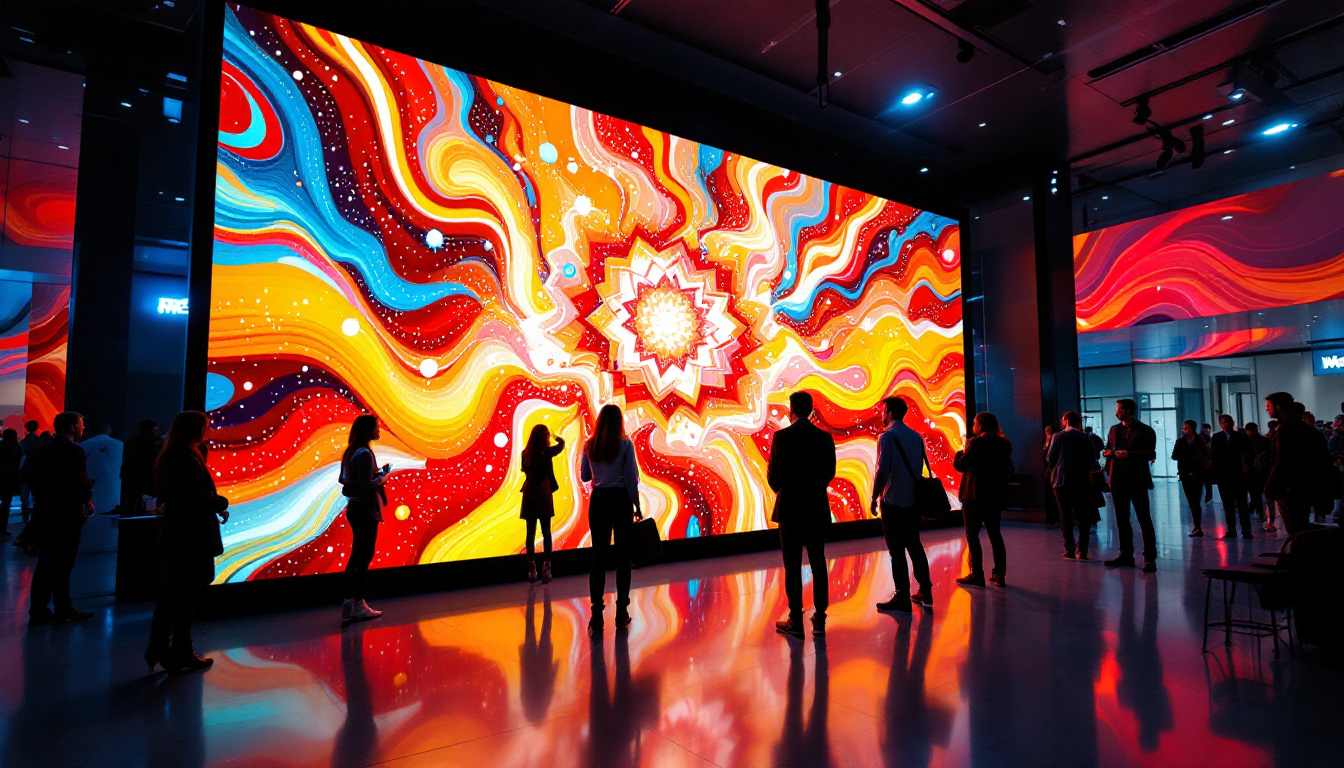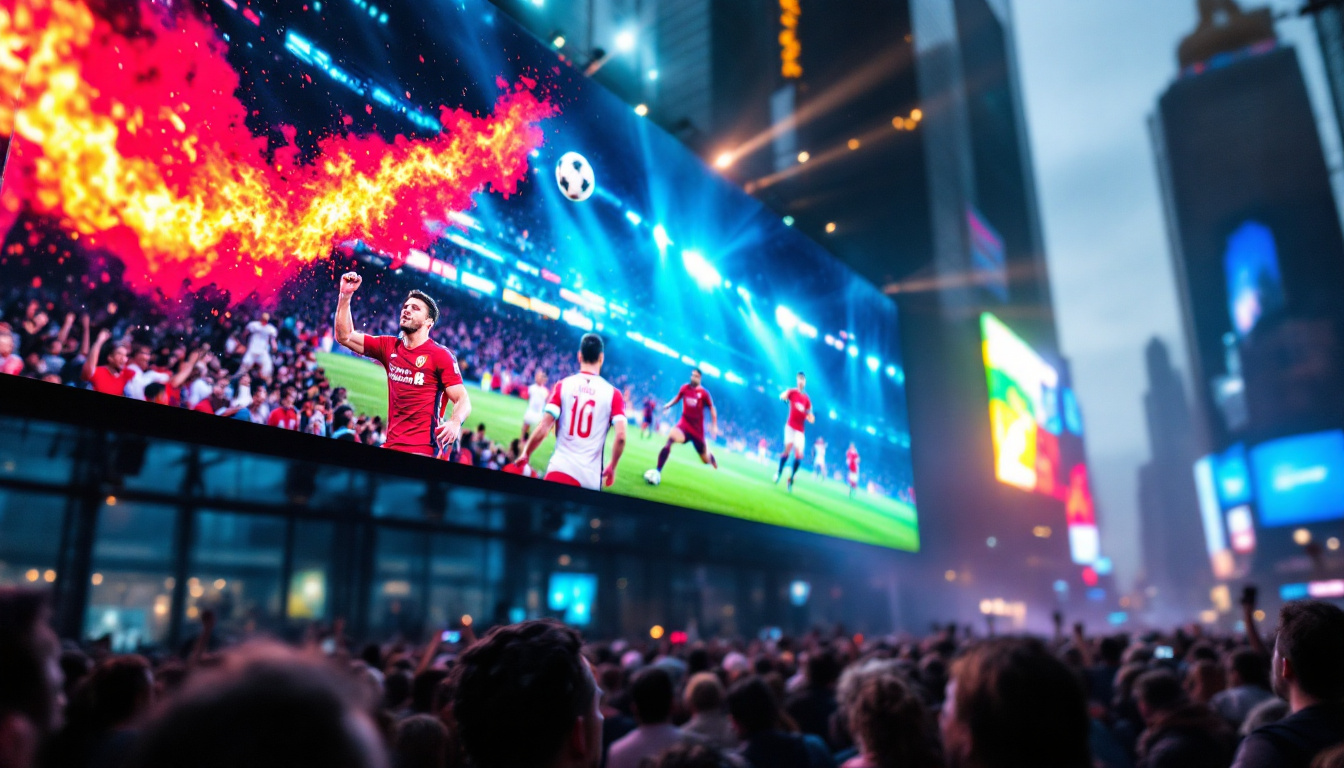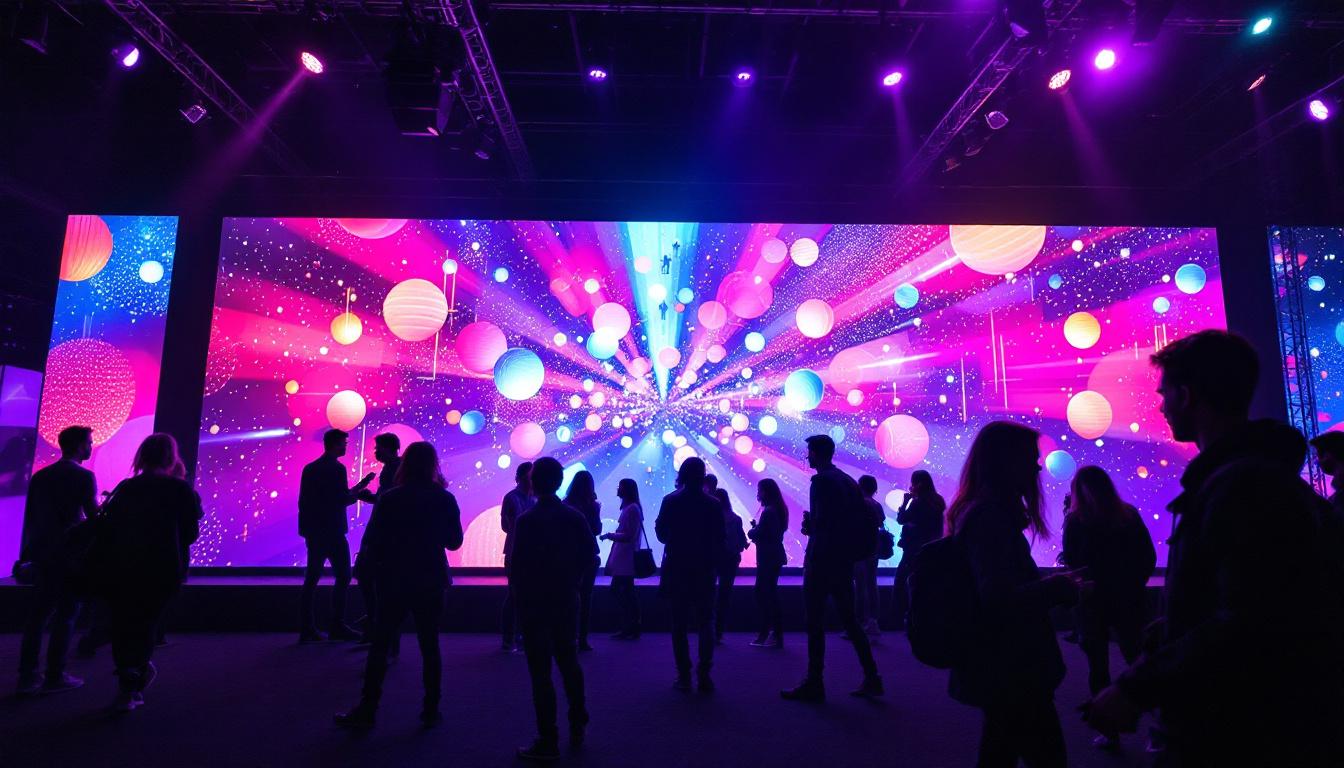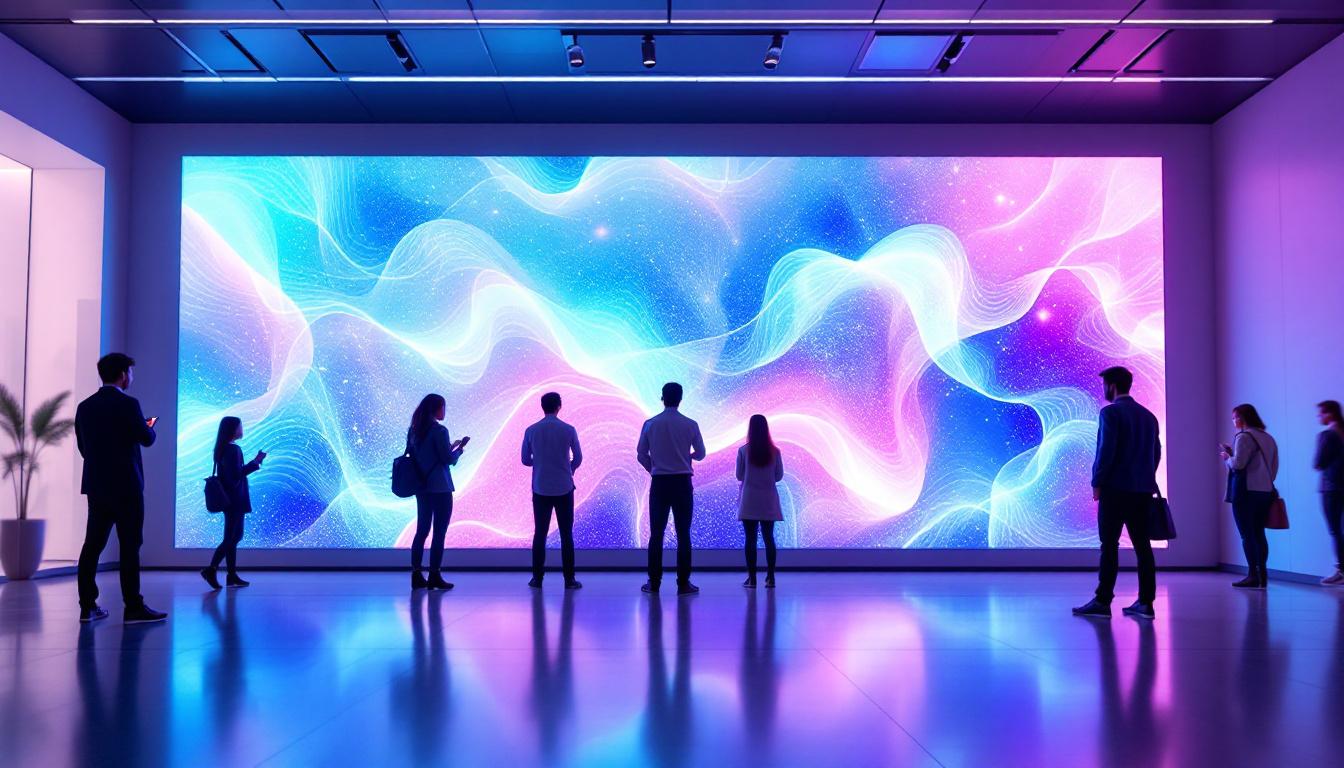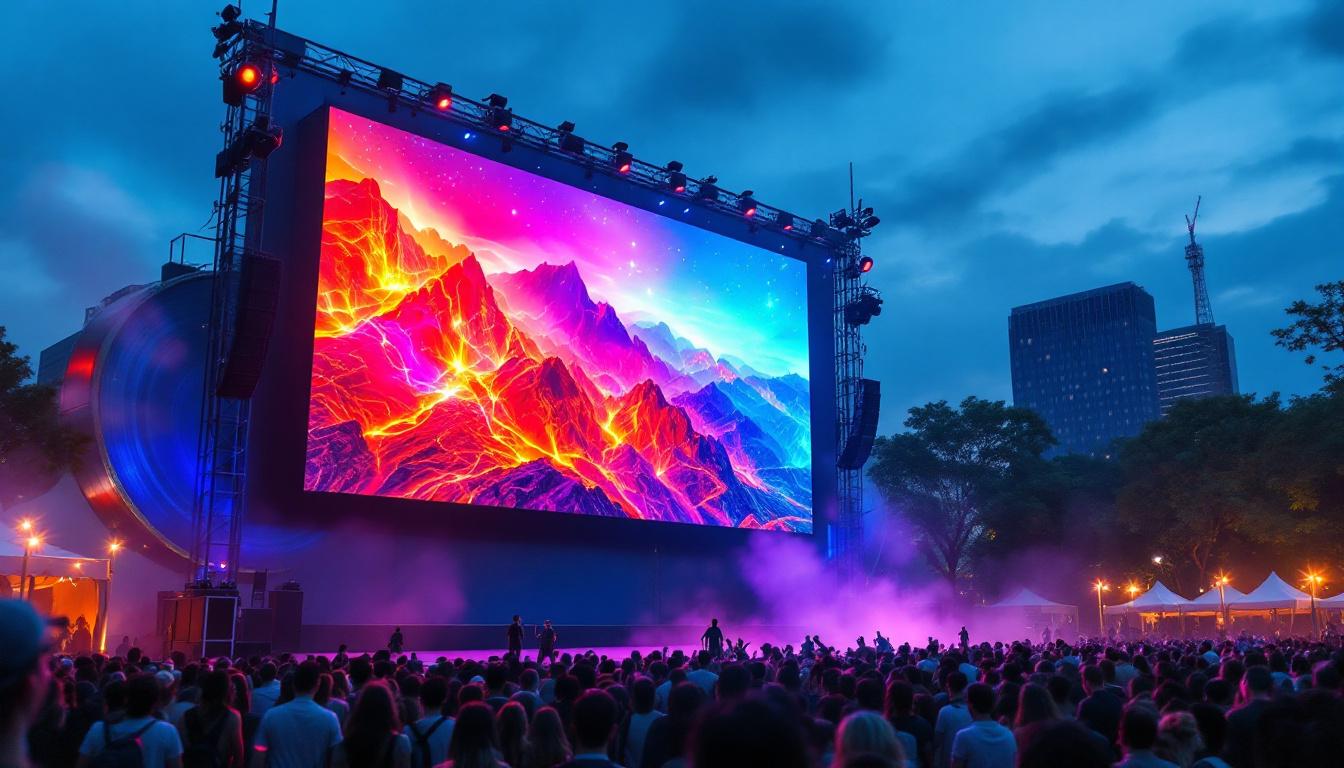
In the world of large-scale visual displays, the term “JumboTron” has become synonymous with massive, high-resolution screens that captivate audiences in stadiums, concert venues, and public spaces worldwide. But what exactly is a JumboTron TV, and how does its LED display technology work? This article delves into the intricacies of JumboTron LED displays, exploring their design, technology, applications, and the future trends shaping this dynamic industry.
Understanding JumboTron TVs: Origins and Evolution
The JumboTron is a trademarked name originally coined by Sony in the 1980s to describe their large-screen video displays. These massive screens were revolutionary at the time, offering audiences the ability to see live action and replays in unprecedented detail, even from great distances. Over time, the term “JumboTron” has evolved into a generic descriptor for any large-format LED video display.
Initially, JumboTrons used cathode ray tube (CRT) technology, which was bulky and limited in resolution. However, the advent of Light Emitting Diode (LED) technology transformed the landscape of large displays, enabling thinner, brighter, and more energy-efficient screens. Today’s JumboTron TVs are predominantly LED-based, offering vibrant colors, high brightness, and remarkable durability.
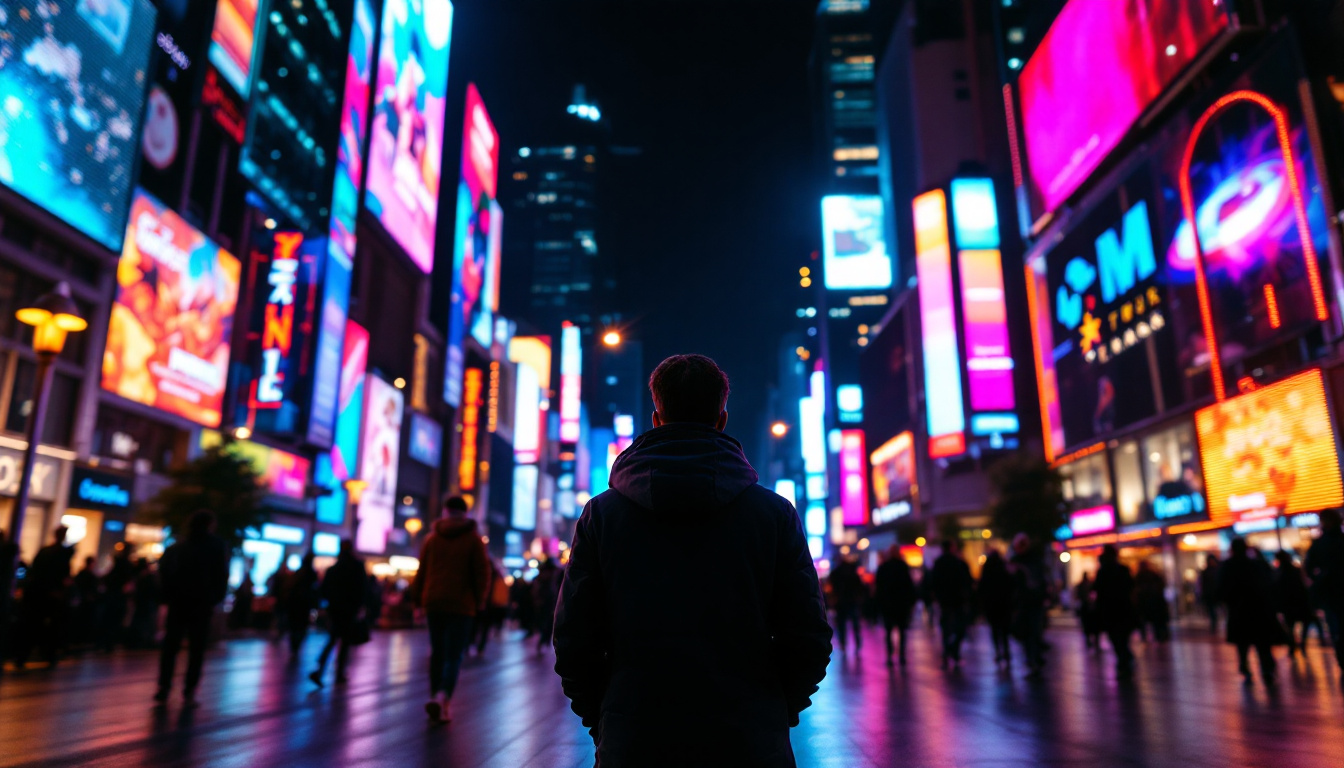
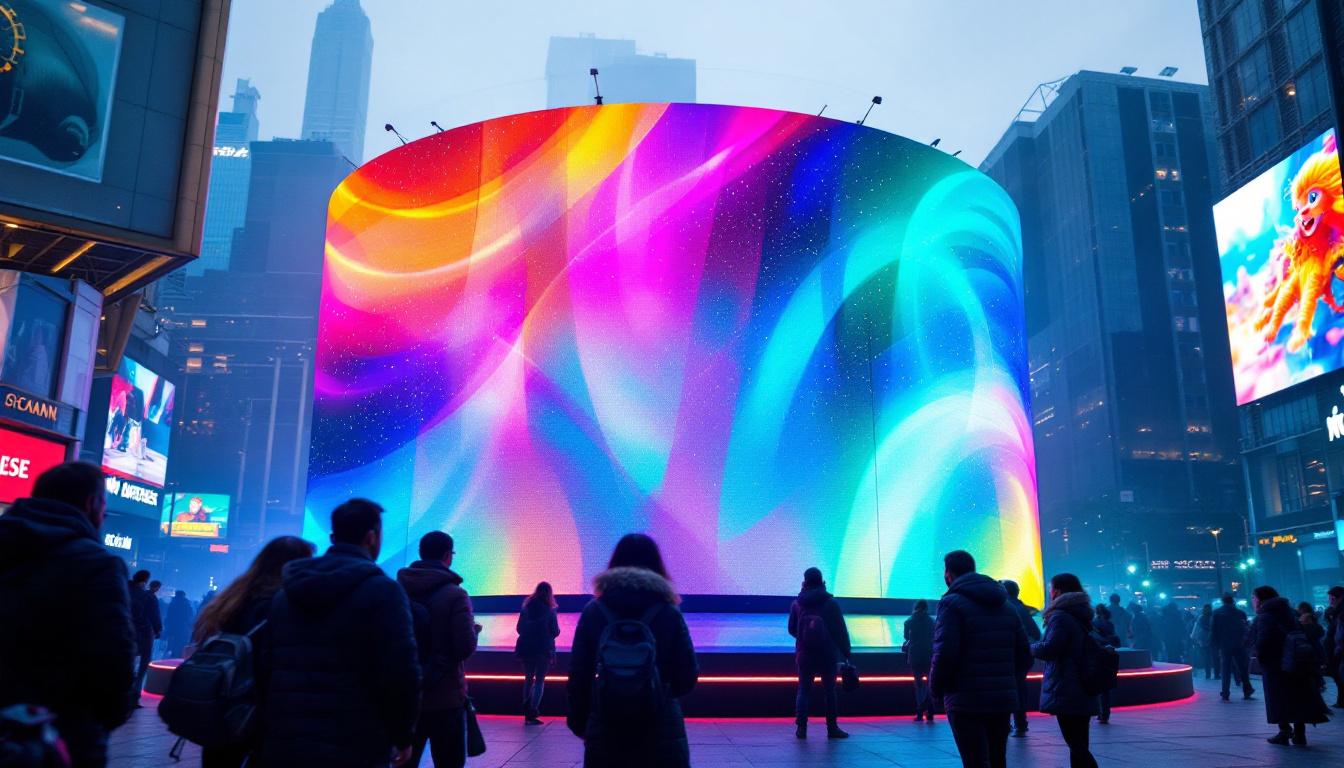
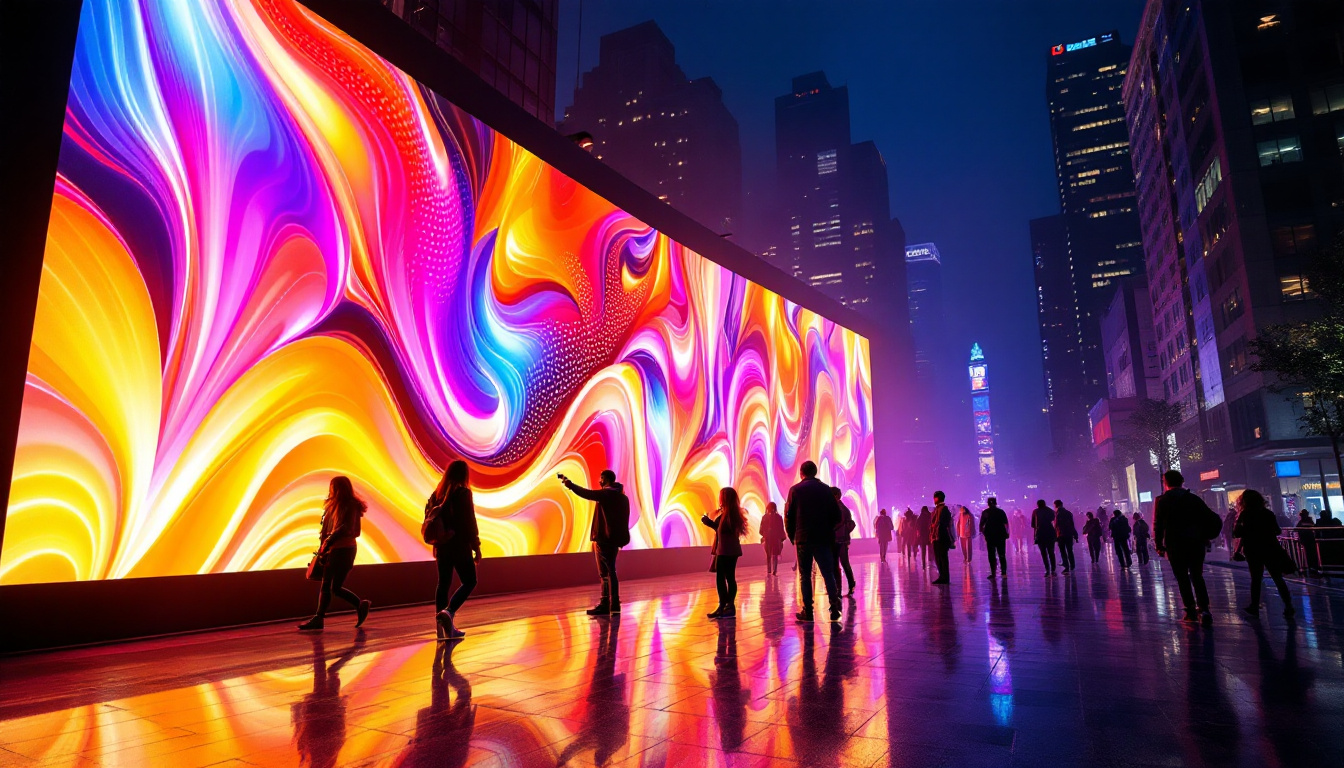
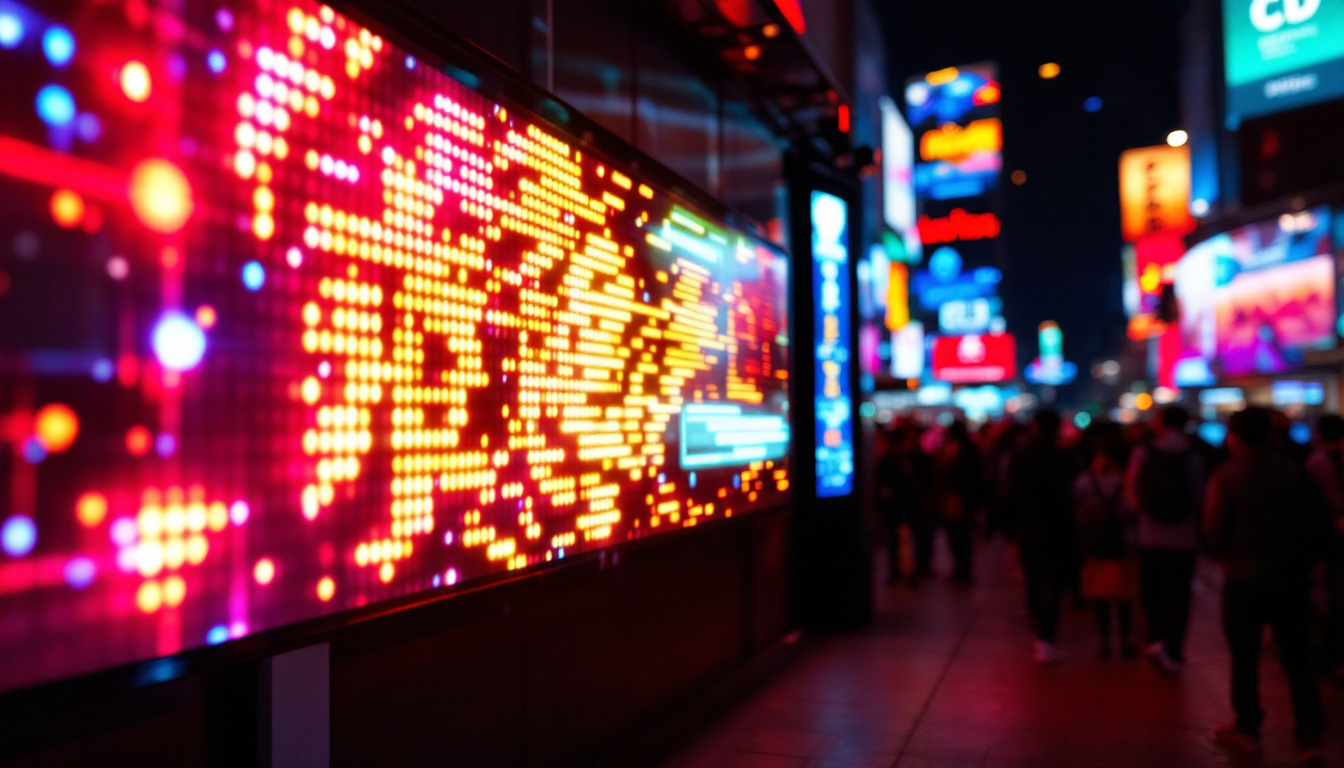
The evolution of JumboTron technology has not only improved the viewing experience but has also expanded its applications beyond sports arenas and concert venues. Today, these large displays are commonly utilized in advertising, public information systems, and even art installations. The ability to deliver dynamic content in real-time allows businesses and organizations to engage their audiences more effectively, making JumboTrons a staple in urban landscapes and event spaces. For instance, Times Square in New York City is renowned for its dazzling array of JumboTron displays that create a vibrant atmosphere, attracting millions of visitors each year.
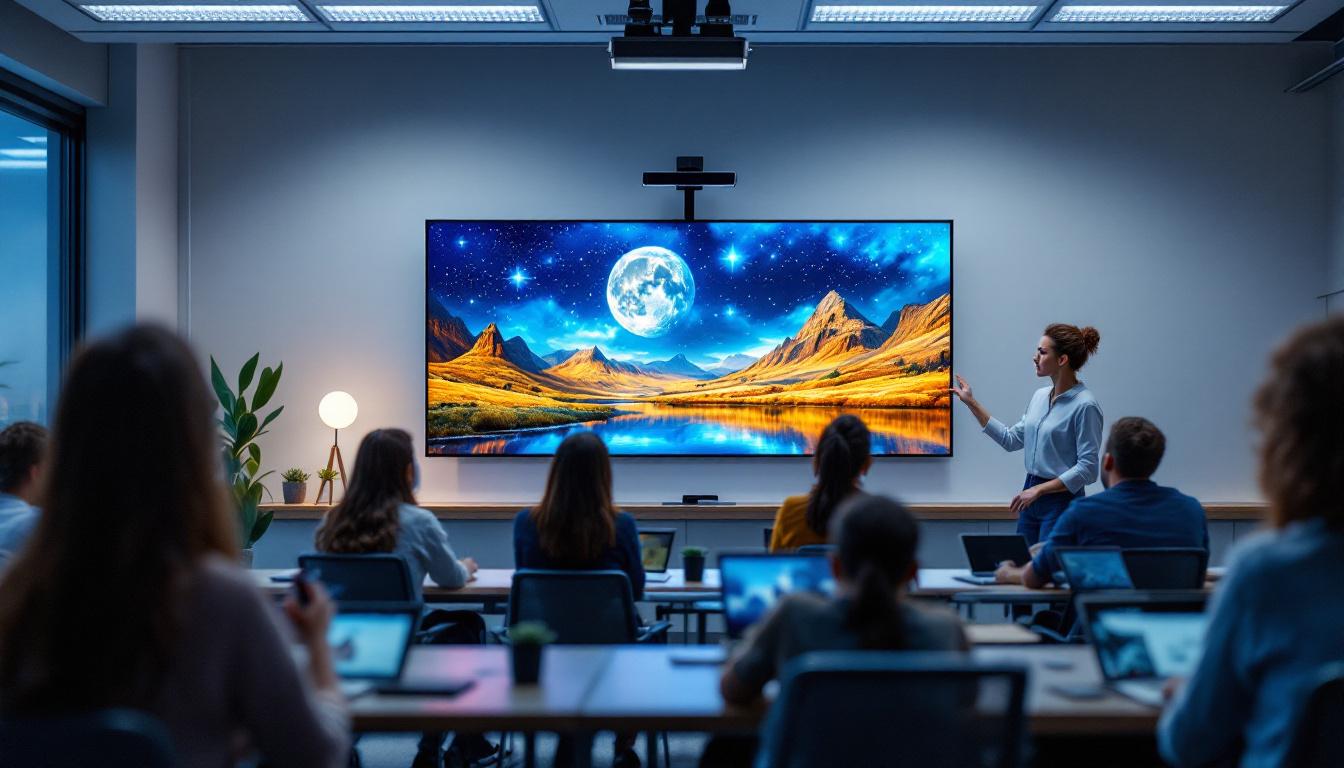
Moreover, the integration of advanced technologies such as 4K resolution and HDR (High Dynamic Range) has further enhanced the capabilities of JumboTrons, providing viewers with stunning visuals that were once thought impossible. The interactive features of modern JumboTrons, including touch capabilities and integration with mobile devices, have also opened new avenues for user engagement. As a result, these displays are not just passive viewing screens but active platforms for communication and interaction, redefining how audiences connect with content in both public and private settings.
What is an LED Display?
Basic Principles of LED Technology
LED stands for Light Emitting Diode, a semiconductor device that emits light when an electric current passes through it. Unlike traditional display technologies such as LCD or plasma, LEDs produce their own light, which allows for higher brightness levels and better contrast ratios. This self-illumination characteristic is essential for outdoor and large-scale displays, where ambient light conditions can be challenging. Additionally, LED technology is energy-efficient, consuming significantly less power compared to older display technologies, which not only reduces operational costs but also contributes to a smaller carbon footprint.
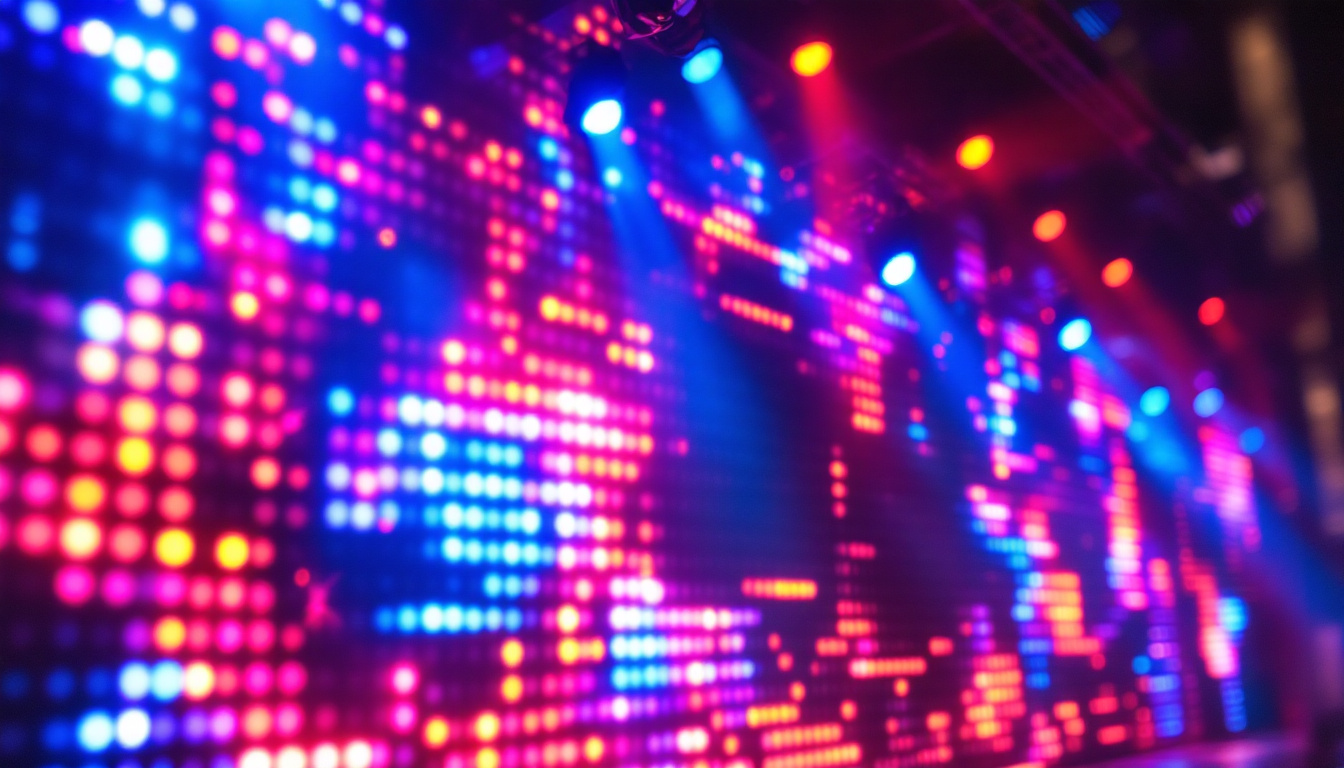
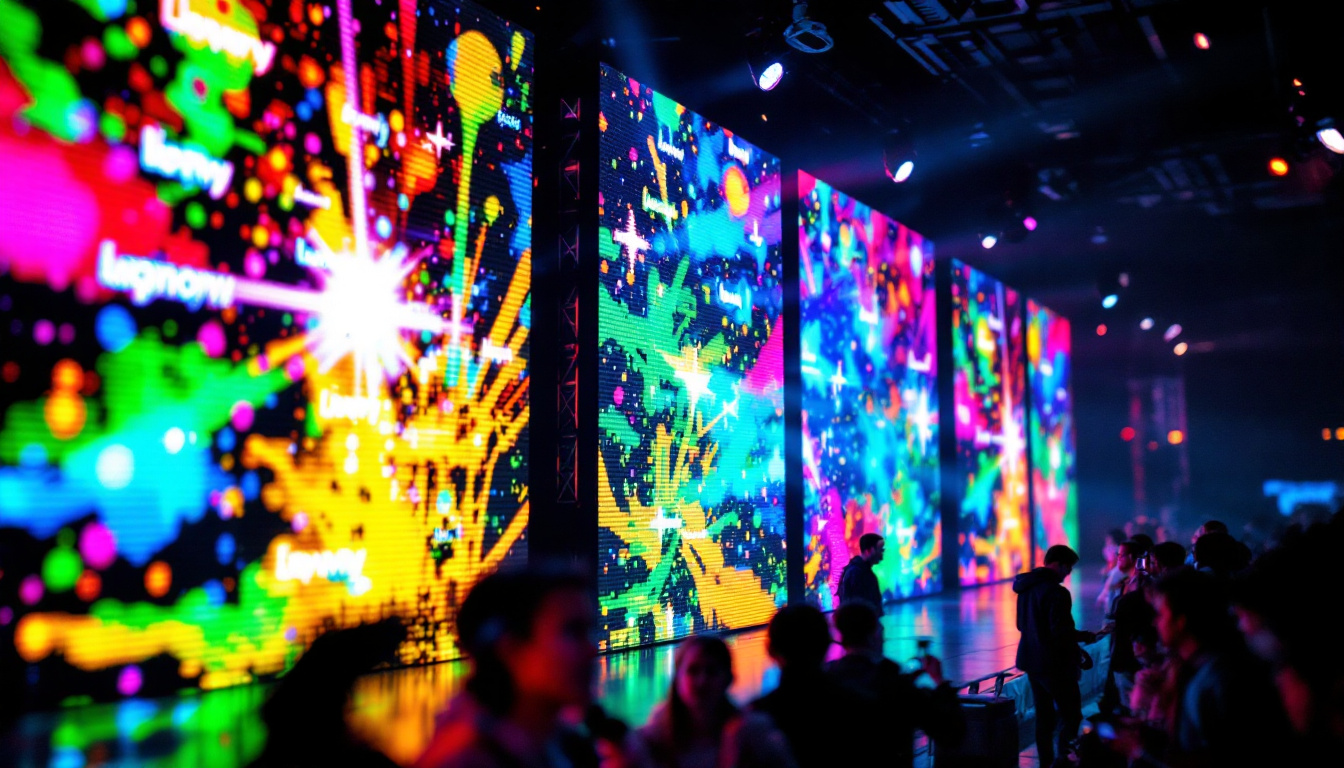
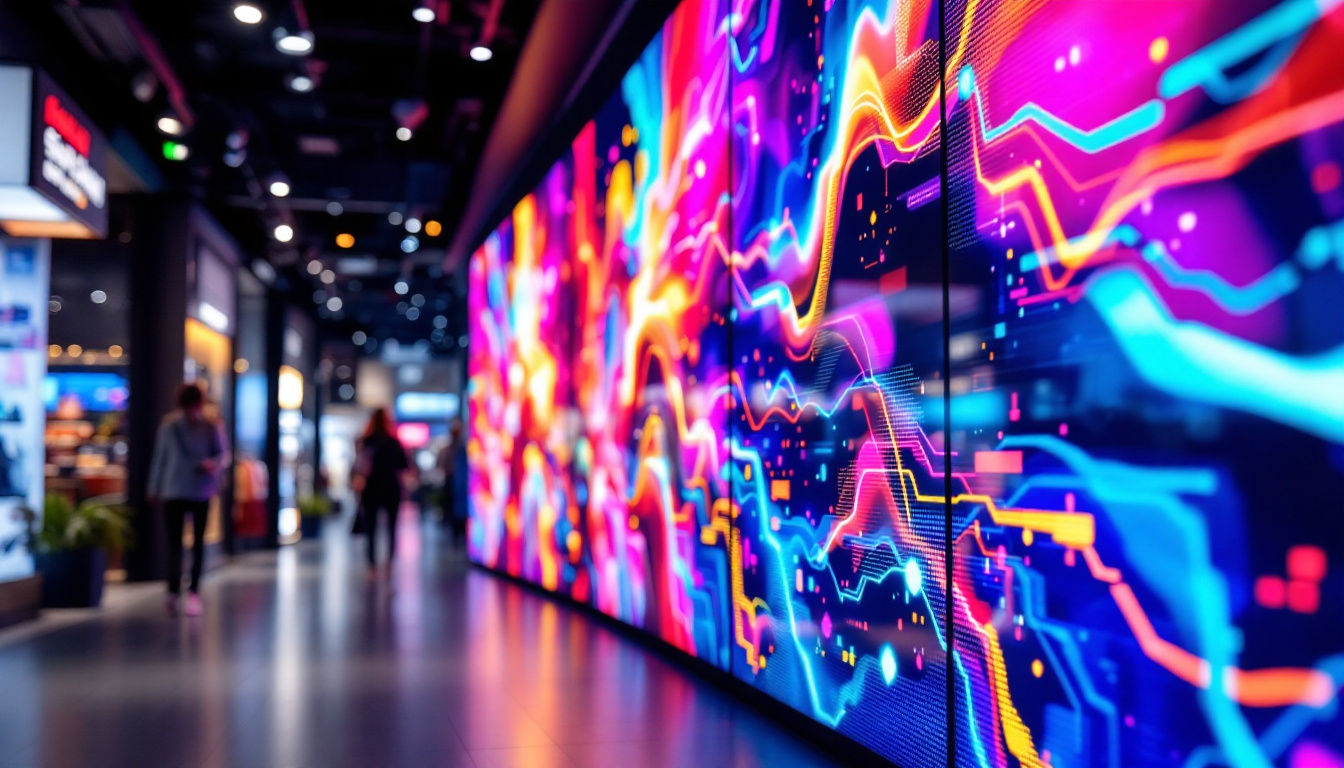
LED displays are composed of thousands to millions of tiny LEDs arranged in a grid. Each LED represents a pixel or part of a pixel, and by controlling the intensity and color of each diode, the display can render images, videos, and text with incredible clarity and vibrancy. The modular nature of LED displays also allows for seamless scaling, meaning they can be constructed in various sizes and shapes to fit different environments, from stadiums to concert venues. This flexibility makes LED displays a popular choice for dynamic advertising and event presentations, where visual impact is paramount.
Types of LED Displays Used in JumboTron TVs
There are primarily two types of LED displays used in JumboTron TVs:
- Direct View LED (DV-LED): This technology uses individual LEDs as pixels. It offers superior brightness and color accuracy, making it ideal for large outdoor displays. The high pixel density of DV-LED displays ensures that even from a distance, the images remain sharp and detailed, which is crucial for capturing the attention of large crowds.
- LED-backlit LCD: This combines traditional LCD panels with LED backlighting. While common in smaller TVs and monitors, this technology is less prevalent in JumboTrons due to limitations in viewing angles and brightness. The reliance on a liquid crystal layer can also lead to slower response times compared to direct LED displays, which can be a disadvantage in fast-paced environments like sports arenas.
For JumboTron TVs, Direct View LED is the preferred choice due to its scalability and performance in various lighting environments. Furthermore, advancements in LED technology have led to improvements in color reproduction and refresh rates, making these displays not only brighter but also capable of delivering more lifelike images. As a result, they are increasingly being used for immersive experiences in entertainment, advertising, and public information systems, where engaging visuals are essential to capture and maintain audience interest.
Key Components of JumboTron LED Displays
LED Modules and Pixels
The fundamental building block of a JumboTron display is the LED module. Each module contains a matrix of LEDs, typically arranged in clusters of red, green, and blue diodes. By mixing these primary colors at varying intensities, the display can produce a full spectrum of colors.
The pixel pitch, or the distance between the centers of two adjacent pixels, is a critical specification. Smaller pixel pitches mean higher resolution and sharper images but require more LEDs and higher costs. JumboTrons used in stadiums often have pixel pitches ranging from 6mm to 20mm, balancing resolution and viewing distance.
Control Systems and Processors
Behind the scenes, sophisticated control systems manage the input signals and translate them into precise LED activation patterns. These processors handle video scaling, color calibration, and synchronization to ensure smooth, high-quality visuals. Modern JumboTron TVs support various input formats, including HDMI, SDI, and IP streaming, enabling versatile content delivery.
Power Supply and Cooling
Given the sheer number of LEDs and the brightness levels required, JumboTron displays consume significant power. Efficient power supply units are essential to maintain consistent performance. Additionally, heat dissipation is a major concern; advanced cooling systems, including fans and heat sinks, are integrated to prevent overheating and extend the lifespan of the display.
Advantages of LED JumboTron TVs
Brightness and Visibility
One of the standout benefits of LED technology is its exceptional brightness. JumboTron TVs can achieve brightness levels exceeding 5,000 nits, which is critical for visibility in direct sunlight or brightly lit environments. This makes them ideal for outdoor sports arenas, concerts, and public events.
Durability and Weather Resistance
LED JumboTrons are designed to withstand harsh environmental conditions. Many are rated with IP65 or higher, indicating strong resistance to dust and water ingress. This durability ensures reliable performance regardless of weather, from rain to intense heat.
Energy Efficiency
Compared to older display technologies, LED JumboTrons are more energy-efficient. Advances in LED chip design and power management have reduced operational costs, making these displays more sustainable and cost-effective over time.
Applications of JumboTron LED Displays
Sports and Entertainment Venues
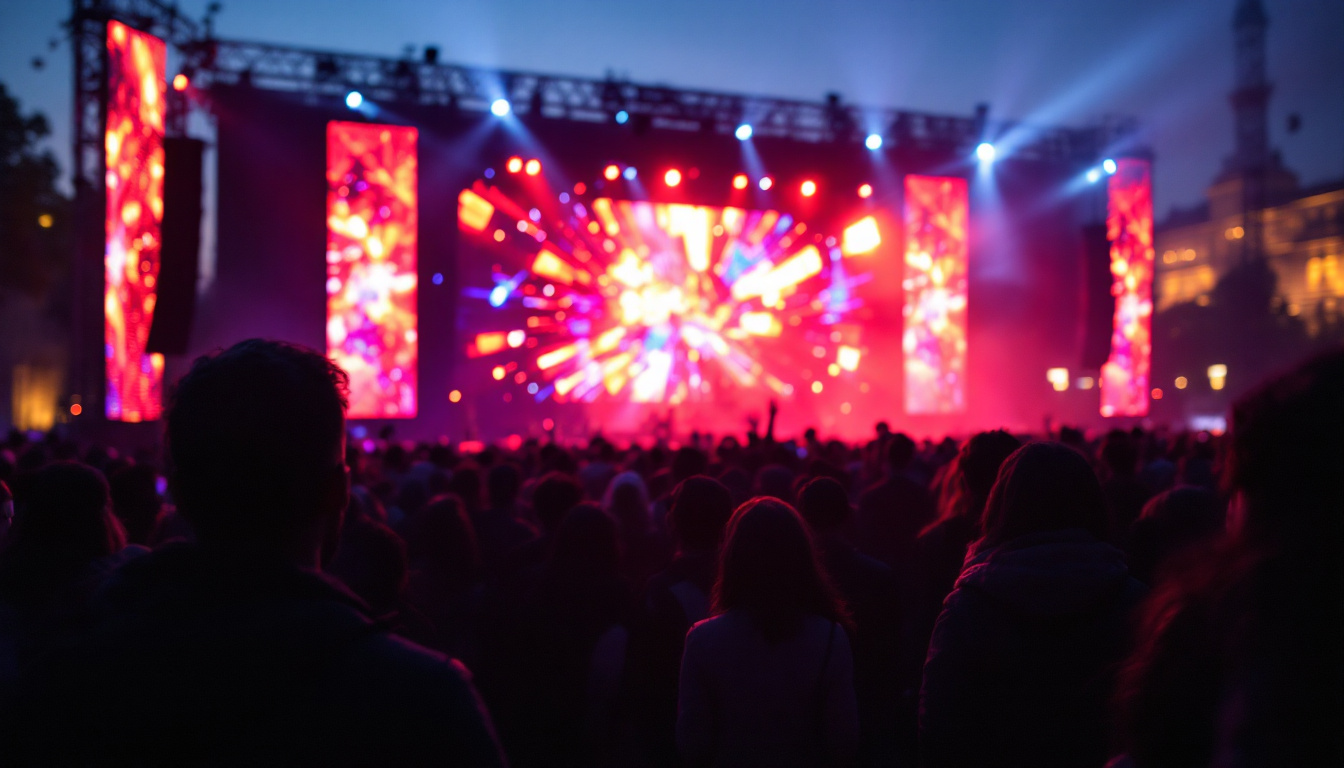
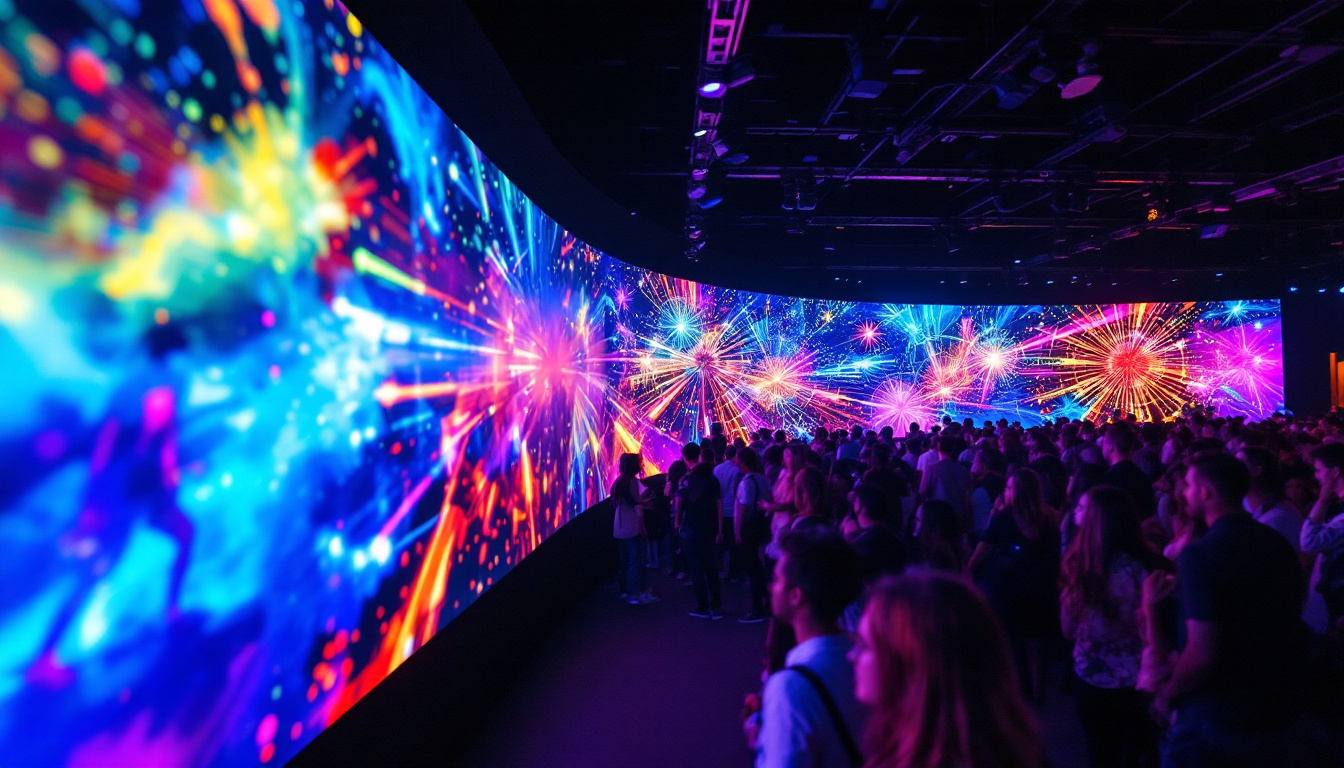
Perhaps the most iconic use of JumboTron TVs is in sports stadiums. These displays enhance the fan experience by showing live game footage, instant replays, scores, and interactive content. For example, the AT&T Stadium in Texas boasts one of the largest LED video boards in the world, measuring over 160 feet wide and 72 feet tall.
Advertising and Digital Signage
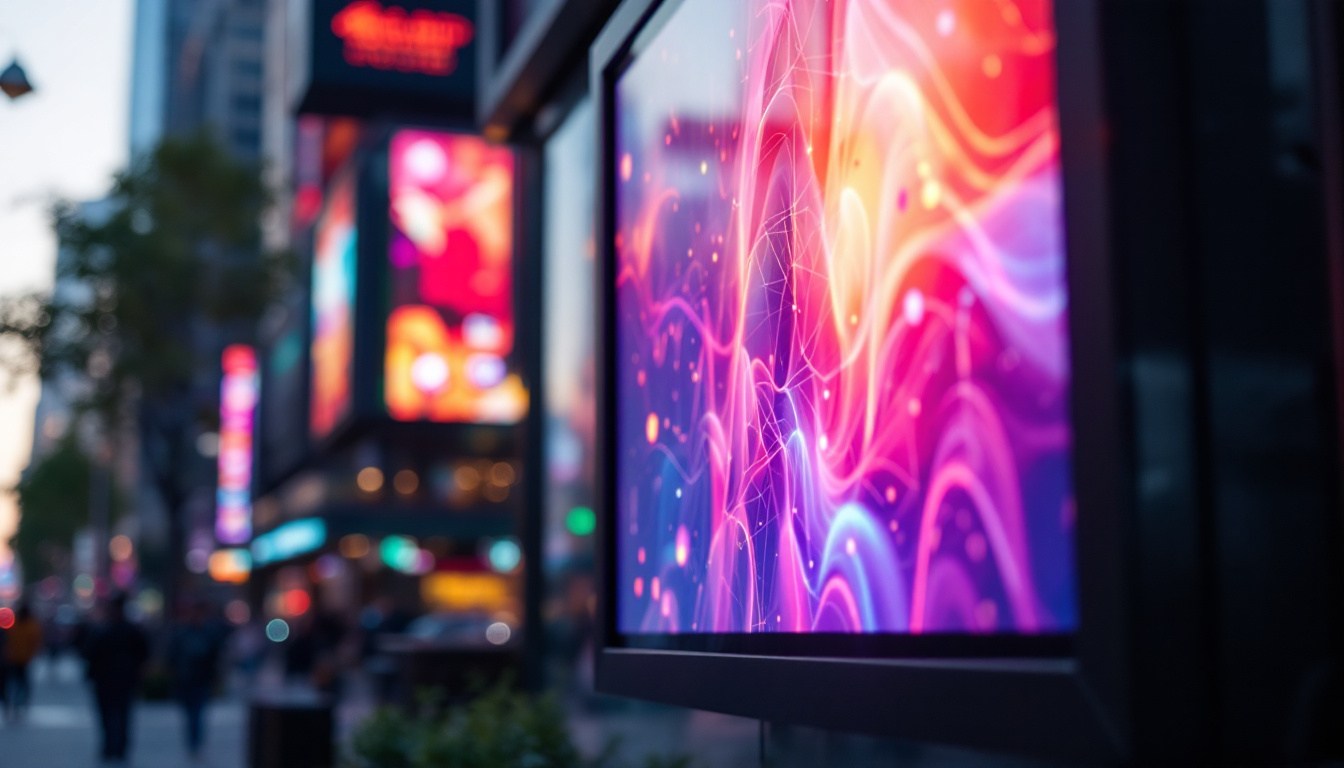
LED JumboTrons are increasingly popular in urban centers for digital billboards and advertising. Times Square in New York City is a prime example, where massive LED screens deliver dynamic ads that capture the attention of millions daily. The ability to update content in real-time offers advertisers unmatched flexibility.
Public Information and Events
Governments and organizations use JumboTron displays for public announcements, emergency alerts, and cultural events. Their high visibility and clarity make them effective tools for communication in crowded or noisy environments.
Challenges and Considerations When Choosing a JumboTron LED Display
Cost and Installation
While LED technology has become more affordable, JumboTron TVs remain a significant investment. Costs include not only the display panels but also installation, control systems, and ongoing maintenance. Proper site assessment and planning are crucial to optimize placement and ensure structural support.
Resolution and Viewing Distance
Choosing the right pixel pitch depends heavily on the intended viewing distance. For example, a display with a 10mm pixel pitch is ideal for viewers 30 meters or more away. Closer viewing distances demand finer pixel pitches, which increase cost and complexity.
Content Management
Managing content for JumboTron displays requires specialized software and expertise. Ensuring that visuals are optimized for the screen’s resolution and aspect ratio is vital for delivering an impactful experience.
The Future of JumboTron LED Displays
Advancements in MicroLED and MiniLED
Emerging technologies like MicroLED and MiniLED promise even higher brightness, better color accuracy, and lower power consumption. MicroLED, in particular, offers the potential for seamless, bezel-less displays with unparalleled image quality, which could redefine JumboTron TVs in the coming years.
Integration with Interactive Technologies
Future JumboTron displays are expected to incorporate interactive features such as touch sensitivity, augmented reality (AR), and real-time data integration. These innovations will enhance audience engagement and open new possibilities for advertisers and event organizers.
Sustainability and Eco-Friendly Designs
As environmental concerns grow, manufacturers are focusing on eco-friendly materials, recyclable components, and energy-efficient designs. Sustainable JumboTron displays will not only reduce carbon footprints but also appeal to environmentally conscious consumers and clients.
Conclusion
JumboTron TVs represent the pinnacle of large-scale display technology, combining cutting-edge LED innovations with robust design to deliver stunning visual experiences. From electrifying sports arenas to bustling cityscapes, these displays play a vital role in modern communication and entertainment.
Understanding the technology behind LED JumboTrons, including their components, advantages, and applications, is essential for businesses, event organizers, and municipalities looking to invest in impactful visual solutions. As LED technology continues to evolve, JumboTron TVs will become even more versatile, immersive, and sustainable, shaping the future of large-format displays worldwide.
Discover the Future of Visual Displays with LumenMatrix
Ready to elevate your visual communication and captivate your audience with the latest in LED display technology? Look no further than LumenMatrix, a pioneer in crafting immersive and dynamic LED display modules. From the vibrancy of an Indoor LED Wall Display to the grandeur of an Outdoor LED Wall Display, and from the mobility of a Vehicle LED Display to the innovation of a Custom LED Display, LumenMatrix offers a comprehensive range of solutions tailored to your needs. Embrace the future of large-scale displays and check out LumenMatrix LED Display Solutions today, where engagement meets clarity and impact.