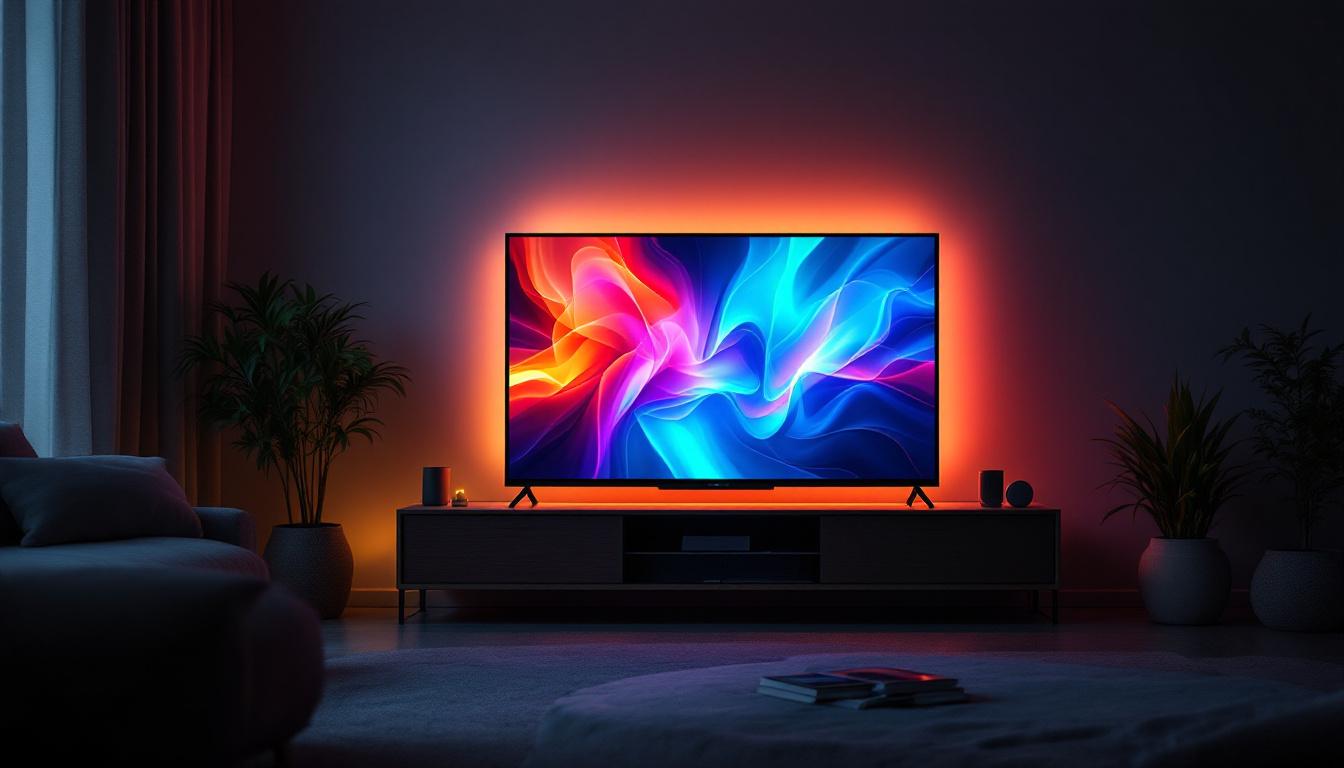
In today’s world, where energy efficiency and sustainability are more important than ever, understanding the power consumption of household electronics is crucial. Televisions, being a staple in most homes, contribute significantly to electricity usage. Among the various TV technologies available, LED TVs have become the most popular choice due to their slim design, picture quality, and energy efficiency. This article delves into the power consumption of LED TVs, explaining how LED displays work, what factors influence their energy use, and practical tips to optimize power consumption without compromising viewing experience.
Understanding LED TV Technology
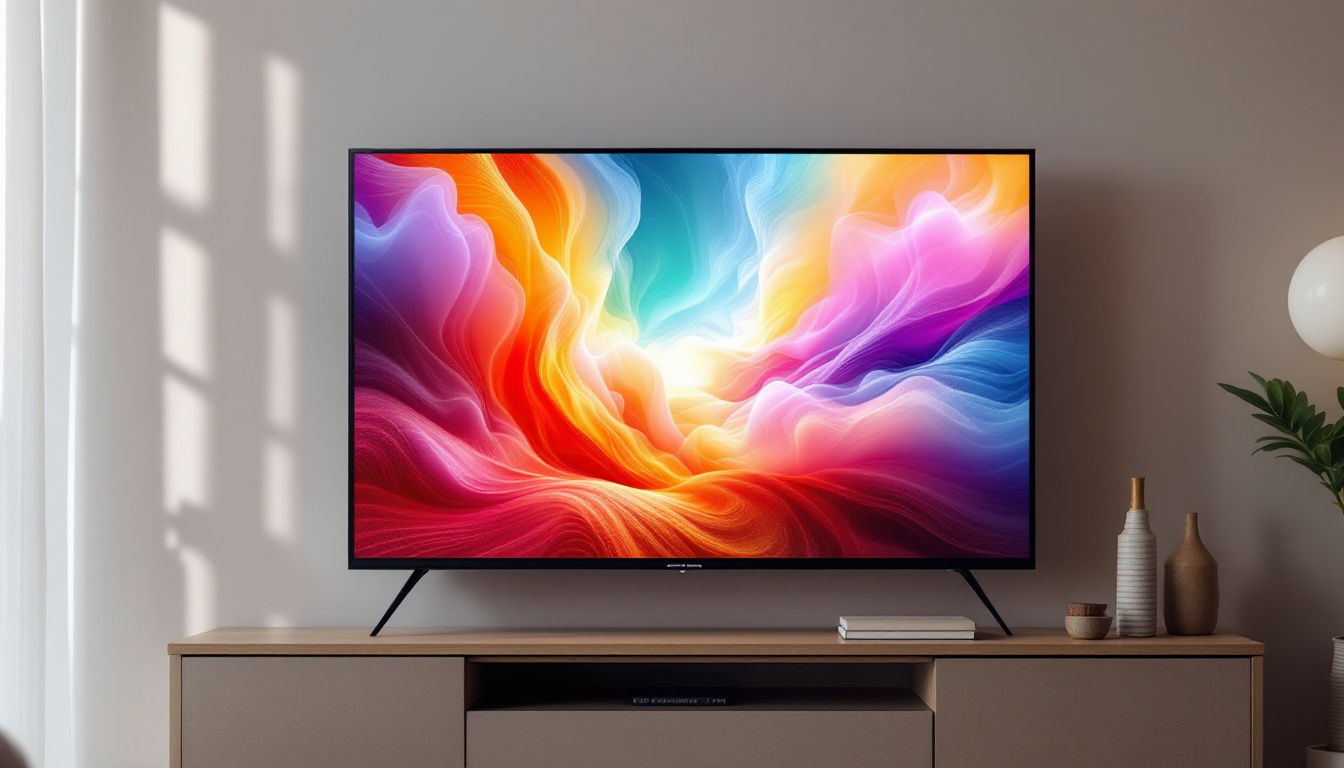
LED TVs are a type of LCD (Liquid Crystal Display) television that uses Light Emitting Diodes (LEDs) to backlight the screen. Unlike traditional LCD TVs that use cold cathode fluorescent lamps (CCFLs) for backlighting, LED TVs employ LEDs, which are more energy-efficient and offer better control over brightness and contrast. This advancement in technology not only enhances the viewing experience but also contributes to lower energy consumption, making LED TVs a more environmentally friendly choice.
The term “LED TV” can be somewhat misleading, as the display itself is still an LCD panel. The LEDs serve as the light source behind or around the screen, illuminating the pixels that create the image. This technology allows for thinner panels, improved color accuracy, and enhanced contrast ratios compared to older LCD models. Additionally, many LED TVs now come equipped with advanced features such as HDR (High Dynamic Range), which further elevates the picture quality by providing a wider range of colors and brightness levels, making images appear more lifelike.
Types of LED Backlighting
There are primarily two types of LED backlighting used in LED TVs: Edge-lit and Full-array.
- Edge-lit LED TVs: LEDs are positioned along the edges of the screen, and light is diffused across the display. This design allows for ultra-thin TVs but may result in less uniform brightness and contrast. While edge-lit models are often more affordable and lightweight, they may struggle with delivering deep blacks in darker scenes, as the light can bleed from the edges.
- Full-array LED TVs: LEDs are placed directly behind the screen in a grid pattern, allowing for localized dimming zones. This leads to better contrast and black levels but can consume slightly more power due to the higher number of LEDs. Full-array models are particularly favored by cinephiles and gamers, as they provide a more immersive viewing experience, especially in dark environments.
In addition to these backlighting types, some LED TVs also incorporate advanced technologies such as Quantum Dot displays, which utilize tiny semiconductor particles to enhance color accuracy and brightness. This innovation allows for a broader color spectrum and improved viewing angles, making it a popular choice for those who prioritize visual fidelity. Furthermore, as manufacturers continue to innovate, we can expect to see even more enhancements in LED technology, such as mini-LED and micro-LED displays, which promise to deliver even finer control over light and color, pushing the boundaries of what is possible in home entertainment.
How Much Power Does an LED TV Consume?
The power consumption of LED TVs varies widely depending on several factors such as screen size, display technology, brightness settings, and usage patterns. On average, LED TVs consume between 30 to 100 watts during operation, which is significantly less than older plasma or CCFL-backlit LCD TVs.
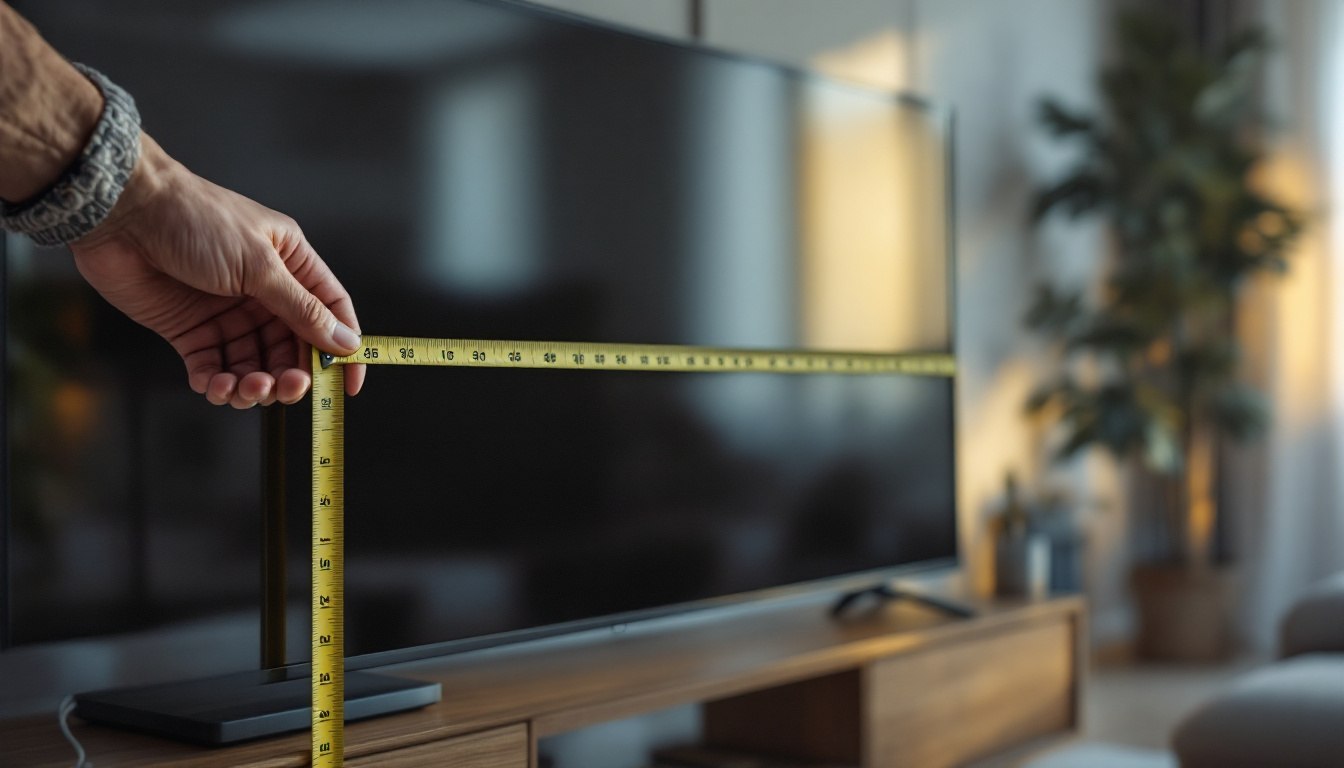
For context, a typical 32-inch LED TV might use around 30 to 50 watts, while larger models, such as 55-inch or 65-inch TVs, can consume between 70 to 100 watts or more. Ultra-large screens or models with advanced features like 4K resolution, HDR (High Dynamic Range), and high refresh rates may push power consumption higher. Additionally, the energy efficiency of LED TVs is often enhanced by features like automatic brightness adjustment and energy-saving modes, which can significantly reduce power usage when the TV is not in active use.
Moreover, the power consumption can also be influenced by the type of content being viewed. For instance, watching darker scenes or content with less brightness can lead to lower energy usage compared to vibrant, brightly lit scenes. This variability highlights the importance of considering viewing habits when assessing overall energy consumption. Users who frequently watch high-action films or bright sports broadcasts may notice a slight increase in their energy bills compared to those who prefer dimly lit dramas or documentaries.
Comparing LED TV Power Consumption With Other Technologies
When compared to other TV technologies, LED TVs are generally more energy-efficient:
- Plasma TVs: Plasma displays are known for their rich color and deep blacks but tend to consume 150 to 300 watts, much higher than LED TVs.
- OLED TVs: OLED (Organic Light Emitting Diode) TVs offer exceptional picture quality and contrast by emitting light from each pixel individually. Their power consumption varies depending on the content displayed but generally ranges from 60 to 120 watts for typical sizes.
- CCFL LCD TVs: Older LCD TVs with CCFL backlighting consume more power than LED TVs, often between 80 to 150 watts.
In addition to energy consumption, it’s also worth noting the environmental impact of these technologies. LED TVs not only consume less power but also have a longer lifespan compared to their predecessors. This longevity means fewer devices end up in landfills, contributing to a more sustainable electronics lifecycle. Furthermore, many manufacturers are now focusing on eco-friendly production methods and materials, which can further reduce the carbon footprint associated with the production and disposal of these devices. As consumers become more environmentally conscious, the choice of energy-efficient technologies like LED TVs aligns well with a commitment to sustainability.
Factors Influencing LED TV Power Consumption
Understanding what affects the power consumption of an LED TV helps consumers make informed decisions and manage energy use effectively.
Screen Size and Resolution
Larger screens require more LEDs to backlight the display, naturally increasing power consumption. Additionally, higher resolution TVs, such as 4K or 8K models, have more pixels to illuminate and process, which can also raise energy use, especially if the TV includes advanced processing features.
Brightness and Picture Settings
Brightness levels significantly impact power consumption. Higher brightness settings require the LEDs to work harder, consuming more electricity. Similarly, enabling features like dynamic contrast, HDR, or vivid picture modes can increase power usage. Conversely, reducing brightness and using energy-saving picture modes can lower consumption substantially.
Usage Patterns and Standby Power
The amount of time a TV is used daily obviously influences total energy consumption. However, standby power – the electricity consumed when the TV is turned off but still plugged in – can also add up over time. Modern LED TVs tend to have low standby power, often less than 1 watt, but it’s still worth considering for overall energy savings.
Additional Features and Connectivity
Smart TVs with internet connectivity, voice control, and multiple apps running in the background may consume more power than basic models. Features like built-in streaming, Bluetooth, and HDMI-CEC (Consumer Electronics Control) can contribute to higher energy use, especially if they keep certain components active even when the TV is off.
Measuring and Comparing LED TV Power Consumption
Consumers interested in energy efficiency should look for specific indicators and tools to assess the power consumption of LED TVs.
Energy Labels and Certifications
Many countries require energy labeling for televisions, which provides standardized information about power consumption. For example, the ENERGY STAR certification in the United States identifies TVs that meet strict energy efficiency criteria. European Union energy labels rank TVs from A+++ (most efficient) to D (least efficient), helping buyers compare models easily.
Using a Power Meter
For precise measurement, a plug-in power meter can be used to monitor the actual electricity consumed by a TV. These devices are affordable and provide real-time data on power usage during different modes (on, standby, off). This can help users identify settings or behaviors that increase consumption.
Tips to Reduce LED TV Power Consumption
Reducing the power consumption of an LED TV not only lowers electricity bills but also contributes to environmental sustainability. Here are practical tips to optimize energy use:
Adjust Brightness and Picture Settings
Lowering the brightness to a comfortable level can significantly reduce power consumption. Many TVs have energy-saving or eco modes that automatically adjust settings for optimal efficiency. Turning off unnecessary features like dynamic contrast or motion smoothing can also help.
Turn Off the TV When Not in Use
Leaving the TV on when no one is watching wastes energy. Using a power strip with an on/off switch can make it easier to disconnect the TV completely, eliminating standby power consumption.
Choose Energy-Efficient Models
When purchasing a new TV, prioritize models with high energy efficiency ratings and certifications. Researching and comparing energy labels can guide buyers toward more sustainable choices without sacrificing performance.
Optimize Usage Habits
Limiting TV viewing time and turning off the screen during commercials or breaks can reduce overall energy use. Additionally, using external devices like streaming sticks or game consoles wisely can prevent unnecessary power draw.
The Future of LED TV Energy Efficiency
Technological advancements continue to improve the energy efficiency of LED TVs. Innovations such as mini-LED and micro-LED backlighting offer even better control over brightness and contrast with lower power consumption. These technologies use smaller LEDs, allowing for more precise dimming and reduced energy use.
Moreover, integration with smart home systems enables better power management through automation, such as turning off the TV when no one is present or adjusting settings based on ambient lighting conditions.
As consumers become more environmentally conscious, manufacturers are likely to prioritize energy-saving features and transparent reporting of power consumption, helping users make informed decisions.
Conclusion
LED TVs represent a significant step forward in television technology, combining excellent picture quality with improved energy efficiency. Understanding how LED displays consume power and what factors influence their consumption empowers consumers to make smarter choices and reduce their environmental impact.
By selecting energy-efficient models, adjusting settings, and adopting mindful usage habits, households can enjoy their favorite content while keeping electricity costs and carbon footprints in check. As technology evolves, the future promises even more efficient and sustainable LED TV options, making it easier than ever to balance entertainment with energy responsibility.
Explore Energy-Efficient LED Solutions with LumenMatrix
As you consider the environmental impact and power consumption of your home entertainment, why not elevate your viewing experience with LumenMatrix’s innovative LED display technology? LumenMatrix is at the forefront of creating visually stunning and energy-efficient LED displays, from Indoor and Outdoor LED Walls to Custom and All-in-One LED solutions. Embrace the future of visual communication and discover how our LED displays can transform your space while aligning with your energy-conscious lifestyle. Check out LumenMatrix LED Display Solutions today and step into a world of vivid imagery and sustainability.