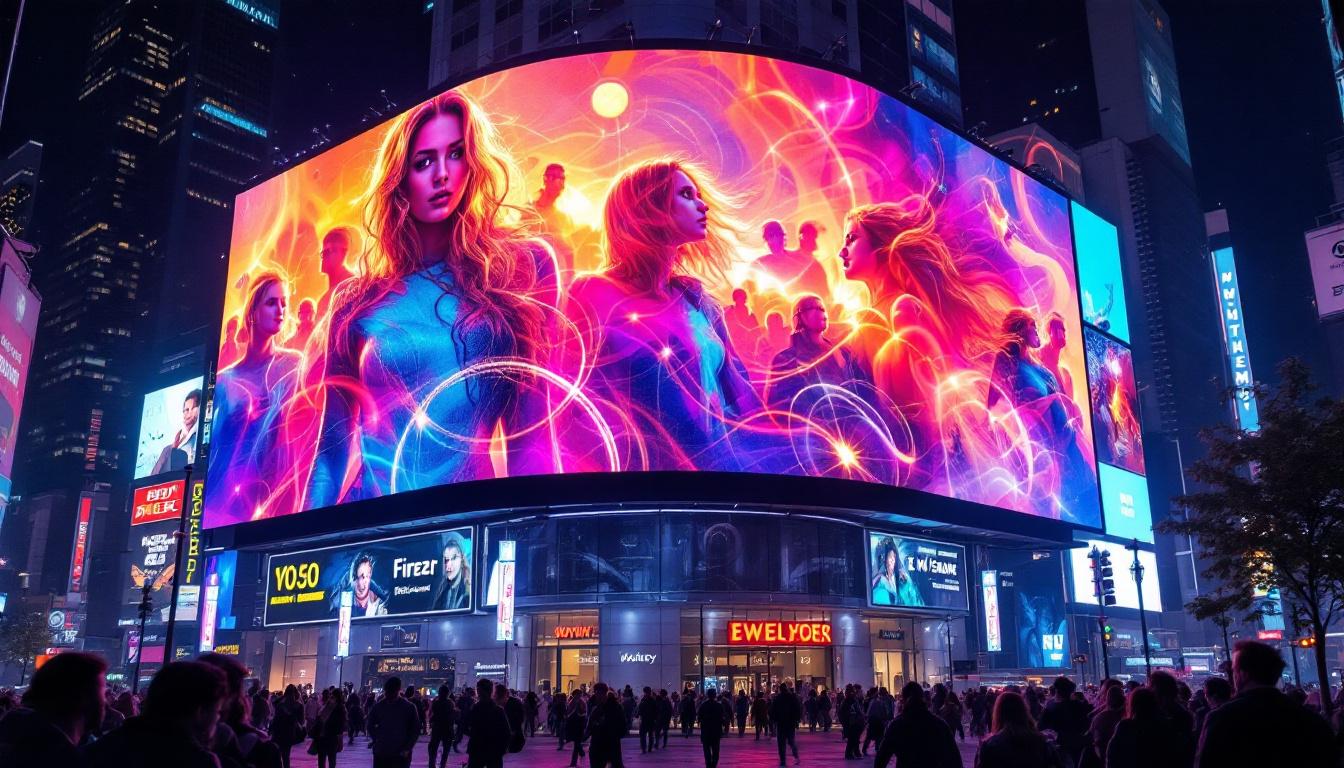
The term “Jumbotron” has long been synonymous with large-scale outdoor video screens, often seen in stadiums, concerts, and public events. However, as technology has evolved, the industry has shifted toward more precise terminology, with “LED display” becoming the preferred descriptor. This article explores the relationship between Jumbotrons and LED displays, clarifies their differences and similarities, and provides an in-depth understanding of how LED display technology has transformed visual communication in public spaces.
Understanding the Origins of the Jumbotron
The Jumbotron was first introduced in the early 1980s by Sony as a brand name for their large-screen video displays. These giant screens revolutionized the way audiences experienced live events by providing clear, close-up views of the action, no matter where they were seated. The original Jumbotron technology utilized cathode ray tube (CRT) technology, which was groundbreaking at the time but bulky and power-intensive. The debut of the Jumbotron at the 1985 baseball season in the Toronto Blue Jays’ stadium marked a significant milestone, as it allowed fans to see replays and highlights in real-time, enhancing the overall spectator experience.
Over the years, the term “Jumbotron” became a generic term for any large-scale video screen, regardless of the underlying technology. This phenomenon, known as genericide, is similar to how “Kleenex” is often used to describe any facial tissue. Despite this, the term “Jumbotron” still carries a nostalgic association with massive, iconic screens in sports arenas and public squares worldwide. As technology evolved, so did the capabilities of these screens. The transition from CRT to LED and LCD technology in the late 1990s and early 2000s brought about thinner, lighter, and more energy-efficient displays. This shift not only improved image quality but also allowed for more creative installations, such as curved screens and multi-faceted displays that could wrap around stadiums, further immersing fans in the action.
Moreover, the impact of the Jumbotron extended beyond sports. Concerts, festivals, and public events began to incorporate these large displays to engage audiences more effectively. The use of Jumbotrons for live broadcasts of performances and interactive content transformed the way artists connected with their fans, allowing for a shared experience that transcended physical distance. As social media gained prominence, Jumbotrons became platforms for real-time audience interaction, showcasing tweets, photos, and videos from attendees, thus creating a dynamic and participatory atmosphere at events. This evolution illustrates how the Jumbotron has not only shaped the visual landscape of entertainment but also redefined audience engagement in the digital age.
What Is an LED Display?
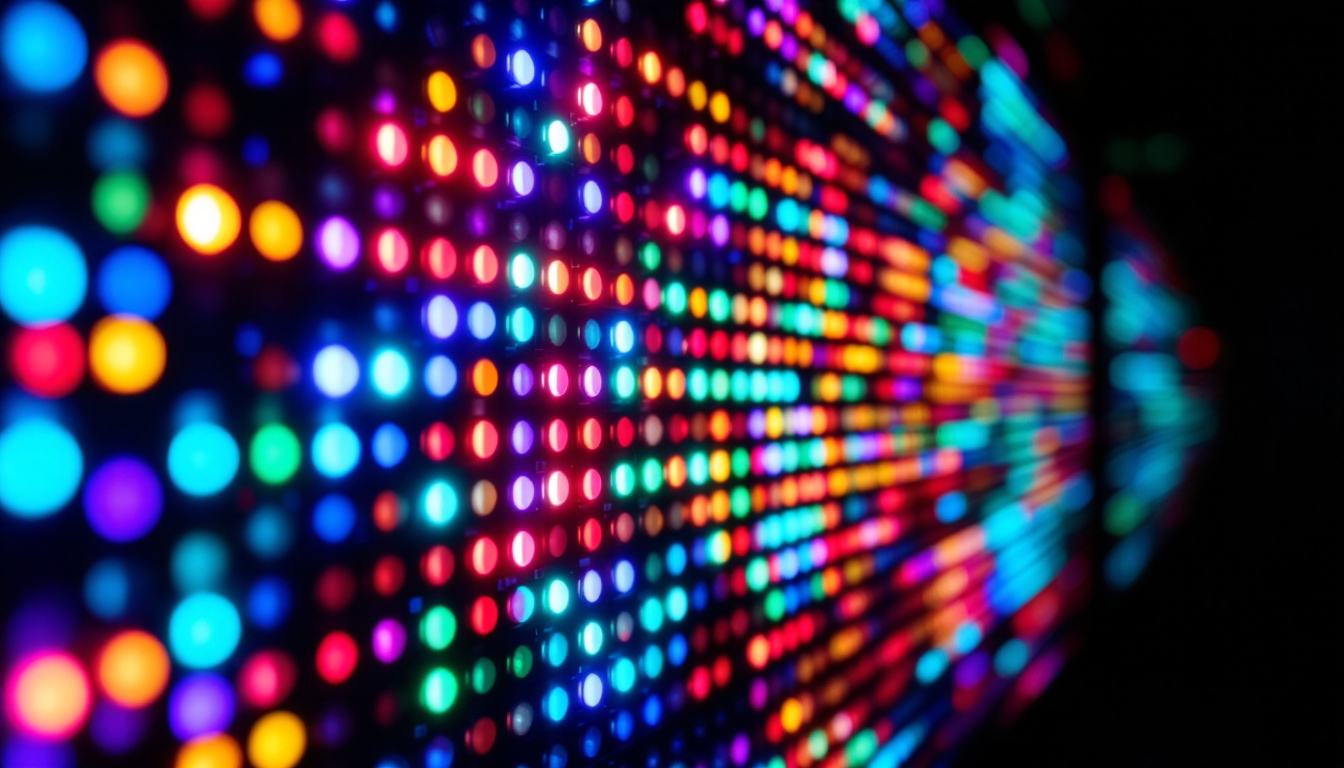
LED stands for Light Emitting Diode, a semiconductor device that emits light when an electrical current passes through it. LED displays use thousands to millions of these tiny diodes arranged in a grid to create images and videos. Unlike older technologies such as CRT or plasma, LEDs offer superior brightness, energy efficiency, and durability.
Modern LED displays can be found in a wide range of applications, from small indoor screens to massive outdoor billboards. Their modular design allows for flexible sizing and shapes, making them ideal for dynamic and visually impactful installations.
Key Features of LED Displays
LED displays are characterized by several important features that distinguish them from earlier technologies:
- Brightness: LED screens can achieve extremely high brightness levels, often exceeding 5,000 nits, making them visible even in direct sunlight.
- Energy Efficiency: LEDs consume significantly less power compared to CRT or plasma screens, reducing operational costs and environmental impact.
- Longevity: The lifespan of LED panels typically ranges from 50,000 to 100,000 hours, far surpassing older display technologies.
- Color Accuracy: Advanced LED displays offer vibrant colors and high contrast ratios, enhancing image quality.
- Flexibility: Modular construction allows for custom sizes and shapes, including curved or irregular surfaces.
Jumbotron vs. LED Display: What’s the Difference?
While the term “Jumbotron” is often used interchangeably with “LED display,” it is important to understand the distinctions. Originally, Jumbotrons referred to a specific type of large-screen technology developed by Sony, primarily based on CRT technology. Today, most large-scale screens branded as Jumbotrons are actually LED displays or use LED technology.
In essence, a Jumbotron is a type of large LED display, but not all LED displays qualify as Jumbotrons. The term “Jumbotron” often implies a certain scale and context, such as stadiums or major public venues, whereas LED displays encompass a broader range of sizes and applications.
Technological Evolution
The transition from CRT-based Jumbotrons to LED displays marked a significant technological leap. CRT Jumbotrons were heavy, power-hungry, and limited in resolution. LED displays, on the other hand, are lightweight, energy-efficient, and capable of ultra-high resolutions, enabling sharper and more vibrant images.
Moreover, LED technology supports features like dynamic content updates, remote control, and integration with digital signage software, which were not possible with traditional Jumbotrons.
Applications of LED Displays in Modern Settings
LED displays have become ubiquitous in various sectors, thanks to their versatility and performance. Here are some of the most common applications:
Sports and Entertainment Venues
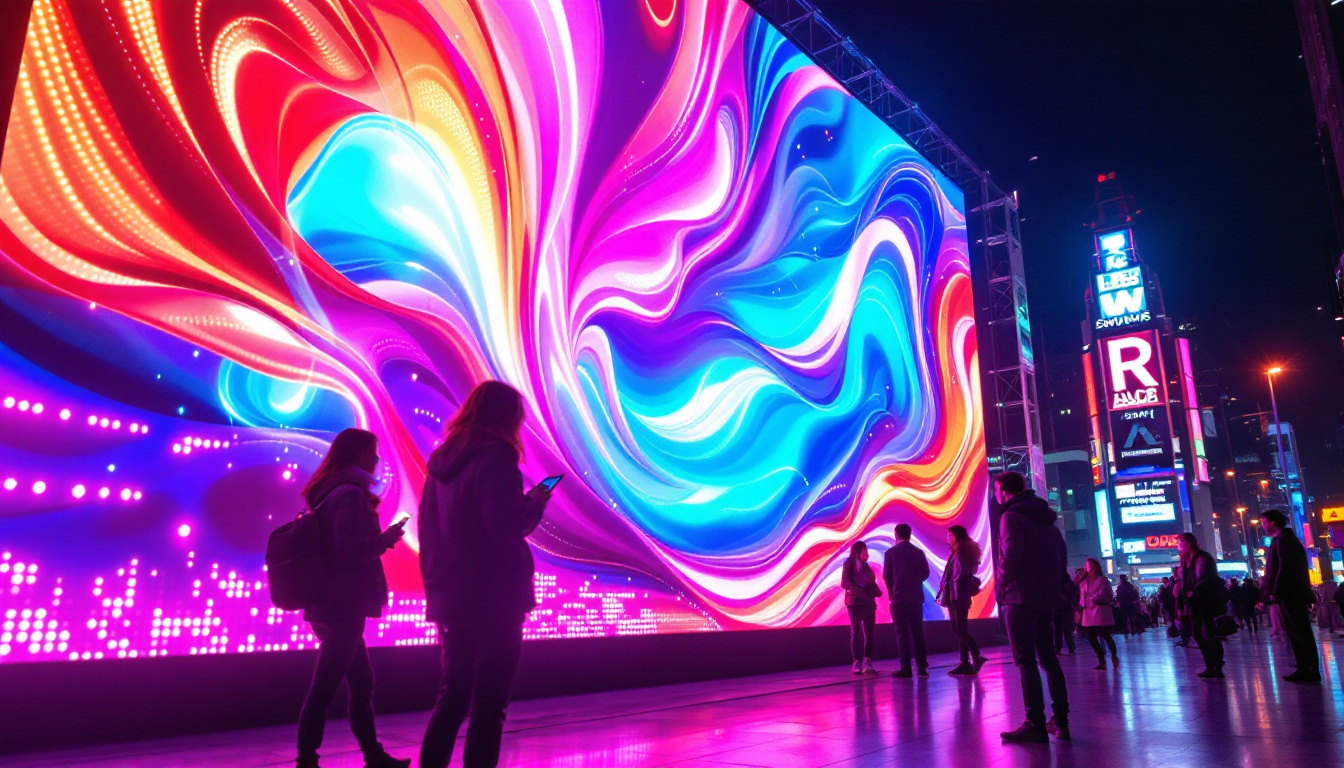
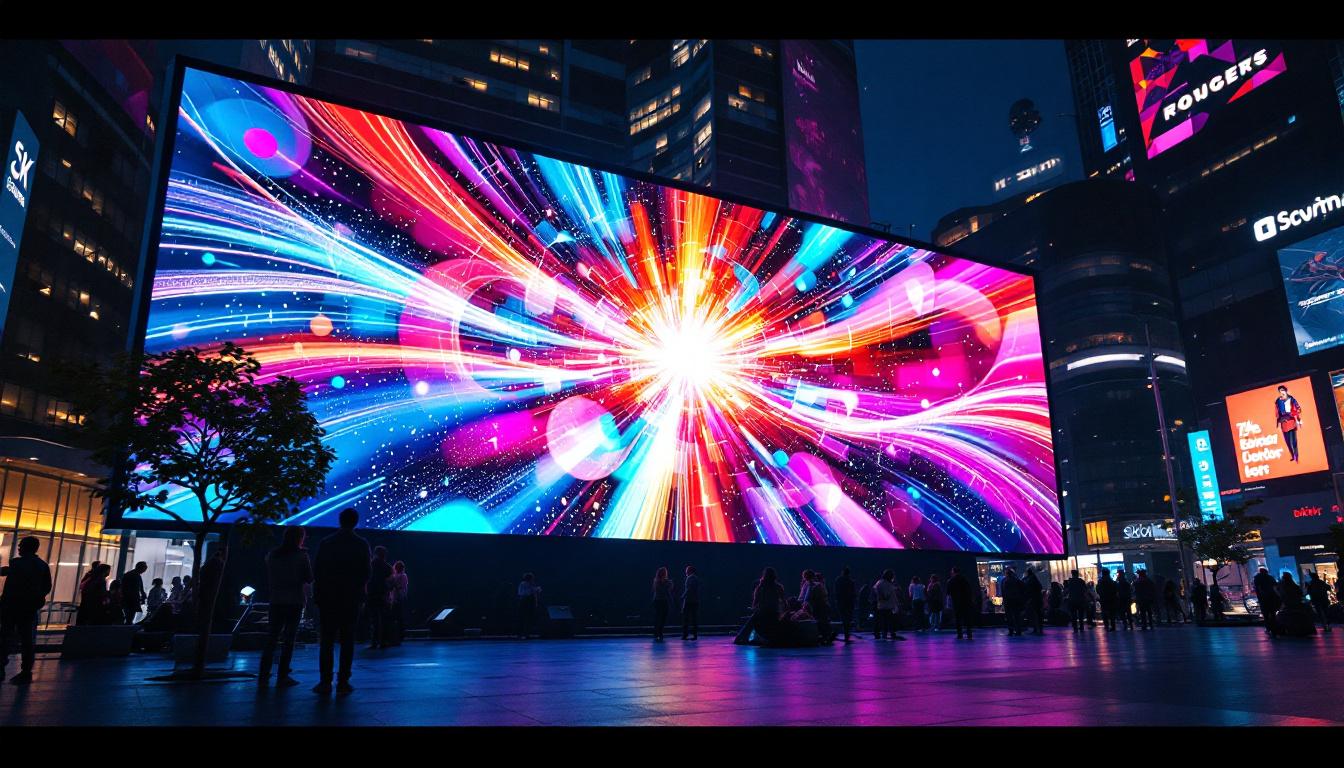
Large LED screens are now standard in stadiums and arenas worldwide. They provide live video feeds, replays, advertisements, and interactive content to enhance spectator experience. For example, the AT&T Stadium in Texas boasts one of the largest LED displays in the world, measuring 160 feet wide and 72 feet tall, delivering crystal-clear images to over 100,000 fans.
Advertising and Digital Billboards
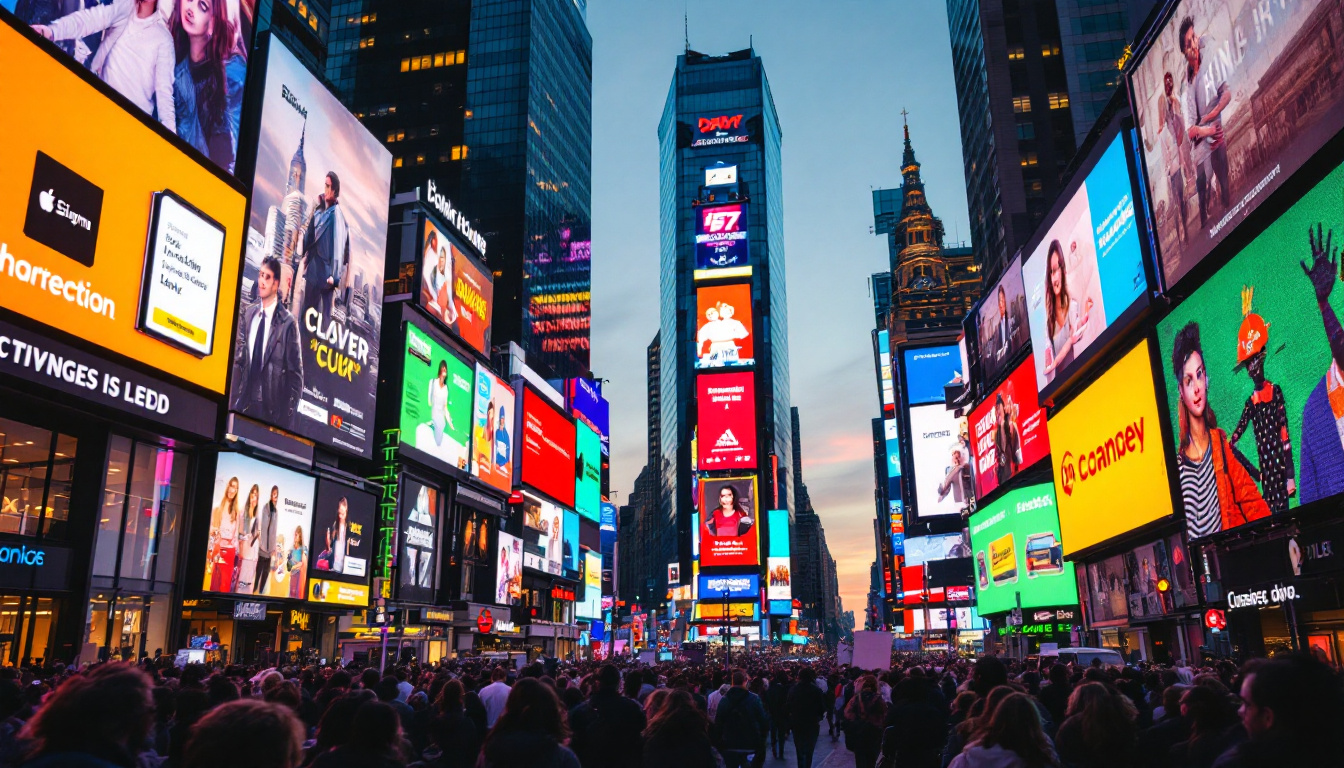
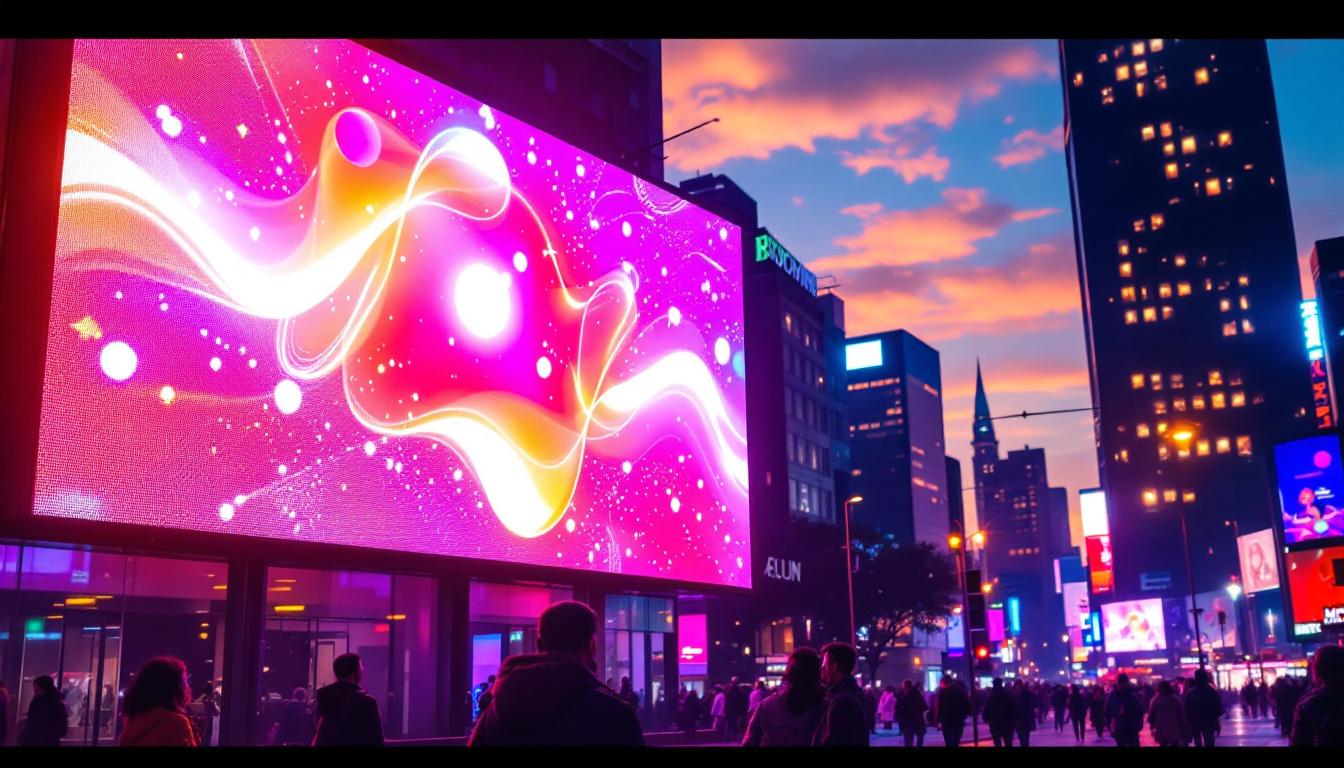
LED displays dominate outdoor advertising due to their brightness and ability to display dynamic content. Digital billboards can change ads in real-time, target specific demographics, and even display interactive content. According to industry reports, the global digital billboard market is expected to grow at a compound annual growth rate (CAGR) of over 10% from 2023 to 2030, driven largely by LED technology advancements.
Public Information and Transportation Hubs
Airports, train stations, and bus terminals use LED displays to provide real-time information, directions, and alerts. Their high visibility and reliability make them ideal for critical communication in busy environments.
Corporate and Retail Environments
Indoor LED displays are increasingly popular in offices, retail stores, and conference centers. They serve as digital signage, promotional displays, and interactive kiosks, enhancing customer engagement and brand presence.
How LED Displays Work: Technical Insights
Understanding the basic operation of LED displays helps appreciate their capabilities and limitations. An LED display is composed of numerous pixels, each made up of red, green, and blue LEDs. By adjusting the brightness of these sub-pixels, the display can produce a wide spectrum of colors.
The resolution of an LED display depends on the pixel pitch, which is the distance between the centers of two adjacent pixels. Smaller pixel pitches mean higher resolution and finer image detail, which is particularly important for indoor displays viewed at close range.
Types of LED Displays
LED displays come in several varieties, including:
- Indoor LED Displays: Designed for close viewing distances, these have small pixel pitches (often less than 2 mm) to ensure sharp images.
- Outdoor LED Displays: Built to withstand weather conditions, these have larger pixel pitches (typically 4 mm or more) and higher brightness levels to remain visible in sunlight.
- Transparent LED Displays: These allow light to pass through, making them ideal for glass facades and retail windows without obstructing views.
- Flexible LED Displays: Made with bendable materials, these can be curved or shaped to fit unique architectural designs.
Choosing the Right LED Display for Your Needs
Selecting an appropriate LED display involves several considerations to ensure optimal performance and return on investment.
Viewing Distance and Pixel Pitch
The intended viewing distance is a critical factor. For example, a billboard viewed from hundreds of feet away can have a larger pixel pitch, while a retail display viewed from a few feet requires a much finer pixel pitch to maintain image clarity.
Brightness and Environmental Conditions
Outdoor displays must be bright enough to compete with sunlight, often requiring 5,000 to 8,000 nits of brightness. Indoor displays typically need less brightness but must balance glare and ambient lighting conditions.
Durability and Maintenance
Outdoor LED displays must be weatherproof and resistant to dust, moisture, and temperature fluctuations. Additionally, ease of maintenance and availability of replacement modules can impact long-term costs.
Content Management and Connectivity
Modern LED displays often integrate with content management systems (CMS) that allow remote updates, scheduling, and interactive features. Compatibility with various media formats and network protocols is essential for seamless operation.
The Future of LED Display Technology
LED display technology continues to evolve rapidly, driven by advances in materials science, manufacturing, and digital integration. Emerging trends include microLED technology, which promises even higher resolution and energy efficiency, and the integration of AI-powered content optimization.
Moreover, the combination of LED displays with augmented reality (AR) and virtual reality (VR) technologies is opening new possibilities for immersive advertising and entertainment experiences. As costs decrease and capabilities expand, LED displays will become even more prevalent in urban landscapes and digital communication strategies.
Conclusion
The term “Jumbotron” has historically represented the awe-inspiring scale of large video screens, but the modern equivalent is the LED display—a versatile, efficient, and high-quality technology that has redefined visual communication. Understanding the distinctions and capabilities of LED displays is essential for businesses, event organizers, and advertisers seeking to leverage this powerful medium.
From stadiums to city streets, LED displays continue to captivate audiences with their vibrant imagery and dynamic content. As technology advances, these displays will play an increasingly central role in shaping how information and entertainment are delivered in public spaces around the world.
Illuminate Your Space with LumenMatrix
Ready to elevate your visual communication with the awe-inspiring power of LED displays? LumenMatrix is at the forefront of LED display technology, offering a wide array of innovative solutions that transform any environment into a dynamic visual spectacle. From Indoor and Outdoor LED Wall Displays to specialized options like Vehicle LED Displays, LED Sports Displays, and even Custom LED solutions, we have the expertise to bring your vision to life. Experience the future of digital signage with LumenMatrix and create unforgettable experiences for your audience. Check out LumenMatrix LED Display Solutions today and let your message shine with unparalleled clarity and impact.