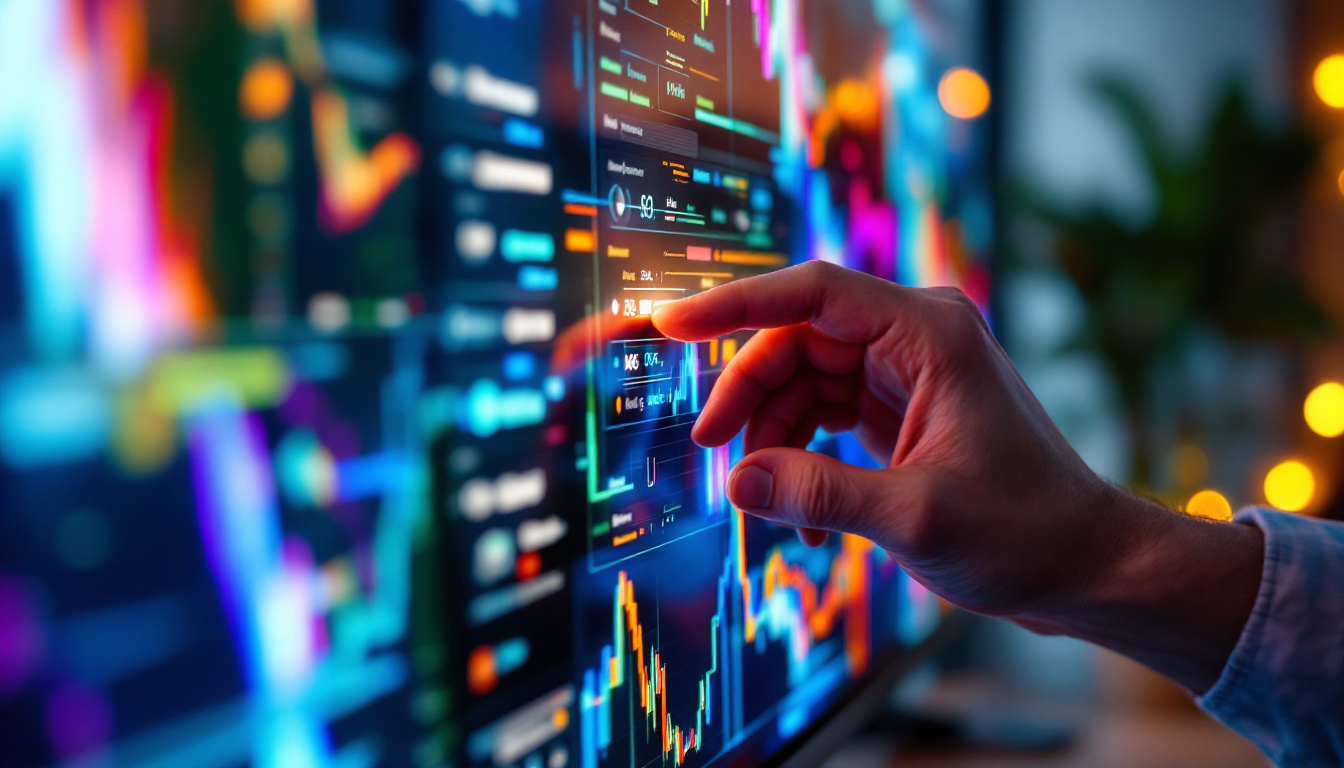
In today’s digital age, LED displays have become an integral part of how information is presented and consumed. From the vibrant billboards that light up city streets to the screens on smartphones and televisions, LED technology plays a pivotal role in modern visual communication. But what exactly does L.E.D. mean, and how do LED displays work? This article delves into the fundamentals of LED displays, exploring their technology, applications, advantages, and future trends.
What Does L.E.D. Stand For?
The acronym L.E.D. stands for Light Emitting Diode. A diode is a semiconductor device that allows current to flow in one direction only, and when it emits light as electricity passes through it, it becomes a Light Emitting Diode. This simple yet revolutionary technology is the foundation of LED displays.
Unlike traditional light sources such as incandescent bulbs or fluorescent lamps, LEDs produce light through electroluminescence—a process where an electric current excites electrons in the semiconductor material, causing them to release photons (light particles). This mechanism makes LEDs highly efficient and durable compared to older lighting technologies.
One of the most remarkable features of LEDs is their energy efficiency. They consume significantly less power than incandescent bulbs, which means they can produce the same amount of light while using a fraction of the energy. This efficiency not only leads to lower electricity bills for consumers but also contributes to reduced greenhouse gas emissions, making LEDs a more environmentally friendly option. Furthermore, their long lifespan—often exceeding 25,000 hours—means that they need to be replaced far less frequently, which reduces waste and the need for constant replacements.
In addition to their practical advantages, LEDs have also transformed the world of design and aesthetics. Available in a wide range of colors and sizes, they have become a popular choice for both indoor and outdoor lighting solutions. From vibrant architectural lighting that enhances the beauty of buildings to subtle ambient lighting that creates a cozy atmosphere in homes, the versatility of LEDs allows for creative expression in ways that traditional lighting could not achieve. Moreover, advancements in technology have led to the development of smart LED systems that can be controlled remotely, allowing users to customize their lighting experience to suit their mood or activity.
How Do LED Displays Work?
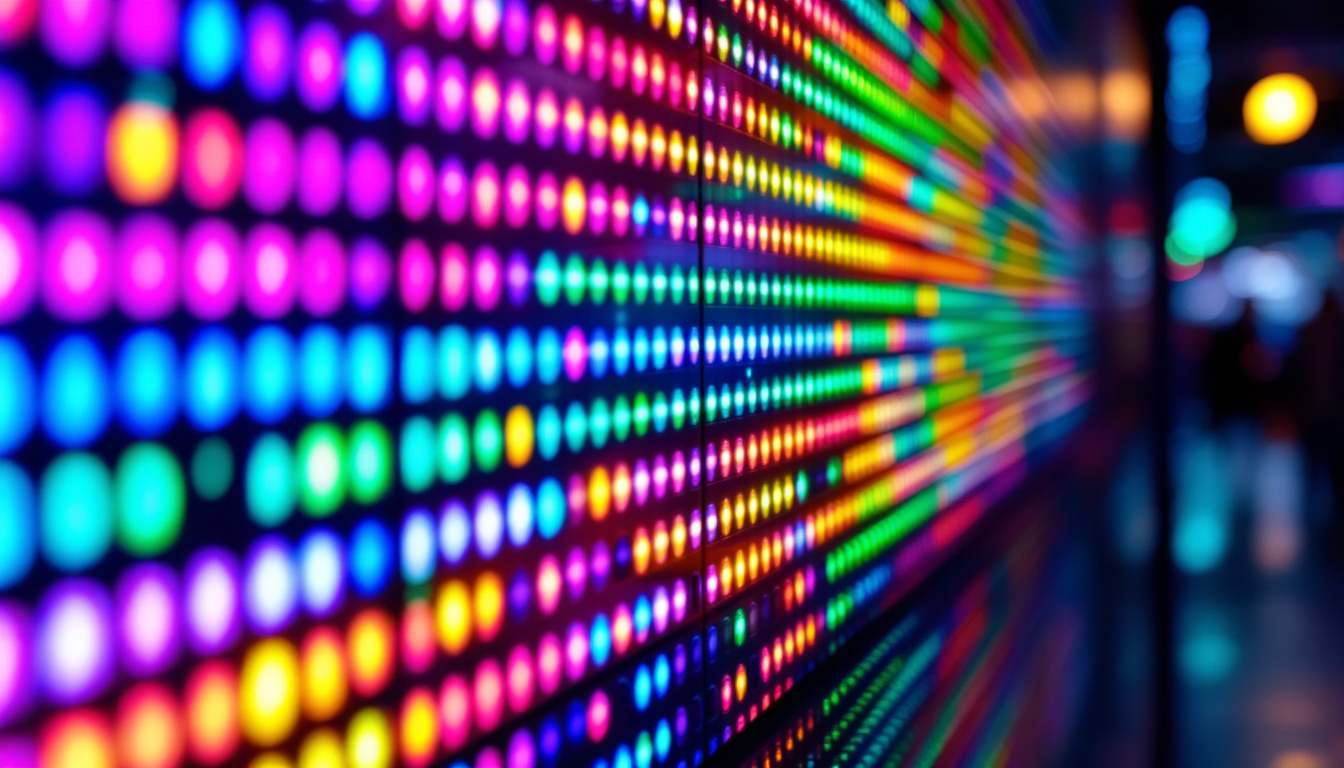
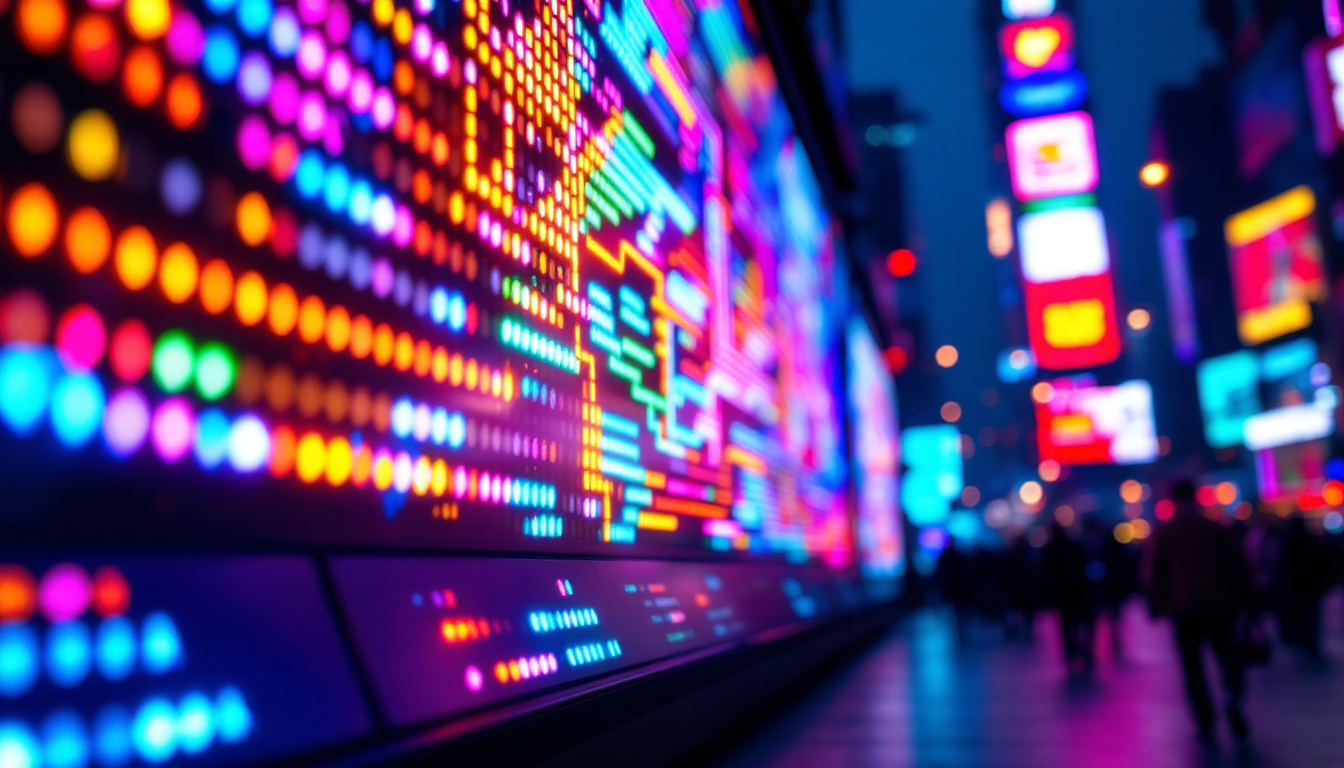
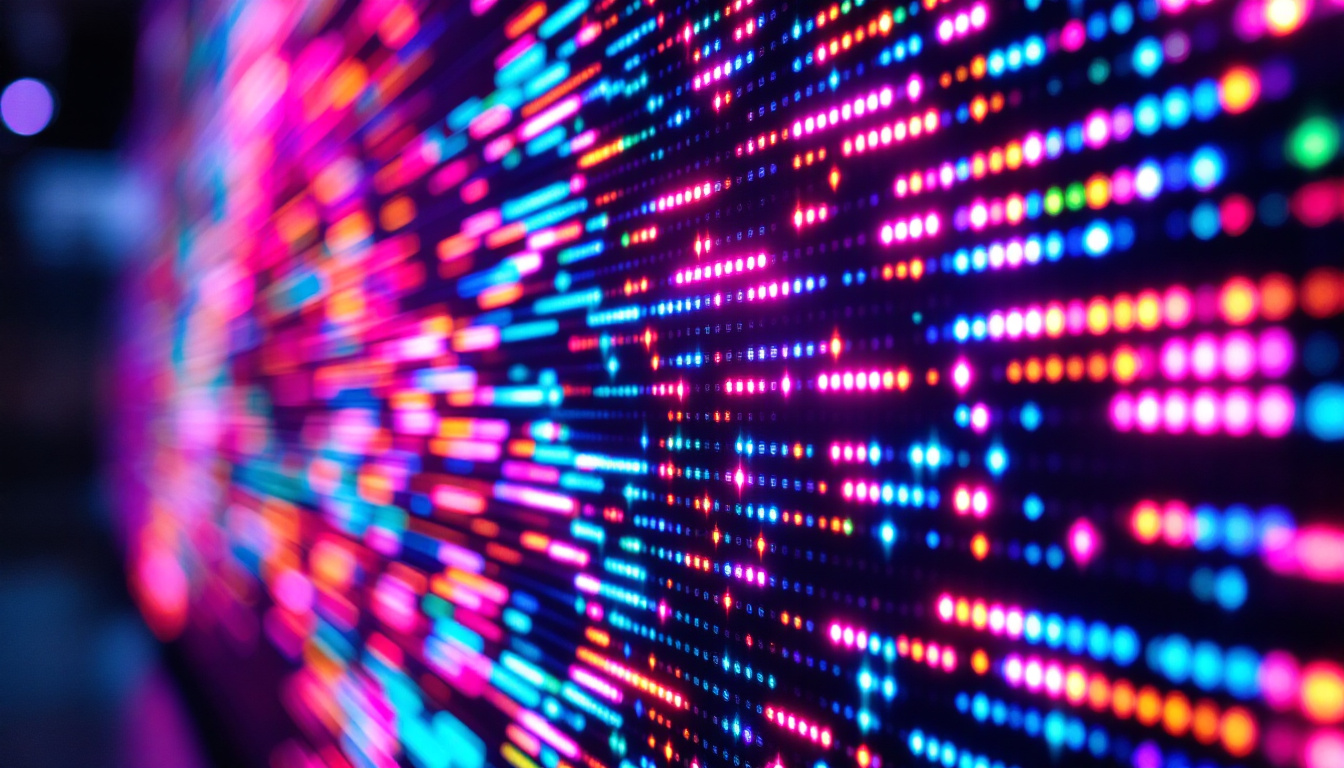
LED displays are made up of numerous tiny LEDs arranged in a grid or matrix. Each LED acts as a single pixel or a sub-pixel in the display, emitting light in specific colors. By controlling the brightness and color of each LED, the display can produce images, videos, and text with remarkable clarity and vibrancy. The technology behind LED displays has evolved significantly, allowing for thinner and lighter designs, which have made them increasingly popular in various applications, from advertising to personal devices.
Types of LED Displays
There are primarily two types of LED displays: direct-view LED displays and LED-backlit LCD displays. Direct-view LED displays use LEDs as the actual light source that forms the image, while LED-backlit LCDs use LEDs to illuminate liquid crystal displays. The choice between these two types often depends on the specific use case, as each has its unique advantages and limitations.
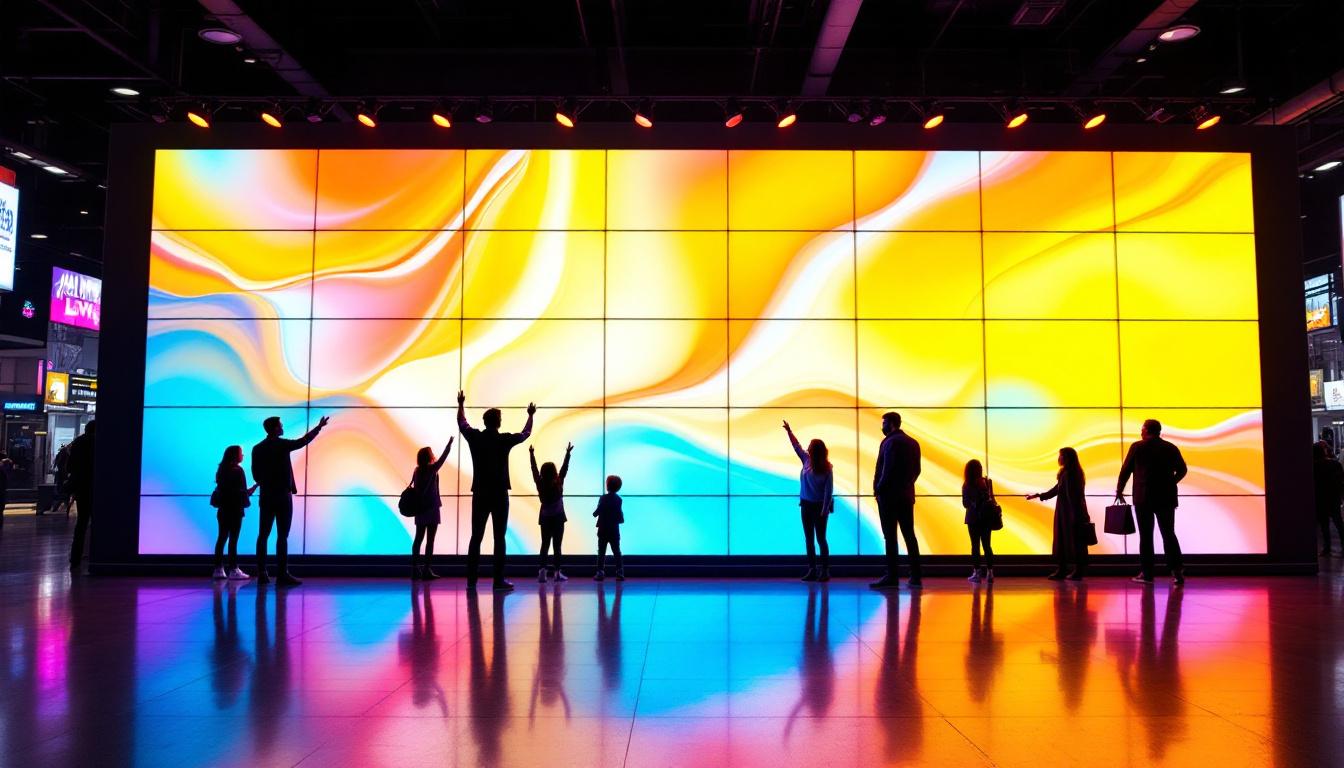
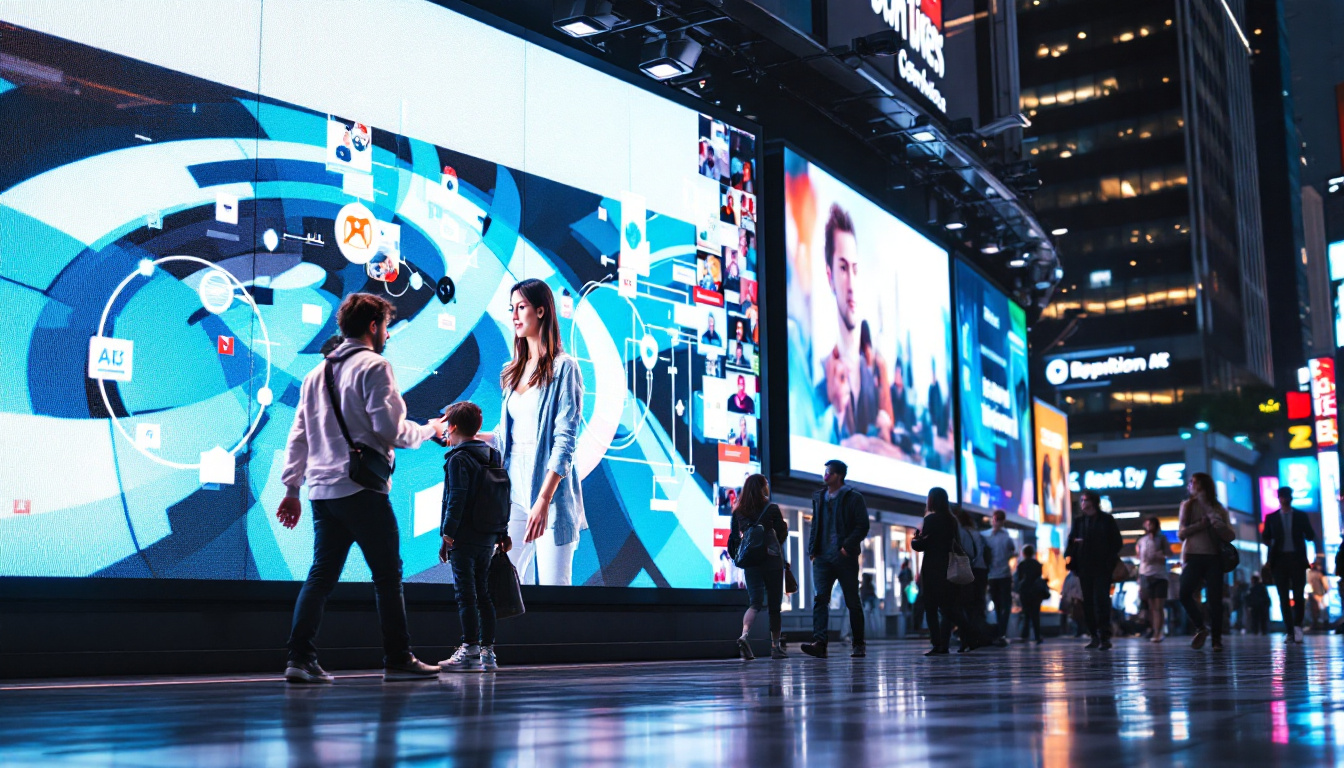
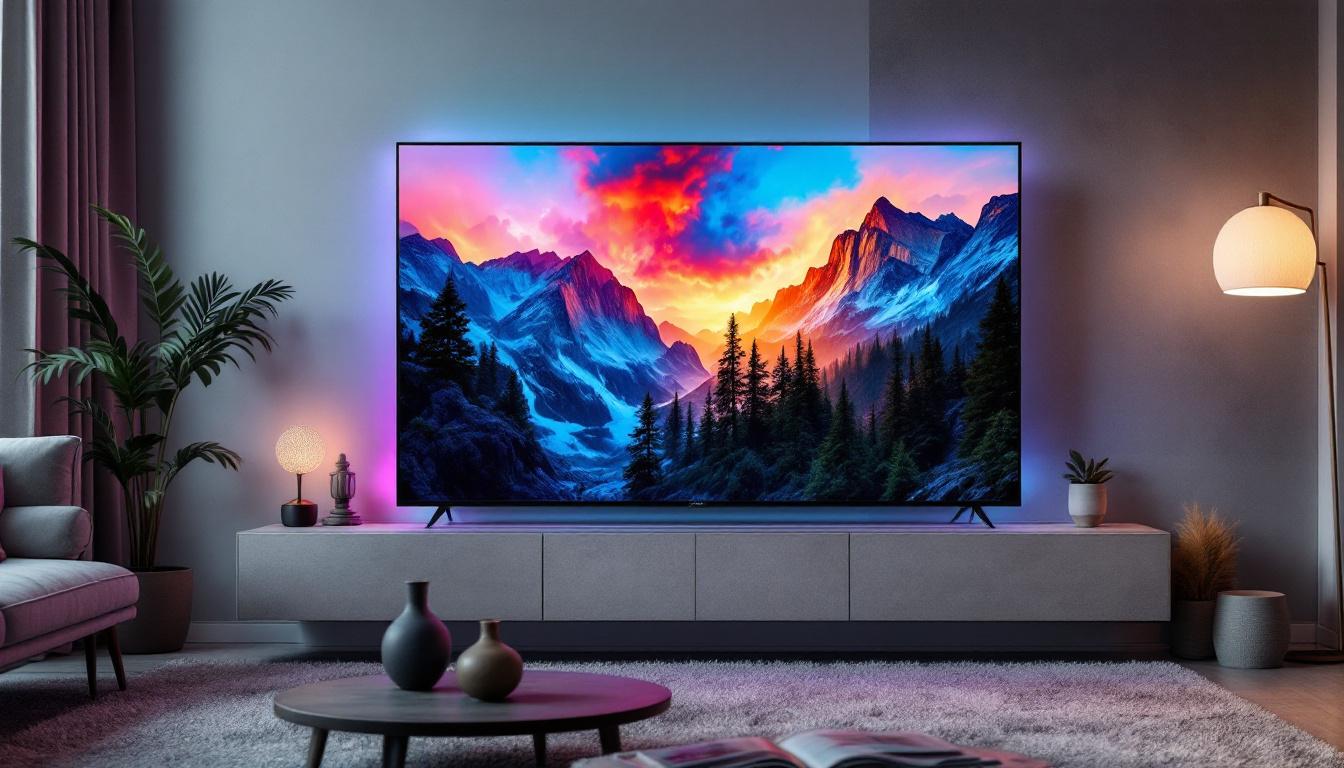
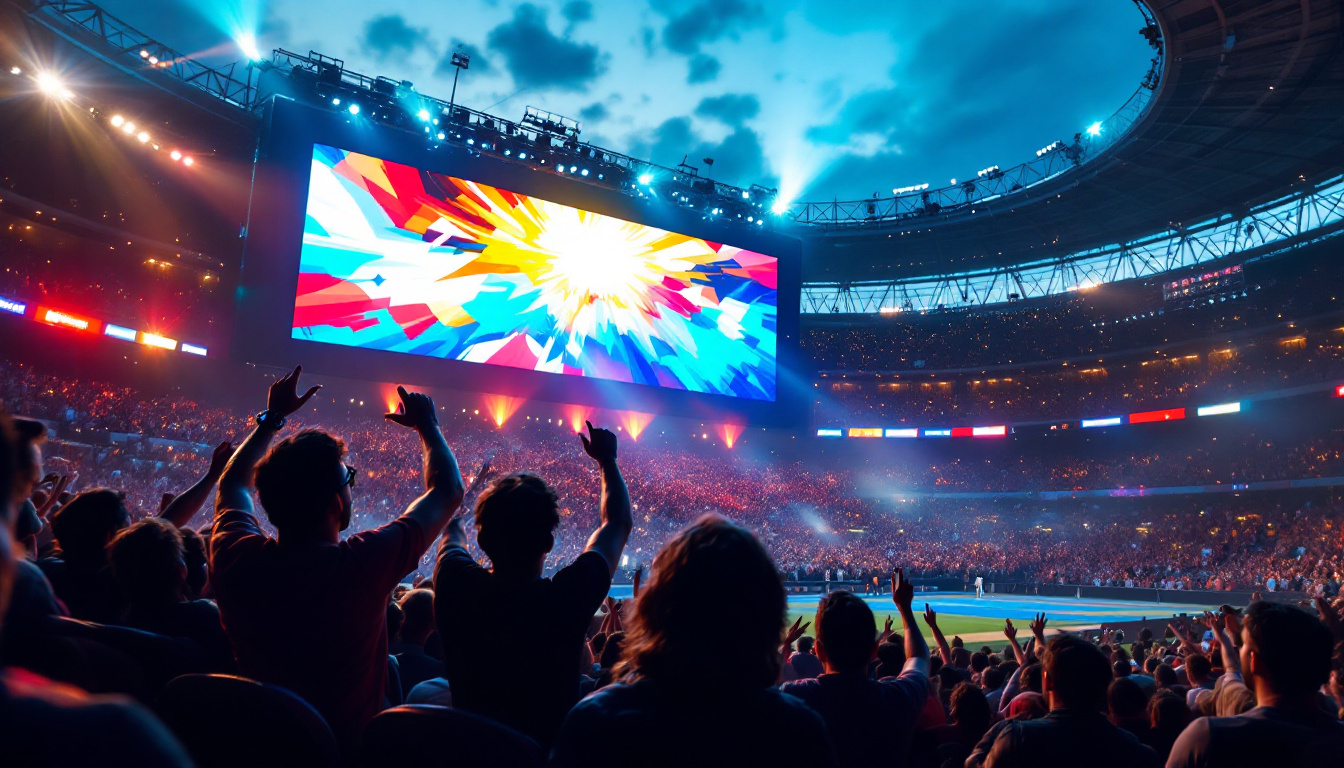
Direct-view LED displays are commonly used in large-scale applications such as stadium screens, outdoor billboards, and digital signage. These displays are known for their brightness and ability to be viewed clearly even under direct sunlight. Their modular design allows for flexible configurations, making it easy to create large video walls or customized shapes. On the other hand, LED-backlit LCDs are prevalent in consumer electronics like TVs, monitors, and smartphones, offering improved contrast and energy efficiency over traditional LCDs. These displays benefit from the high pixel density of LCD technology, resulting in sharp images and vibrant colors, making them ideal for home entertainment and professional use.
Color Generation in LED Displays
Color in LED displays is typically generated using red, green, and blue (RGB) LEDs. By varying the intensity of these three colors, a wide spectrum of colors can be produced. This RGB color model is fundamental to most electronic displays and allows for accurate color reproduction. The ability to mix these primary colors in different intensities enables the display to create millions of color combinations, enhancing the viewing experience significantly.
Some advanced LED displays use additional colors such as amber or white LEDs to enhance color accuracy and brightness further. The precision in controlling these LEDs determines the display’s resolution, color depth, and overall image quality. Innovations like quantum dot technology are also being integrated into LED displays, allowing for even greater color accuracy and wider viewing angles. Furthermore, the development of smart LED displays, which can adjust their brightness and color based on ambient light conditions, is paving the way for more energy-efficient and visually appealing screens in both commercial and residential settings.
Applications of LED Displays
LED displays have a broad range of applications across various industries due to their versatility, brightness, and energy efficiency. Understanding these applications highlights why LED technology continues to grow in popularity.
Outdoor Advertising and Digital Billboards
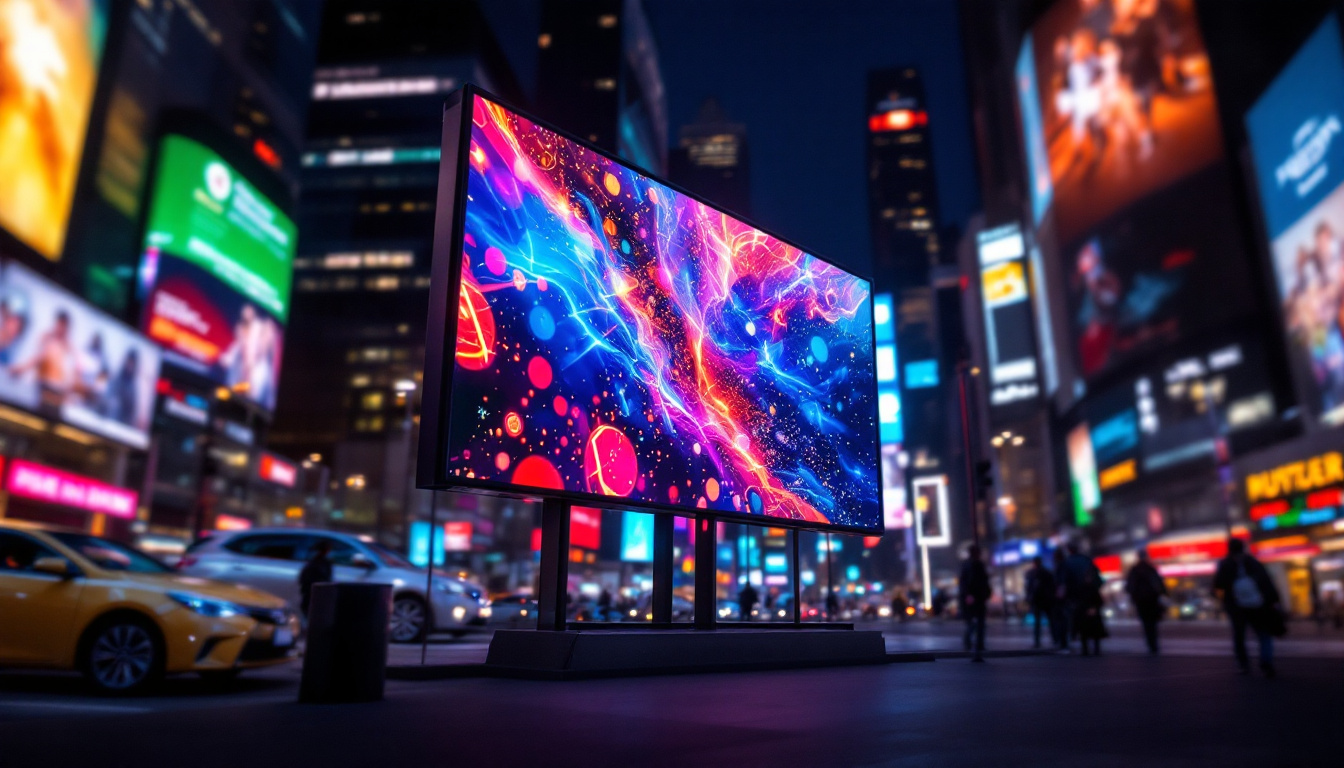
One of the most visible uses of LED displays is in outdoor advertising. Digital billboards equipped with high-brightness LED panels can attract attention day and night, even in harsh weather conditions. According to recent market research, the global digital billboard market is expected to grow at a compound annual growth rate (CAGR) of over 10% through 2027, driven largely by advancements in LED technology.
LED billboards allow advertisers to change content dynamically, enabling real-time promotions and interactive campaigns that engage audiences more effectively than static signs.
Sports Arenas and Event Venues
Sports stadiums and concert venues utilize large LED screens to provide spectators with instant replays, scores, and live event coverage. These displays enhance the fan experience by delivering high-definition visuals visible from great distances.
For example, the AT&T Stadium in Texas features one of the largest high-definition LED video boards in the world, measuring 160 feet wide and 72 feet tall. Such installations demonstrate the scalability and impact of LED display technology.
Consumer Electronics
In consumer electronics, LED technology has revolutionized display quality. LED-backlit LCD TVs offer better contrast ratios and energy savings compared to older CCFL-backlit models. Additionally, OLED (Organic LED) technology, a variant of LED, is becoming increasingly popular in smartphones and premium TVs for its superior color accuracy and flexibility.
LED displays are also integral to wearable devices, automotive dashboards, and smart home gadgets, showcasing their adaptability across form factors.
Advantages of LED Displays Over Other Technologies
LED displays offer several advantages that have contributed to their widespread adoption. These benefits are crucial for businesses and consumers looking for efficient, high-quality display solutions.
Energy Efficiency
LEDs consume significantly less power than traditional incandescent or fluorescent lighting. For instance, LED displays can use up to 80% less energy than older display technologies, making them more environmentally friendly and cost-effective to operate over time.
Brightness and Visibility
One of the standout features of LED displays is their brightness. They can achieve luminance levels exceeding 5,000 nits, which ensures clear visibility even in direct sunlight. This makes them ideal for outdoor applications where ambient light conditions can be challenging.
Durability and Longevity
LEDs have a long operational life, often rated for 50,000 to 100,000 hours of use. They are also more resistant to shock and vibration compared to other light sources, which is essential for outdoor and mobile applications.
Thin and Lightweight Design
LED technology enables the creation of thin, lightweight displays that can be mounted in a variety of settings without requiring bulky support structures. This flexibility allows for innovative design possibilities in architecture and advertising.
Challenges and Considerations in LED Display Technology
Despite their many advantages, LED displays come with certain challenges that manufacturers and users must consider.
Initial Cost
The upfront cost of LED displays, especially large-scale direct-view installations, can be substantial. High-quality LED panels and control systems require significant investment, although costs have been steadily decreasing due to technological advancements and economies of scale.
Heat Management
LEDs generate heat during operation, which must be managed effectively to maintain performance and longevity. Advanced cooling solutions and thermal design are critical components of LED display manufacturing.
Pixel Pitch and Resolution
The pixel pitch—the distance between individual LEDs—affects the display’s resolution and viewing distance. Smaller pixel pitches yield higher resolution but increase production complexity and cost. Selecting the appropriate pixel pitch depends on the intended use case and viewing environment.
The Future of LED Display Technology
LED display technology continues to evolve rapidly, driven by innovations in materials science, manufacturing techniques, and integration with smart technologies.
MicroLED and MiniLED
Emerging technologies such as MicroLED and MiniLED promise to push the boundaries of display performance. MicroLED displays consist of microscopic LEDs that offer higher brightness, better contrast, and longer lifespan than OLEDs, without the risk of burn-in. MiniLEDs, which use smaller LEDs for backlighting, provide improved contrast and local dimming capabilities in LCD panels.
Flexible and Transparent Displays
Researchers and manufacturers are developing flexible LED displays that can bend and fold, opening new possibilities for wearable devices, curved screens, and innovative signage. Transparent LED displays are also gaining traction, allowing for see-through digital signage on glass surfaces without obstructing views.
Integration with IoT and AI
The integration of LED displays with Internet of Things (IoT) devices and artificial intelligence (AI) is enabling smarter, more interactive signage. These displays can adapt content based on audience demographics, environmental conditions, and real-time data, enhancing engagement and effectiveness.
Conclusion
Understanding the meaning of L.E.D. and the technology behind LED displays reveals why they have become a cornerstone of modern visual communication. Their efficiency, brightness, durability, and versatility make them suitable for a wide range of applications—from massive outdoor billboards to the screens in everyday consumer electronics.
As LED technology continues to advance, it will unlock new possibilities for dynamic, high-quality displays that transform how people interact with digital content. Whether for advertising, entertainment, or information dissemination, LED displays are set to remain at the forefront of display innovation for years to come.
Explore Cutting-Edge LED Displays with LumenMatrix
Ready to elevate your visual communication with the latest in LED display technology? LumenMatrix is at the forefront of innovation, offering a diverse range of LED display solutions that cater to your unique needs. From mesmerizing Indoor and Outdoor LED Wall Displays to dynamic Vehicle and Sports LED Displays, our products are designed to captivate your audience and amplify your message. Discover the transformative power of our LED Poster Displays, Floor LED Displays, Custom LED Displays, All-in-One LED Displays, and LED Transparent Displays. Experience the future of digital signage with LumenMatrix and create unforgettable visual experiences. Check out LumenMatrix LED Display Solutions today and see your vision come to life.