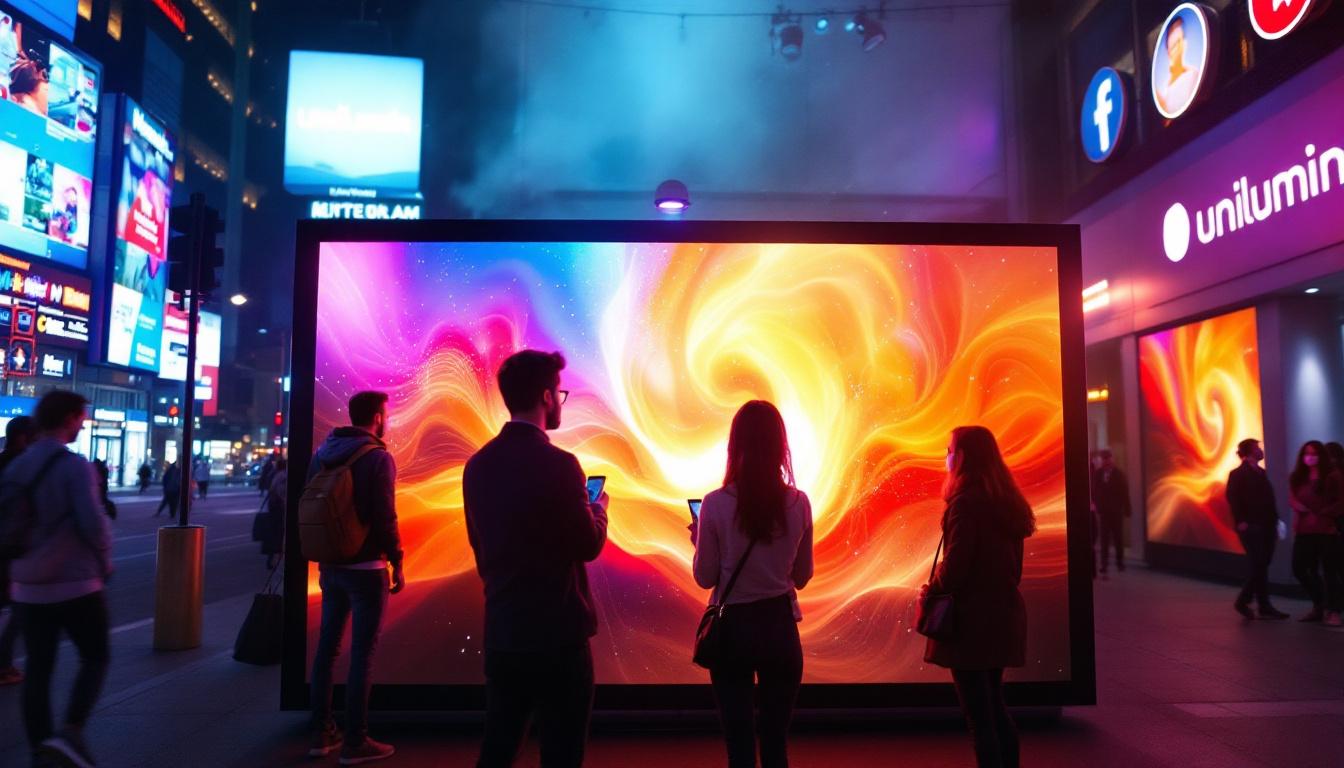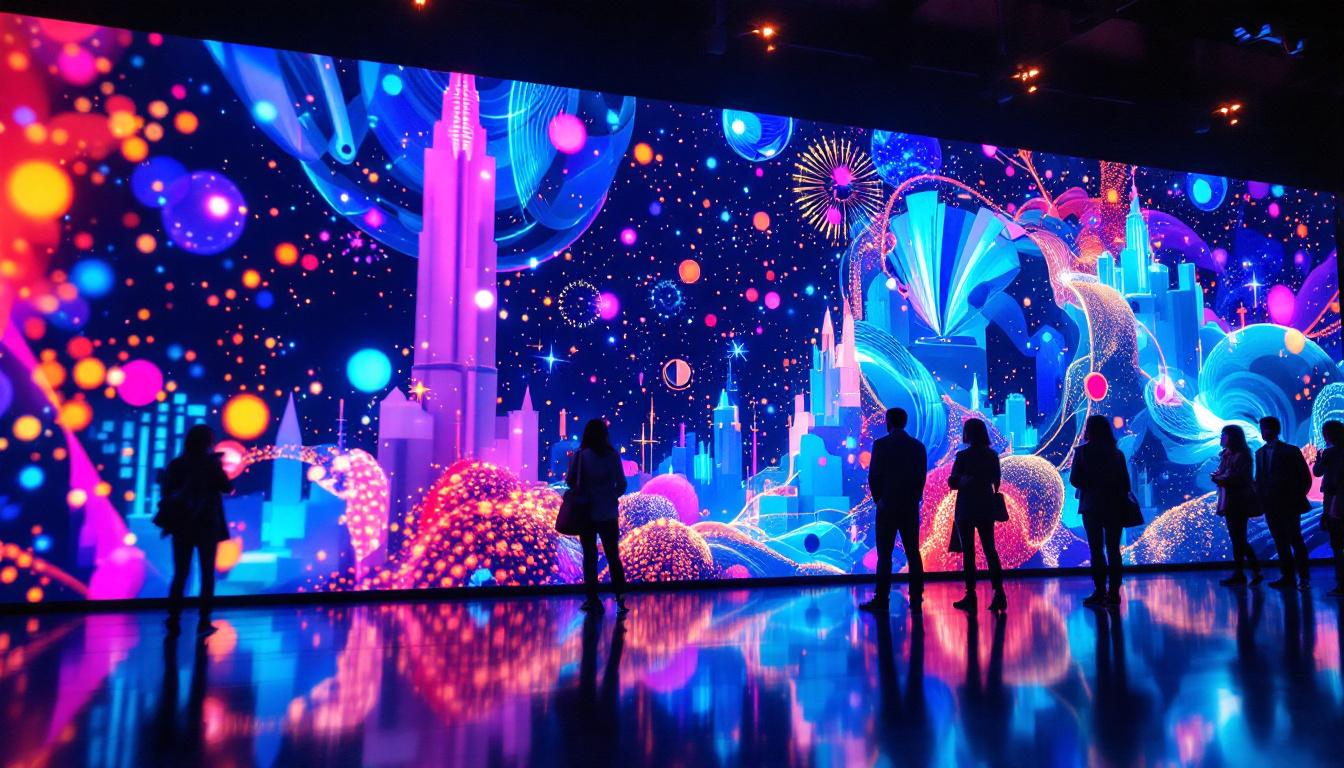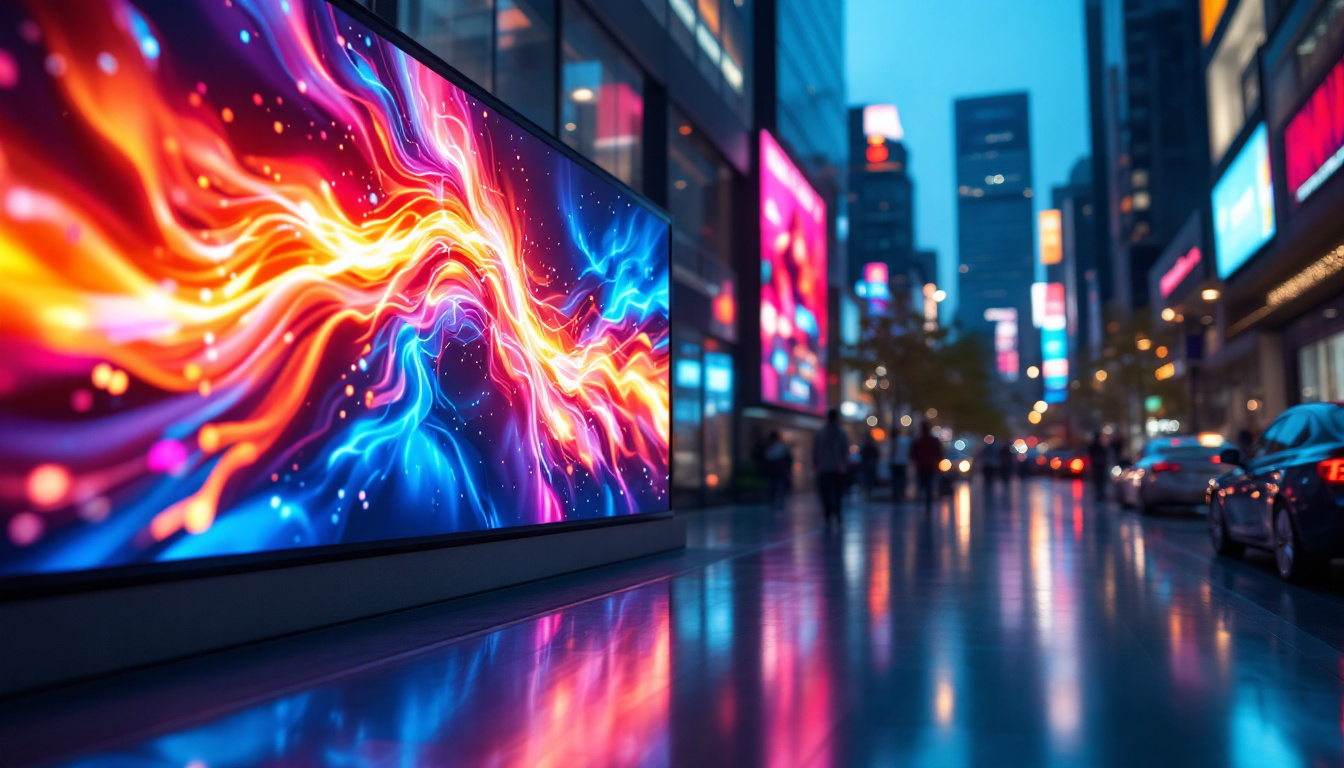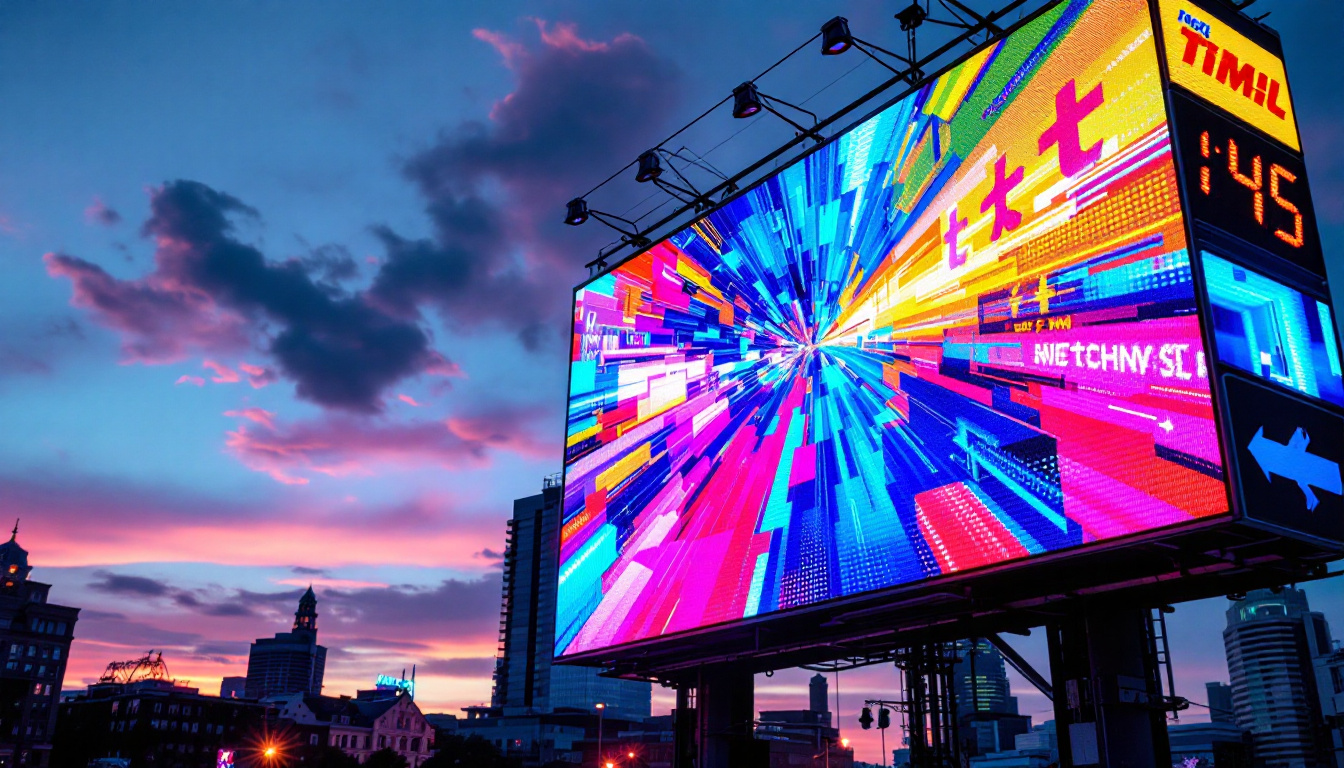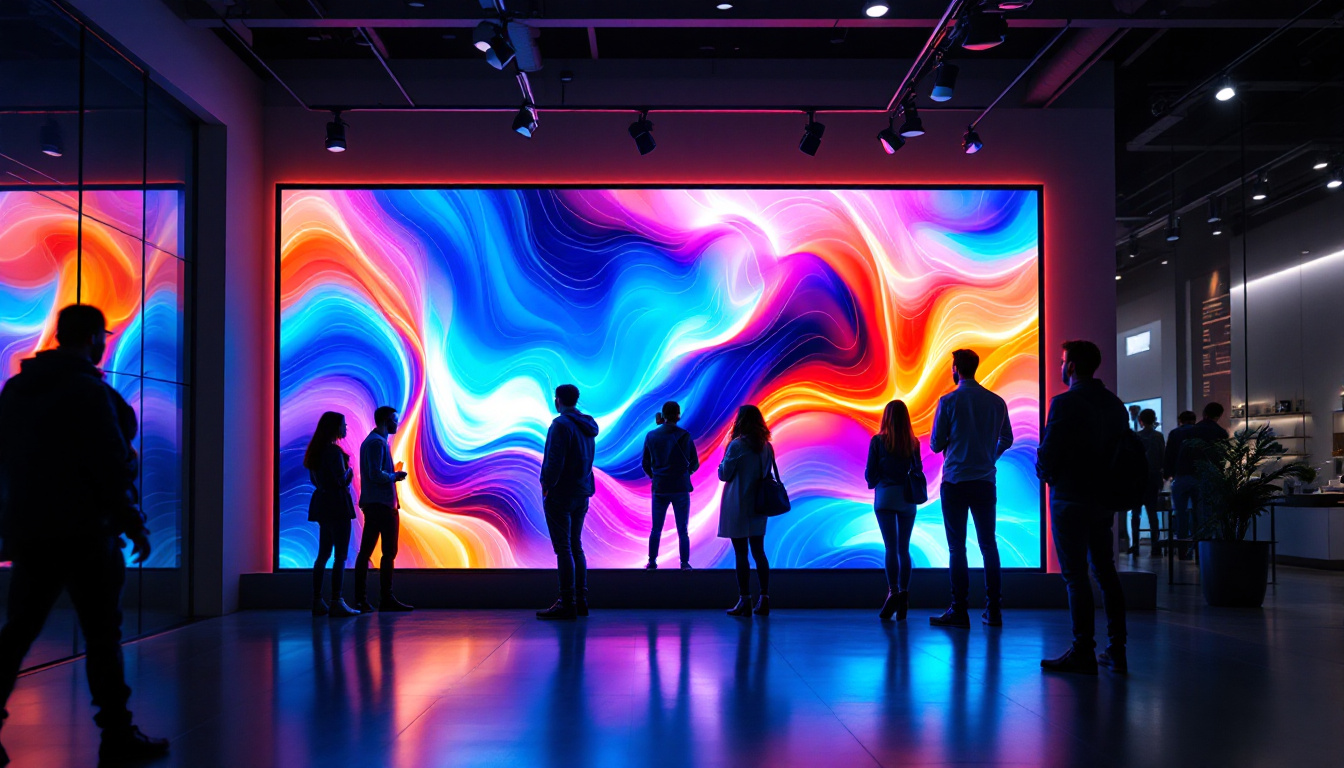
In today’s fast-paced digital world, LED walls have become an essential tool for businesses, event organizers, advertisers, and public venues. Whether it’s a massive billboard in Times Square, a dynamic backdrop at a concert, or an interactive display in a retail store, LED walls provide vibrant, high-impact visuals that captivate audiences. However, for those unfamiliar with the technology, the process of buying an LED wall can seem daunting. This article aims to demystify LED displays by explaining what they are, how they work, key features to consider, and practical advice for purchasing the right LED wall to suit your needs.
What Is an LED Wall?
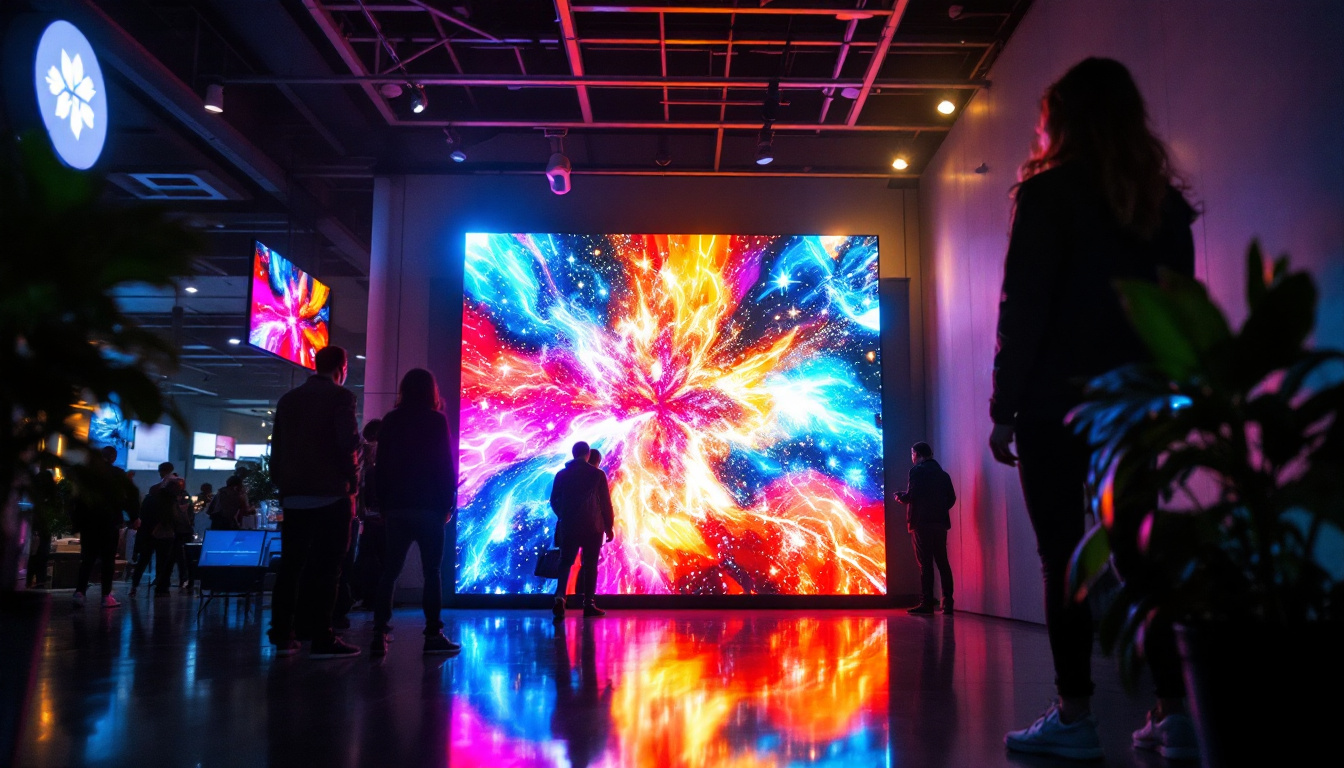
An LED wall is a large-scale display composed of numerous light-emitting diodes (LEDs) arranged in a grid. These diodes emit light in red, green, and blue colors, which combine to create a full spectrum of colors visible to the human eye. Unlike traditional LCD or projection screens, LED walls are self-illuminating, meaning each pixel emits its own light, resulting in superior brightness and contrast.
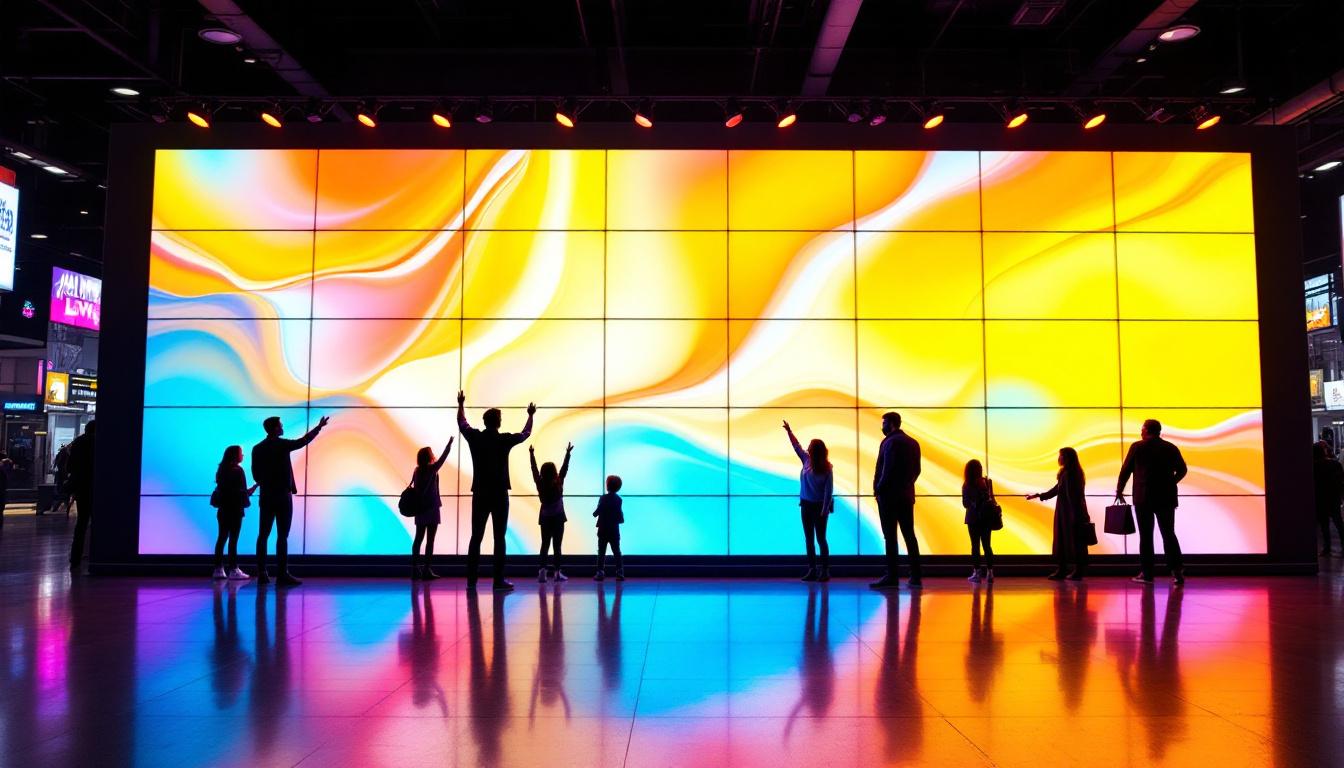
LED walls are modular, meaning they consist of multiple panels or tiles that can be assembled to form displays of virtually any size or shape. This modularity makes them highly versatile, suitable for indoor and outdoor applications, from small retail displays to massive stadium screens.
How LED Walls Work
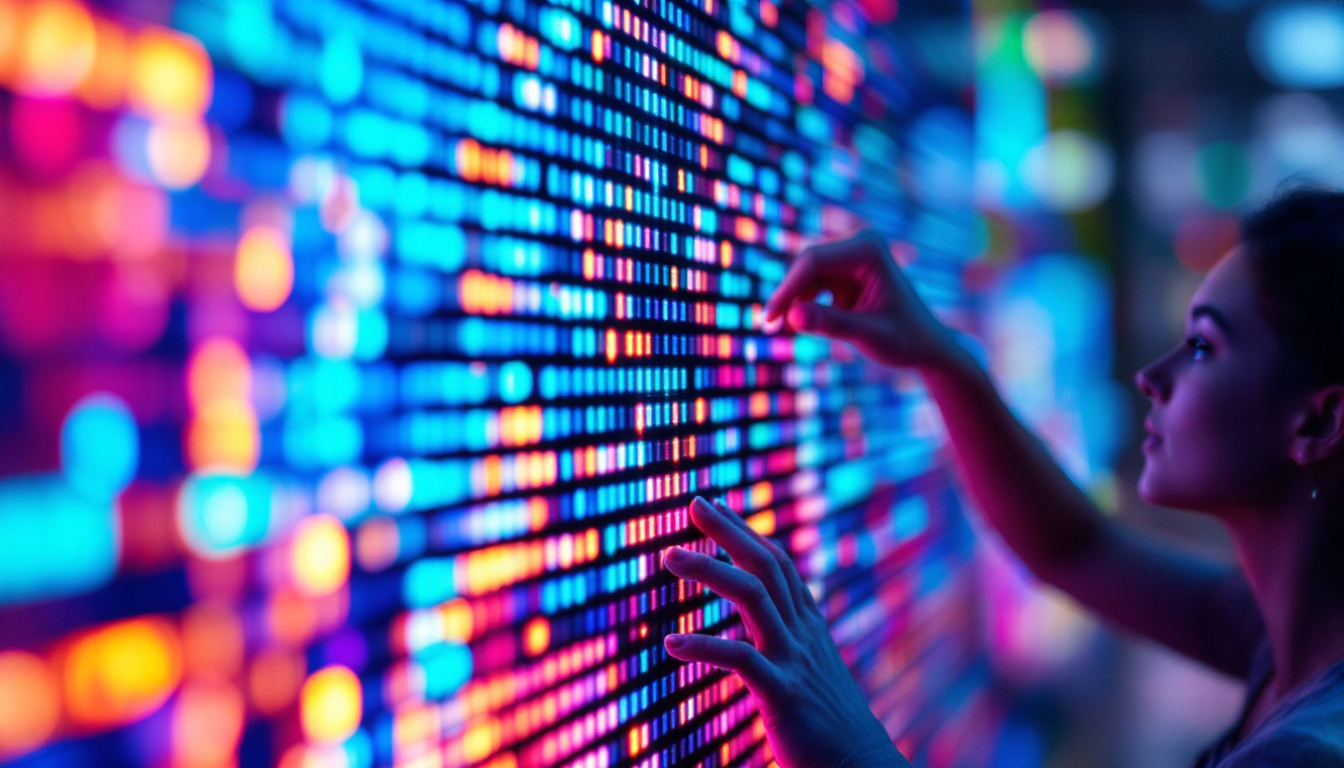
Each LED pixel is made up of three tiny diodes: one red, one green, and one blue. These diodes vary their brightness to produce different colors. By controlling the intensity of each diode, the LED wall can display millions of colors simultaneously. The display is driven by a control system that processes input video signals and translates them into commands for each pixel.
The pixels are arranged in a matrix, and the density of these pixels is measured in pixel pitch, which is the distance between the centers of two adjacent pixels. The smaller the pixel pitch, the higher the resolution and image clarity, especially at close viewing distances.
Key Features to Consider When Buying an LED Wall
Choosing the right LED wall requires understanding several critical specifications and features. These factors influence the quality, durability, and suitability of the display for your intended application.
Pixel Pitch and Resolution
Pixel pitch is arguably the most important specification when selecting an LED wall. It is measured in millimeters and indicates the distance between the centers of adjacent pixels. For example, a pixel pitch of 3mm means the pixels are spaced 3 millimeters apart.
A smaller pixel pitch results in higher resolution and sharper images, which is essential for displays viewed up close, such as in retail stores or conference rooms. Conversely, larger pixel pitches are suitable for outdoor billboards or stadium screens where viewers are farther away.
To put this into perspective, LED walls with pixel pitches ranging from 1.2mm to 2.5mm are typically used indoors for high-definition content, while 4mm to 10mm pixel pitches are common for outdoor displays.
Brightness and Contrast Ratio
Brightness is measured in nits (candelas per square meter) and determines how well the LED wall performs in various lighting conditions. Outdoor LED walls require high brightness levels, often exceeding 5,000 nits, to compete with sunlight and maintain visibility. Indoor LED walls usually operate between 800 and 1,500 nits, sufficient for controlled lighting environments.
Contrast ratio, the difference between the darkest blacks and brightest whites, affects image depth and realism. LED walls generally offer excellent contrast ratios, especially compared to LCD screens, because LEDs can turn off completely to produce true blacks.
Viewing Angle
The viewing angle defines how far off-center a viewer can be while still seeing a clear image. Wider viewing angles are crucial for public spaces where audiences are spread across a broad area. Most modern LED walls offer horizontal and vertical viewing angles of 140 degrees or more, ensuring consistent image quality from multiple perspectives.
Refresh Rate and Color Accuracy
Refresh rate, measured in Hertz (Hz), indicates how many times per second the image updates. Higher refresh rates reduce flickering and motion blur, which is particularly important for video content and live broadcasts. A refresh rate of at least 3,840 Hz is recommended for professional LED walls to ensure smooth visuals.
Color accuracy is vital for brand consistency and visual appeal. High-quality LED walls use advanced calibration techniques and color management systems to deliver vibrant and true-to-life colors.
Durability and Weather Resistance
Outdoor LED walls must withstand harsh environmental conditions such as rain, dust, extreme temperatures, and UV exposure. Look for displays with an IP65 or higher rating, which guarantees protection against water jets and dust ingress. Additionally, ruggedized cabinets and corrosion-resistant materials extend the lifespan of outdoor installations.
Indoor LED walls, while not exposed to weather, should still be robust enough to handle frequent use and occasional maintenance without degradation.
Applications of LED Walls
LED walls have revolutionized visual communication across various industries. Their flexibility and impact make them suitable for a wide range of applications.
Advertising and Marketing
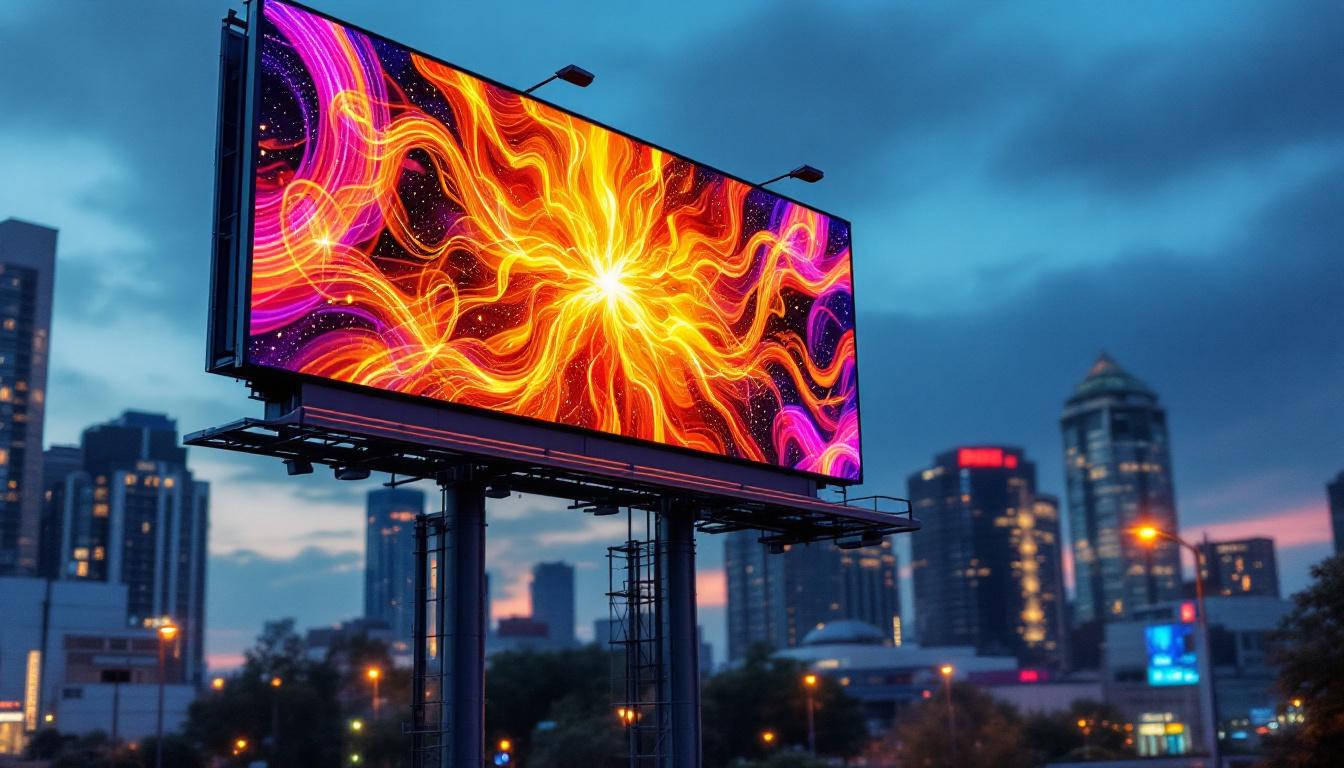
Billboards and digital signage are among the most common uses of LED walls. Their brightness and dynamic content capabilities attract attention and increase engagement. For instance, Times Square’s iconic LED billboards deliver high-impact advertising to millions of viewers daily.
Retailers use LED walls to create immersive shopping experiences, promote products, and display interactive content, driving foot traffic and sales.
Events and Entertainment
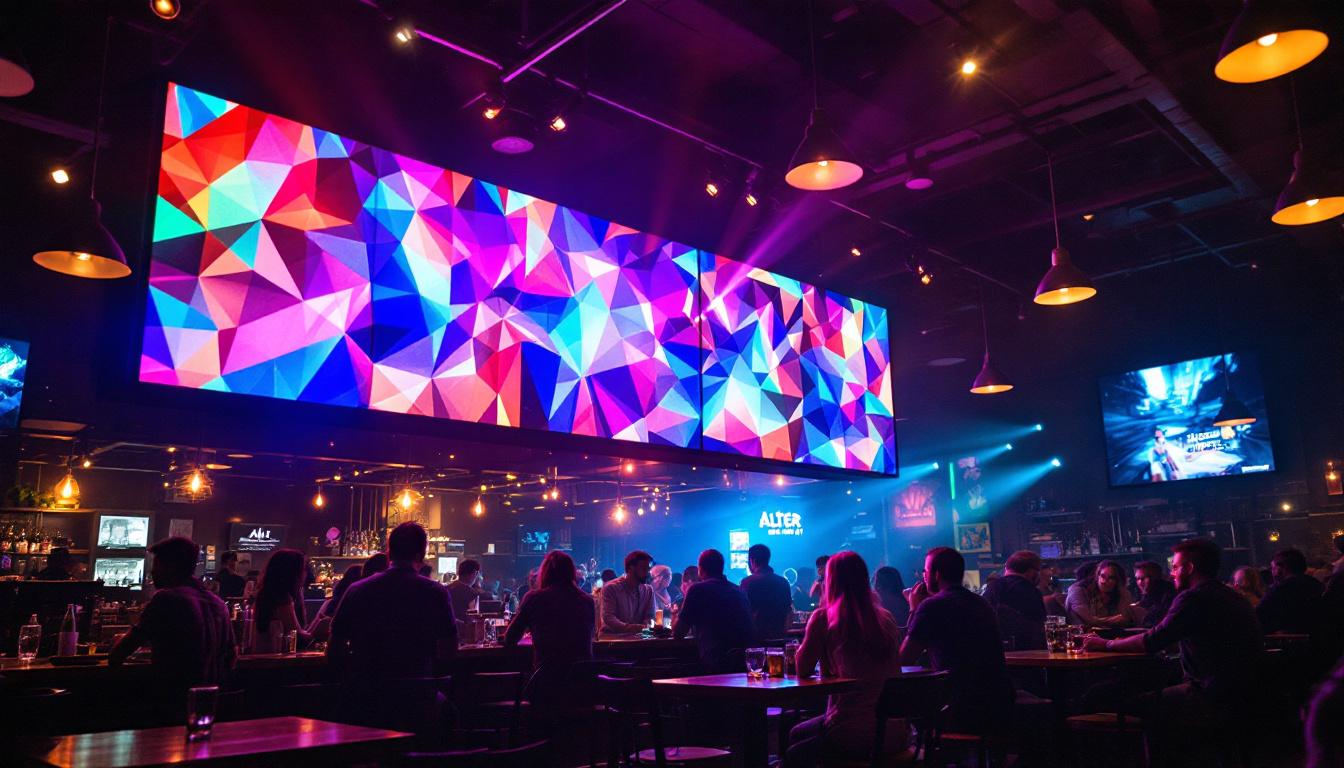
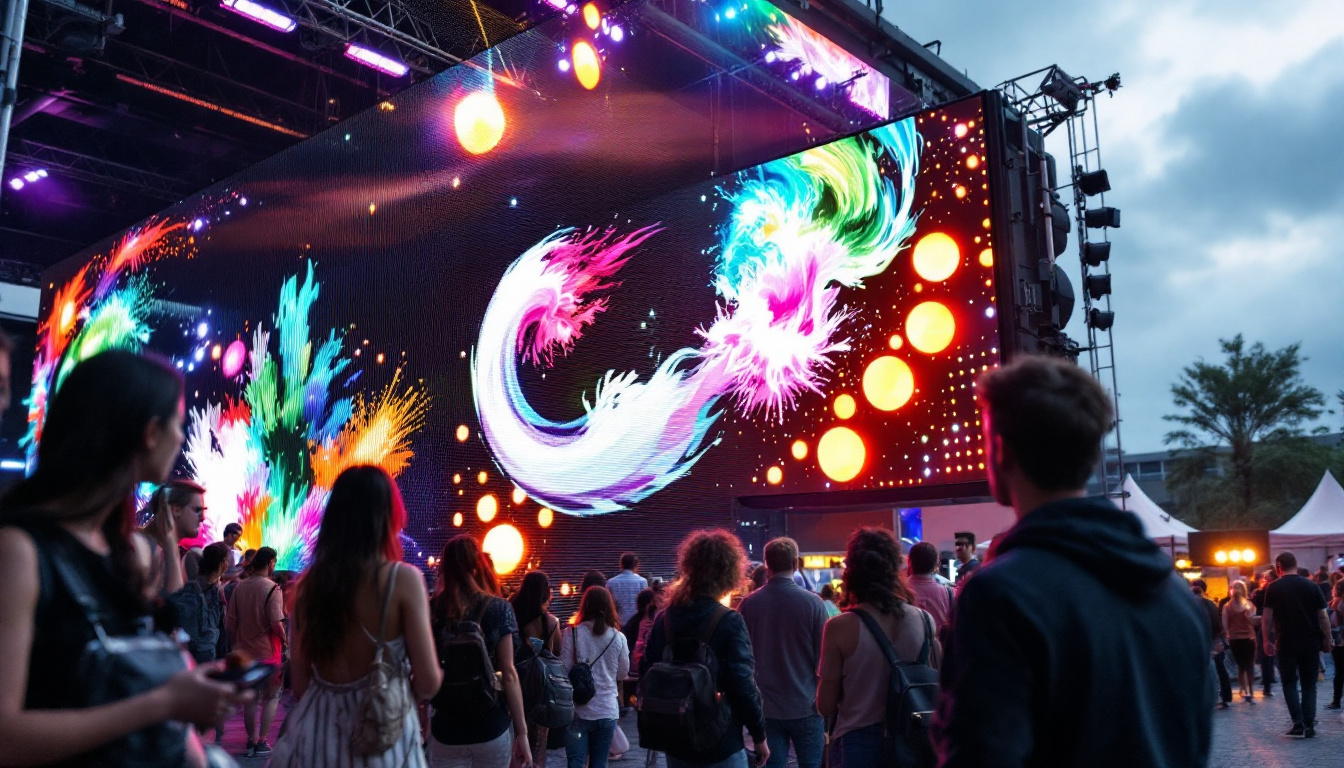
Concerts, festivals, and sports arenas rely on LED walls to enhance the spectator experience. These displays serve as backdrops, scoreboards, and live video feeds, providing clear visuals even in large venues. The ability to customize size and shape allows creative stage designs and immersive environments.
Corporate and Education
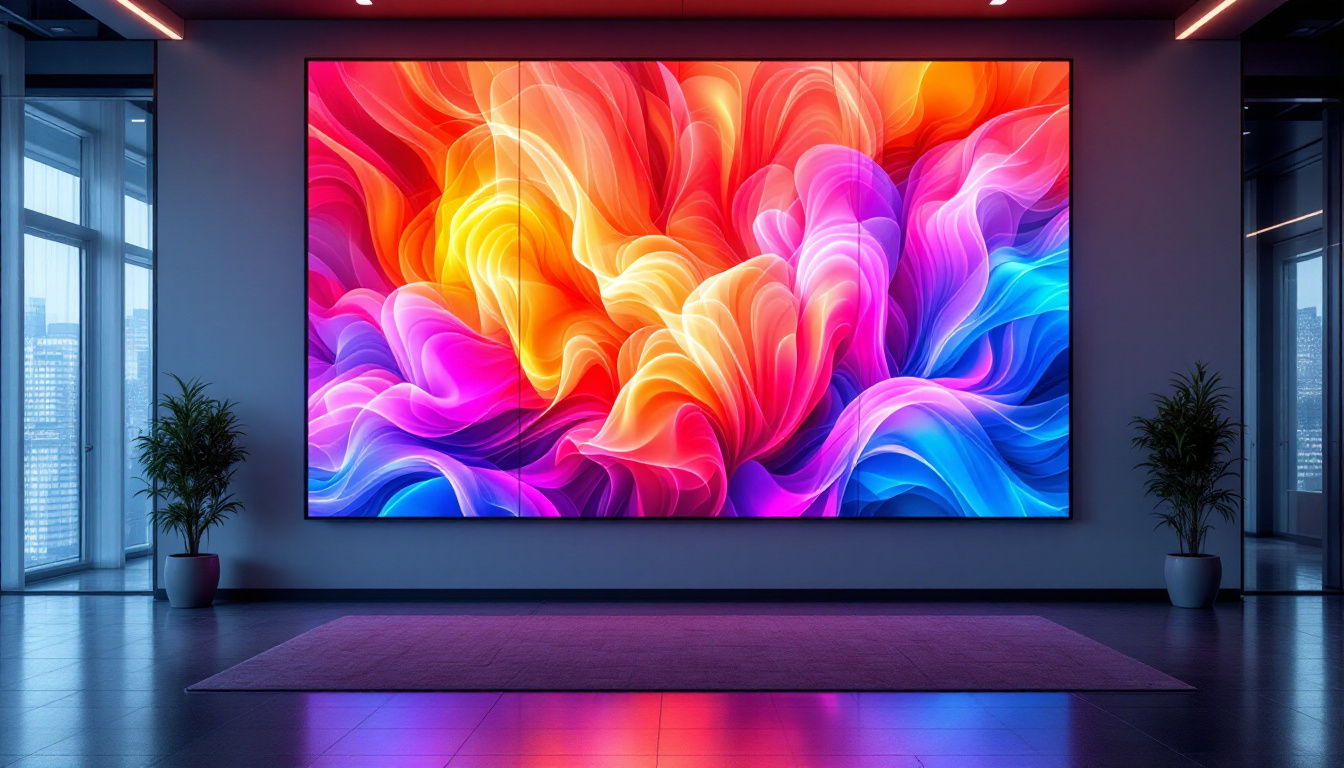
In corporate settings, LED walls facilitate presentations, video conferencing, and digital signage within lobbies or meeting rooms. Educational institutions employ LED walls for interactive learning, digital notice boards, and event broadcasting.
Control Rooms and Public Spaces
Control centers for transportation, utilities, and security use LED walls for real-time monitoring and data visualization. Public spaces such as airports and train stations display schedules, alerts, and advertisements on large LED screens to inform and engage travelers.
How to Choose the Right LED Wall for Your Needs
Buying an LED wall involves balancing technical specifications, budget, and intended use. Here are some practical steps to guide your decision-making process.
Assess Your Viewing Environment
Consider where the LED wall will be installed. Is it indoors or outdoors? What is the typical viewing distance? How much ambient light is present? These factors influence the required brightness, pixel pitch, and weatherproofing.
Define Your Content Requirements
What type of content will you display? Static images, videos, live feeds, or interactive elements? High-motion video requires higher refresh rates and better color accuracy. Interactive content may require touch capabilities or integration with other technologies.
Determine Size and Resolution
Calculate the optimal screen size based on the viewing distance and pixel pitch. For example, a retail display viewed from 3 meters away might require a pixel pitch of 2.5mm or less to ensure sharp images.
Budget Considerations
LED walls vary widely in price depending on size, resolution, and features. While it’s tempting to opt for the cheapest option, investing in quality ensures longevity, better performance, and lower maintenance costs. Consider total cost of ownership, including installation, power consumption, and potential repairs.
Choose a Reputable Supplier
Work with experienced manufacturers or dealers who provide warranties, technical support, and installation services. Request references and review case studies to verify product reliability and customer satisfaction.
Installation and Maintenance of LED Walls
Proper installation and ongoing maintenance are crucial for maximizing the lifespan and performance of an LED wall.
Professional Installation
LED walls require precise assembly and calibration. Professional installers ensure correct alignment, secure mounting, and optimal electrical connections. They also configure the control system and perform initial testing to guarantee flawless operation.
Routine Maintenance
Regular cleaning removes dust and debris that can affect brightness and image quality. Inspecting for damaged modules or loose connections helps prevent failures. Many LED walls feature modular designs that allow quick replacement of faulty panels.
Software Updates and Calibration
Firmware and software updates improve functionality and security. Periodic color calibration maintains consistent image quality over time, especially for high-end installations.
The Future of LED Wall Technology
LED wall technology continues to evolve rapidly, driven by advancements in materials, electronics, and software.
MicroLED and MiniLED Innovations
Emerging microLED and miniLED technologies offer even smaller pixel pitches and improved energy efficiency. These advances promise ultra-high-resolution displays with enhanced brightness and color fidelity, expanding possibilities for indoor and outdoor applications.
Flexible and Transparent LED Displays
Flexible LED walls can conform to curved surfaces, opening new creative avenues in architecture and design. Transparent LED displays enable see-through digital signage, ideal for storefront windows and augmented reality applications.
Integration with Smart Technologies
Future LED walls will integrate more seamlessly with IoT devices, AI-driven content management, and interactive features. This will enable personalized advertising, real-time analytics, and immersive user experiences.
Conclusion
Investing in an LED wall is a significant decision that can transform how you communicate visually with your audience. Understanding the fundamental technology, key specifications, and practical considerations ensures you select a display that meets your needs and delivers lasting value.
From pixel pitch and brightness to durability and application, each factor plays a vital role in the overall effectiveness of an LED wall. By partnering with reputable suppliers and prioritizing quality installation and maintenance, you can harness the full potential of LED display technology to captivate, inform, and inspire.
Whether for advertising, events, corporate use, or public information, LED walls represent a dynamic and versatile solution that continues to shape the future of digital communication.
Discover LumenMatrix LED Display Solutions
Ready to elevate your visual communication with a high-quality LED wall? LumenMatrix is at the forefront of LED display innovation, offering a comprehensive range of solutions tailored to your unique needs. From vibrant Indoor and Outdoor LED Wall Displays to versatile Vehicle and Floor LED Displays, our products are designed to make your brand stand out. Experience the future of digital signage with our Custom, All-in-One, and LED Transparent Displays. Don’t miss the opportunity to create unforgettable visual experiences. Check out LumenMatrix LED Display Solutions today and see your vision come to life.