In the rapidly evolving world of digital technology, LED displays have become a cornerstone of modern visual communication. From the vibrant billboards that light up cityscapes to the screens on our smartphones and televisions, LED technology is everywhere. But what exactly does L.E.D mean, and how do LED displays work? This article delves deep into the meaning, technology, applications, and future of LED displays, providing a comprehensive understanding for anyone interested in this ubiquitous technology.
What Does L.E.D Mean?
L.E.D stands for Light Emitting Diode. It is a semiconductor device that emits light when an electric current passes through it. Unlike traditional incandescent bulbs that produce light by heating a filament, LEDs generate light through electroluminescence—a process where electrons recombine with electron holes within the device, releasing energy in the form of photons.
The term “diode” refers to the fact that the device allows current to flow in only one direction. This property is essential for controlling the light emission and efficiency of the device. The “light emitting” aspect highlights the primary function of the diode: to produce visible light.
Historical Context of LEDs
The first practical visible-spectrum LED was developed in the early 1960s by Nick Holonyak Jr., often called the “father of the LED.” Initially, LEDs emitted only red light and were used primarily as indicator lights. Over the decades, advancements in materials and manufacturing have expanded the color range to include green, blue, and white LEDs, enabling a broad spectrum of applications.
As technology progressed, the efficiency and brightness of LEDs improved dramatically, making them suitable for a variety of uses beyond simple indicators. By the 1990s, the introduction of blue LEDs paved the way for the creation of white light through a combination of red, green, and blue (RGB) light sources. This breakthrough not only revolutionized lighting solutions but also led to the development of full-color displays and sophisticated lighting systems that are now commonplace in everything from televisions to architectural lighting.
Moreover, the environmental impact of LEDs has become a significant talking point in recent years. With their low energy consumption and long lifespan—often lasting tens of thousands of hours—LEDs have emerged as a more sustainable alternative to traditional lighting options. This shift has been further encouraged by various government initiatives and regulations aimed at reducing energy consumption and greenhouse gas emissions, leading to a surge in LED adoption across residential, commercial, and industrial sectors.
How LED Displays Work
LED displays are screens that use an array of light-emitting diodes as pixels to display images, videos, or text. They are widely used in various devices, from small indicator lights to large outdoor billboards. Understanding how LED displays function requires a look at their structure and the technology behind them.
Basic Structure of an LED Display
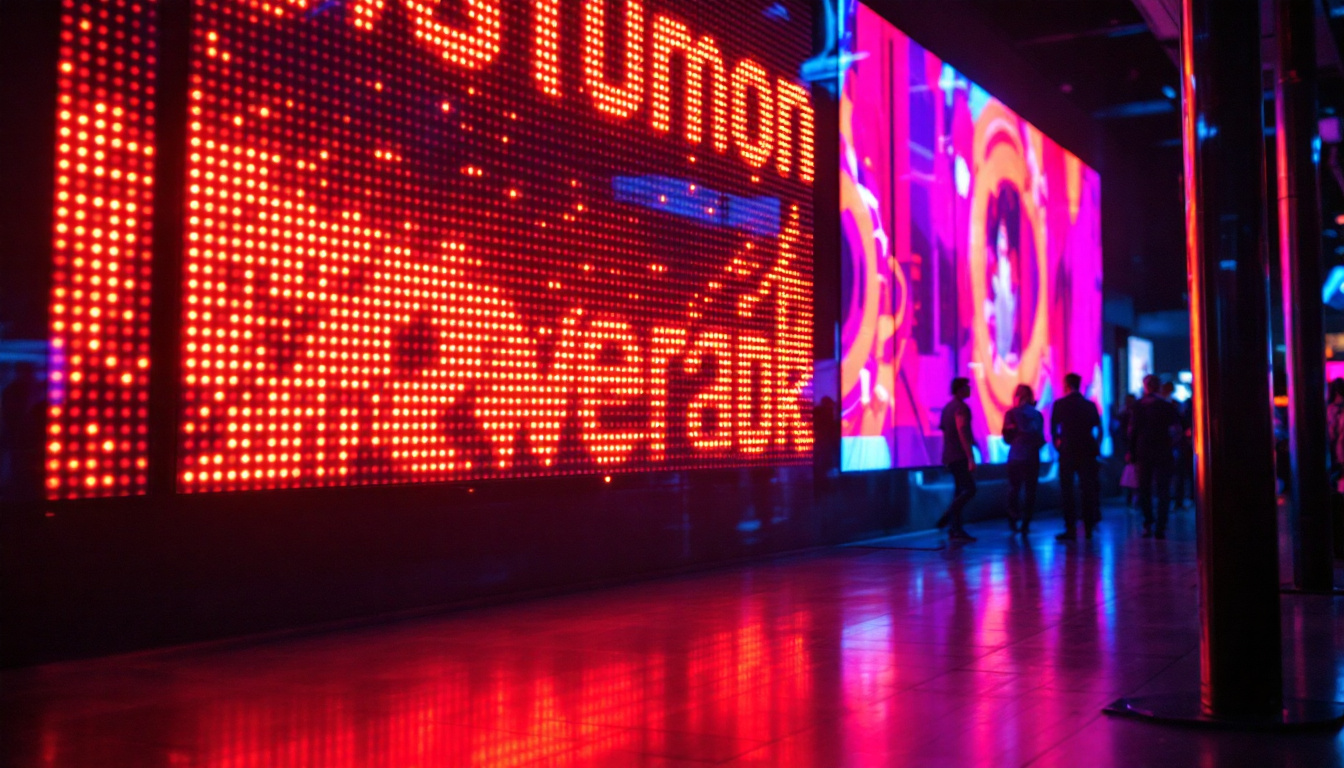
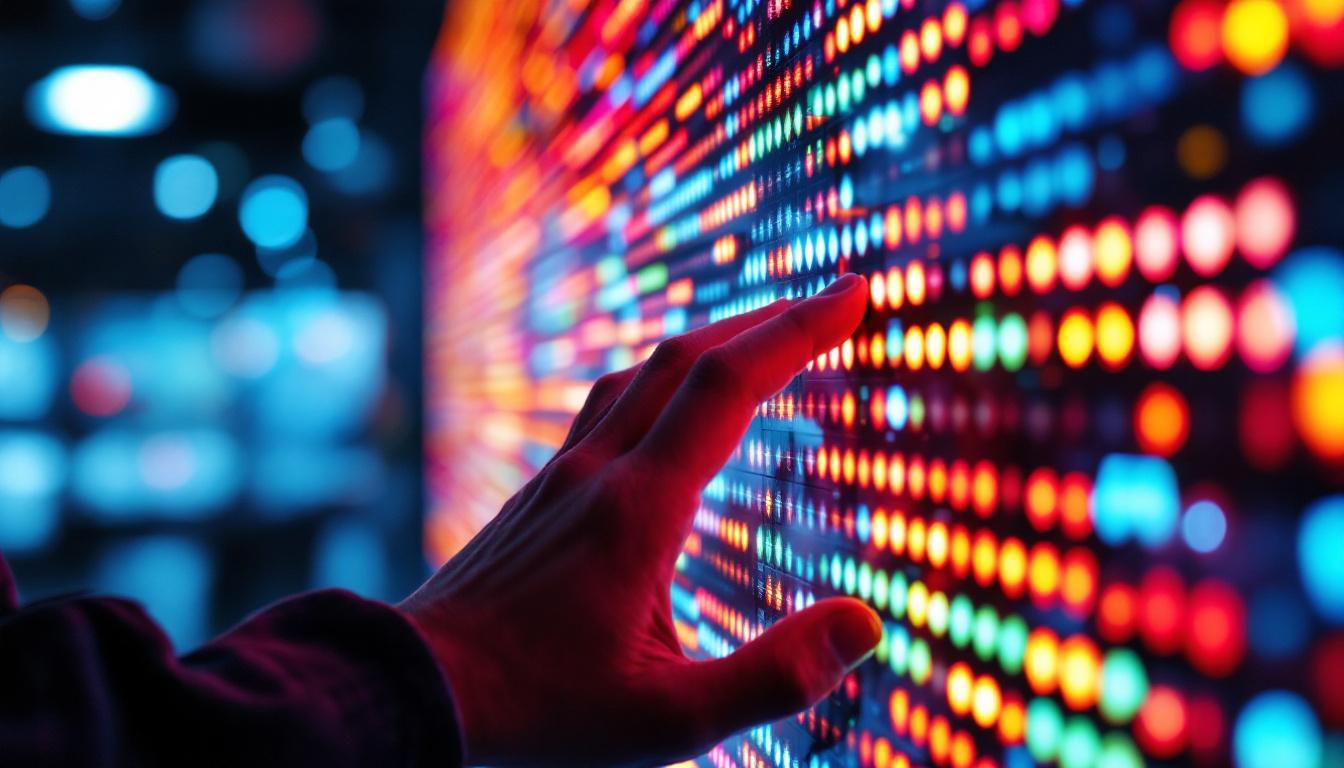
An LED display consists of thousands to millions of tiny LEDs arranged in a matrix. Each LED acts as a pixel or a sub-pixel, depending on the display type. In color displays, each pixel is typically made up of three sub-pixels: red, green, and blue LEDs. By varying the intensity of each sub-pixel, the display can produce a wide range of colors through additive color mixing.
The LEDs are mounted on a circuit board with integrated drivers that control the brightness and color of each diode. The display is connected to a controller that processes input signals and translates them into commands to light up specific LEDs in specific colors and intensities. This intricate system allows for rapid refresh rates, ensuring that dynamic content, such as videos or animations, is displayed smoothly without flickering. Additionally, advancements in technology have led to the development of smart LED displays that can adapt their brightness based on ambient light conditions, further enhancing the viewing experience.
Types of LED Displays
LED displays come in several forms, each suited to different applications:
- Direct View LED Displays: These are composed of individual LEDs that form the pixels directly visible to the viewer. They are commonly used in large outdoor screens and stadium displays.
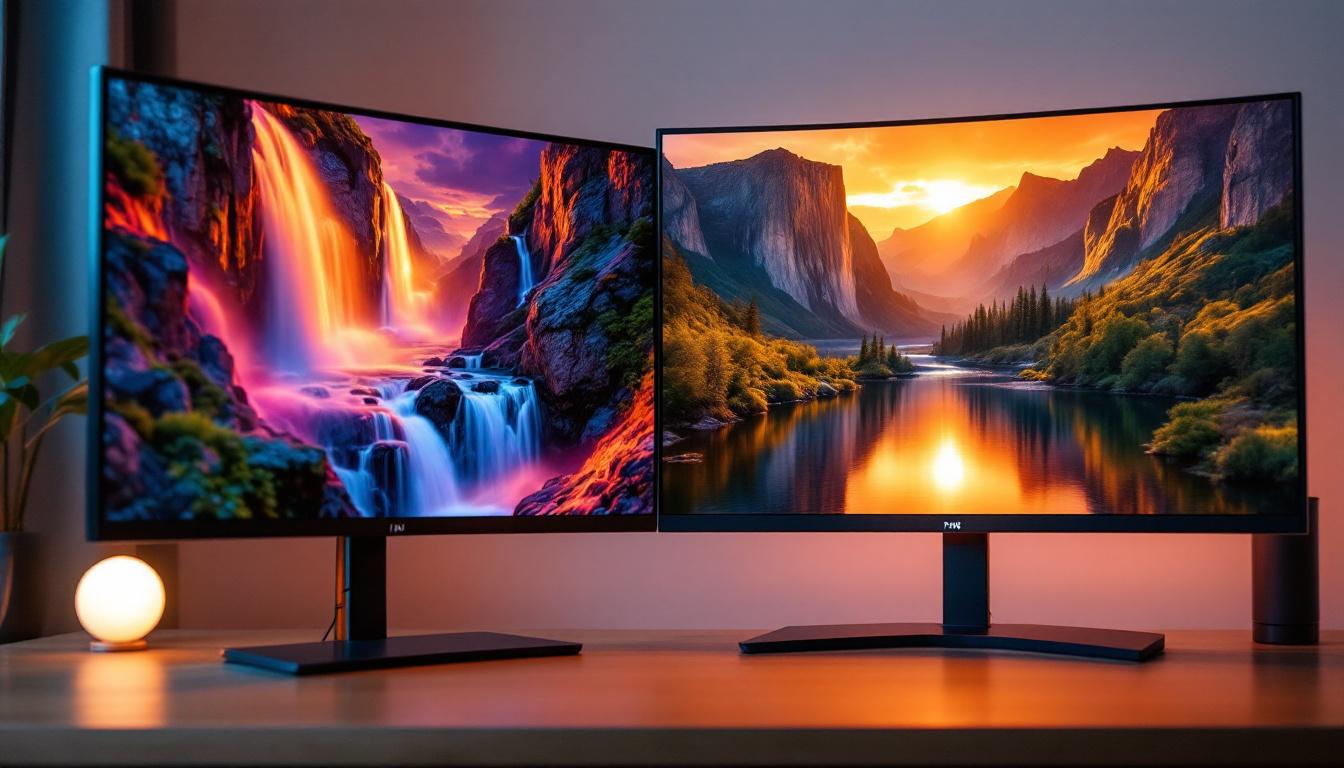
- LED-backlit LCD Displays: These use LEDs as a backlight source behind an LCD panel. This technology is prevalent in televisions, computer monitors, and smartphone screens, offering better brightness and energy efficiency compared to traditional fluorescent backlights.
- OLED Displays: Organic Light Emitting Diode displays use organic compounds that emit light when electrically stimulated. Unlike traditional LEDs, OLEDs can produce deeper blacks and are used in high-end smartphones and TVs.
Advantages of LED Displays
LED displays offer several benefits over older display technologies:
- Energy Efficiency: LEDs consume significantly less power than incandescent or fluorescent lights, making them more environmentally friendly and cost-effective.
- Brightness and Visibility: LED displays can achieve very high brightness levels, making them visible even in direct sunlight, which is crucial for outdoor advertising and signage.
- Longevity: LEDs have a long operational life, often exceeding 50,000 hours, reducing maintenance and replacement costs.
- Color Accuracy and Range: Modern LEDs can produce a broad spectrum of colors with high precision, enhancing image quality.
- Thin and Lightweight: LED panels can be made extremely thin and light, allowing for flexible and innovative display designs.
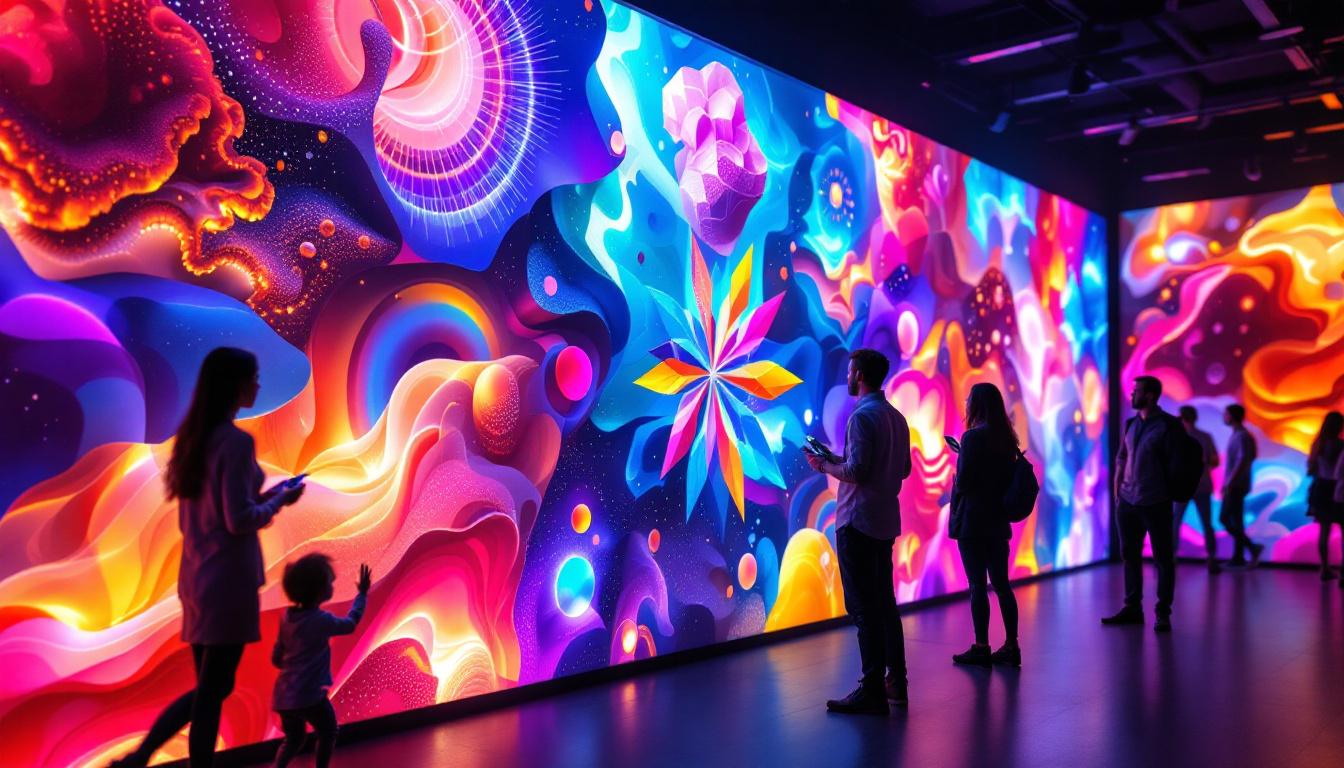
Furthermore, the modular nature of many LED displays allows for easy repairs and upgrades. If a section of an LED display fails, only that specific module needs to be replaced, minimizing downtime and costs. This is particularly advantageous for large installations, such as digital billboards or video walls, where maintaining continuous operation is essential for advertising revenue. The versatility of LED technology also extends to creative applications, such as interactive displays and installations that respond to viewer engagement, paving the way for more immersive experiences in public spaces and events.
Applications of LED Displays
The versatility of LED technology has led to its adoption across a diverse range of industries and applications. Understanding these applications helps highlight why LED displays have become so prevalent.
Outdoor Advertising and Digital Billboards
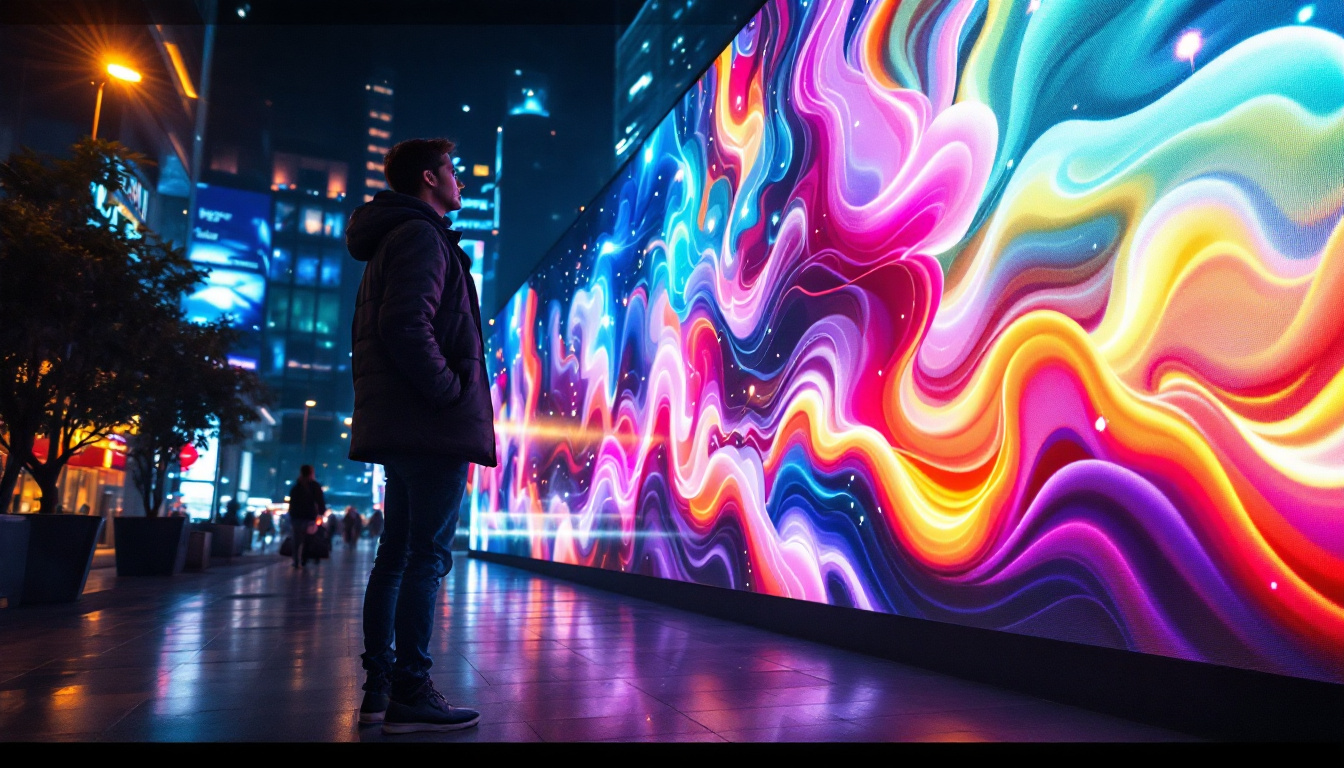
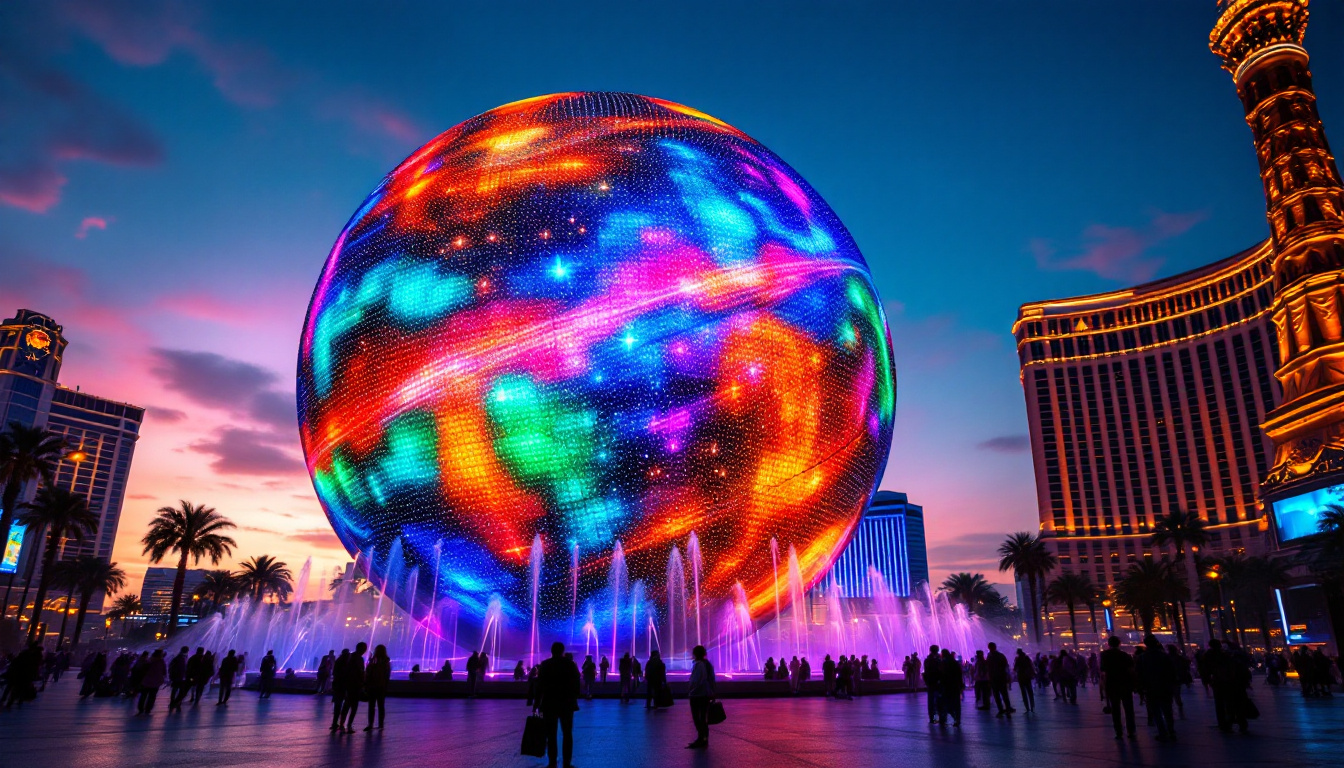
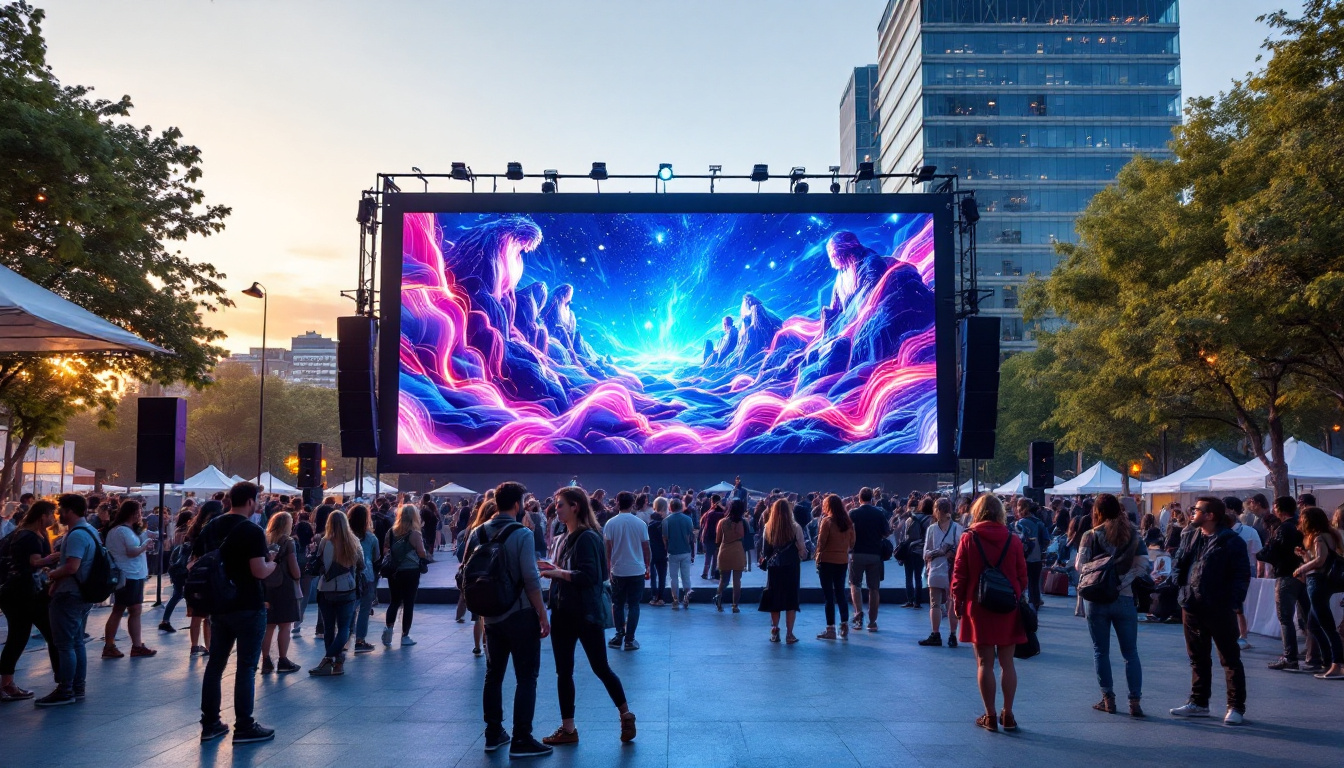
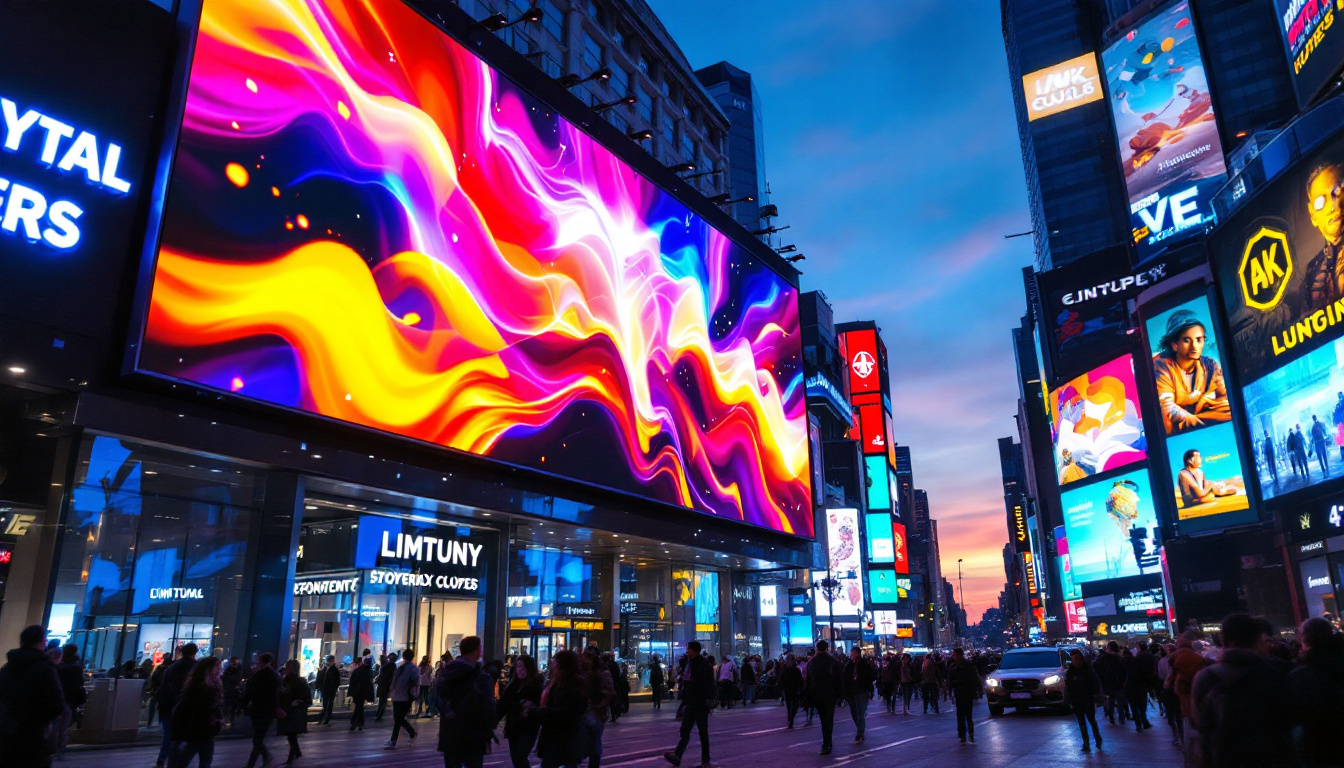
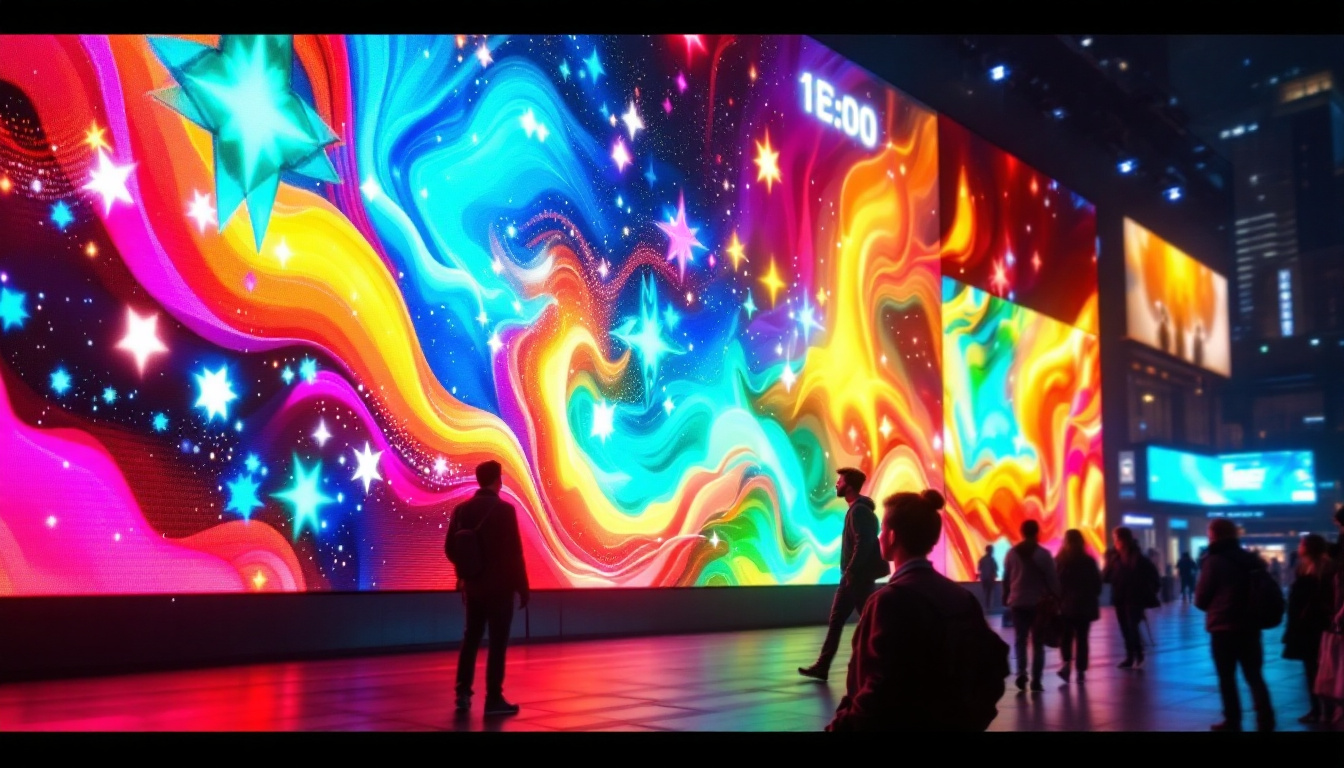
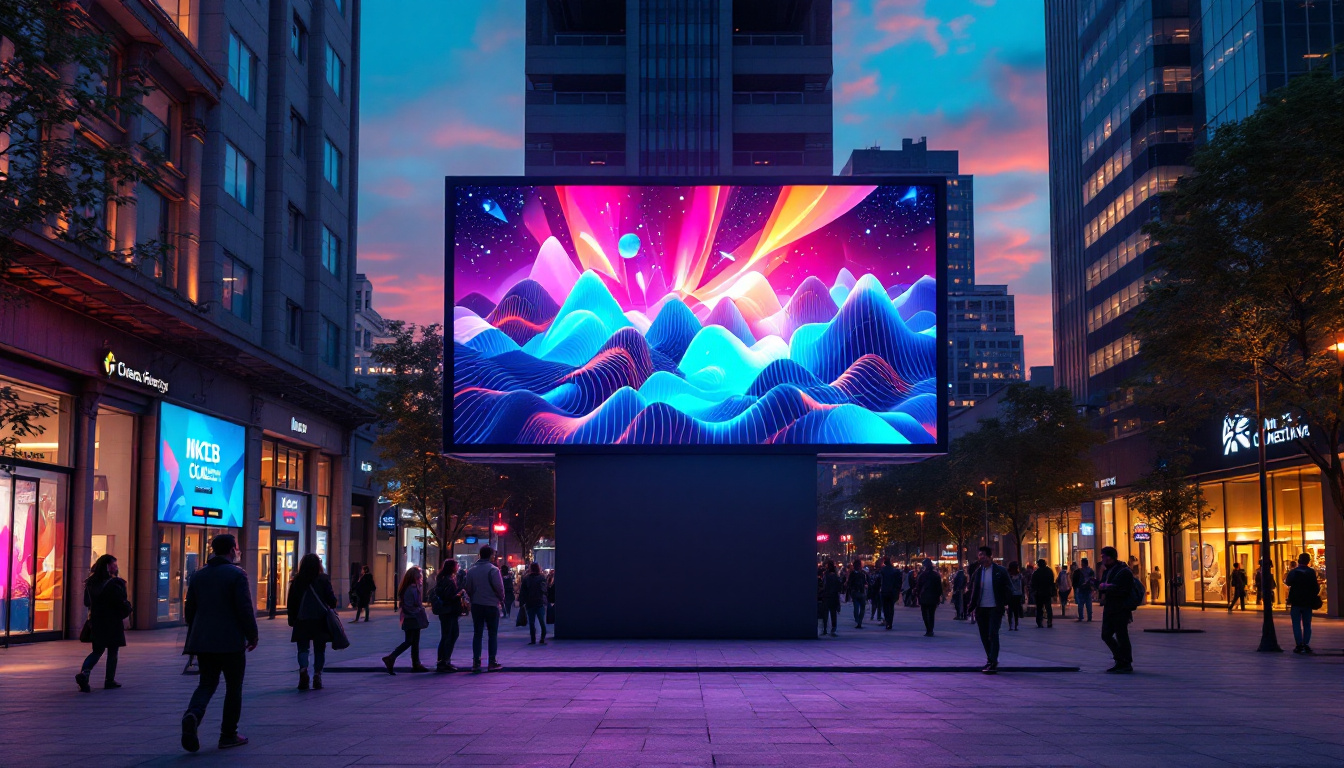
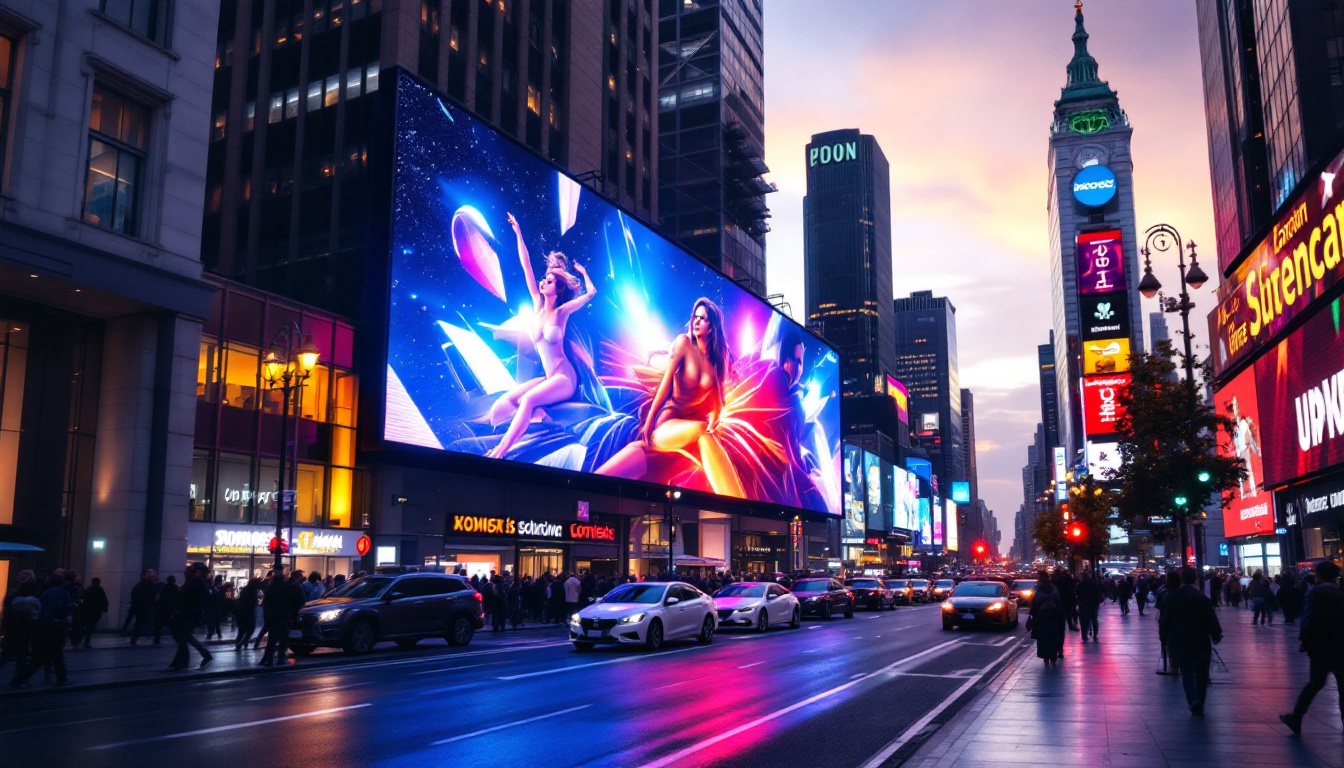
One of the most visible uses of LED displays is in outdoor advertising. Digital billboards equipped with LED panels can display dynamic content, including videos and animations, attracting more attention than static signs. According to the Outdoor Advertising Association of America, digital out-of-home advertising, largely powered by LED displays, has seen a steady growth rate of around 8% annually over the past five years.
These displays are designed to withstand harsh weather conditions and maintain high brightness levels, ensuring visibility day and night.
Sports Arenas and Event Venues
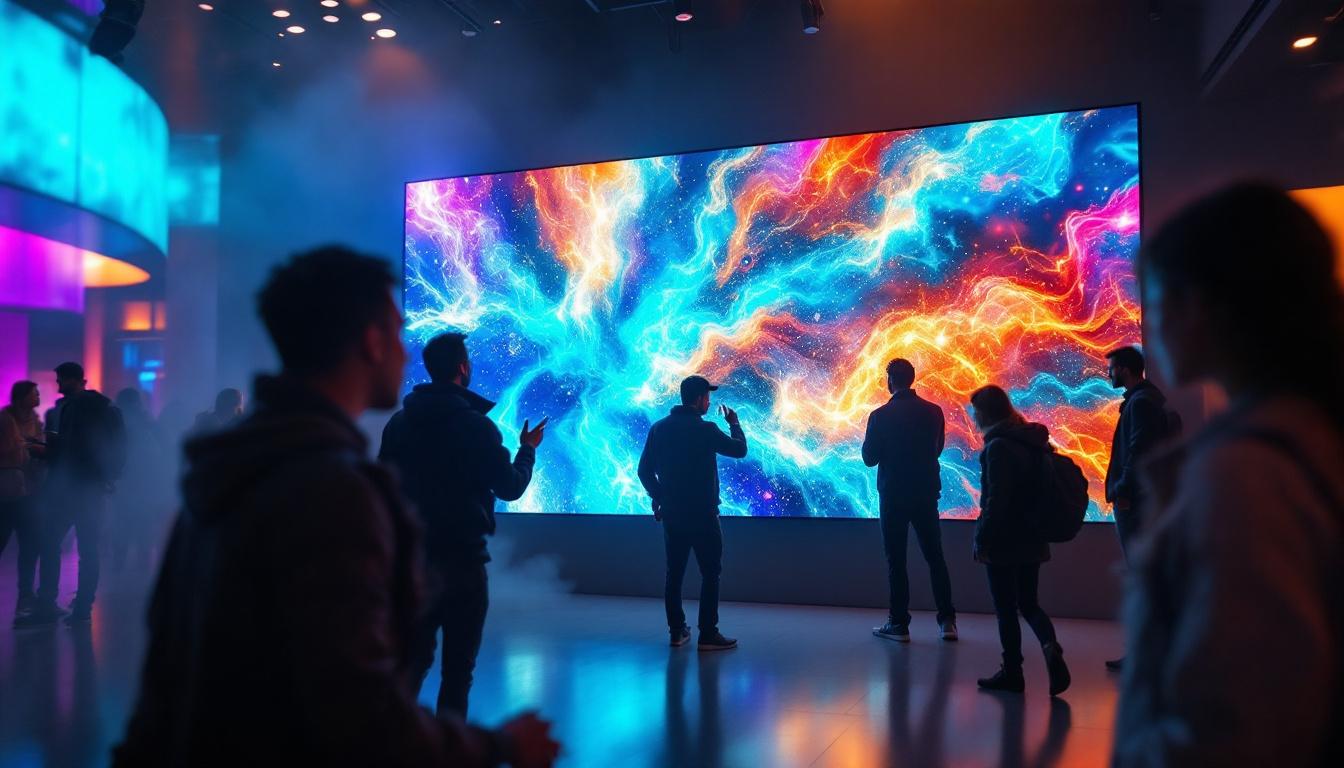
LED displays are integral to modern sports arenas, providing scoreboards, instant replays, and advertising. Their ability to produce vivid images and videos in large formats enhances the spectator experience. For example, the AT&T Stadium in Texas features one of the largest LED video boards in the world, measuring 160 feet wide and 72 feet high.
Consumer Electronics
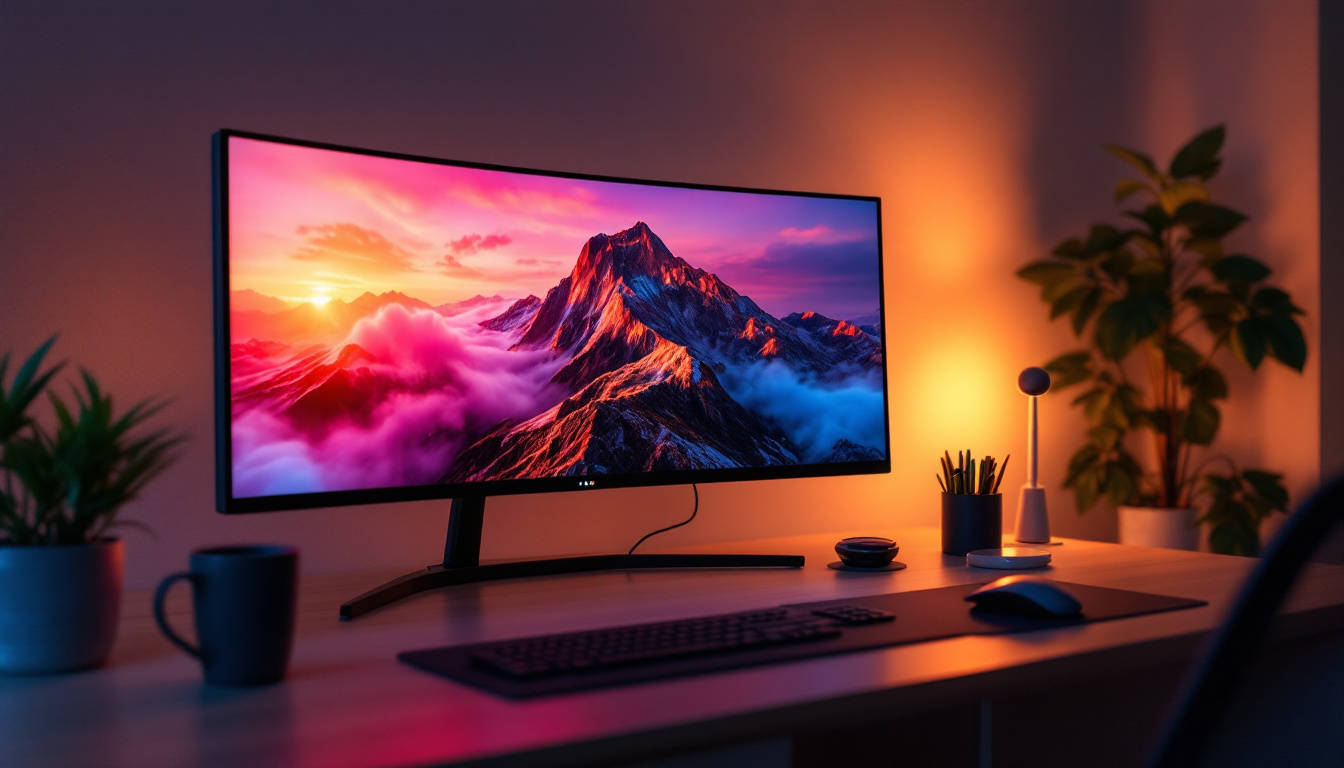
In consumer electronics, LED technology is foundational. LED-backlit LCDs dominate the television and computer monitor markets due to their superior brightness and energy efficiency. OLED displays, a related technology, are increasingly popular in smartphones and premium TVs for their exceptional contrast and color fidelity.
Automotive Displays and Lighting
LEDs are widely used in automotive applications, from dashboard displays to headlights and brake lights. Their fast response time and durability improve safety and design flexibility. The global automotive LED market is projected to grow at a compound annual growth rate (CAGR) of over 10% through 2027, driven by increasing demand for electric vehicles and advanced lighting systems.
Medical and Industrial Applications
LED displays are also used in medical devices for imaging and diagnostics, as well as in industrial settings for control panels and information displays. Their reliability and clarity make them suitable for critical environments.
Future Trends in LED Display Technology
As technology advances, LED displays continue to evolve, pushing the boundaries of what is possible in visual communication.
MicroLED and MiniLED Technology
MicroLED and MiniLED are emerging technologies that promise to combine the best features of traditional LEDs and OLEDs. MicroLED displays use microscopic LEDs to create individual pixels, offering higher brightness, better energy efficiency, and longer lifespan without the burn-in issues associated with OLEDs.
MiniLED technology uses smaller LEDs for backlighting, allowing for more precise local dimming and improved contrast in LCD panels. These advancements are expected to revolutionize displays in TVs, monitors, and mobile devices.
Flexible and Transparent Displays
Innovations in LED materials and manufacturing techniques have enabled the development of flexible and transparent LED displays. These can be integrated into windows, clothing, and curved surfaces, opening new possibilities for advertising, fashion, and interior design.
Integration with IoT and Smart Technologies
LED displays are increasingly being integrated with Internet of Things (IoT) systems and smart technologies. This integration allows for dynamic content updates, interactive displays, and enhanced user experiences in public spaces, retail, and transportation.
Conclusion
Understanding the meaning of L.E.D and the technology behind LED displays reveals why they have become an essential part of modern life. Their efficiency, versatility, and visual quality make them ideal for a wide range of applications, from massive outdoor billboards to the screens we use every day. As LED technology continues to advance, it will undoubtedly play a pivotal role in shaping the future of digital displays and visual communication.
Whether you are a technology enthusiast, a business owner considering digital signage, or simply curious about the screens that surround us, knowing how LED displays work and their potential can provide valuable insights into this dynamic field.
Discover LumenMatrix LED Display Solutions
Ready to elevate your visual communication with the latest in LED display technology? LumenMatrix is at the forefront of innovation, offering a diverse range of LED display solutions tailored to your needs. From captivating Indoor LED Wall Displays to dynamic Outdoor LED Wall Displays, and from versatile Vehicle LED Displays to sleek LED Poster Displays, our products are designed to make your brand shine. Experience the future of digital signage with our LED Sports Displays, Floor LED Displays, Custom LED Displays, All-in-One LED Displays, and LED Transparent Displays. Embrace the power of cutting-edge technology and create unforgettable visual experiences. Check out LumenMatrix LED Display Solutions today and transform the way you engage with your audience.