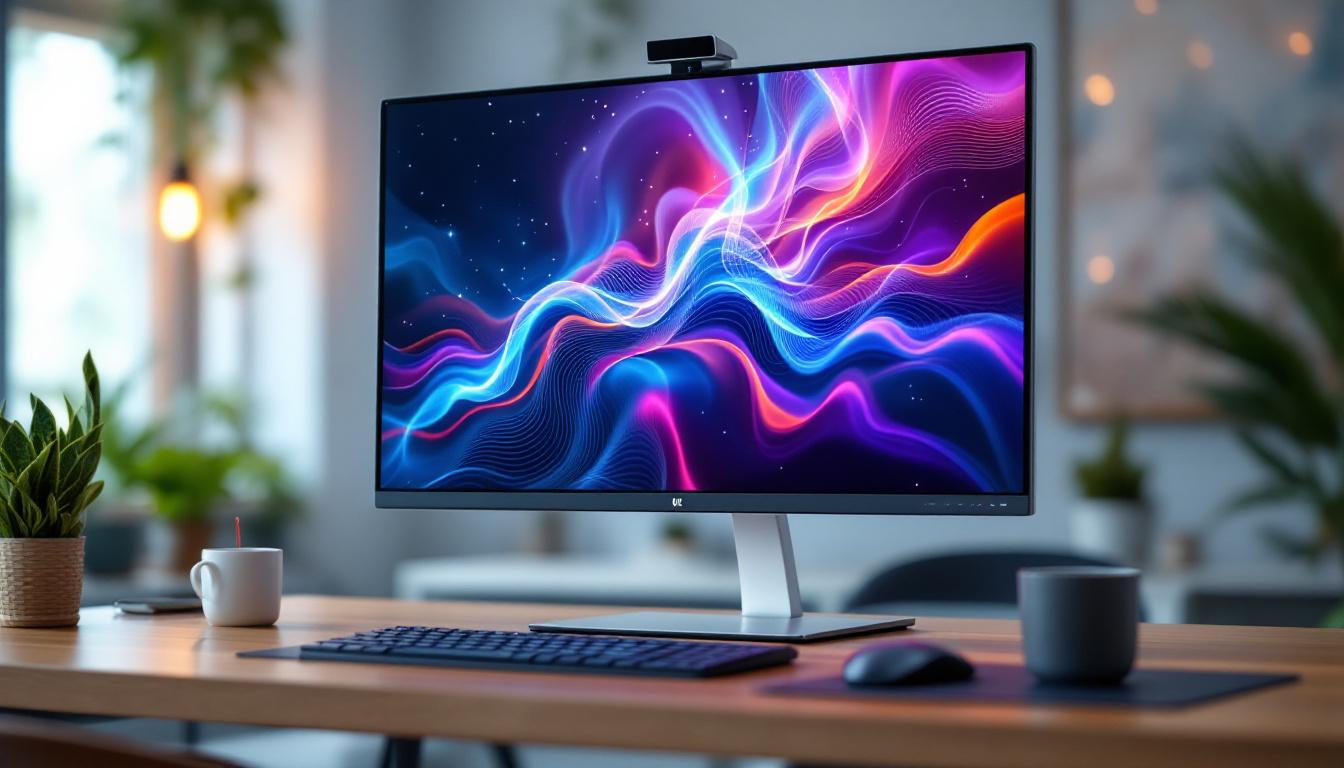
In today’s digital landscape, the demand for large computer monitors equipped with integrated cameras has surged dramatically. Whether for remote work, video conferencing, content creation, or immersive gaming, these displays offer a blend of visual clarity and communication convenience that smaller screens often cannot match. This article delves into the technology behind large LED computer monitors with cameras, exploring their benefits, key features, and the factors to consider when selecting the ideal display for professional and personal use.
The Rise of Large Computer Monitors with Integrated Cameras
Over the past decade, the computer monitor market has evolved significantly. The traditional small or medium-sized monitors have given way to larger displays, often 27 inches and above, to accommodate the increasing complexity of tasks and the need for multitasking. Simultaneously, the COVID-19 pandemic accelerated the adoption of video conferencing tools, making integrated cameras a highly sought-after feature.
According to a 2023 report by Statista, the global market for computer monitors is expected to grow by 5.7% annually through 2027, with a notable shift towards larger screen sizes and enhanced functionalities such as built-in webcams. This trend is driven by hybrid work models and the rise of virtual collaboration platforms like Zoom, Microsoft Teams, and Google Meet.
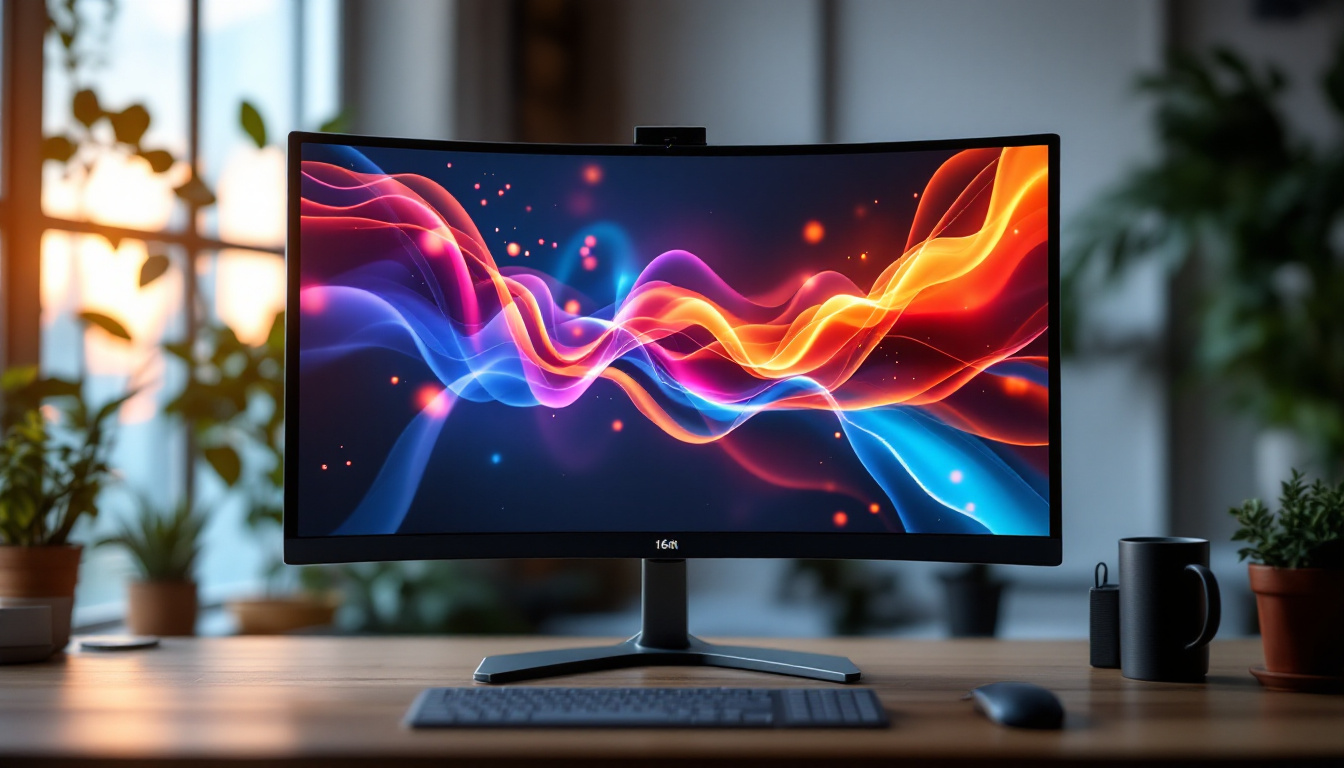
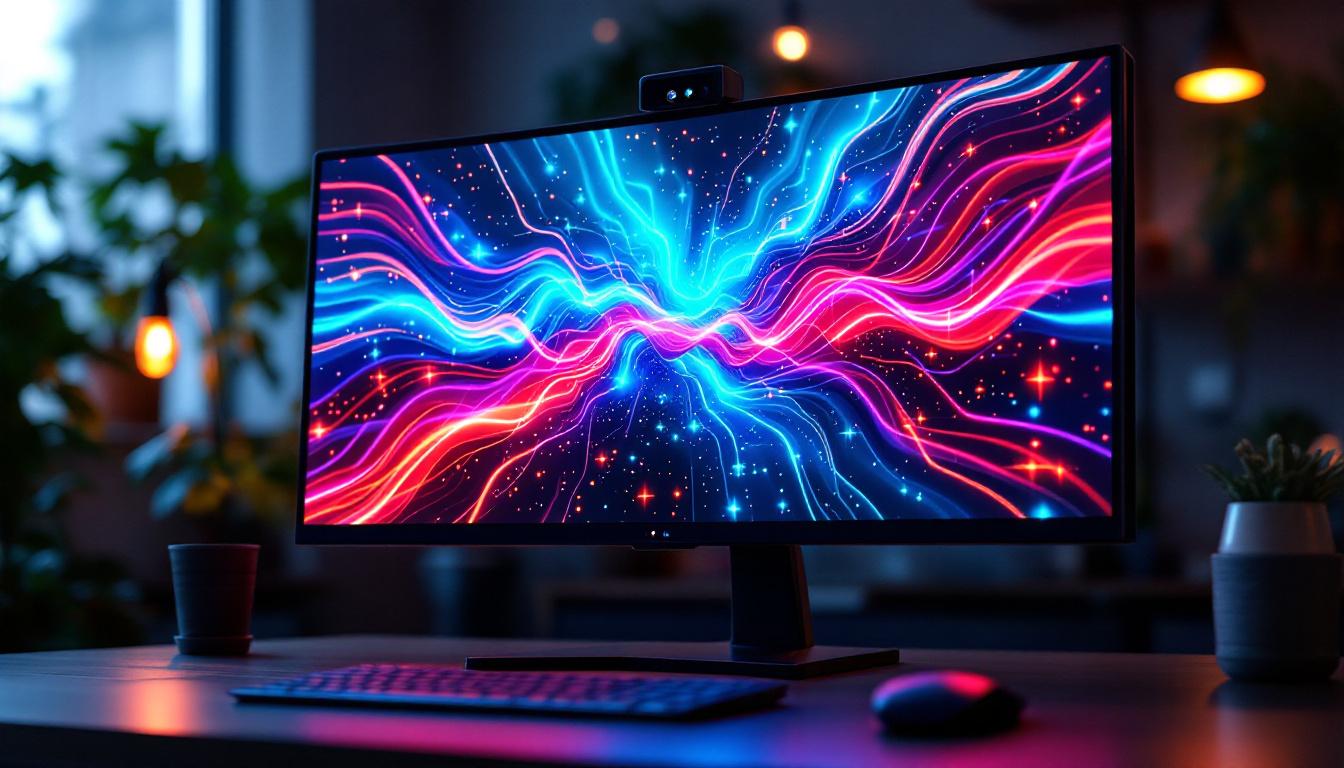
Large monitors with cameras offer a streamlined solution, eliminating the need for separate webcam devices, reducing desk clutter, and providing a seamless user experience. They are especially popular in corporate environments, creative studios, and home offices. The convenience of having a high-definition camera integrated into the monitor not only enhances video quality but also allows for better positioning, as users can adjust the monitor’s height and angle for optimal framing during video calls. This feature is particularly beneficial for professionals who spend long hours in virtual meetings, as it contributes to a more natural and engaging interaction.
Moreover, the technological advancements in display quality have made these larger monitors more appealing. Many now come equipped with 4K resolution, offering stunning visuals that are perfect for graphic design, video editing, and gaming. The combination of high-resolution displays and integrated cameras has led to a surge in demand among content creators and streamers, who require both superior image quality and reliable video capture capabilities. Additionally, features such as built-in microphones and speakers further enhance the functionality of these monitors, creating an all-in-one solution that meets the diverse needs of modern users.
Understanding LED Display Technology in Large Monitors
What is an LED Display?
LED (Light Emitting Diode) displays are a type of flat-panel screen technology that uses light-emitting diodes as pixels to produce images. Unlike older LCD displays that rely on cold cathode fluorescent lamps (CCFL) for backlighting, LED monitors use LEDs to illuminate the screen, resulting in better brightness, contrast, and energy efficiency.
Large computer monitors with LED displays benefit from sharper image quality, more vibrant colors, and thinner designs. These attributes make LED technology the preferred choice for high-end monitors used in professional settings such as graphic design, video editing, and gaming. The rapid response time of LED displays also enhances the viewing experience, particularly in fast-paced applications like gaming, where every millisecond counts. Furthermore, the longevity of LED technology means that users can expect a longer lifespan from their monitors, reducing the need for frequent replacements and contributing to a more sustainable choice in display technology.
Types of LED Backlighting
There are primarily two types of LED backlighting used in large monitors:
- Edge-Lit LED: LEDs are placed around the edges of the screen, and light is diffused across the display. This design allows for thinner monitors but can sometimes lead to uneven brightness.
- Full-Array LED: LEDs are distributed evenly behind the entire screen, enabling better uniformity and local dimming features, which improve contrast ratios and black levels.
When selecting a large monitor with a camera, understanding the type of LED backlighting is crucial, as it directly affects image quality and viewing comfort during extended use. Additionally, some advanced models incorporate HDR (High Dynamic Range) technology, which works in tandem with full-array backlighting to deliver a wider color gamut and enhanced detail in both bright and dark scenes. This makes such monitors particularly appealing for content creators who require precise color accuracy and depth in their work.
Moreover, the choice of LED backlighting can also influence the monitor’s performance in various lighting conditions. For instance, edge-lit displays may struggle with glare in brightly lit environments, while full-array monitors can maintain consistent brightness levels, making them suitable for professional studios or home offices with significant ambient light. As the demand for high-quality visual displays continues to grow, manufacturers are increasingly innovating in LED technology, leading to monitors that not only meet but exceed user expectations in terms of performance and reliability.
Integrated Cameras: Features and Benefits
Camera Specifications to Look For
Integrated cameras in large computer monitors have evolved from basic VGA-quality sensors to high-definition (HD) and even 4K cameras. Key specifications to consider include:
- Resolution: Most modern monitors feature cameras with at least 1080p resolution, providing clear and sharp video quality during calls.
- Field of View (FOV): A wider FOV (90 degrees or more) captures more of the surrounding area, which is useful for group meetings or presentations.
- Auto-Focus and Light Correction: These features ensure the camera adjusts to different lighting conditions and maintains focus on the subject, enhancing video clarity.
- Privacy Shutter: Physical shutters or electronic privacy modes provide security by preventing unauthorized camera access.
Benefits of Having an Integrated Camera
Integrating a camera directly into a large monitor offers several advantages:
- Convenience: No need to set up or adjust an external webcam, reducing setup time and cable clutter.
- Improved Aesthetics: A built-in camera maintains a clean and professional desk appearance.
- Enhanced Collaboration: High-quality cameras enable better video calls, essential for remote work and virtual meetings.
- Security: Monitors with built-in privacy features help protect users from potential cyber intrusions.
Choosing the Right Large Monitor with Camera: Key Considerations
Screen Size and Resolution
Large monitors typically start at 27 inches and can go beyond 32 inches. The choice of size depends on the user’s workspace and the nature of tasks. For example, content creators and professionals working with detailed graphics often prefer 32-inch or larger screens with 4K resolution to maximize clarity and workspace.
Higher resolution displays (such as 2560×1440 or 3840×2160 pixels) provide sharper images and more screen real estate, which is beneficial for multitasking and detailed work. However, it’s important to balance resolution with screen size to avoid scaling issues or eye strain.
Connectivity and Compatibility
Modern large monitors with cameras come equipped with a variety of ports to ensure compatibility with different devices:
- USB-C: Supports video, data transfer, and power delivery through a single cable, ideal for streamlined setups.
- HDMI and DisplayPort: Standard video inputs for connecting to desktops, laptops, and gaming consoles.
- USB Hub: Allows connection of peripherals like keyboards, mice, or external storage directly to the monitor.
Ensuring the monitor supports the user’s existing hardware and preferred connection methods is essential for a hassle-free experience.
Ergonomics and Adjustability
Given the size of these monitors, ergonomic features become critical to maintain comfort and productivity. Look for monitors that offer:
- Height Adjustment: To align the screen with eye level and reduce neck strain.
- Swivel and Tilt: Allows the user to customize viewing angles for optimal comfort.
- VESA Mount Compatibility: Enables mounting on adjustable arms or wall mounts to save desk space.
Use Cases and Industry Applications
Remote Work and Video Conferencing
With remote work becoming the norm, large monitors with integrated cameras have become indispensable. They facilitate seamless video communication without the need for additional hardware. The large screen size allows users to keep video calls, documents, and applications open simultaneously, enhancing productivity.
Creative Professionals
Graphic designers, video editors, and photographers benefit from the combination of high-resolution LED displays and integrated cameras. The camera can be used for quick video feedback sessions with clients or team members, while the large, color-accurate screen supports detailed visual work.
Education and Training
Educators and trainers use large monitors with cameras for virtual classrooms and webinars. The integrated camera ensures clear video transmission, while the expansive screen allows for the simultaneous display of teaching materials, notes, and student interactions.
Gaming and Streaming
For gamers and streamers, large LED monitors with cameras offer immersive visuals and the ability to broadcast themselves without additional equipment. Features like high refresh rates and low response times complement the video capabilities, providing a comprehensive solution for content creation and entertainment.
Future Trends in Large Monitors with Cameras
The evolution of large computer monitors with integrated cameras is ongoing, driven by advances in display technology and user demands. Emerging trends include:
- Mini-LED and OLED Displays: These technologies promise even better contrast, color accuracy, and thinner designs compared to traditional LED panels.
- AI-Powered Cameras: Integration of artificial intelligence to enhance video quality, background noise reduction, and automatic framing during calls.
- Improved Privacy Features: Enhanced hardware and software solutions to protect user privacy and prevent unauthorized camera access.
- Multi-Camera Setups: Some monitors may feature multiple cameras or 3D depth sensors for more interactive and immersive communication experiences.
As these technologies mature, users can expect even more versatile and powerful large monitors that cater to a wide range of professional and personal needs.
Conclusion
Large computer monitors with integrated cameras represent a convergence of display technology and communication tools, tailored for the demands of modern work and entertainment environments. The LED display technology ensures vibrant visuals and energy efficiency, while built-in cameras provide convenience and enhanced collaboration capabilities.
When selecting a large monitor with a camera, it is essential to consider screen size, resolution, camera specifications, connectivity options, and ergonomic features to ensure the device meets specific needs. Whether for remote work, creative projects, education, or gaming, these monitors offer a comprehensive solution that enhances productivity and user experience.
As technology advances, the integration of AI and improved display panels will further elevate the functionality and appeal of these devices, making them an indispensable part of the digital workspace.
Discover LumenMatrix’s Advanced LED Display Solutions
Ready to elevate your digital experience with a large monitor that integrates top-tier LED display technology and camera functionality? Look no further than LumenMatrix, a pioneer in crafting LED displays that bring your content to life. From immersive gaming to dynamic workstations, our comprehensive range of LED solutions, including Indoor and Outdoor LED Wall Displays, Vehicle LED Displays, and more, are designed to meet your diverse needs. Check out LumenMatrix LED Display Solutions today and transform your visual communication with unparalleled clarity and impact.