In today’s fast-paced world, digital displays have become an integral part of communication, advertising, and information sharing. Among the various display technologies, LED displays stand out for their brightness, versatility, and energy efficiency. This article delves into the world of large display boxes featuring LED technology, explaining how they work, their applications, and why they have become a preferred choice in numerous industries.
Understanding LED Display Technology
LED, or Light Emitting Diode, technology is the foundation of modern large display boxes. Unlike traditional display methods such as LCD or projection, LEDs emit light directly, creating vivid images that are visible even in bright daylight. This direct emission is a key factor behind the superior brightness and contrast of LED displays. The advancements in LED technology have revolutionized how we experience visual content, making it more engaging and immersive than ever before.
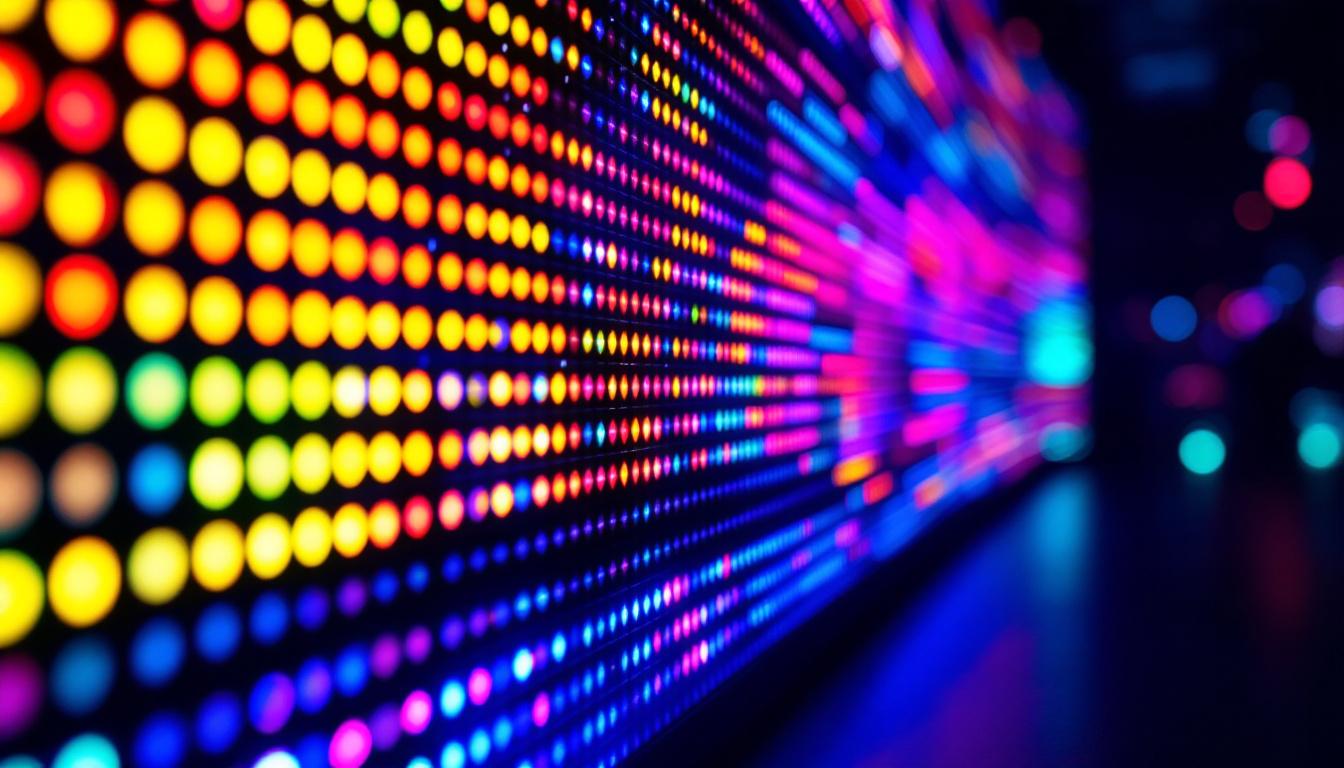
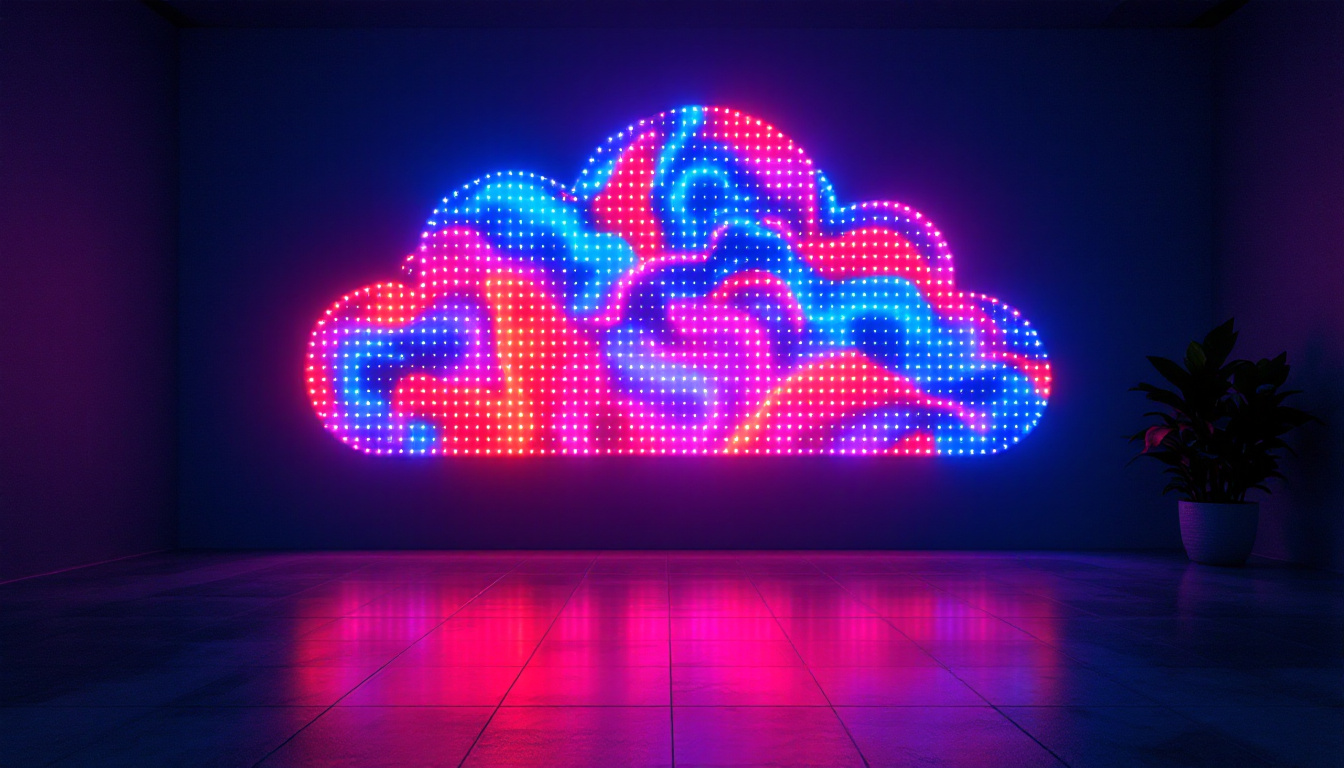
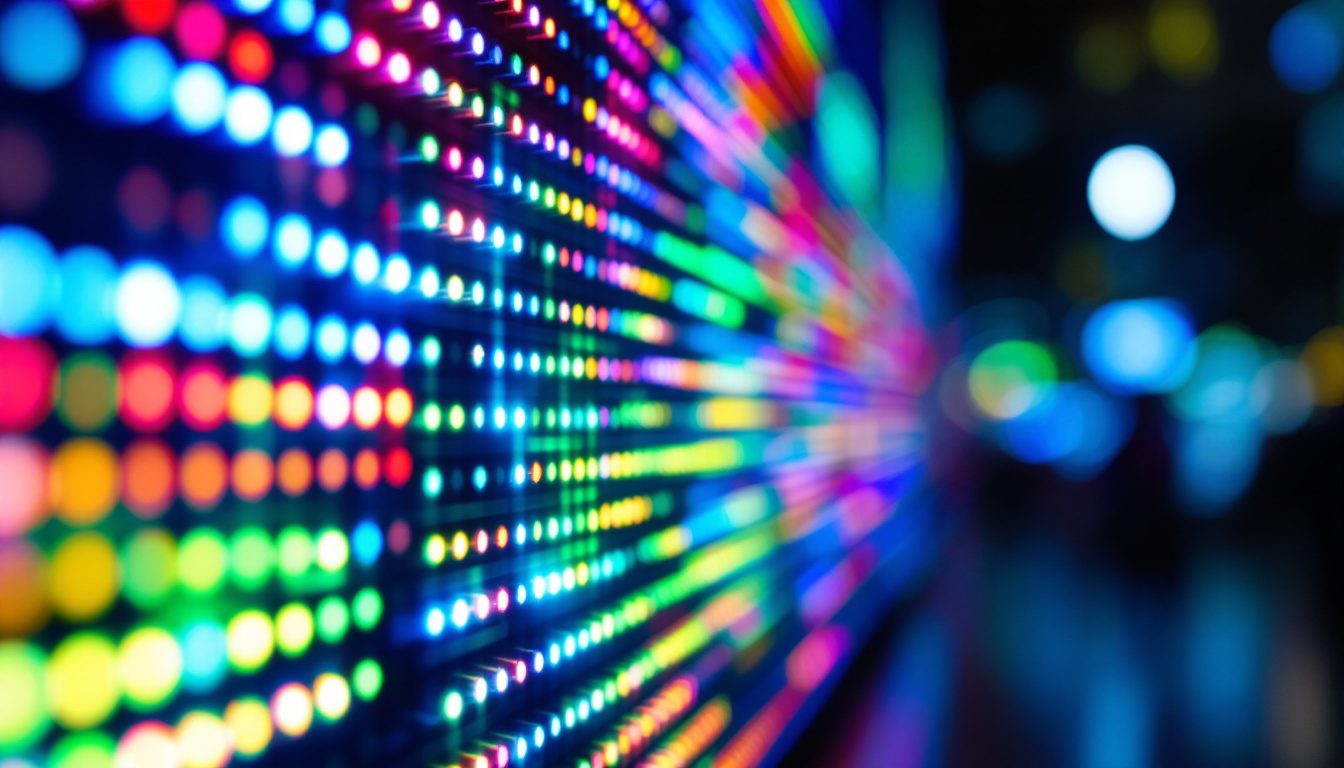
At the core, an LED display consists of thousands of tiny diodes arranged in a grid. Each diode can emit red, green, or blue light, and by varying the intensity of these colors, the display produces a full spectrum of colors. This RGB (Red, Green, Blue) system is fundamental to how LED displays create images and videos with high fidelity. Furthermore, the ability to control each individual diode allows for dynamic content changes, enabling displays to adapt to various environments and applications seamlessly.
Types of LED Displays
Large LED displays come in several forms, primarily categorized by their pixel pitch—the distance between individual LEDs. A smaller pixel pitch means higher resolution and sharper images, suitable for close viewing, while larger pixel pitches are ideal for displays viewed from a distance, such as billboards or stadium screens. The choice of pixel pitch is crucial for ensuring that the display meets the specific needs of its environment, balancing clarity with visibility.
There are two main types of LED displays used in large display boxes:
- Indoor LED Displays: These have a finer pixel pitch, typically between 1.2mm to 4mm, offering high resolution and clarity for close-range viewing in places like shopping malls, conference halls, and airports. Their design often incorporates advanced technologies that enhance color accuracy and viewing angles, making them ideal for presentations and advertising where detail is paramount.
- Outdoor LED Displays: Designed to withstand weather conditions, these displays have a larger pixel pitch, often ranging from 6mm to 20mm. Their brightness levels can exceed 5,000 nits, ensuring visibility even under direct sunlight. Additionally, outdoor displays are built with robust materials and protective coatings to resist rain, dust, and UV radiation, ensuring longevity and consistent performance in various climates.
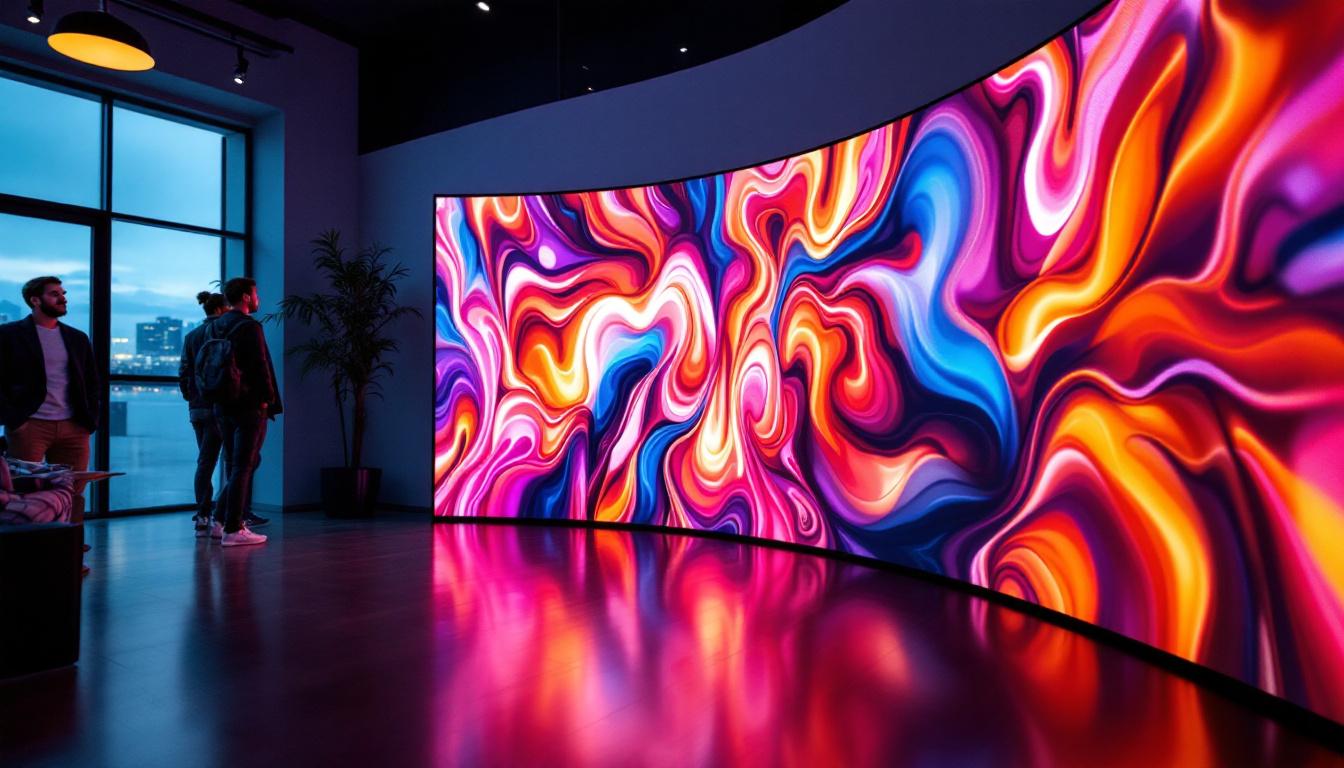
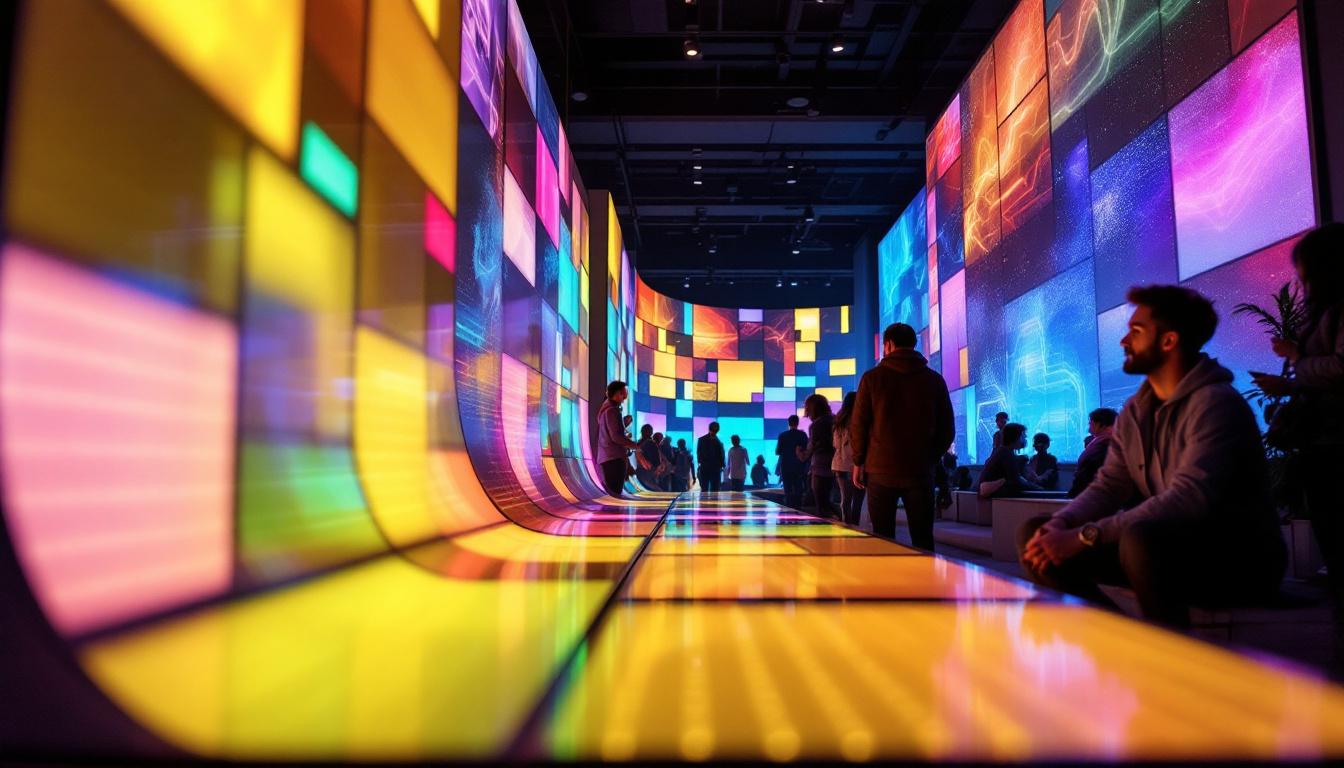
Moreover, the versatility of LED technology allows for creative installations, such as curved or flexible displays that can fit into unconventional spaces. This adaptability has opened new avenues for artistic expression and advertising, enabling brands to capture audience attention in innovative ways. As technology continues to evolve, we can expect even more advancements in LED display capabilities, including improved energy efficiency and enhanced interactive features that engage viewers like never before.
How Large LED Display Boxes Work
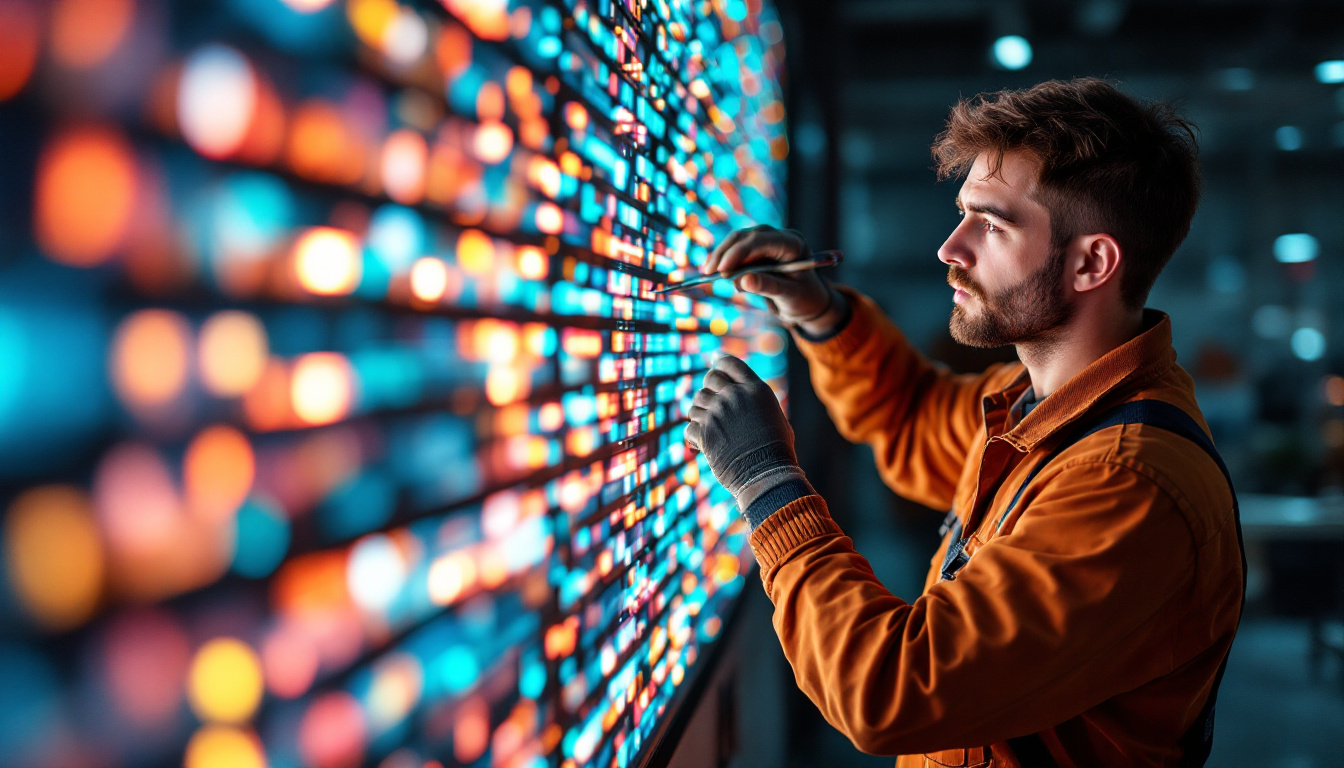
The construction of a large LED display box involves several components working in harmony. The display panel itself is made up of modular LED panels that can be assembled to create any desired size. This modularity allows for scalability and ease of maintenance. Each panel is designed to be lightweight yet durable, ensuring that the display can withstand various environmental conditions, whether it’s installed indoors or outdoors. Additionally, the panels are often weatherproofed and treated to resist UV damage, prolonging their lifespan and maintaining vibrant colors over time.
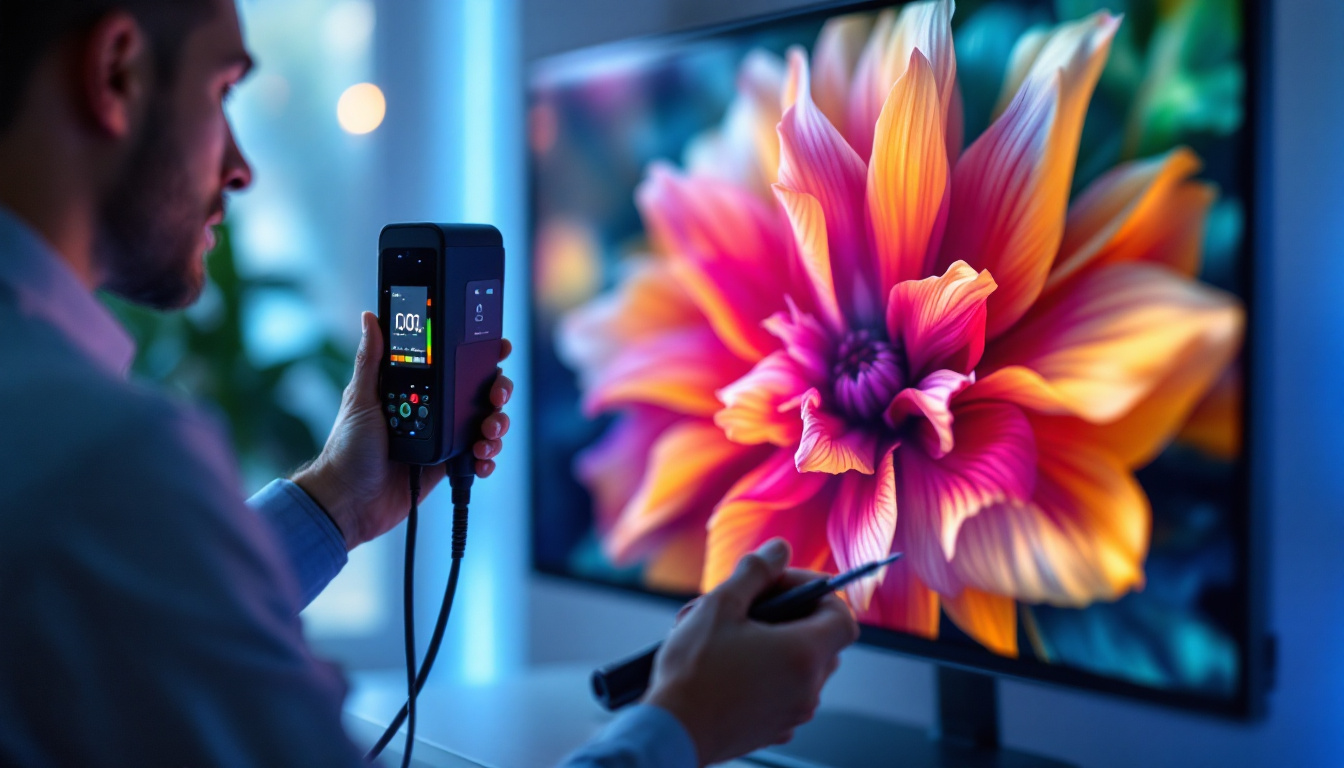
Each LED module contains a matrix of LEDs controlled by a driver IC (Integrated Circuit). The driver receives data from a control system, which processes the input video or image signal and converts it into electrical signals that determine the brightness and color of each LED. This intricate process involves rapid calculations to ensure that the display can refresh at high speeds, providing smooth transitions and vivid imagery. The technology behind LED displays has evolved significantly, with advancements in pixel pitch allowing for higher resolution displays that can be viewed clearly from both near and far distances.
Control Systems and Content Management
Modern LED display boxes are equipped with sophisticated control systems that handle content scheduling, brightness adjustment, and error detection. These systems can be managed remotely via software platforms, enabling operators to update content in real-time or schedule it in advance. This capability is particularly beneficial for businesses that want to promote time-sensitive offers or events, as they can change their messaging on the fly without the need for physical alterations to the display.
Content management is crucial for maximizing the impact of LED displays. Whether it’s advertising, public information, or entertainment, the ability to deliver dynamic, high-quality content tailored to the audience is what makes LED displays so effective. Advanced content management systems also allow for the integration of interactive elements, such as social media feeds or audience engagement features, which can significantly enhance viewer interaction. Furthermore, analytics tools can track viewer engagement and response, providing valuable insights that can inform future content strategies and improve overall effectiveness.
Applications of Large LED Display Boxes
Large LED display boxes have revolutionized how information and advertising are presented in public and private spaces. Their versatility and visual impact make them suitable for a wide range of applications.
Advertising and Marketing
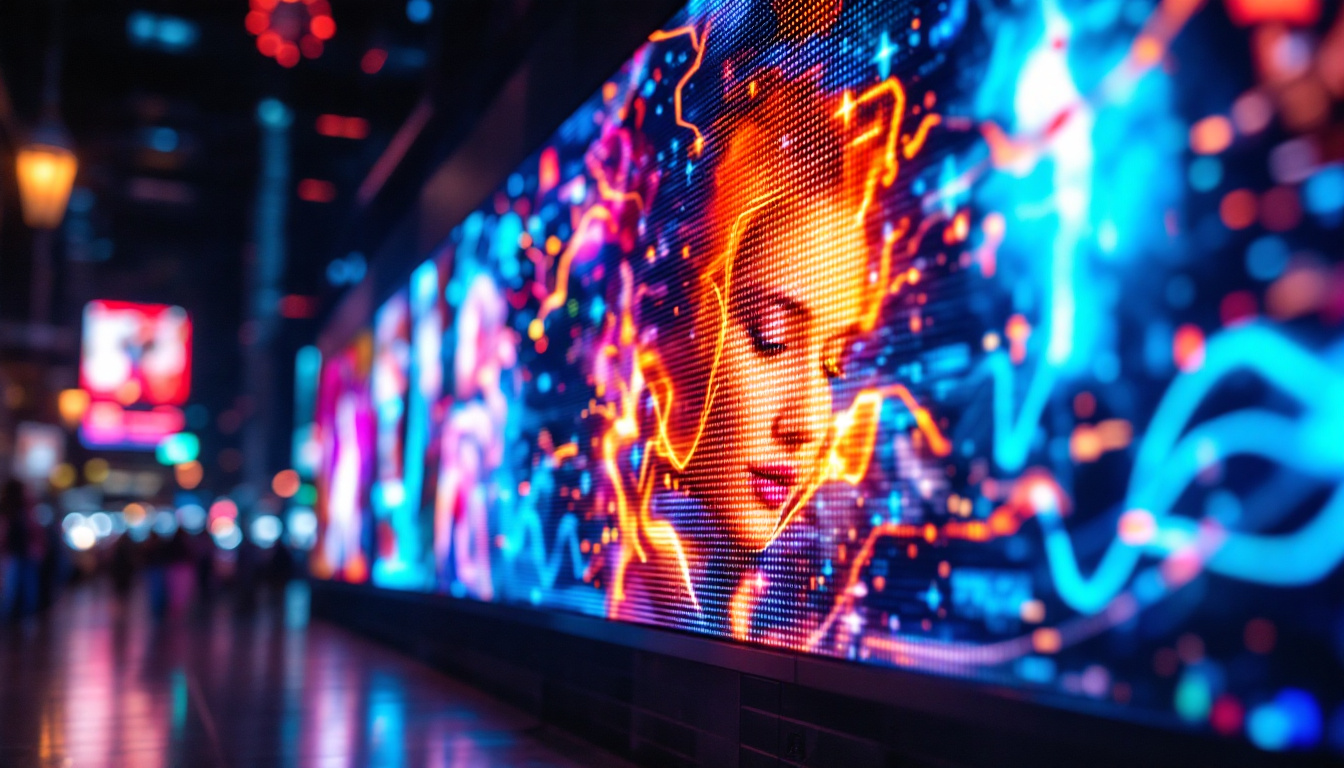
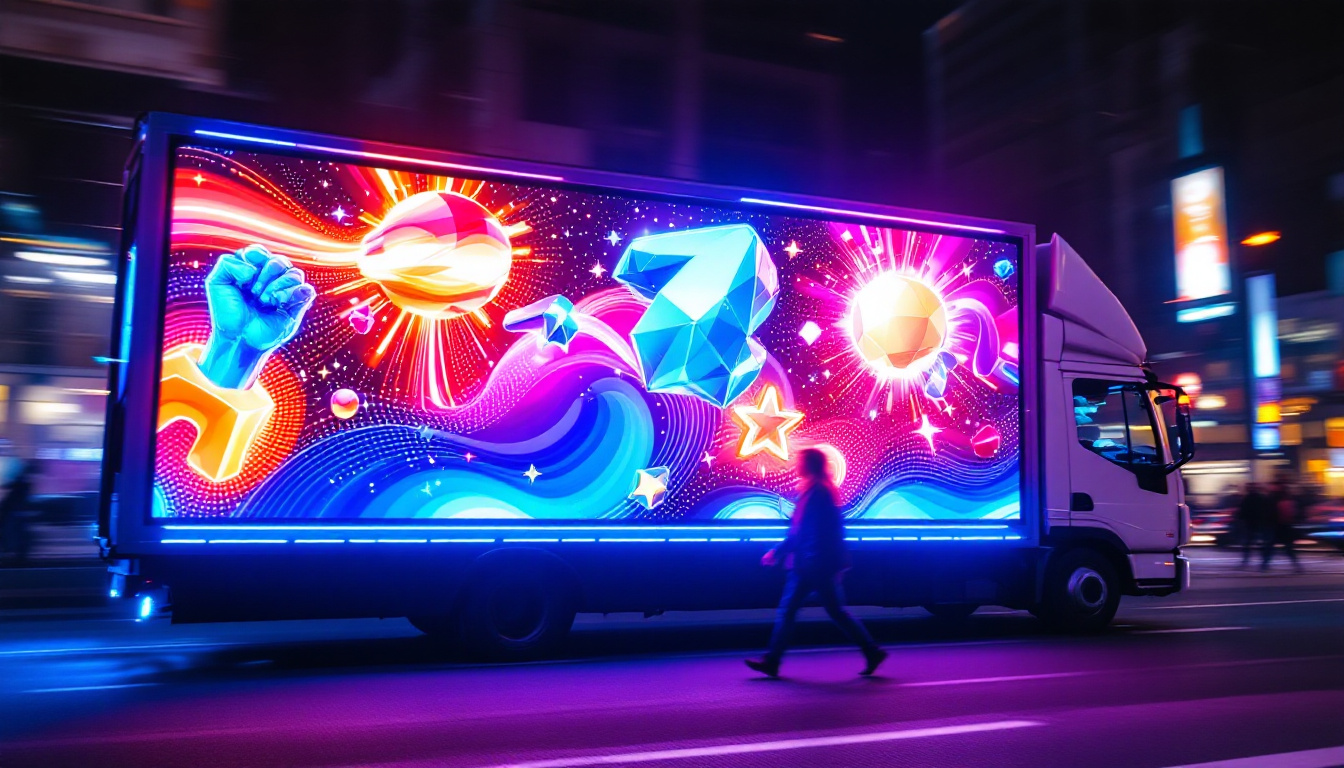
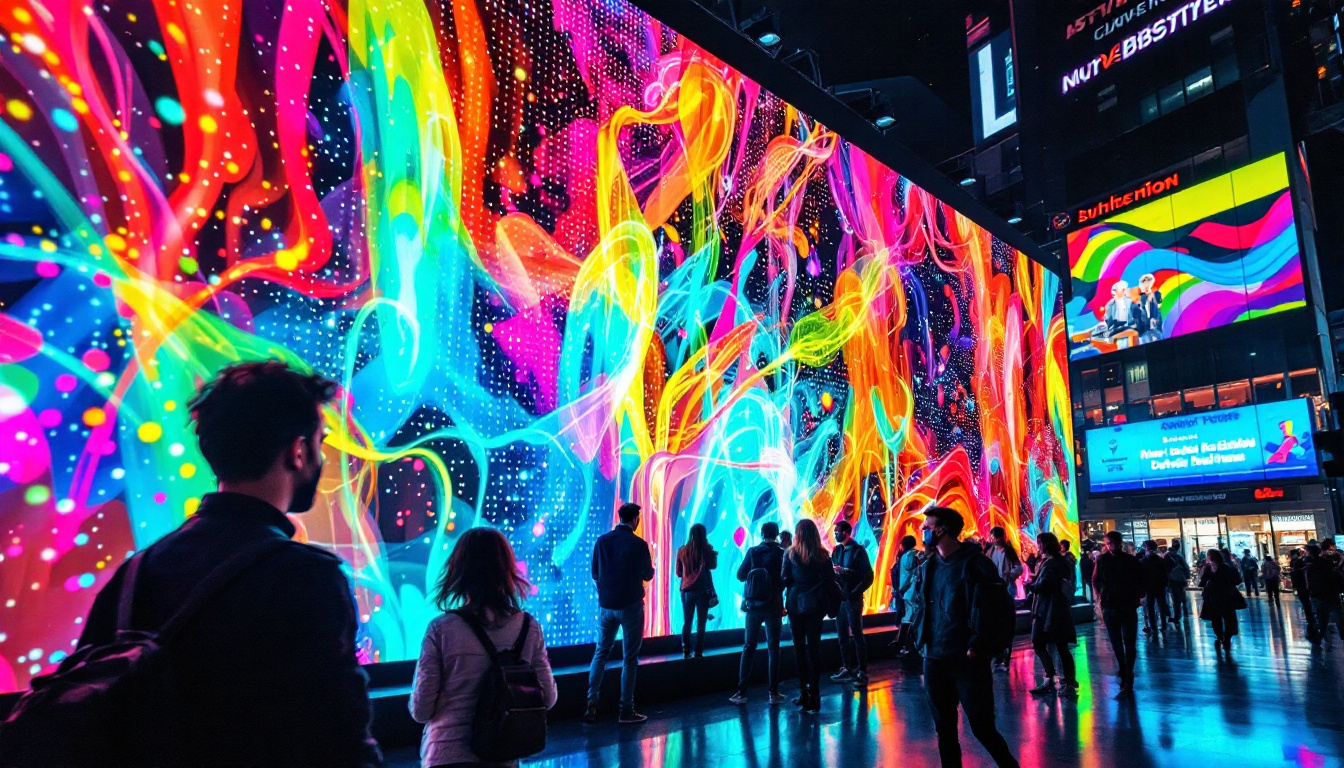
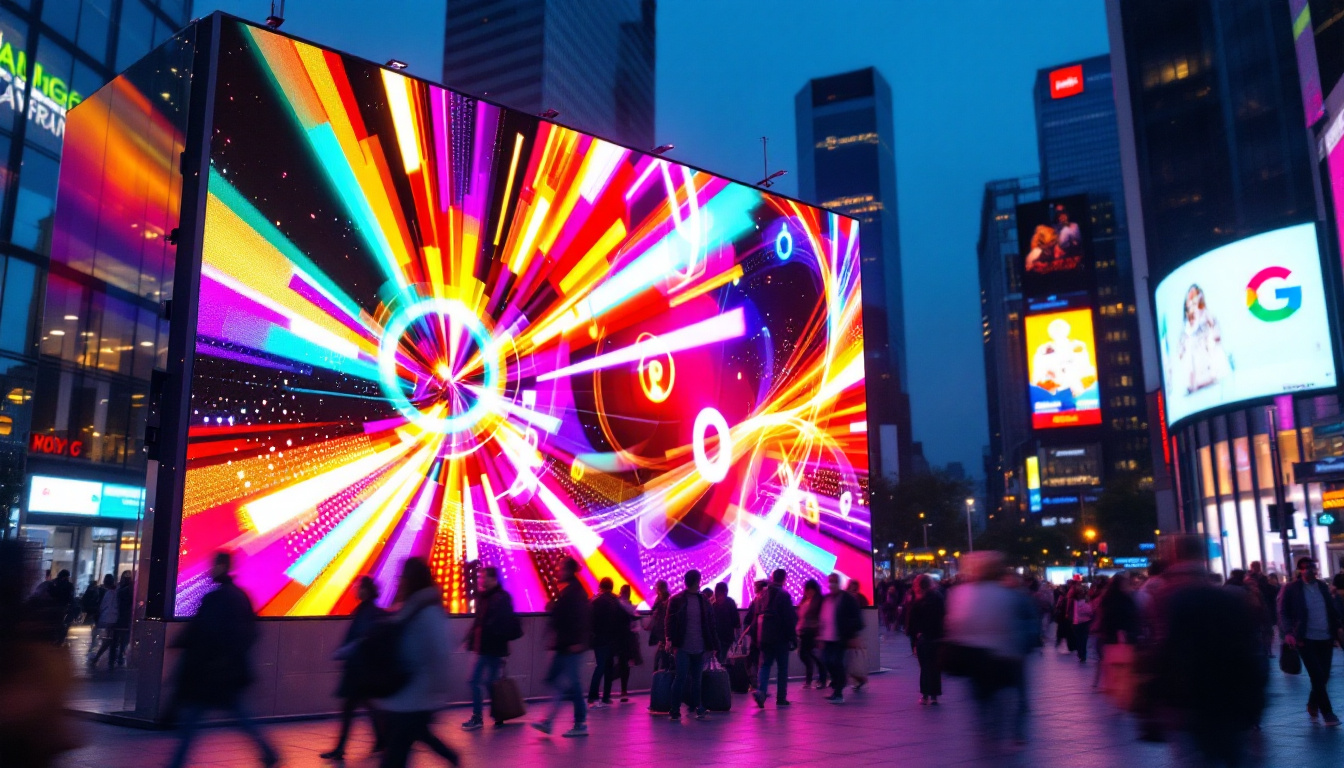
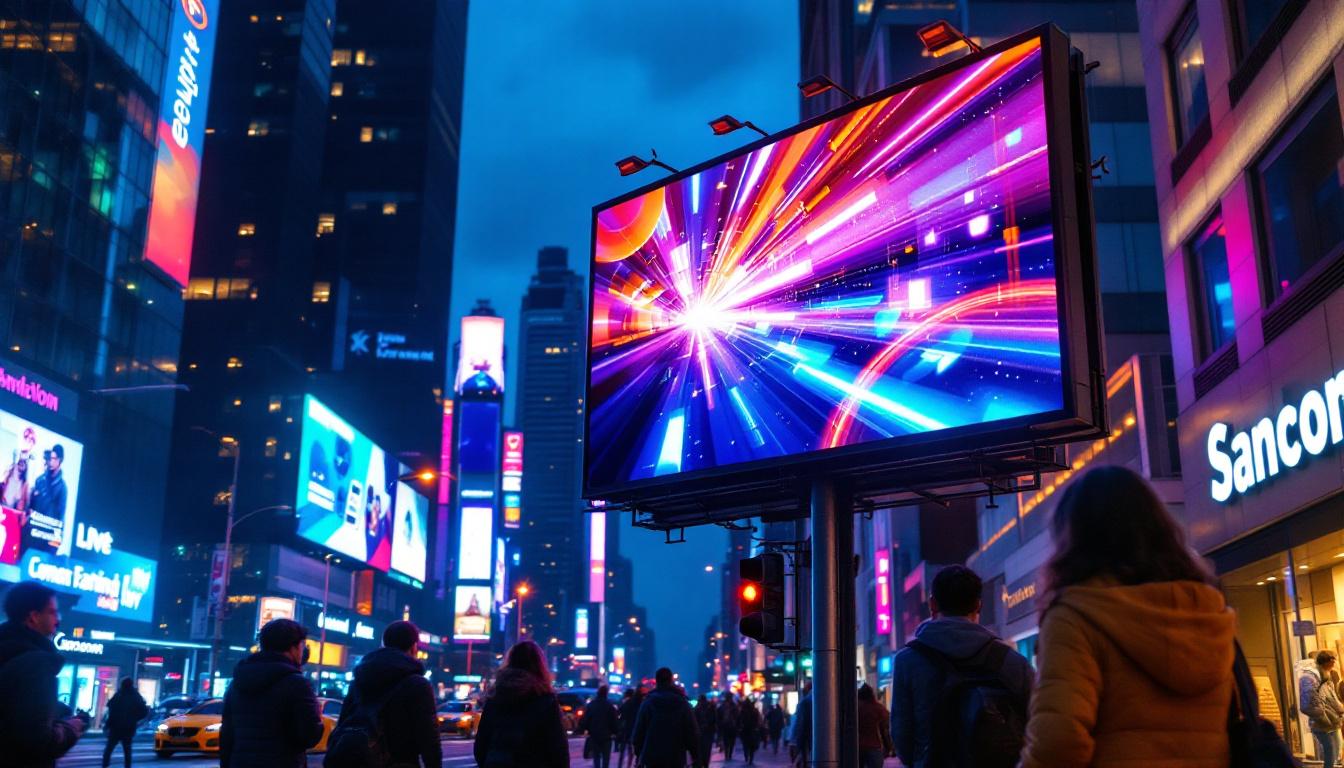
Outdoor LED billboards are a staple in urban advertising. Their brightness and size capture the attention of pedestrians and drivers alike. According to recent market research, digital out-of-home (DOOH) advertising, which heavily relies on LED displays, is expected to grow at a compound annual growth rate (CAGR) of over 10% through 2027.
Brands leverage LED displays to deliver dynamic ads that can be updated instantly, allowing for timely promotions and targeted messaging based on time of day or audience demographics.
Sports and Entertainment Venues
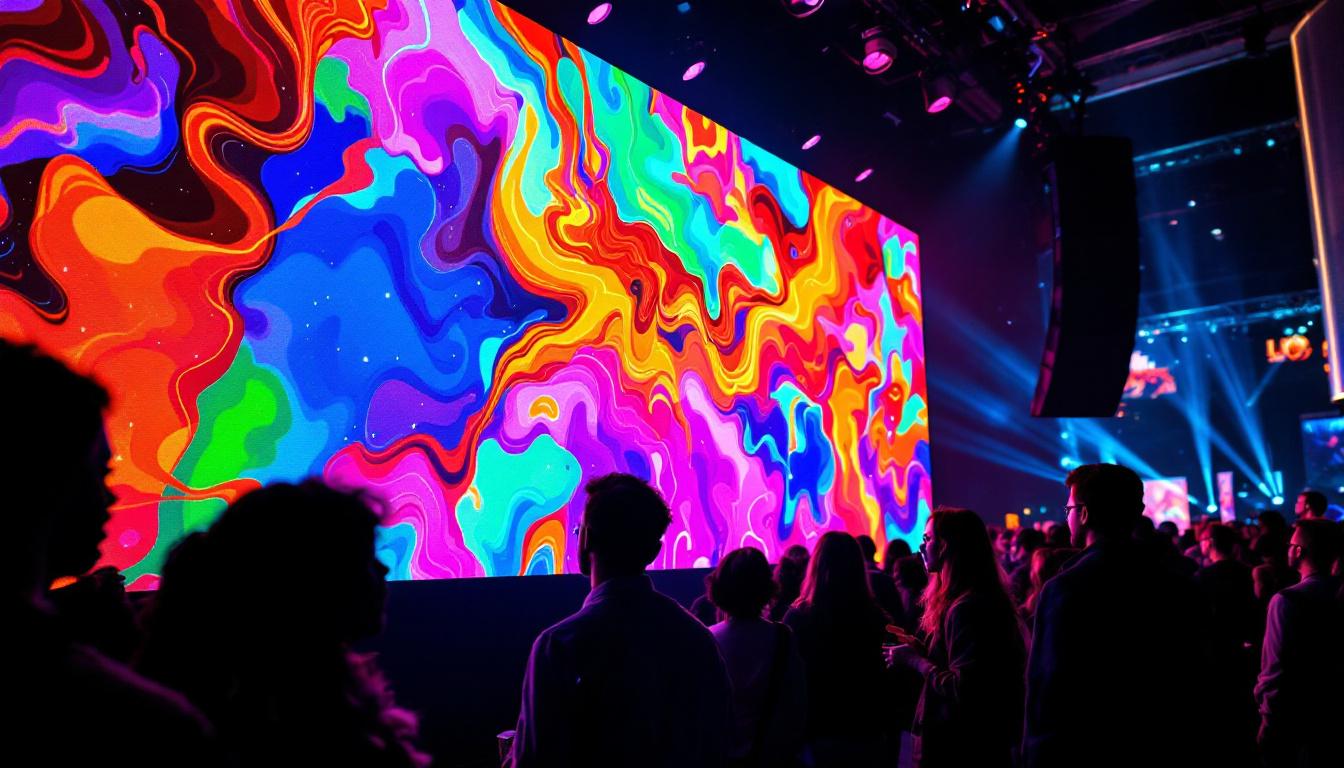
Stadiums and arenas utilize large LED display boxes to enhance the spectator experience. From live game scores to instant replays and interactive content, these displays provide real-time engagement. The ability to withstand outdoor conditions and deliver high brightness is essential in these environments.
Transportation and Public Information
Airports, train stations, and bus terminals use LED displays to provide travelers with up-to-date schedules, alerts, and wayfinding information. The clarity and reliability of LED technology ensure that critical information is communicated effectively, even in challenging lighting conditions.
Corporate and Event Use
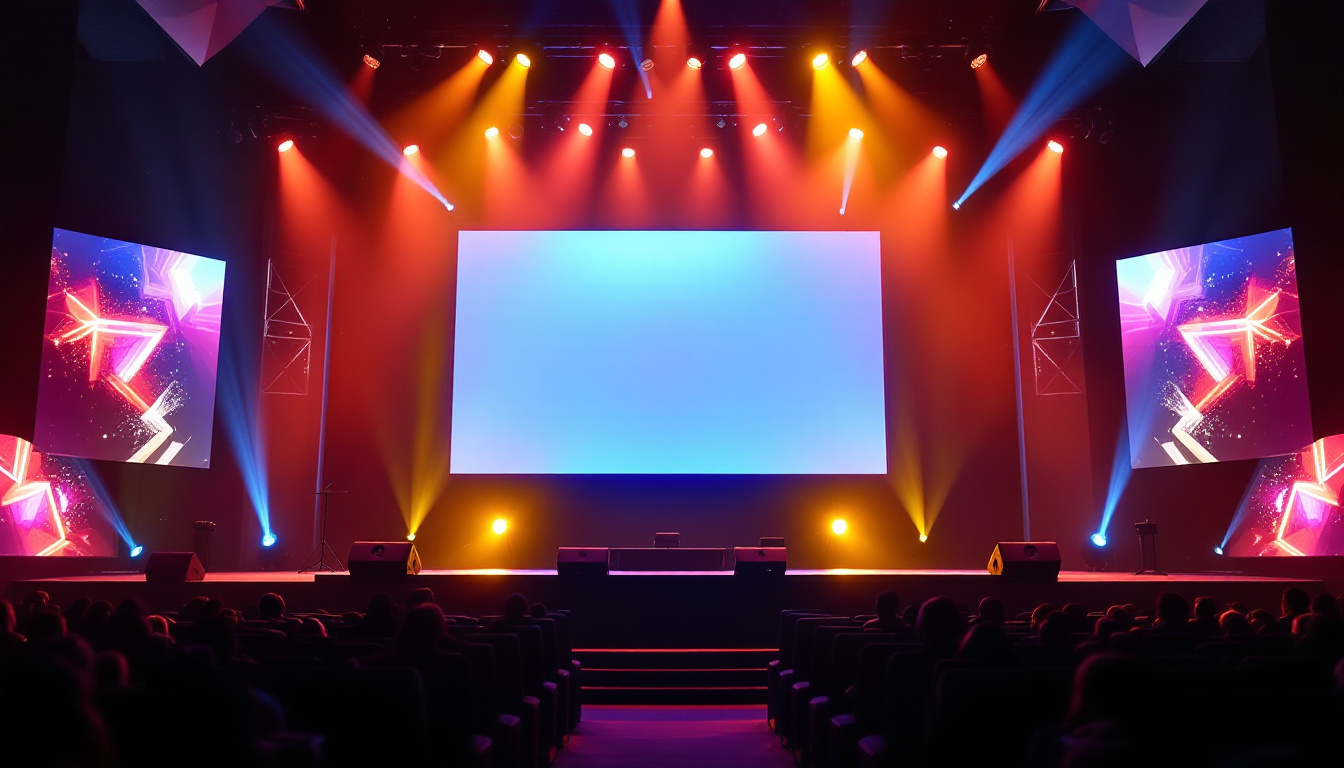
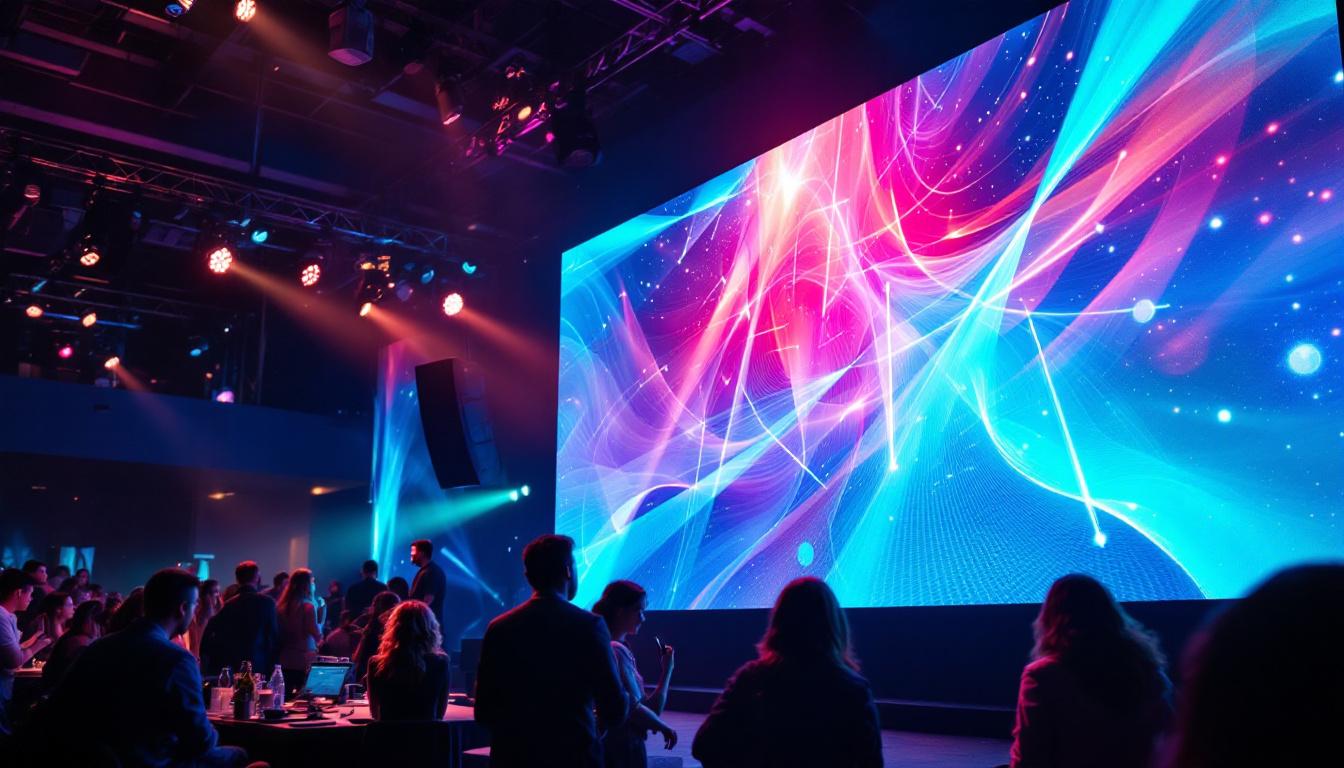
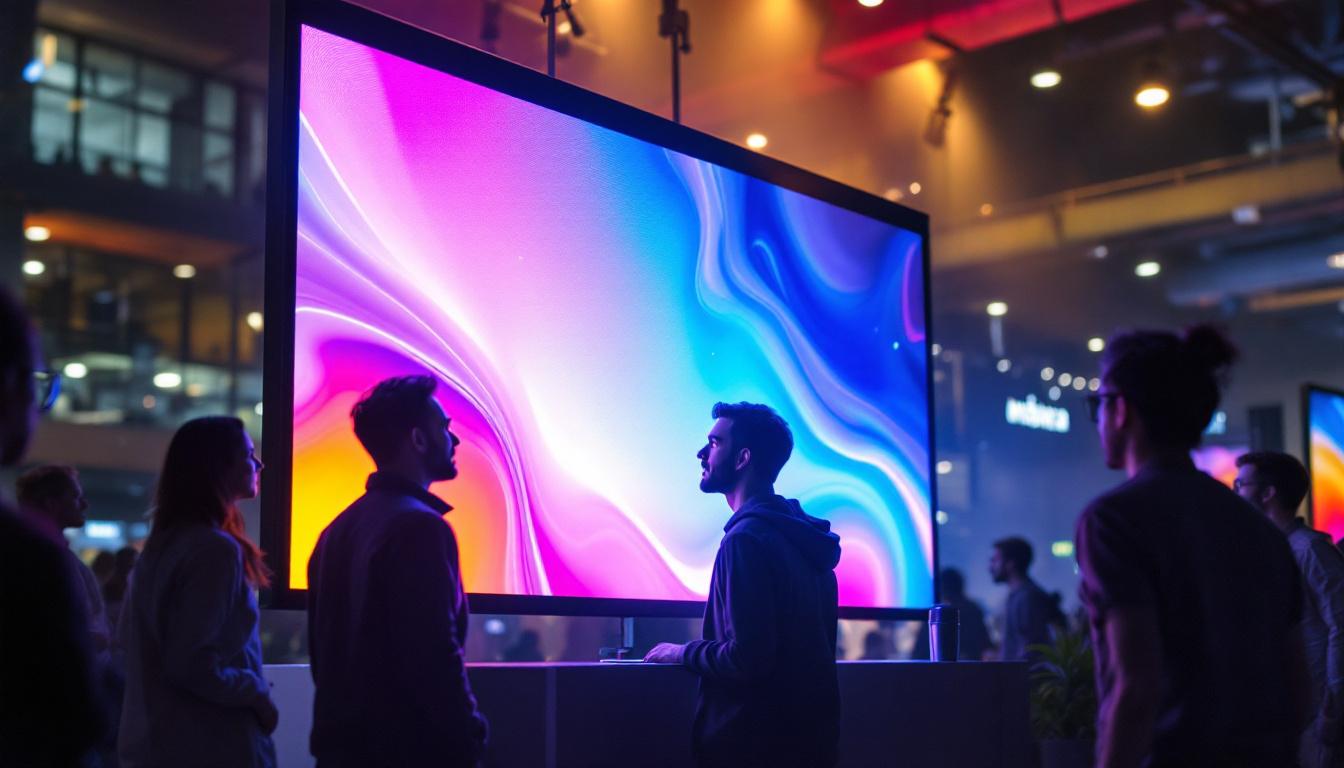
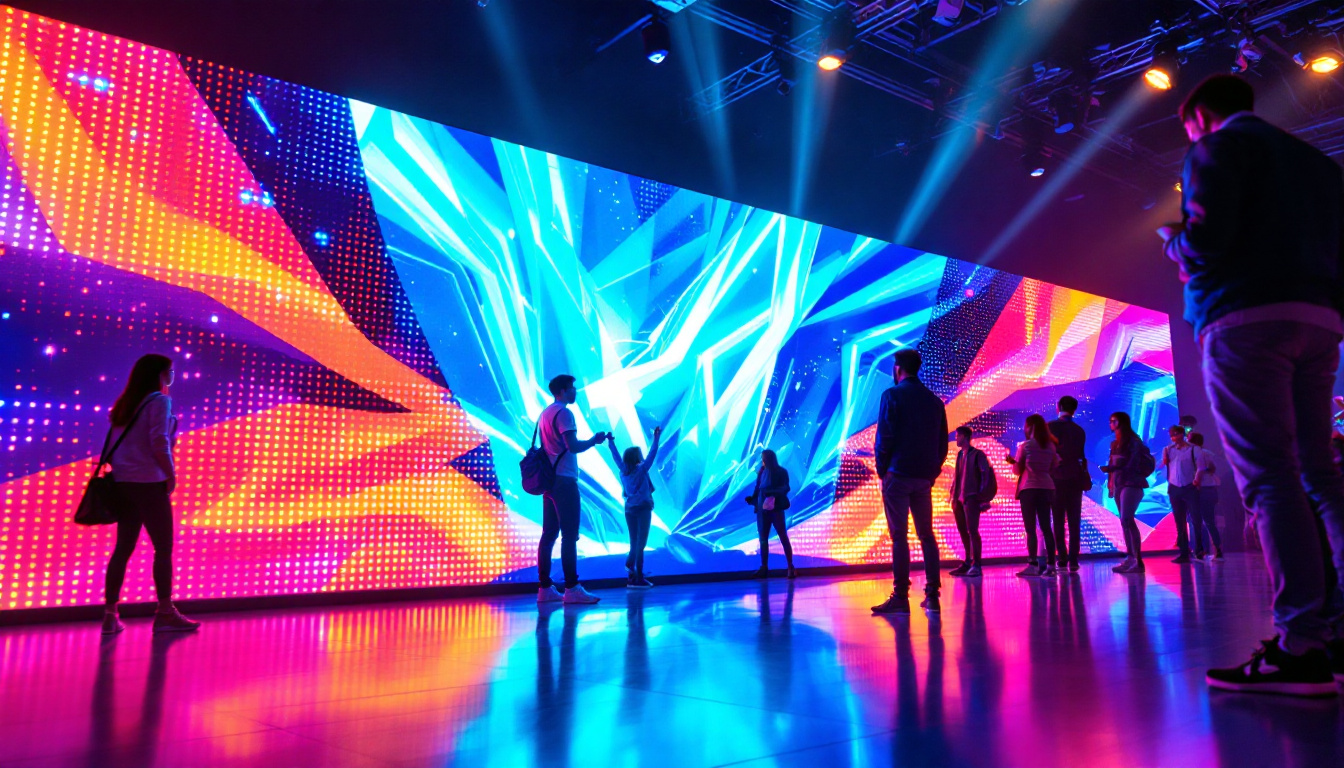
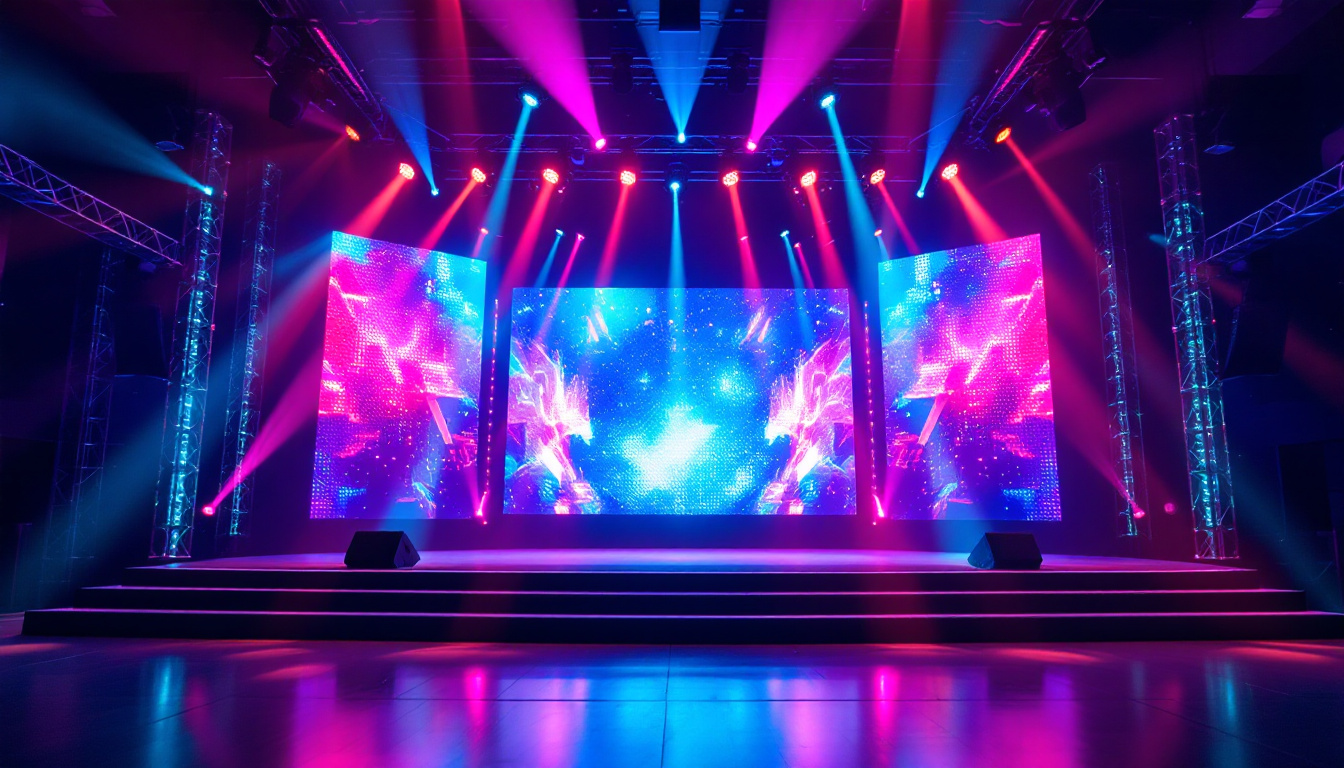
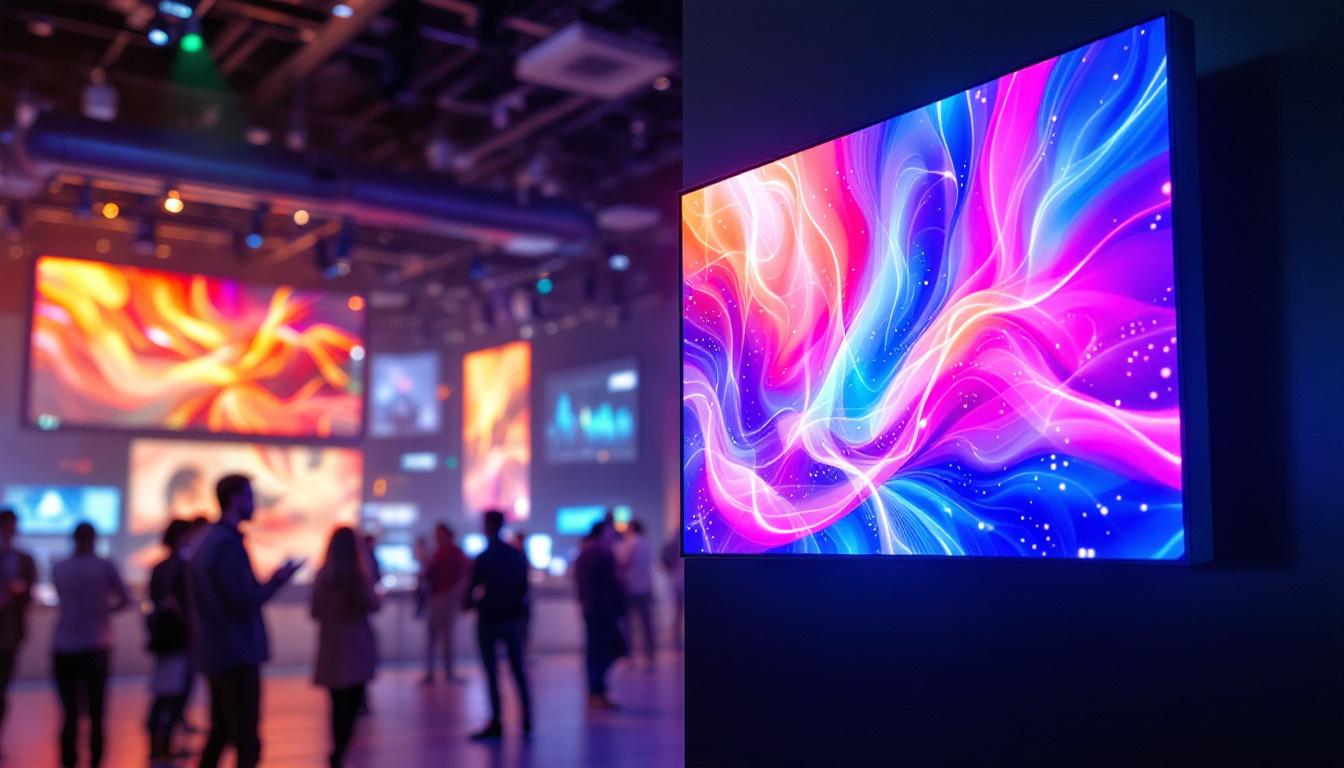
Conferences, trade shows, and corporate events often feature large LED display boxes to showcase presentations, videos, and branding. The flexibility in size and resolution allows event organizers to create immersive visual experiences that captivate audiences.
Advantages of Using Large LED Display Boxes
LED displays offer several distinct advantages over other display technologies, making them an attractive investment for businesses and organizations.
Brightness and Visibility
One of the most significant benefits of LED technology is its exceptional brightness. LED displays can reach brightness levels of up to 10,000 nits, far surpassing LCD and projection systems. This makes them ideal for outdoor use where sunlight can otherwise wash out images.
Energy Efficiency and Longevity
LEDs consume less power compared to traditional lighting and display technologies, contributing to lower operational costs. Additionally, LEDs have a long lifespan, often exceeding 100,000 hours of use, reducing the need for frequent replacements.
Durability and Weather Resistance
Outdoor LED display boxes are designed to withstand harsh weather conditions, including rain, wind, and extreme temperatures. Their robust construction ensures reliable performance in diverse environments.
Flexibility and Customization
The modular nature of LED displays allows for customization in size, shape, and resolution. This flexibility enables creative installations, from curved screens to irregularly shaped displays, expanding design possibilities.
Considerations When Choosing a Large LED Display Box
While LED displays offer numerous benefits, selecting the right product requires careful consideration of several factors to ensure optimal performance and return on investment.
Pixel Pitch and Viewing Distance
Choosing the appropriate pixel pitch is critical. For displays intended to be viewed from a distance, a larger pixel pitch is sufficient and more cost-effective. Conversely, indoor or close-range displays require finer pixel pitches to maintain image clarity.
Brightness and Ambient Light Conditions
Assessing the ambient lighting where the display will be installed helps determine the necessary brightness level. Outdoor displays generally require higher brightness to remain visible under direct sunlight.
Installation Environment and Durability
Consider the environmental conditions such as temperature fluctuations, humidity, and exposure to elements. Outdoor-rated LED displays with appropriate IP (Ingress Protection) ratings are essential for longevity in harsh conditions.
Content Management and Connectivity
Ensure the display supports the required content formats and offers user-friendly control systems. Connectivity options such as Wi-Fi, Ethernet, or cellular data can facilitate remote management and real-time updates.
The Future of Large LED Display Boxes
As technology advances, LED displays continue to evolve, integrating new features and capabilities that enhance their functionality and appeal.
Higher Resolution and Mini-LED Technology
Emerging trends include the development of mini-LED and micro-LED technologies, which allow for even smaller pixel pitches and higher resolutions. These advancements will enable large displays to deliver near-retina quality visuals, improving user experience.
Interactive and Smart Displays
Integration of touch sensors and AI-driven content management systems is paving the way for interactive LED displays. These smart displays can adapt content based on audience behavior, time, and environmental conditions, making them more engaging and effective.
Sustainability and Energy Efficiency
With growing emphasis on sustainability, manufacturers are focusing on reducing the environmental impact of LED displays. Innovations in power consumption, recyclable materials, and longer product lifecycles contribute to greener solutions.
Conclusion
Large display boxes utilizing LED technology have transformed the landscape of digital communication. Their brightness, durability, and flexibility make them indispensable tools across advertising, entertainment, transportation, and corporate sectors. Understanding the technology, applications, and key considerations ensures that businesses and organizations can make informed decisions when investing in LED displays.
As LED technology continues to advance, the potential for more immersive, interactive, and sustainable displays grows, promising exciting opportunities for the future of large-scale digital signage.
Discover LumenMatrix LED Display Solutions
Ready to elevate your visual communication strategy with the latest in LED display technology? LumenMatrix offers a comprehensive range of innovative solutions tailored to your needs. From vibrant Indoor and Outdoor LED Wall Displays to dynamic Vehicle and Sports LED Displays, our products are designed to captivate and engage your audience. Experience the future of digital signage with our All-in-One LED Displays, LED Transparent Displays, and more. Check out LumenMatrix LED Display Solutions today and transform your brand’s visibility with unparalleled clarity and impact.