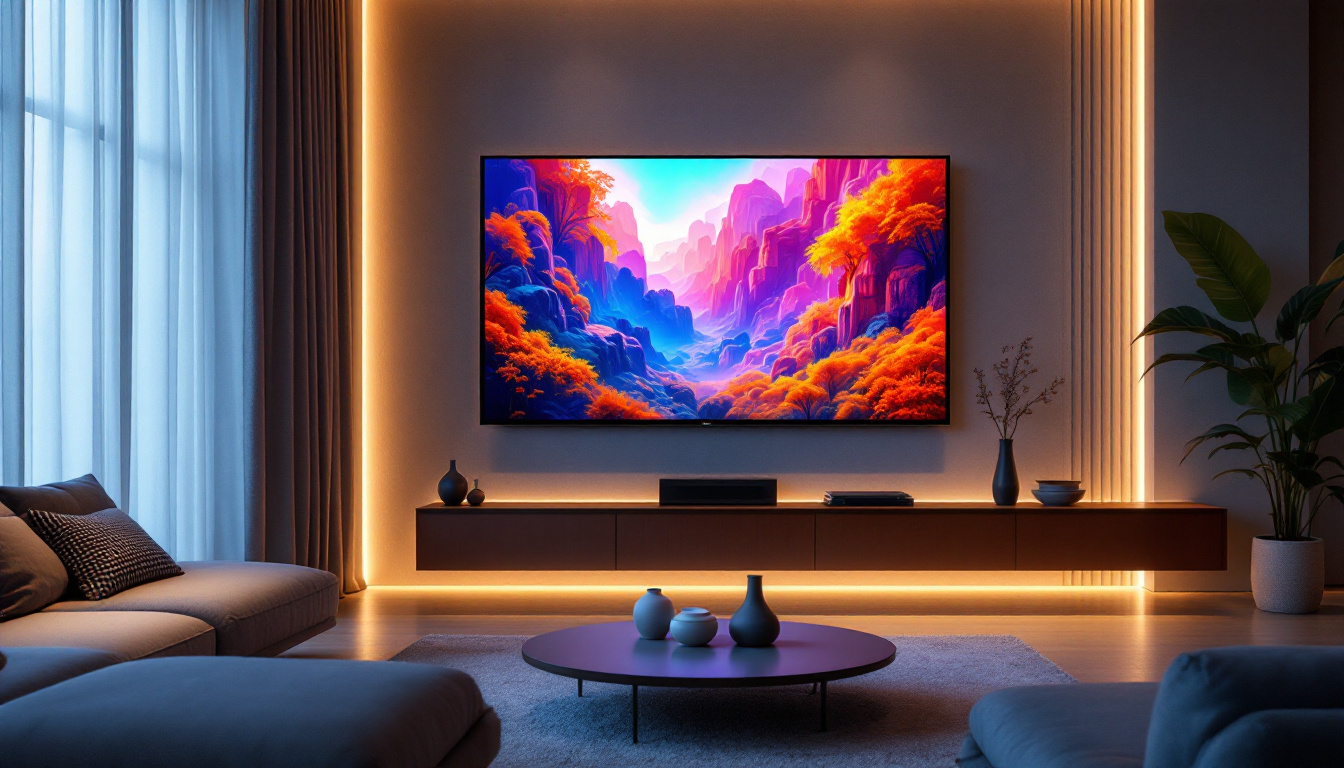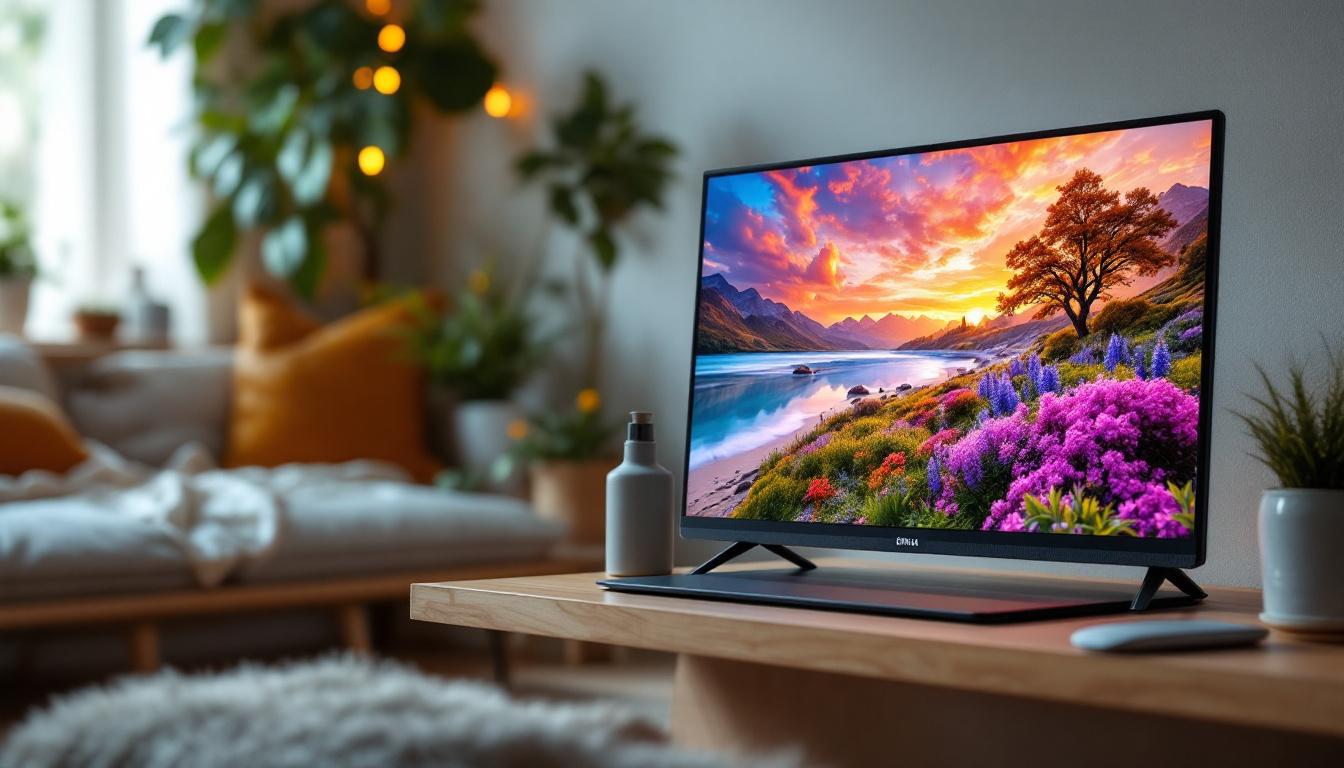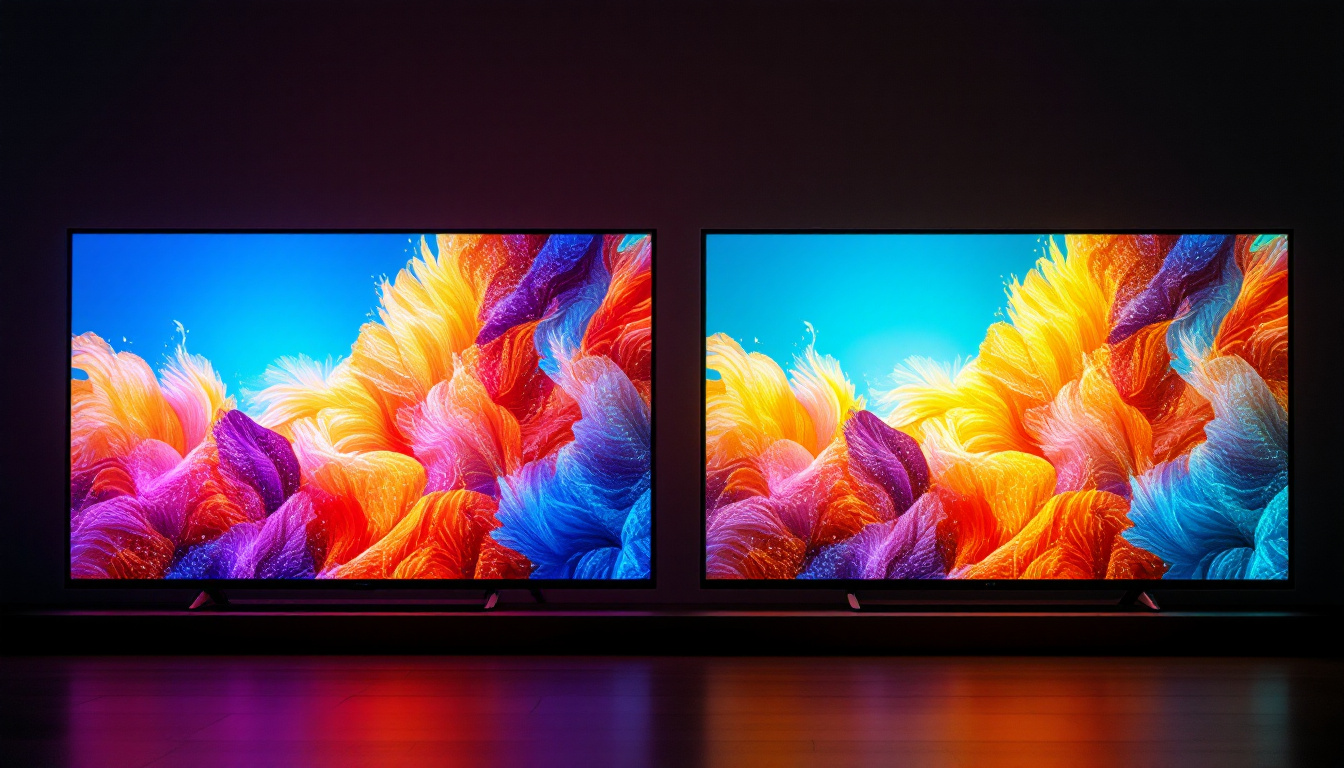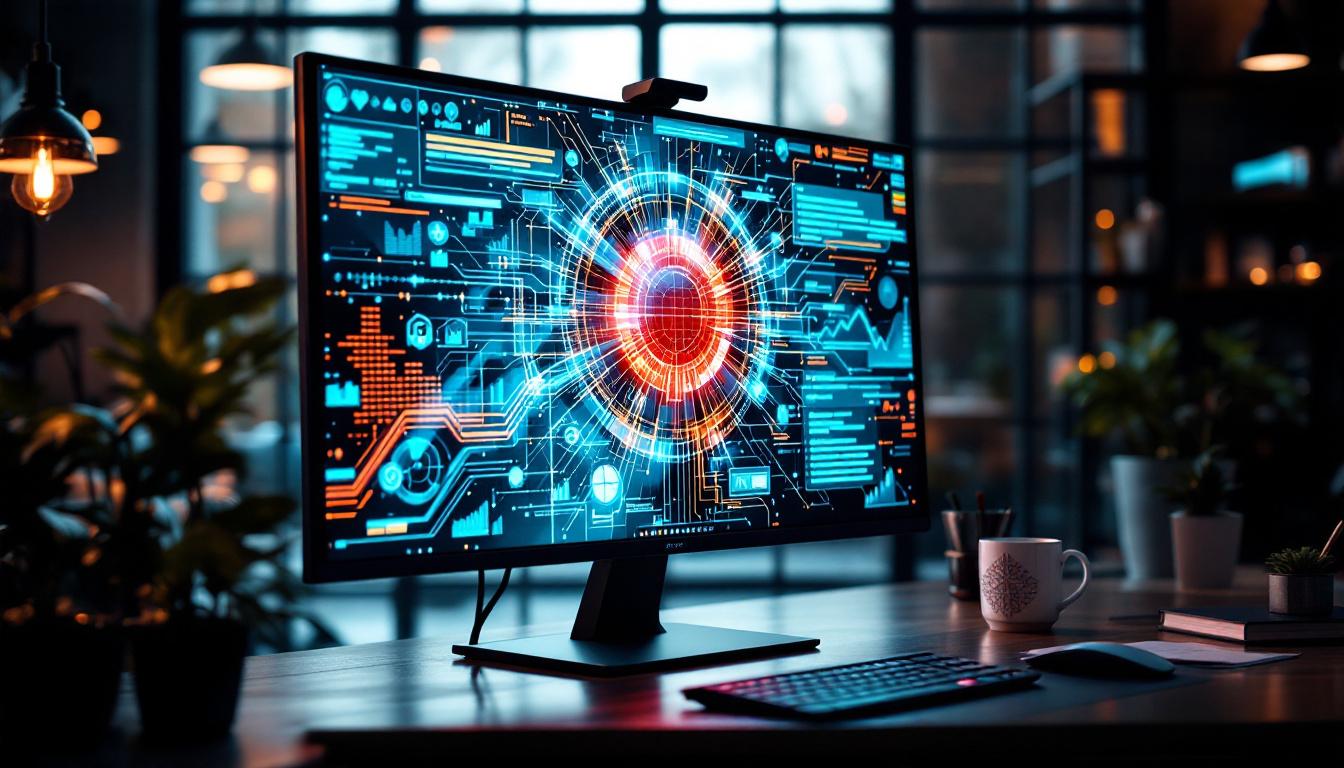
In the rapidly evolving world of display technology, the refresh rate of a monitor plays a critical role in determining the quality of the visual experience. With the rise of LED displays, higher refresh rates have become more accessible and desirable, particularly for gamers, professionals, and multimedia consumers. This article delves into the benefits of higher refresh rate monitors, explains how LED technology complements these advantages, and provides insights into why upgrading your display could be a game-changer.
Understanding Refresh Rate and LED Display Technology
What Is Refresh Rate?
The refresh rate of a monitor refers to how many times the screen updates with new image data per second, measured in hertz (Hz). A 60Hz monitor refreshes its image 60 times per second, while a 144Hz monitor does so 144 times per second. This metric directly influences the smoothness and fluidity of motion on the screen.
Higher refresh rates reduce motion blur and screen tearing, making fast-moving images appear clearer and more natural. This is especially important in scenarios such as gaming, video playback, and professional applications like video editing or animation. For instance, competitive gamers often prefer monitors with refresh rates of 240Hz or higher, as this can provide a significant edge in fast-paced environments where every millisecond counts. The difference in responsiveness can be the deciding factor between victory and defeat in high-stakes gaming.
Moreover, the refresh rate can also impact the overall viewing experience during everyday tasks. For instance, when scrolling through web pages or navigating through applications, a higher refresh rate can make these actions feel smoother and more responsive, reducing eye strain over extended periods of use. As technology evolves, we are beginning to see a shift towards higher refresh rates becoming the standard across various devices, including smartphones and tablets, enhancing user experience across the board.
How LED Displays Work
LED (Light Emitting Diode) displays are a type of LCD (Liquid Crystal Display) that use LED backlighting instead of traditional CCFL (Cold Cathode Fluorescent Lamp) backlights. This technology allows for thinner screens, better energy efficiency, and improved brightness and contrast ratios.
LED monitors can support higher refresh rates more effectively due to their ability to maintain consistent brightness and color accuracy even at rapid screen updates. Additionally, advancements like IPS (In-Plane Switching) and VA (Vertical Alignment) panels combined with LED backlighting have enhanced viewing angles and color reproduction, complementing the benefits of higher refresh rates. For example, IPS panels are known for their superior color accuracy and wider viewing angles, making them ideal for graphic design and photography work, where precise color representation is crucial.
Furthermore, the evolution of LED technology has led to innovations such as Mini-LED and Micro-LED displays, which provide even greater control over local dimming and contrast ratios. These advancements allow for deeper blacks and brighter highlights, significantly enhancing the visual experience in both gaming and cinematic content. As manufacturers continue to push the boundaries of LED technology, we can expect to see even more impressive developments that will redefine how we interact with our screens, making them not only more efficient but also more immersive than ever before.
Enhanced Visual Experience with Higher Refresh Rates
Smoother Motion and Reduced Motion Blur
One of the most noticeable benefits of a higher refresh rate monitor is the smoothness of motion. At 60Hz, fast-moving objects can appear blurry or jittery, especially in fast-paced games or action-packed videos. Increasing the refresh rate to 120Hz, 144Hz, or even 240Hz significantly reduces motion blur, resulting in crisp and clear visuals.
For example, competitive gamers often prefer 144Hz or higher monitors because the smoother motion allows for quicker reaction times and better precision. The difference between 60Hz and 144Hz can be the difference between winning and losing in fast-paced multiplayer games.
Reduced Screen Tearing and Input Lag
Screen tearing occurs when the monitor displays portions of multiple frames in a single screen draw, leading to a disjointed or “torn” image. Higher refresh rate monitors, especially when paired with technologies like G-Sync or FreeSync, synchronize the monitor’s refresh rate with the graphics card’s output, minimizing tearing.
Additionally, input lag—the delay between a user’s action and the corresponding visual response—is typically lower on higher refresh rate monitors. This responsiveness is crucial not only in gaming but also in professional tasks such as graphic design, video editing, and virtual reality applications.
Benefits for Different User Groups
Gamers: Competitive Edge and Immersive Gameplay
For gamers, the benefits of higher refresh rates are immediately apparent. Competitive esports titles like Counter-Strike: Global Offensive, Valorant, and Fortnite demand rapid reflexes and precise aiming. Monitors with refresh rates of 144Hz or higher provide smoother animations and faster frame updates, allowing players to track moving targets more accurately and react faster to in-game events.
Beyond competitive gaming, higher refresh rates also enhance immersive single-player experiences. Games with rich, fluid animations and fast camera movements look more natural and engaging, contributing to a more enjoyable gaming session.
Creative Professionals: Precision and Workflow Efficiency
Graphic designers, video editors, and animators benefit from higher refresh rate monitors in several ways. Smooth scrolling through timelines and editing interfaces reduces eye strain and improves workflow efficiency. Motion graphics and video playback appear more fluid, allowing for more accurate editing and previewing.
Moreover, LED displays with high refresh rates often come with better color accuracy and contrast, essential for color grading, photo editing, and other color-sensitive tasks. This combination ensures that creatives see their work as intended, leading to better outcomes.
General Users: Comfortable Viewing and Reduced Fatigue
Even for everyday users, higher refresh rates contribute to a more comfortable viewing experience. Scrolling through web pages, watching videos, or working on documents feels smoother and less jarring. This can reduce eye fatigue during long sessions, a benefit supported by various studies linking refresh rate to visual comfort.
LED monitors also offer better brightness and contrast, making content easier to view in different lighting conditions. This versatility makes higher refresh rate LED monitors a strong choice for home and office environments alike.
Technical Considerations When Choosing a Higher Refresh Rate LED Monitor
Matching Refresh Rate with Graphics Card Capability
To fully benefit from a higher refresh rate monitor, the connected graphics card must be capable of outputting high frame rates. For instance, a 144Hz monitor requires the GPU to render 144 frames per second to maximize smoothness. Otherwise, the monitor will still refresh at its maximum rate, but the image quality may not improve significantly.
Users should ensure their system specifications align with the monitor’s capabilities, especially when purchasing high-refresh-rate displays for gaming or professional use.
Resolution and Panel Type
Higher refresh rates often come paired with specific resolutions and panel types. While 1080p monitors with 144Hz or 240Hz refresh rates are common and affordable, 1440p and 4K monitors with high refresh rates are becoming more prevalent as technology advances.
Panel type also affects the overall experience. IPS panels offer better color accuracy and viewing angles, while TN panels tend to have faster response times but poorer color reproduction. VA panels provide excellent contrast but may have slower response times. Choosing the right combination depends on the user’s priorities.
Adaptive Sync Technologies
Adaptive sync technologies like NVIDIA G-Sync and AMD FreeSync help synchronize the monitor’s refresh rate with the GPU’s frame output, reducing screen tearing and stuttering. These technologies are especially important for users who experience variable frame rates during gaming or multimedia playback.
When selecting a higher refresh rate LED monitor, verifying compatibility with the graphics card’s adaptive sync technology ensures a smoother and more stable visual experience.
Future Trends and Innovations in Refresh Rate and LED Displays
Increasing Refresh Rates Beyond 240Hz
While 144Hz and 240Hz monitors are currently popular, some manufacturers are pushing refresh rates even higher, with displays reaching 360Hz or more. These ultra-high refresh rates are primarily targeted at professional esports players and enthusiasts who demand the absolute lowest latency and smoothest motion possible.
As GPUs become more powerful and capable of delivering higher frame rates, such monitors will become more mainstream, offering even greater visual fluidity.
Mini-LED and Micro-LED Advancements
Beyond traditional LED backlighting, emerging technologies like Mini-LED and Micro-LED are revolutionizing display quality. These technologies offer superior brightness, contrast, and color accuracy while maintaining the ability to support high refresh rates.
Mini-LED displays use thousands of tiny LEDs for backlighting, enabling more precise local dimming and deeper blacks. Micro-LED goes a step further by using microscopic LEDs as individual pixels, potentially combining the best aspects of OLED and LED technologies without the drawbacks of burn-in or limited lifespan.
Integration with HDR and Variable Refresh Rate Standards
High Dynamic Range (HDR) technology enhances color and contrast, providing more lifelike images. When combined with higher refresh rates and LED displays, HDR can create stunning visual experiences for gaming and multimedia.
Variable refresh rate standards like HDMI 2.1 and DisplayPort 1.4 support higher bandwidths, enabling 4K resolution at 120Hz or higher. This integration is crucial for next-generation consoles, PCs, and monitors to deliver cutting-edge performance.
Conclusion: Why Upgrade to a Higher Refresh Rate LED Monitor?
Upgrading to a higher refresh rate monitor with LED technology offers tangible benefits across a broad spectrum of use cases. From smoother motion and reduced input lag to enhanced color accuracy and eye comfort, these monitors elevate the overall visual experience.
Whether you are a competitive gamer seeking an edge, a creative professional demanding precision, or a general user wanting a more comfortable and engaging display, investing in a high refresh rate LED monitor is a wise decision. As display technology continues to advance, these monitors will become even more capable, affordable, and essential in delivering the best possible viewing experience.
Discover the Future of Visual Experience with LumenMatrix
Ready to elevate your visual experience with a high refresh rate LED monitor? Look no further than LumenMatrix, a pioneer in LED display technology. Our extensive range of solutions, from Indoor and Outdoor LED Wall Displays to innovative LED Sports and Floor Displays, is designed to bring your content to life with unparalleled brightness and clarity. Embrace the future of digital signage and join the revolution in visual communication. Check out LumenMatrix LED Display Solutions today and transform the way you share your message with the world.