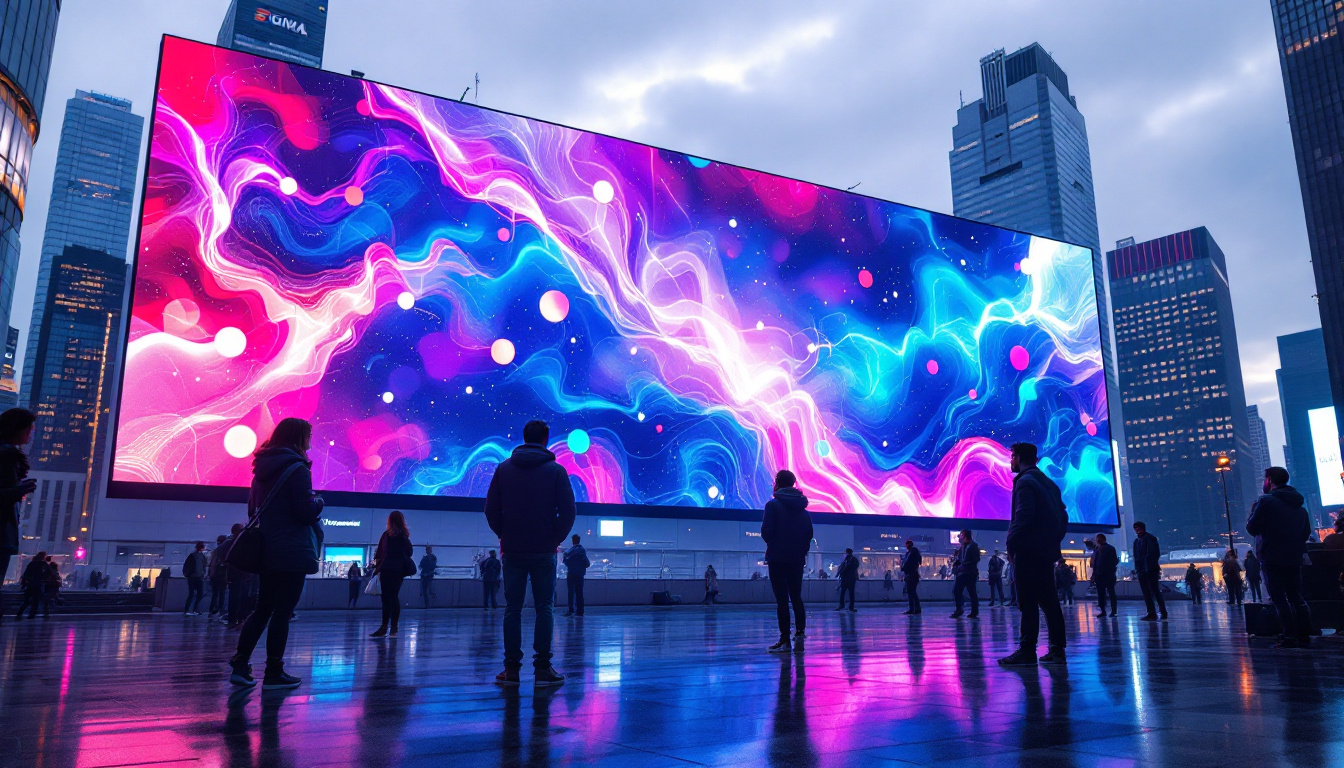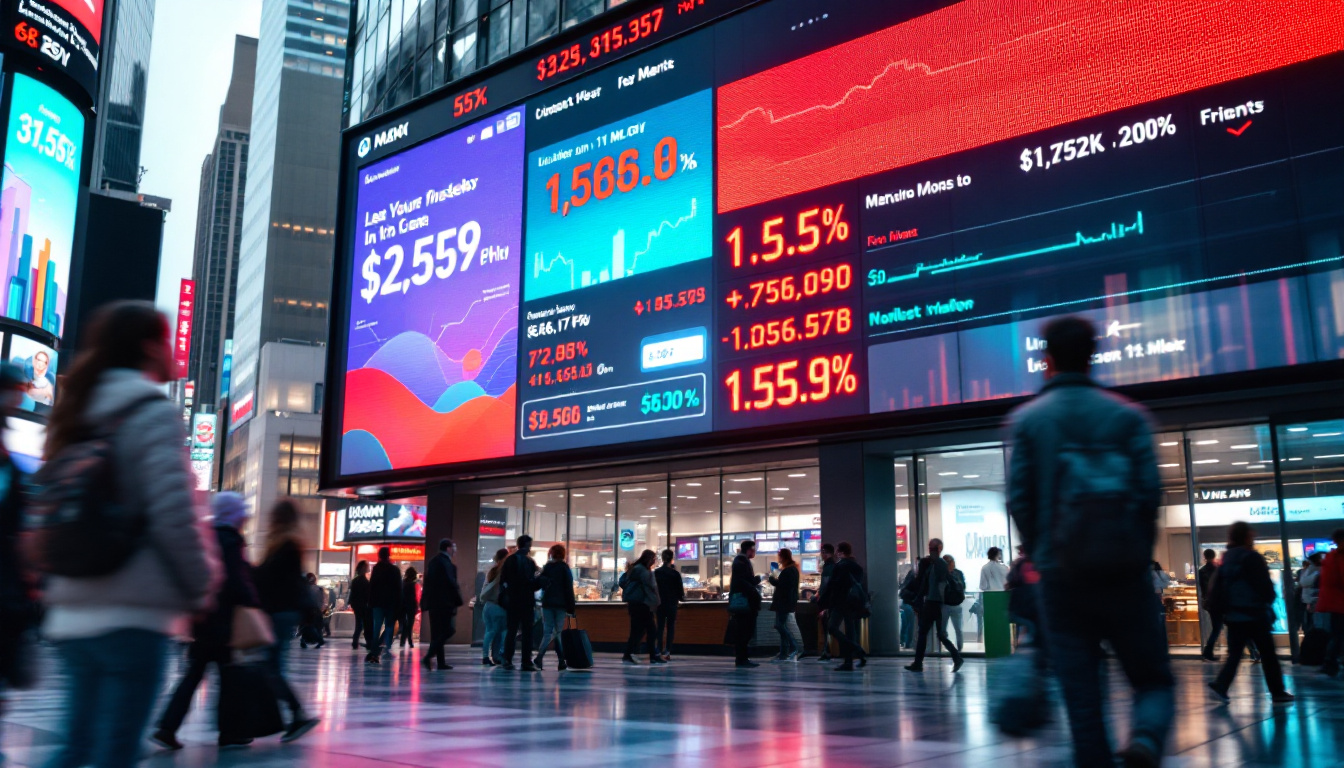
In the rapidly evolving world of audio visual electronics, LED displays have become a cornerstone technology, transforming how information and visuals are presented across industries. From vibrant outdoor billboards to sleek indoor digital signage, LED displays offer unparalleled brightness, energy efficiency, and versatility. This article delves deep into the technology behind LED displays, their types, applications, and the future trends shaping this dynamic field.
Understanding LED Display Technology
At its core, an LED display is a flat panel display that uses light-emitting diodes (LEDs) as pixels to create images and videos. Unlike traditional LCD or plasma screens, LED displays rely on direct emission of light from the LEDs, which contributes to their superior brightness and contrast ratios. This characteristic makes them particularly effective in environments with high ambient light, such as outdoor settings or brightly lit venues, where traditional displays may struggle to maintain visibility.
How LED Displays Work
Each LED display consists of thousands to millions of tiny LEDs arranged in a matrix. These LEDs can be red, green, and blue (RGB) diodes that combine in varying intensities to produce a full spectrum of colors. By controlling the brightness of each diode, the display can render detailed images and videos with high fidelity. This ability to mix colors at the pixel level allows for vibrant graphics and smooth transitions, making LED displays a popular choice for everything from advertising billboards to concert backdrops.
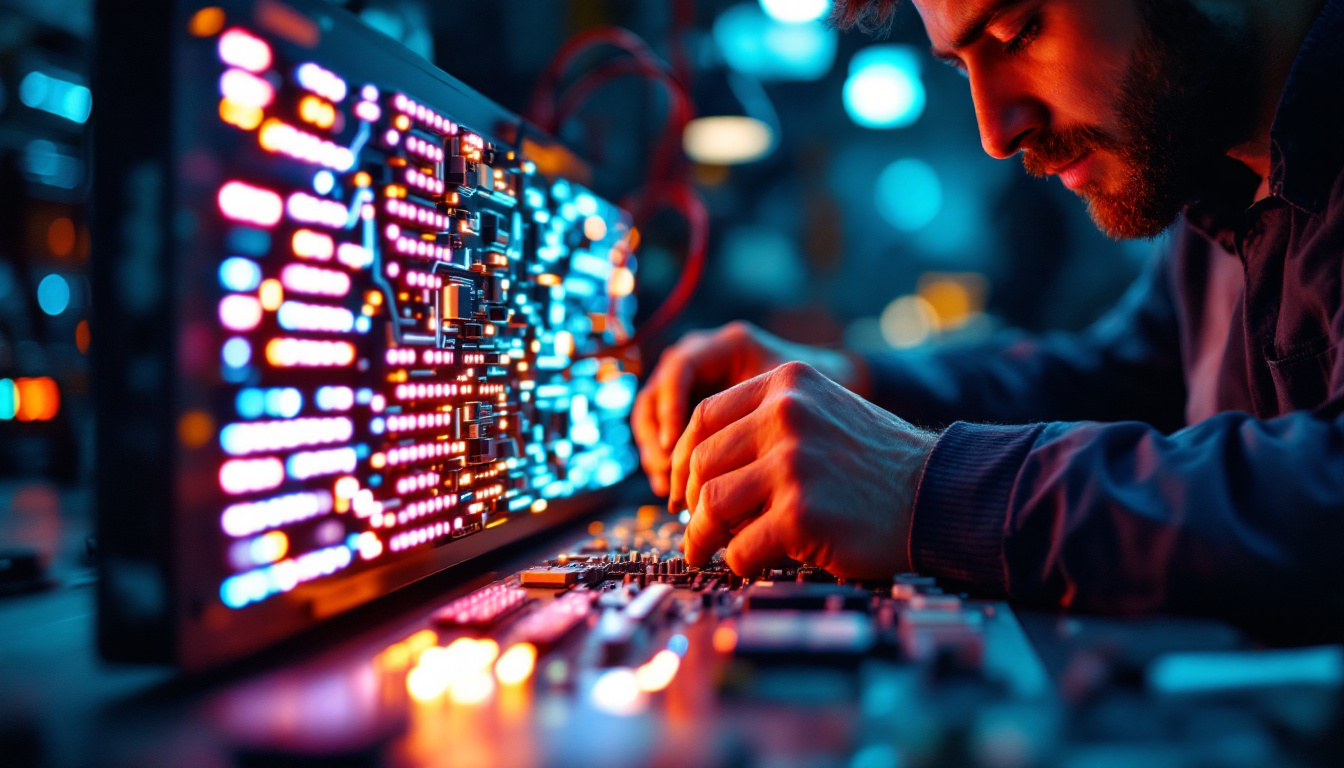
The LEDs are mounted on circuit boards called modules, which are then assembled into larger panels to form the complete display. A control system manages the input signals and synchronizes the LEDs to display the intended content seamlessly. Advanced LED displays can even incorporate features like dynamic content adjustment, allowing them to change brightness based on surrounding light conditions, ensuring optimal viewing experiences at all times.
Key Components of LED Displays
Several critical components work together to ensure the functionality and quality of LED displays:
- LED Chips: The fundamental light sources, typically made from semiconductor materials like gallium arsenide.
- Driver ICs: Integrated circuits that regulate the current and control the on/off state of each LED.
- Power Supply: Provides the necessary voltage and current for the LEDs and control electronics.
- Control System: Processes input signals (video, images) and converts them into commands for the LEDs.
- Cabinet and Housing: Protects the modules and provides structural integrity, especially important for outdoor displays.
In addition to these components, LED displays often incorporate advanced cooling systems to dissipate heat generated during operation, ensuring longevity and consistent performance. Moreover, many modern LED displays are designed with modularity in mind, allowing for easy maintenance and upgrades. This modular approach not only simplifies repairs but also enables users to customize the size and shape of their displays to fit specific applications, from large-scale outdoor advertising to intimate indoor installations.
Furthermore, the evolution of LED technology has led to innovations such as organic LEDs (OLEDs) and microLEDs, which promise even greater efficiency and color accuracy. These advancements are paving the way for future applications in various fields, including virtual reality, augmented reality, and even flexible displays that can be integrated into clothing or other surfaces. As the technology continues to develop, the potential for LED displays to transform visual communication remains vast and exciting.
Types of LED Displays
LED displays come in various forms tailored to different environments and applications. Understanding these types helps in selecting the right display for specific needs.
Indoor LED Displays
Indoor LED displays are designed for environments such as conference rooms, retail stores, airports, and concert halls. They typically have a smaller pixel pitch — the distance between adjacent LEDs — ranging from 0.9mm to 4mm. This close spacing allows for high-resolution images at shorter viewing distances.
Because indoor environments are controlled, these displays do not require extreme brightness levels but focus on color accuracy and seamless image quality. They are often used for digital signage, video walls, and interactive displays.
Outdoor LED Displays
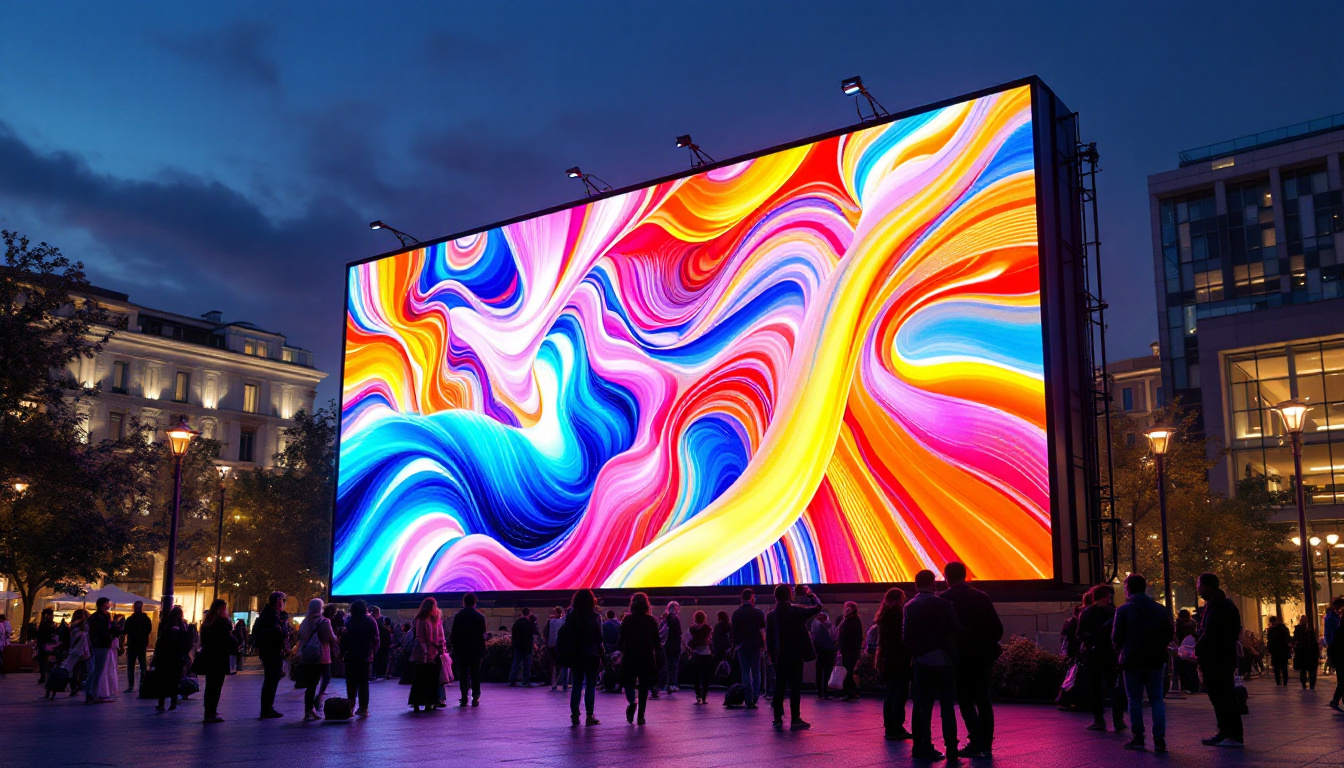
Outdoor LED displays are engineered to withstand harsh weather conditions, including rain, dust, and extreme temperatures. They feature larger pixel pitches, usually between 4mm and 20mm, as they are viewed from greater distances such as on highways, stadiums, or building facades.
Brightness levels for outdoor displays are significantly higher, often exceeding 5,000 nits, to ensure visibility even under direct sunlight. Additionally, these displays incorporate protective coatings and ventilation systems to maintain durability and performance.
Transparent LED Displays
Emerging as a popular innovation, transparent LED displays integrate LEDs into glass panels, allowing viewers to see through the screen while displaying vibrant visuals. These are widely used in retail storefronts and architectural installations where maintaining natural light and visibility is essential.
Flexible and Curved LED Displays
Advancements in LED technology have led to flexible and curved displays that can wrap around surfaces or form unique shapes. These are particularly useful in creative advertising, exhibitions, and immersive environments, offering designers more freedom in visual storytelling.
Applications of LED Displays in Audio Visual Electronics
LED displays play a pivotal role in various sectors, enhancing communication, entertainment, and information dissemination.
Advertising and Digital Signage
One of the most visible uses of LED displays is in advertising. According to industry reports, the global digital signage market is expected to reach $31.71 billion by 2027, driven largely by LED technology. The ability to display dynamic content, update messages in real-time, and attract attention with vivid colors makes LED displays indispensable for marketers.
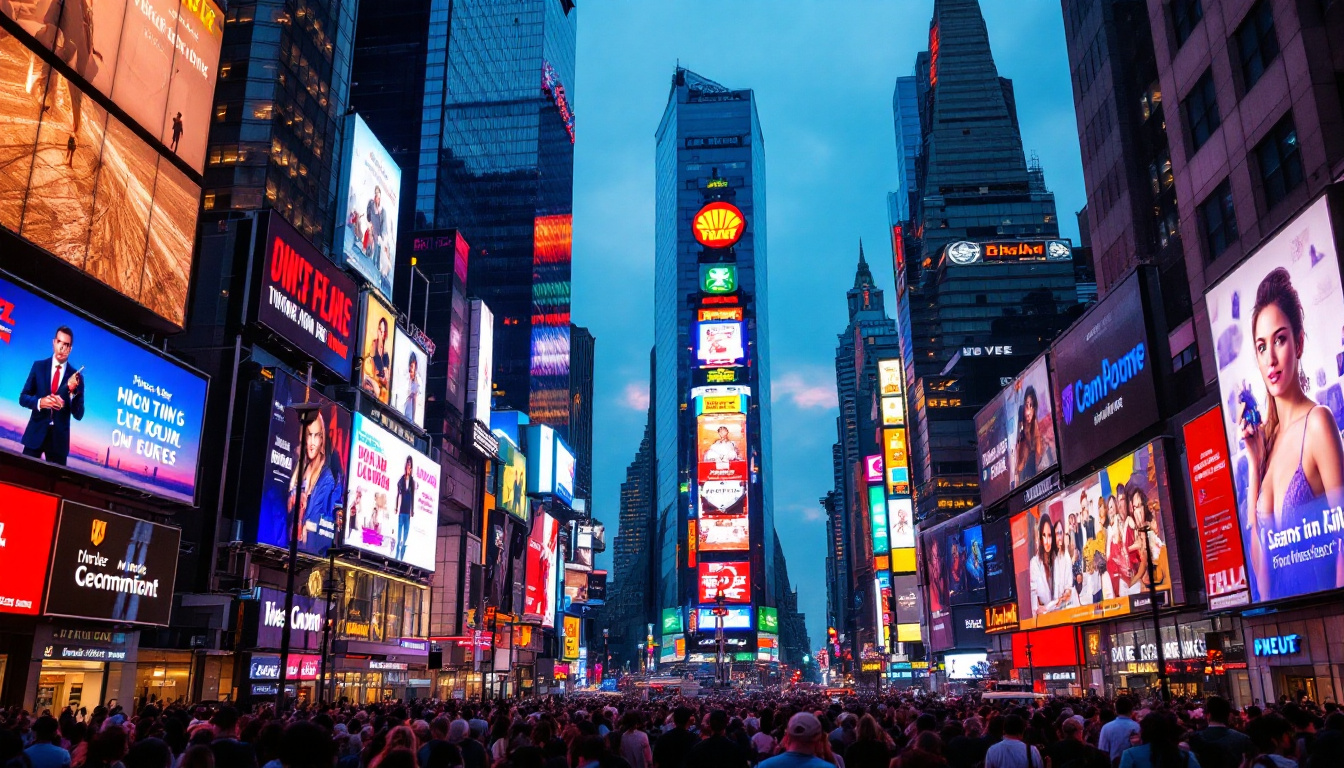
From Times Square’s iconic billboards to local retail stores, LED displays offer flexibility in content delivery and the potential for interactive engagement, increasing consumer interaction and brand recall.
Entertainment and Events
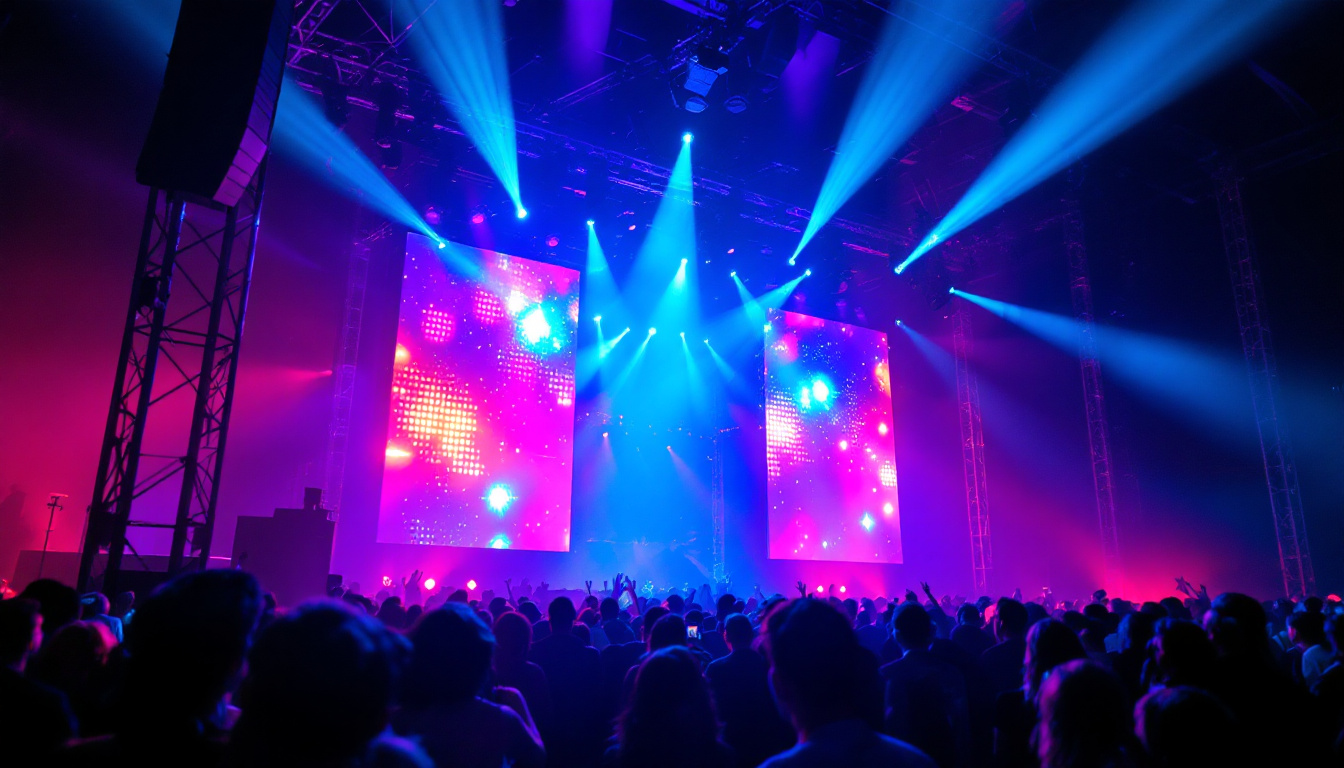
Concerts, sports arenas, and theaters rely heavily on LED displays to enhance audience experience. Large-scale LED video walls provide immersive visuals, live feeds, and dynamic backgrounds that elevate performances and sporting events.
In addition, LED displays are used in control rooms and broadcast studios, where high-resolution, low-latency screens are critical for monitoring and production.
Corporate and Educational Environments
In corporate settings, LED displays facilitate presentations, video conferencing, and collaborative workspaces. Their scalability and clarity make them ideal for boardrooms and auditoriums.
Educational institutions utilize LED displays for digital classrooms, lecture halls, and campus information boards, enabling interactive learning and effective communication.
Transportation and Public Information
LED displays are integral to transportation hubs such as airports, train stations, and bus terminals. They provide real-time updates on schedules, alerts, and wayfinding information, improving passenger experience and operational efficiency.
Advantages of LED Displays Over Other Technologies
LED displays offer several benefits that have contributed to their widespread adoption in audio visual electronics.
Brightness and Visibility
LEDs produce extremely bright light, making displays easily visible in various lighting conditions, including direct sunlight. This is a significant advantage over LCDs, which often struggle with glare and limited brightness outdoors.
Energy Efficiency
Compared to traditional display technologies, LEDs consume less power while delivering superior brightness. This efficiency translates into lower operating costs and reduced environmental impact, aligning with sustainability goals.
Longevity and Durability
LED displays typically have longer lifespans, often exceeding 100,000 hours of operation. They are also more resistant to shock and vibration, making them suitable for both indoor and outdoor applications.
Color Accuracy and Contrast
Because LEDs emit light directly, they can achieve deeper blacks and higher contrast ratios than LCD or plasma screens. This results in more vibrant and lifelike images, enhancing viewer engagement.
Scalability and Customization
LED displays can be constructed in virtually any size and shape by assembling modules. This modularity allows for creative installations and easy maintenance, as individual modules can be replaced without affecting the entire display.
Challenges and Considerations in LED Display Deployment
While LED displays offer numerous benefits, certain challenges must be addressed to maximize their effectiveness.
Initial Cost and Investment
The upfront cost of LED displays can be higher than other technologies, especially for high-resolution indoor displays. However, this investment is often offset by lower maintenance and energy costs over time.
Pixel Pitch and Viewing Distance
Choosing the correct pixel pitch is crucial. A pitch too large for close viewing distances results in a pixelated image, while a pitch too small for distant viewing can increase costs unnecessarily. Careful planning based on the intended environment ensures optimal visual quality.
Heat Management
LEDs generate heat during operation, which can affect performance and lifespan if not properly managed. Effective cooling systems and ventilation are essential, particularly for large or outdoor displays.
Content Management and Calibration
To maintain image quality, LED displays require regular calibration and content optimization. This includes adjusting brightness, color balance, and contrast to suit ambient lighting and viewing conditions.
The Future of LED Displays in Audio Visual Electronics
Innovation continues to drive the evolution of LED display technology, promising exciting developments in the near future.
MicroLED and MiniLED Technologies
MicroLED and MiniLED represent the next generation of LED displays, offering even smaller pixel sizes and improved brightness and contrast. MicroLEDs, in particular, have the potential to rival OLED displays in color accuracy and flexibility while maintaining LED durability and efficiency.
Integration with Smart Technologies
Smart LED displays equipped with sensors, AI, and IoT connectivity are becoming more prevalent. These displays can adapt content based on audience demographics, environmental conditions, or interactive inputs, enhancing user engagement and data-driven marketing.
Environmental Sustainability
Manufacturers are focusing on eco-friendly materials and energy-saving designs to reduce the environmental footprint of LED displays. Advances in recyclable components and low-power operation align with global sustainability initiatives.
Expanding Applications
As LED technology becomes more affordable and versatile, its applications will expand into new domains such as augmented reality (AR), virtual reality (VR), and wearable displays, further blurring the lines between digital and physical experiences.
Conclusion
LED displays have revolutionized the audio visual electronics landscape by offering bright, efficient, and flexible solutions for a wide range of applications. Understanding the technology, types, advantages, and challenges is essential for businesses and professionals seeking to leverage LED displays effectively.
With ongoing innovations like MicroLED and smart integration, LED displays are poised to remain at the forefront of visual communication, delivering immersive and impactful experiences across industries.
Explore Cutting-Edge LED Display Solutions with LumenMatrix
Ready to elevate your visual communication with the latest in LED display technology? LumenMatrix is at the forefront of innovation, offering a diverse range of LED display solutions tailored to meet your needs. Whether you’re looking for an Indoor LED Wall Display, a dynamic Outdoor LED Wall Display, or specialized options like Vehicle, Sports, or Floor LED Displays, LumenMatrix has you covered. Our mission is to create captivating visual experiences that enhance engagement and convey your message with unparalleled clarity. Don’t miss the opportunity to transform your space with our Custom, All-in-One, or LED Transparent Displays. Check out LumenMatrix LED Display Solutions today and see how we can help you make a lasting impression.