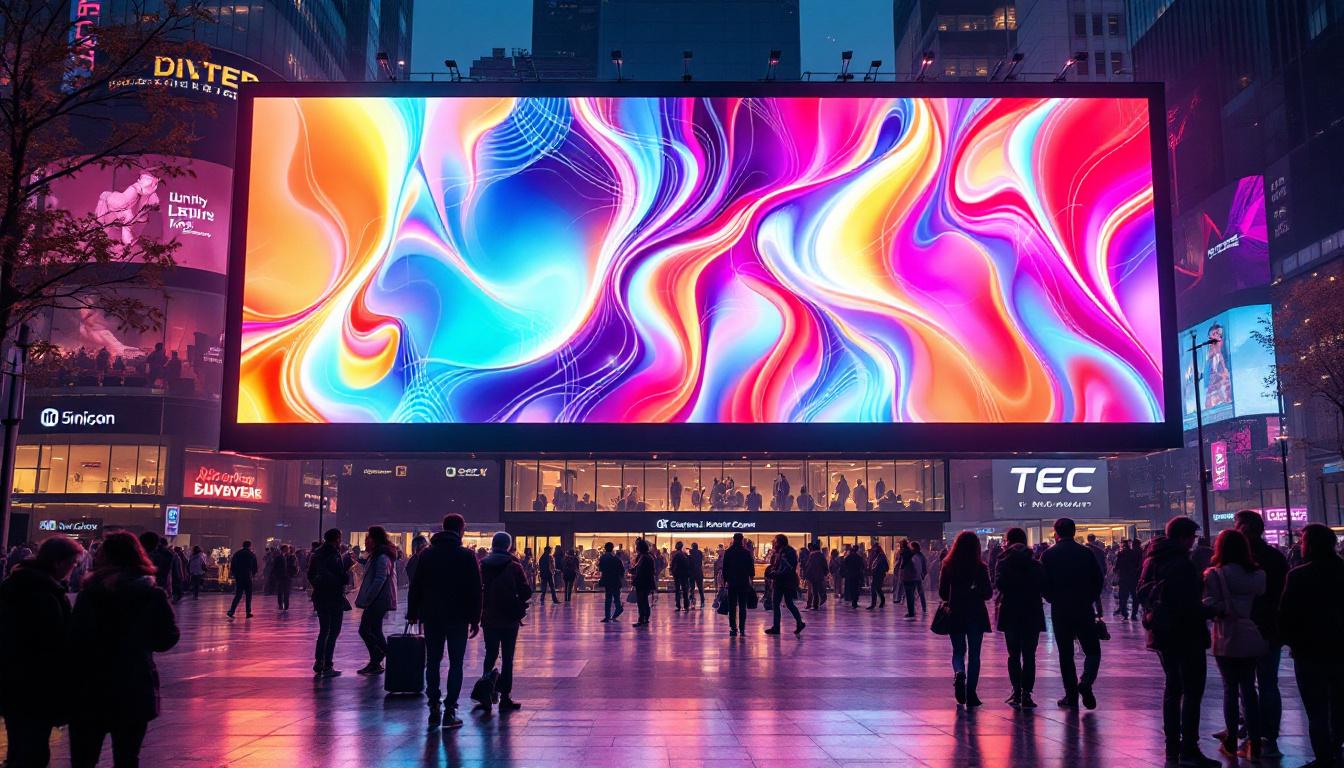
In today’s fast-paced digital world, large LED screens have become an integral part of advertising, entertainment, and information dissemination. From massive billboards in Times Square to dynamic stadium displays and vibrant concert backdrops, LED technology has revolutionized visual communication. This article delves into the world of large LED screens, explaining how LED displays work, their applications, benefits, and the future trends shaping this dynamic industry.
Understanding LED Technology
What is an LED Screen?
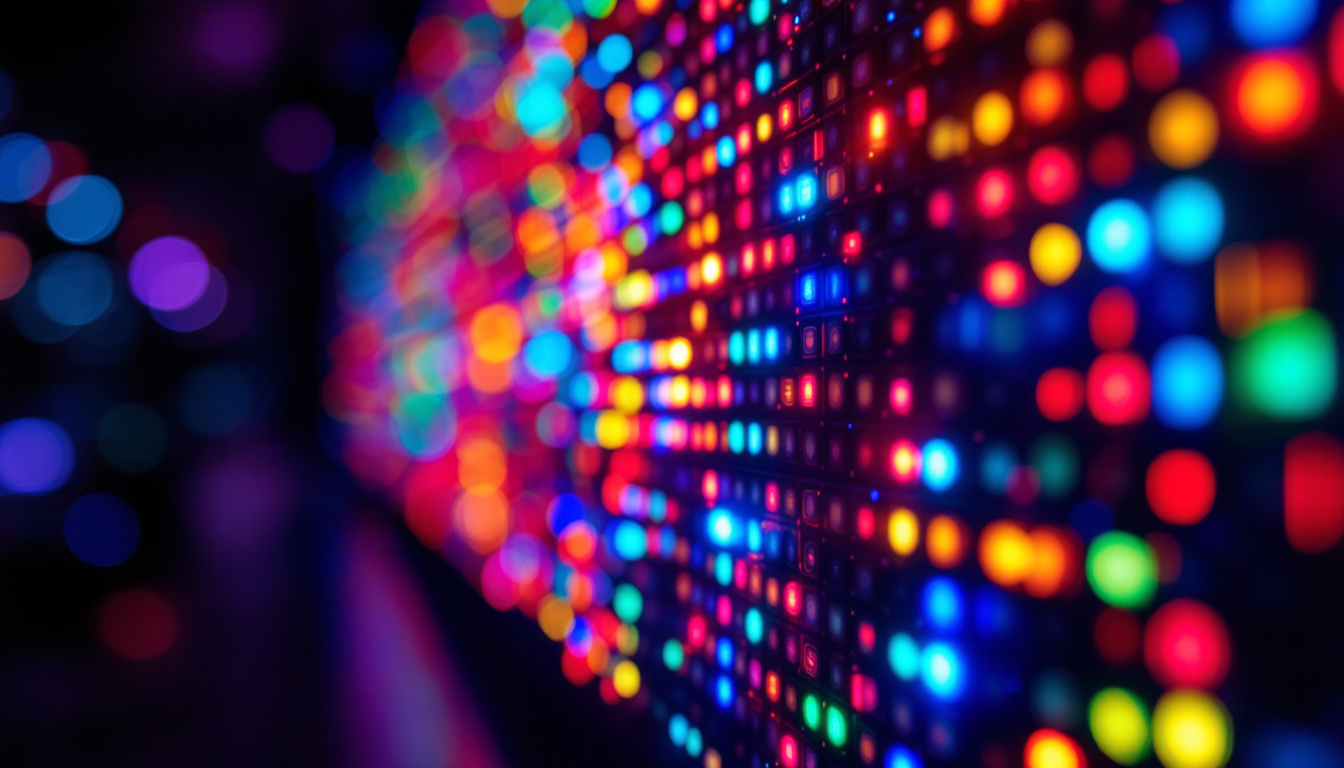
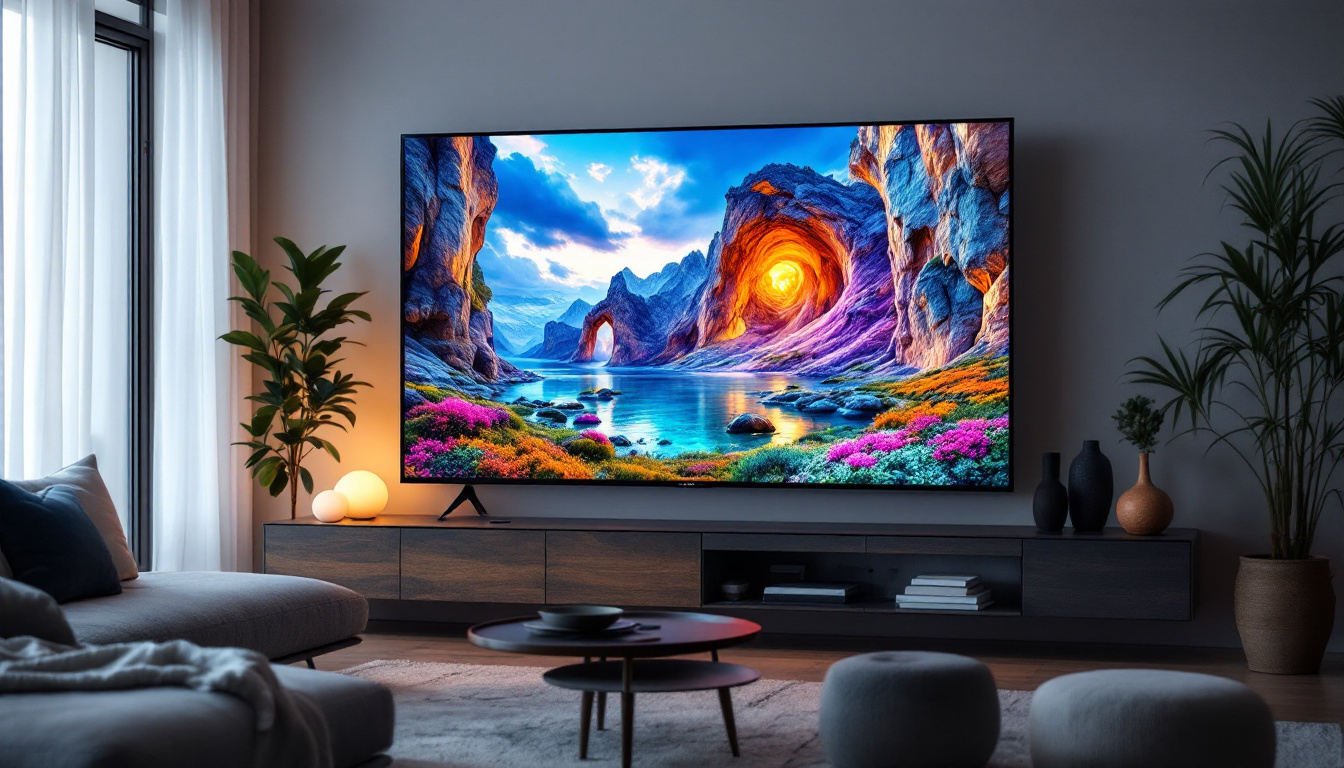
LED stands for Light Emitting Diode, a semiconductor device that emits light when an electric current passes through it. An LED screen is essentially a matrix of these tiny diodes arranged in a grid that can produce images and videos by controlling the brightness and color of each diode. Large LED screens are made by assembling multiple LED panels to create a seamless display surface capable of showing high-resolution content.
Unlike traditional LCD or projection screens, LED screens emit their own light, which results in brighter images and better visibility even in direct sunlight. This self-illumination characteristic makes them ideal for outdoor and large-scale applications.
How Do Large LED Screens Work?
Each LED pixel typically consists of three sub-pixels: red, green, and blue (RGB). By varying the intensity of these sub-pixels, the screen can produce a full spectrum of colors. The control system sends signals to each pixel to adjust its color and brightness, thereby creating the desired image.
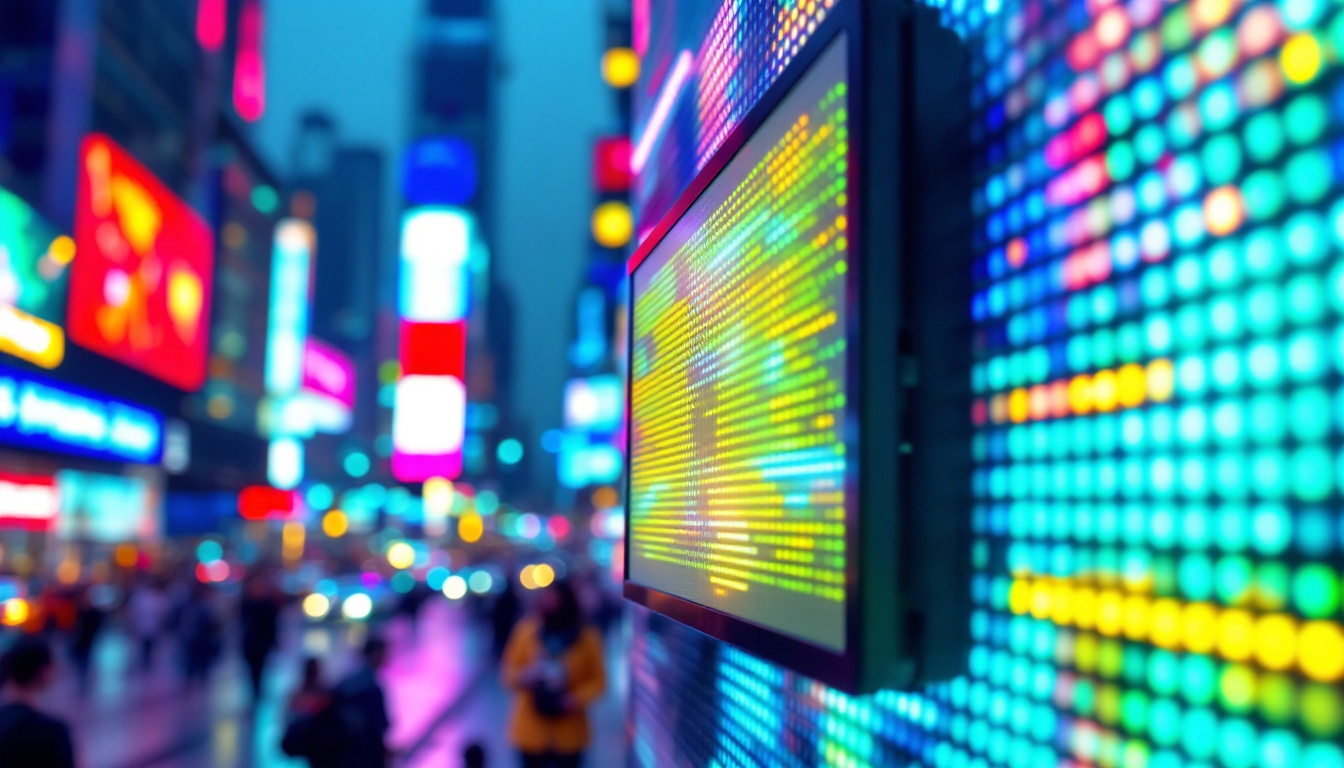
Large LED screens are modular, meaning they are composed of smaller panels called “modules” that fit together. This modularity allows for flexible screen sizes and shapes, from rectangular billboards to curved or irregularly shaped displays. The resolution of an LED screen depends on its pixel pitch — the distance between the centers of two adjacent pixels. A smaller pixel pitch means higher resolution and sharper images, which is especially important for close viewing distances.
Types of LED Screens
Large LED screens come in various types, primarily categorized by their intended use and technology:
- Indoor LED Screens: Designed for environments with controlled lighting, these screens have a smaller pixel pitch (often less than 2mm) for high-definition visuals.
- Outdoor LED Screens: Built to withstand weather conditions, these screens have a larger pixel pitch (typically 4mm to 20mm) and higher brightness levels to combat sunlight glare.
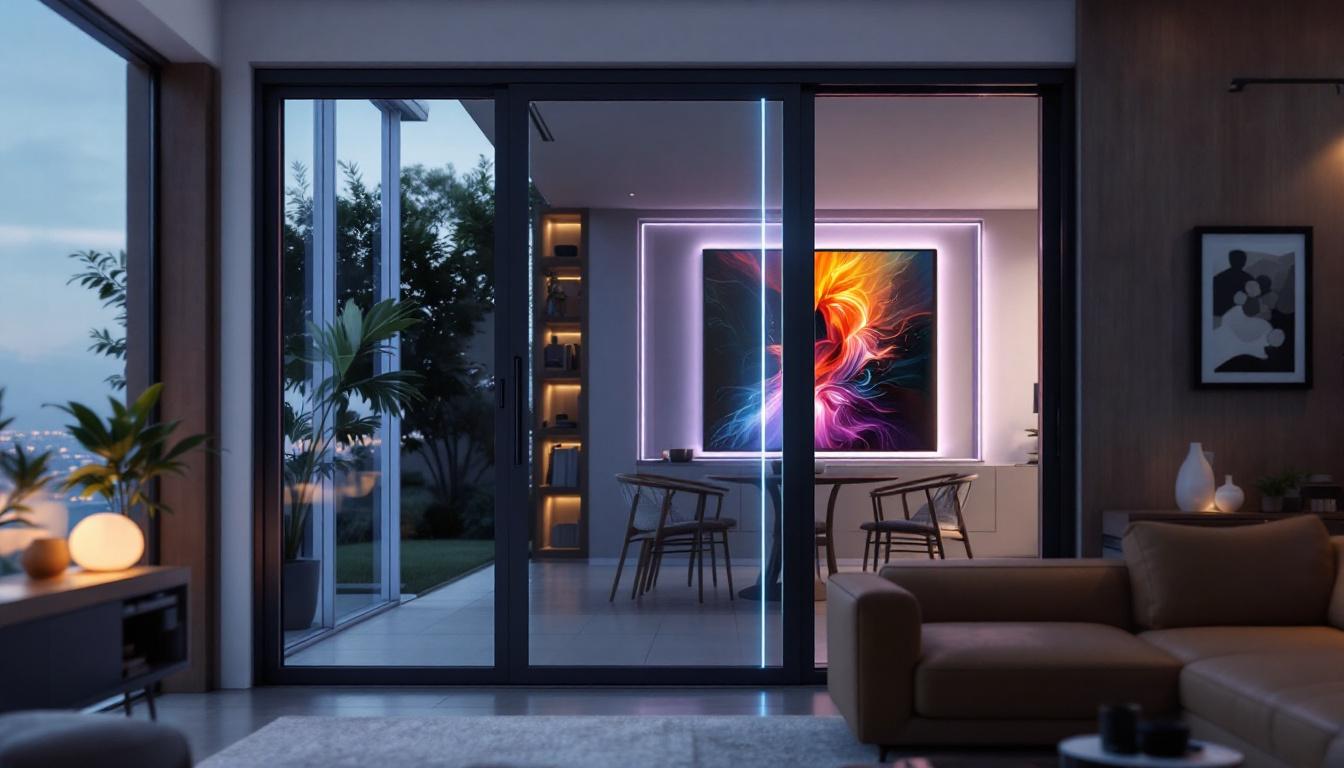
- Transparent LED Screens: These innovative displays allow light to pass through, making them suitable for storefront windows and architectural integration without blocking views.
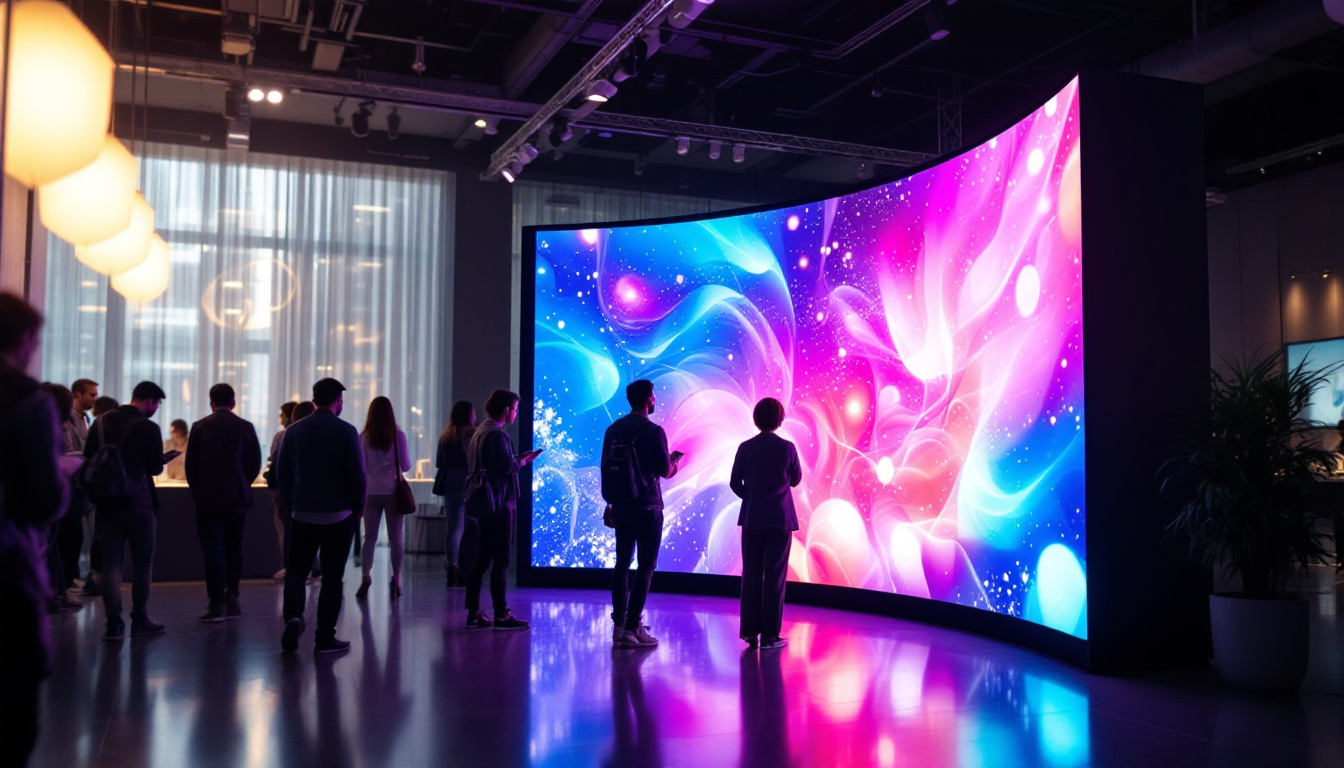
- Flexible LED Screens: Utilizing bendable modules, these screens can be curved or shaped to fit creative installations.
Applications of Large LED Screens
Advertising and Digital Billboards
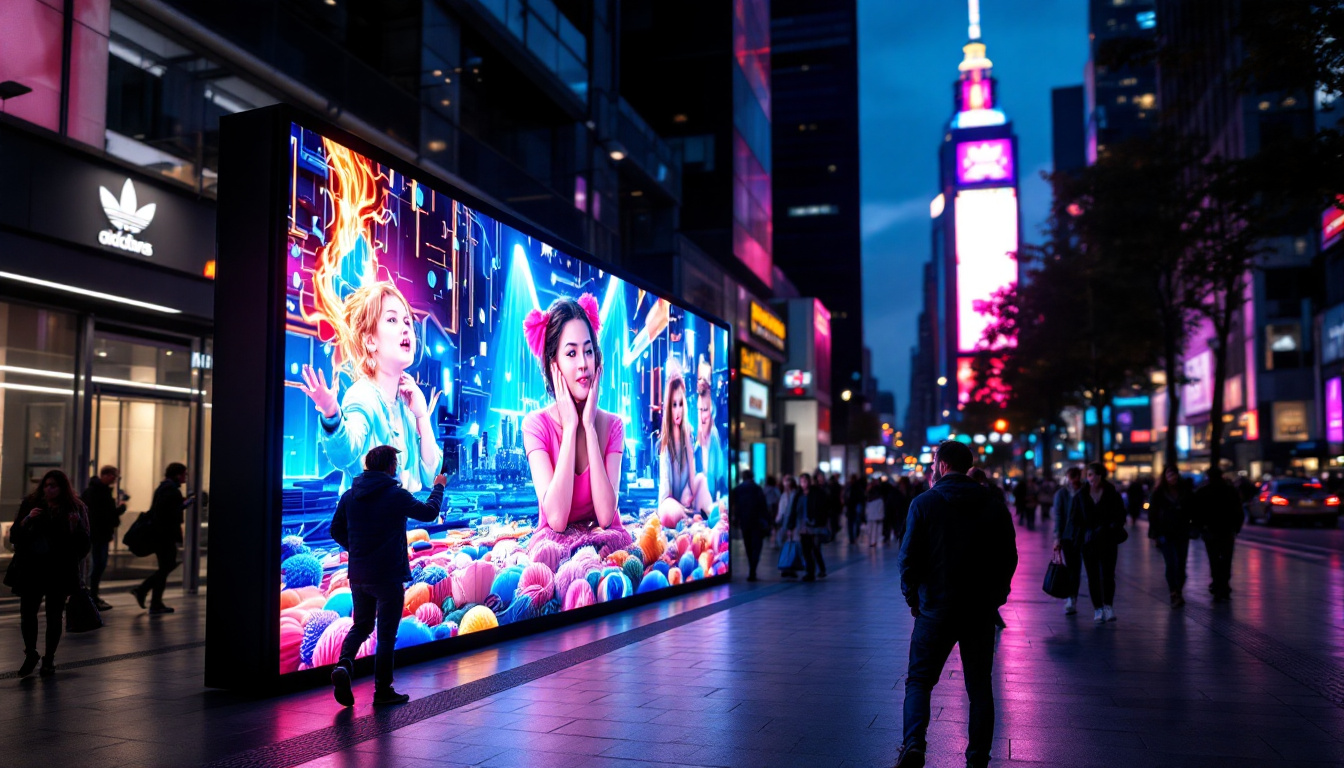
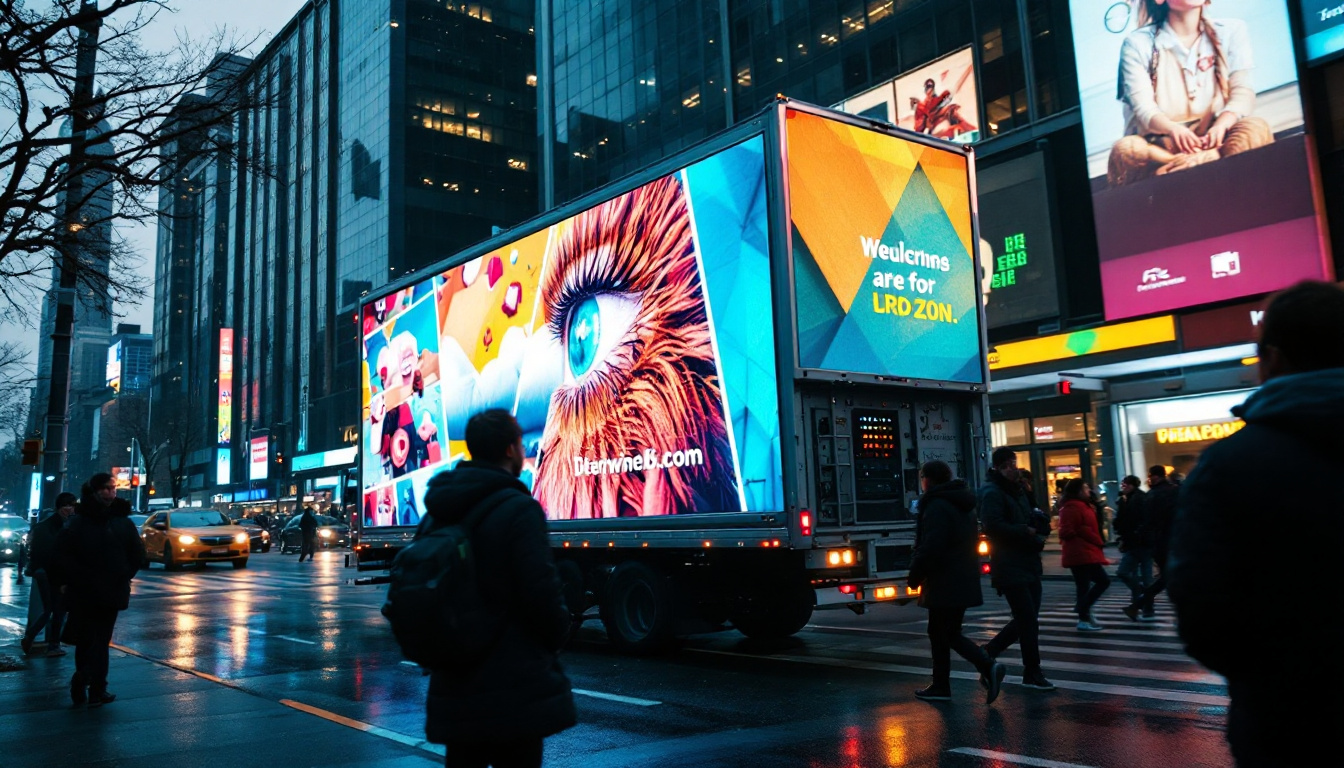
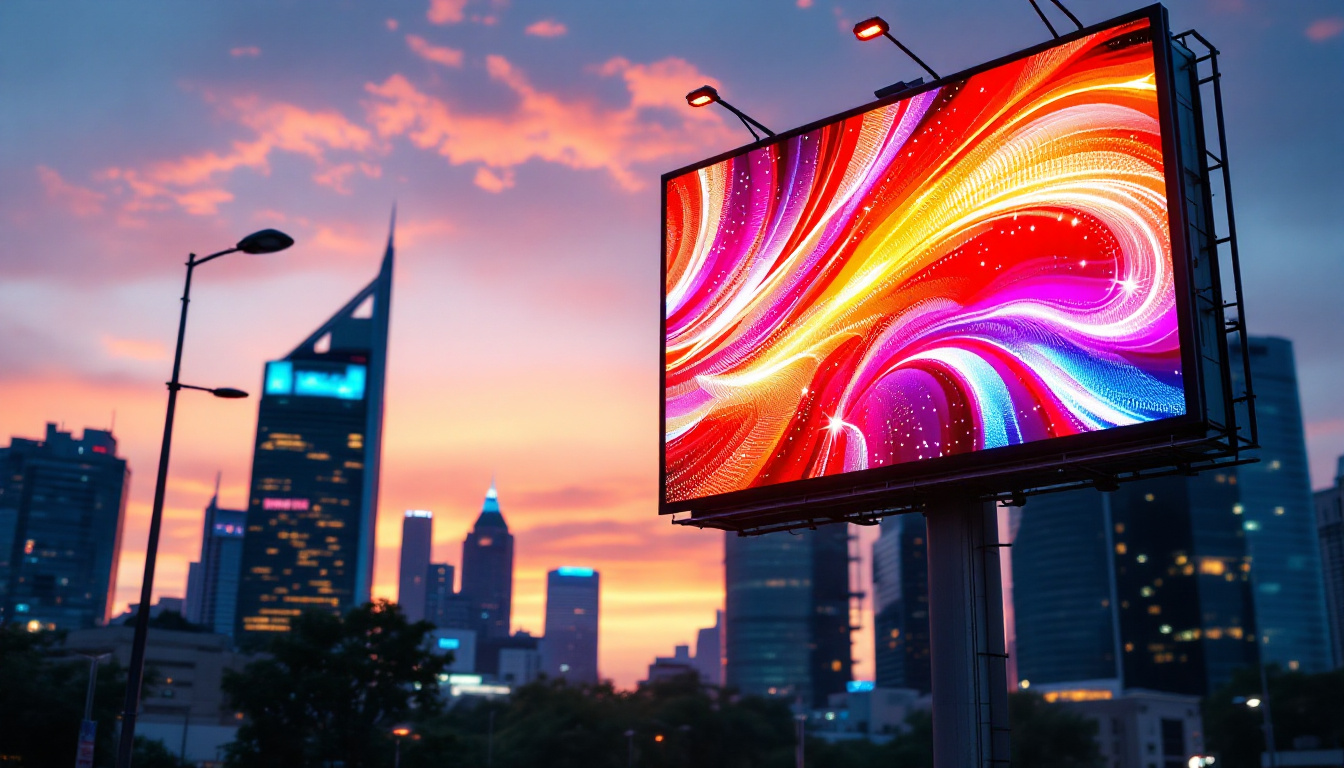
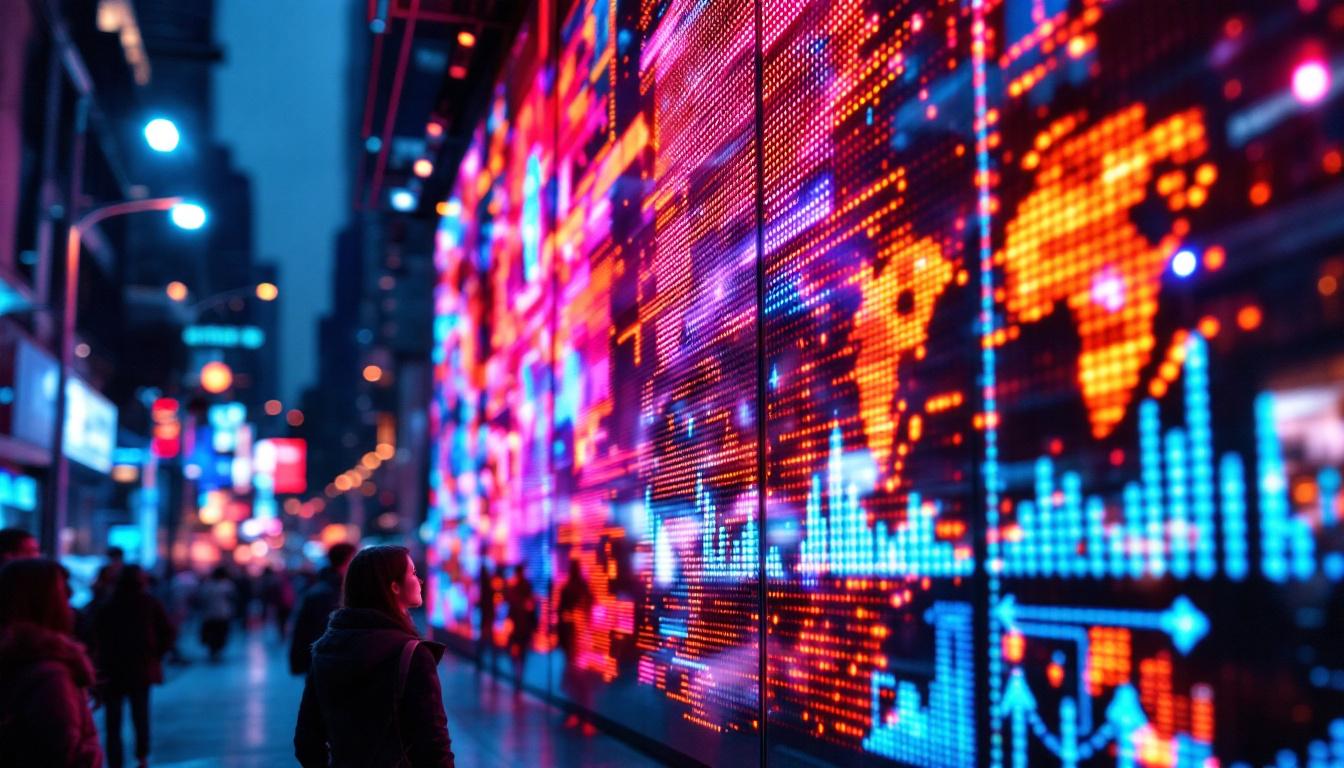
One of the most common uses of large LED screens is in outdoor advertising. Digital billboards have transformed the advertising landscape by enabling dynamic, eye-catching content that can be updated remotely and in real time. According to the Outdoor Advertising Association of America (OAAA), digital out-of-home advertising spending reached over $4.7 billion in 2023, reflecting the growing demand for LED billboards.
LED billboards allow advertisers to display multiple ads in rotation, tailor messages based on time of day or audience demographics, and even incorporate interactive elements. The high brightness and vivid colors ensure visibility from long distances, making them highly effective for brand exposure.
Sports and Entertainment Venues
Stadiums and arenas worldwide rely on large LED screens to enhance the spectator experience. These displays show live game footage, replays, scores, and interactive content, keeping fans engaged throughout the event. For example, the AT&T Stadium in Texas boasts one of the largest high-definition LED video boards in the world, measuring 160 feet wide and 72 feet tall.
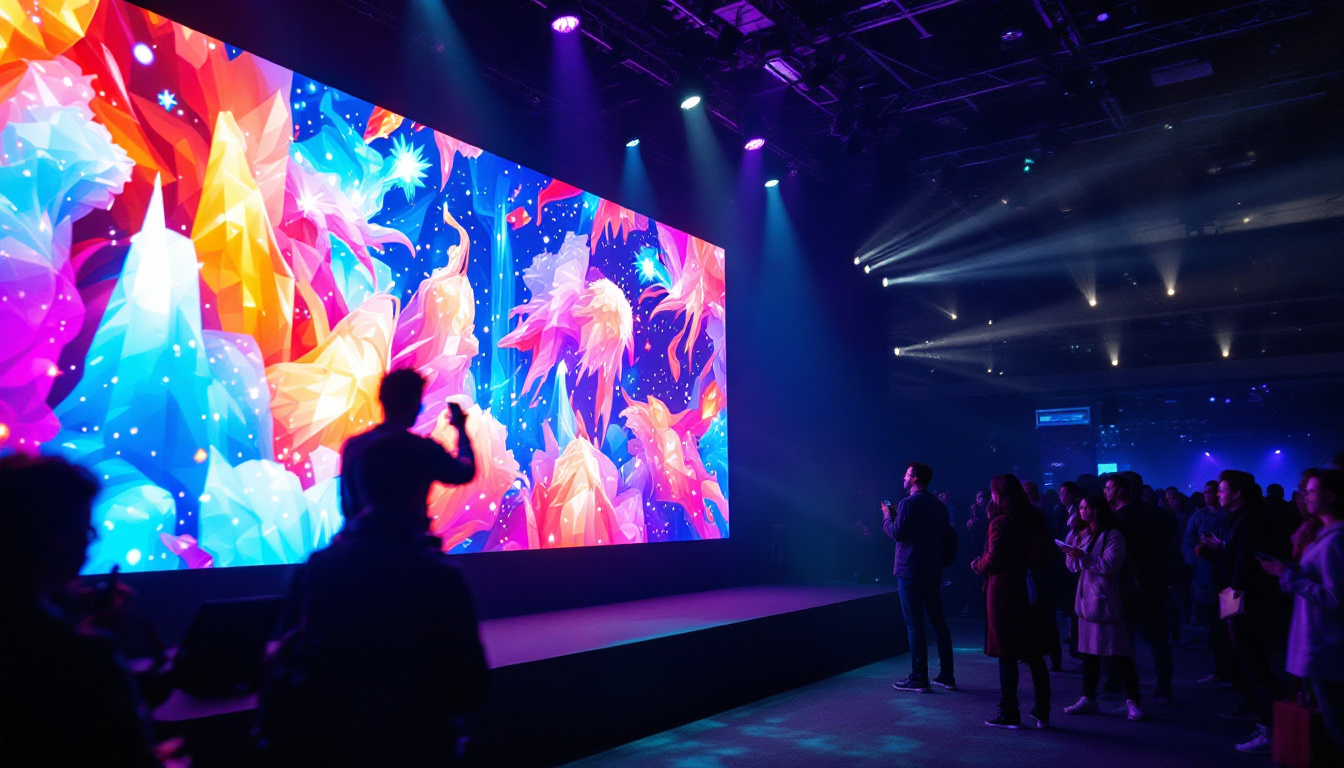
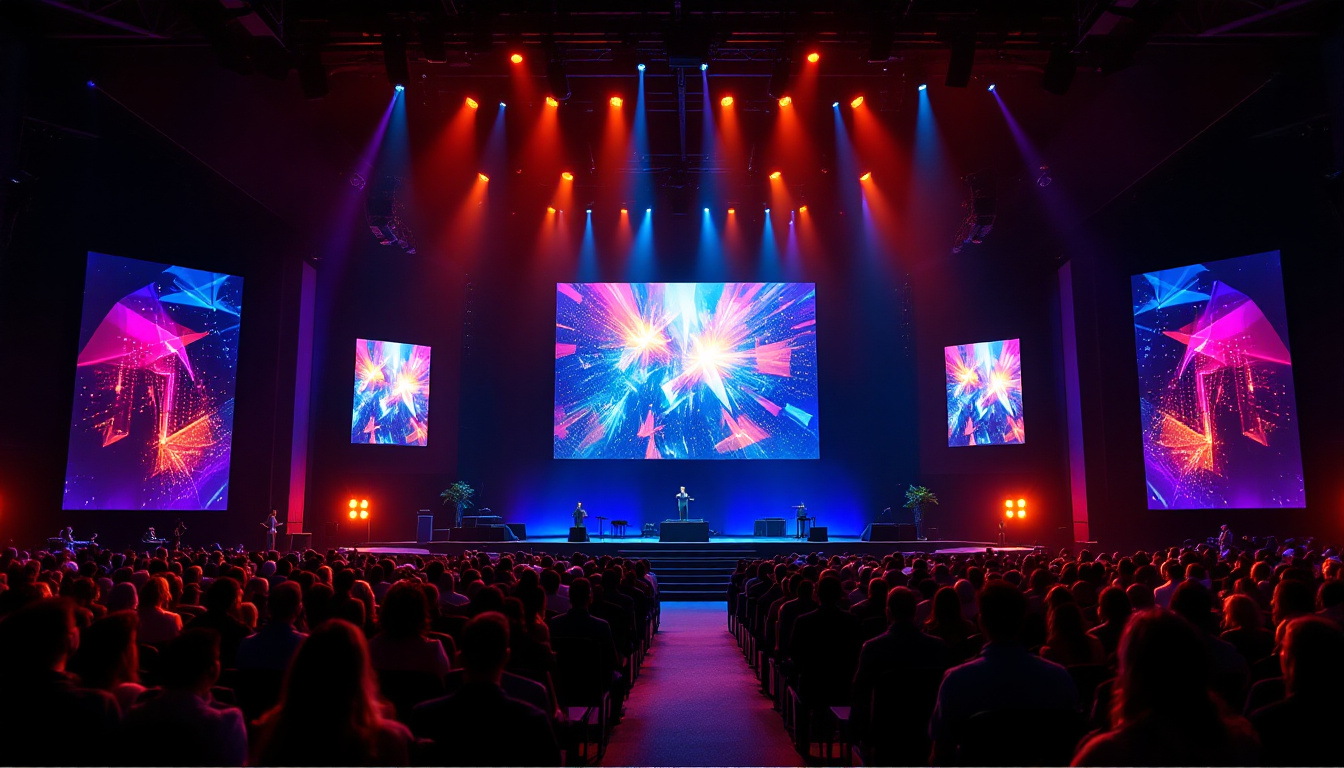
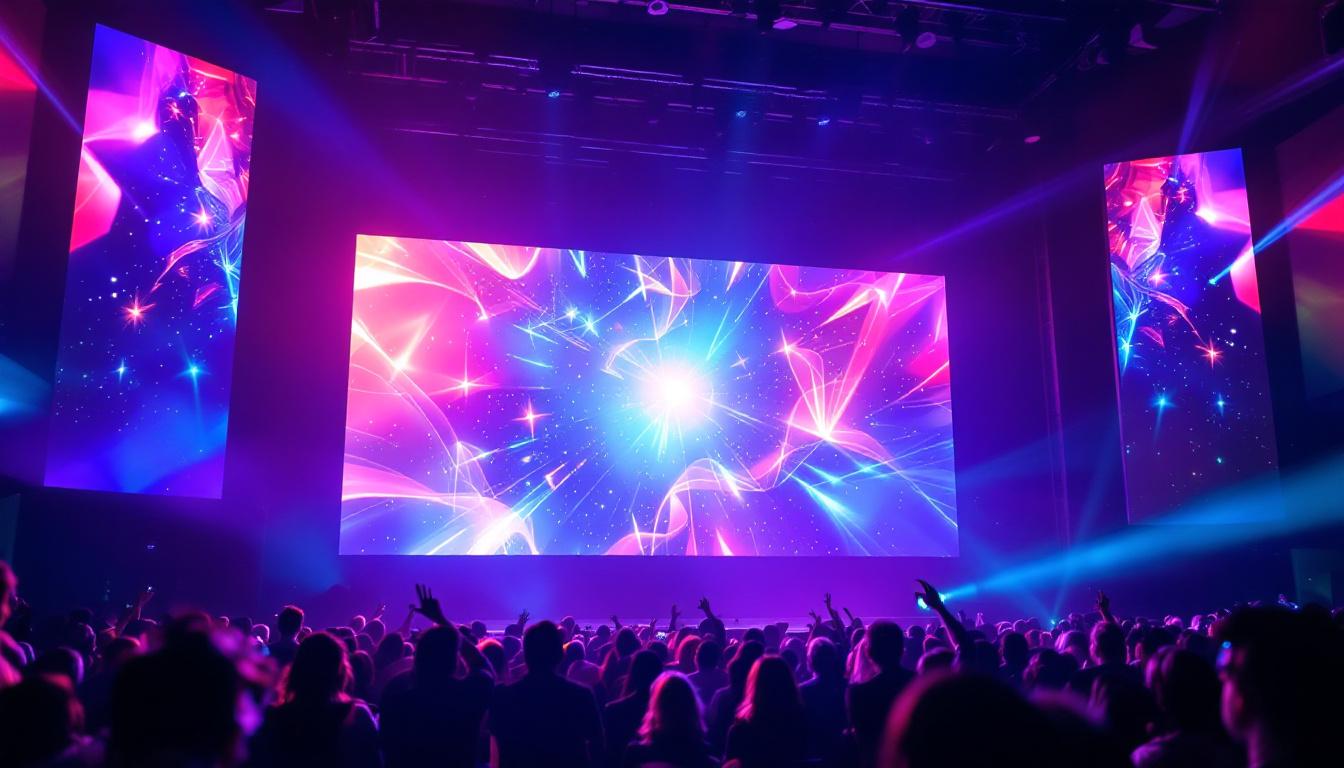
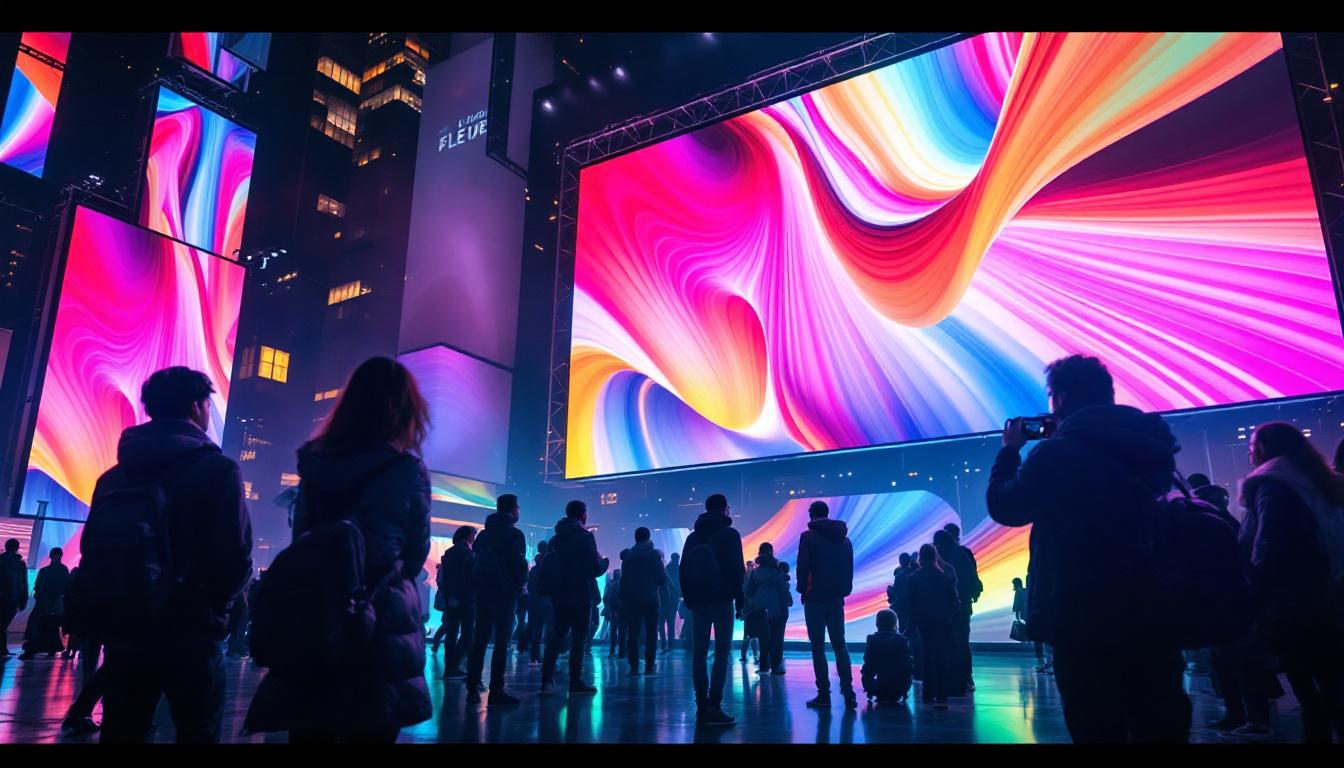
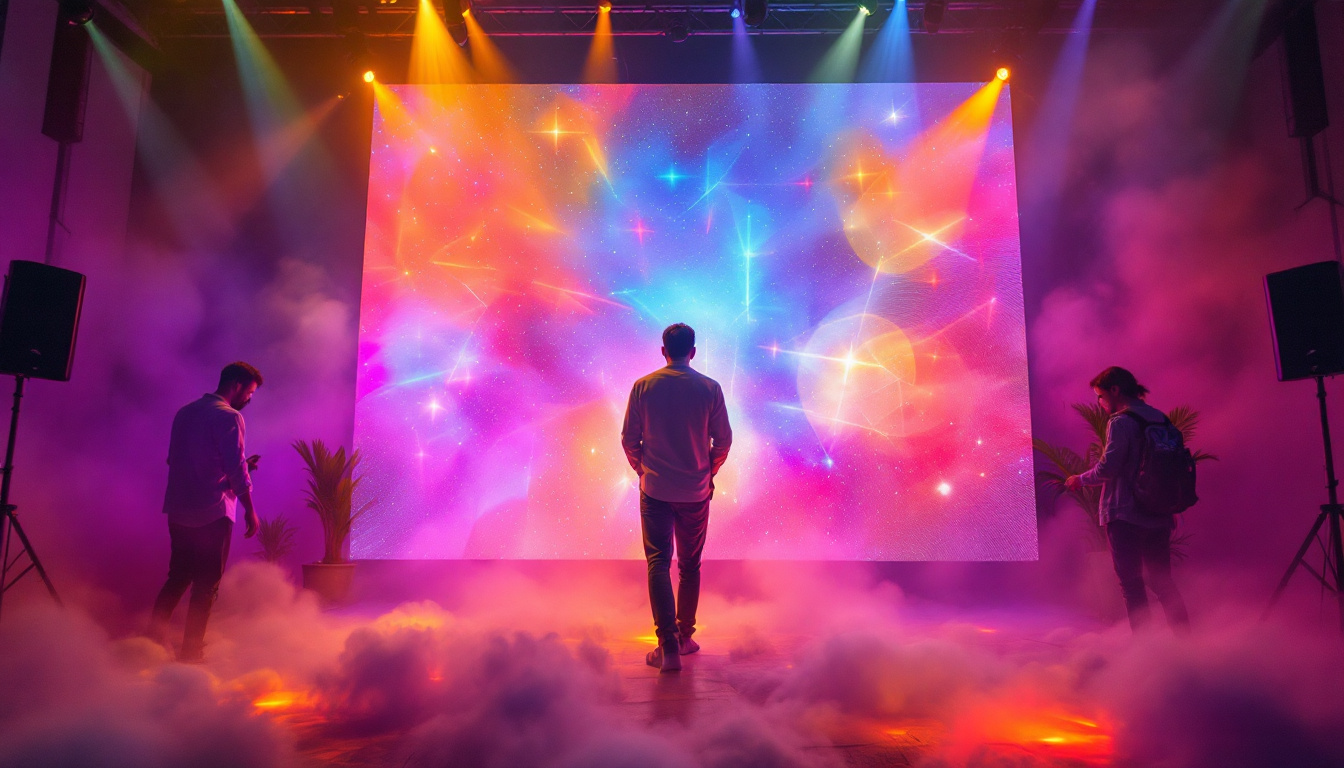
Concerts and festivals also utilize LED screens to provide clear visuals for attendees, especially in large venues where direct sightlines to the stage may be limited. The flexibility of LED technology allows for creative stage designs and immersive visual effects that complement live performances.
Corporate and Public Events
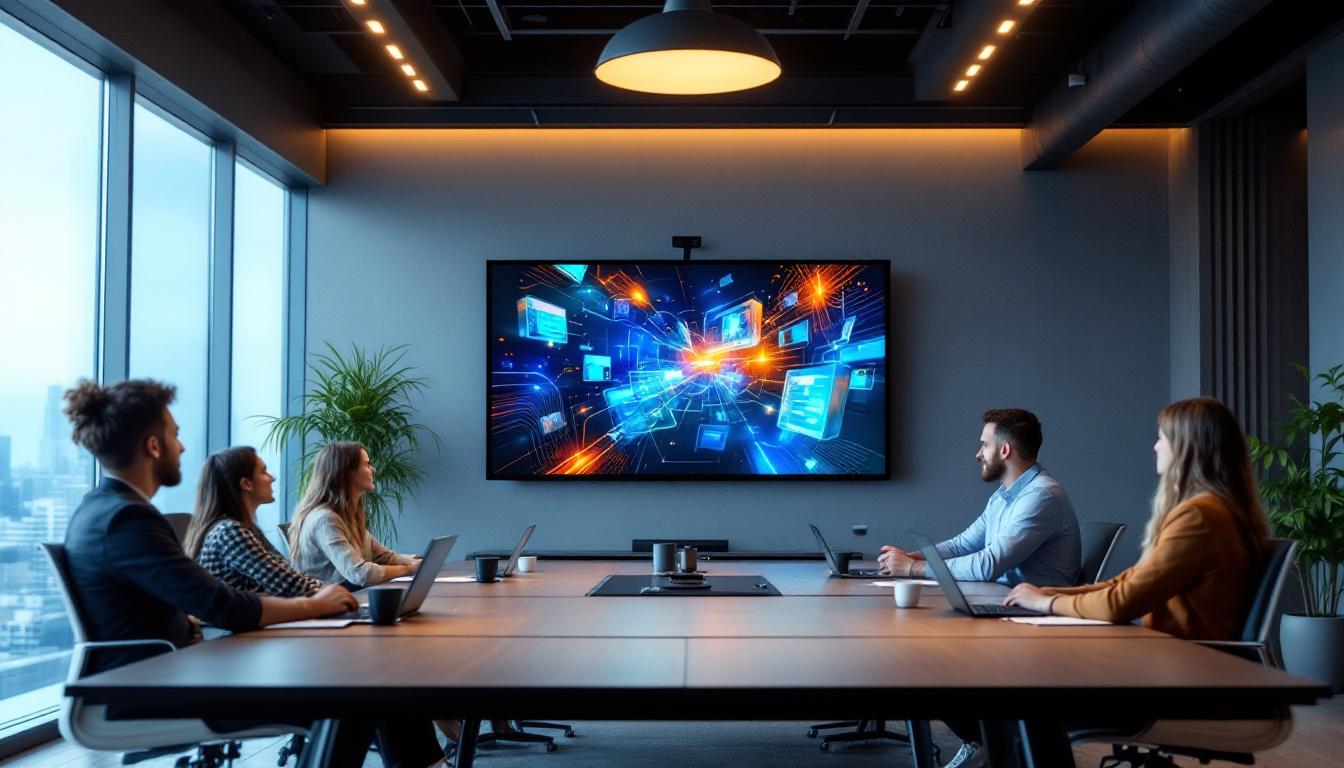
Large LED screens are increasingly popular in corporate events, trade shows, and conferences. They serve as dynamic backdrops for presentations, product launches, and branding, capturing audience attention and conveying information effectively.
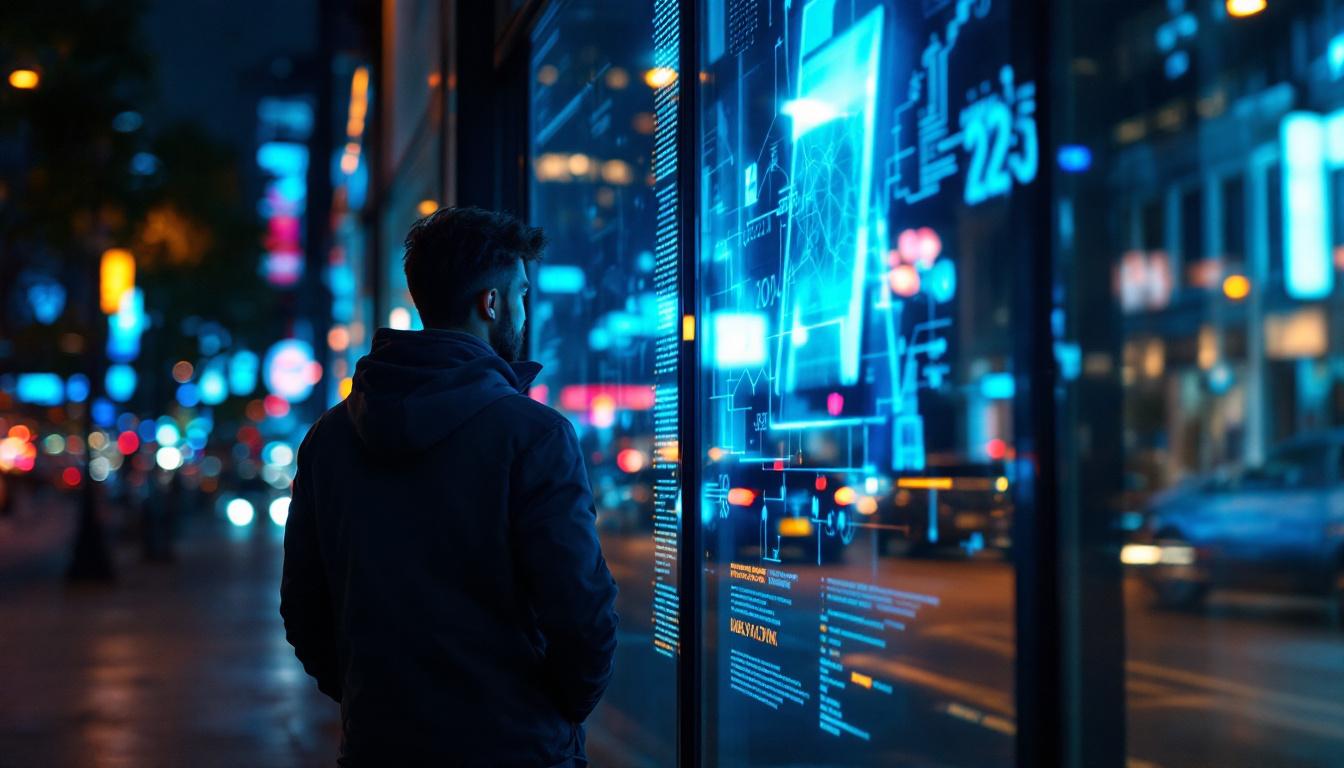
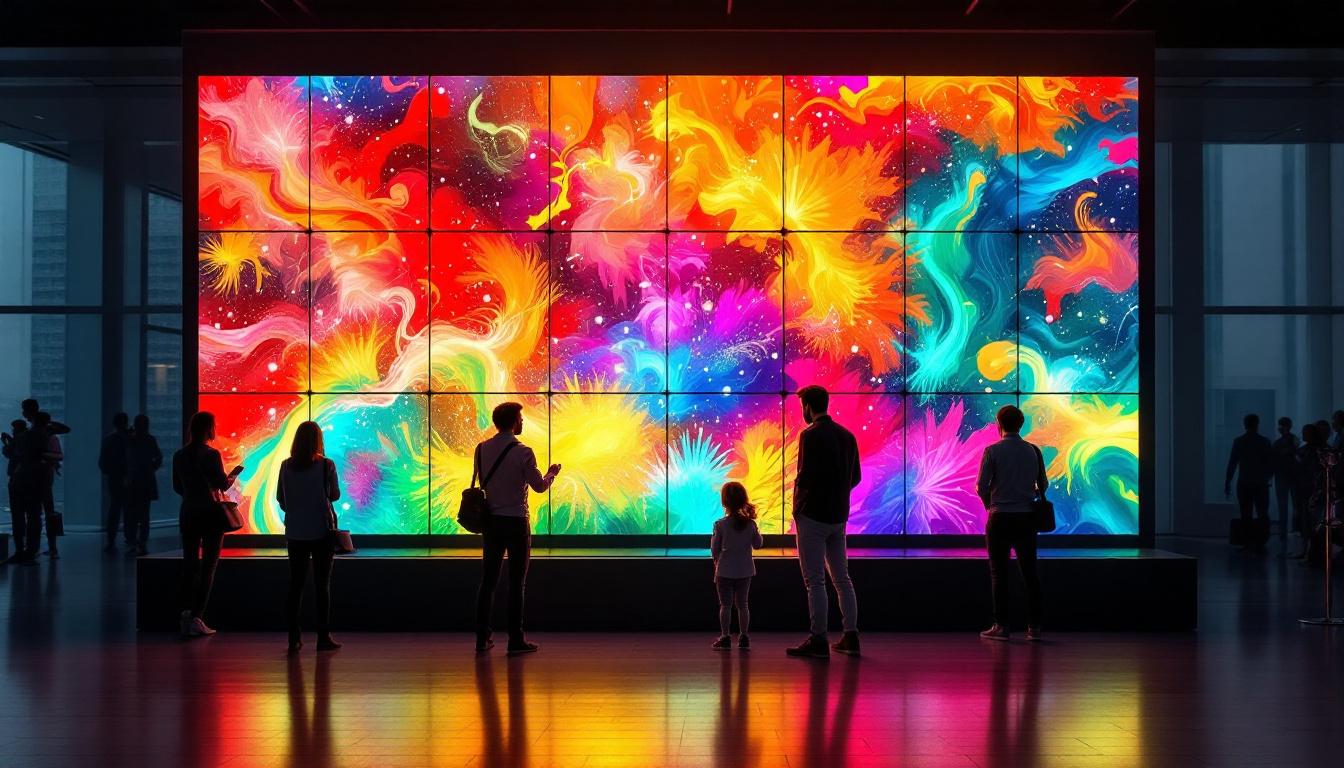
Public spaces such as airports, train stations, and city squares use LED displays for wayfinding, announcements, and public service messages. Their ability to deliver bright, clear content in various lighting conditions makes them ideal for high-traffic areas.
Advantages of Large LED Screens
Superior Brightness and Visibility
One of the standout features of LED screens is their exceptional brightness, often exceeding 5,000 nits for outdoor models. This makes them easily visible even under direct sunlight, unlike LCD or projection screens that can appear washed out. The high brightness also contributes to vibrant colors and sharp contrast, enhancing overall image quality.
Energy Efficiency and Longevity
LED technology is known for its energy efficiency compared to traditional lighting and display technologies. Modern LED screens consume less power while delivering superior brightness, which translates into lower operating costs over time. Additionally, LEDs have a long lifespan, often rated between 50,000 to 100,000 hours, reducing the need for frequent replacements and maintenance.
Flexibility and Scalability
The modular nature of LED screens allows for customization in size and shape, accommodating a wide range of installation requirements. Whether it’s a giant billboard or a curved display wrapping around a building facade, LED screens can be tailored to fit the space. This scalability also means that screens can be expanded or reconfigured as needs evolve.
High Refresh Rates and Smooth Motion
Large LED screens typically support high refresh rates (often 1920Hz or higher), which ensures smooth motion and reduces flicker. This is particularly important for displaying video content and live broadcasts, where clarity and fluidity impact the viewer experience.
Technical Considerations When Choosing Large LED Screens
Pixel Pitch and Viewing Distance
Choosing the right pixel pitch is crucial for ensuring optimal image quality. A smaller pixel pitch provides higher resolution, which is important when viewers are close to the screen. For example, indoor LED screens used for presentations or retail displays often have pixel pitches between 1mm and 2.5mm. Outdoor screens, viewed from greater distances, typically have pixel pitches ranging from 4mm to 20mm.
Understanding the typical viewing distance helps determine the appropriate pixel pitch. As a general rule, the minimum viewing distance (in meters) should be roughly equal to the pixel pitch (in millimeters) multiplied by 1.5 to 2. For instance, a 10mm pixel pitch screen is best viewed from at least 15 to 20 meters away.
Brightness and Contrast Ratio
Brightness is measured in nits (candelas per square meter) and is a critical factor for outdoor LED screens exposed to sunlight. Outdoor screens typically require brightness levels of 5,000 nits or more to maintain visibility. Indoor screens usually have lower brightness requirements, around 800 to 1,500 nits, to avoid eye strain in controlled lighting environments.
The contrast ratio, which compares the luminance of the brightest white to the darkest black the screen can produce, affects image depth and clarity. Higher contrast ratios result in more vibrant and lifelike images.
Durability and Weather Resistance
For outdoor installations, LED screens must be rugged and weatherproof. They are often rated with an IP (Ingress Protection) code that indicates resistance to dust and water. For example, an IP65 rating means the screen is dust-tight and protected against water jets, making it suitable for most outdoor conditions.
Additionally, outdoor LED screens are designed to operate within a wide temperature range and include features such as anti-glare coatings and temperature control systems to ensure reliable performance.
Installation and Maintenance
Large LED screens require careful planning for installation, including structural support, electrical supply, and data connectivity. Many manufacturers provide turnkey solutions, including mounting hardware and control systems.
Maintenance considerations include easy access to modules for repairs, software updates, and cleaning. Some LED screens feature front or rear access panels to facilitate servicing without dismantling the entire screen.
Future Trends in Large LED Screens
Mini-LED and Micro-LED Technologies
Emerging advancements such as Mini-LED and Micro-LED promise to push the boundaries of LED display quality even further. Mini-LED uses smaller diodes to increase pixel density and improve contrast, while Micro-LED technology involves microscopic LEDs that can deliver exceptional brightness, color accuracy, and energy efficiency.
Though still in early stages for large-scale commercial displays, these technologies are expected to become more prevalent in the coming years, offering ultra-high-definition visuals and enhanced durability.
Integration with Smart Technologies
Large LED screens are increasingly integrated with smart technologies such as IoT (Internet of Things), AI-driven content management, and interactive features. This enables dynamic content delivery based on real-time data, audience engagement analytics, and personalized advertising.
For example, some digital billboards now incorporate facial recognition and environmental sensors to tailor advertisements according to the demographics and weather conditions, maximizing impact and relevance.
Eco-Friendly and Sustainable Solutions
As sustainability becomes a priority, manufacturers are focusing on eco-friendly LED screens that reduce energy consumption and use recyclable materials. Innovations in power management and heat dissipation contribute to greener operations, aligning with corporate social responsibility goals.
Conclusion
Large LED screens have transformed how information and entertainment are delivered in public and private spaces. Their superior brightness, flexibility, and durability make them indispensable tools for advertisers, event organizers, and urban planners alike. Understanding the technical aspects such as pixel pitch, brightness, and weather resistance helps in selecting the right LED display for any application.
With ongoing advancements in LED technology and integration with smart systems, the future of large LED screens promises even more immersive, efficient, and sustainable visual experiences. Whether illuminating a city skyline or engaging audiences at a live event, large LED screens continue to shape the way the world sees and interacts with digital content.
Illuminate Your Space with LumenMatrix
Ready to elevate your visual presence and captivate your audience with unparalleled clarity? LumenMatrix is at the forefront of LED display innovation, offering a comprehensive range of solutions tailored to your unique needs. From vibrant Indoor and Outdoor LED Wall Displays to versatile Vehicle and Floor LED Displays, our mission is to transform your communication with impactful and engaging digital signage. Discover the future of LED technology and see how our Custom, All-in-One, and Transparent LED Displays can illuminate your brand. Check out LumenMatrix LED Display Solutions today and step into a brighter, more dynamic visual era.