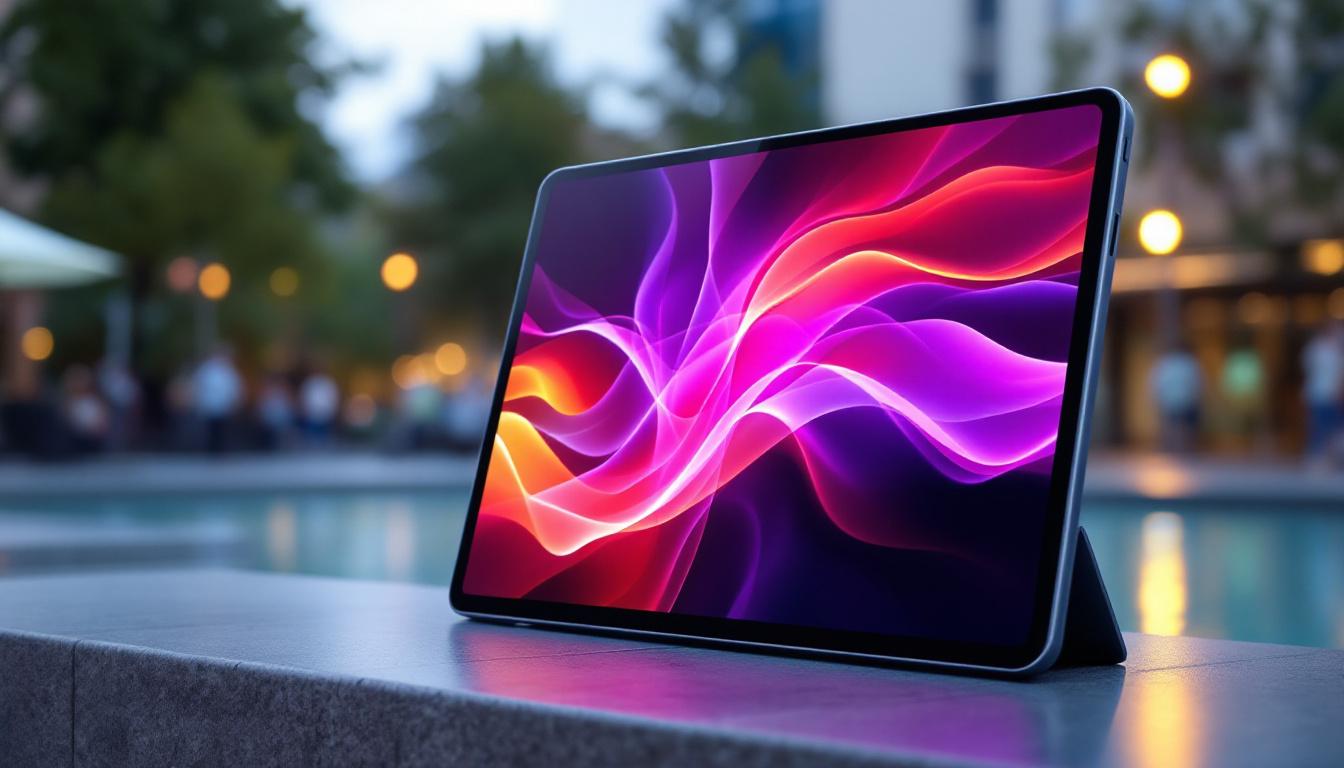
In recent years, large portable touch screen tablets have transformed the way professionals, educators, and creatives interact with digital content. These devices combine the convenience of portability with the power of expansive, high-resolution displays, making them indispensable tools across various industries. At the heart of this innovation lies the LED display technology, which plays a crucial role in delivering vibrant visuals and responsive touch experiences.
This article delves into the intricacies of LED displays in large portable touch screen tablets, exploring their technology, benefits, and practical applications. Whether you’re considering investing in such a device or simply curious about how these screens work, this comprehensive guide will illuminate the key aspects you need to know.
Understanding LED Display Technology
What is an LED Display?
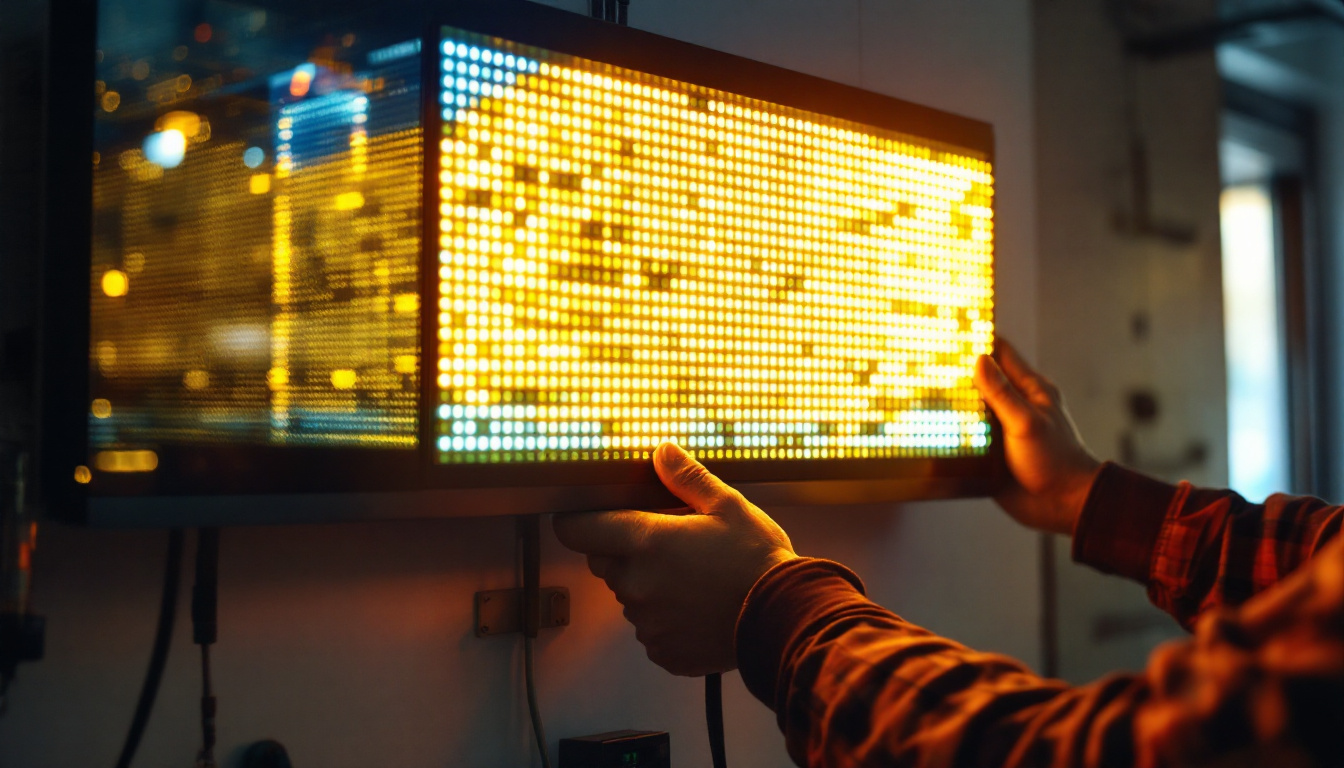
LED stands for Light Emitting Diode, a semiconductor light source that emits light when an electric current passes through it. In the context of displays, LED technology refers to the use of these diodes to illuminate pixels on a screen, producing images visible to the user. Unlike traditional LCDs that rely on fluorescent backlighting, LED displays use light-emitting diodes for backlighting or direct pixel illumination, resulting in better brightness, contrast, and energy efficiency.
There are two main types of LED displays used in large portable tablets: edge-lit and direct-lit. Edge-lit LED displays position LEDs along the edges of the screen, using light guides to distribute illumination evenly. Direct-lit LED displays, on the other hand, have LEDs placed directly behind the screen, allowing for more precise control of brightness and contrast. This precision is particularly beneficial in high dynamic range (HDR) content, where the difference between the darkest and brightest parts of an image can be quite pronounced, enhancing the viewing experience significantly.
Additionally, advancements in LED technology have led to the development of mini-LED and micro-LED displays. Mini-LEDs are smaller than traditional LEDs, allowing for more of them to be packed into a display, which results in improved local dimming capabilities and finer control over brightness levels. Micro-LED technology takes this a step further by using even smaller LEDs that can be individually controlled, leading to exceptional color accuracy and contrast ratios, making it a promising contender for future display technology.
How LED Displays Differ from Other Technologies
While LED displays are often associated with LCD technology, it’s important to distinguish them from OLED (Organic Light Emitting Diode) and traditional LCDs. OLED displays emit light from organic compounds themselves, allowing for true blacks and extremely thin panels but often at a higher cost and with potential longevity concerns. This self-emissive nature of OLED technology means that each pixel can turn off completely, resulting in stunning contrast ratios that are difficult for LED-backlit displays to match.
In contrast, LED-backlit LCDs use LEDs to illuminate liquid crystals that modulate light to create images. This hybrid approach offers a balance of brightness, color accuracy, and cost-effectiveness, which is why it remains popular in large portable touch screen tablets. Understanding these differences helps users select devices that best meet their needs in terms of image quality, durability, and price. Furthermore, as consumers become more environmentally conscious, the energy efficiency of LED displays compared to their predecessors makes them an appealing choice for those looking to reduce their carbon footprint while enjoying high-quality visuals.
Moreover, the versatility of LED technology extends beyond just consumer electronics. It has found applications in various fields, including advertising, automotive displays, and even architectural lighting. The ability to create vibrant and dynamic visuals has revolutionized how information is presented in public spaces, making LED displays a staple in modern advertising and communication strategies. As technology continues to evolve, the potential for LED displays to integrate with smart technologies and IoT devices opens up exciting possibilities for interactive and immersive experiences.
Advantages of LED Displays in Large Portable Tablets
Superior Brightness and Visibility
One of the standout features of LED displays is their superior brightness compared to older display technologies. This is particularly important for large portable tablets, which are often used in diverse lighting environments, including brightly lit offices, outdoor settings, and classrooms. LED backlighting enables screens to achieve brightness levels exceeding 500 nits, with some high-end models reaching over 1000 nits.
This high brightness ensures that content remains clear and legible even under direct sunlight, a critical factor for professionals working in the field or educators conducting lessons in various environments. Enhanced visibility reduces eye strain and improves overall user experience.
Energy Efficiency and Battery Life
Energy consumption is a key consideration for portable devices. LED displays are more energy-efficient than traditional CCFL-backlit LCDs, consuming less power while delivering brighter images. This efficiency translates into longer battery life, allowing users to work uninterrupted for extended periods.
For instance, many large portable touch screen tablets equipped with LED displays can operate for 8 to 12 hours on a single charge, depending on usage patterns. This makes them ideal for mobile professionals, students, and creatives who require dependable performance without frequent recharging.
Enhanced Color Accuracy and Contrast
LED technology contributes to improved color reproduction and contrast ratios. By precisely controlling the intensity of individual LEDs, displays can render deeper blacks and more vibrant colors, resulting in a richer visual experience. This is especially beneficial for graphic designers, photographers, and video editors who rely on accurate color representation.
Moreover, many large portable tablets integrate advanced color calibration features and support wide color gamuts such as Adobe RGB or DCI-P3, further enhancing their suitability for professional use.
Touch Screen Integration with LED Displays
Capacitive Touch Technology
Most large portable tablets use capacitive touch technology, which detects touch input through the electrical properties of the human finger. This method offers high responsiveness and supports multi-touch gestures, enabling intuitive interaction with the device.
Integrating capacitive touch sensors with LED displays requires careful engineering to maintain display clarity and responsiveness. Modern manufacturing techniques allow these sensors to be embedded directly into the screen layers, minimizing thickness and enhancing durability.
Benefits of Large Touch Screens
Large touch screens offer several advantages beyond simple interaction. They provide ample workspace for multitasking, digital drawing, and collaborative activities. For example, architects and designers can sketch ideas directly on the screen, while educators can annotate presentations in real time.
Additionally, large touch screens support accessibility features, such as larger touch targets and customizable interfaces, making technology more inclusive for users with varying needs.
Practical Applications of Large Portable Touch Screen Tablets with LED Displays
Business and Professional Use
In the corporate world, large portable touch screen tablets are revolutionizing presentations, meetings, and remote collaboration. Their LED displays ensure that charts, graphs, and multimedia content are displayed with clarity, even in well-lit conference rooms.
Professionals use these devices for note-taking, brainstorming sessions, and video conferencing, benefiting from the combination of portability and screen real estate. The ability to annotate documents directly on the screen streamlines workflows and enhances productivity.
Education and Training
Educators increasingly rely on large portable tablets to create interactive learning environments. LED displays provide bright, vivid visuals that engage students, while touch capabilities enable hands-on activities and immediate feedback.
These devices support a variety of educational software and digital textbooks, facilitating personalized learning experiences. Their portability allows teachers to move freely around the classroom or conduct lessons in different locations without sacrificing display quality.
Creative Industries
Artists, designers, and content creators benefit immensely from the combination of large LED displays and touch input. The accurate color rendering and high resolution of LED screens enable detailed work, while touch sensitivity supports natural drawing and editing techniques.
Many tablets also support stylus input with pressure sensitivity, further enhancing creative possibilities. This technology empowers professionals to produce high-quality digital art, animations, and multimedia projects on the go.
Choosing the Right Large Portable Touch Screen Tablet
Key Specifications to Consider
Selecting the ideal tablet involves evaluating several important specifications related to the LED display and overall device performance:
- Screen Size and Resolution: Larger screens (13 inches and above) offer more workspace, but resolution must scale accordingly to maintain sharpness. A minimum of Full HD (1920×1080) is recommended, with 4K options available for high-detail work.
- Brightness: Look for displays with at least 400-500 nits for comfortable use in varied lighting conditions.
- Color Accuracy: Devices with factory calibration and support for wide color gamuts are preferable for professional applications.
- Touch Responsiveness: Multi-touch support and low latency improve user experience, especially for creative tasks.
- Battery Life: Consider devices that balance display performance with efficient power consumption to ensure portability.
Durability and Portability
Since these tablets are designed for mobility, build quality and weight are crucial. Many models feature ruggedized designs with reinforced frames and scratch-resistant glass to withstand daily use. Lightweight materials and slim profiles enhance portability without compromising durability.
Connectivity and Accessories
Modern large portable tablets often include a variety of connectivity options such as USB-C, Thunderbolt, and wireless interfaces like Wi-Fi 6 and Bluetooth 5.0. These features facilitate seamless integration with peripherals, external displays, and networks.
Accessories like detachable keyboards, styluses, and protective cases further expand functionality and user comfort.
The Future of LED Displays in Portable Touch Screen Tablets
Emerging Technologies
Advancements in LED display technology continue to push the boundaries of what large portable tablets can achieve. MicroLED, a next-generation display technology, promises even higher brightness, better energy efficiency, and longer lifespan compared to current LED and OLED panels.
MicroLED displays consist of microscopic LEDs that emit light individually, enabling unparalleled contrast and color accuracy. Although still in early stages of commercial adoption, MicroLED is expected to revolutionize portable device displays within the next few years.
Integration with AI and Software Enhancements
Beyond hardware improvements, software innovations are enhancing the usability of large portable touch screen tablets. Artificial intelligence is being integrated to optimize display settings dynamically based on ambient light and content type, improving visual comfort and battery efficiency.
Gesture recognition, handwriting analysis, and predictive touch input are also evolving, making interactions more natural and intuitive.
Conclusion
Large portable touch screen tablets equipped with LED displays represent a significant leap forward in mobile computing and digital interaction. Their combination of bright, energy-efficient, and color-accurate screens with responsive touch technology makes them versatile tools for professionals, educators, creatives, and everyday users alike.
Understanding the fundamentals of LED display technology and its advantages helps users make informed decisions when selecting a device tailored to their needs. As display technologies continue to evolve, these tablets will become even more powerful, efficient, and indispensable in various fields.
Investing in a high-quality large portable touch screen tablet with a robust LED display is not just about acquiring a device—it’s about embracing a new era of productivity, creativity, and connectivity.
Discover LumenMatrix’s Advanced LED Display Solutions
Ready to elevate your visual experience with the latest in LED display technology? Look no further than LumenMatrix, a pioneer in crafting cutting-edge LED displays that bring your content to life. From vibrant Indoor and Outdoor LED Wall Displays to innovative solutions like Vehicle LED Displays and LED Transparent Displays, LumenMatrix offers a wide array of products designed to captivate and engage. Whether for business, education, or creative endeavors, our LED displays are tailored to meet your needs with unparalleled brightness, color accuracy, and energy efficiency. Check out LumenMatrix LED Display Solutions today and join the revolution in visual communication.