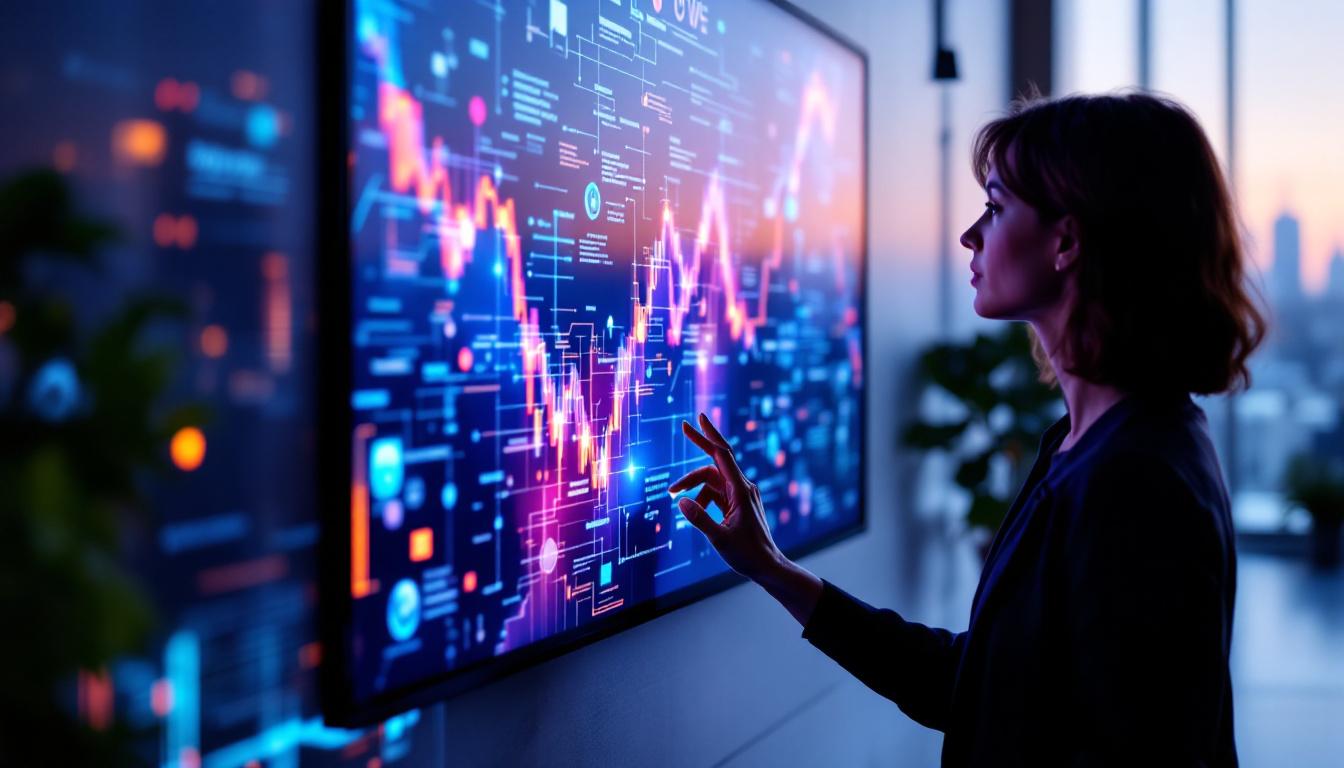
In today’s technology-driven world, large touch screen computers have become increasingly prevalent across various sectors, from education and healthcare to retail and corporate environments. Central to the performance and user experience of these devices is the LED display technology that powers their vibrant, responsive screens. This article delves into the fundamentals of LED displays in large touch screen computers, exploring how they work, their advantages, and why they are the preferred choice in many professional applications.
Understanding LED Display Technology
What is an LED Display?
LED stands for Light Emitting Diode, a semiconductor device that emits light when an electric current passes through it. An LED display is a flat panel display that uses an array of these tiny LEDs to produce images. Unlike traditional LCDs that rely on backlighting, LED displays use these diodes themselves as the light source, which allows for enhanced brightness, contrast, and energy efficiency.
In large touch screen computers, LED displays are typically implemented as LED-backlit LCDs or as full LED panels. The former uses LEDs as a backlight behind an LCD panel, while the latter employs individual LEDs for each pixel, such as in OLED or microLED technologies. The choice between these types affects the display’s performance characteristics and cost. Additionally, LED displays are known for their longevity and durability, often outlasting traditional display technologies. This makes them an increasingly popular choice in various industries, from retail to education, where vibrant visuals and reliability are paramount.
How LED Displays Work in Large Touch Screens
Large touch screen computers integrate LED displays with touch-sensitive layers to enable direct interaction. The LED panel generates the visual content, while the touch layer detects user input through capacitive or infrared technology. This combination allows users to engage with the content in an intuitive manner, making it ideal for presentations, interactive kiosks, and collaborative workspaces.
In LED-backlit LCDs, the LEDs provide uniform illumination behind the liquid crystal layer, which modulates light to form images. This setup allows for high-resolution displays with excellent color accuracy and brightness. For full LED displays, each pixel emits its own light, enabling deeper blacks and more vibrant colors, which is particularly beneficial for high-end professional applications. Furthermore, the rapid response time of LED technology ensures that animations and fast-moving content appear smooth and fluid, enhancing the overall user experience. As technology continues to advance, innovations such as edge-lit and direct-lit configurations are also emerging, offering even more flexibility in design and functionality, catering to a wide range of user needs and preferences.
Advantages of LED Displays in Large Touch Screen Computers
Superior Brightness and Contrast
One of the most significant benefits of LED displays is their ability to produce bright images with high contrast ratios. This is crucial for large touch screen computers used in environments with varying lighting conditions, such as conference rooms, classrooms, or public kiosks.
LED technology can achieve brightness levels exceeding 1000 nits, which ensures visibility even in brightly lit rooms or outdoor settings. Additionally, the contrast ratio—the difference between the darkest black and the brightest white—is enhanced by the precise control of LED backlighting or pixel illumination, resulting in sharper and more vivid images. This capability allows for more detailed presentations, making it easier for viewers to engage with content, whether it be intricate graphs, vibrant images, or dynamic videos. Furthermore, the enhanced color accuracy afforded by LED displays ensures that the visuals are not only bright but also true to life, which is particularly beneficial in fields such as design, education, and marketing.
Energy Efficiency and Longevity
Compared to older display technologies like CCFL-backlit LCDs, LED displays consume significantly less power. This energy efficiency not only reduces operational costs but also contributes to environmental sustainability, an increasingly important consideration for businesses and institutions.
Moreover, LEDs have a longer lifespan, often rated at 50,000 hours or more, which translates to years of reliable usage without significant degradation in display quality. This durability makes LED displays a cost-effective investment for large touch screen computers that are expected to operate continuously. In addition, the reduced heat output of LED screens minimizes the need for extensive cooling systems, further lowering energy consumption and maintenance costs. As organizations strive to meet their sustainability goals, the adoption of LED technology aligns with their commitment to reducing their carbon footprint while also providing a reliable and efficient solution for their display needs.
Thin and Lightweight Design
LED technology enables the production of thinner and lighter display panels. Large touch screen computers benefit from this by being more portable and easier to install, especially in spaces where wall mounting or mobility is required.
The slim profile also contributes to a modern aesthetic, which is important in professional environments where design and appearance impact user perception and engagement. The lightweight nature of LED displays allows for innovative installation options, such as interactive walls or portable setups that can be easily rearranged to suit different activities or presentations. Additionally, the sleek design often incorporates edge-to-edge glass, enhancing the visual appeal and making the touch experience more intuitive. This seamless integration not only captivates users but also encourages interaction, making it an ideal choice for educational settings, exhibitions, and collaborative workspaces where user engagement is paramount.
Applications of Large Touch Screen Computers with LED Displays
Education and Training
Interactive learning has been revolutionized by large touch screen computers equipped with LED displays. These devices facilitate dynamic presentations, collaborative projects, and real-time feedback, enhancing student engagement and comprehension.
High brightness and clarity ensure that content is visible to all participants in a classroom, while the responsive touch technology supports multi-user interaction. Schools and universities increasingly adopt these systems to create immersive educational experiences.
Healthcare and Medical Imaging
In healthcare settings, large touch screen computers with LED displays are used for patient monitoring, diagnostic imaging, and telemedicine consultations. The precise color reproduction and high resolution of LED displays are vital for accurately interpreting medical images such as X-rays, MRIs, and ultrasounds.
The touch interface allows medical professionals to manipulate images and data intuitively, improving workflow efficiency and patient outcomes.
Retail and Digital Signage
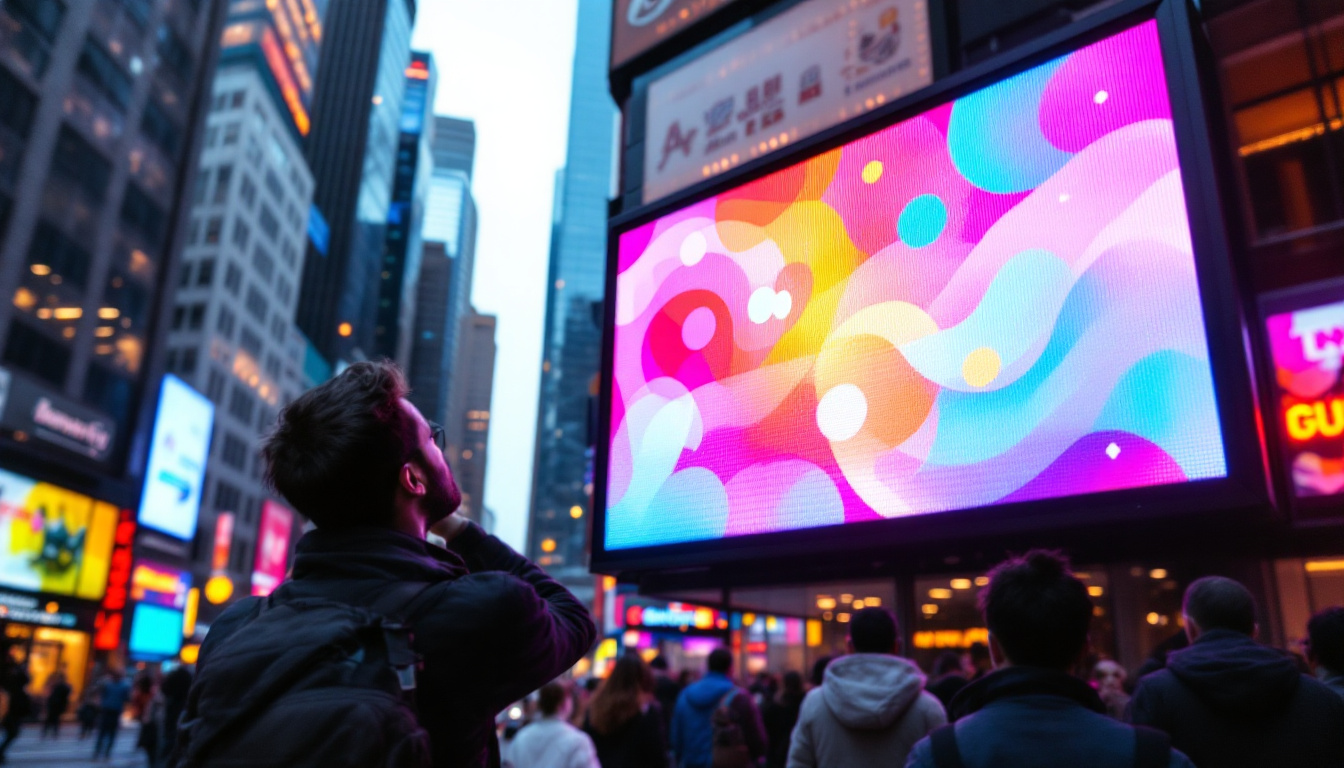
Retail environments leverage large touch screen computers with LED displays for interactive kiosks, product catalogs, and wayfinding solutions. The bright and vivid LED screens attract customer attention and provide an engaging platform for marketing and sales.
Durability and energy efficiency ensure that these displays can operate for extended hours with minimal maintenance, making them ideal for high-traffic public spaces.
Choosing the Right LED Display for Your Large Touch Screen Computer
Resolution and Screen Size Considerations
The resolution of an LED display determines the clarity and detail of the images it produces. For large touch screen computers, resolutions of 4K (3840 x 2160 pixels) or higher are becoming standard, especially in professional and commercial applications.
Screen size should be selected based on the intended use and viewing distance. For example, a 55-inch display might suffice for a small conference room, whereas a 75-inch or larger screen may be necessary for auditorium settings or public installations.
Touch Technology Types
Capacitive touchscreens are widely used in large touch screen computers due to their responsiveness and multi-touch capabilities. They detect touch through the electrical properties of the human finger, providing a smooth and accurate user experience.
Alternatively, infrared touch technology uses an array of IR sensors to detect touch points and can work with any object, including gloved hands or styluses. This technology is often preferred in environments where hygiene or glove use is a concern, such as healthcare or industrial settings.
Durability and Environmental Resistance
When selecting an LED display for a large touch screen computer, it’s important to consider the device’s durability and resistance to environmental factors. Features such as tempered glass, anti-glare coatings, and IP-rated enclosures protect the screen from scratches, dust, moisture, and impacts.
These protections are especially critical for devices used in public spaces or harsh environments, ensuring longevity and consistent performance.
Future Trends in LED Displays for Large Touch Screen Computers
MicroLED and OLED Technologies
Emerging display technologies like microLED and OLED promise to further enhance the capabilities of large touch screen computers. MicroLED displays consist of microscopic LEDs that offer superior brightness, contrast, and energy efficiency without the burn-in issues associated with OLEDs.
OLED displays, on the other hand, provide exceptional color accuracy and flexibility, enabling curved or foldable large touch screens. As manufacturing costs decrease, these technologies are expected to become more accessible for commercial and professional applications.
Integration with AI and Gesture Recognition
Future large touch screen computers may integrate advanced AI-driven interfaces and gesture recognition systems, reducing reliance on physical touch and enabling more natural user interactions. LED displays will play a crucial role in delivering the high-quality visuals needed for these sophisticated input methods.
Such innovations could transform sectors like healthcare, education, and retail by providing more intuitive and immersive experiences.
Conclusion
Large touch screen computers equipped with LED displays represent a convergence of cutting-edge display technology and interactive computing. Their superior brightness, energy efficiency, durability, and sleek design make them indispensable tools across a wide range of industries.
Understanding the nuances of LED display technology—from the types of LED panels to the integration of touch interfaces—enables organizations to make informed decisions that maximize the benefits of these powerful devices. As display technologies continue to evolve, large touch screen computers will undoubtedly become even more versatile, responsive, and visually stunning, driving innovation and productivity in the years to come.
Discover LumenMatrix’s Advanced LED Display Solutions
Ready to elevate your interactive computing experience with superior LED display technology? LumenMatrix is at the forefront of innovation, offering a wide array of LED display modules designed to bring your content to life. From captivating Indoor and Outdoor LED Wall Displays to dynamic Vehicle and Sports LED Displays, our solutions are tailored to meet your unique needs. Embrace the future of visual communication with our Custom, All-in-One, and Transparent LED Displays, and see how our Floor LED Displays can transform any space into an interactive stage. Don’t miss the opportunity to enhance engagement and share your message with unparalleled clarity. Check out LumenMatrix LED Display Solutions today and join the revolution in digital signage.