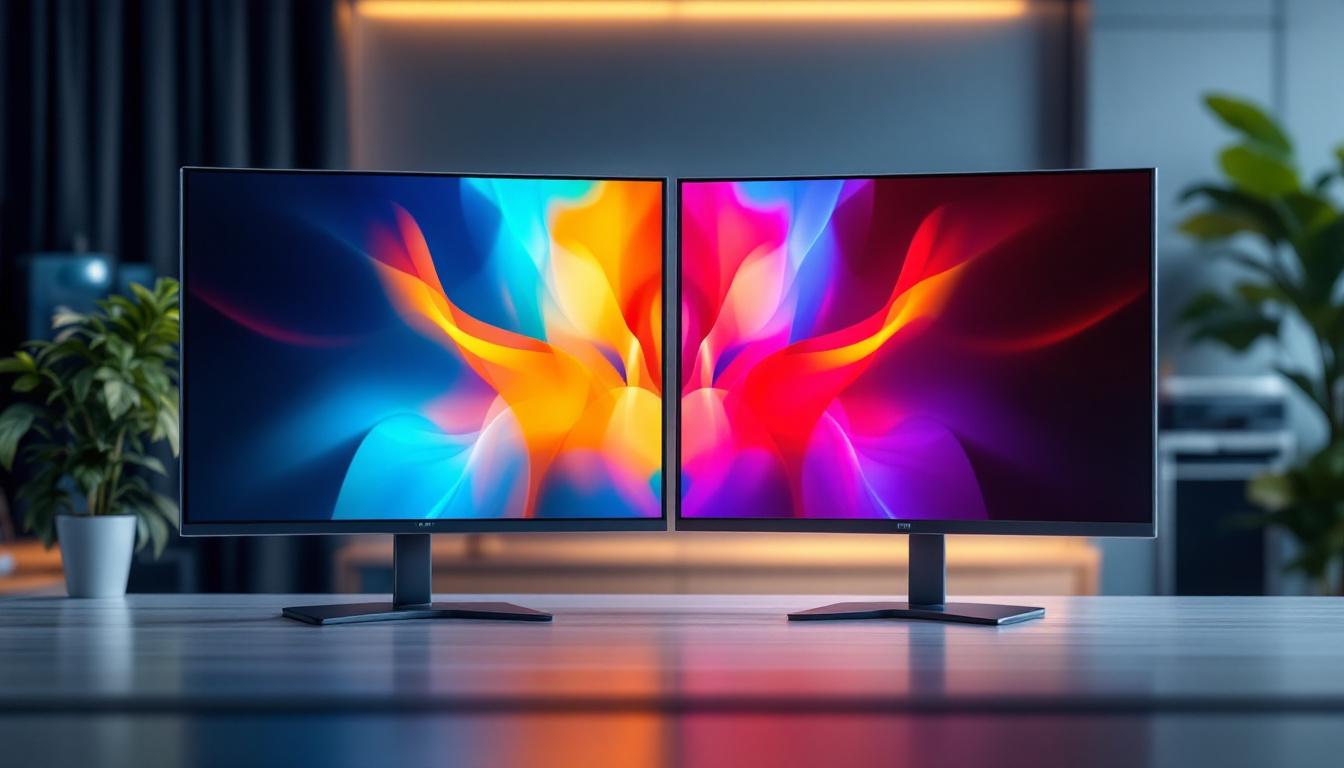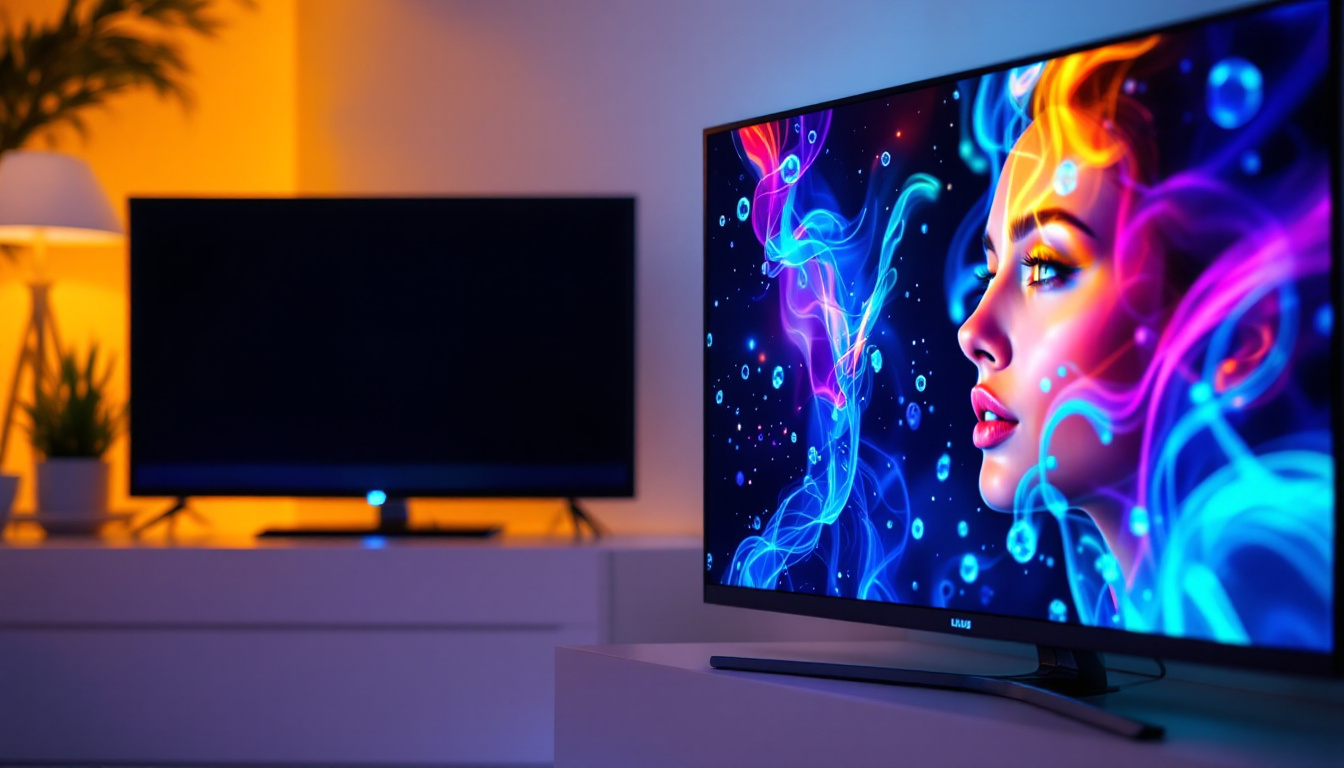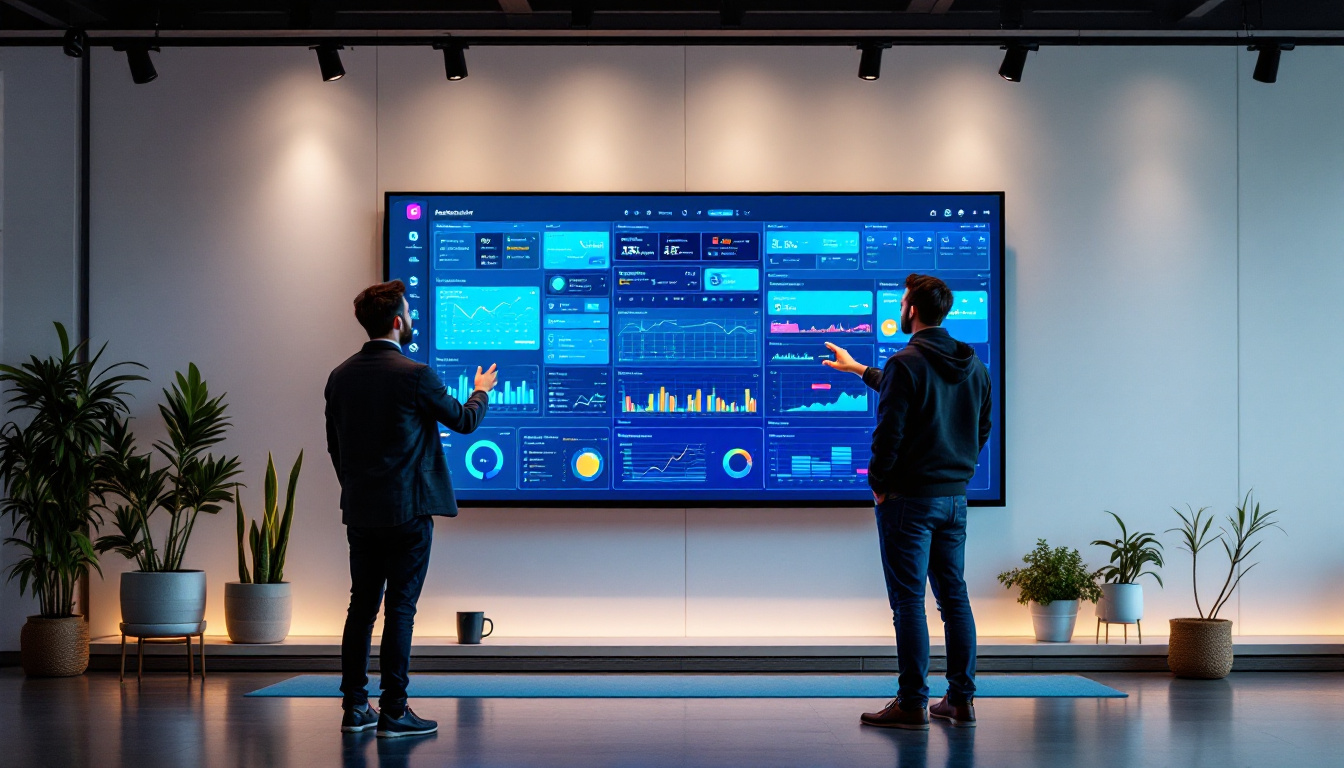
In the rapidly evolving world of display technology, LED displays have emerged as a dominant force, revolutionizing the way information and visuals are presented across various industries. From massive outdoor billboards to sleek indoor screens, LED displays offer unparalleled brightness, color accuracy, and versatility. This article delves into the latest advancements in LED panel technology, explaining how these displays work, their key benefits, and emerging trends shaping their future.
Understanding LED Display Technology
What Is an LED Display?
LED, or Light Emitting Diode, displays are screens composed of numerous tiny LEDs that emit light when an electric current passes through them. Unlike traditional LCD screens that rely on backlighting, LED displays produce their own light, enabling higher brightness levels and better contrast ratios. This self-illumination property makes LED panels ideal for environments with varying lighting conditions, including direct sunlight.
Modern LED displays come in two primary types: direct view LED (DVLED) and LED-backlit LCD. Direct view LED panels consist of individual LEDs arranged in a matrix, each acting as a pixel. This design allows for vibrant, high-resolution images with excellent viewing angles. In contrast, LED-backlit LCDs use LEDs to illuminate an LCD panel, improving brightness and energy efficiency compared to older CCFL-backlit LCDs. The versatility of LED technology has led to its widespread adoption across various applications, from large outdoor advertising billboards to small electronic devices, enhancing user experience and engagement.
How Do LED Panels Work?
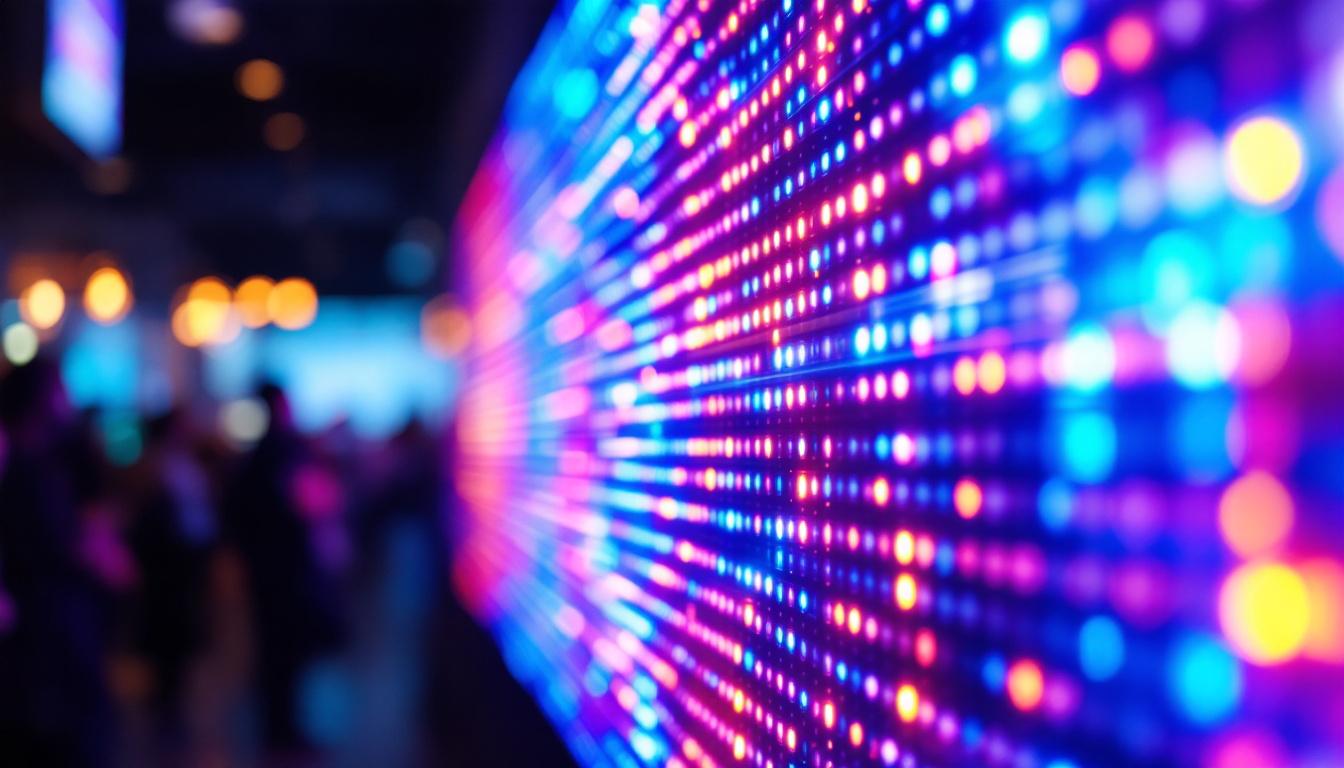
At the core of an LED display is the pixel, typically made up of red, green, and blue (RGB) LEDs. By varying the intensity of these three colors, the panel can produce a full spectrum of colors. The control system adjusts the current flowing through each LED to create the desired color and brightness for every pixel. This precise control allows for dynamic content display, making LED screens particularly popular for video walls and live event backdrops.
In direct view LED displays, the LEDs themselves form the image, eliminating the need for a separate light source. This results in deeper blacks and higher contrast ratios. The pixel pitch, or distance between LEDs, determines the resolution and viewing distance suitability. Smaller pixel pitches (e.g., 1.2mm to 2.5mm) are used for close-up viewing, such as indoor displays, while larger pitches (e.g., 10mm and above) suit outdoor billboards viewed from afar. Furthermore, advancements in technology have led to the development of flexible LED displays, which can be curved or shaped to fit unique spaces, providing creative solutions for architects and designers looking to push the boundaries of visual communication.
Key Advantages of LED Displays
Brightness and Visibility
One of the most significant advantages of LED displays is their exceptional brightness. Outdoor LED screens can reach brightness levels exceeding 5,000 nits, ensuring clear visibility even under direct sunlight. This capability is critical for applications like digital billboards, sports arenas, and transportation hubs where ambient light conditions vary widely. The high luminosity not only enhances visibility but also allows for vibrant colors that can capture the attention of passersby, making them an effective tool for advertising and information dissemination.
Indoor LED displays, while less bright than their outdoor counterparts, still outperform many traditional display technologies. Their ability to maintain vivid colors and sharp images in well-lit environments makes them ideal for retail stores, corporate lobbies, and event venues. Additionally, the wide viewing angles of LED displays ensure that audiences can enjoy consistent image quality from various perspectives, which is particularly beneficial in crowded spaces where viewers may be scattered across a large area.
Energy Efficiency and Longevity
LED technology is inherently energy-efficient compared to older display types. LEDs consume less power, generate less heat, and have longer lifespans—often exceeding 100,000 hours of operation. This translates to lower operating costs and reduced maintenance requirements over the display’s lifetime. The reduced energy consumption not only benefits businesses financially but also contributes to environmental sustainability, making LED displays a greener choice in today’s eco-conscious market.
Recent advancements in LED materials and driver electronics have further improved energy efficiency. For example, the adoption of mini-LED and micro-LED technologies reduces power consumption while enhancing brightness and uniformity. These innovations also allow for finer pixel pitches, resulting in higher resolution displays that can deliver stunning detail, making them suitable for applications ranging from high-end home theaters to professional broadcasting studios.
Flexibility and Customization
LED panels offer remarkable flexibility in size, shape, and resolution. Modular designs allow manufacturers and integrators to create custom-sized displays that fit unique architectural spaces. Curved and flexible LED panels have become increasingly popular, enabling creative installations that were previously impossible with traditional flat screens. This versatility not only enhances aesthetic appeal but also allows for innovative designs that can transform ordinary spaces into captivating visual experiences.
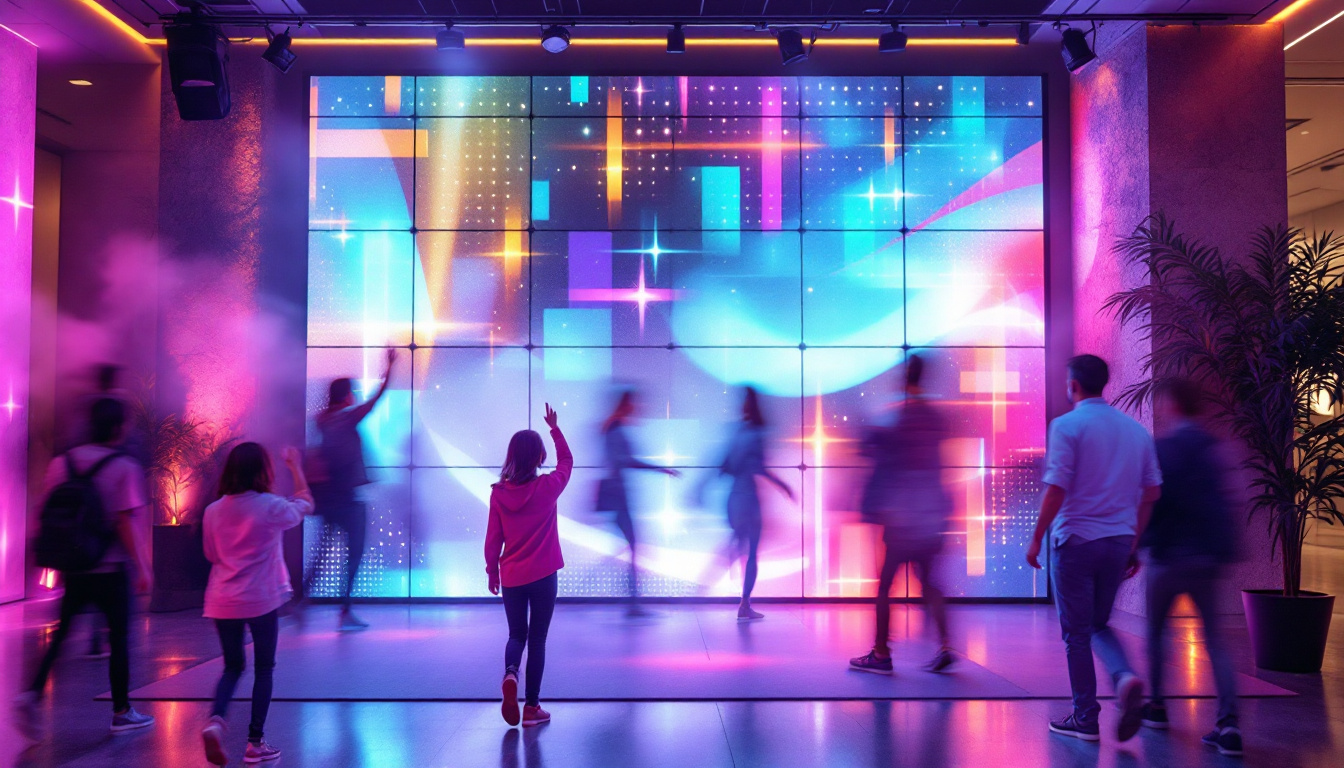
Moreover, LED displays can be tailored for specific applications, from ultra-high-resolution video walls for control rooms to large-format outdoor advertising screens. This adaptability makes them suitable for a broad range of industries, including entertainment, retail, transportation, and education. In educational settings, for instance, LED displays can facilitate interactive learning environments, enabling dynamic presentations and engaging students in ways that static displays cannot. As technology continues to evolve, the potential applications for LED displays are expanding, paving the way for even more innovative uses in the future.
Applications of LED Displays in Various Industries
Advertising and Digital Signage
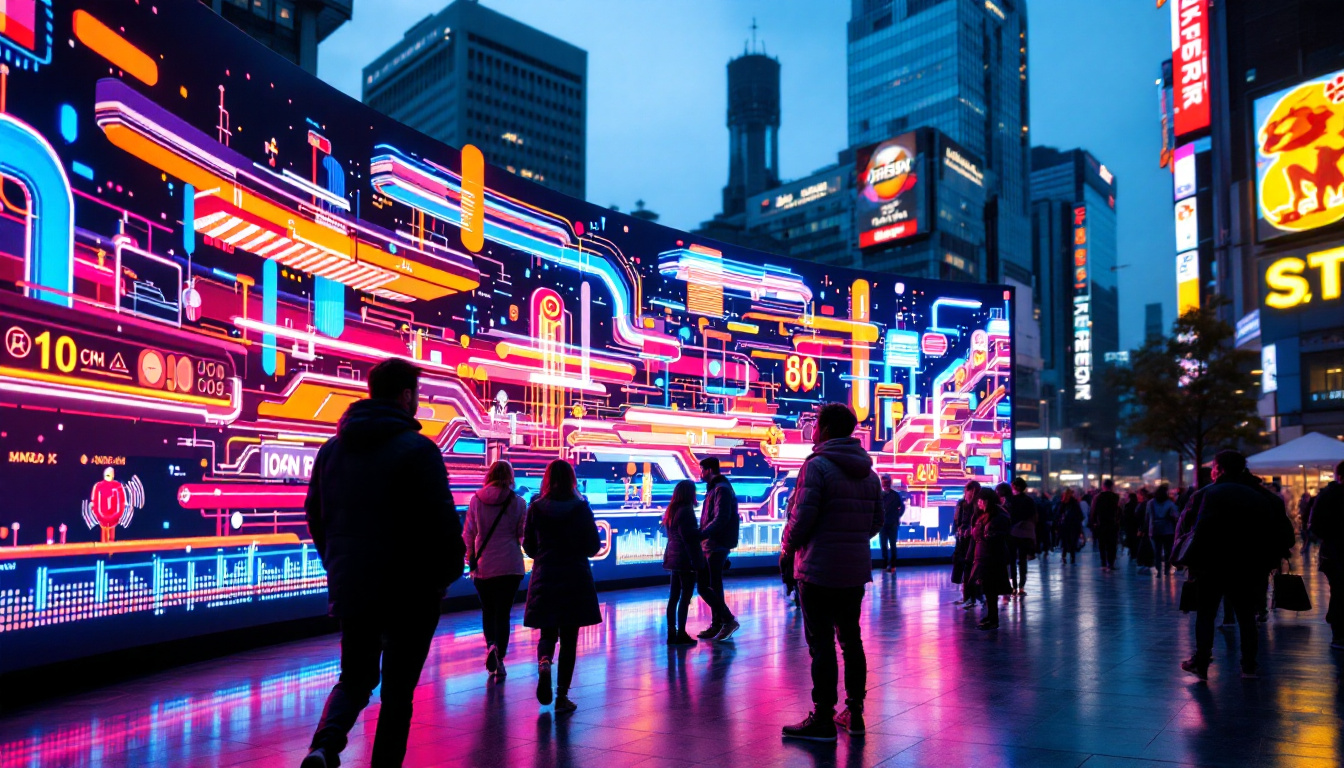
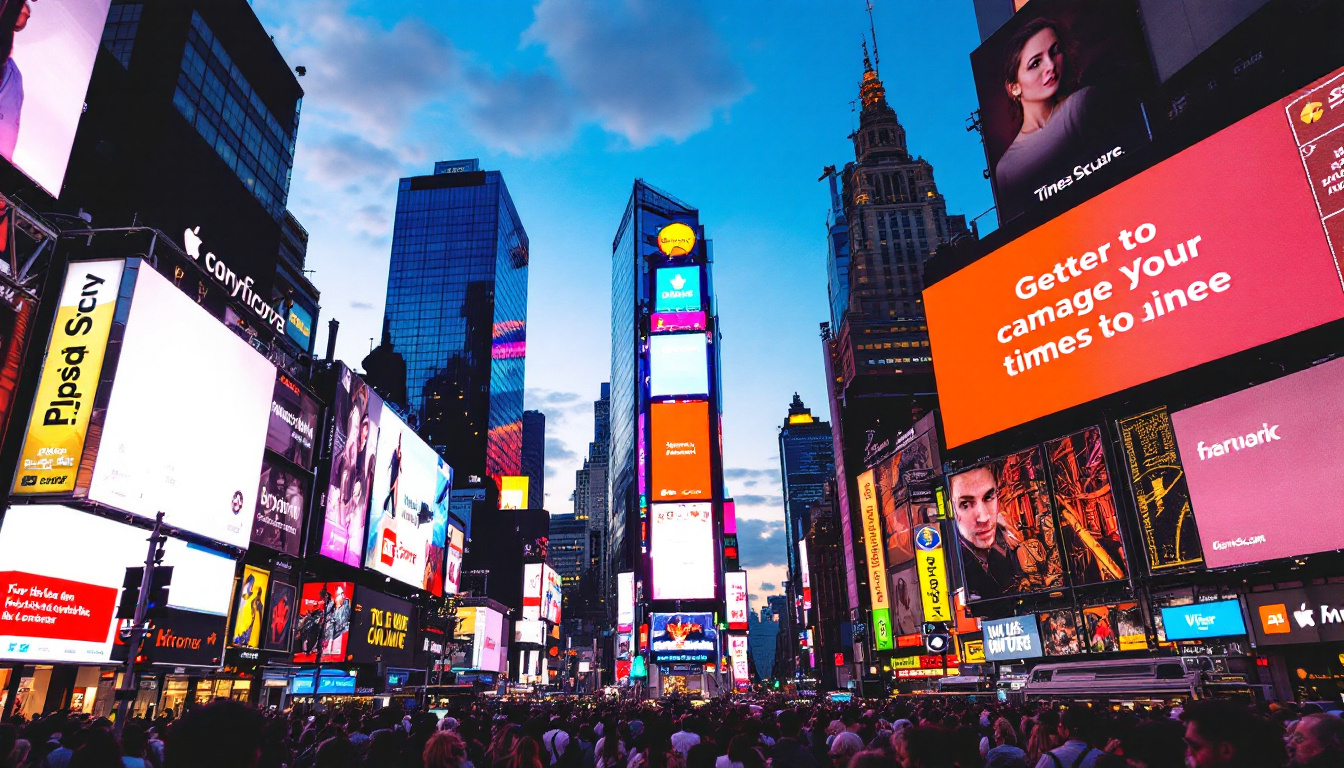
The advertising sector has been one of the earliest and most enthusiastic adopters of LED display technology. Digital billboards equipped with LED panels offer dynamic content that can be updated in real-time, enabling targeted marketing campaigns and interactive experiences. According to a 2023 report by Grand View Research, the global digital signage market is expected to reach $31.71 billion by 2028, driven largely by LED display adoption.
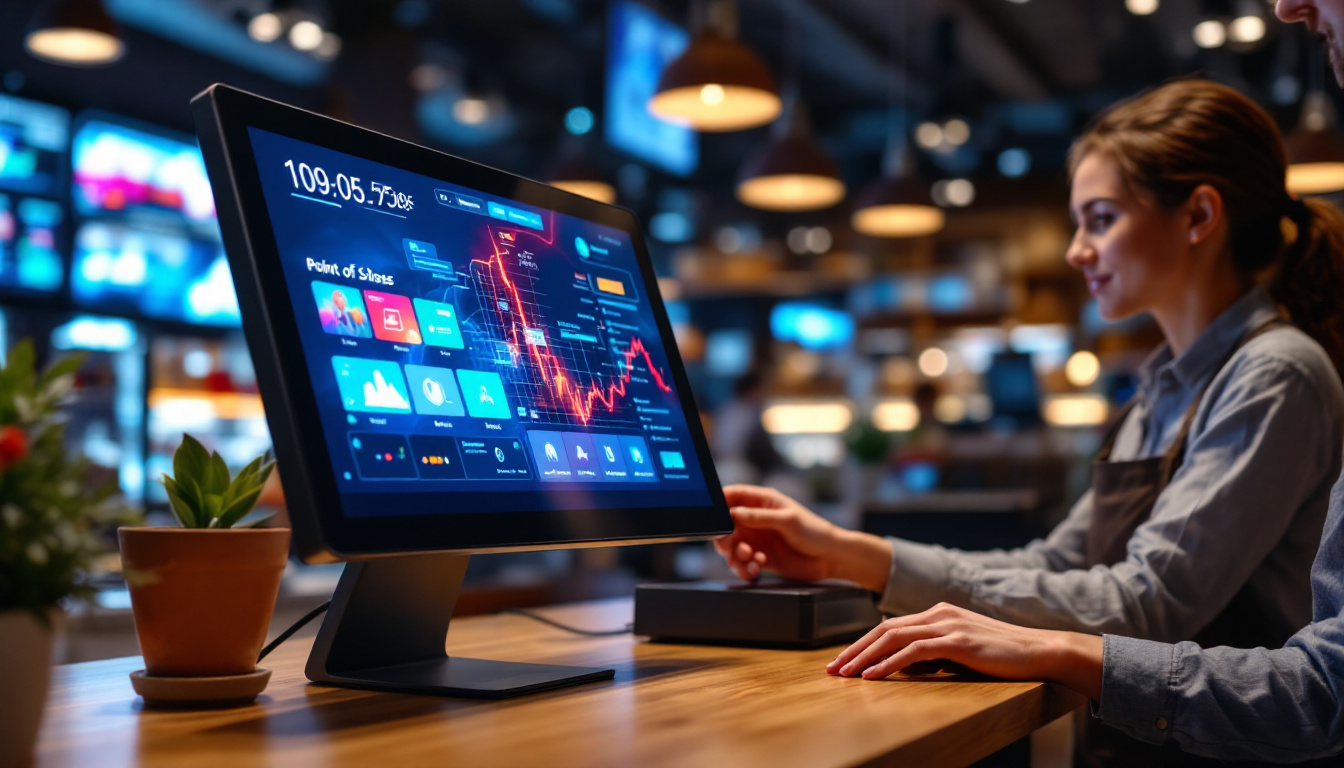
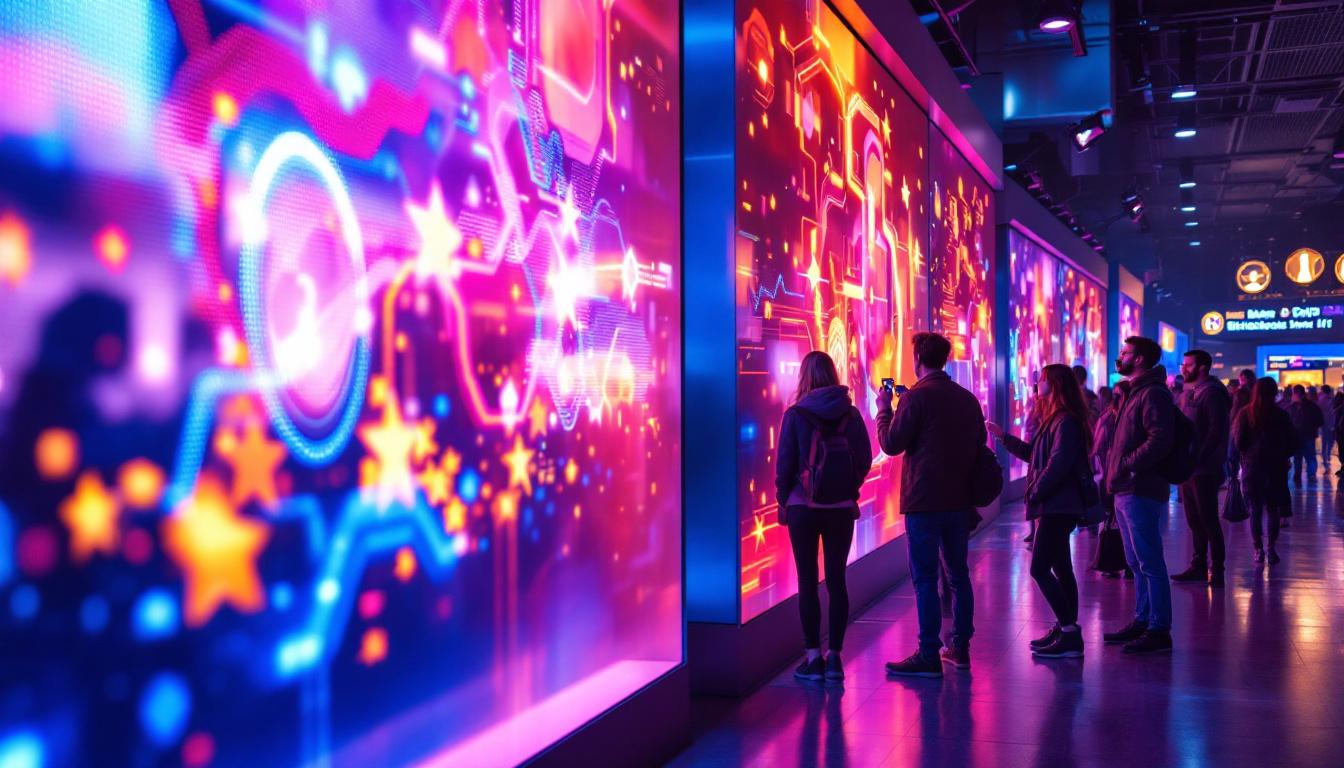
LED displays also enhance brand visibility in retail environments. Stores use vibrant LED screens to showcase promotions, product information, and immersive brand stories, increasing customer engagement and sales.
Sports and Entertainment Venues
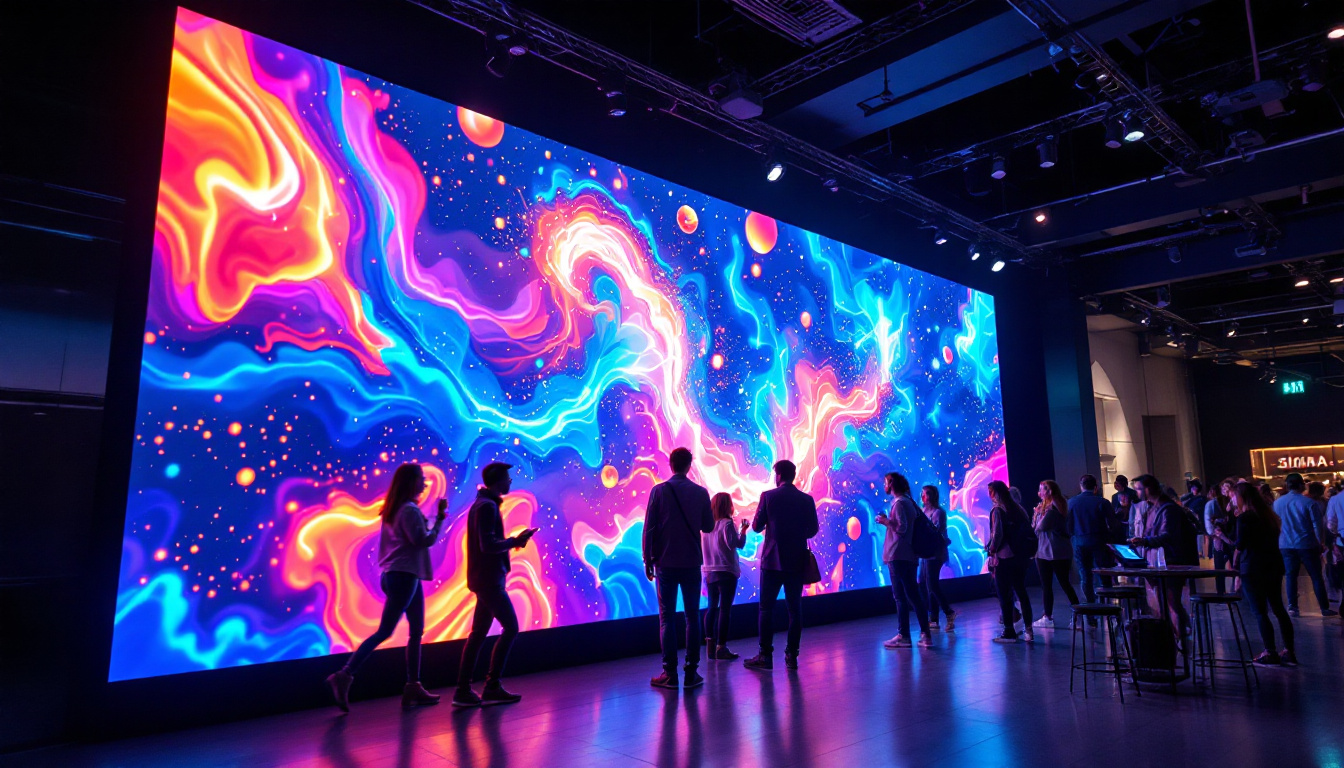
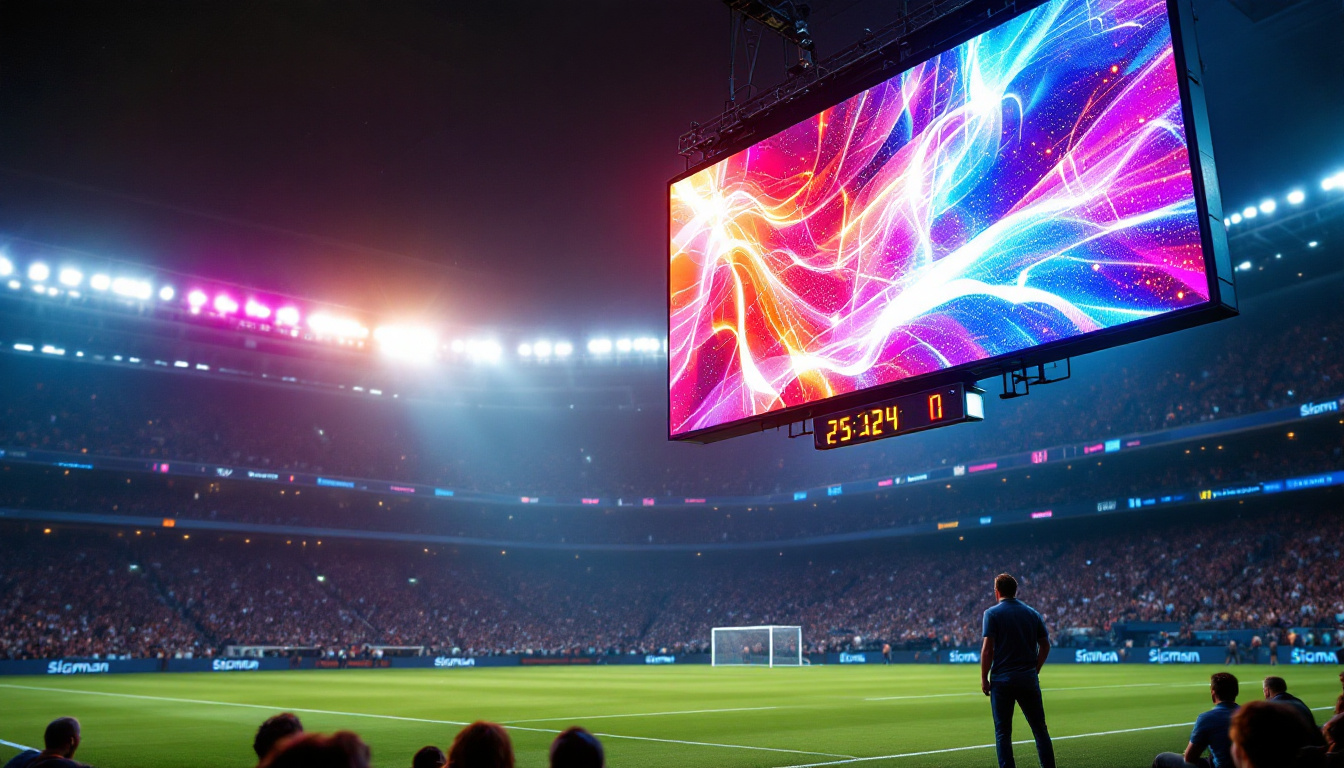
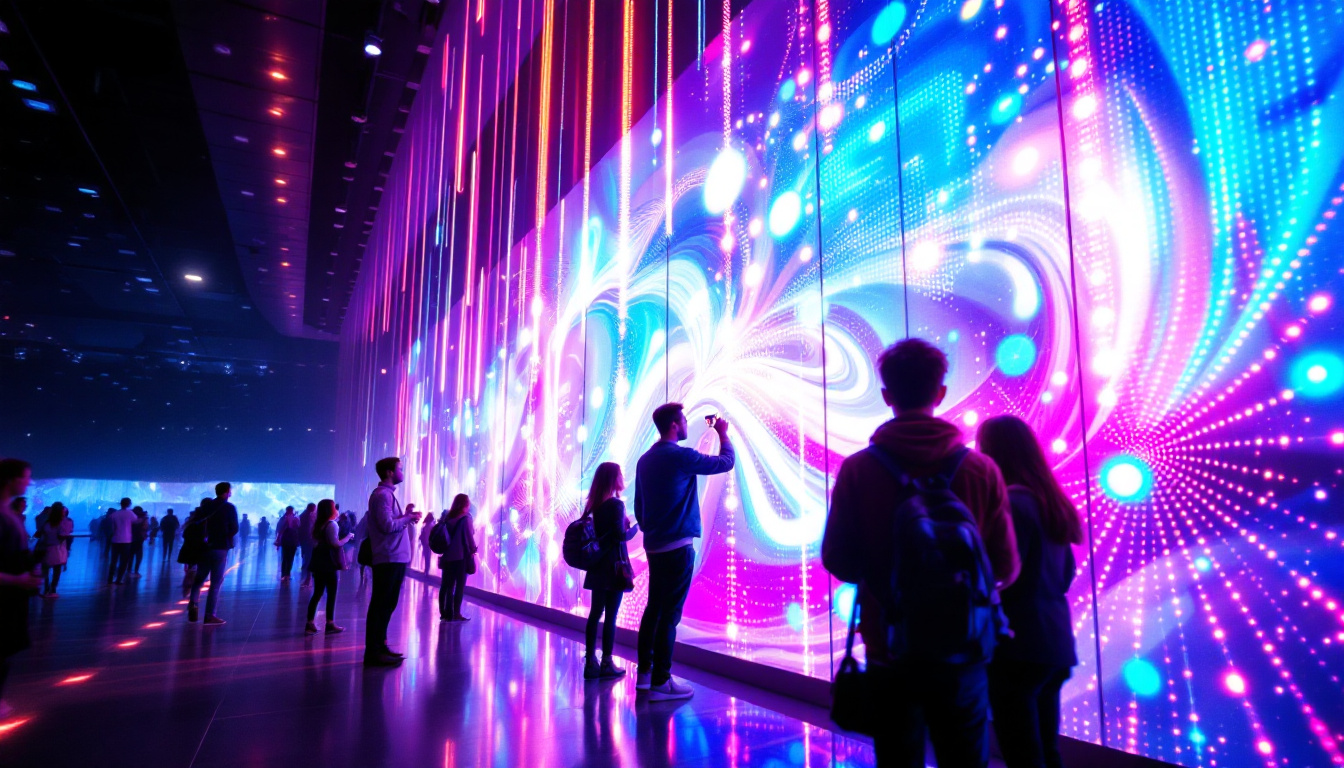
LED displays have transformed the spectator experience in stadiums and arenas. Large-scale LED video walls provide instant replays, live statistics, and interactive content that keep fans engaged. The high brightness and wide viewing angles ensure visibility from every seat, regardless of lighting conditions.
In concert venues and theaters, LED panels serve as dynamic backdrops, enabling creative visual effects that enhance performances. The flexibility to create curved or irregular shapes allows for innovative stage designs that captivate audiences.
Transportation and Public Information
Transportation hubs such as airports, train stations, and bus terminals rely on LED displays for real-time information dissemination. Flight schedules, gate changes, and emergency alerts are communicated clearly and promptly, improving passenger experience and safety.
LED technology also powers traffic management systems, including variable message signs on highways that provide drivers with up-to-date traffic conditions and safety warnings.
Emerging Trends and Innovations in LED Display Technology
Micro-LED and Mini-LED Advances
Micro-LED and mini-LED technologies represent the next frontier in LED displays. Micro-LEDs are microscopic LEDs that offer superior brightness, contrast, and color accuracy while consuming less power. They enable ultra-high-resolution displays with pixel pitches below 1mm, suitable for smartphones, augmented reality devices, and premium TVs.
Mini-LEDs, slightly larger than micro-LEDs, are already being integrated into high-end LCD TVs and monitors as backlighting solutions. They provide improved local dimming capabilities, resulting in better black levels and overall picture quality.
Flexible and Transparent LED Panels
Innovations in materials and manufacturing have led to the development of flexible and transparent LED displays. Flexible LED panels can be bent or curved without damaging the LEDs, opening up new possibilities for creative installations in architecture and design.
Transparent LED displays allow viewers to see through the screen while still displaying vibrant images. This technology is gaining traction in retail storefronts and automotive applications, where it can be used for augmented reality displays and heads-up information systems.
Integration with Smart Technologies
LED displays are increasingly integrated with smart technologies, including IoT sensors, AI-driven content management, and interactive touch capabilities. These integrations enable personalized content delivery, real-time analytics, and enhanced user engagement.
For example, smart LED signage can adjust brightness automatically based on ambient light or display targeted advertisements based on audience demographics detected through cameras and sensors.
Choosing the Right LED Display: Factors to Consider
Resolution and Pixel Pitch
The choice of resolution and pixel pitch depends on the intended viewing distance and application. Indoor displays typically require higher resolution and smaller pixel pitch to ensure crisp images at close range. Outdoor displays prioritize brightness and durability, with larger pixel pitches suitable for long-distance viewing.
Brightness and Contrast Requirements
Assessing the ambient lighting conditions is crucial when selecting an LED display. Outdoor environments demand high brightness levels to combat sunlight, while indoor settings may require lower brightness to avoid glare. Contrast ratio also impacts image quality, particularly in environments with variable lighting.
Durability and Maintenance
Outdoor LED displays must withstand harsh weather conditions, including rain, dust, and temperature fluctuations. Look for panels with appropriate IP ratings and robust construction. Additionally, consider the ease of maintenance and availability of service support to minimize downtime.
The Future of LED Displays
The LED display industry continues to innovate at a rapid pace, driven by consumer demand for higher quality visuals and more immersive experiences. As micro-LED and flexible display technologies mature, LED panels will become even more versatile, energy-efficient, and visually stunning.
Moreover, the integration of AI and IoT will transform LED displays from simple information boards into intelligent communication platforms capable of adapting content dynamically and engaging audiences in new ways. With these advancements, LED displays are poised to play an increasingly central role in advertising, entertainment, transportation, and beyond.
In summary, understanding the latest panel LED display technology is essential for businesses and organizations looking to leverage this powerful medium. By considering factors such as resolution, brightness, and application-specific requirements, stakeholders can select the optimal LED solution to meet their needs and future-proof their investments.
Explore Cutting-Edge LED Displays with LumenMatrix
Ready to elevate your visual communication with the latest in LED display technology? Discover LumenMatrix’s innovative solutions tailored to your needs. From vibrant Indoor and Outdoor LED Wall Displays to dynamic Vehicle and Sports LED Displays, our offerings are designed to captivate and engage. Experience the future of digital signage with our All-in-One LED Displays, LED Transparent Displays, and more. Each solution is crafted to deliver unparalleled clarity and impact for your brand. Check out LumenMatrix LED Display Solutions today and transform your space into a mesmerizing visual experience.