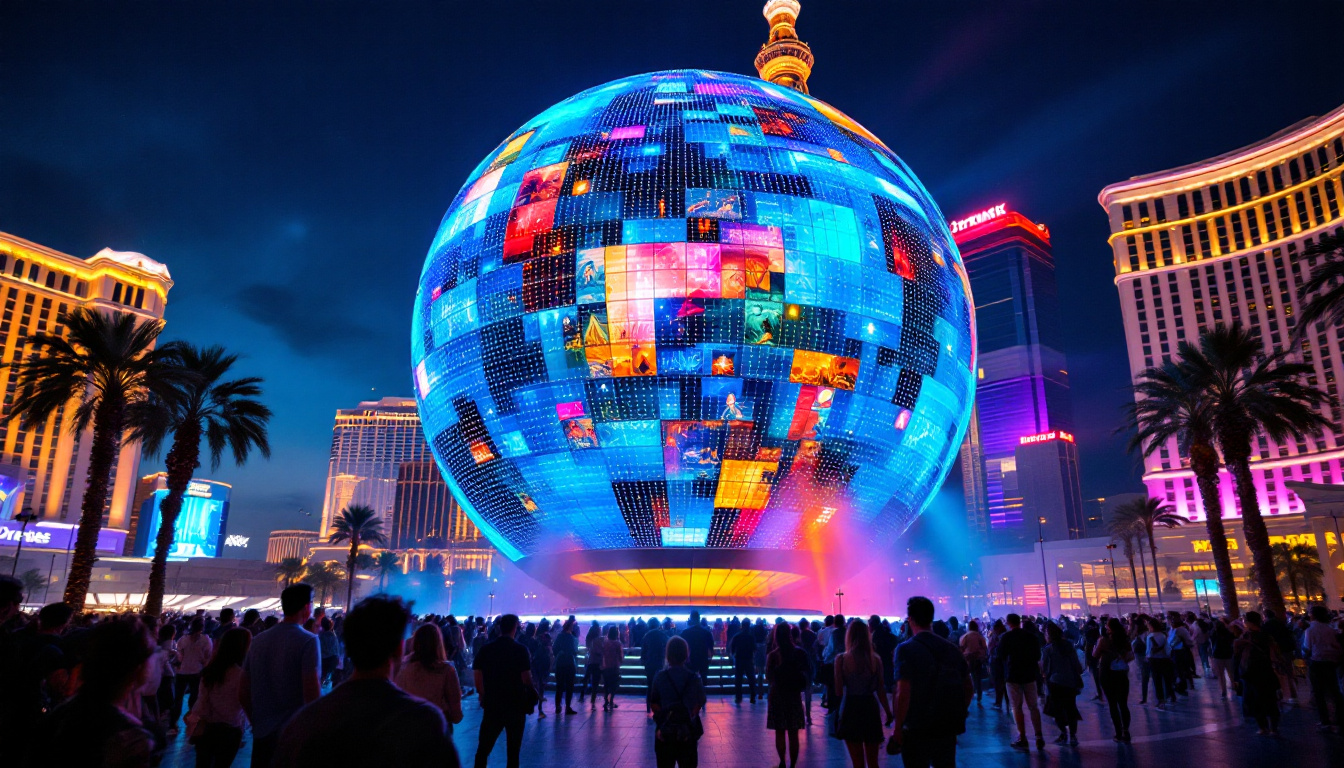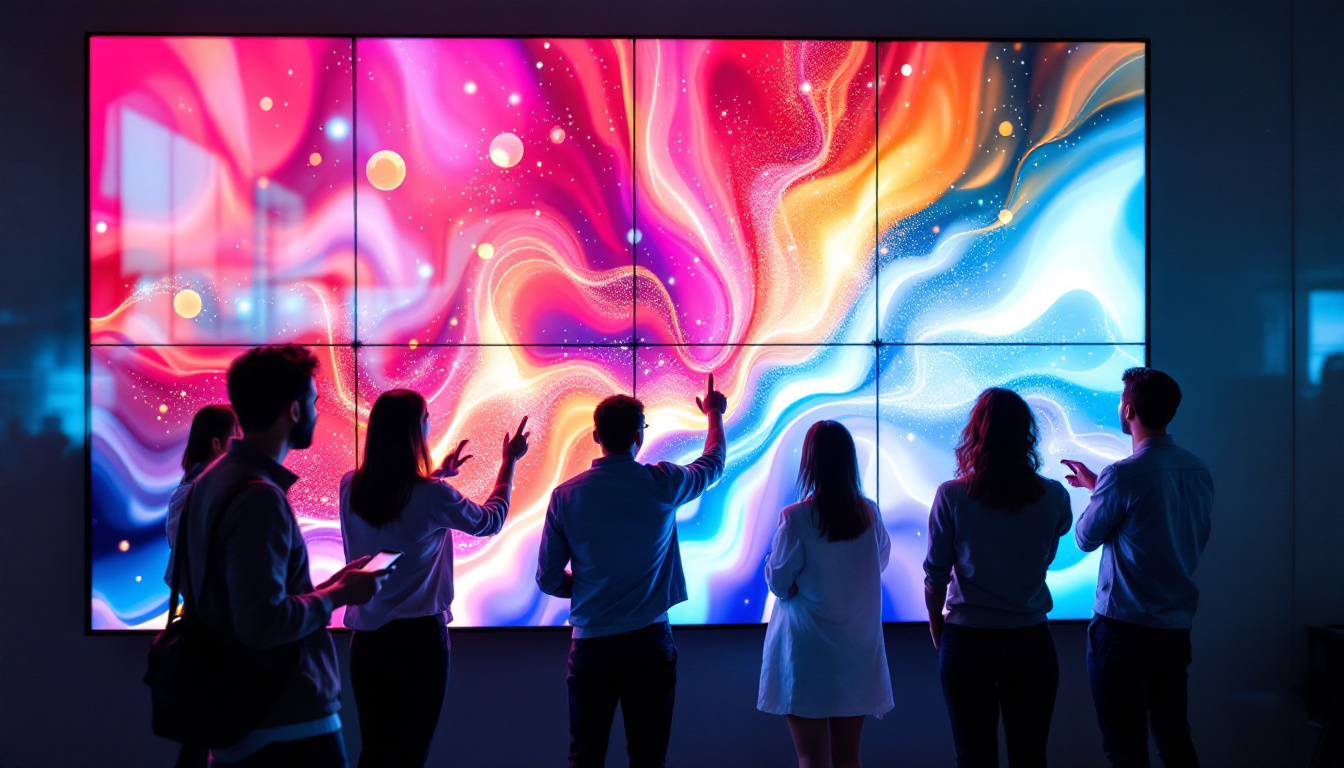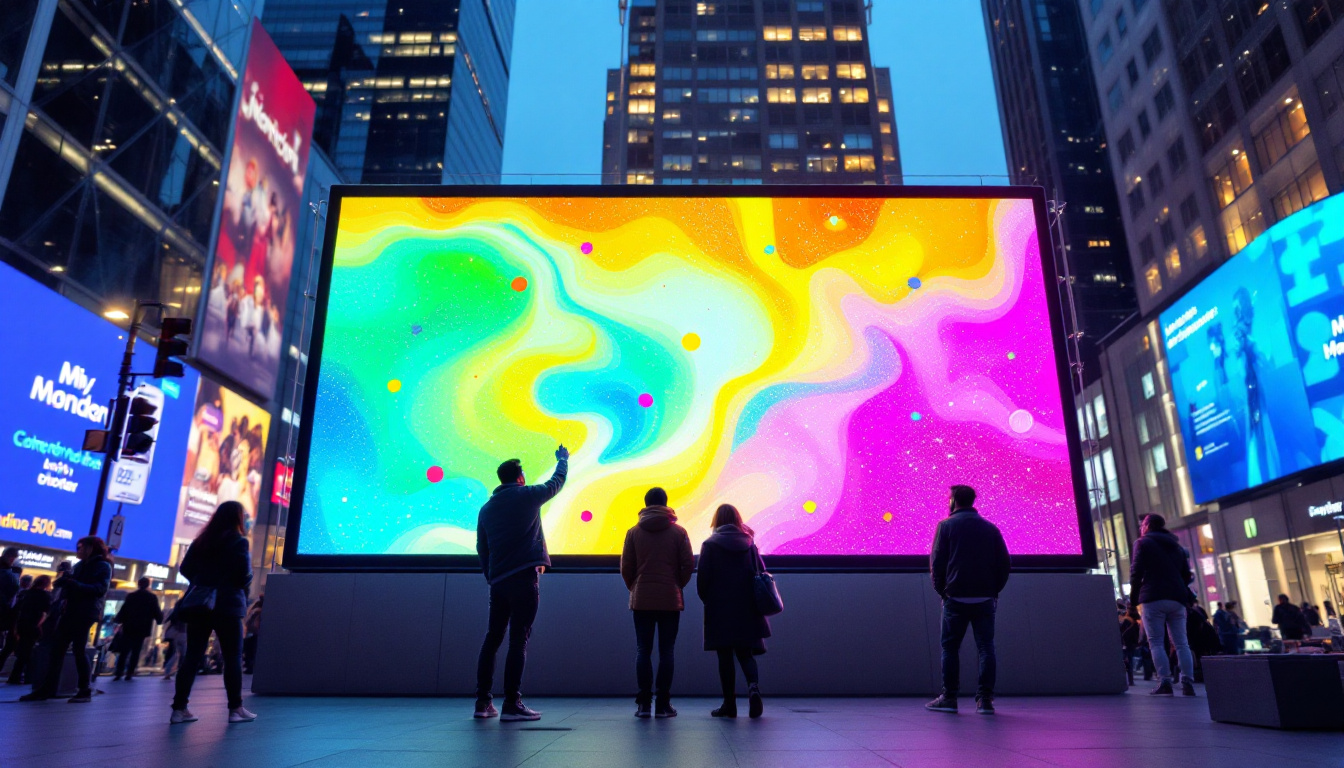
In the rapidly evolving world of digital signage and architectural lighting, lattice wall panels with integrated LED displays have emerged as a transformative solution. Combining aesthetic appeal with cutting-edge technology, these panels are redefining how businesses, event organizers, and designers approach visual communication and space enhancement. This article delves into the intricacies of lattice wall panels featuring LED displays, exploring their design, technology, applications, and benefits.
Understanding Lattice Wall Panels
What Are Lattice Wall Panels?
Lattice wall panels are decorative or functional panels characterized by a grid-like pattern, often resembling crisscrossed strips of material that create a repeating open framework. Traditionally used in architecture and interior design for ventilation, privacy, or ornamental purposes, lattice panels have evolved with the integration of modern materials and technologies.
Modern lattice panels can be fabricated from wood, metal, plastic, or composite materials, tailored to suit indoor or outdoor environments. Their open structure allows for airflow and light passage, making them ideal for both aesthetic and practical applications. In gardens and patios, for instance, lattice panels can serve as trellises for climbing plants, enhancing the natural beauty of outdoor spaces while providing a sense of enclosure. Additionally, they can be utilized to create distinct zones within larger areas, offering both privacy and style without the heaviness of solid walls.
The Evolution of Lattice Panels in Digital Displays
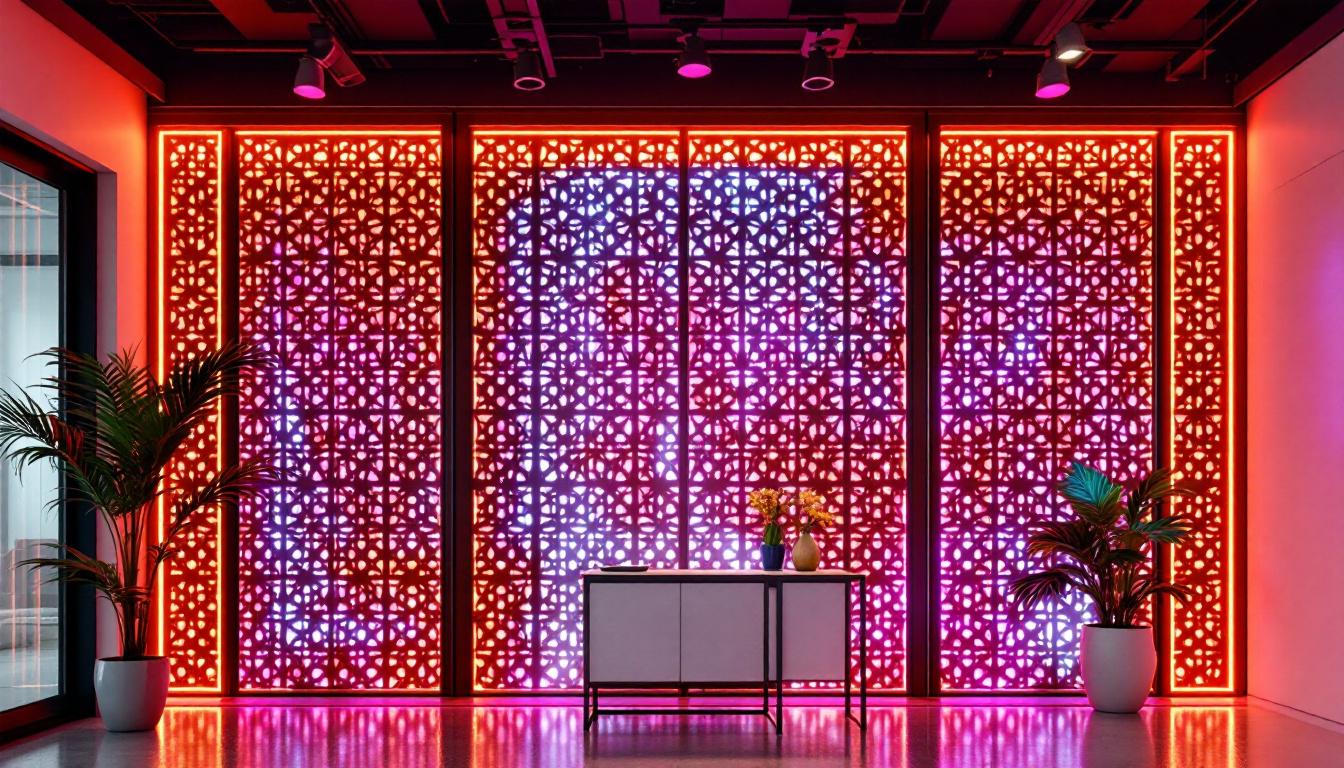
With advancements in LED technology and flexible electronics, lattice panels have transcended their conventional roles. Integrating LED displays into lattice structures allows for dynamic visual content to be displayed within the panel’s open framework. This fusion creates a unique medium that blends architectural design with digital signage.
Unlike traditional flat LED screens, lattice LED panels offer a semi-transparent display that can be incorporated into walls, facades, or partitions without fully obstructing the view or light. This innovation has opened new avenues in retail, entertainment, and public spaces, where visual impact and spatial harmony are equally important. For example, in shopping malls, lattice panels can showcase vibrant advertisements while maintaining an airy atmosphere, allowing shoppers to feel connected to their surroundings. Furthermore, the adaptability of these panels means they can be programmed to change visuals based on the time of day or special events, creating an engaging experience that captivates audiences and enhances brand storytelling.
Technical Aspects of LED Lattice Wall Panels
How LED Technology Works in Lattice Panels
LED (Light Emitting Diode) technology is the backbone of these lattice wall panels. LEDs are semiconductor devices that emit light when an electric current passes through them. In lattice panels, LEDs are strategically embedded within the grid structure, often mounted on transparent or semi-transparent substrates.
The arrangement and density of LEDs determine the resolution and brightness of the display. High-density LED modules can produce crisp images and videos, while lower-density setups focus on ambient lighting effects or simple messaging. The semi-transparent nature of lattice LED panels means that some light and visibility pass through, creating a layered visual effect. This feature allows for creative applications, such as integrating the panels into architectural designs where they can serve both functional and aesthetic purposes, enhancing the overall ambiance of a space.
Pixel Pitch and Resolution Considerations
Pixel pitch, defined as the distance between the centers of two adjacent LEDs, is a critical factor in determining display clarity. Smaller pixel pitches (e.g., 2-4 mm) yield higher resolution and are suitable for close-up viewing, while larger pitches (e.g., 10-20 mm) are better for distant viewing and architectural applications.
In lattice LED panels, designers must balance pixel pitch with the openness of the lattice structure. A very dense LED arrangement may compromise the lattice’s characteristic transparency, while a sparse setup might reduce image quality. Manufacturers often customize pixel pitch and LED placement to optimize both visual performance and architectural integration. This customization can also include the use of advanced technologies such as dynamic pixel mapping, which enhances the visual experience by adjusting the brightness and color of individual pixels in real-time based on the surrounding environment or viewer interaction.
Materials and Durability
The choice of materials for lattice LED panels significantly impacts their durability, weight, and installation flexibility. Aluminum and stainless steel are popular for outdoor panels due to their corrosion resistance and structural strength. For indoor applications, lightweight composites or plastics may be preferred to facilitate easier mounting and reduce load on walls.
Additionally, LED modules used in lattice panels are typically rated for weather resistance, with IP65 or higher ratings for outdoor use. This ensures protection against dust, moisture, and temperature fluctuations, extending the lifespan of the installation. Furthermore, advancements in material science have led to the development of self-cleaning surfaces and anti-reflective coatings, which enhance the panels’ longevity and maintain their visual clarity over time. These innovations not only improve maintenance efficiency but also ensure that the panels remain vibrant and engaging in various environmental conditions, making them a reliable choice for both commercial and residential applications.
Applications of Lattice LED Wall Panels
Retail and Commercial Spaces
Retailers increasingly use lattice LED panels to create eye-catching storefronts and interior displays. The semi-transparent nature of these panels allows natural light to filter through while simultaneously showcasing dynamic advertisements, promotions, or brand messages. This dual function enhances customer engagement without compromising the architectural aesthetics of the space.
For example, luxury boutiques might install lattice LED walls that display high-resolution fashion imagery during the day and transform into ambient lighting features at night. The ability to customize content in real-time also enables retailers to adapt messaging based on time, season, or special events.
Event and Entertainment Venues
Concert halls, theaters, and event venues benefit from lattice LED panels by integrating them into stage backdrops, partitions, or exterior facades. These panels add a layer of visual dynamism that can be synchronized with performances, lighting effects, and sound systems.
Moreover, the lightweight and modular nature of lattice LED panels facilitate quick installation and removal, which is essential for temporary events or touring productions. The transparency of the lattice design also allows for creative lighting effects that interact with performers and audiences.
Architectural and Public Installations
Urban planners and architects utilize lattice LED panels to enhance building facades, public art installations, and interactive information displays. The panels can serve as digital canvases that animate building exteriors or provide wayfinding and public announcements in transit hubs and plazas.
One notable example is the use of lattice LED walls on skyscrapers, where the panels create a dynamic “skin” that changes appearance throughout the day. This not only improves the building’s visual identity but also contributes to urban vibrancy and nighttime safety.
Benefits of Using Lattice LED Wall Panels
Enhanced Visual Impact with Architectural Integration
Lattice LED panels offer a unique blend of digital display and architectural design. Their semi-transparent nature allows them to integrate seamlessly into existing structures without overwhelming the space. This balance is particularly valuable in environments where aesthetics and functionality must coexist, such as museums, hotels, and corporate offices.
Energy Efficiency and Sustainability
LED technology is renowned for its energy efficiency compared to traditional lighting and display methods. Lattice LED panels consume less power while delivering high brightness and vivid colors. Additionally, many manufacturers incorporate energy-saving features such as automatic brightness adjustment based on ambient light conditions.
From a sustainability perspective, lattice panels can reduce the need for printed signage and disposable advertising materials, contributing to lower environmental impact. Their long lifespan and low maintenance requirements also support sustainable building practices.
Customization and Flexibility
One of the strongest advantages of lattice LED panels is their versatility. They can be custom-designed to fit various shapes, sizes, and installation environments. Content displayed on these panels can be easily updated, scheduled, or synchronized with other media systems, providing unmatched flexibility for marketing and communication strategies.
Furthermore, the modular design of many lattice LED systems allows for scalability, enabling businesses to expand or reconfigure displays as needed without significant additional investment.
Challenges and Considerations
Cost and Installation Complexity
While lattice LED panels offer many benefits, they can involve higher upfront costs compared to traditional signage or flat LED displays. The complexity of integrating digital components into lattice structures requires specialized design and installation expertise, which may add to project timelines and budgets.
However, the long-term benefits in terms of durability, energy savings, and enhanced engagement often justify the initial investment.
Maintenance and Technical Support
Maintaining lattice LED panels involves regular cleaning to prevent dust and debris accumulation, which can affect brightness and image quality. Additionally, technical support is essential to address any LED module failures or software updates promptly.
Choosing reputable manufacturers and service providers with proven track records can mitigate these challenges and ensure the longevity of the installation.
Future Trends in Lattice LED Wall Panels
Advancements in Transparent and Flexible Displays
Research and development in transparent OLED and micro-LED technologies promise even greater transparency and flexibility for lattice panels. These innovations could allow for ultra-thin, bendable displays that conform to complex architectural shapes without compromising image quality.
Integration with Smart Building Systems
As smart buildings become more prevalent, lattice LED panels are expected to integrate with IoT (Internet of Things) systems for automated content management, environmental sensing, and energy optimization. This integration will enable more responsive and interactive display environments tailored to occupant needs and preferences.
Augmented Reality and Interactive Features
Future lattice LED installations may incorporate augmented reality (AR) elements and interactive touch or gesture controls. This would transform passive displays into immersive experiences, enhancing user engagement in retail, education, and entertainment sectors.
Conclusion
Lattice wall panels with integrated LED displays represent a compelling convergence of architectural design and digital technology. Their ability to provide dynamic visual content while maintaining spatial openness and aesthetic appeal makes them a valuable asset across diverse industries. By understanding the technical aspects, applications, benefits, and challenges of lattice LED panels, businesses and designers can make informed decisions that maximize impact and innovation.
As technology continues to advance, lattice LED wall panels are poised to become even more versatile and integrated, shaping the future of digital signage and architectural lighting in exciting new ways.
Discover LumenMatrix’s Innovative LED Solutions
Ready to elevate your space with the cutting-edge design and technology of lattice LED wall panels? LumenMatrix, a pioneer in LED display innovation, offers a wide range of solutions tailored to bring your visual communication to life. From captivating Indoor and Outdoor LED Wall Displays to dynamic Vehicle and Sports LED Displays, and even customizable options like the All-in-One LED Display, LumenMatrix is committed to transforming your environment with displays that engage and inspire. Check out LumenMatrix LED Display Solutions today and experience the future of digital signage and architectural lighting.