In today’s technology-driven world, digital displays are everywhere—from smartphones and televisions to industrial equipment and automotive dashboards. Two of the most prevalent types of digital displays are LCD (Liquid Crystal Display) and LED (Light Emitting Diode) displays. While these terms are often used interchangeably, they refer to distinct technologies with unique characteristics, advantages, and applications. This article delves into the fundamentals of LCD and LED displays, clarifying their differences, exploring their working principles, and highlighting their relevance in modern devices.
Understanding LCD Technology
What is an LCD?
LCD stands for Liquid Crystal Display, a technology that uses liquid crystals to modulate light and create images. Unlike traditional displays that emit light directly, LCDs rely on a backlight that shines through layers of liquid crystals and color filters to produce visible images. This technology has been widely adopted due to its energy efficiency, slim profile, and ability to render sharp images. The versatility of LCDs has allowed them to evolve significantly since their inception, leading to advancements that cater to various industries and applications.
How Does an LCD Work?
At the core of an LCD is a layer of liquid crystals sandwiched between two polarized glass panels. These crystals have the unique property of changing their orientation when an electric current passes through them, which affects how light passes through the display. The backlight, often a fluorescent lamp or LEDs, shines light through the liquid crystals. By controlling the alignment of these crystals, the display can block or allow light to pass through specific areas, creating images by varying light intensity and color.
Color LCDs use red, green, and blue (RGB) subpixels combined with color filters to produce a full spectrum of colors. Each pixel consists of three subpixels, and by adjusting the voltage applied to each, the display can generate millions of colors, enabling vivid and detailed images. The precision in color reproduction has made LCDs a preferred choice for graphic designers and photographers who require accurate color representation in their work.
Common Applications of LCDs
LCDs are ubiquitous in consumer electronics such as laptops, smartphones, tablets, and televisions. Their thin form factor and low power consumption make them ideal for portable devices. Additionally, LCDs are used in automotive dashboards, digital watches, calculators, and industrial control panels, where clear, reliable displays are essential. The integration of LCD technology into various fields has also led to innovations such as touchscreen interfaces, which enhance user interaction and accessibility.
Moreover, the development of specialized LCDs, such as those used in medical imaging and scientific instruments, highlights the adaptability of this technology. For instance, high-resolution LCDs are crucial in diagnostic equipment, allowing for precise imaging that aids in patient care. Furthermore, advancements in LCD technology, including improvements in response time and refresh rates, have made them suitable for high-speed applications like gaming and video playback, ensuring that users experience smooth and fluid visuals without motion blur.
Exploring LED Displays
What is an LED Display?
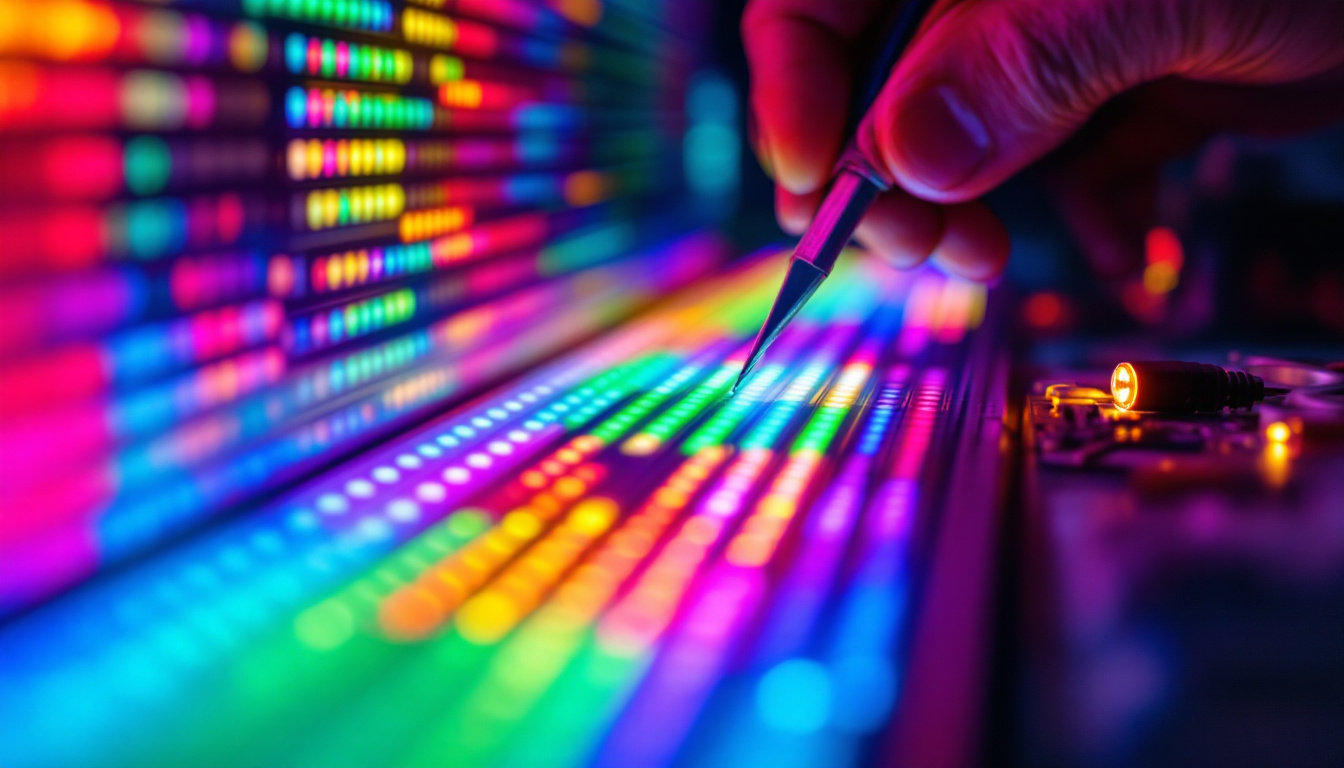
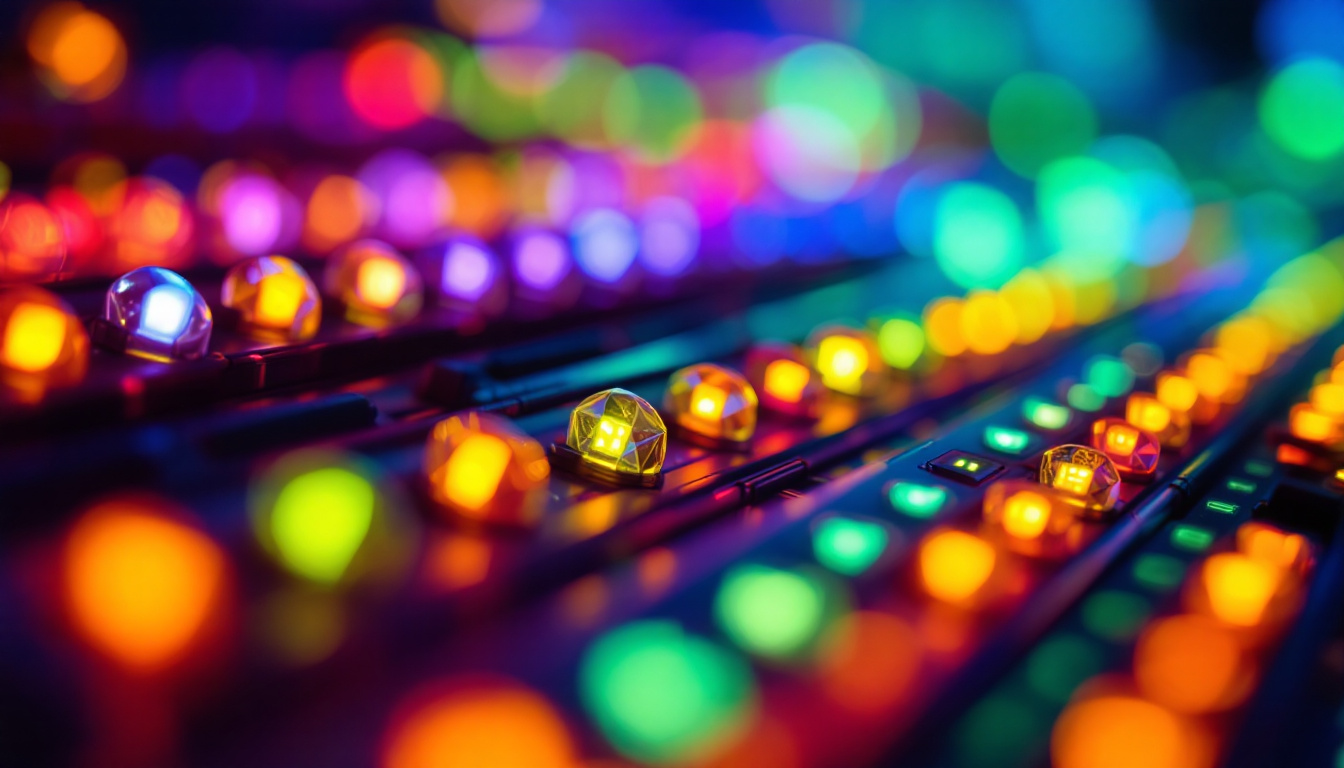
LED stands for Light Emitting Diode, a semiconductor device that emits light when an electric current passes through it. LED displays use these tiny diodes as individual light sources to create images. Unlike LCDs, which require a backlight, LED displays generate their own light, allowing for higher contrast ratios and more vibrant colors. This self-illuminating property not only enhances the visual experience but also contributes to energy efficiency, making LED technology a popular choice in various applications.
Types of LED Displays
LED displays come in two primary forms: direct-view LED and LED-backlit LCDs.
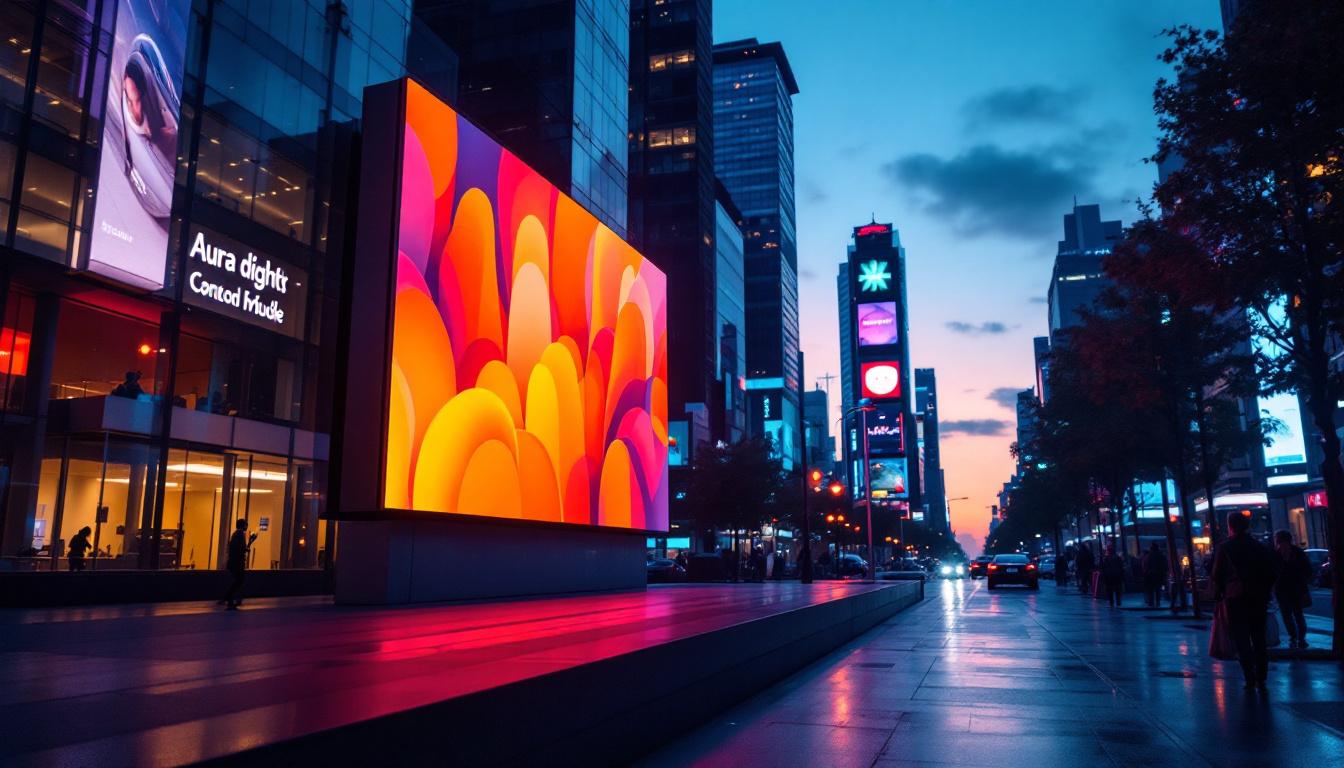
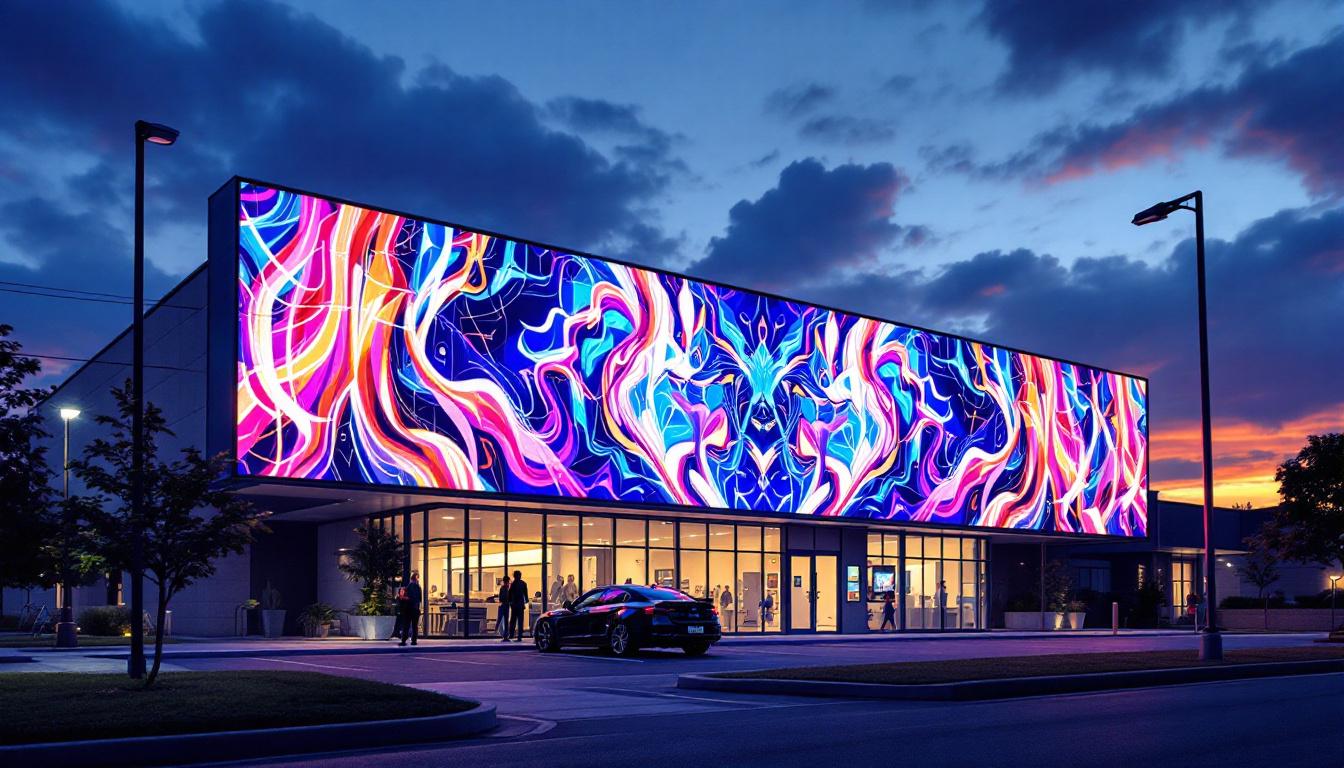
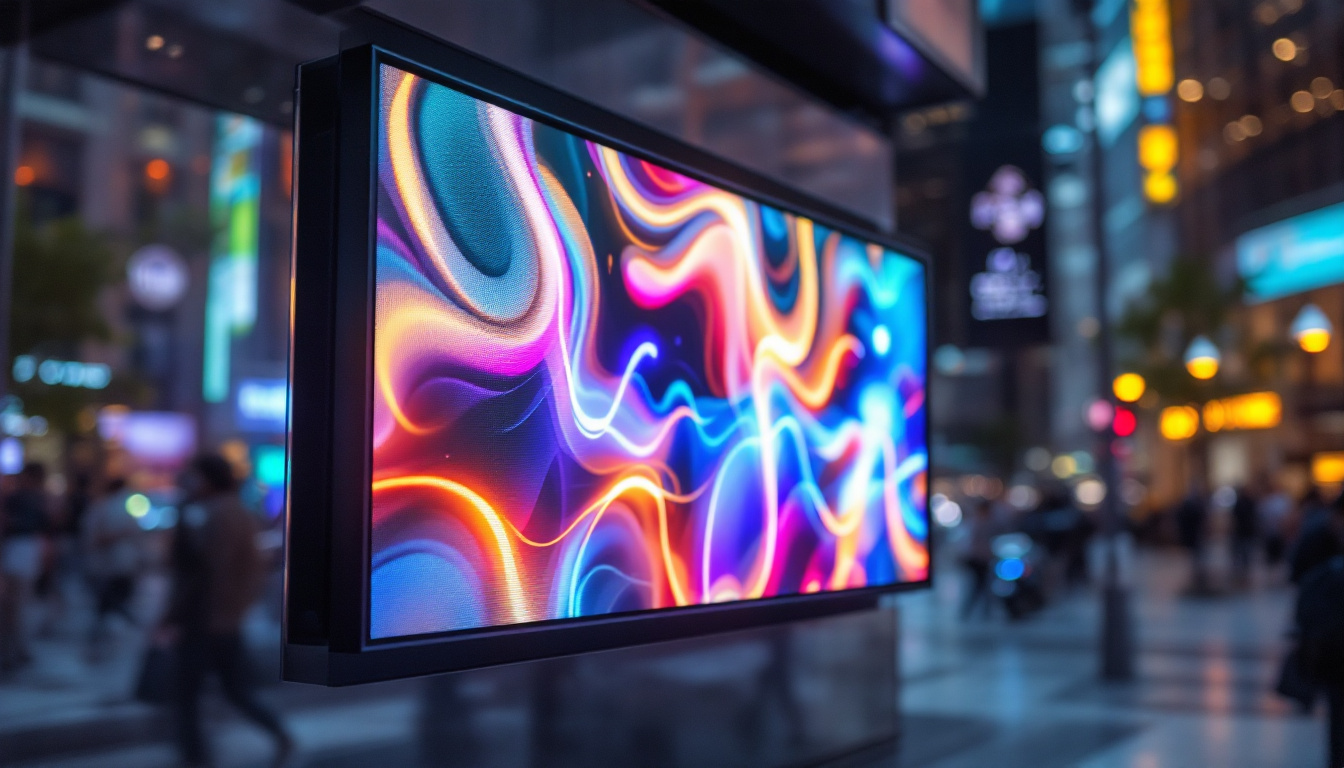
- Direct-View LED Displays: These consist of arrays of LEDs that directly form the image. They are commonly used in large-scale applications such as outdoor billboards, stadium screens, and digital signage. Each LED acts as a pixel, and by varying the intensity and color of each diode, the display produces bright, high-visibility images even in daylight. The modular nature of direct-view LED displays allows for easy scalability and customization, making them ideal for events where dynamic content is essential, such as concerts or sporting events.
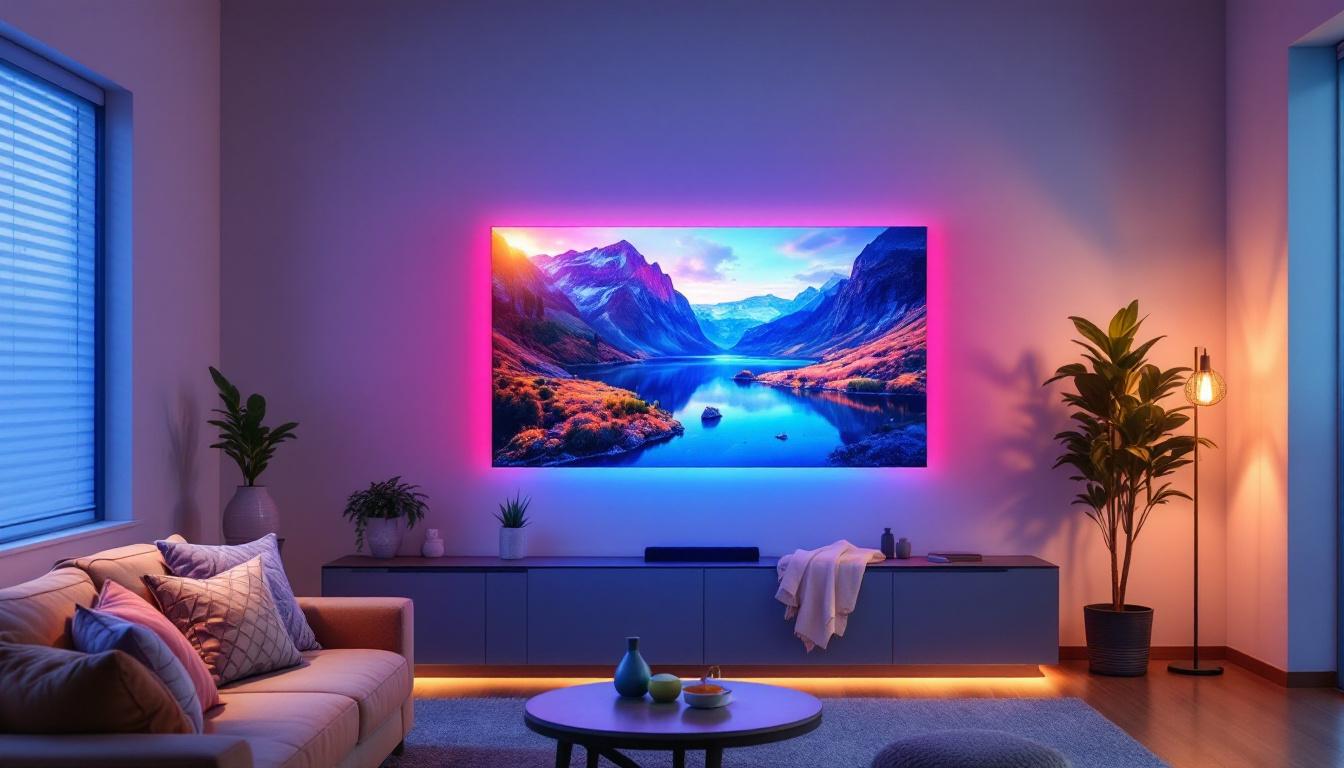
- LED-Backlit LCD Displays: In this hybrid design, LEDs serve as the backlighting source for an LCD panel. This approach combines the image control of LCD technology with the efficient and bright lighting capabilities of LEDs, resulting in thinner, more energy-efficient screens with improved color accuracy and contrast compared to older fluorescent backlit LCDs. These displays have become ubiquitous in consumer electronics, from smartphones to large-screen televisions, providing users with an enhanced viewing experience.
Advantages of LED Displays
Direct-view LED displays offer remarkable brightness and durability, making them suitable for outdoor and high-ambient-light environments. They also provide excellent viewing angles and fast response times, which are critical for dynamic content such as video playback and live events. Additionally, the rugged construction of these displays often includes weatherproofing, allowing them to withstand harsh environmental conditions, which is a significant advantage for outdoor advertising and public information displays.
LED-backlit LCDs benefit from lower power consumption, longer lifespan, and better color reproduction than traditional LCDs with fluorescent backlights. This has led to their widespread adoption in modern televisions, monitors, and mobile devices. Furthermore, the ability to control local dimming in LED-backlit LCDs enhances the contrast ratio, allowing for deeper blacks and more vivid colors, which is particularly advantageous for watching movies or playing video games. As technology continues to advance, innovations such as mini-LED and micro-LED are emerging, promising even greater improvements in display performance and energy efficiency.
Comparing LCD and LED Displays
Key Differences
While LCD and LED displays are related, understanding their differences is crucial for making informed decisions about device selection or display technology implementation.
| Feature | LCD | LED |
|---|---|---|
| Light Source | Uses fluorescent or LED backlight shining through liquid crystals | Direct-view LEDs emit light themselves or LEDs used as backlight |
| Contrast Ratio | Lower contrast due to backlight leakage | Higher contrast, especially in direct-view LED displays |
| Power Consumption | Generally low, but higher than LED-backlit LCDs | Very energy efficient, especially LED-backlit LCDs |
| Thickness | Thin, but thicker than OLED and some LED displays | Can be extremely thin, especially with LED backlighting |
| Color Accuracy | Good, but limited by backlight quality | Superior color reproduction with LED backlighting |
| Viewing Angles | Moderate, can suffer from color shifting | Wide viewing angles in direct-view LED displays |
When to Choose Which?
For general consumer electronics like laptops, tablets, and smartphones, LED-backlit LCDs offer an excellent balance of image quality, energy efficiency, and cost. Direct-view LED displays are best suited for large-scale outdoor or indoor signage where brightness and durability are paramount.
Emerging technologies like OLED (Organic LED) and MicroLED are also influencing the display market, but LCD and LED displays remain dominant due to their mature manufacturing processes and cost-effectiveness.
Recent Innovations and Trends in Display Technology
Mini-LED and MicroLED Advances
Mini-LED technology enhances traditional LED backlighting by using thousands of tiny LEDs to provide more precise local dimming. This results in improved contrast ratios and deeper blacks, approaching the performance of OLED displays while maintaining the longevity and brightness advantages of LEDs. Mini-LEDs are increasingly used in high-end televisions and monitors.
MicroLED technology takes this a step further by using microscopic LEDs as individual pixels, enabling displays with exceptional brightness, contrast, and energy efficiency. Although still in early commercial stages, MicroLED holds promise for future smartphones, TVs, and augmented reality devices.
Energy Efficiency and Environmental Impact
With growing awareness of environmental sustainability, display manufacturers are focusing on reducing power consumption and using eco-friendly materials. LED-backlit LCDs consume significantly less power than older fluorescent-backlit models, contributing to longer battery life in portable devices and lower electricity bills for consumers.
Recycling initiatives and sustainable manufacturing practices are also becoming standard in the display industry, addressing concerns about electronic waste and resource depletion.
Practical Considerations for Consumers and Industry Professionals
Choosing the Right Display for Your Needs
When selecting a digital display, consider the intended application, viewing environment, and budget. For indoor use with moderate lighting, LED-backlit LCDs provide excellent image quality and value. For outdoor or high-brightness environments, direct-view LED displays are more suitable.
Resolution, refresh rate, and color accuracy are important specifications depending on whether the display will be used for gaming, professional design work, or general media consumption.
Maintenance and Longevity
LCD and LED displays generally require minimal maintenance, but proper care can extend their lifespan. Avoiding prolonged exposure to extreme temperatures, moisture, and physical shocks is essential. Additionally, using screen protectors and cleaning with appropriate materials helps maintain display clarity.
Future Outlook
As display technology continues to evolve, consumers and industry professionals can expect ongoing improvements in image quality, energy efficiency, and form factor. Integration with emerging technologies such as flexible displays, augmented reality, and the Internet of Things (IoT) will further expand the utility and versatility of LCD and LED displays.
Conclusion
LCD and LED displays are foundational technologies in the digital age, powering a vast array of devices and applications. Understanding their differences and capabilities enables better decision-making for consumers, manufacturers, and designers alike. With continuous innovation driving enhancements in performance and sustainability, these display technologies will remain central to visual communication for years to come.
Discover Cutting-Edge LED Displays with LumenMatrix
As you consider the vast potential and applications of LCD and LED displays highlighted in this article, take the next step in visual innovation with LumenMatrix. Specializing in a wide range of LED display solutions, from dynamic Indoor and Outdoor LED Wall Displays to immersive LED Sports and Floor Displays, LumenMatrix is at the forefront of creating visual experiences that captivate and communicate with unparalleled clarity. Whether you’re looking to enhance your brand’s visibility or create a mesmerizing visual environment, LumenMatrix has the expertise to bring your vision to life. Check out LumenMatrix LED Display Solutions and see how they can transform your space with the power of advanced LED technology.