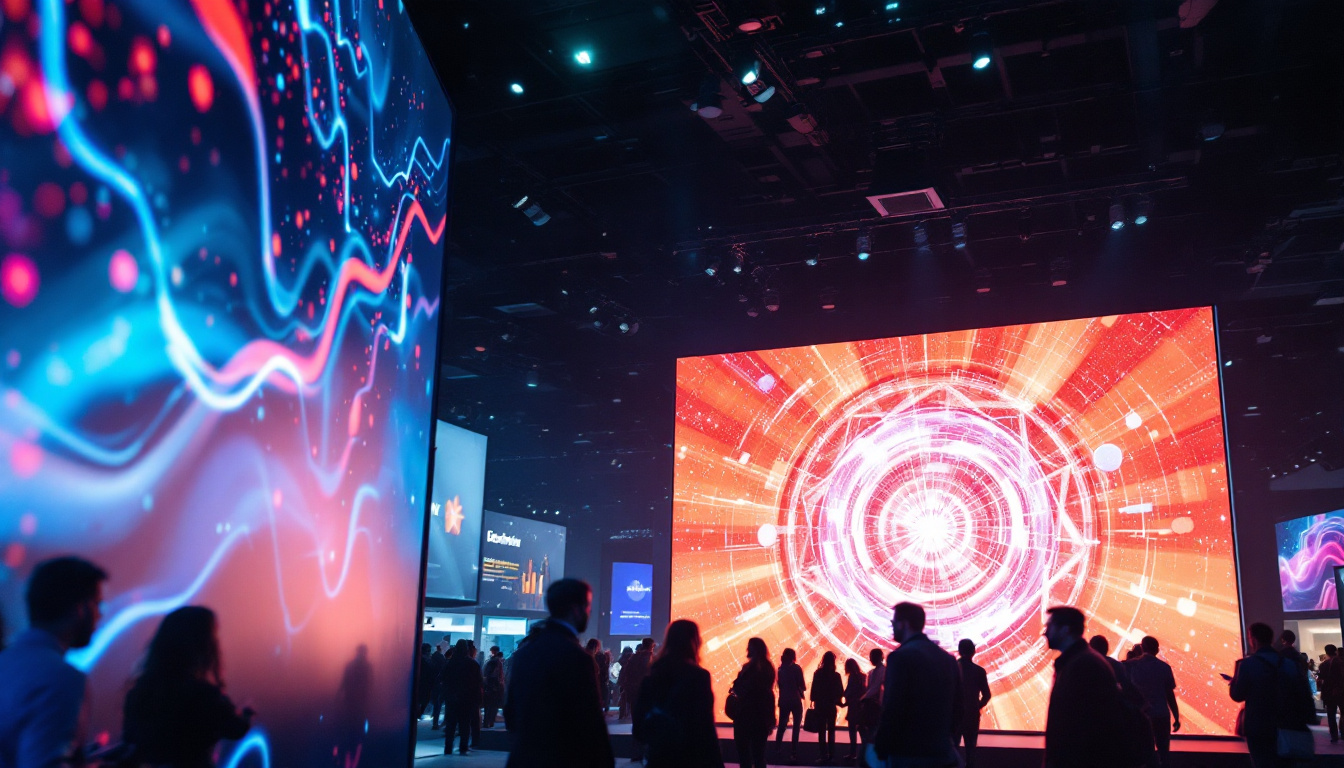
In the rapidly evolving world of display technology, terms like LCD and LED are often used interchangeably, yet they represent distinct concepts with unique characteristics. Understanding the differences and how these technologies work together is essential for consumers, professionals, and enthusiasts looking to make informed decisions about screens—whether for televisions, monitors, smartphones, or other devices. This comprehensive guide delves into the fundamentals of LCD and LED displays, explaining how they function, their advantages and limitations, and the latest innovations shaping the industry.
Understanding LCD Technology
Liquid Crystal Display (LCD) technology has been a cornerstone of modern screens for decades. At its core, an LCD panel uses liquid crystals that do not emit light themselves but manipulate light passing through them to create images. This manipulation is achieved by controlling the alignment of the crystals with electric currents, which affects how light is polarized and filtered.
Typically, an LCD requires a backlight to illuminate the pixels. Early LCDs used cold cathode fluorescent lamps (CCFLs) as backlights, but these have largely been replaced by LED backlighting due to efficiency and performance benefits. The combination of an LCD panel with LED backlighting is what most consumers commonly refer to as an “LED display,” though technically it remains an LCD screen illuminated by LEDs.
How LCD Panels Work
Each pixel on an LCD screen consists of subpixels with red, green, and blue filters. By adjusting the voltage applied to the liquid crystals, the screen controls the amount of light passing through each subpixel, mixing colors to produce a full spectrum of images. This process allows for high-resolution displays with sharp images and accurate color reproduction.
However, because the liquid crystals themselves do not emit light, the quality of the backlighting significantly impacts the display’s brightness, contrast, and color accuracy. This dependency on backlighting is a key factor in differentiating LCD displays from other technologies like OLED.
Moreover, advancements in LCD technology have led to the development of various types of panels, such as In-Plane Switching (IPS) and Twisted Nematic (TN) displays. IPS panels are known for their superior color accuracy and wider viewing angles, making them a popular choice for graphic designers and photographers. In contrast, TN panels are typically faster and more affordable, making them a favorite among gamers who prioritize response time over color fidelity. Each type of panel has its own set of advantages and disadvantages, catering to different user needs and preferences.
In addition to panel types, the resolution of an LCD screen plays a crucial role in the viewing experience. Common resolutions include Full HD (1920×1080), 4K (3840×2160), and even 8K (7680×4320), with higher resolutions providing more detail and clarity. As content creation and consumption continue to evolve, the demand for higher resolution displays has surged, pushing manufacturers to innovate and enhance LCD technology further. This ongoing evolution not only improves the visual experience but also opens up new possibilities for applications in fields such as virtual reality and augmented reality, where high-quality visuals are paramount.
The Role of LED Backlighting in LCD Displays
Light Emitting Diodes (LEDs) revolutionized LCD technology by replacing older fluorescent backlights. LEDs are more energy-efficient, have a longer lifespan, and offer better control over brightness and color temperature. This shift has enabled thinner, lighter screens with improved visual performance. The transition to LED backlighting has not only enhanced the aesthetic appeal of devices but also significantly improved their functionality, making them more suitable for a wide range of applications, from smartphones to large-scale televisions.
Types of LED Backlighting
There are primarily two types of LED backlighting used in LCD displays:
- Edge-Lit LED: LEDs are positioned around the edges of the screen, and light is distributed across the panel using light guides. This design allows for ultra-thin displays but can sometimes lead to uneven brightness or “hot spots.” The thin profile of edge-lit displays makes them particularly popular in modern televisions and monitors, where space-saving designs are essential.
- Direct or Full-Array LED: LEDs are placed directly behind the LCD panel in a grid pattern. This arrangement provides more uniform lighting and enables local dimming, which improves contrast by dimming specific screen areas independently. Full-array backlighting is often preferred for high-end displays, as it can enhance the overall picture quality, especially in dark scenes.
Local dimming, in particular, has enhanced the dynamic range of LCD displays, allowing for deeper blacks and brighter highlights, which is crucial for HDR (High Dynamic Range) content. This technology has transformed how viewers experience films and video games, providing a more immersive and visually striking experience that closely mimics real-life lighting conditions.
Advantages of LED Backlit LCDs
LED backlighting offers several benefits over older technologies:
- Energy Efficiency: LEDs consume less power, making devices more environmentally friendly and extending battery life in portable electronics. This efficiency not only reduces electricity costs for consumers but also contributes to a decrease in overall carbon emissions associated with energy production.
- Improved Brightness and Contrast: LED backlights can achieve higher brightness levels and better contrast ratios, enhancing viewing experiences in various lighting conditions. This capability is particularly beneficial in brightly lit environments, where traditional displays may struggle to maintain visibility.
- Color Accuracy: Modern LED backlights, especially those using quantum dots, can produce a wider color gamut, resulting in more vibrant and lifelike images. This advancement is particularly important for professionals in graphic design and video production, where precise color representation is critical.
- Design Flexibility: The small size of LEDs allows manufacturers to design thinner and lighter screens without compromising performance. This flexibility has led to the development of innovative products, such as ultra-slim TVs and portable monitors, that cater to the demands of modern consumers.
Furthermore, the advancements in LED technology have paved the way for new display innovations, such as OLED (Organic Light Emitting Diode) and Mini-LED, which continue to push the boundaries of visual quality. These technologies utilize smaller LED components to enhance color accuracy and contrast even further, promising an exciting future for display technology. As manufacturers continue to refine LED backlighting techniques, consumers can expect even more impressive visual experiences across a variety of devices.
Common Misconceptions: LED vs. OLED and True LED Displays
Despite the prevalence of LED-backlit LCDs, many consumers confuse them with OLED (Organic Light Emitting Diode) displays or assume that all LED displays are the same. Clarifying these distinctions is important for understanding display performance and making informed purchasing decisions.
What is OLED?
Unlike LCDs, OLED displays do not require a backlight. Each pixel in an OLED screen emits its own light when an electric current passes through organic compounds. This self-emissive property allows for true blacks, as pixels can be completely turned off, resulting in infinite contrast ratios.
OLED displays typically offer superior color accuracy, faster response times, and wider viewing angles compared to LCDs. However, they can be more expensive to produce and may suffer from issues like burn-in over time.
True LED Displays
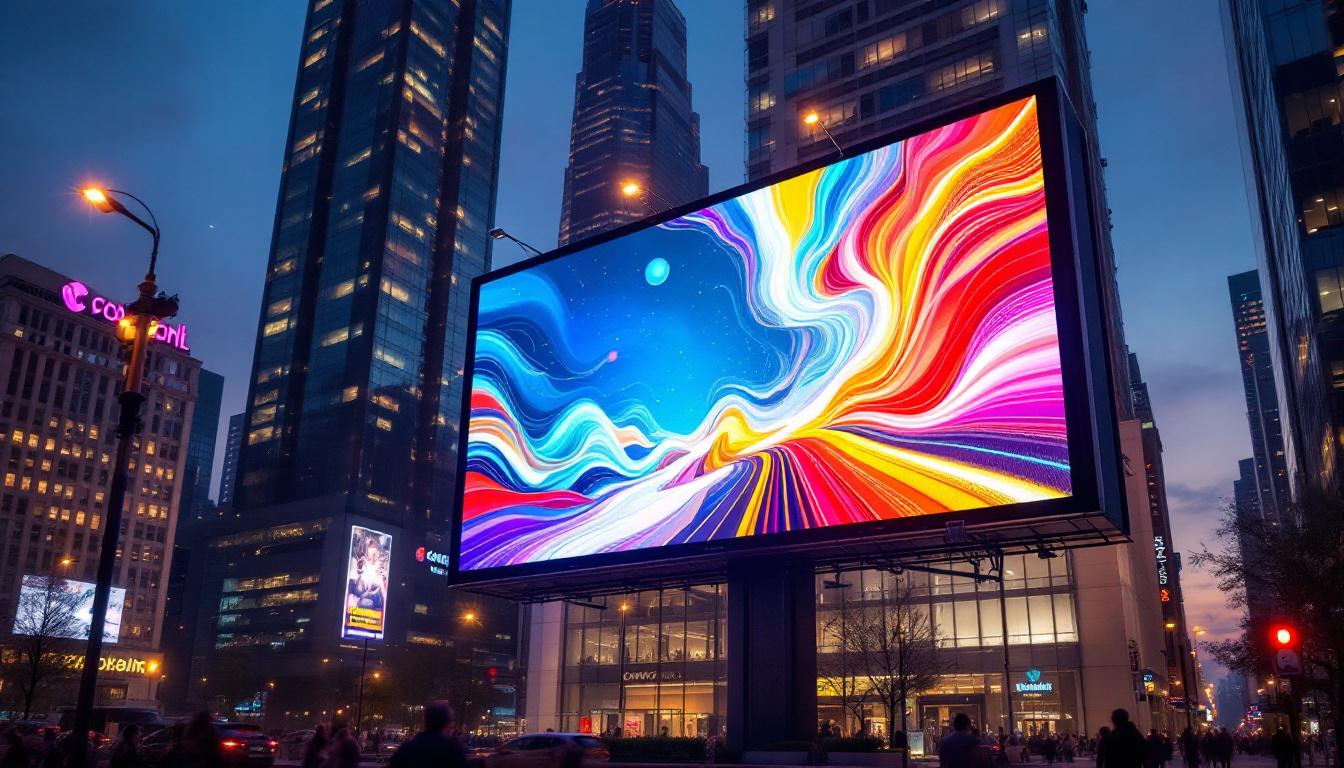
The term “LED display” can also refer to screens composed entirely of LEDs, such as large-scale digital billboards or video walls. These displays use thousands of individual LEDs as pixels, capable of producing extremely bright images visible even in direct sunlight. However, they are not used in consumer electronics like TVs or smartphones due to their size and resolution limitations.
Innovations and Trends in LCD and LED Display Technology
The display industry continues to innovate, pushing the boundaries of what LCD and LED technologies can achieve. Several advancements have improved image quality, energy efficiency, and user experience in recent years.
Quantum Dot Technology
Quantum dots are nanoscale semiconductor particles that emit precise colors when illuminated by a light source. Integrating quantum dots into LED backlights has allowed LCDs to achieve wider color gamuts and higher brightness levels, approaching the color performance of OLEDs.
Many premium LCD TVs now feature “QLED” branding, highlighting the use of quantum dot technology. This innovation has made LCDs more competitive in the high-end market segment.
Mini-LED and Micro-LED
Mini-LED backlighting uses thousands of tiny LEDs to provide even more precise local dimming and better contrast than traditional full-array LED backlights. This technology enables LCDs to deliver near-OLED levels of black depth and dynamic range while maintaining the advantages of LED backlighting.
Micro-LED, on the other hand, is a self-emissive technology similar to OLED but uses inorganic LEDs. Micro-LED displays promise exceptional brightness, longevity, and color accuracy without burn-in risks. While still emerging, micro-LED has the potential to redefine display technology in the coming years.
Energy Efficiency and Sustainability
As environmental concerns grow, manufacturers are focusing on making displays more energy-efficient and sustainable. LED backlighting plays a crucial role in reducing power consumption, especially in portable devices. Additionally, advances in materials and recycling programs aim to minimize the ecological footprint of display production and disposal.
Choosing the Right Display: What Consumers Should Know
With so many technologies available, selecting the right display can be daunting. Understanding the strengths and limitations of LCD with LED backlighting helps consumers make choices aligned with their needs and budgets.
Consider the Use Case
For everyday use such as office work, web browsing, and casual media consumption, LED-backlit LCDs provide excellent performance at a reasonable cost. They offer bright, sharp images and good color reproduction suitable for most environments.
For professional photo or video editing, where color accuracy is paramount, higher-end LCDs with quantum dot technology or OLED displays may be preferable. Gamers might prioritize fast response times and high refresh rates, which are available in both LCD and OLED options depending on the model.
Evaluate Display Specifications
Key specifications to consider include:
- Resolution: Higher resolution means sharper images, with 4K becoming standard for many TVs and monitors.
- Brightness: Measured in nits, higher brightness improves visibility in bright rooms and enhances HDR content.
- Contrast Ratio: A higher contrast ratio delivers deeper blacks and more vivid images.
- Color Gamut: Coverage of standards like DCI-P3 or Adobe RGB indicates color accuracy and vibrancy.
- Refresh Rate and Response Time: Important for smooth motion and gaming performance.
Budget and Longevity
LED-backlit LCDs generally offer a favorable balance between price and performance. OLEDs, while premium, may require a higher investment and careful usage to avoid burn-in. Emerging technologies like mini-LED and micro-LED are currently more expensive but promise enhanced performance and durability.
Conclusion
LCD displays illuminated by LED backlighting remain a dominant technology in the display market, combining efficiency, image quality, and affordability. Understanding how LCD and LED technologies interact clarifies many common misconceptions and empowers consumers to choose the best display for their needs.
As innovations like quantum dots, mini-LED, and micro-LED continue to develop, the future of display technology looks brighter and more vibrant than ever. Whether for entertainment, work, or creative pursuits, the right display can significantly enhance the viewing experience.
Discover the Future of LED Displays with LumenMatrix
Ready to experience the pinnacle of display technology? LumenMatrix is at the forefront of innovation, offering a wide array of LED display solutions tailored to your unique needs. From eye-catching Indoor and Outdoor LED Wall Displays to dynamic Vehicle and Sports LED Displays, our products are designed to captivate and engage. Dive into a world of vibrant visuals with our LED Poster Displays, Floor LED Displays, and Custom LED solutions. Embrace the clarity and impact of our All-in-One and Transparent LED Displays. Elevate your brand and message with LumenMatrix’s cutting-edge technology. Check out LumenMatrix LED Display Solutions and transform your visual communication today.