In the ever-evolving world of display technology, understanding the differences between LCD and LED monitors is crucial for making informed purchasing decisions. Whether you are a professional graphic designer, a gamer, or simply someone looking to upgrade your computer setup, knowing how these technologies work and their respective advantages can significantly impact your viewing experience. This article delves deep into the distinctions between LCD and LED displays, clarifying common misconceptions and highlighting what each technology brings to the table.
Understanding the Basics: What Are LCD and LED Displays?
What is an LCD Monitor?
LCD stands for Liquid Crystal Display, a technology that has been the backbone of flat-panel screens for decades. An LCD monitor uses liquid crystals sandwiched between two layers of glass or plastic. These crystals do not emit light by themselves; instead, they manipulate light to create images. The light source behind the liquid crystals is called a backlight, which shines through the crystals to produce the visible image on the screen.
Traditionally, LCD monitors have used Cold Cathode Fluorescent Lamps (CCFLs) as their backlight source. These lamps provide a uniform light but are bulkier and consume more power compared to newer technologies. As a result, many manufacturers have transitioned to more advanced backlighting methods to enhance the user experience. Furthermore, LCD technology has evolved significantly, with advancements in color reproduction and response times, making them suitable for a wide range of applications, from office work to high-end gaming.
One of the key advantages of LCD monitors is their ability to produce sharp images with high resolution. This clarity is particularly beneficial for tasks that require precise detail, such as graphic design or video editing. Additionally, LCD monitors are generally lighter and thinner than their CRT predecessors, making them easier to mount on walls or fit into compact spaces. However, they do have limitations, such as narrower viewing angles and slower refresh rates compared to some newer display technologies.
What is an LED Monitor?
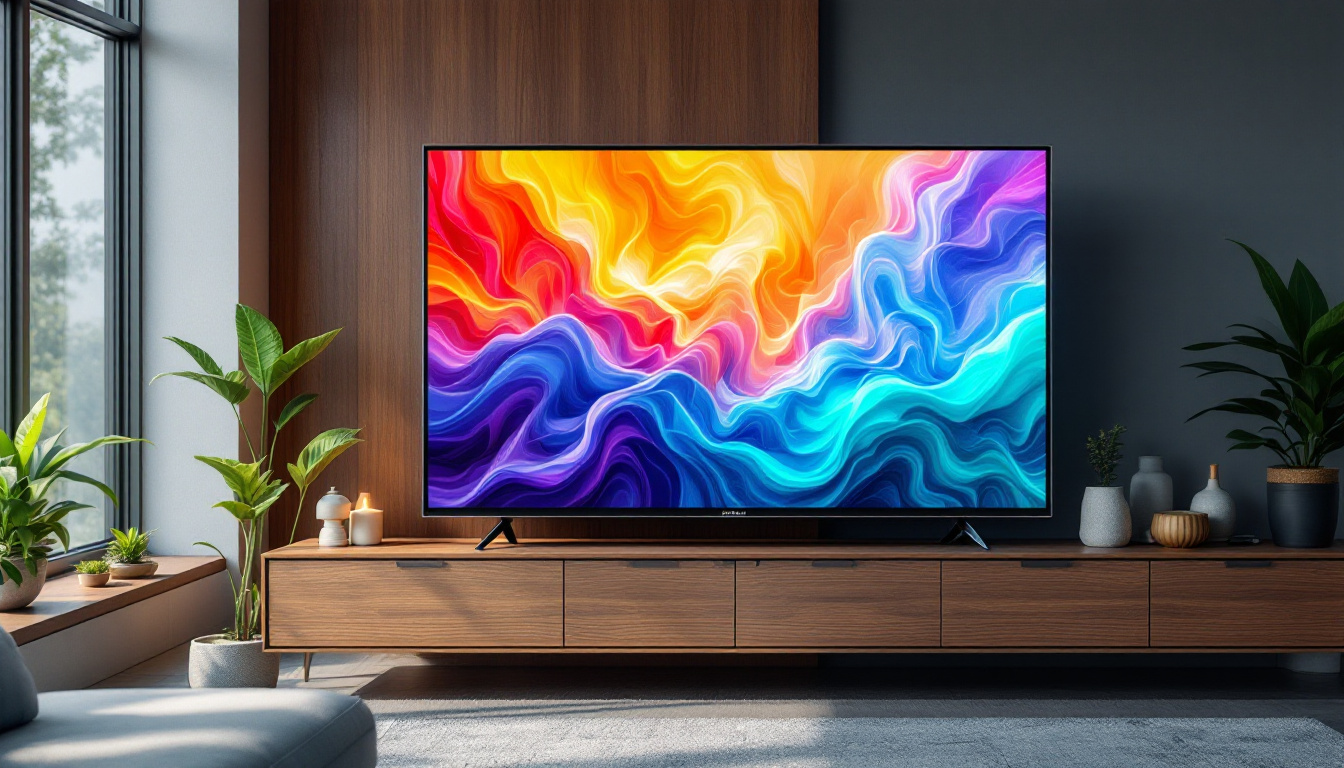
LED stands for Light Emitting Diode. In the context of monitors, an LED display is essentially an LCD screen that uses LEDs as the backlight instead of CCFLs. This subtle difference often causes confusion, as many people think LED monitors are a completely different technology. However, LED monitors are a subset of LCD monitors with a different backlighting system.
LED backlighting can be implemented in various ways, such as edge-lit or full-array backlighting, each affecting the display’s brightness, contrast, and color accuracy. The use of LEDs allows for thinner panels, better energy efficiency, and improved picture quality compared to CCFL-backlit LCDs. This improvement in picture quality is particularly noticeable in darker scenes, where full-array backlighting can dim specific zones of the screen to enhance contrast and depth, resulting in a more immersive viewing experience.
Moreover, LED technology has also paved the way for innovations such as HDR (High Dynamic Range), which expands the range of colors and brightness levels that a monitor can display. This technology is becoming increasingly popular in both gaming and professional environments, as it allows for more lifelike images that closely resemble what the human eye can perceive. As a result, LED monitors are not only favored for their aesthetic appeal and energy efficiency but also for their capability to deliver a superior visual experience that caters to the demands of modern multimedia applications.
Key Differences Between LCD and LED Monitors
Backlighting Technology
The primary distinction between LCD and LED monitors lies in the backlighting method. CCFL backlights in traditional LCDs emit light from fluorescent tubes placed behind the screen. These tubes require more space and power, resulting in thicker monitors and higher energy consumption.
LED monitors use tiny light-emitting diodes as the light source. LEDs are more compact, allowing manufacturers to produce thinner and lighter displays. Additionally, LEDs can be controlled more precisely, enabling features like local dimming, which improves contrast ratios and black levels.
Energy Efficiency
LED monitors are generally more energy-efficient than CCFL-backlit LCDs. According to the U.S. Department of Energy, LED-backlit displays can consume up to 30-40% less power than their CCFL counterparts. This efficiency not only reduces electricity bills but also contributes to environmental sustainability by lowering carbon footprints.
For users who leave their monitors on for extended periods, such as office workers or gamers, the energy savings can be significant over time.
Color Accuracy and Brightness
LED backlighting offers superior brightness and color accuracy compared to traditional CCFL backlights. LEDs can produce a wider color gamut, meaning they can display more vivid and diverse colors. This capability is especially important for professionals in photography, video editing, and graphic design, where color fidelity is critical.
Moreover, LED monitors can achieve higher brightness levels, which improves visibility in well-lit environments and enhances the overall viewing experience.
Contrast Ratio and Black Levels
Contrast ratio refers to the difference between the darkest black and the brightest white a monitor can display. LED monitors, particularly those with full-array local dimming, excel in delivering higher contrast ratios. Local dimming allows specific areas of the screen to dim independently, resulting in deeper blacks and more detailed shadows.
In contrast, CCFL-backlit LCDs often suffer from light bleed, where the backlight leaks around dark areas, reducing the perceived contrast and making blacks appear grayish.
Types of LED Backlighting and Their Impact
Edge-Lit LED Displays
Edge-lit LED monitors position LEDs along the edges of the screen, using light guides to distribute illumination across the display. This design enables ultra-thin monitor profiles and is cost-effective to manufacture.
However, edge-lit displays can sometimes suffer from uneven brightness, especially near the edges, and typically lack advanced local dimming capabilities. This can affect contrast and uniformity, which may be noticeable in dark scenes or professional color work.
Full-Array LED Displays
Full-array LED monitors have LEDs spread evenly behind the entire screen. This setup allows for more precise control of brightness zones, enabling local dimming where specific areas of the screen can be dimmed or brightened independently.
Full-array local dimming significantly enhances contrast ratios and black levels, making it a preferred choice for high-end monitors and televisions. The trade-off is a slightly thicker panel and higher production costs.
Mini-LED and Micro-LED Technologies
Recent advancements have introduced Mini-LED and Micro-LED backlighting. Mini-LEDs are smaller than traditional LEDs, allowing for thousands of dimming zones and even finer control over brightness and contrast. This technology bridges the gap between LED and OLED displays, offering exceptional picture quality without the burn-in risks of OLED.
Micro-LED is an emerging technology where each pixel emits its own light, similar to OLEDs, but with higher brightness and longevity. While still in early stages for consumer monitors, Micro-LED promises future displays with unparalleled color accuracy and efficiency.
Common Misconceptions About LCD and LED Monitors
“LED Monitors Are Not LCDs”
A widespread misconception is that LED monitors are a completely different technology from LCDs. In reality, LED monitors are a type of LCD monitor that uses LED backlighting instead of CCFLs. The liquid crystal panel remains the same; only the light source differs.
This misunderstanding can lead consumers to believe they are buying a fundamentally new technology when they are actually purchasing an LCD with improved backlighting.
“LED Means Better Picture Quality Always”
While LED backlighting generally improves picture quality, not all LED monitors are created equal. Factors such as the type of LED backlighting (edge-lit vs. full-array), panel quality, and color calibration play significant roles in the final display performance.
For instance, a low-quality edge-lit LED monitor may not outperform a high-quality CCFL-backlit LCD in color accuracy or uniformity. It is essential to consider the entire monitor specification rather than relying solely on the backlight type.
Choosing the Right Monitor: Factors to Consider
Usage Requirements
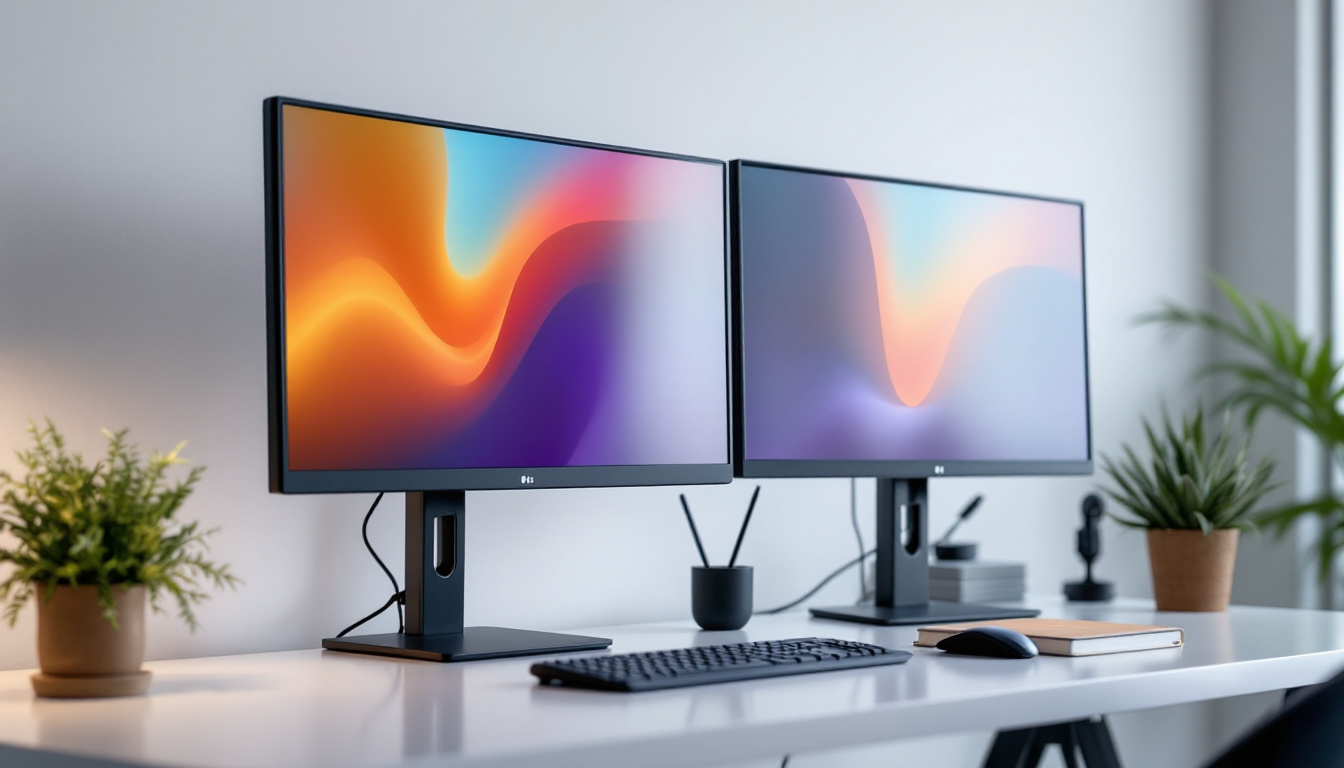
The best monitor choice depends heavily on how it will be used. For general office work, web browsing, and casual media consumption, a standard LED-backlit LCD monitor offers excellent value with good brightness and energy efficiency.
For professional photo and video editing, prioritize monitors with wide color gamuts, high color accuracy (look for factory calibration and certifications like AdobeRGB or DCI-P3), and full-array local dimming capabilities.
Gamers should look for monitors with fast response times, high refresh rates, and low input lag. Many gaming monitors now use LED backlighting with features like variable refresh rate (VRR) and HDR support to enhance gameplay visuals.
Budget Considerations
LED-backlit LCD monitors are available across a wide price range. Entry-level models are affordable and suitable for everyday use, while premium models with advanced backlighting and color accuracy command higher prices.
When budgeting, consider the long-term benefits of energy savings and improved visual comfort. Investing in a quality LED monitor can reduce eye strain and electricity costs over time.
Screen Size and Resolution
Screen size and resolution also influence the monitor experience. Larger screens with higher resolutions (such as 4K UHD) benefit more from advanced LED backlighting to maintain brightness and contrast across the display.
Smaller monitors or those with lower resolutions may not require the latest backlighting technology to deliver satisfactory image quality.
Future Trends in Display Technology
OLED vs. LED: The Next Frontier
Organic Light Emitting Diode (OLED) displays differ fundamentally from LCD/LED monitors because each pixel emits its own light, eliminating the need for a backlight. OLEDs offer perfect blacks, infinite contrast ratios, and vibrant colors but can be more expensive and susceptible to burn-in.
LED-backlit LCDs continue to evolve with Mini-LED and Micro-LED technologies, narrowing the performance gap with OLED while maintaining longer lifespans and lower costs.
Integration of HDR and Adaptive Technologies
High Dynamic Range (HDR) support is becoming standard in modern monitors, enhancing color and contrast to deliver more lifelike images. LED backlighting, especially with local dimming, is critical to achieving effective HDR performance.
Adaptive sync technologies like NVIDIA G-SYNC and AMD FreeSync are also increasingly common, improving gaming smoothness and reducing screen tearing. These features are typically found in LED-backlit monitors optimized for performance.
Conclusion: Making an Informed Choice
Understanding the nuances between LCD and LED monitors is essential for selecting a display that meets your needs. While LED monitors are essentially LCDs with improved backlighting, the benefits they offer—such as thinner designs, better energy efficiency, enhanced brightness, and superior contrast—make them the preferred choice in most scenarios today.
When choosing a monitor, consider your specific use case, budget, and desired features. Look beyond marketing terms and focus on panel quality, backlighting type, color accuracy, and additional functionalities. By doing so, you can ensure a satisfying viewing experience that aligns with your expectations and requirements.
Discover LumenMatrix’s Advanced LED Display Solutions
Ready to elevate your visual experience with the latest in LED display technology? Look no further than LumenMatrix, a pioneer in crafting immersive LED display modules that transform any space. From vibrant Indoor and Outdoor LED Wall Displays to dynamic Vehicle and Sports LED Displays, LumenMatrix offers a comprehensive range of solutions tailored to your unique needs. Experience the future of visual communication with our innovative LED Poster Displays, Floor LED Displays, and Custom LED solutions. Embrace the clarity and impact of LumenMatrix’s All-in-One and Transparent LED Displays. Check out LumenMatrix LED Display Solutions today and see your vision come to life with unparalleled brilliance.