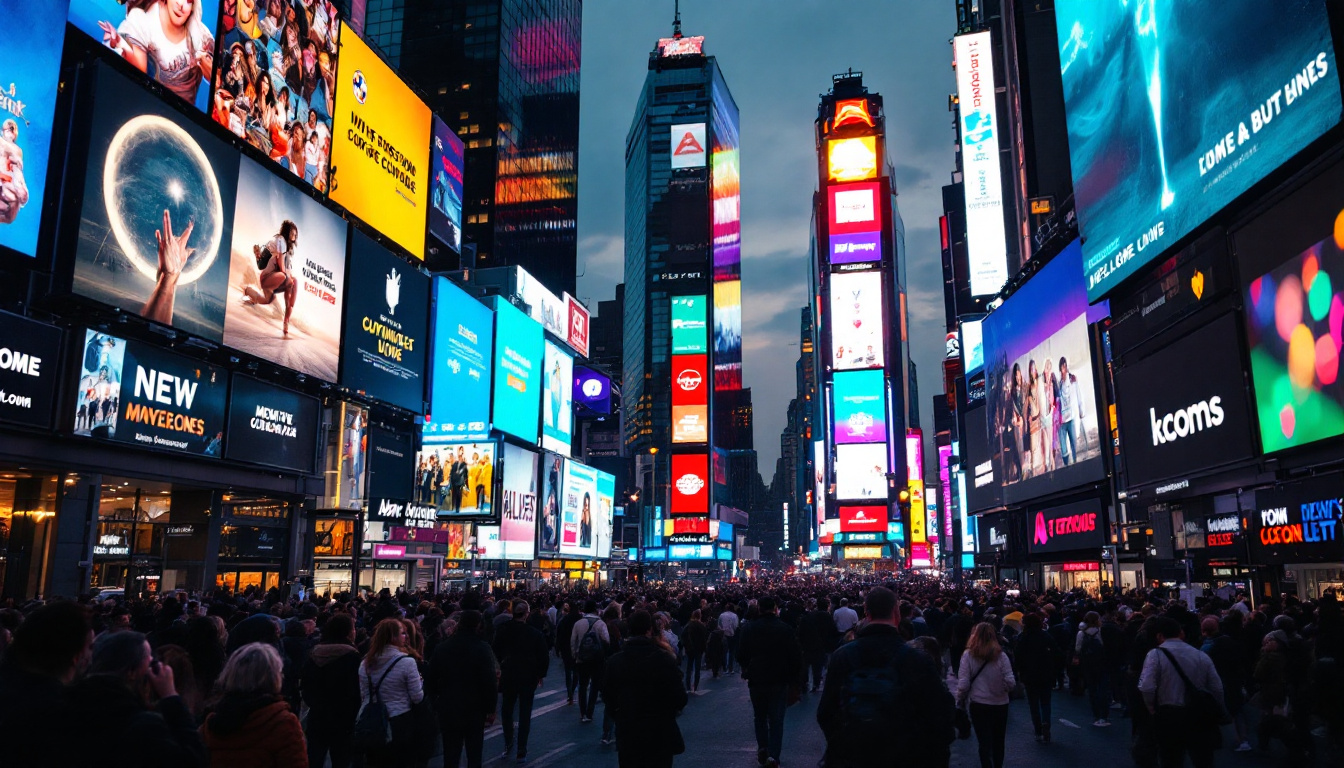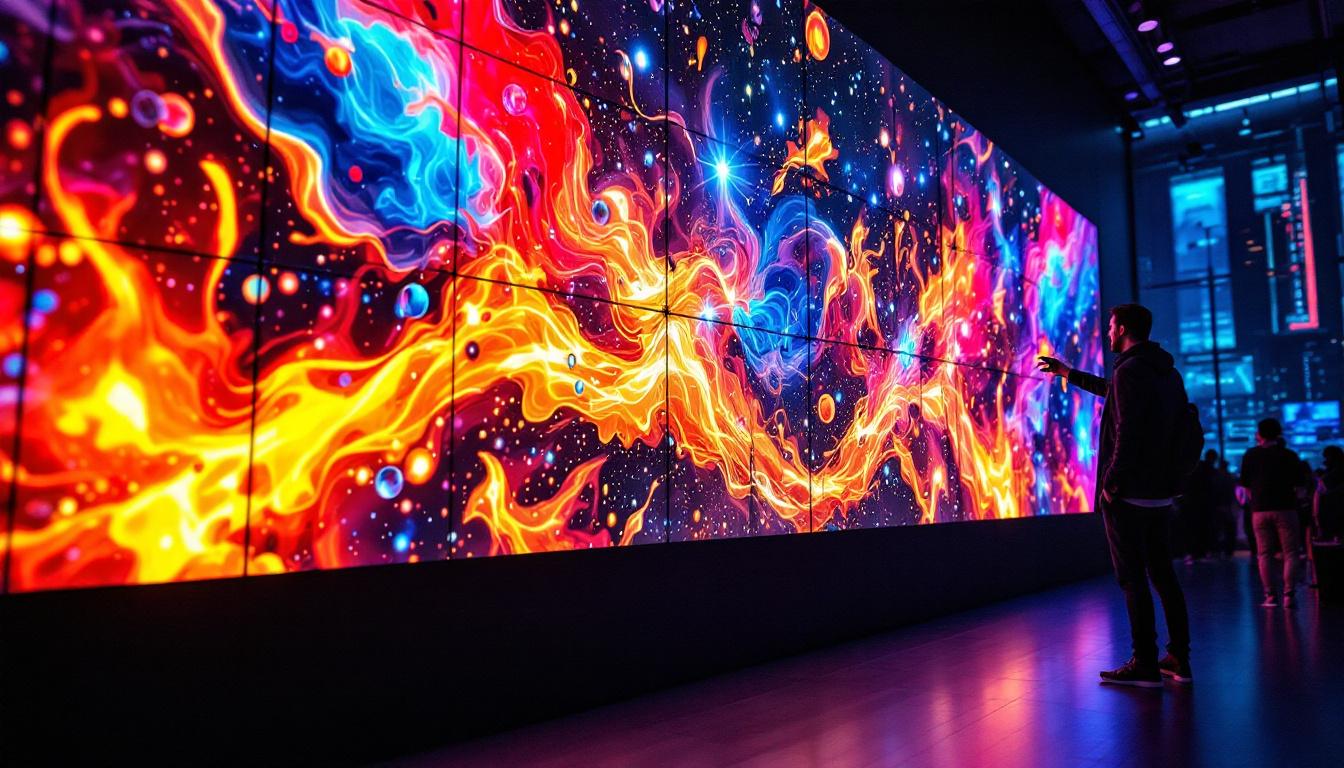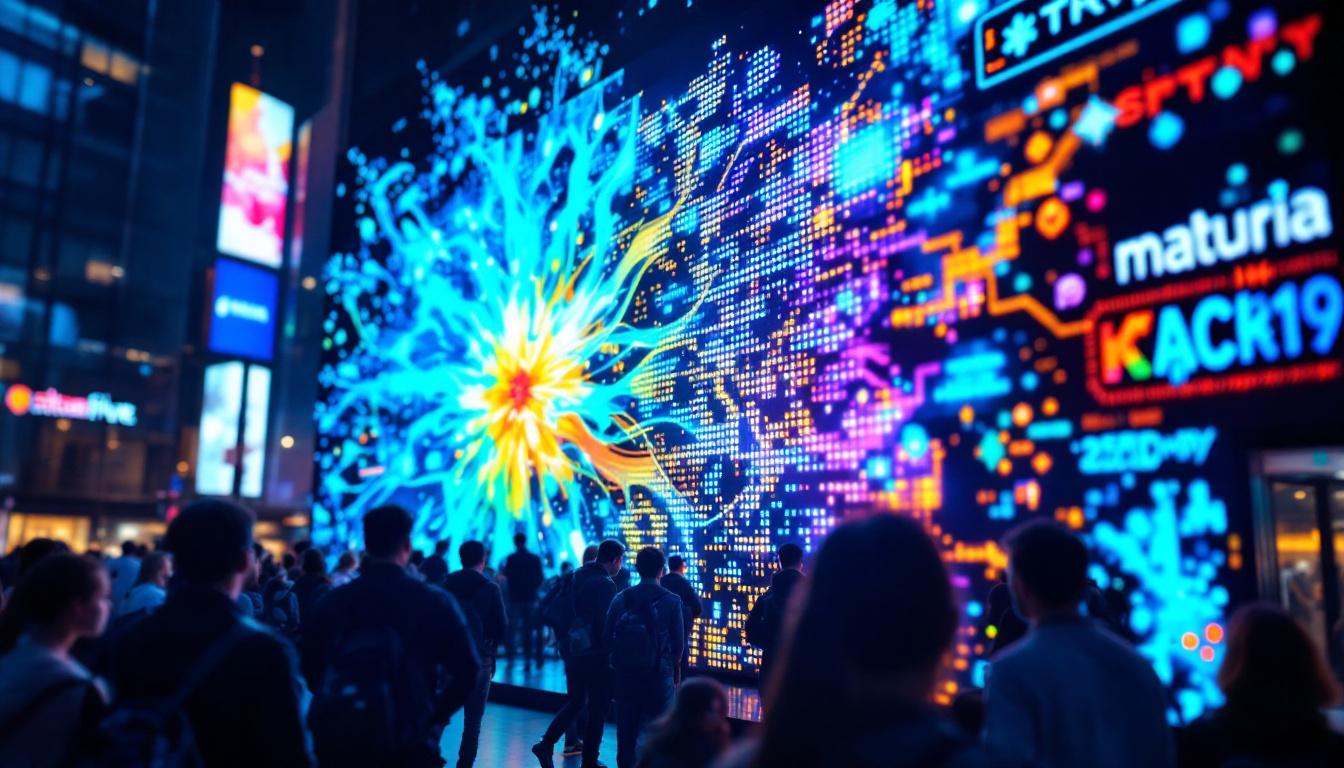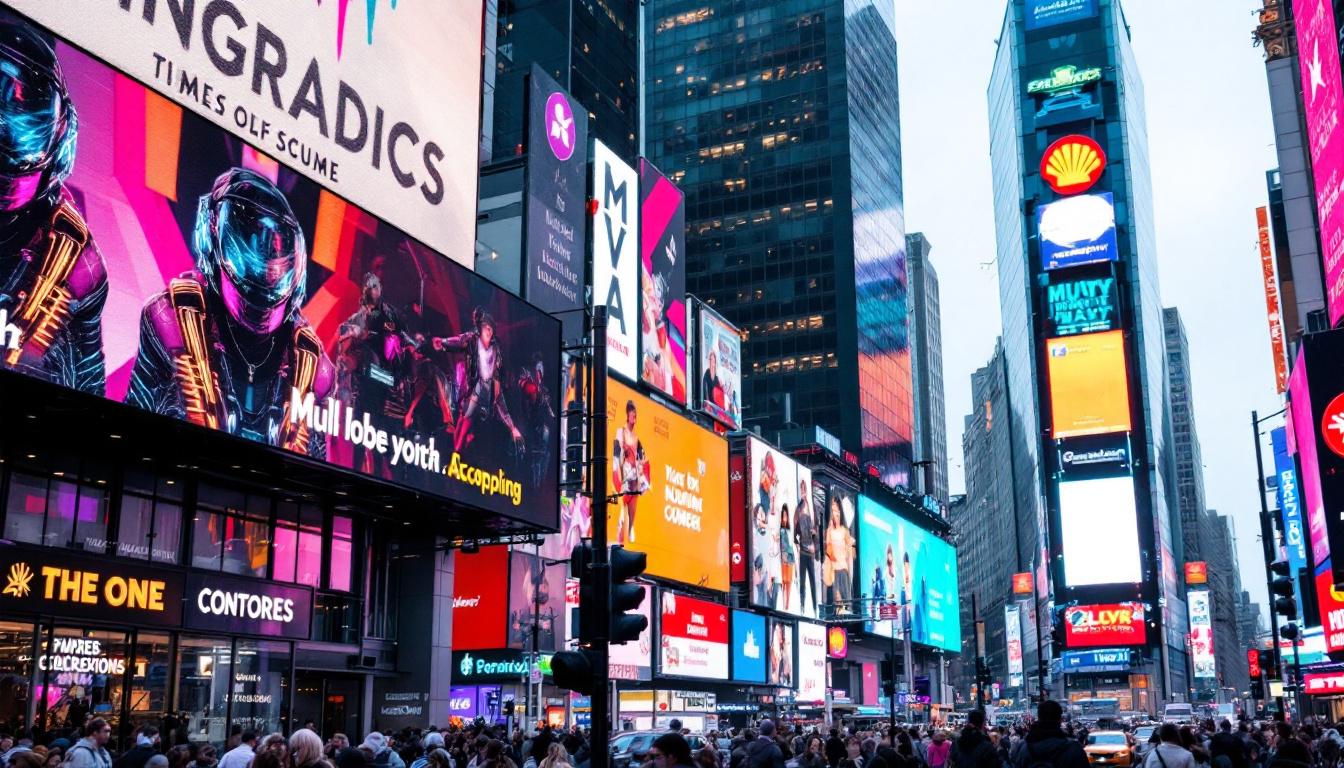
Times Square is renowned worldwide for its dazzling lights, vibrant advertisements, and the iconic marquee displays that illuminate the heart of New York City. Central to this visual spectacle are the massive LED displays that captivate millions of visitors and viewers globally. But what exactly makes these Times Square marquees so unique? How do LED displays work, and why have they become the preferred choice for such high-profile advertising? This article delves into the technology behind Times Square’s LED marquees, exploring their design, functionality, and impact on modern advertising.
The Evolution of Times Square Marquee Displays
Times Square’s transformation from a bustling theater district to a global advertising hub has been marked by continuous innovation in display technology. Early marquees were simple neon signs and incandescent bulbs, offering limited brightness and color options. As technology advanced, these were replaced by fluorescent and then cathode ray tube (CRT) displays, which provided better visuals but still had significant limitations.
The introduction of LED (Light Emitting Diode) technology revolutionized outdoor advertising. By the late 1990s and early 2000s, Times Square began adopting LED displays for their superior brightness, energy efficiency, and dynamic content capabilities. Today, the marquees are not just signs but immersive digital canvases capable of delivering high-definition video, animations, and interactive content.
From Neon to LED: A Technological Leap
Neon signs, once the hallmark of Times Square, offered vibrant colors but were fragile and energy-intensive. LEDs, on the other hand, are solid-state devices that emit light when an electric current passes through them. This fundamental difference provides LEDs with several advantages, including longer lifespan, lower power consumption, and the ability to produce a wider color spectrum.
Moreover, LEDs can be arranged in dense arrays to create high-resolution displays, making them ideal for large-scale digital billboards. This capability has allowed advertisers to present complex, eye-catching visuals that adapt in real-time, a feature impossible with traditional signage. The shift to LED technology has not only enhanced the visual appeal of Times Square but has also paved the way for innovative advertising strategies. Brands can now engage audiences with interactive content, allowing passersby to participate in campaigns through social media integration or augmented reality experiences. This interactivity has transformed the way brands connect with consumers, making each visit to Times Square a unique and memorable experience.
As the technology continues to evolve, the future of Times Square marquees looks promising. With advancements in artificial intelligence and machine learning, displays can analyze foot traffic and demographic data to tailor content to specific audiences in real-time. This level of personalization not only increases the effectiveness of advertising but also enhances the overall experience for visitors, ensuring that Times Square remains a vibrant and dynamic destination in the heart of New York City.
How LED Displays Work: The Technology Behind the Glow
Understanding the technology behind Times Square’s LED marquees requires a look at the components and principles that make these displays function so effectively.
LED Modules and Pixels
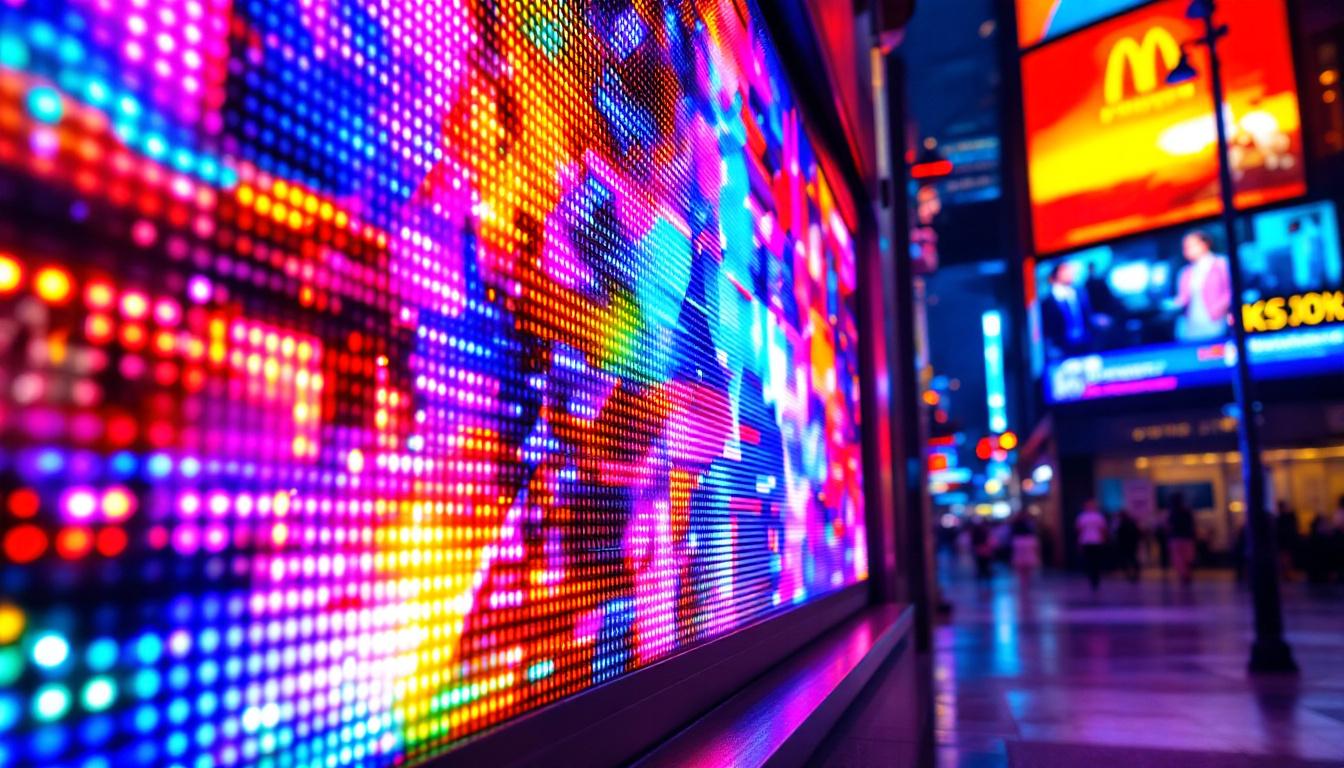
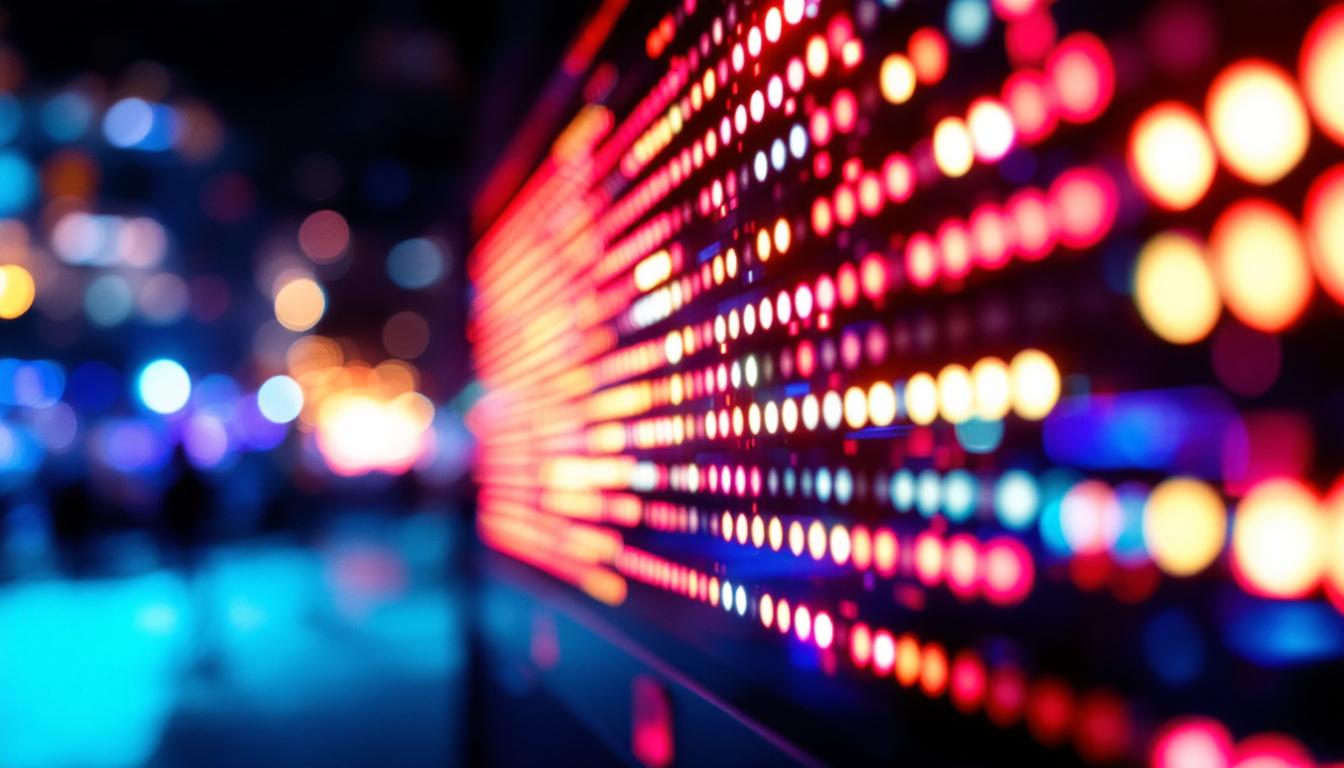
At the core of every LED display are tiny light-emitting diodes arranged in modules. Each module contains multiple LEDs grouped into pixels, which are the smallest controllable elements of the display. Typically, a pixel consists of red, green, and blue LEDs (RGB), which combine to produce a full spectrum of colors through varying intensities.
The resolution of an LED display depends on the pixel pitch—the distance between the centers of adjacent pixels. Times Square marquees use very fine pixel pitches, often as low as a few millimeters, enabling crisp, detailed images even when viewed up close. This high resolution is crucial for capturing the attention of pedestrians and tourists alike, as the vibrant colors and intricate details can convey messages and advertisements in a way that captivates the audience. The technology behind these displays allows for rapid refresh rates, ensuring that moving images appear smooth and fluid, further enhancing the visual experience.
Control Systems and Content Management
LED displays are driven by sophisticated control systems that manage the timing, color, and brightness of each pixel. These systems receive input from media players or content servers, which feed video, images, and animations to the display in real-time.
Advanced software platforms allow advertisers to schedule content, adjust brightness based on ambient light, and even incorporate interactive elements like motion sensors or social media feeds. This flexibility ensures that Times Square marquees remain dynamic and engaging throughout the day and night. Moreover, the integration of cloud-based content management systems enables remote updates and real-time monitoring, allowing operators to respond quickly to technical issues or to modify content based on audience engagement metrics. This level of control not only enhances advertising effectiveness but also allows for creative campaigns that can change on-the-fly, keeping the content fresh and relevant.
Brightness and Visibility in Urban Environments
One of the critical challenges for outdoor displays in a place like Times Square is maintaining visibility amid intense ambient light, especially during daylight hours. LED technology excels here due to its high brightness levels. Modern LED displays can reach brightness levels exceeding 5,000 nits, making them easily visible even under direct sunlight.
Additionally, automatic brightness adjustment sensors help optimize energy consumption and prevent glare, ensuring the displays are comfortable to view without compromising their impact. These sensors play a vital role in maintaining the integrity of the display’s visuals, as they adapt to changing light conditions throughout the day. Furthermore, advancements in LED technology have led to improved color accuracy and contrast ratios, allowing displays to maintain their vibrancy even in challenging lighting environments. This is particularly important in a bustling area like Times Square, where competing visual stimuli abound, and the ability to stand out is essential for capturing the attention of a diverse audience.
Design and Installation Challenges of Times Square LED Marquees
Creating and installing LED marquees in a densely packed urban environment like Times Square involves overcoming numerous technical and logistical hurdles.
Structural Considerations and Safety
The massive size and weight of LED displays require robust structural support. Engineers must design mounting systems that can withstand wind loads, vibrations, and weather conditions while ensuring the safety of pedestrians and vehicles below.
Given the high foot traffic and strict building codes in Times Square, installation often occurs during off-hours to minimize disruption. Additionally, the displays must comply with regulations related to light pollution and driver distraction, balancing visibility with public safety.
Maintenance and Durability
LED marquees in Times Square operate 24/7, demanding high reliability and minimal downtime. Maintenance teams perform routine inspections and repairs, often working at heights and in challenging weather conditions.
To facilitate this, displays are designed with modular components that can be quickly replaced or serviced without dismantling the entire structure. Weatherproofing is another essential factor, with LED modules sealed against moisture, dust, and temperature extremes.
The Impact of LED Marquees on Advertising and Urban Culture
Beyond their technical marvel, Times Square’s LED marquees have reshaped advertising strategies and contributed significantly to the area’s cultural identity.
Dynamic Advertising and Audience Engagement
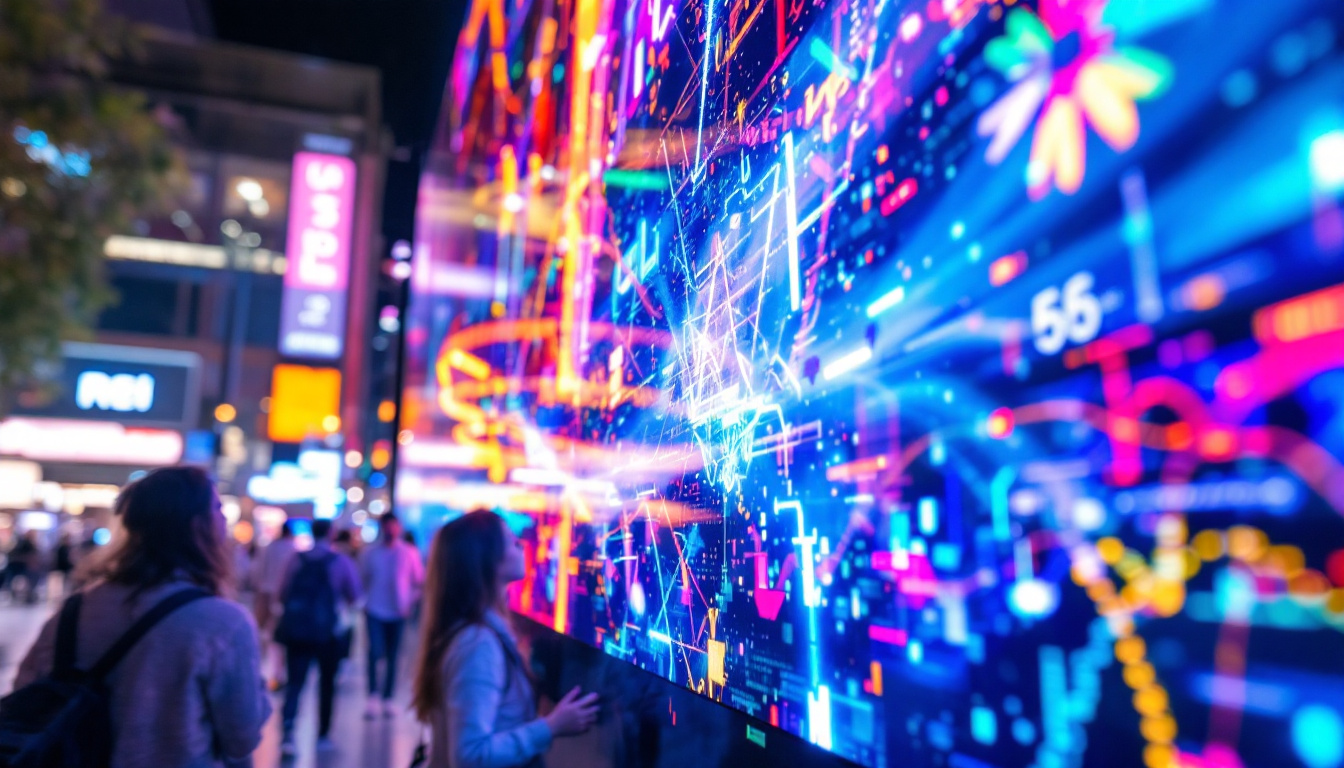
LED displays enable advertisers to deliver rich, multimedia experiences that capture attention more effectively than static billboards. The ability to update content instantly allows campaigns to be timely and relevant, responding to events, trends, or audience feedback.
For example, during major events like New Year’s Eve or product launches, advertisers use synchronized LED displays across multiple marquees to create immersive storytelling experiences. This dynamic approach increases brand recall and drives consumer engagement.
Times Square as a Global Media Platform
The LED marquees have transformed Times Square into a global media platform, broadcasting messages to millions of visitors and online viewers. The iconic displays are frequently featured in films, television, and social media, amplifying their reach beyond physical boundaries.
This visibility has attracted brands worldwide, making Times Square one of the most coveted advertising locations. The LED technology’s versatility ensures that the displays can adapt to diverse content types, from traditional commercials to interactive art installations.
Environmental Considerations and Sustainability
While LED displays consume less energy than older technologies, their large scale means energy use is still significant. Recent innovations focus on improving energy efficiency through better LED chips, intelligent brightness control, and renewable energy integration.
Some Times Square installations now incorporate solar panels or purchase green energy credits to offset their environmental footprint. These efforts reflect a growing awareness of sustainability in urban advertising and the responsibility of maintaining Times Square’s iconic status without compromising environmental goals.
Future Trends in LED Display Technology for Times Square
The evolution of LED technology continues to push the boundaries of what is possible in urban advertising and public displays.
MicroLED and Higher Resolution Displays
Emerging MicroLED technology promises even greater brightness, color accuracy, and energy efficiency. With smaller pixel sizes, future Times Square marquees could achieve ultra-high resolutions that rival cinema screens, providing unprecedented visual clarity.
This advancement will allow for more detailed and immersive content, enhancing viewer experience and expanding creative possibilities for advertisers and artists alike.
Interactive and Augmented Reality Integration
Interactive LED displays that respond to audience movement or integrate augmented reality (AR) elements are gaining traction. These features can transform passive viewing into active participation, creating memorable experiences that deepen brand connections.
In Times Square, such innovations could enable real-time social media interactions, personalized content delivery, or immersive AR campaigns that blend digital and physical environments seamlessly.
Artificial Intelligence and Content Optimization
Artificial intelligence (AI) is increasingly used to analyze audience demographics, behavior, and environmental conditions to optimize content delivery. AI-driven systems can automatically adjust visuals for maximum impact, select the best times to display specific ads, and even generate content dynamically.
This smart approach ensures that Times Square’s LED marquees remain at the forefront of advertising effectiveness and technological sophistication.
Conclusion
The LED marquees of Times Square are more than just bright lights; they represent a fusion of cutting-edge technology, creative expression, and urban culture. From their evolution from neon signs to ultra-high-definition digital canvases, these displays continue to captivate audiences and redefine advertising standards worldwide.
Understanding the technology behind these iconic displays reveals the complexity and innovation involved in creating such a vibrant urban landmark. As LED technology advances, the future of Times Square’s marquees promises even more spectacular, interactive, and sustainable experiences, ensuring this iconic location remains a beacon of light and creativity for generations to come.
Illuminate Your Brand with LumenMatrix
As Times Square’s LED marquees continue to set the standard for urban advertising excellence, LumenMatrix stands at the forefront of this technological renaissance. Our commitment to innovation is reflected in our diverse range of LED display solutions, designed to meet the dynamic needs of modern visual communication. Whether you’re looking to create an immersive indoor experience, a vibrant outdoor advertisement, or a unique mobile display, LumenMatrix has the technology to bring your vision to life. Check out LumenMatrix LED Display Solutions and see how we can help you make a lasting impression in the ever-evolving landscape of digital signage.