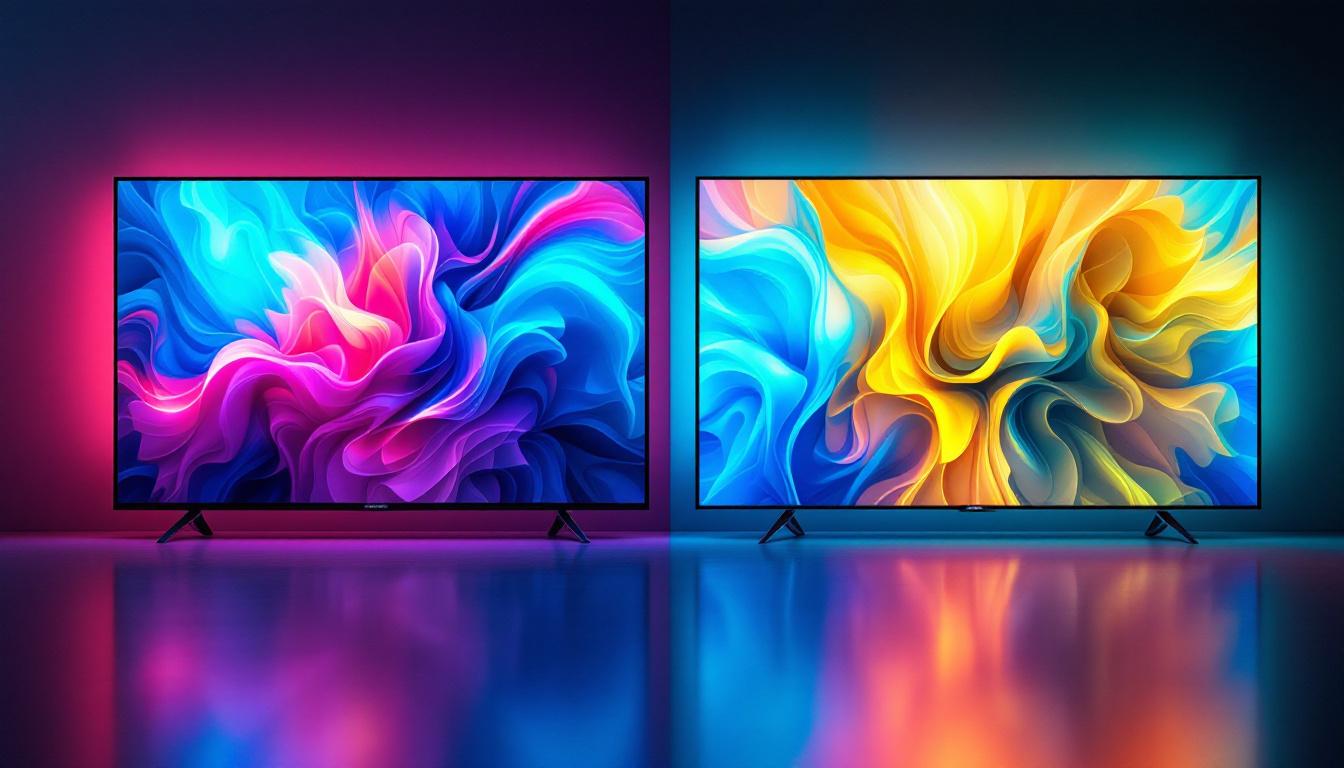
Choosing a new television can be a confusing endeavor, especially with the variety of display technologies available today. Among the most common terms encountered are LCD and LED TVs. While these terms are often used interchangeably in everyday conversation, they refer to different aspects of television technology. Understanding the distinctions, advantages, and limitations of each can help consumers make informed decisions when purchasing a TV. This article delves into the nuances of LCD and LED displays, explaining how LED technology works, and why it has become the standard in modern television manufacturing.
Understanding the Basics: What is an LCD TV?
LCD stands for Liquid Crystal Display. This technology has been a staple in television manufacturing since the early 2000s, replacing older cathode-ray tube (CRT) models. An LCD TV uses liquid crystals sandwiched between two layers of glass or plastic. These crystals do not emit light on their own; instead, they manipulate light to create images on the screen.
The key component in an LCD TV is the backlight, which shines light through the liquid crystal layer. Originally, cold cathode fluorescent lamps (CCFLs) were used as backlights. These fluorescent tubes provided the necessary illumination but had limitations in terms of energy efficiency, brightness, and the ability to produce deep blacks.
How LCD Technology Works
Liquid crystals in the display align in response to electric currents, controlling the passage of light through color filters to create pixels. By adjusting the alignment of these crystals, the TV can display different colors and images. However, since the crystals themselves do not emit light, the quality of the image heavily depends on the backlighting system.
In early LCD TVs, the CCFL backlighting was uniform across the screen, which sometimes resulted in less contrast and washed-out colors. This limitation led to the evolution of backlighting technology, paving the way for LED backlights. LED technology, which uses light-emitting diodes, offers several advantages over traditional CCFLs, including improved energy efficiency, longer lifespan, and the ability to produce a wider color gamut. This advancement has allowed manufacturers to create thinner, lighter TVs with better picture quality, making them more appealing to consumers.
Moreover, the introduction of local dimming features in LED-backlit LCD TVs has further enhanced the viewing experience. By selectively dimming or brightening specific areas of the screen, local dimming can significantly improve contrast ratios, allowing for deeper blacks and more vibrant colors. This technology has made LCD TVs more competitive with other display technologies, such as OLED, which is known for its exceptional contrast and color accuracy. As a result, consumers now have a wide range of options when it comes to choosing a television that fits their viewing preferences and budget.
What is an LED TV? Debunking the Misconception
LED TV stands for Light Emitting Diode Television, but this term can be misleading. Technically, LED TVs are a subset of LCD TVs that use LED backlighting instead of CCFLs. The screen still consists of liquid crystals that modulate light to form images; the difference lies in the light source behind the screen.
In other words, LED TVs are LCD TVs with LED backlights. This distinction is crucial because it clarifies that LED TVs are not a fundamentally different display technology but rather an improvement in backlighting method.
Types of LED Backlighting
LED backlighting comes in two primary forms: edge-lit and full-array (direct-lit). Each has implications for picture quality, thickness of the TV, and cost.
- Edge-lit LED TVs: LEDs are placed along the edges of the screen, and light is diffused across the display. This design allows for thinner TVs and is generally more affordable. However, edge-lit models may suffer from uneven brightness and less precise local dimming.
- Full-array LED TVs: LEDs are arranged in a grid directly behind the screen. This setup enables better control over brightness zones, leading to improved contrast and deeper blacks through local dimming technology. Full-array models tend to be thicker and more expensive but offer superior picture quality.
Advantages of LED Over Traditional LCD Backlighting
The transition from CCFL to LED backlighting brought several benefits that have made LED-backlit LCD TVs the industry standard. These advantages include improved energy efficiency, better color accuracy, and enhanced design flexibility.
Energy Efficiency and Environmental Impact
LED backlights consume significantly less power compared to CCFLs. According to the U.S. Department of Energy, LED-backlit TVs can use up to 30-40% less energy than their CCFL counterparts. This reduction not only lowers electricity bills but also contributes to a smaller environmental footprint.
Additionally, LEDs do not contain mercury, a hazardous material found in fluorescent lamps. This makes LED TVs safer to dispose of and more environmentally friendly.
Improved Picture Quality
LED backlighting allows for higher brightness levels and better contrast ratios. Full-array LED TVs with local dimming can selectively dim or brighten sections of the screen, resulting in deeper blacks and more vibrant colors. This capability enhances the viewing experience, especially in dark scenes where traditional LCDs might appear washed out.
Moreover, LED technology supports a wider color gamut, enabling TVs to display more vivid and lifelike images. This is particularly important as content increasingly moves toward high dynamic range (HDR) formats, which demand greater brightness and color precision.
Sleeker Designs and Longer Lifespan
LEDs are smaller and more versatile than CCFLs, allowing manufacturers to produce thinner and lighter TVs. This design flexibility has led to the sleek, modern aesthetics that consumers expect today.
In terms of durability, LEDs generally have a longer lifespan and are less prone to failure than fluorescent backlights. This reliability translates to longer-lasting TVs with consistent performance over time.
Comparing LED TVs with Other Display Technologies
While LED-backlit LCD TVs dominate the market, it’s worth considering how they compare with other emerging display technologies such as OLED and QLED.
LED vs. OLED
Organic Light Emitting Diode (OLED) TVs differ fundamentally from LED-backlit LCDs. OLED pixels emit their own light, eliminating the need for a backlight. This allows OLED TVs to achieve perfect blacks and exceptional contrast ratios because individual pixels can be turned off completely.
However, OLEDs tend to be more expensive and can suffer from burn-in issues over time. LED TVs, especially full-array models, offer a more affordable alternative with excellent brightness and longevity.
LED vs. QLED
QLED (Quantum Dot LED) is a marketing term used primarily by Samsung for their LED-backlit LCD TVs that incorporate quantum dot technology. Quantum dots are nanocrystals that enhance color accuracy and brightness.
QLED TVs are essentially LED TVs with improved color performance, making them a strong competitor in the LED category. They tend to be brighter than OLEDs and are less susceptible to burn-in, but they still rely on backlighting and cannot achieve the same perfect black levels as OLED.
Key Considerations When Buying an LED TV
Understanding the technical differences between LCD and LED TVs is only part of the equation. When purchasing an LED TV, several practical factors should guide the decision to ensure the best value and viewing experience.
Screen Size and Resolution
Screen size is often the first consideration. Larger screens provide a more immersive experience but require adequate viewing distance and room space. Resolution is equally important; 4K Ultra HD has become the standard for most new TVs, offering four times the pixel count of Full HD.
Many LED TVs now support 4K resolution, with some models even offering 8K. However, content availability and cost should be weighed before investing in ultra-high resolutions.
Refresh Rate and Response Time
For sports, gaming, and fast-paced content, refresh rate and response time are critical. Higher refresh rates (120Hz or more) provide smoother motion, while lower response times reduce motion blur.
LED TVs vary widely in these specifications, so it’s important to check the details, especially if the TV will be used for gaming or watching action-packed content.
Smart Features and Connectivity
Modern LED TVs come equipped with smart platforms that provide access to streaming services, apps, and voice control. Compatibility with popular ecosystems such as Google Assistant, Amazon Alexa, or Apple HomeKit can enhance usability.
Connectivity options, including HDMI ports, USB inputs, and Wi-Fi capabilities, should align with the user’s needs for external devices like gaming consoles, soundbars, or media players.
The Future of LED Display Technology
LED display technology continues to evolve, with manufacturers pushing the boundaries of brightness, color accuracy, and energy efficiency. Mini-LED and Micro-LED are two emerging innovations that promise significant improvements over traditional LED backlighting.
Mini-LED Technology
Mini-LEDs are much smaller than conventional LEDs, allowing for thousands of dimming zones in a single TV. This results in even better contrast and local dimming capabilities, rivaling OLED performance in some respects.
Several premium TV models now feature Mini-LED backlighting, offering a compelling combination of brightness, contrast, and lifespan without the risk of burn-in associated with OLEDs.
Micro-LED Technology
Micro-LED represents a breakthrough where each pixel is a tiny LED that emits its own light, similar to OLED but without organic materials. This technology promises perfect blacks, high brightness, and excellent color accuracy with longer durability.
While Micro-LED TVs are currently expensive and mainly available in large commercial displays, they are expected to become more accessible to consumers in the coming years.
Conclusion: Making Sense of LCD and LED TVs
In summary, the term LCD TV refers to the liquid crystal display panel technology, while LED TV specifically denotes an LCD TV with LED backlighting. LED backlighting has become the industry standard due to its advantages in energy efficiency, picture quality, and design flexibility.
When choosing a TV, understanding these distinctions helps set realistic expectations and guides buyers toward models that best suit their viewing habits and budget. Whether opting for an edge-lit LED TV for a slim profile, a full-array model for superior contrast, or exploring newer technologies like Mini-LED, consumers can find options tailored to their needs.
As display technology advances, staying informed about the latest developments ensures that the investment in a new television delivers years of enjoyment with stunning visuals and reliable performance.
Discover the Future of Visual Experience with LumenMatrix
As you consider the insights and advancements in LED display technology, LumenMatrix invites you to explore a world where visual communication is redefined. Our commitment to innovation ensures that every LED display module we create—from Indoor LED Walls to Custom LED Displays—delivers unparalleled brand visibility and engaging visual experiences. Embrace the future with our cutting-edge solutions designed to captivate and inspire. Check out LumenMatrix LED Display Solutions and see how we can transform your space into a dynamic visual journey.