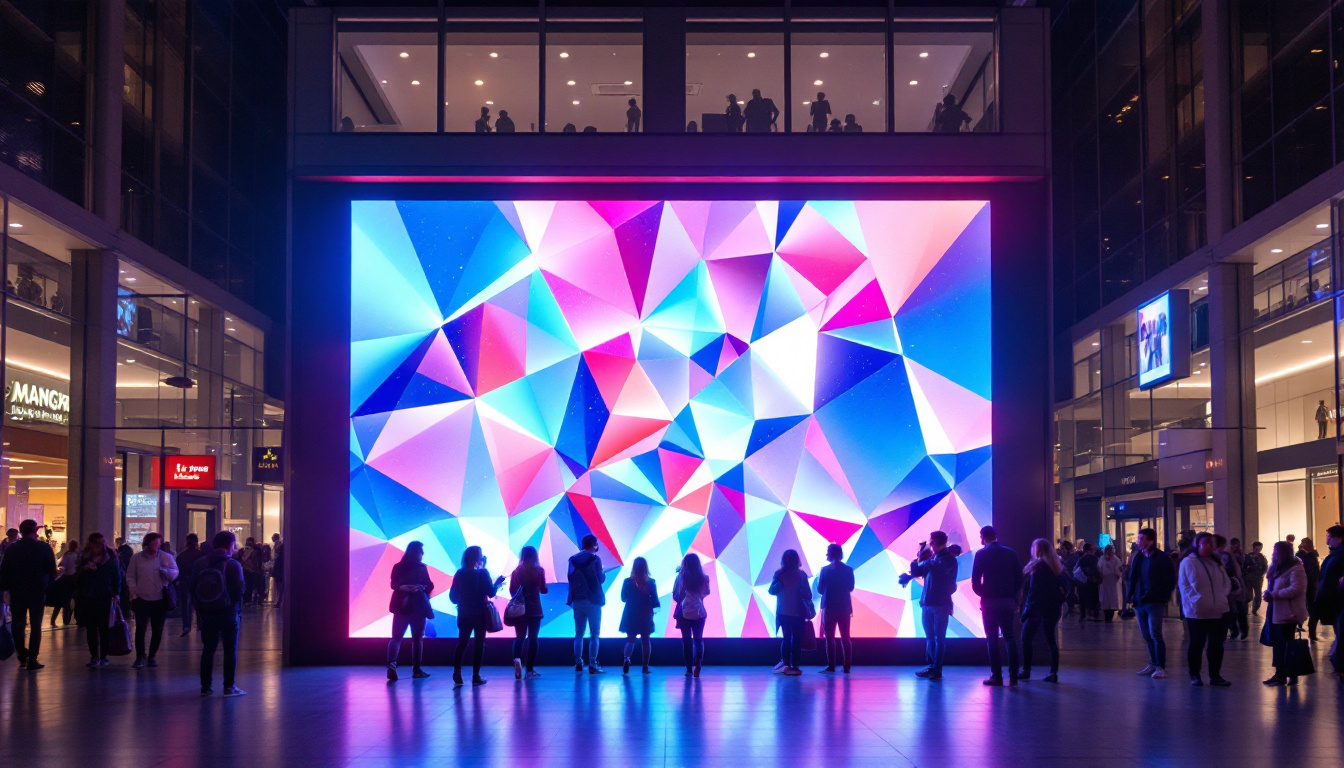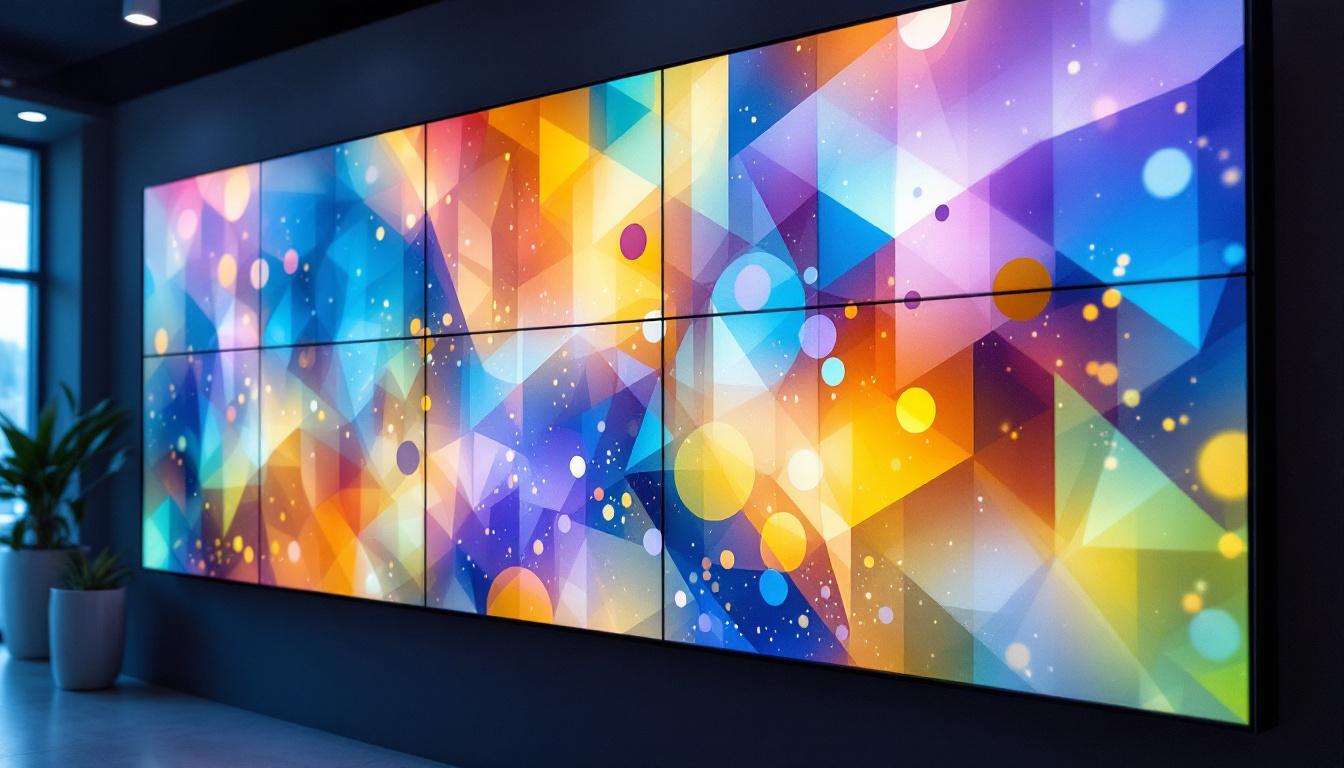
In the rapidly evolving world of digital signage and large-scale displays, video walls have become a cornerstone technology. Whether used in control rooms, retail environments, corporate lobbies, or entertainment venues, video walls provide a dynamic and immersive visual experience that captures attention and communicates messages effectively. At the heart of many video walls are LCD panels and LED displays—two distinct technologies that often get compared and sometimes confused. This article delves into the intricacies of LCD panels for video walls, explains LED display technology, and helps clarify which solution best fits various applications.
Understanding LCD Panels in Video Walls
What Are LCD Panels?
Liquid Crystal Display (LCD) panels are flat-panel display technologies widely used in monitors, televisions, and video walls. They operate by manipulating liquid crystals to modulate light and produce images. In video walls, multiple LCD panels are tiled together to create one large, seamless display surface.
Each LCD panel consists of several layers, including a backlight, liquid crystal layer, polarizers, and color filters. The backlight, typically made up of LEDs in modern panels, shines through the liquid crystal layer, which adjusts to allow varying amounts of light to pass through, creating the image. This technology allows for high resolution and vibrant color reproduction. The intricate design of these panels ensures that they can display a wide range of colors and shades, making them suitable for various applications, from advertising to immersive installations in museums and galleries.
Moreover, the technology behind LCD panels has evolved significantly, incorporating advancements such as In-Plane Switching (IPS) and Vertical Alignment (VA) technologies. These innovations enhance color accuracy and improve response times, making LCD panels not only versatile but also capable of delivering a more engaging visual experience. As a result, they have become a staple in environments where visual impact is paramount, such as corporate lobbies and event spaces.
Advantages of LCD Panels for Video Walls
LCD video walls offer several benefits that make them a popular choice for many applications:
- High Resolution: LCD panels can deliver extremely sharp images with high pixel density, making them ideal for environments where detail is critical, such as control rooms or design studios.
- Brightness and Color Accuracy: Modern LCD panels provide excellent brightness levels and color fidelity, ensuring clear visibility even in well-lit environments.
- Cost-Effectiveness: Compared to some LED solutions, LCD panels tend to be more affordable, especially for indoor applications.
- Thin Bezels: Advances in manufacturing have led to ultra-narrow bezels, minimizing the visible gaps between panels and creating a more seamless viewing experience.
In addition to these advantages, LCD panels are also known for their energy efficiency, which is a crucial factor in large-scale installations. Many manufacturers are now focusing on developing panels that consume less power without compromising performance, thus reducing the overall operational costs of video wall systems. Furthermore, the longevity of LCD technology means that businesses can expect a durable solution that can withstand the rigors of continuous use, making it an attractive option for both temporary and permanent installations.
Challenges and Considerations
Despite their advantages, LCD panels come with some limitations:
- Viewing Angles: While improved over time, LCD panels can suffer from reduced image quality and color shifts when viewed from extreme angles.
- Brightness Limits: LCDs generally have lower peak brightness compared to LED displays, which can be a disadvantage in very bright or outdoor settings.
- Bezel Visibility: Even with ultra-narrow bezels, the physical edges between panels can sometimes be noticeable, affecting the seamlessness of the video wall.
Additionally, the performance of LCD panels can be influenced by ambient temperature and humidity levels, which may require careful consideration during installation. In environments with fluctuating conditions, it may be necessary to implement climate control solutions to ensure optimal performance. Moreover, while LCD technology has advanced, it still may not match the contrast ratios and deep blacks that OLED displays can offer, which can be a deciding factor for applications where visual depth is critical. As technology continues to evolve, ongoing research and development aim to address these challenges, paving the way for even more advanced display solutions in the future.
Exploring LED Displays for Video Walls
What Is LED Display Technology?
LED (Light Emitting Diode) displays use an array of tiny LEDs as individual pixels to create images. Unlike LCDs, which rely on a backlight, LED displays emit their own light, allowing for greater control over brightness and contrast. LED technology has evolved into two main categories for video walls: direct-view LED and LED-backlit LCD.
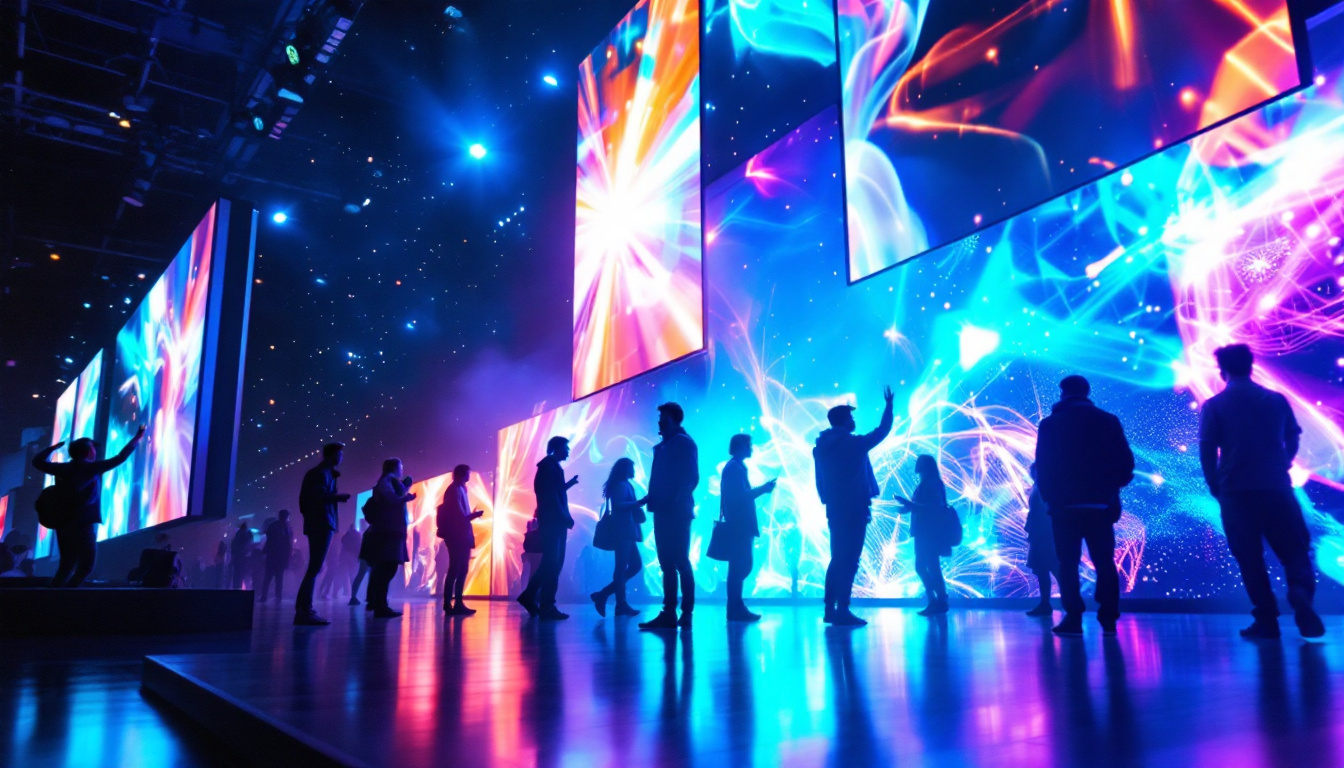
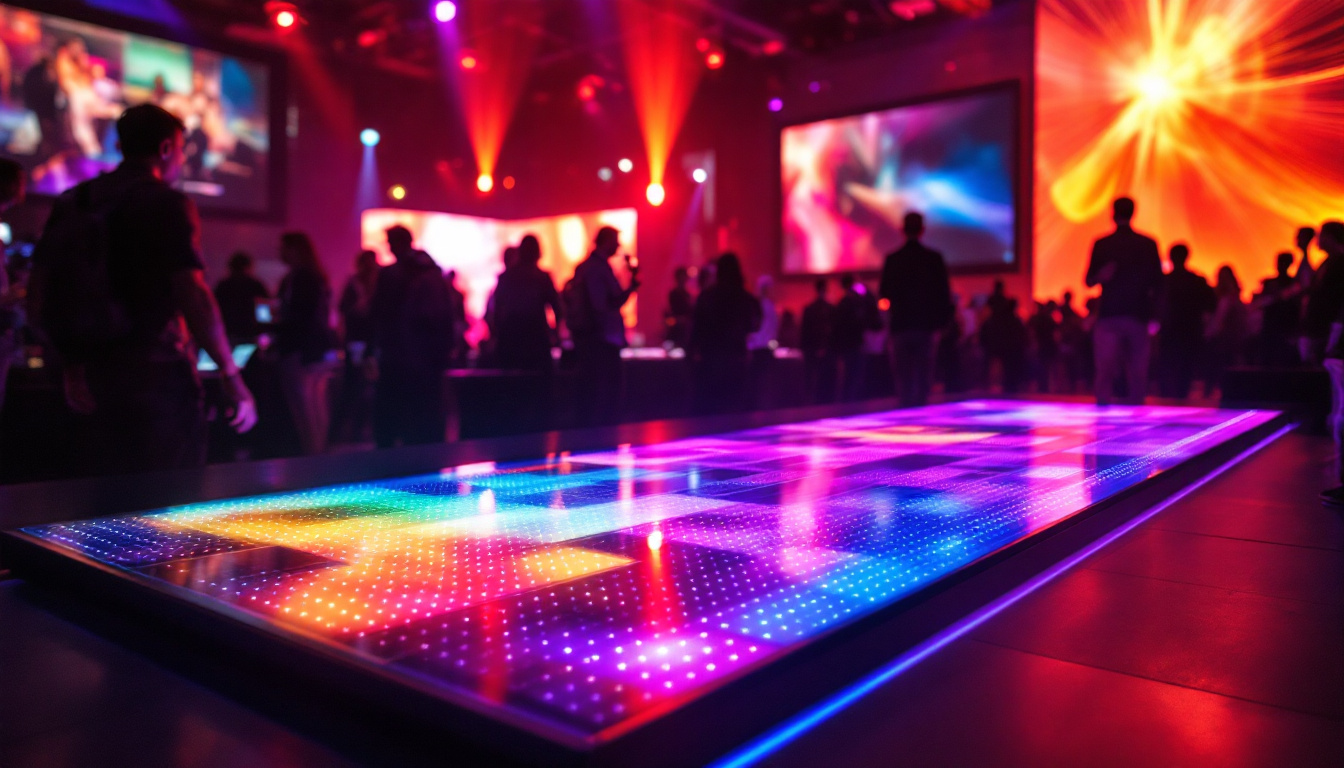
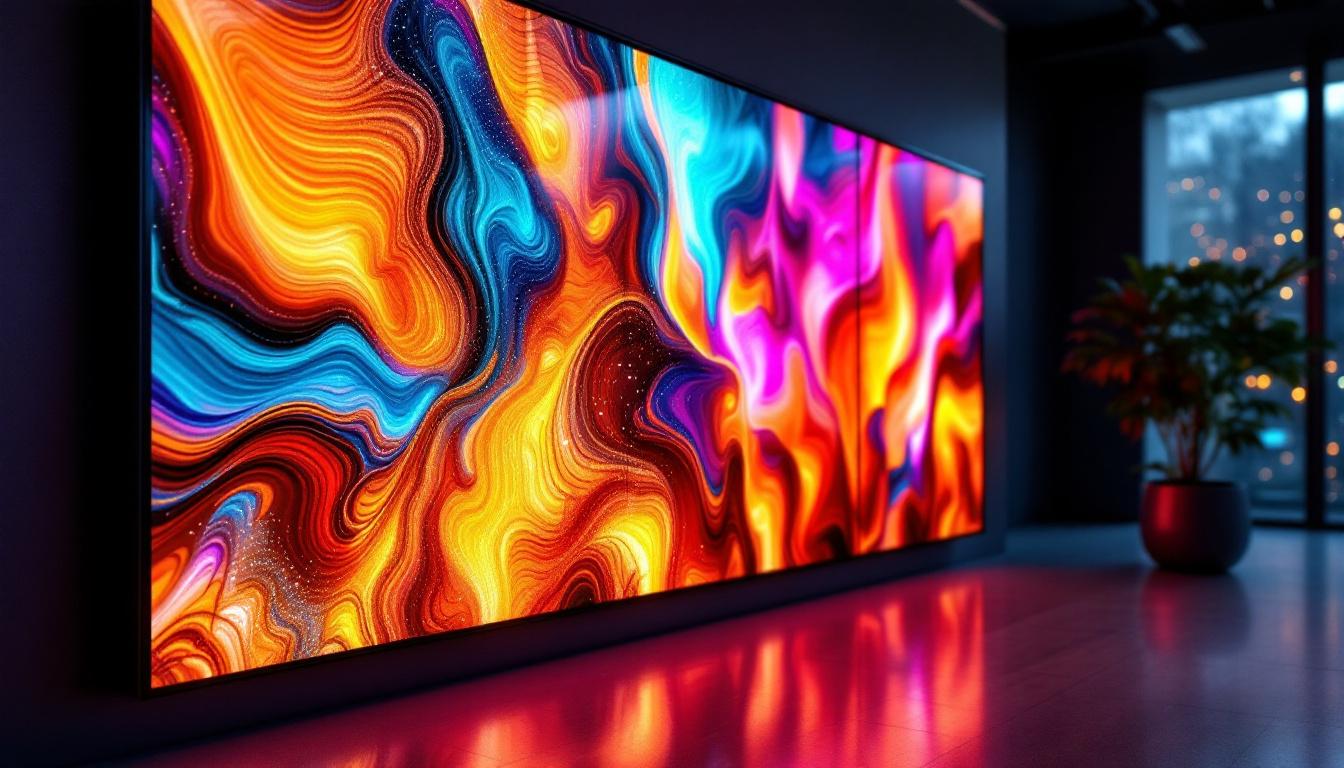
Direct-view LED video walls consist of modules made up of thousands of LEDs arranged in a grid. Each LED can be controlled independently, enabling vibrant colors, deep blacks, and high brightness levels. This technology is especially popular for large-scale outdoor displays, stadiums, and high-impact indoor installations. The modular nature of direct-view LED allows for seamless integration into various architectural designs, making it a favorite choice for creative professionals looking to push the boundaries of visual storytelling. Additionally, advancements in LED technology have led to improved color accuracy and energy efficiency, further enhancing the appeal of these displays in diverse applications.
Benefits of LED Video Walls
LED displays offer several compelling advantages:
- Superior Brightness: LED video walls can achieve brightness levels exceeding 5,000 nits, making them suitable for direct sunlight and outdoor environments.
- Excellent Contrast Ratios: Since LEDs emit light individually, they can be turned off completely to produce true blacks, resulting in outstanding contrast.
- Scalability and Flexibility: LED modules can be custom-sized and shaped, allowing for creative and unconventional video wall designs.
- Durability: LED panels are generally robust and can withstand harsh environmental conditions better than LCDs.
Furthermore, LED video walls are known for their low maintenance requirements. Unlike traditional projection systems that may need frequent bulb replacements, LED technology has a longer lifespan, often exceeding 100,000 hours of operation. This longevity translates into reduced downtime and lower maintenance costs, making LED displays a practical choice for businesses that rely on continuous operation. Additionally, the ability to easily update content remotely through software integration allows for dynamic advertising and real-time information sharing, enhancing audience engagement and interaction.
Limitations of LED Technology
Despite their strengths, LED video walls have some drawbacks:
- Cost: High-quality LED video walls can be significantly more expensive upfront compared to LCD solutions, particularly for indoor use.
- Pixel Pitch Considerations: The pixel pitch (distance between LEDs) affects resolution and viewing distance. For close viewing, fine pixel pitch LED panels are required, which increases cost.
- Power Consumption: LED displays typically consume more power than LCD panels, which can impact operating costs over time.
Moreover, the installation of LED video walls can be more complex, often requiring specialized expertise to ensure optimal performance and alignment. This complexity can lead to additional labor costs and longer installation times compared to more straightforward LCD setups. Additionally, while LED technology has made significant strides in color consistency, some users may still notice variations in color accuracy across different modules, particularly in larger installations. As technology continues to advance, addressing these limitations will be crucial for manufacturers aiming to enhance the user experience and broaden the adoption of LED video walls in various settings.
Comparing LCD Panels and LED Displays for Video Walls
Resolution and Image Quality
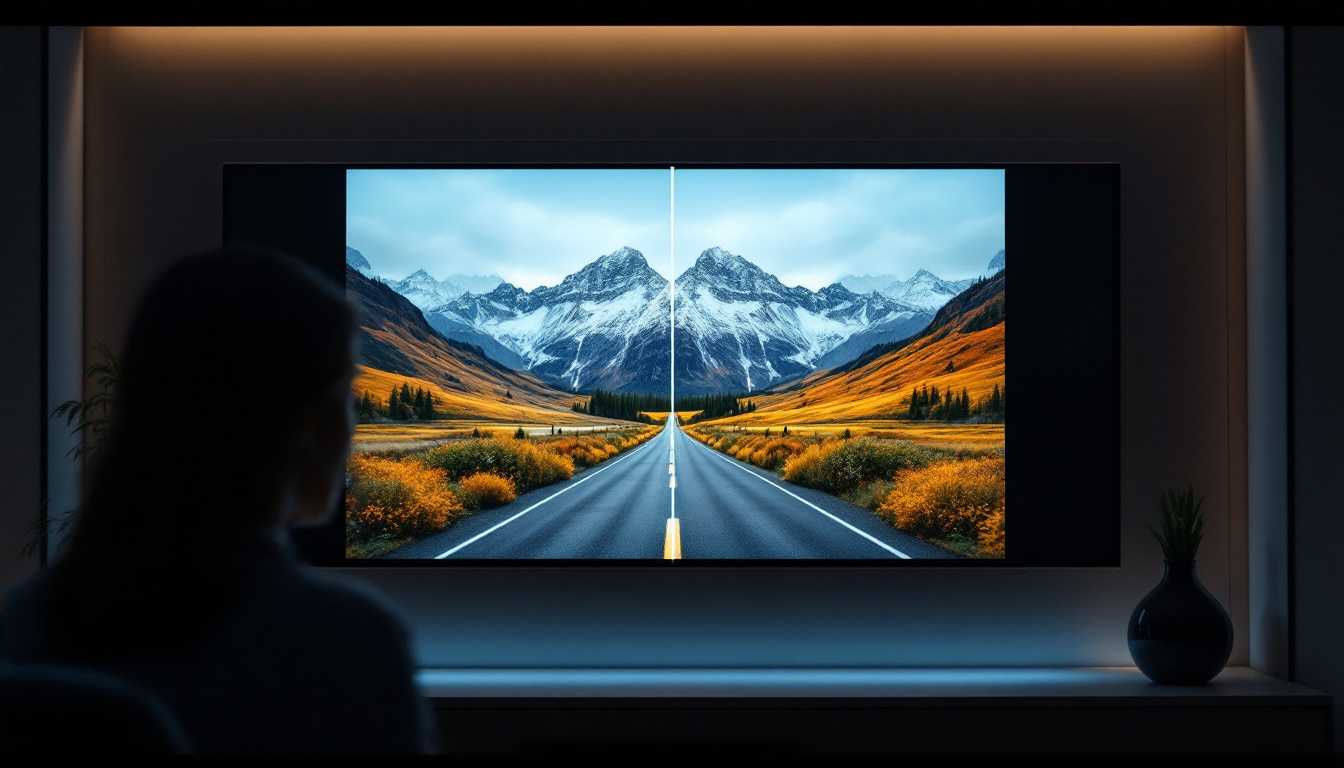
LCD panels generally offer higher native resolutions at a lower cost, making them ideal for applications where detailed images and text are essential. Fine pixel pitch LED video walls can match or exceed LCD resolution but come at a premium price.
In terms of image quality, LED displays provide superior contrast ratios and brightness, resulting in more vivid and dynamic visuals, especially in challenging lighting conditions.
Installation and Maintenance
LCD video walls are typically easier to install and maintain due to standardized panel sizes and widespread availability. The modular nature of LED video walls allows for more customization but can complicate installation and servicing.
Maintenance costs for LED walls can be higher, especially if individual LEDs fail and require replacement. However, LED modules are designed for easy swapping, minimizing downtime.
Application Suitability
Choosing between LCD and LED video walls depends largely on the intended use case:
- Indoor Environments: LCD panels are often preferred for indoor video walls in corporate, retail, and control room settings due to their high resolution and cost-effectiveness.
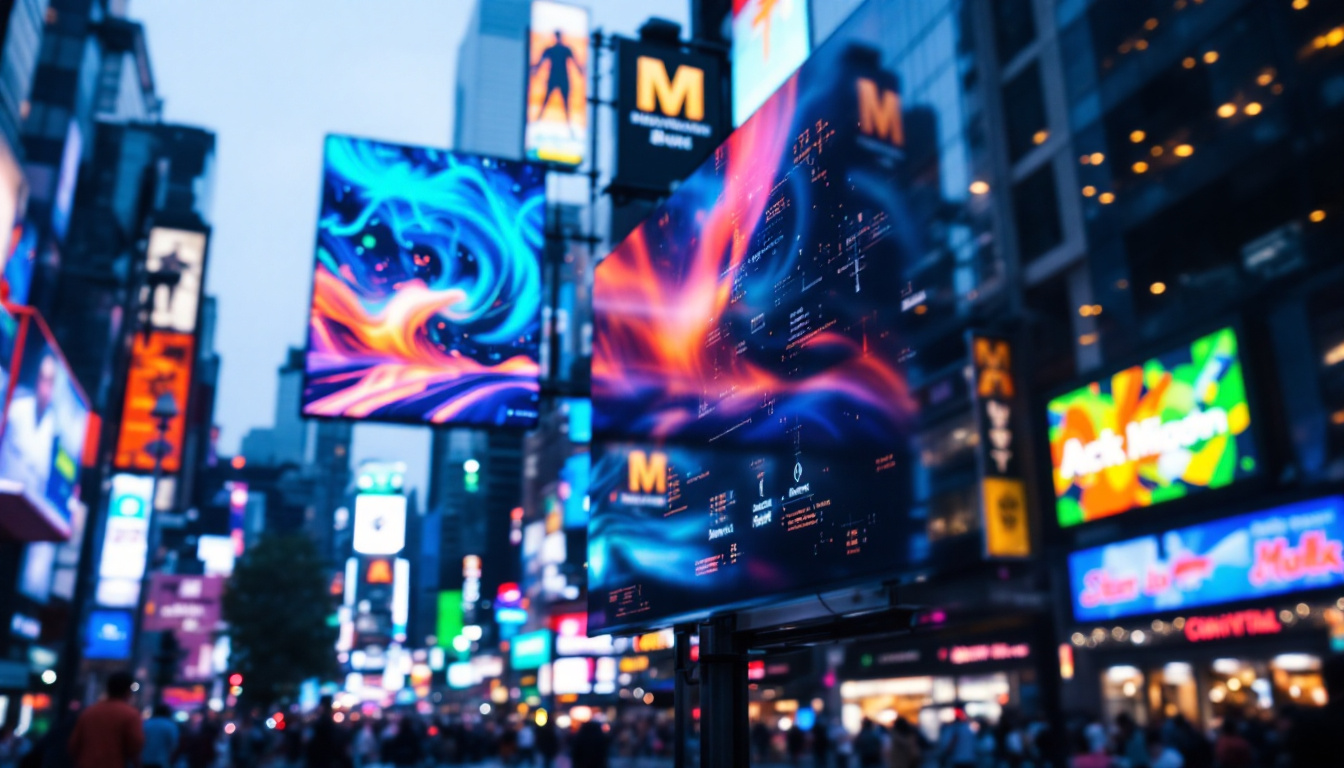
- Outdoor and High-Brightness Settings: LED video walls excel in outdoor environments, sports arenas, and places with high ambient light where brightness and durability are paramount.
- Creative and Custom Installations: LED technology offers greater flexibility for curved, shaped, or unusually sized video walls.
Emerging Trends and Innovations in Video Wall Technology
MicroLED and MiniLED Technologies
MicroLED and MiniLED represent the next generation of display technology, combining the benefits of LED brightness and contrast with improved resolution and efficiency. MicroLED displays use microscopic LEDs to create pixels, enabling ultra-high resolution and brightness with lower power consumption. While still emerging, these technologies promise to revolutionize video walls in the coming years.
Advancements in LCD Backlighting
LCD panels continue to improve with innovations in backlighting, such as quantum dot technology and full-array local dimming. These enhancements boost color accuracy, brightness, and contrast, narrowing the performance gap with LED displays.
Integration with Smart Technologies
Modern video walls increasingly integrate with smart control systems, AI-driven content management, and real-time data visualization. These capabilities enhance interactivity and enable dynamic, context-aware displays tailored to audience needs.
Conclusion: Choosing the Right Video Wall Technology
Understanding the differences between LCD panels and LED displays is crucial for selecting the right video wall solution. LCD video walls offer high resolution and cost efficiency for indoor applications, while LED video walls provide unmatched brightness and flexibility for outdoor and large-scale installations.
Ultimately, the choice depends on specific project requirements, budget constraints, and environmental factors. As display technologies continue to evolve, video walls will become even more versatile and impactful, transforming how information and entertainment are delivered in public and private spaces alike.
For businesses and organizations looking to invest in video wall technology, consulting with experienced integrators and evaluating real-world demonstrations can provide valuable insights to make an informed decision.
Discover LumenMatrix’s Innovative LED Display Solutions
Ready to elevate your space with the latest in video wall technology? LumenMatrix offers a comprehensive range of LED display solutions tailored to meet your unique needs. From vibrant Indoor LED Wall Displays to robust Outdoor LED Wall Displays, and from dynamic Vehicle LED Displays to sleek LED Poster Displays, our products are designed to captivate and engage. Experience the revolution in visual communication with our LED Sports Displays, interactive Floor LED Displays, and customizable Custom LED Displays. For seamless integration, explore our All-in-One LED Display and LED Transparent Display options. Transform your visual storytelling and share your message with unparalleled impact. Check out LumenMatrix LED Display Solutions today and see the difference innovation can make.