In the rapidly evolving world of display technology, terms like LCD and LED are often used interchangeably, yet they represent distinct concepts that impact the quality, efficiency, and application of screens. Whether shopping for a new television, monitor, or digital signage, understanding the nuances between LCD screens and LED displays is crucial. This comprehensive guide explores what LCD and LED technologies entail, their differences, advantages, and how they shape the visual experience in everyday devices.
Understanding LCD Technology
What is an LCD Screen?
LCD stands for Liquid Crystal Display, a technology that has been foundational in the development of modern flat-panel screens. Unlike older cathode ray tube (CRT) monitors, LCDs use liquid crystals sandwiched between two layers of glass or plastic. These crystals do not emit light themselves; instead, they manipulate light passing through them to create images.
The liquid crystals align in varying degrees when an electric current is applied, controlling the amount of light that can pass through each pixel. This modulation of light produces the colors and images seen on the screen. Because LCDs rely on an external light source, they require a backlight to illuminate the display. The precision in how these liquid crystals are arranged and activated is crucial for achieving high resolutions and vibrant colors, making LCD technology a popular choice for everything from televisions to smartphones.
In addition to their widespread use in consumer electronics, LCDs also play a significant role in various industrial applications. For instance, they are commonly used in medical devices, where clear and accurate display of information is critical. The ability to produce sharp images with minimal distortion makes LCDs ideal for diagnostic equipment, such as ultrasound machines and patient monitors, where real-time data visualization can impact patient care.
Backlighting in LCD Screens
Originally, LCD screens used cold cathode fluorescent lamps (CCFLs) as backlights. These lamps provided the necessary illumination but had drawbacks such as bulkiness, higher power consumption, and limited lifespan. The advent of LED backlighting revolutionized LCD technology, leading to thinner, more energy-efficient displays with improved brightness and color accuracy.
LED backlighting comes in various configurations, including edge-lit and direct-lit designs. Edge-lit LEDs are positioned along the edges of the screen, allowing for a slimmer profile, while direct-lit LEDs are placed behind the entire screen, providing more uniform brightness and better contrast ratios. This flexibility in design has enabled manufacturers to create a wide range of products tailored to different consumer needs, from ultra-thin televisions to high-performance monitors for graphic design. Furthermore, advancements in local dimming technology allow sections of the backlight to be turned off or dimmed independently, enhancing the overall picture quality by improving blacks and contrast levels.
What Does LED Display Mean?
LED as a Backlight Source
When people refer to LED displays, they often mean LCD screens that use Light Emitting Diodes (LEDs) for backlighting instead of CCFLs. This distinction is important because the core image-forming technology remains liquid crystals, but the illumination method changes. LED backlighting offers several benefits, including lower power consumption, longer lifespan, and the ability to produce thinner panels.
LED backlighting can be implemented in different ways, such as edge-lit and full-array backlighting. Edge-lit LEDs are positioned around the edges of the screen, allowing for slimmer designs, while full-array LEDs are spread evenly behind the screen, enabling better control of brightness and contrast through local dimming. This local dimming feature is particularly advantageous for enhancing the viewing experience in darker scenes, as it allows certain areas of the screen to dim while others remain bright, creating a more dynamic range of contrast. Furthermore, the improved color accuracy and brightness levels provided by LED technology contribute to a more immersive viewing experience, making LED-backlit LCDs a popular choice for consumers and professionals alike.
True LED Displays: Direct Emission Technology
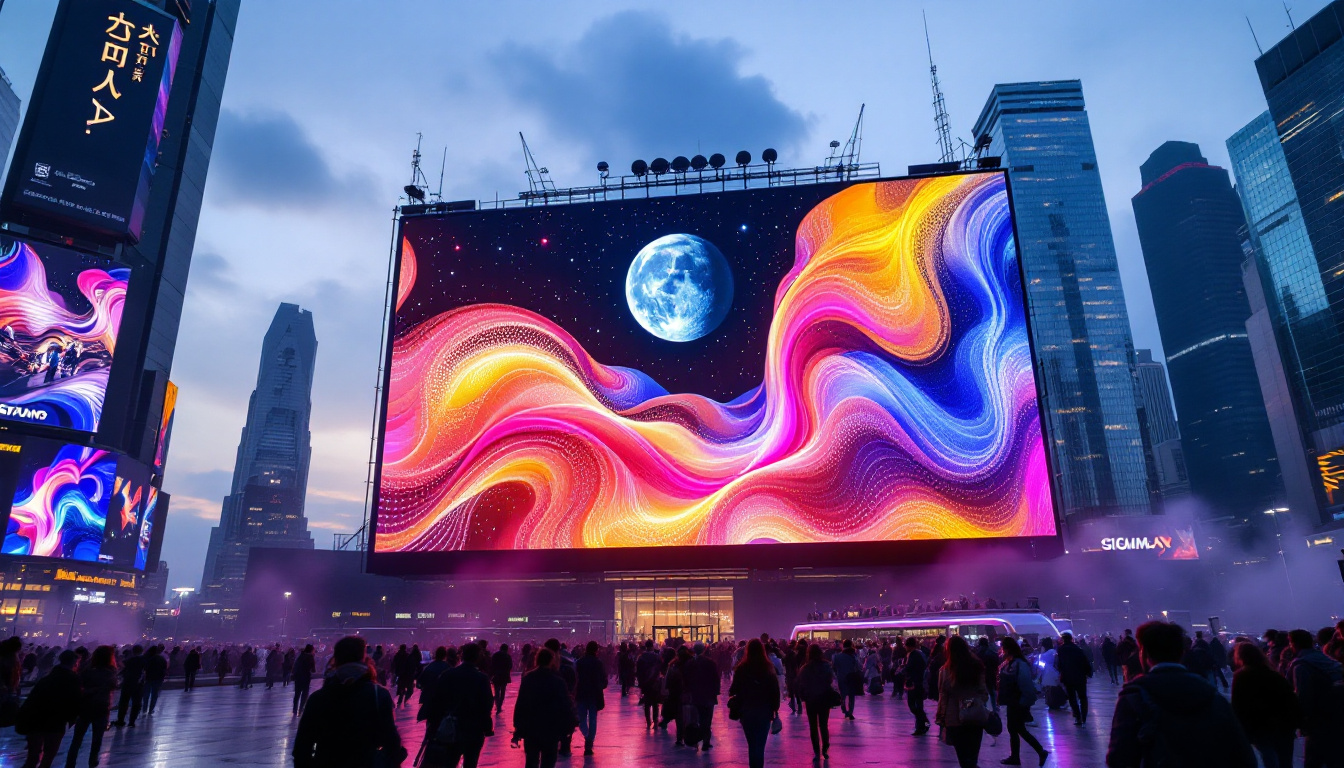
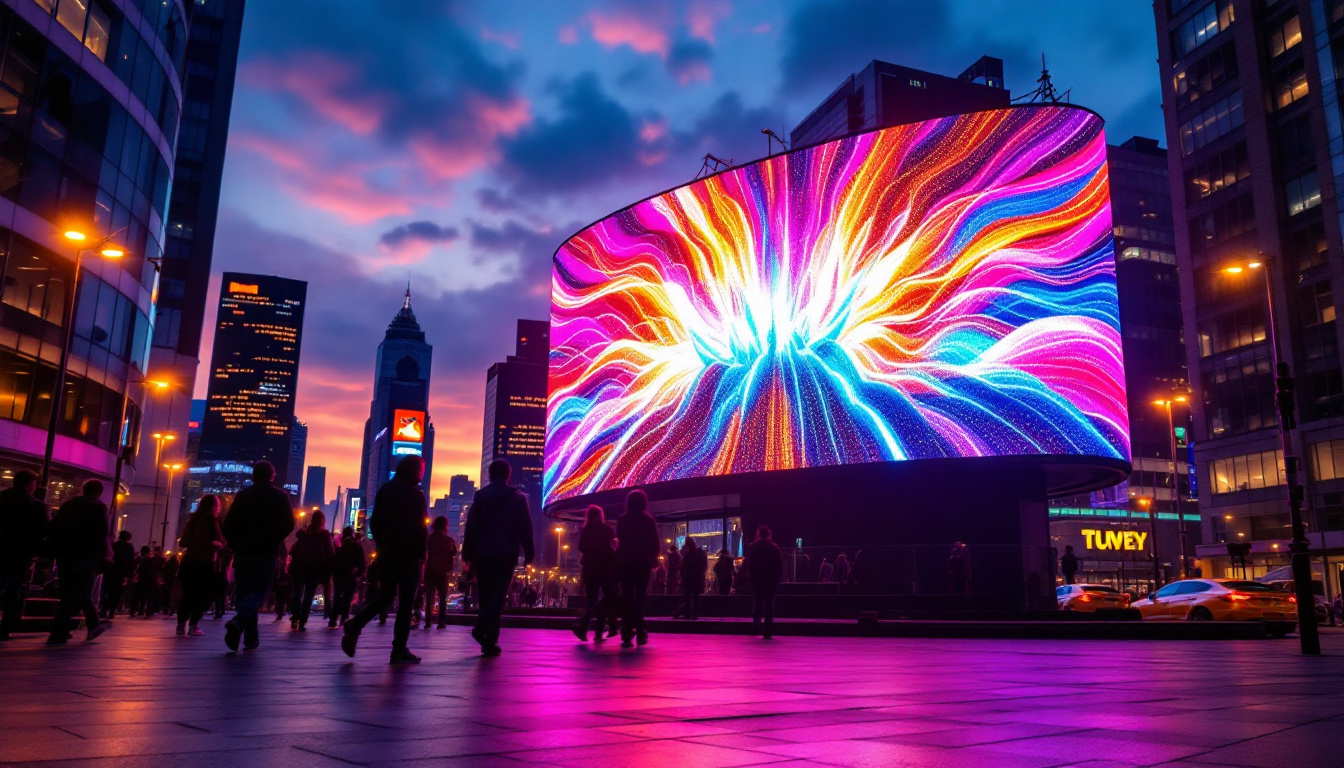
In contrast to LCDs with LED backlighting, true LED displays consist of individual LEDs that emit light directly to form images. These are commonly seen in large outdoor billboards, stadium screens, and some high-end televisions known as OLED or microLED displays. Unlike LCDs, these displays do not require a backlight, as each pixel is an independent light source, offering superior contrast ratios and vibrant colors. This independence of pixels allows for true blacks, as pixels can be completely turned off, resulting in an infinite contrast ratio that is unattainable with traditional LCD technology.
Moreover, true LED displays also excel in their ability to reproduce a wider color gamut, which is essential for applications requiring precise color representation, such as graphic design and video editing. The rapid response time of individual LEDs contributes to smoother motion handling, making these displays ideal for fast-paced video content, such as sports and action films. As technology advances, we are also witnessing the emergence of microLED displays, which promise even greater efficiency and performance by utilizing microscopic LEDs that can be arranged in various configurations. This innovation not only enhances picture quality but also opens up new possibilities for flexible and curved display designs, further pushing the boundaries of visual technology.
Key Differences Between LCD and LED Displays
Backlighting and Image Quality
The primary difference lies in the backlighting method. LCD screens use liquid crystals to modulate light from a backlight, while LED displays can either be LCDs with LED backlighting or direct LED panels. LED backlighting improves brightness, energy efficiency, and color gamut compared to CCFL backlights.
Moreover, full-array LED backlighting with local dimming significantly enhances contrast ratios by selectively dimming parts of the screen, resulting in deeper blacks and more vivid images. This feature is particularly beneficial for watching movies or gaming, where image depth and detail are critical.
Energy Efficiency and Lifespan
LED backlit LCDs consume less power than their CCFL counterparts, making them more environmentally friendly and cost-effective over time. LEDs also have a longer operational lifespan, often exceeding 50,000 hours, which reduces maintenance and replacement costs.
True LED displays, such as OLED and microLED, offer even greater energy efficiency because they do not require a backlight and can turn off individual pixels completely to display black, further conserving power.
Design and Thickness
The use of LED backlighting allows for thinner and lighter screens compared to CCFL-backlit LCDs. Edge-lit LED designs enable ultra-slim profiles, which are popular in modern TVs and monitors. True LED displays, especially microLEDs, hold promise for even more flexible and lightweight form factors in the future.
Applications of LCD and LED Displays
Consumer Electronics
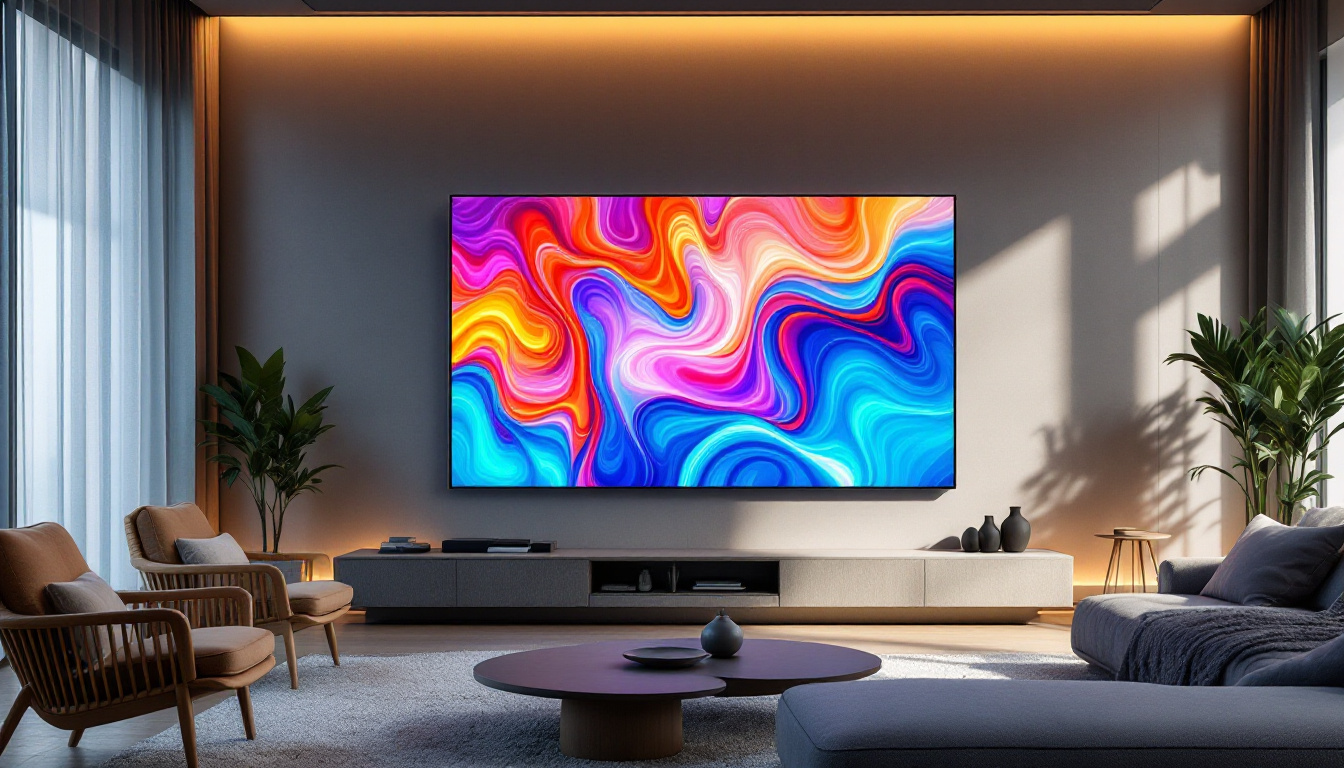
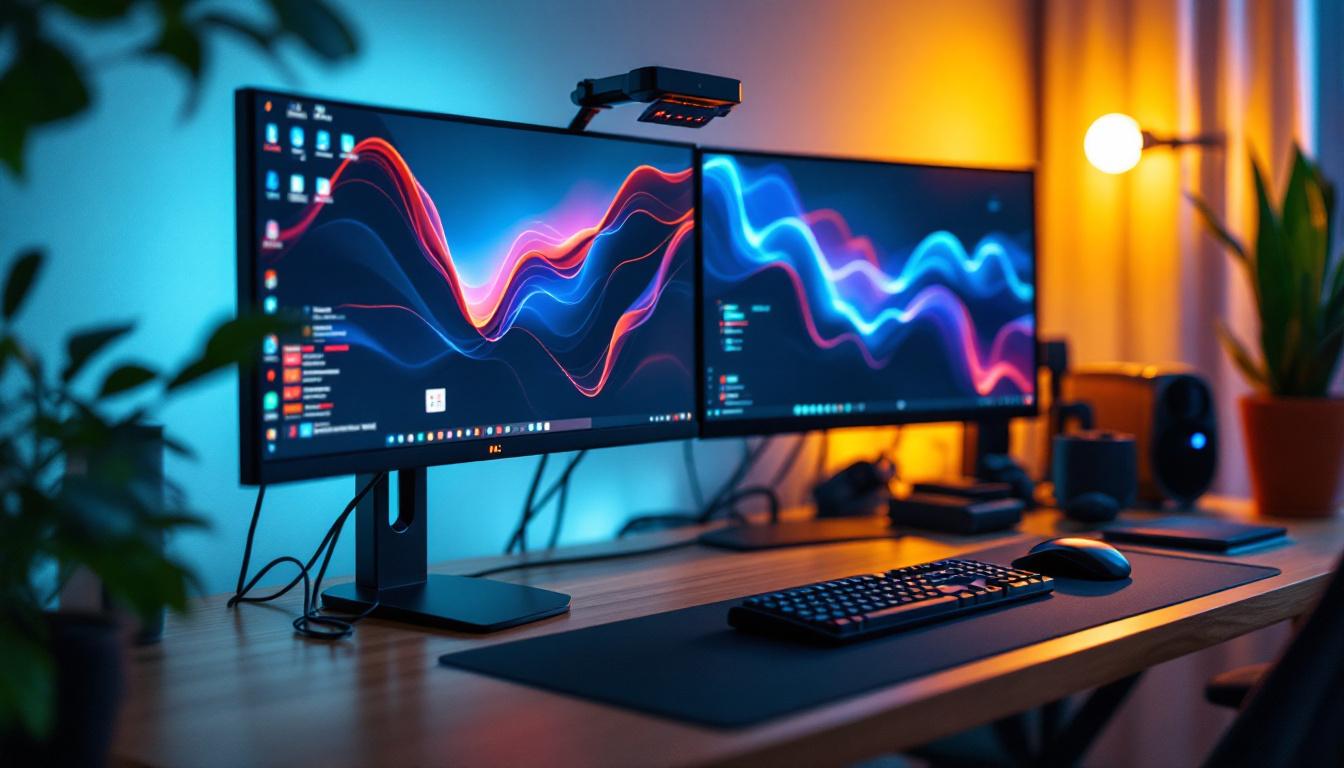
LCD screens with LED backlighting dominate the consumer electronics market, including televisions, computer monitors, laptops, tablets, and smartphones. Their balance of image quality, cost, and energy efficiency makes them the preferred choice for most users.
High-end televisions often feature full-array LED backlighting with local dimming to deliver superior picture quality. Meanwhile, smartphones and tablets utilize advanced LCD or OLED technologies to achieve vibrant colors and high resolutions in compact sizes.
Commercial and Industrial Uses
In digital signage, advertising, and public information displays, LED technology plays a crucial role. Large-scale LED panels are favored for outdoor use due to their brightness, durability, and visibility in direct sunlight. These displays can be configured in various sizes and shapes, making them versatile for stadiums, airports, and retail environments.
LCD screens are also prevalent in industrial control panels, medical devices, and automotive dashboards, where reliable, clear displays are essential for operation and safety.
Emerging Technologies and Trends
Emerging display technologies like microLED and OLED are blurring the lines between LCD and LED displays. MicroLED combines the benefits of LED’s direct emission with the compactness and resolution required for consumer devices, promising exceptional brightness, contrast, and energy efficiency.
OLED (Organic LED) displays, while not LCDs, use organic compounds that emit light when electrically stimulated, offering perfect blacks and wide viewing angles. These technologies are increasingly common in premium smartphones, TVs, and wearable devices.
Choosing the Right Display for Your Needs
Considerations for Consumers
When selecting a display, it is important to consider factors such as image quality, viewing environment, energy consumption, and budget. LED-backlit LCDs offer excellent performance for most users, balancing cost and quality effectively.
If superior contrast and color accuracy are priorities, especially for media consumption or professional work, full-array LED backlighting or OLED displays may be worth the investment. For outdoor or large-format applications, true LED panels provide unmatched brightness and durability.
Future Outlook
The display industry continues to innovate rapidly, with advancements in LED technology driving improvements in image quality, energy efficiency, and design flexibility. As microLED and OLED technologies mature and become more affordable, they are expected to gain a larger market share, potentially redefining the standards for visual displays.
Understanding the distinctions between LCD and LED displays empowers consumers and professionals alike to make informed decisions, ensuring the chosen technology aligns with their specific requirements and expectations.
Conclusion
LCD and LED technologies form the backbone of modern display systems, each with unique characteristics that influence performance and application. While LCD refers to the liquid crystal technology that controls image formation, LED primarily relates to the light source used for backlighting or direct image emission. Advances in LED backlighting have enhanced LCD displays significantly, making them thinner, brighter, and more energy-efficient.
True LED displays, including emerging microLED and OLED technologies, offer new possibilities for image quality and design innovation. By understanding these differences and their practical implications, consumers and businesses can choose the most suitable display technology to meet their needs in today’s dynamic visual landscape.
Discover Cutting-Edge LED Displays with LumenMatrix
Ready to elevate your visual experience with the latest in display technology? Look no further than LumenMatrix, a pioneer in crafting LED display modules that transform any space into a dynamic visual spectacle. From the immersive Indoor LED Wall Display to the vibrant Outdoor LED Wall Display, and from the versatile Vehicle LED Display to the innovative LED Transparent Display, LumenMatrix offers an array of solutions tailored to your unique needs. Embrace the future of visual communication and check out LumenMatrix LED Display Solutions today to captivate your audience and amplify your message like never before.