In the rapidly evolving landscape of data storage and display technologies, the concept of 5D storage combined with LED display systems is gaining significant attention. This fusion represents a leap forward in how information is stored, visualized, and interacted with, promising revolutionary applications across industries. This article delves into the fundamentals of 5D storage and LED displays, exploring their integration, benefits, challenges, and future prospects.
Understanding 5D Storage: The Next Frontier in Data Preservation
What is 5D Storage?
5D storage refers to a cutting-edge data storage technology that encodes information in five dimensions, vastly increasing storage density and durability compared to traditional methods. Unlike conventional 2D or 3D storage systems, which rely on surface area or volume, 5D storage utilizes multiple physical parameters—such as the position, orientation, and intensity of nanostructures within a medium—to represent data.
This approach is often realized through femtosecond laser writing in transparent materials like fused quartz. The laser creates nanostructures that alter the refractive index of the medium, enabling data to be stored in three spatial dimensions plus two additional optical properties, such as polarization states or intensity levels. This multi-dimensional encoding allows for unprecedented data density and longevity. The technology is not just theoretical; researchers have successfully demonstrated the practical application of 5D storage, paving the way for future innovations in data management and retrieval.
Why 5D Storage Matters
Traditional storage media—hard drives, magnetic tapes, and solid-state drives—face limitations in lifespan, capacity, and environmental resilience. For example, magnetic tapes typically last 10-30 years, while hard drives may fail within 3-5 years. In contrast, 5D optical storage media have demonstrated the ability to preserve data for up to 13.8 billion years at room temperature, effectively offering a near-permanent archival solution. This extraordinary durability is particularly crucial in an era where data is increasingly recognized as a valuable asset, necessitating reliable long-term storage solutions.
Moreover, the storage density of 5D systems can reach up to 360 terabytes per disc, dwarfing the capacity of Blu-ray discs and even some solid-state drives. This makes 5D storage particularly attractive for archiving massive datasets such as scientific research, cultural heritage, and government records. As the world generates data at an unprecedented rate, the ability to store vast amounts of information in a compact and durable format becomes essential. Industries ranging from healthcare to finance stand to benefit from this technology, as it not only enhances data preservation but also facilitates faster access and retrieval of critical information, ultimately driving innovation and efficiency across various sectors.
LED Display Technology: Illuminating the Future of Visualization
Basics of LED Displays
Light Emitting Diode (LED) displays have become ubiquitous in modern technology, ranging from smartphone screens to large-scale digital billboards. LEDs are semiconductor devices that emit light when an electric current passes through them. Their efficiency, brightness, and longevity have made LED displays the preferred choice for many applications.
LED displays are composed of arrays of tiny LEDs that can be individually controlled to produce images, videos, and dynamic content. The technology has evolved to include microLEDs and miniLEDs, offering higher resolution, better color accuracy, and improved energy efficiency compared to traditional LCD or OLED displays. MicroLED technology, in particular, is gaining traction for its ability to deliver stunning visuals with minimal power consumption, making it a frontrunner for next-generation displays in everything from televisions to wearable devices.
Advantages of LED Displays
LED displays offer several key benefits, including:
- High Brightness and Contrast: LEDs can achieve brightness levels exceeding 1,000 nits, making them suitable for outdoor and high ambient light environments.
- Energy Efficiency: LEDs consume less power than many other display technologies, reducing operational costs and environmental impact.
- Durability and Longevity: LED displays typically have lifespans exceeding 50,000 hours, making them reliable for long-term use.
- Flexibility: Advances in LED technology have enabled the creation of flexible and transparent displays, expanding design possibilities.
In addition to these advantages, LED displays are also known for their rapid response times, which is crucial for applications requiring real-time updates, such as live sports events or stock market tickers. This quick refresh rate ensures that the content displayed is always current and engaging. Furthermore, the modular nature of many LED systems allows for easy repairs and upgrades, ensuring that businesses can adapt their displays to meet changing needs without complete overhauls.
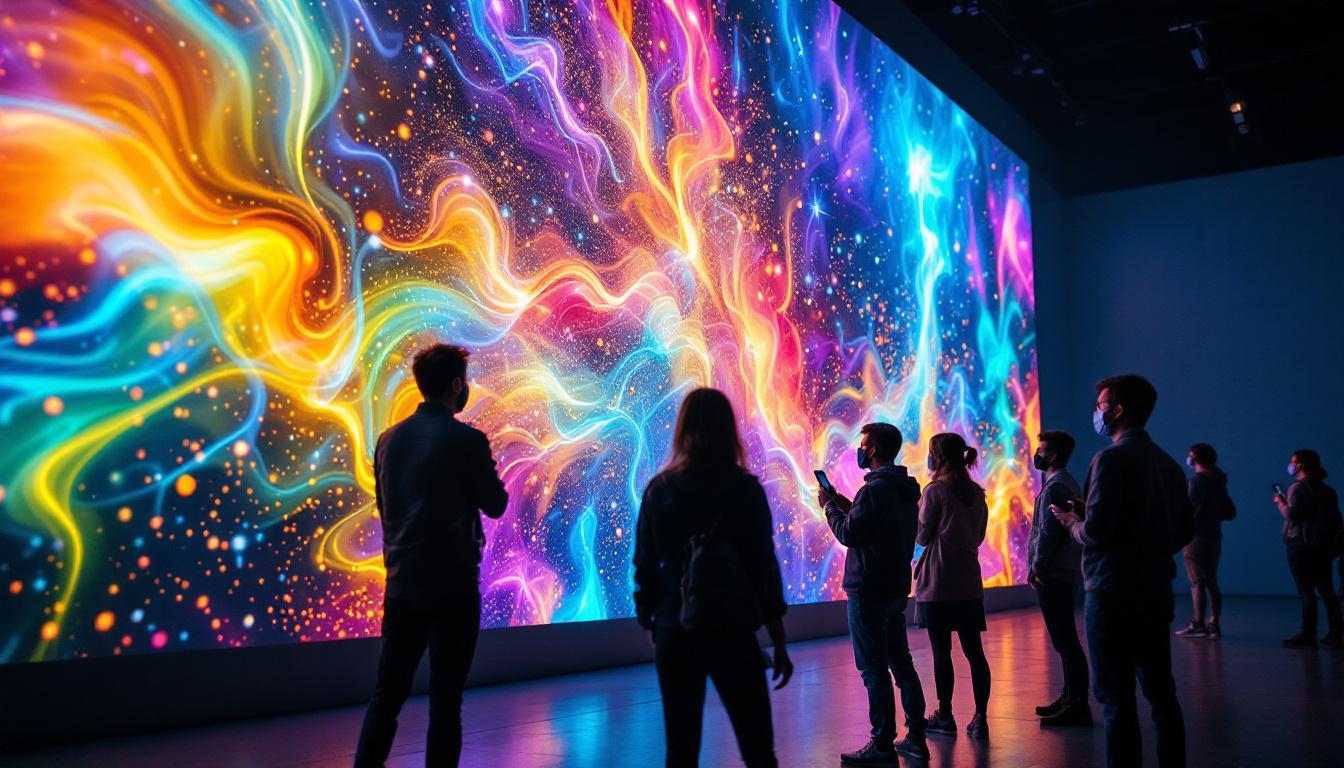
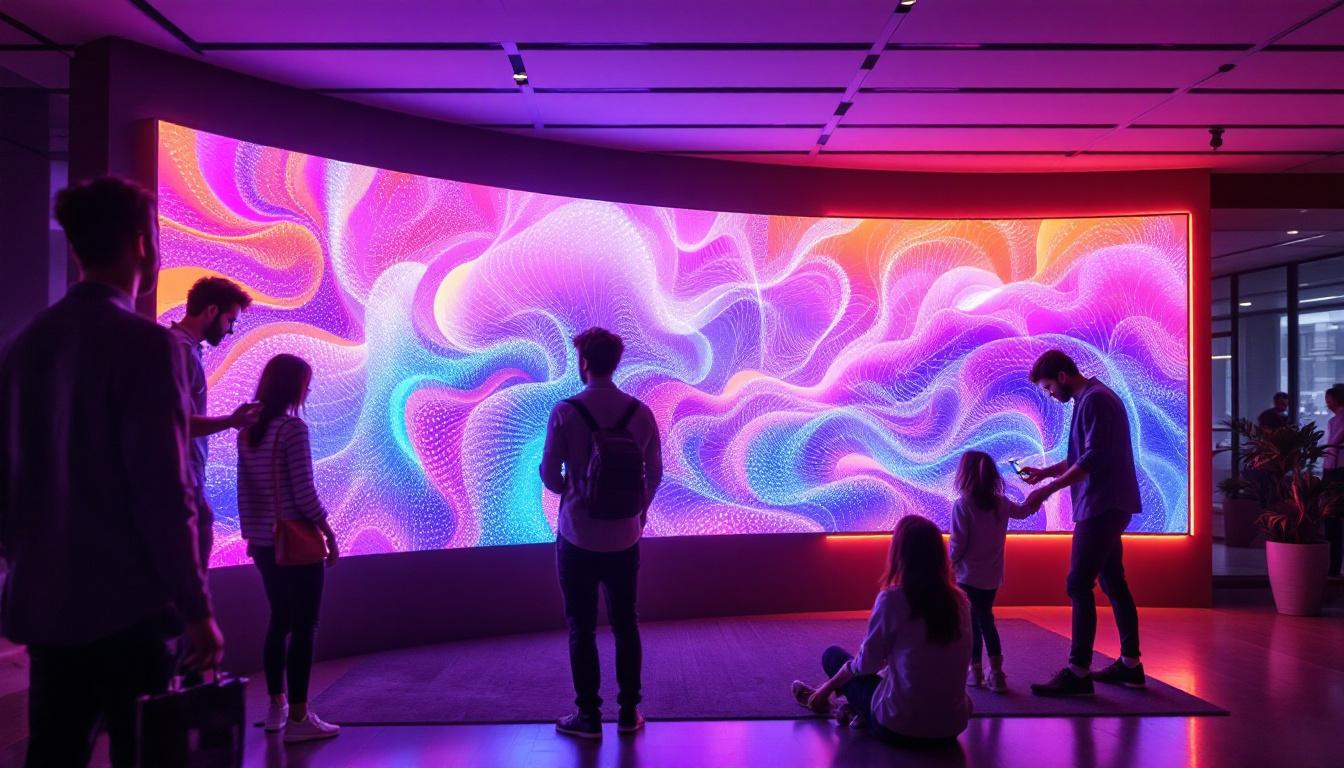
Moreover, the versatility of LED technology extends beyond just visual displays. Innovative applications include interactive installations and augmented reality experiences, where LED screens can create immersive environments that captivate audiences. As the demand for more engaging and dynamic content continues to grow, LED displays are poised to play a pivotal role in shaping the future of visual communication across various industries, from entertainment to education and beyond.
The Intersection of 5D Storage and LED Displays
How 5D Storage Enhances LED Display Systems
The integration of 5D storage with LED display technology opens new avenues for data visualization and interaction. By leveraging the immense capacity and durability of 5D storage, LED displays can access and render vast amounts of data in real-time, enabling richer and more complex visual experiences.
For instance, in digital signage and advertising, 5D storage can hold extensive multimedia libraries, historical data, and user interaction logs, which LED displays can dynamically retrieve and present based on context. This capability enhances personalization and engagement without the need for constant network connectivity or cloud storage reliance.
Moreover, the use of 5D storage can significantly reduce latency in data retrieval, allowing for instantaneous updates to visual content. This is particularly beneficial in environments where information changes rapidly, such as stock market displays or live event broadcasting. The seamless integration of real-time data feeds with LED displays can create a more immersive experience for viewers, as they are presented with the most current information available, all while maintaining high visual fidelity.
Additionally, the durability of 5D storage means that data can be preserved over long periods, ensuring that the content displayed remains relevant and accurate. This longevity is crucial for applications requiring historical data visualization, such as in educational settings where students can interact with past events through dynamic displays that change based on the information retrieved from the 5D storage system.
Applications in Scientific Visualization and Cultural Preservation
Scientific fields such as astronomy, genomics, and climate research generate colossal datasets that require both secure storage and effective visualization. 5D storage ensures these datasets remain intact over decades or centuries, while LED displays provide high-resolution, interactive platforms for researchers to explore and analyze the data.
Similarly, museums and cultural institutions can use 5D storage to archive priceless artifacts’ digital representations and historical records. LED displays then bring these archives to life through immersive exhibits, virtual reconstructions, and interactive storytelling, making heritage accessible to wider audiences.
In addition, the combination of 5D storage and LED displays can facilitate collaborative research efforts across institutions. By allowing multiple users to access and visualize the same datasets simultaneously, researchers can engage in real-time discussions and analyses, thereby accelerating the pace of discovery. This collaborative potential is particularly valuable in interdisciplinary studies, where insights from different fields can converge to yield innovative solutions to complex problems.
Furthermore, in the realm of cultural preservation, the ability to create interactive timelines and augmented reality experiences using LED displays can transform how visitors engage with history. Imagine walking through a museum where historical events are not just displayed but experienced through immersive narratives that adapt based on the viewer’s interests, all powered by the extensive data storage capabilities of 5D technology. This not only enhances educational outcomes but also fosters a deeper connection between audiences and the cultural artifacts on display.
Challenges and Considerations in 5D Storage and LED Display Integration
Technical and Manufacturing Hurdles
Despite its promise, 5D storage technology is still in the developmental stage, with challenges in mass production, cost reduction, and standardization. The femtosecond laser writing process requires precise control and expensive equipment, limiting widespread adoption.
On the LED display side, integrating 5D storage necessitates advanced data retrieval systems and processing capabilities to handle the complex multi-dimensional data efficiently. Ensuring seamless communication between storage media and display hardware is critical to avoid latency and maintain high-quality visualization.
Data Security and Accessibility
While 5D storage offers exceptional data preservation, ensuring secure access to stored information is paramount. Encryption and authentication methods must evolve to accommodate the unique properties of 5D media. Additionally, developing user-friendly interfaces for data retrieval and visualization on LED displays is essential to maximize usability.
The Future of 5D Storage and LED Display Technologies
Emerging Trends and Innovations
Research continues to push the boundaries of 5D storage, exploring new materials and laser techniques to improve writing speed, capacity, and durability. Hybrid storage solutions combining 5D optical media with traditional electronic storage are also under investigation to balance performance and cost.
On the display front, advancements in microLED technology and flexible displays will complement 5D storage by enabling more immersive and adaptable visualization platforms. The convergence of artificial intelligence and augmented reality with these technologies promises to transform how data is experienced and utilized.
Potential Impact Across Industries
The synergy between 5D storage and LED displays has the potential to revolutionize sectors such as healthcare, education, entertainment, and defense. For example, in healthcare, vast medical imaging datasets stored in 5D media can be visualized on high-resolution LED displays for improved diagnostics and treatment planning.
In education, interactive LED displays powered by 5D storage can provide students with access to comprehensive multimedia resources, fostering deeper engagement and understanding. The entertainment industry can leverage these technologies to create richer, more persistent digital experiences, while defense applications may benefit from secure, long-term data storage combined with advanced visualization tools.
Conclusion
5D storage and LED display technologies represent a promising frontier in data management and visualization. Their integration offers unprecedented capacity, durability, and interactivity, addressing critical challenges in data preservation and presentation. While technical and economic barriers remain, ongoing research and innovation are steadily paving the way for these technologies to become mainstream.
As industries increasingly rely on vast and complex datasets, the combination of 5D storage and LED displays will play a pivotal role in shaping the future of how information is stored, accessed, and experienced. Embracing these advancements today will prepare organizations and individuals to unlock new possibilities in the digital age.
Discover the Future of Visualization with LumenMatrix
Ready to elevate your visual communication and data presentation to new heights? LumenMatrix is at the forefront of integrating advanced LED display technologies with groundbreaking solutions like 5D storage. From Indoor and Outdoor LED Walls to Custom and All-in-One LED Displays, our products are designed to captivate your audience and amplify your message. Experience the difference that cutting-edge LED display modules can make for your brand or organization. Check out LumenMatrix LED Display Solutions today and join the revolution in digital signage and visual storytelling.