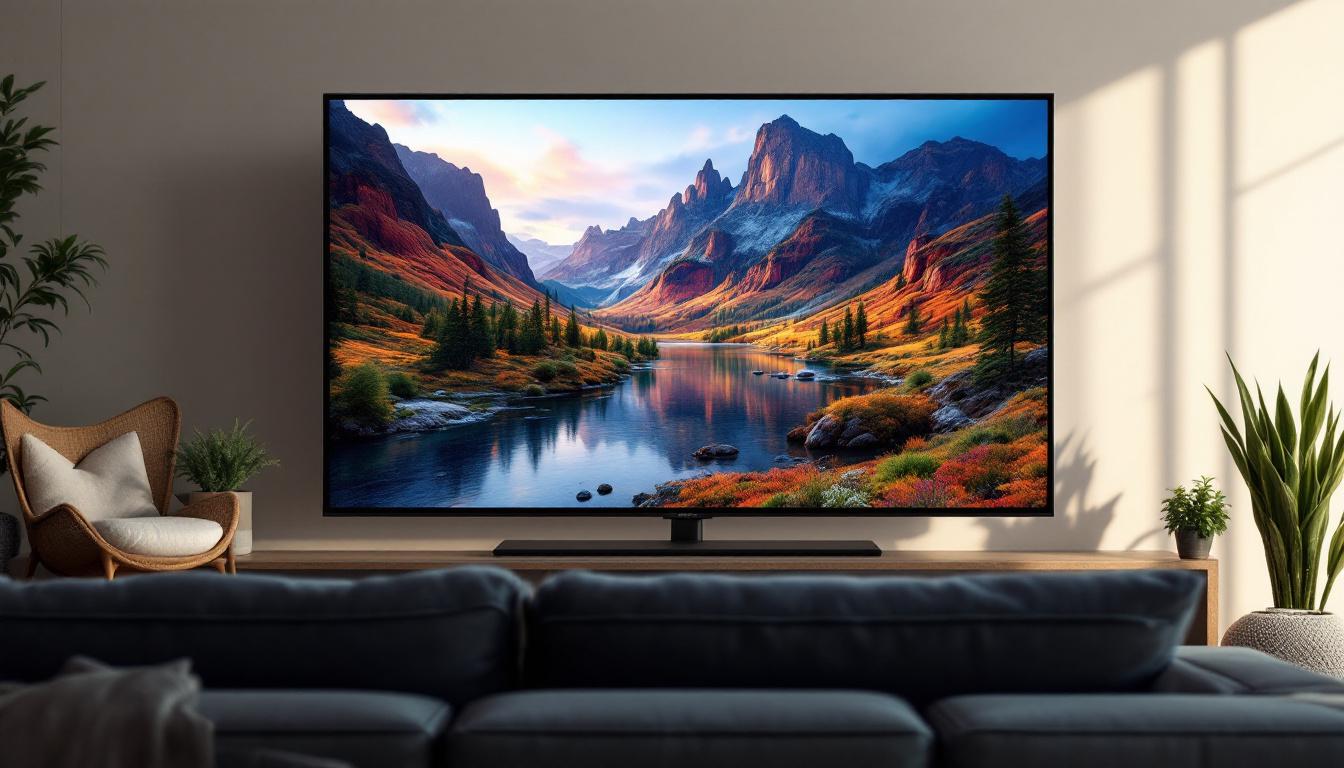
In today’s digital age, touch screen monitors with LED displays have become ubiquitous across various industries and consumer applications. From interactive kiosks and point-of-sale systems to professional design workstations and home entertainment setups, these devices combine advanced display technology with intuitive touch interfaces. Understanding how LED touch screen monitors work, their benefits, and their applications can help consumers and professionals make informed decisions when selecting the right display for their needs.
Understanding LED Display Technology
What is an LED Display?
LED stands for Light Emitting Diode, a semiconductor device that emits light when an electric current passes through it. In the context of monitors, LED displays use an array of these tiny diodes to illuminate the screen. Unlike traditional LCD screens that rely on cold cathode fluorescent lamps (CCFL) for backlighting, LED displays use LEDs as the light source, which offers several advantages including improved brightness, energy efficiency, and thinner panel designs. This technological advancement has not only enhanced the visual experience but has also contributed to the overall sustainability of electronic devices, as LED technology consumes significantly less power than its predecessors.
LED displays are essentially a type of LCD panel that uses LED backlighting instead of CCFL. This distinction is important because the core image generation still depends on liquid crystals, but the illumination method has evolved. The LED backlighting can be arranged in different configurations such as edge-lit or direct-lit, impacting display uniformity and contrast. Moreover, the lifespan of LED displays tends to be longer than that of traditional displays, making them a more reliable option for both commercial and personal use. As technology continues to advance, we can expect further improvements in LED display capabilities, such as higher resolutions and enhanced color accuracy.
Types of LED Displays in Touch Screen Monitors
There are primarily two types of LED backlighting used in monitors:
- Edge-Lit LED: LEDs are positioned along the edges of the screen, and light is diffused across the display. This design allows for slimmer monitors but may suffer from less uniform brightness. Edge-lit displays are often favored for their sleek aesthetics, making them a popular choice for modern office environments and home theaters.
- Direct-Lit or Full-Array LED: LEDs are placed directly behind the screen in a grid pattern, enabling better brightness control and contrast through local dimming zones. This configuration is particularly beneficial for high dynamic range (HDR) content, as it allows for deeper blacks and brighter highlights, enhancing the viewing experience for movies and gaming.
Additionally, some high-end monitors utilize OLED (Organic LED) technology, which differs significantly by emitting light from organic compounds themselves, eliminating the need for backlighting. However, OLED displays are generally more expensive and less common in touch screen monitors compared to LED-backlit LCDs. The vibrant colors and deeper blacks produced by OLED technology have made it a favorite among photographers and graphic designers who require precise color representation. As the demand for high-quality displays continues to rise, manufacturers are increasingly exploring hybrid technologies that combine the best features of both LED and OLED, aiming to deliver superior performance without compromising on cost-effectiveness.
How Touch Screen Technology Integrates with LED Displays
Types of Touch Technologies
Touch screen monitors combine the visual display with a touch-sensitive layer that detects user input. The most common touch technologies integrated with LED displays include:
- Resistive Touch: Consists of two flexible layers that register touch when pressed together. It is cost-effective and works with any input device but offers less clarity and multi-touch capability.
- Capacitive Touch: Uses the electrical properties of the human body to detect touch. It supports multi-touch gestures and provides better image clarity but generally requires a finger or a specialized stylus.
- Infrared Touch: Employs an array of IR LEDs and sensors around the screen edges to detect touch by interruption of the light beams. It works with any input and is durable but can be susceptible to environmental interference.
- Surface Acoustic Wave (SAW): Uses ultrasonic waves across the screen surface, detecting touch by wave disruption. It offers excellent image clarity but is sensitive to contaminants and scratches.
Among these, capacitive touch technology is the most prevalent in modern LED touch screen monitors due to its responsiveness, accuracy, and support for multi-touch gestures, which are essential for contemporary user interfaces.
Integration Challenges and Solutions
Integrating touch technology with LED displays requires careful engineering to maintain display quality while ensuring accurate touch detection. The touch sensor layer must be transparent to avoid compromising brightness and color accuracy. Manufacturers use advanced materials like indium tin oxide (ITO) for transparent conductive layers and optimize the sensor placement to minimize parallax and improve touch precision.
Moreover, the touch controller hardware and software must be finely tuned to handle various input types and gestures, providing a seamless user experience. Calibration and firmware updates are often necessary to maintain optimal performance over the monitor’s lifespan.
Advantages of LED Touch Screen Monitors
Enhanced Visual Quality
LED displays offer superior brightness and contrast compared to older CCFL-backlit LCDs. This results in vibrant colors, deeper blacks, and sharper images, which are crucial for applications such as graphic design, video editing, and medical imaging. The ability to achieve high dynamic range (HDR) on some LED monitors further enhances visual fidelity.
Energy Efficiency and Environmental Impact
LED backlighting consumes significantly less power than CCFL, contributing to lower energy bills and reduced environmental footprint. This efficiency makes LED touch screen monitors ideal for continuous use in commercial environments like retail stores and control rooms, where displays operate for extended hours.
Durability and Design Flexibility
The compact size of LEDs allows for slimmer and lighter monitors, facilitating sleek designs that save desk space. Additionally, LED touch screen monitors are often more durable, with some models featuring reinforced glass or anti-glare coatings to withstand heavy usage and harsh environments.
Improved User Interaction
Touch screen functionality enhances user interaction by enabling intuitive gestures such as pinch-to-zoom, swipe, and tap. This is particularly beneficial in educational settings, interactive kiosks, and collaborative workspaces where direct manipulation of content accelerates workflows and engagement.
Applications of LED Touch Screen Monitors
Retail and Point-of-Sale Systems
In retail environments, LED touch screen monitors are widely used for point-of-sale (POS) terminals, self-checkout kiosks, and digital signage. Their bright displays attract customer attention, while touch capabilities streamline transactions and improve customer service efficiency.
Healthcare and Medical Imaging
Medical professionals rely on high-resolution LED touch screen monitors for diagnostic imaging, patient monitoring, and electronic health record management. The combination of precise touch input and accurate color reproduction facilitates detailed analysis and improves clinical workflows.
Education and Training
Interactive whiteboards and touch-enabled monitors are transforming classrooms and training centers. LED touch screens support dynamic presentations, collaborative learning, and hands-on activities, making education more engaging and effective.
Industrial and Control Systems
In industrial settings, LED touch screen monitors serve as human-machine interfaces (HMIs) for controlling machinery, monitoring processes, and managing automation systems. Their robustness and responsiveness are critical for maintaining operational safety and efficiency.
Creative and Professional Workstations
Graphic designers, video editors, and architects benefit from LED touch screen monitors that offer precise color accuracy and touch interaction. These monitors enable direct manipulation of digital content, enhancing creativity and productivity.
Key Considerations When Choosing an LED Touch Screen Monitor
Display Size and Resolution
The choice of display size depends on the intended use. Larger screens provide more workspace and better visibility for collaborative tasks, while smaller monitors are suitable for compact environments. Resolution is equally important; high-definition (HD) and 4K displays offer sharper images and finer detail, essential for professional applications.
Touch Technology and Responsiveness
Selecting the appropriate touch technology based on the usage scenario is vital. Capacitive touch is ideal for general consumer use, whereas resistive or infrared touch may be preferred in industrial or rugged environments. Responsiveness and multi-touch support should align with user expectations and software requirements.
Durability and Environmental Resistance
Monitors intended for public or industrial use must withstand physical impact, dust, moisture, and temperature fluctuations. Features like tempered glass, IP ratings for water and dust resistance, and anti-reflective coatings enhance durability and usability in challenging conditions.
Connectivity and Compatibility
Ensure the monitor supports necessary input interfaces such as HDMI, DisplayPort, USB, and legacy connections. Compatibility with operating systems and touch drivers is crucial for seamless integration into existing setups.
Price and Warranty
Balancing budget constraints with feature requirements is essential. While premium models offer advanced capabilities, many mid-range monitors provide excellent performance for everyday tasks. Comprehensive warranties and customer support add value and peace of mind.
Future Trends in LED Touch Screen Monitors
Advancements in Display Technology
Emerging technologies like mini-LED and micro-LED promise even greater brightness, contrast, and energy efficiency. These innovations will further enhance the visual experience of touch screen monitors, making them more versatile and immersive.
Integration with AI and Gesture Recognition
Future touch screen monitors are expected to incorporate artificial intelligence for predictive touch input, gesture recognition beyond the screen, and voice control. These features will create more natural and efficient user interfaces.
Flexible and Transparent Displays
Research into flexible OLED and transparent LED displays may lead to new form factors, such as bendable monitors and see-through touch screens, expanding the possibilities for design and application.
Conclusion
LED touch screen monitors represent a convergence of advanced display and input technologies that enhance user interaction across diverse fields. Their superior image quality, energy efficiency, and versatility make them an excellent choice for both professional and consumer applications. By understanding the underlying technologies, benefits, and application scenarios, users can select the most suitable monitor to meet their specific needs and future-proof their investments in digital display solutions.
As technology continues to evolve, LED touch screen monitors will become even more integral to how people interact with digital content, driving innovation in communication, productivity, and entertainment.
Discover the Future of Visual Display with LumenMatrix
Ready to elevate your visual experience with the latest in LED touch screen technology? LumenMatrix is at the forefront of innovation, offering a wide range of LED display solutions that cater to your every need. From captivating Indoor and Outdoor LED Wall Displays to dynamic Vehicle and Sports LED Displays, our products are designed to make your brand stand out. Embrace the future of engagement with our LED Poster Displays, Floor LED Displays, and revolutionary Transparent LED Displays. Experience the difference in visual communication with LumenMatrix’s cutting-edge technology. Check out LumenMatrix LED Display Solutions today and transform the way you share your message with the world.