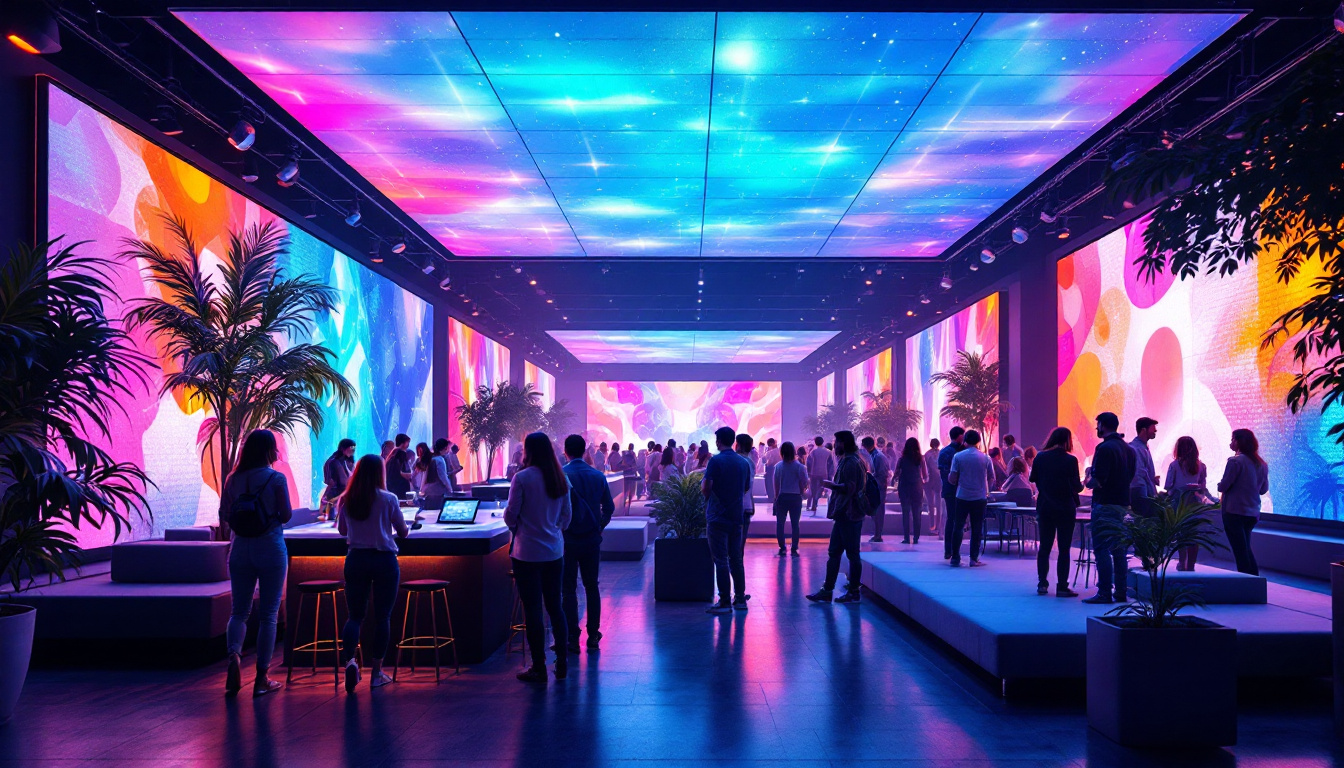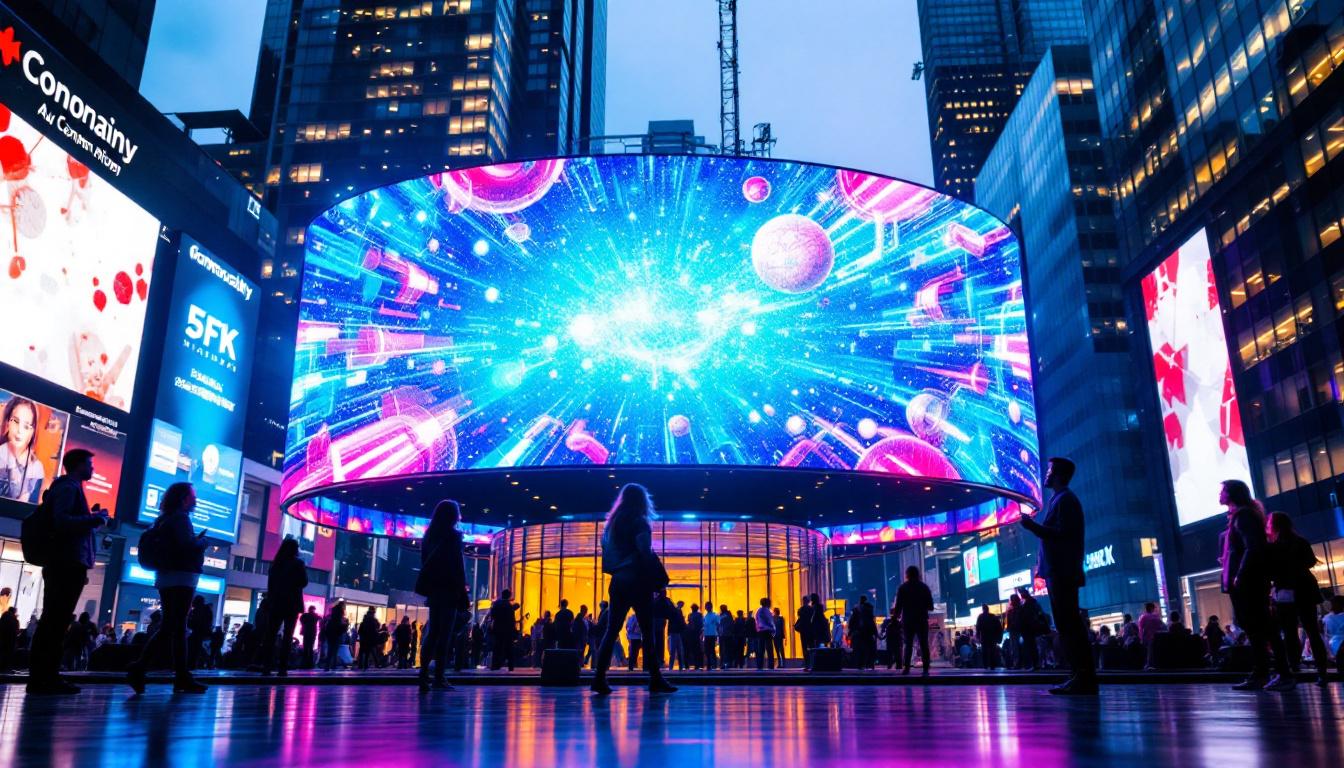
In today’s digital age, display technologies are at the heart of how information is communicated visually. Among the many types of displays, LCD (Liquid Crystal Display) and LED (Light Emitting Diode) displays are two of the most prevalent, powering everything from smartphones and televisions to digital signage and large-format advertising windows. Understanding the differences, benefits, and applications of these technologies is essential for businesses, consumers, and technology enthusiasts alike.
Understanding LCD Technology
What is an LCD?
Liquid Crystal Display (LCD) technology utilizes liquid crystals that do not emit light directly. Instead, these crystals manipulate light passing through them to create images. An LCD panel consists of several layers, including polarizing filters, glass substrates, and liquid crystals sandwiched in between. When an electric current is applied, the liquid crystals align in such a way that they either block or allow light to pass through, forming images.
LCDs require a backlight to illuminate the display since the liquid crystals themselves do not produce light. Traditionally, cold cathode fluorescent lamps (CCFLs) were used as backlights, but modern LCDs predominantly use LED backlighting due to its energy efficiency and improved brightness control. The shift to LED technology has not only enhanced the brightness and color accuracy of displays but has also significantly reduced power consumption, making LCDs more environmentally friendly and cost-effective over time.
How LCDs Work in Window Displays
When integrated into window displays, LCD panels offer high-resolution images and crisp text, making them ideal for retail environments, museums, and corporate lobbies. These displays can be embedded behind glass or transparent surfaces, allowing for dynamic content that can be updated remotely. The ability to display vibrant colors and sharp images helps attract attention and convey messages effectively. Additionally, many modern LCD window displays come equipped with touch capabilities, enabling interactive experiences that engage customers and enhance the shopping experience.
However, traditional LCDs can face challenges with visibility under direct sunlight, as the backlight competes with ambient light. This is an important consideration for outdoor or storefront window installations. To combat this issue, manufacturers have developed high-brightness LCDs and anti-reflective coatings that improve visibility in bright conditions. Furthermore, advancements in technology have led to the emergence of outdoor-rated LCDs that are specifically designed to withstand harsh weather conditions while maintaining optimal performance. These innovations ensure that businesses can effectively communicate their messages regardless of the environment, making LCDs a versatile choice for modern advertising and informational displays.
LED Displays: A Closer Look
What is an LED Display?
LED displays use light-emitting diodes as the primary source of light to create images. Unlike LCDs, which rely on a backlight, LEDs produce their own light, enabling displays to be thinner, brighter, and more energy-efficient. LED technology comes in two main forms: direct-view LED and LED-backlit LCD.
Direct-view LED displays consist of thousands of tiny LEDs arranged in a grid. Each LED acts as a pixel, emitting light in various colors to form images. These are commonly used in large-scale outdoor screens, stadium displays, and digital billboards.
LED-Backlit LCDs: The Hybrid Approach
Most modern LCD screens use LED backlighting instead of older CCFL technology. This hybrid approach combines the high-resolution capabilities of LCDs with the energy efficiency and brightness advantages of LEDs. LED-backlit LCDs can be further categorized into edge-lit and direct-lit designs, each with its own performance characteristics.
Edge-lit LED displays position LEDs along the edges of the screen, using light guides to distribute illumination evenly. Direct-lit LED displays place LEDs directly behind the panel, allowing for better local dimming and contrast control. This results in deeper blacks and more vibrant colors, enhancing the viewing experience.
Comparing LCD and LED Displays for Window Applications
Brightness and Visibility
One of the most critical factors for window displays is visibility, especially in environments with varying lighting conditions. Direct-view LED displays typically offer superior brightness levels, often exceeding 5,000 nits, making them highly visible even under direct sunlight. This makes them ideal for outdoor or street-facing windows.
In contrast, traditional LCDs with LED backlighting usually have brightness levels between 300 to 700 nits. While sufficient for indoor settings, they may struggle in bright outdoor environments unless additional measures like anti-reflective coatings or shading are employed.
Color Accuracy and Image Quality
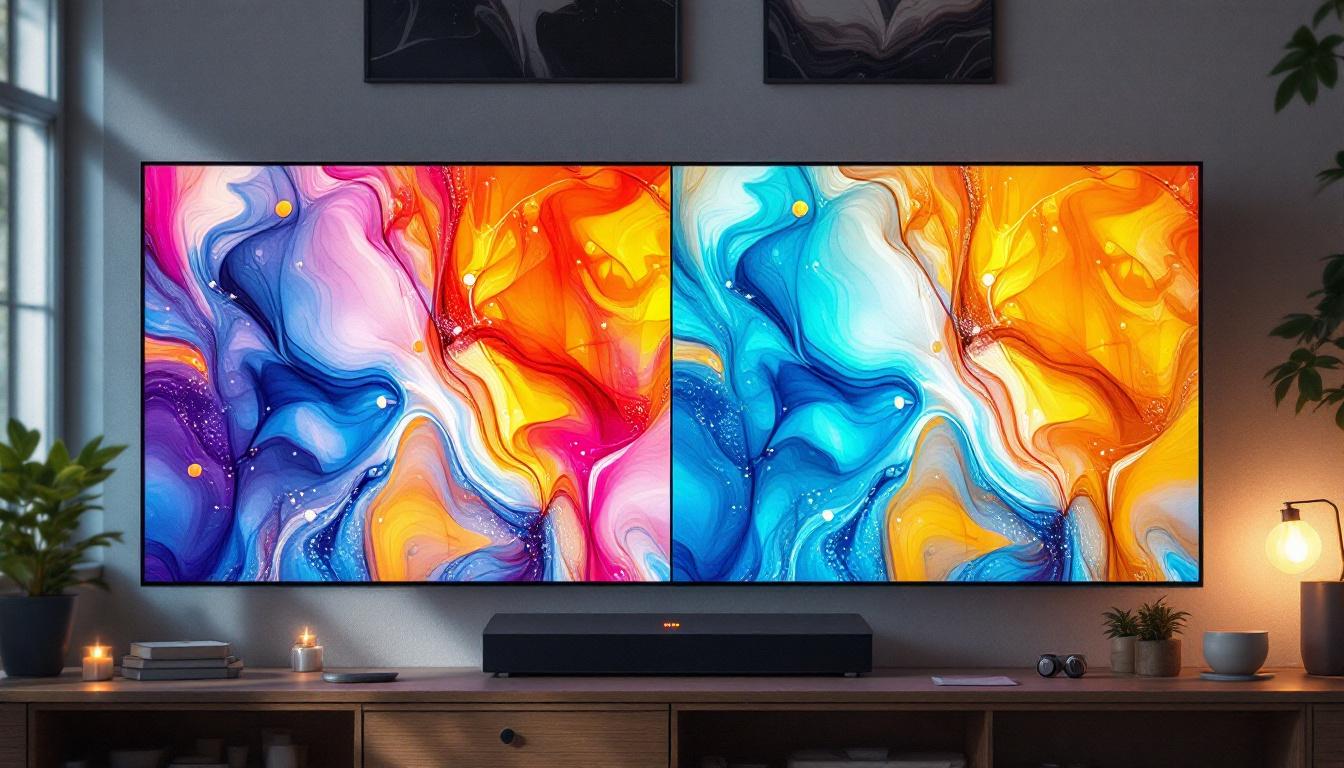
LCDs generally provide excellent color accuracy and high resolution, which is crucial for displaying detailed images, text, and branding elements. The use of advanced LCD panels with IPS (In-Plane Switching) technology ensures wide viewing angles and consistent color reproduction.
Direct-view LED displays, while bright, may have lower resolution compared to LCDs, especially in larger formats. However, recent advancements in LED pixel density have significantly improved image quality, making them suitable for both text and video content in window displays.
Energy Efficiency and Lifespan
LED technology is renowned for its energy efficiency. Direct-view LED displays consume less power relative to their brightness output compared to traditional LCDs with CCFL backlighting. Even LED-backlit LCDs are more energy-efficient than their CCFL predecessors.
In terms of lifespan, LEDs typically last longer, with many rated for over 50,000 hours of operation. LCD panels, depending on their quality and usage, generally have lifespans ranging from 30,000 to 60,000 hours. The longer lifespan and reduced maintenance requirements of LED displays can translate into lower total cost of ownership for businesses.
Innovative Applications of LCD and LED Window Displays
Retail and Advertising
Retailers increasingly use LCD and LED window displays to create engaging storefronts that capture passerby attention. Digital signage powered by these technologies allows for dynamic promotions, interactive content, and real-time updates. For example, fashion brands can showcase new collections with vivid visuals, while grocery stores can highlight daily specials.
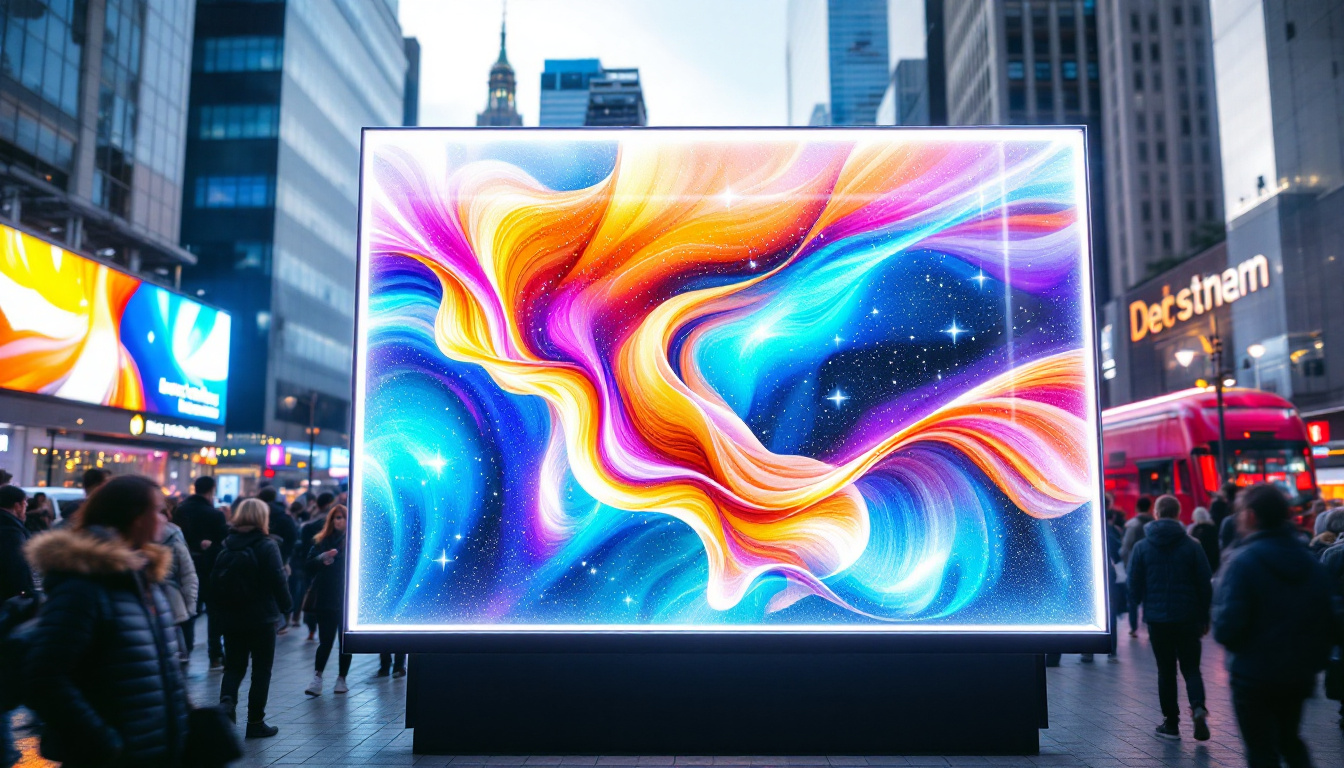
LED displays, particularly direct-view models, are favored for large-format digital billboards and outdoor advertising due to their brightness and durability. LCD displays, on the other hand, excel in indoor window installations where high resolution and color fidelity are paramount.
Smart Windows and Transparent Displays
Emerging technologies have led to the development of transparent LCD and LED displays that can be integrated into glass windows without obstructing the view. These “smart windows” can switch between transparent and opaque states, display information, or serve as interactive touchscreens.
Applications include corporate offices displaying meeting schedules on glass walls, museums providing contextual information alongside exhibits, and retail stores offering augmented reality experiences. The combination of transparency and digital display capabilities opens new avenues for creative communication.
Public Information and Wayfinding
Transportation hubs, hospitals, and public buildings use LCD and LED window displays to provide real-time information such as schedules, directions, and alerts. The high visibility and clarity of these displays ensure that critical information is accessible to all visitors.
In transit stations, for example, LED displays can withstand varying weather conditions and maintain visibility in bright daylight, while indoor LCD panels provide detailed maps and interactive wayfinding tools.
Choosing the Right Display for Your Needs
Assessing Environmental Conditions
The first step in selecting a window display is understanding the environment in which it will be used. Outdoor installations require displays with high brightness, weather resistance, and robust construction. Direct-view LED displays are often the best choice here.
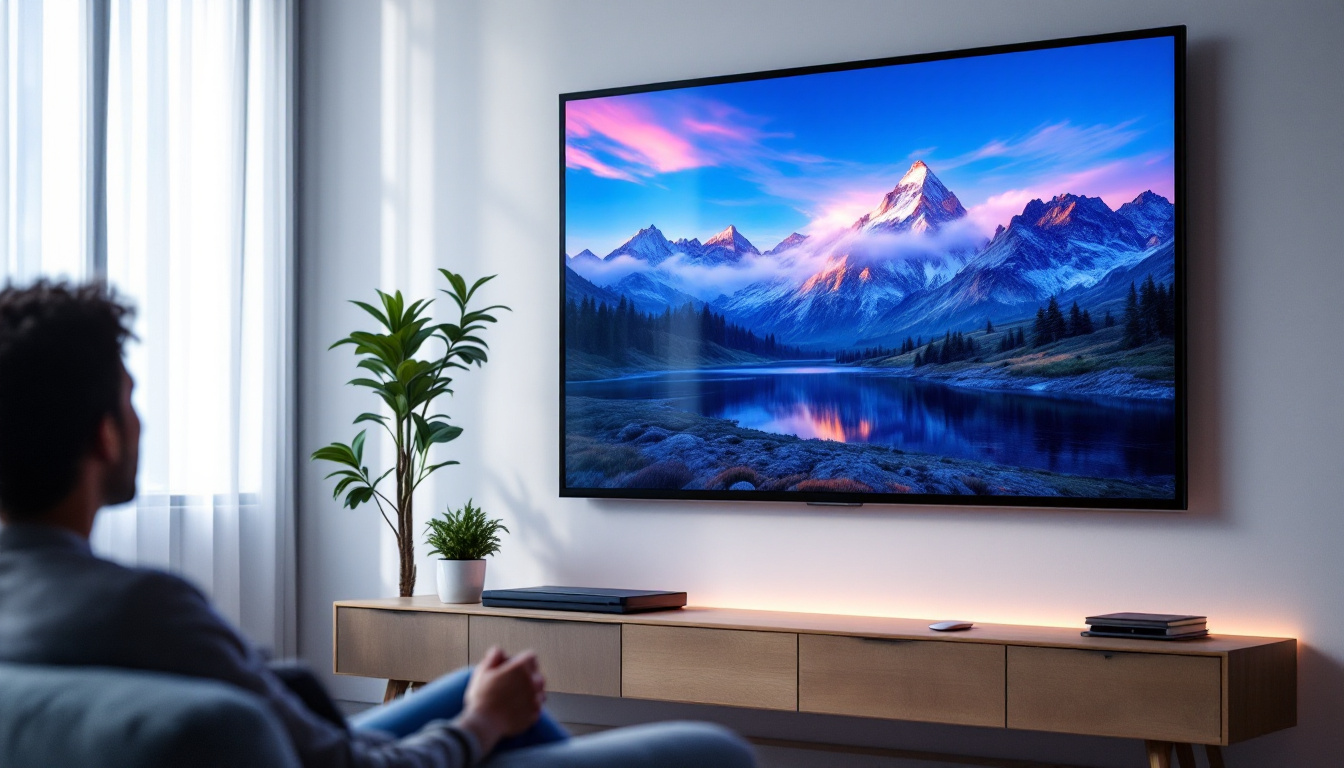
Indoor window displays benefit from high-resolution LCD panels with LED backlighting, offering superior image quality and color accuracy. Consider ambient lighting, viewing distance, and angle to optimize the display’s effectiveness.
Budget and Maintenance Considerations
Cost is a significant factor. While direct-view LED displays can be more expensive upfront, their energy efficiency and durability may reduce long-term expenses. LCD displays tend to have lower initial costs but might require more frequent maintenance, especially if exposed to harsh conditions.
Additionally, consider installation complexity and the availability of technical support. Some advanced transparent or interactive displays may require specialized installation and calibration.
Content and Functionality Requirements
Determine the type of content to be displayed. For high-resolution images, video playback, and detailed graphics, LCD displays are often preferable. For large-scale, high-brightness signage or dynamic outdoor advertising, LED displays excel.
Interactive capabilities, such as touchscreens or motion sensors, may also influence the choice. Many modern LCD and LED displays support these features, enabling engaging user experiences.
The Future of LCD and LED Window Displays
Advancements in Display Technology
Display technology continues to evolve rapidly. MicroLED, an emerging technology, promises to combine the brightness and energy efficiency of LEDs with the high resolution and color accuracy of LCDs. This could revolutionize window displays by offering ultra-thin, flexible, and transparent screens with exceptional performance.
Additionally, improvements in OLED (Organic Light Emitting Diode) technology are expanding possibilities for flexible and transparent displays, although OLEDs currently face challenges with lifespan and brightness for outdoor use.
Integration with Smart Building Systems
Window displays are increasingly integrated into smart building ecosystems, connected to IoT (Internet of Things) networks. This enables automated content updates based on time of day, weather, or customer demographics, enhancing relevance and engagement.
Energy management systems can also adjust display brightness and operation to optimize power consumption, contributing to sustainability goals.
Environmental and Sustainability Considerations
As demand for digital displays grows, so does the importance of sustainability. LED technology’s lower energy consumption and longer lifespan make it a more environmentally friendly choice compared to older display types.
Manufacturers are also focusing on recyclable materials and reducing hazardous substances in display production. Businesses can contribute to environmental responsibility by selecting energy-efficient displays and implementing responsible disposal and recycling practices.
Conclusion
LCD and LED window displays each offer unique advantages that cater to different applications and environments. LCDs provide high-resolution, color-accurate images ideal for indoor and detailed content, while LED displays deliver unmatched brightness and durability for outdoor and large-format use.
Understanding the technical differences, environmental requirements, and content needs is essential for selecting the right display technology. As innovations continue to emerge, the future promises even more versatile, efficient, and engaging window display solutions that will transform how businesses and public spaces communicate visually.
Whether enhancing a retail storefront, providing public information, or creating interactive smart windows, the choice between LCD and LED displays will remain a critical decision shaping the effectiveness of digital visual communication.
Discover LumenMatrix’s Innovative LED Display Solutions
Ready to elevate your visual communication with cutting-edge technology? Explore LumenMatrix’s comprehensive range of LED display modules, designed to bring your brand to life and captivate your audience. From vibrant Indoor and Outdoor LED Wall Displays to dynamic Vehicle and Sports Displays, our solutions are tailored to meet your unique needs. Experience the future of digital signage with our All-in-One LED Displays, LED Posters, and revolutionary LED Transparent Displays. Check out LumenMatrix LED Display Solutions today and transform your space into a visually stunning experience.