In today’s fast-paced world, capturing attention quickly and effectively is crucial for businesses, event organizers, and public communicators alike. One of the most powerful tools to achieve this is the LED board sign. These vibrant, dynamic displays have transformed how messages are conveyed in public spaces, retail environments, and beyond. But what exactly is an LED board sign, how does it work, and why has it become such a staple in visual communication? This article delves into the technology behind LED displays, their benefits, applications, and considerations for choosing the right LED board sign for your needs.
Understanding LED Board Signs: The Basics
What Is an LED Board Sign?
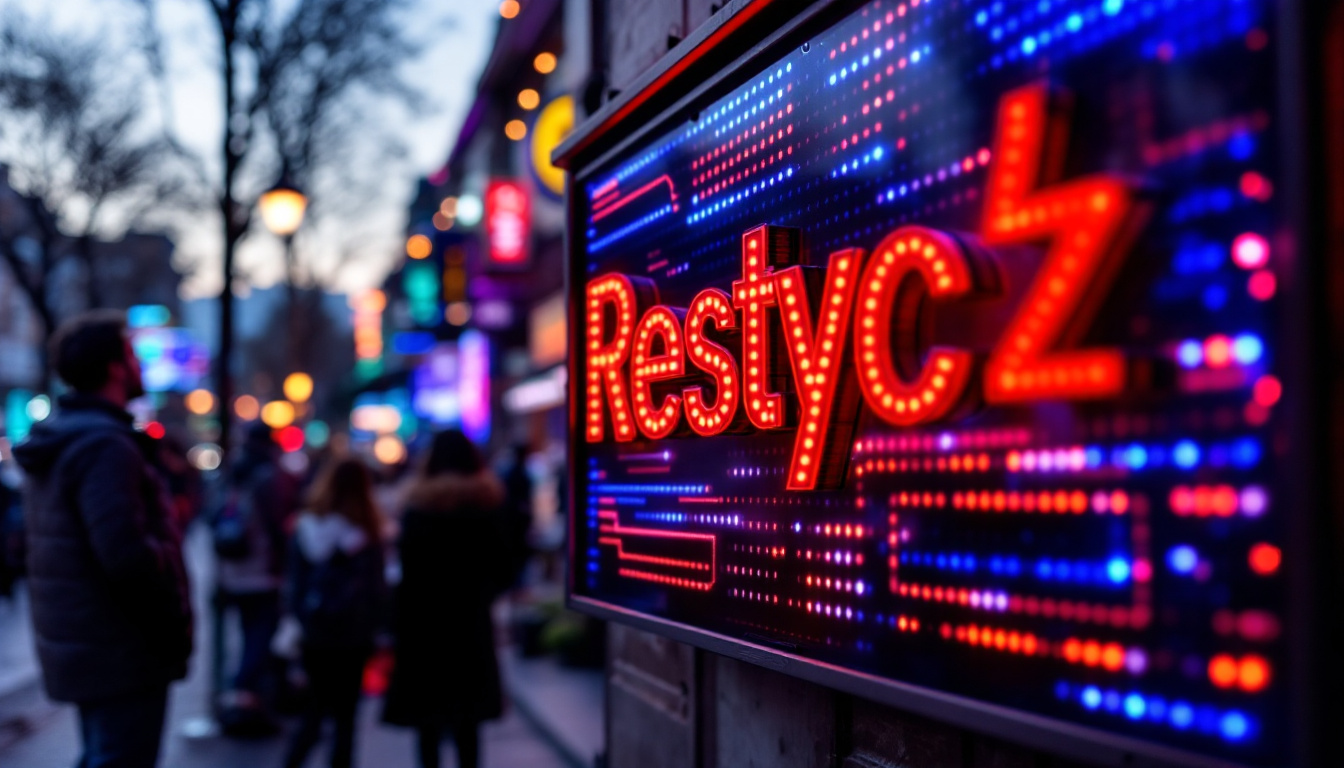
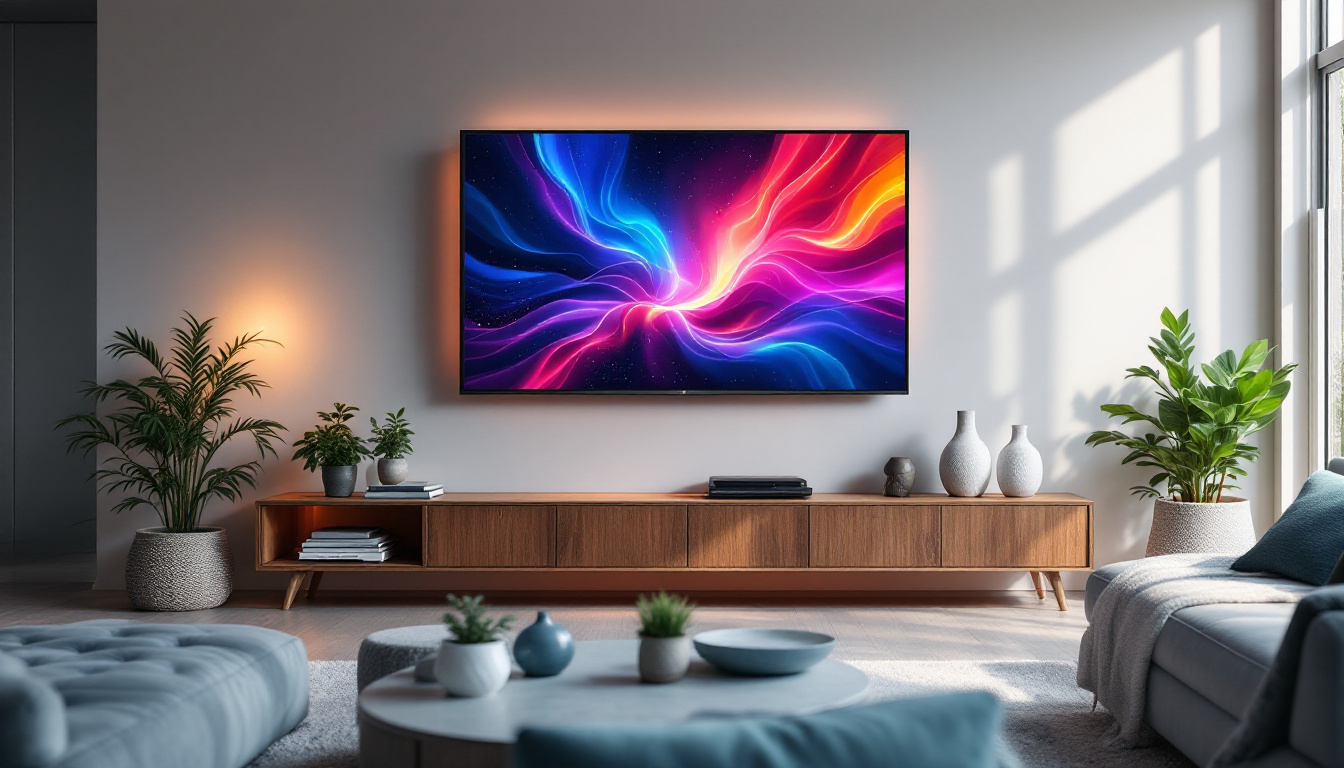
An LED board sign is a type of digital display that uses light-emitting diodes (LEDs) to present text, images, and videos. Unlike traditional static signs, LED boards can change their content dynamically, allowing for real-time updates and animations. This flexibility makes them ideal for advertising, informational displays, and interactive messaging.
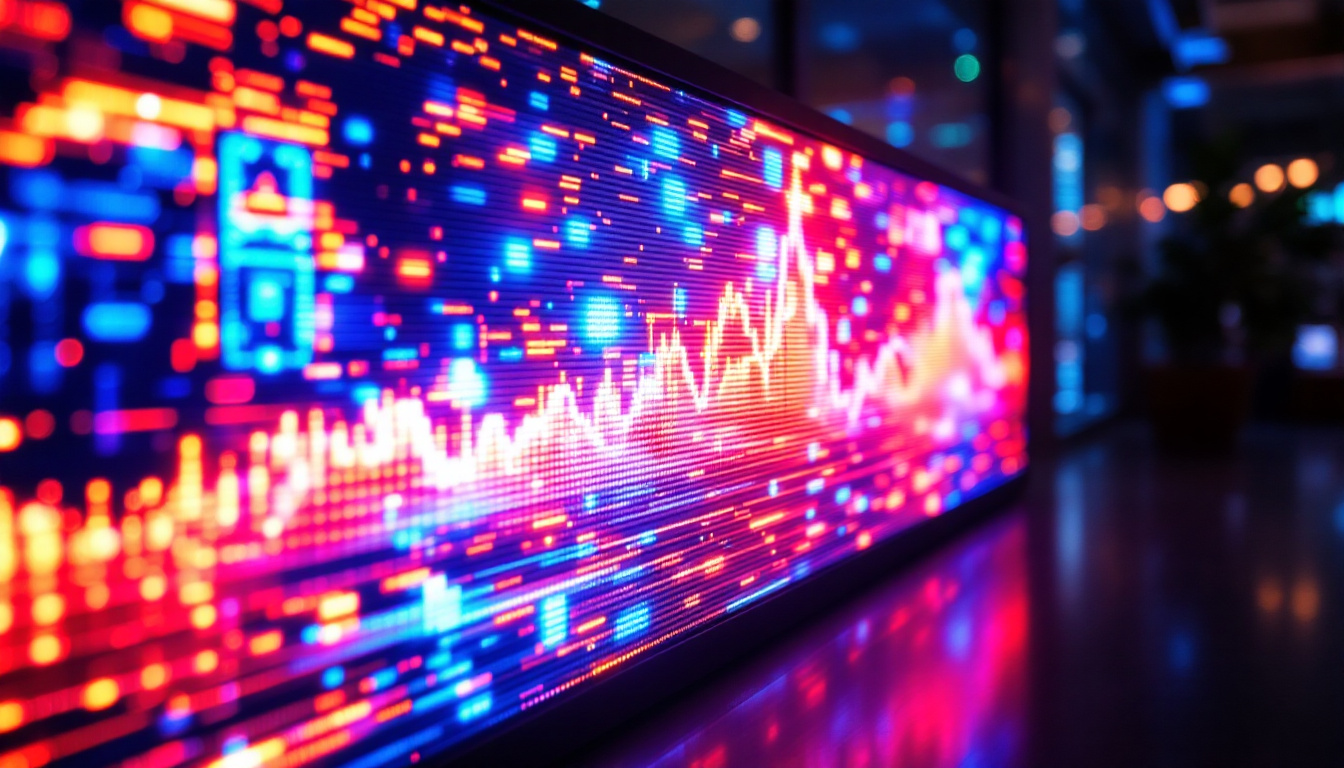
LEDs are semiconductor devices that emit light when an electric current passes through them. These tiny light sources are arranged in a matrix to form pixels, which collectively create the images and text seen on the display. The brightness, color, and resolution of an LED board depend on the quality and arrangement of these diodes. Due to their energy efficiency and long lifespan, LED board signs are not only cost-effective in the long run but also environmentally friendly compared to traditional neon or fluorescent signs.
In addition to their energy efficiency, LED board signs can be programmed to display a variety of content, from simple text messages to complex animations and videos. This versatility is particularly advantageous for businesses that want to promote special offers or events, as they can easily update their messaging without the need for new materials or extensive labor. Furthermore, the ability to integrate with social media and other digital platforms allows for real-time engagement with customers, making these signs a powerful tool for modern marketing strategies.
How Do LED Displays Work?
At the core of an LED display is a grid of LEDs controlled by a driver circuit and a control system. The control system receives input data—such as text, images, or video—and translates it into signals that activate specific LEDs in patterns to form the desired output.
Modern LED boards often use full-color RGB LEDs, which combine red, green, and blue diodes within each pixel. By varying the intensity of these three colors, virtually any color can be displayed. This capability allows for vibrant, eye-catching visuals that stand out even in bright daylight. The use of advanced technology, such as pixel mapping and color calibration, further enhances the visual quality, ensuring that the displayed content is not only striking but also accurate in color representation.
The refresh rate, or how often the display updates its image, is another crucial factor. High refresh rates prevent flickering and ensure smooth animations, which is especially important for video content and scrolling text. Additionally, many LED displays come equipped with sensors that adjust brightness based on ambient light conditions, ensuring optimal visibility at all times. This adaptability not only improves the viewer experience but also contributes to energy savings by reducing power consumption during low-light conditions.
Advantages of LED Board Signs
High Visibility and Brightness
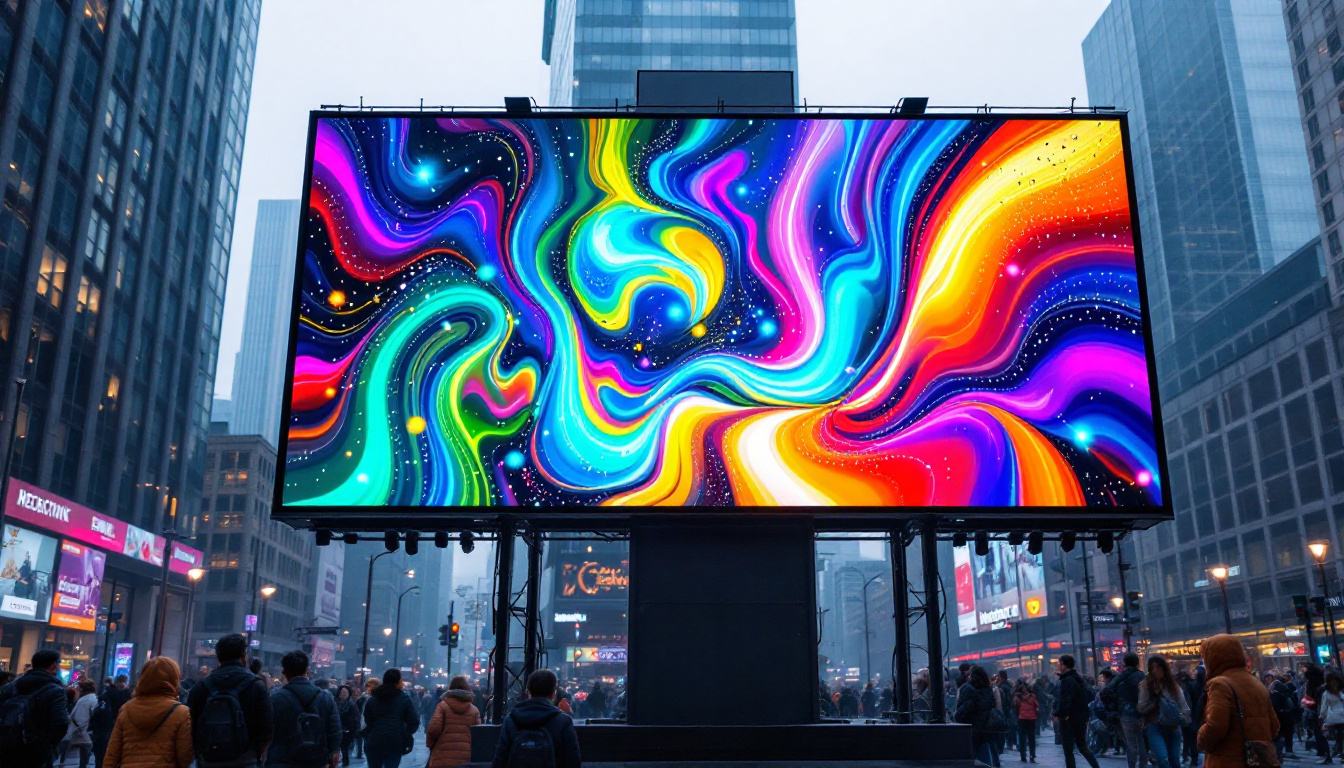
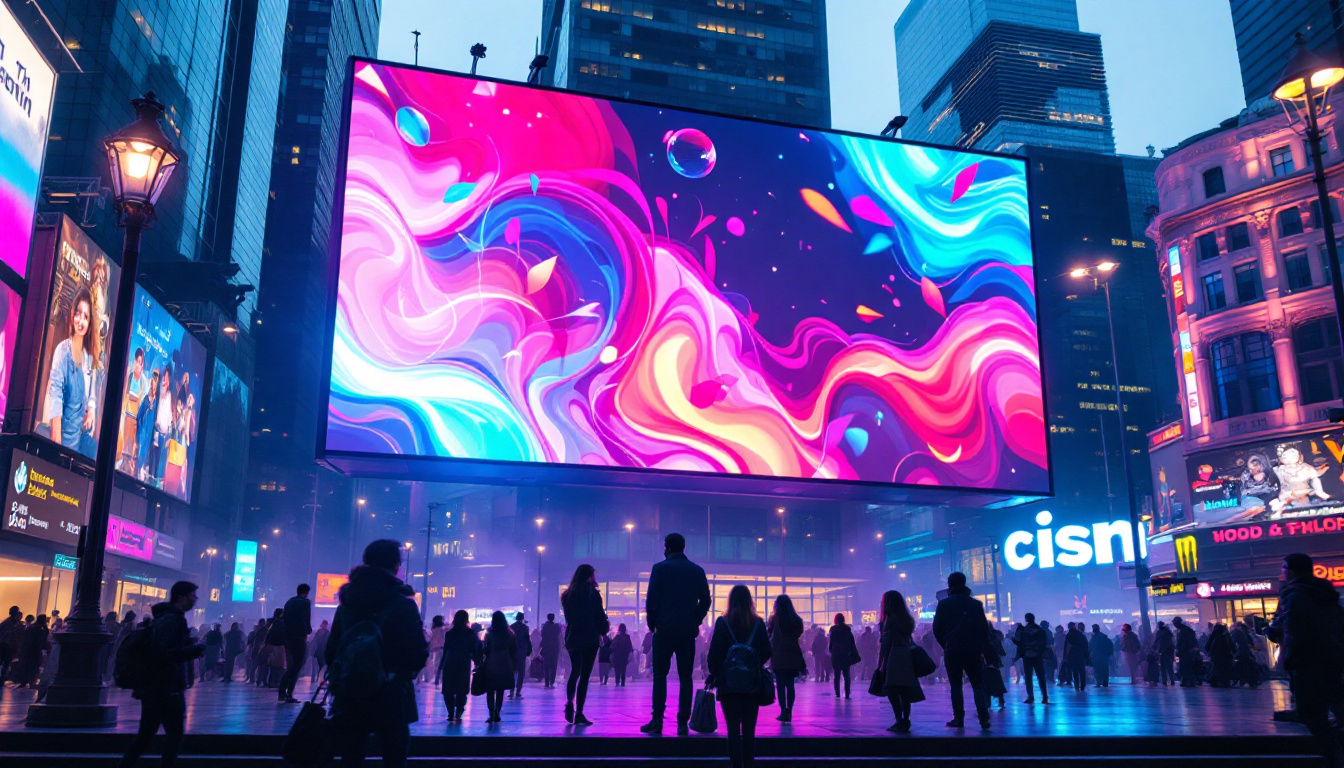
One of the most significant advantages of LED board signs is their exceptional brightness. LEDs can produce intense light that is visible from great distances and in various lighting conditions, including direct sunlight. This makes LED signs highly effective for outdoor advertising and public announcements.
According to industry data, LED displays can reach brightness levels of up to 10,000 nits, far surpassing traditional LCD or neon signs. This brightness ensures that messages remain clear and legible, day or night. Moreover, the color spectrum that LEDs can produce is broad and vibrant, allowing for eye-catching displays that can attract attention and draw in potential customers. The ability to adjust brightness levels based on ambient light conditions further enhances their effectiveness, ensuring that the signs are always optimally visible.
Energy Efficiency and Longevity
LED technology is renowned for its energy efficiency. Compared to incandescent or fluorescent lighting, LEDs consume significantly less power while delivering superior brightness. This efficiency translates to lower operating costs and a smaller environmental footprint.
Additionally, LEDs have a long operational lifespan, often exceeding 50,000 hours. This durability reduces maintenance requirements and replacement costs, making LED board signs a cost-effective investment over time. The reduced need for frequent replacements not only saves money but also minimizes waste, contributing to a more sustainable business model. Furthermore, many LED signs are designed with advanced thermal management systems that help to dissipate heat, further extending their lifespan and maintaining performance quality over time.
Dynamic Content and Flexibility
Unlike static signs, LED boards can display a wide range of content types, including text, images, animations, and video. This flexibility allows businesses to tailor their messaging to different audiences or times of day without the need for physical sign changes.
For example, a retail store can promote morning specials, afternoon sales, and evening events all on the same display, updating content remotely via software. This dynamic capability enhances engagement and responsiveness. Additionally, the ability to integrate real-time data—such as weather updates, social media feeds, or news headlines—can further enrich the viewer’s experience, making the sign not just a tool for advertising but also a source of valuable information. This adaptability is particularly beneficial for businesses in fast-paced environments, where timely communication can significantly impact customer decisions.
Common Applications of LED Board Signs
Retail and Advertising
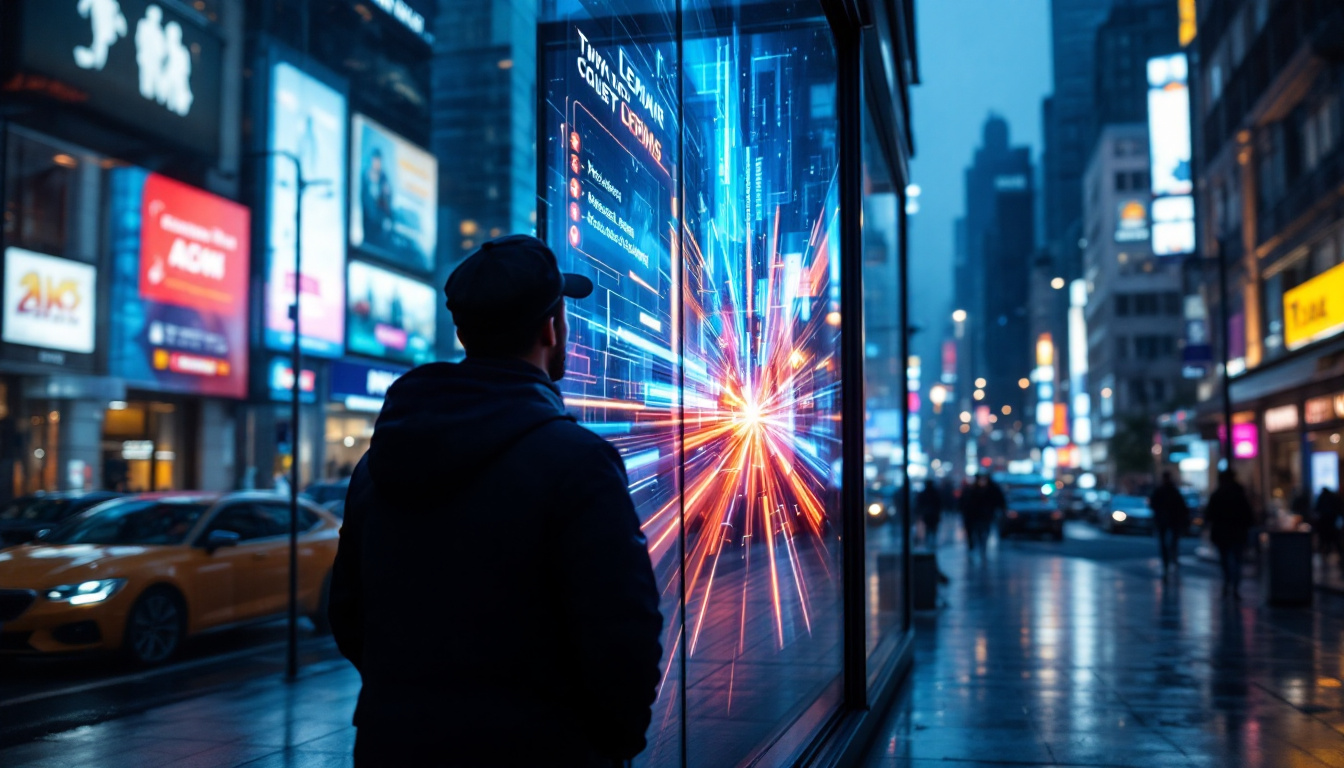
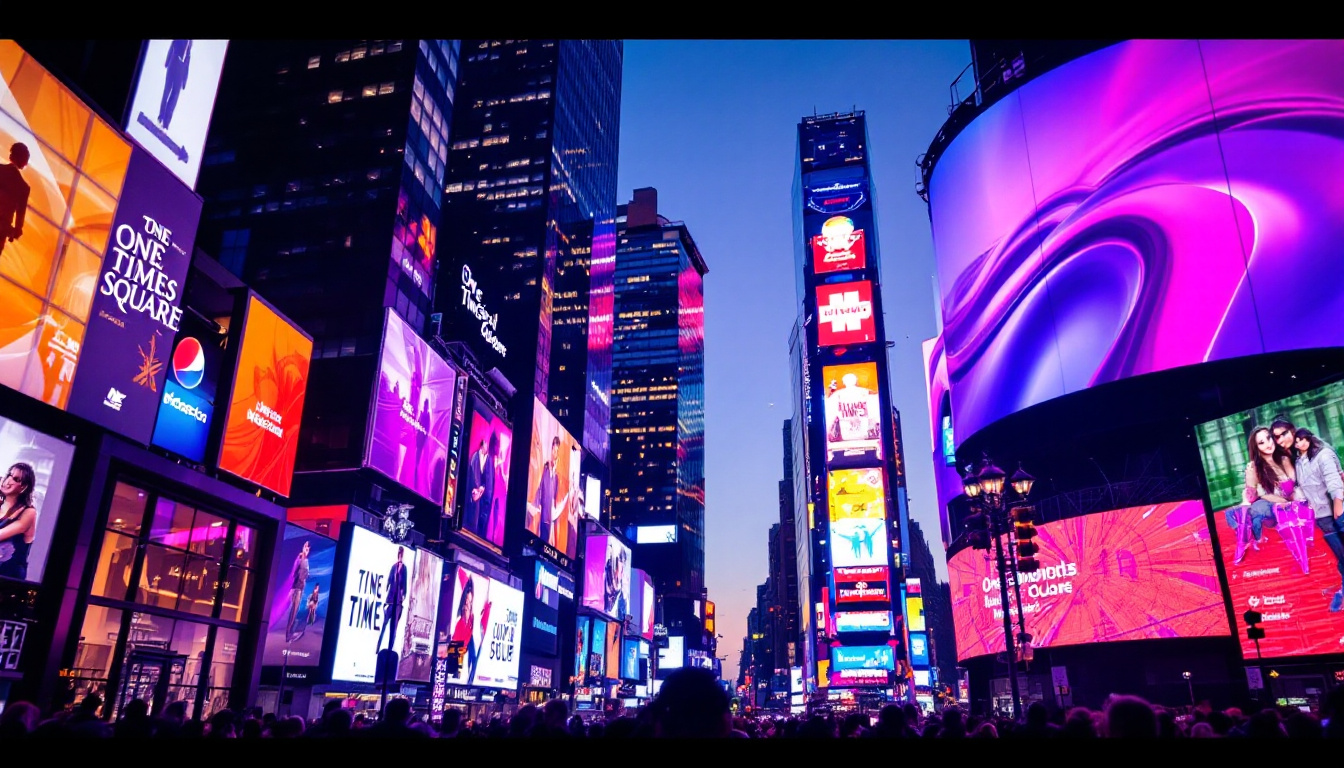
Retailers widely use LED board signs to attract customers and promote products. The ability to display colorful, animated advertisements helps stores stand out in competitive environments. LED signs can be customized to fit storefront windows, outdoor billboards, or indoor promotional displays.
Research indicates that digital signage, including LED displays, can increase customer engagement by up to 30%. This boost in attention often translates into higher foot traffic and sales.
Transportation and Public Information
LED boards are extensively used in transportation hubs such as airports, train stations, and bus terminals. They provide real-time updates on schedules, delays, and safety information. Their high visibility and clarity make them ideal for guiding large crowds efficiently.
Municipalities also use LED signs for traffic management, displaying speed limits, warnings, and alerts. These signs enhance road safety by delivering timely information to drivers.
Events and Entertainment
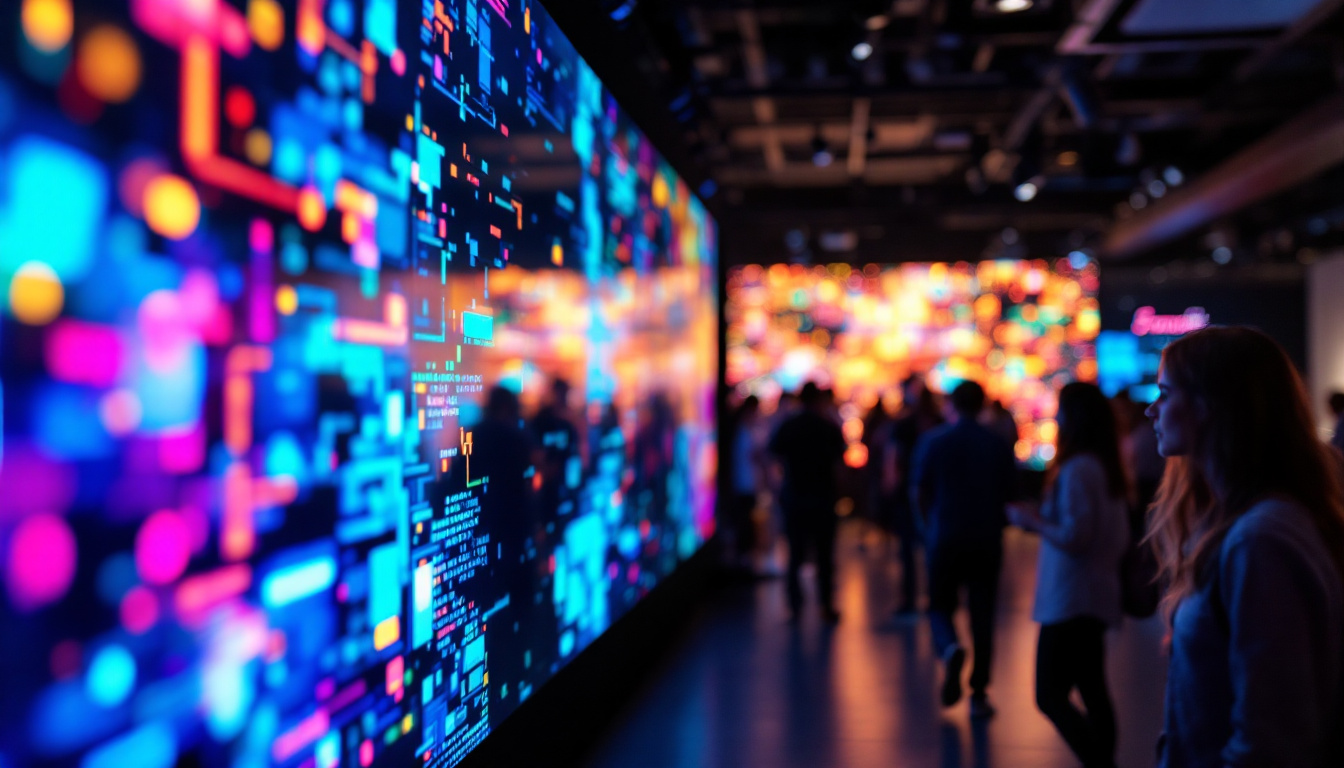
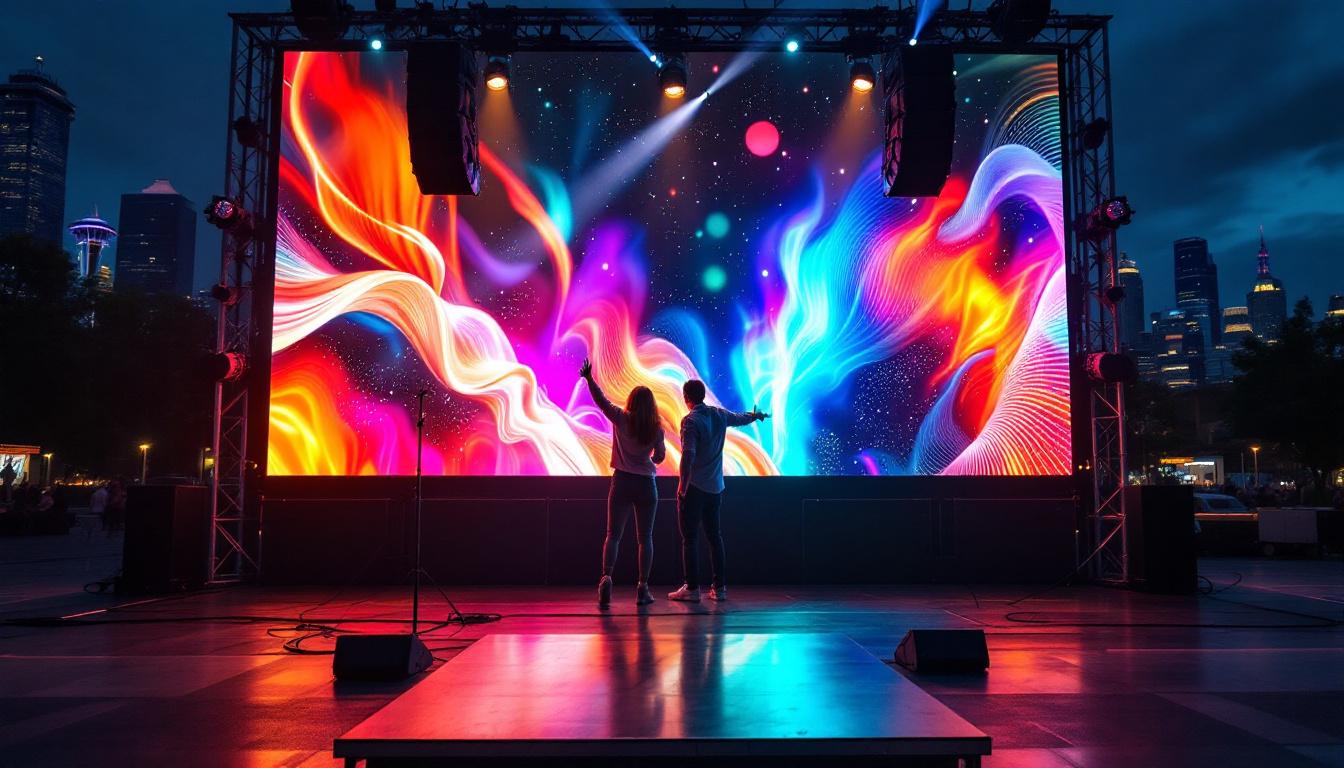
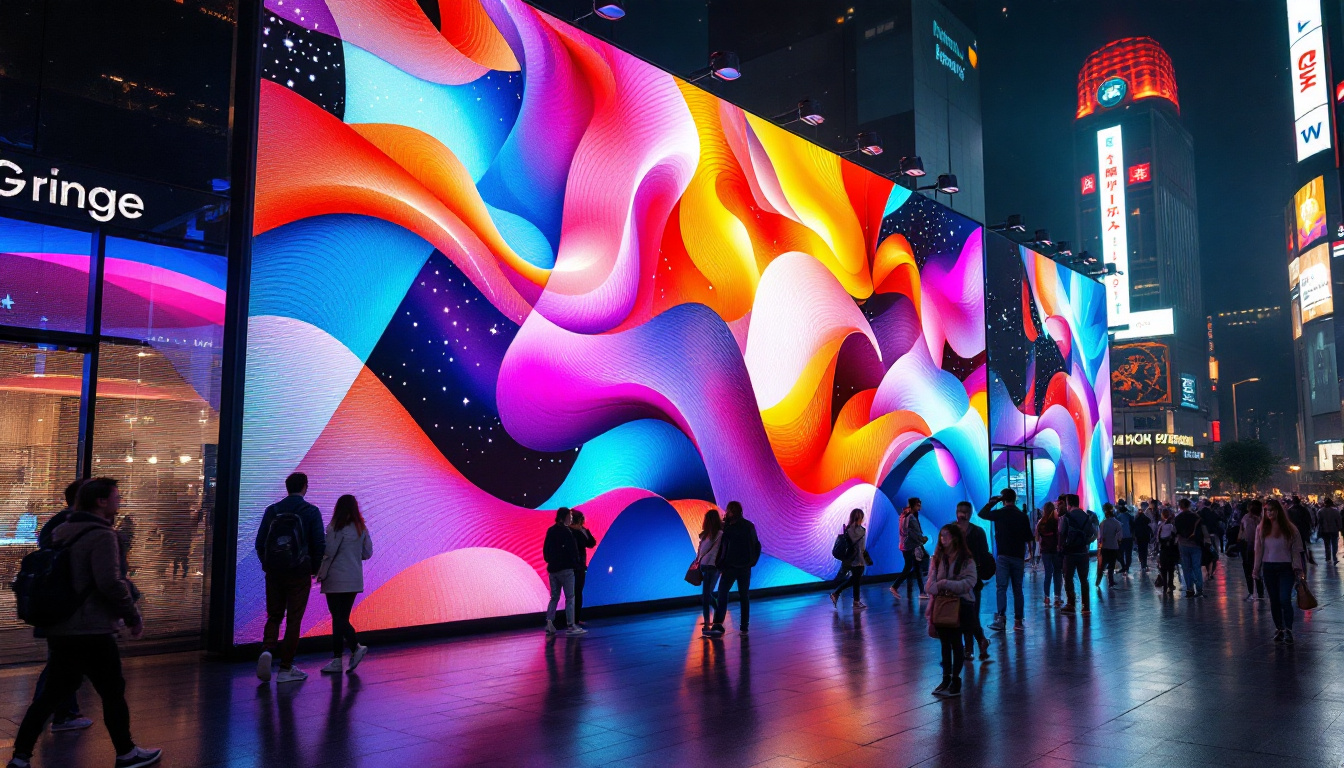
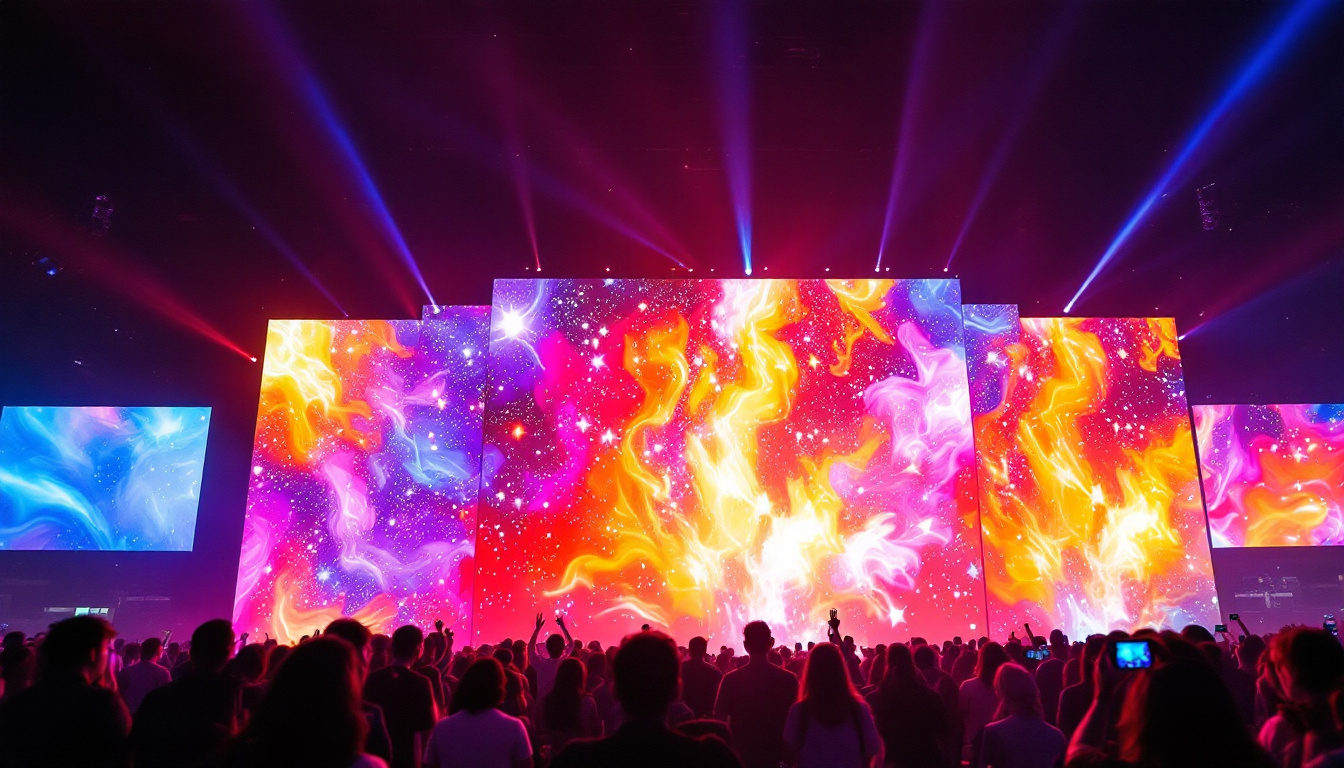
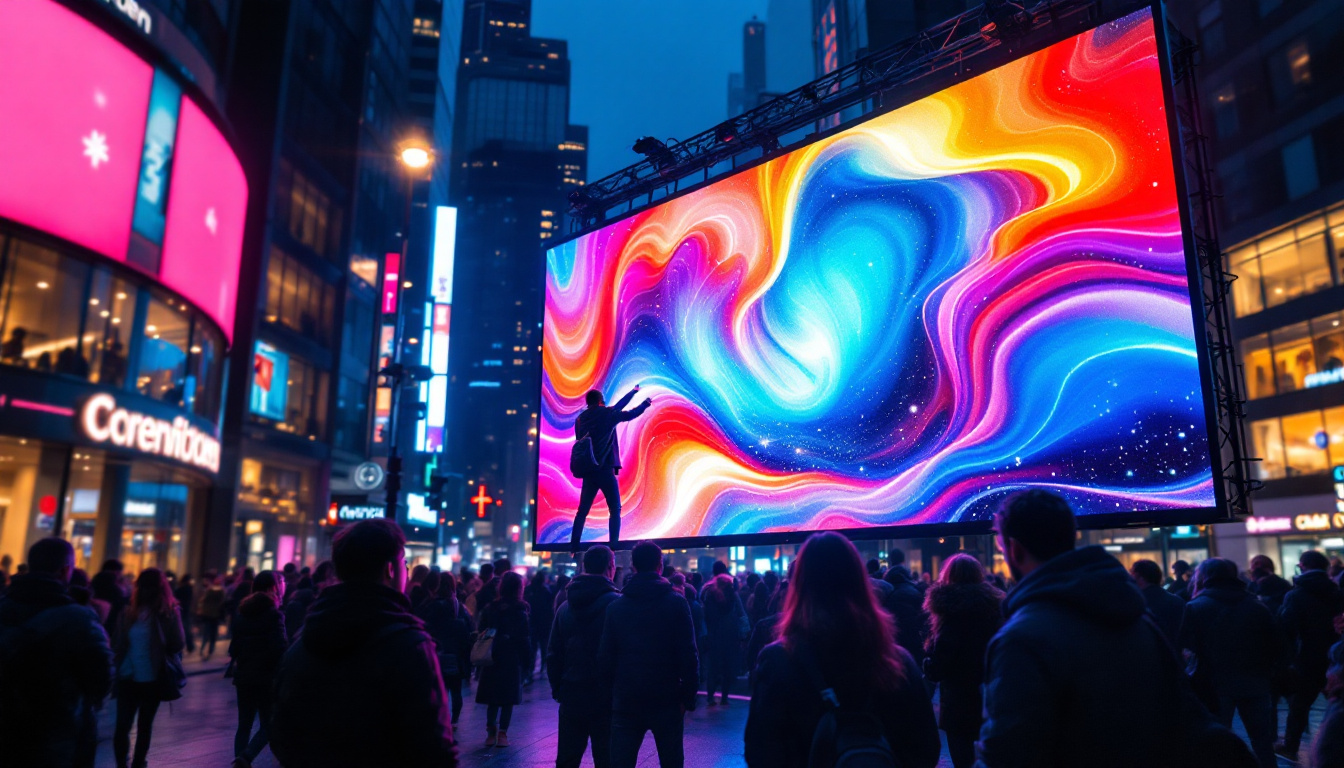
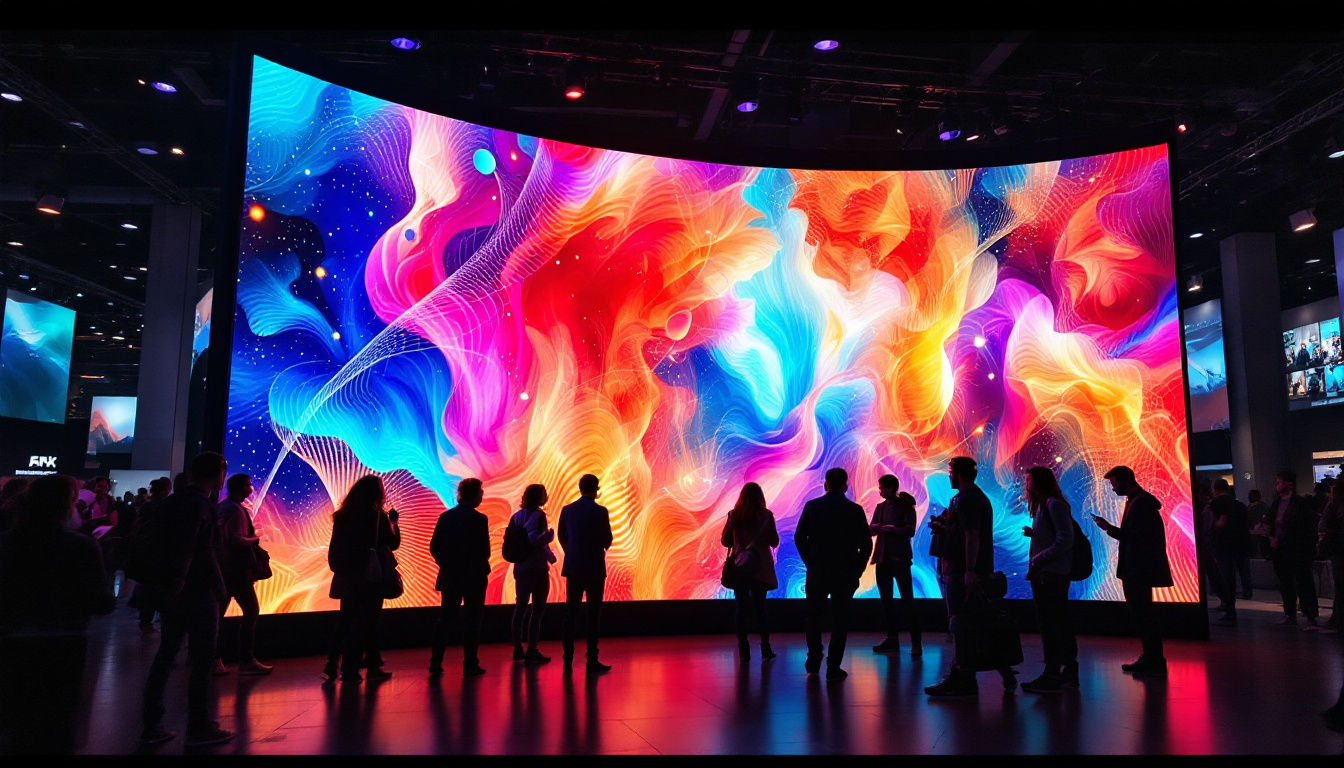
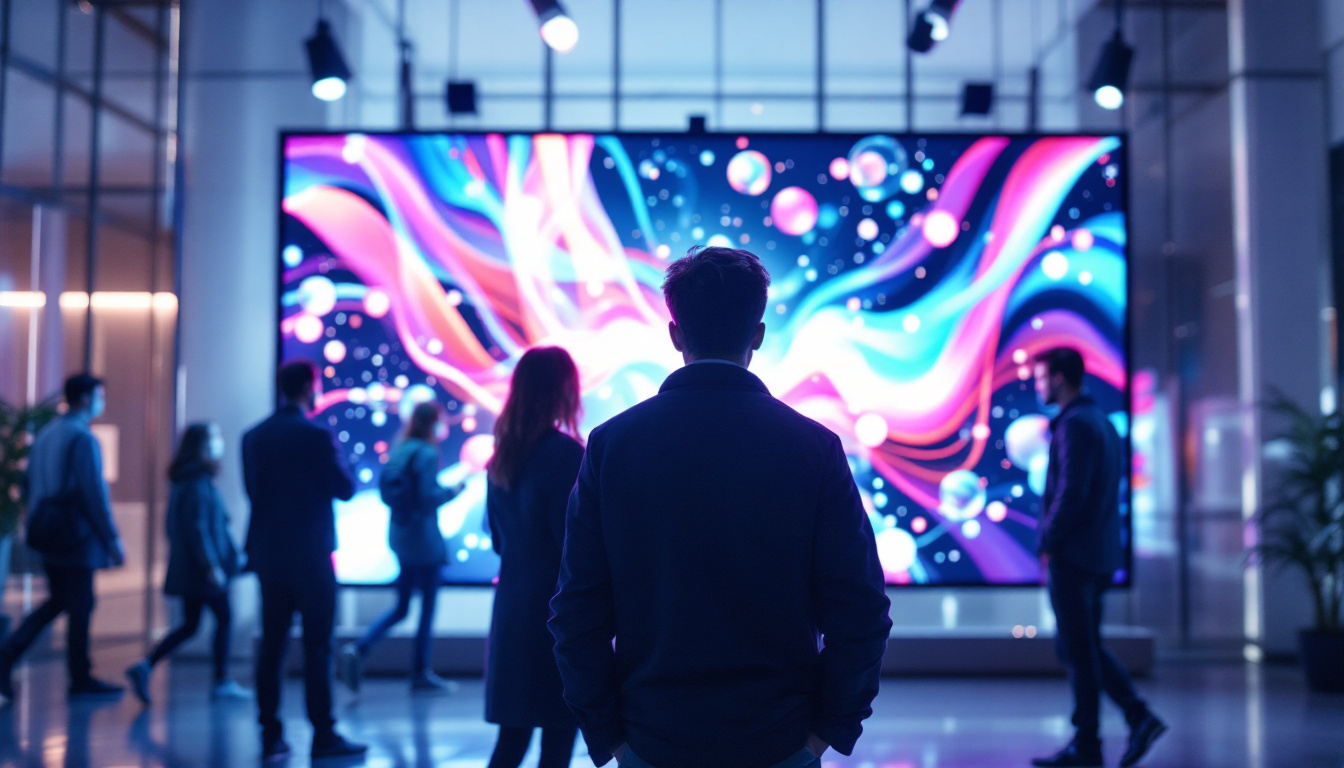
Concerts, sports arenas, and festivals leverage LED board signs to engage audiences with live scores, event schedules, and interactive content. The ability to display high-resolution video and dynamic graphics enhances the overall experience for attendees.
Moreover, LED displays can be configured into various shapes and sizes, allowing creative installations that complement event themes and branding.
Choosing the Right LED Board Sign
Resolution and Pixel Pitch
Resolution refers to the number of pixels on the display, while pixel pitch is the distance between the centers of adjacent pixels. A smaller pixel pitch means higher resolution and sharper images, which is essential for close viewing distances.
For outdoor signs viewed from afar, a larger pixel pitch (e.g., 10mm to 20mm) is sufficient. Indoor signs or those meant for close-up viewing require finer pixel pitches (e.g., 2mm to 6mm) to ensure clarity.
Size and Viewing Distance
The physical size of the LED board sign should correspond to the typical viewing distance. Larger signs are suitable for highways or large venues, while smaller displays work well in storefronts or indoor environments.
As a rule of thumb, the optimal viewing distance is roughly 10 times the pixel pitch. For example, a sign with a 10mm pixel pitch is best viewed from about 100mm (or 10 meters) away.
Brightness and Environmental Considerations
Brightness requirements vary depending on the installation environment. Outdoor signs require higher brightness levels to combat sunlight glare, while indoor signs can operate at lower brightness to avoid eye strain.
Weatherproofing is also critical for outdoor LED boards. Look for signs with IP65 or higher ratings to ensure resistance to dust and water.
Control Systems and Connectivity
Modern LED board signs come with sophisticated control systems that allow remote content management via Wi-Fi, Ethernet, or cellular networks. This connectivity enables quick updates and scheduling without on-site intervention.
Some systems also support integration with social media feeds, live data streams, or interactive features, expanding the possibilities for engagement.
Future Trends in LED Display Technology
MicroLED and MiniLED Innovations
Emerging technologies like MicroLED and MiniLED promise even higher resolution, better color accuracy, and improved energy efficiency. These advancements will enable thinner, lighter, and more flexible displays that can be integrated into a wider range of surfaces and products.
Interactive and Smart LED Boards
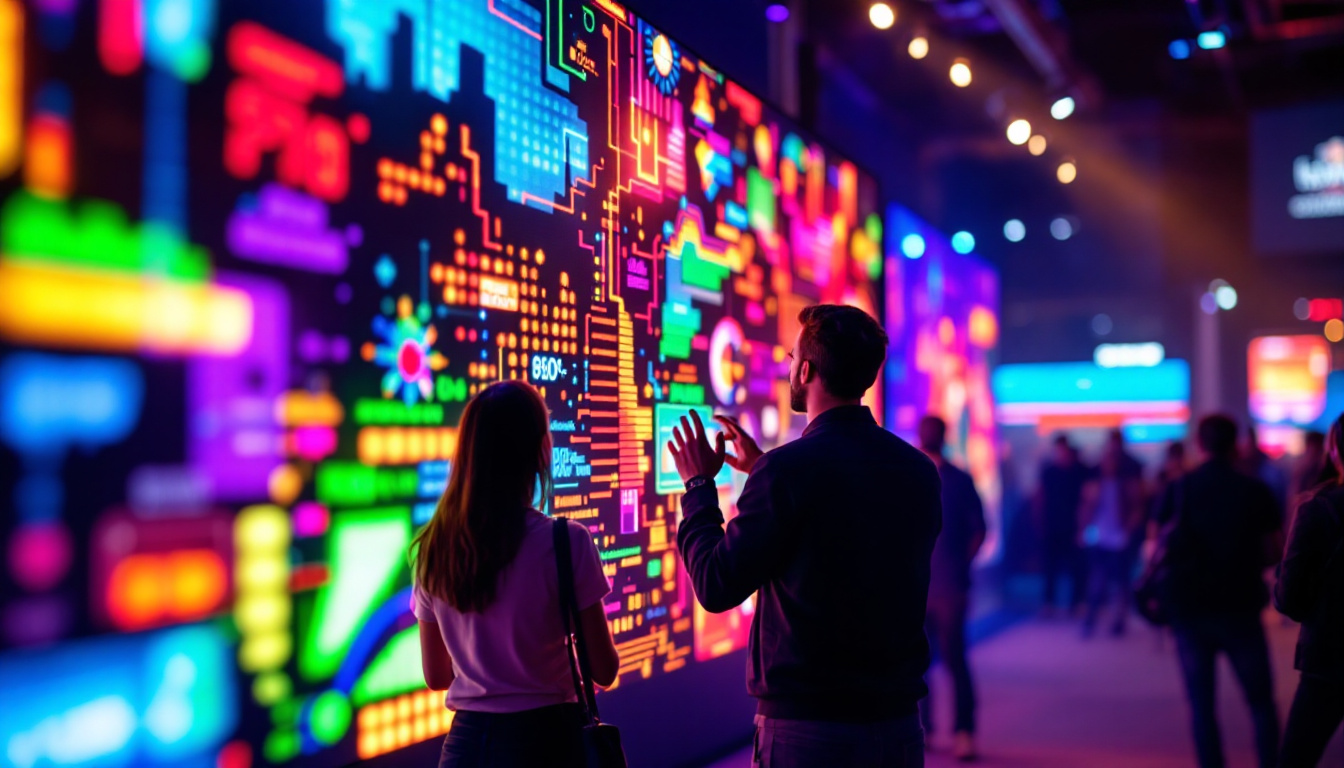
Interactivity is becoming a key feature in LED signage. Touch-sensitive LED boards and those equipped with sensors can respond to user input, creating personalized experiences. Combined with AI and data analytics, these smart displays can deliver targeted content based on audience behavior.
Sustainability and Eco-Friendly Designs
As sustainability gains importance, manufacturers are focusing on eco-friendly materials and designs for LED boards. This includes recyclable components, reduced power consumption, and longer-lasting products that minimize waste.
Conclusion
LED board signs have revolutionized visual communication by offering bright, dynamic, and energy-efficient displays suitable for a wide array of applications. Their ability to deliver vivid content that can be updated in real-time makes them indispensable tools for businesses, public services, and entertainment venues.
Understanding the technical aspects such as resolution, brightness, and control systems is essential when selecting the right LED board sign. With ongoing innovations like MicroLED technology and interactive capabilities, the future of LED displays promises to be even more exciting and versatile.
Investing in a high-quality LED board sign can significantly enhance visibility, engagement, and messaging effectiveness, making it a smart choice for anyone looking to communicate with impact in today’s digital age.
Illuminate Your Message with LumenMatrix
Ready to elevate your visual communication and captivate your audience like never before? Discover LumenMatrix’s wide range of innovative LED display solutions, from the vibrant Indoor LED Wall Display to the dynamic Outdoor LED Wall Display, and beyond. Whether you’re looking to make an impact with a Vehicle LED Display, dazzle with an LED Sports Display, or create a unique experience with Custom LED Displays, LumenMatrix has the technology to bring your vision to life. Embrace the future of digital signage with LumenMatrix and Check out LumenMatrix LED Display Solutions today to transform your space and message into an unforgettable visual journey.