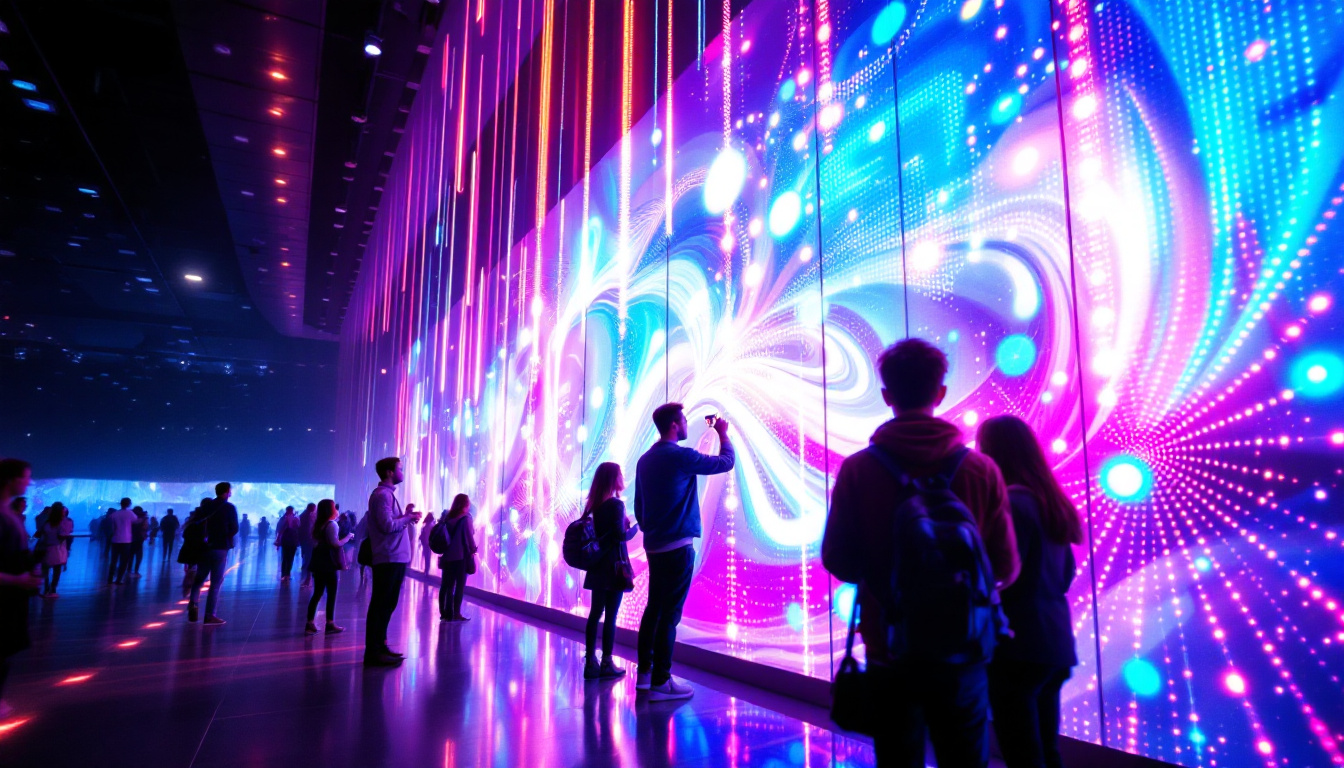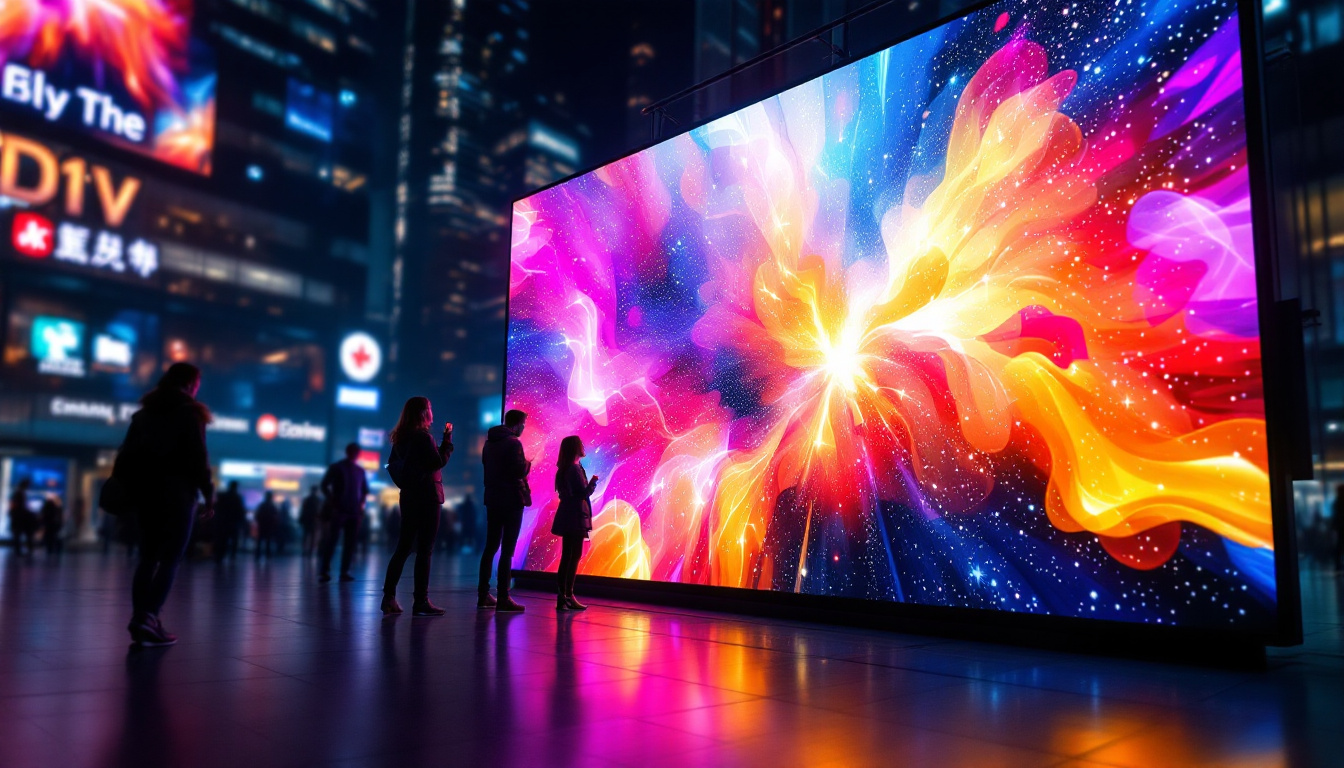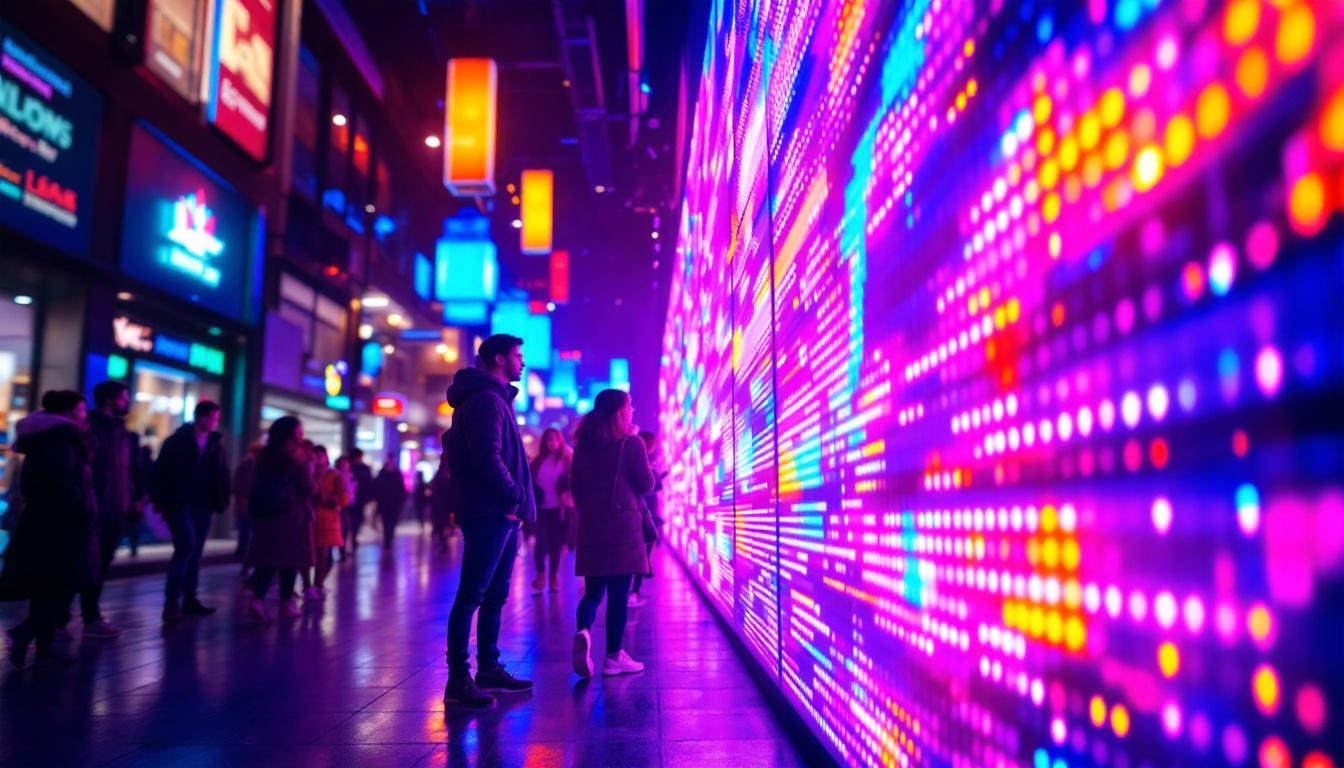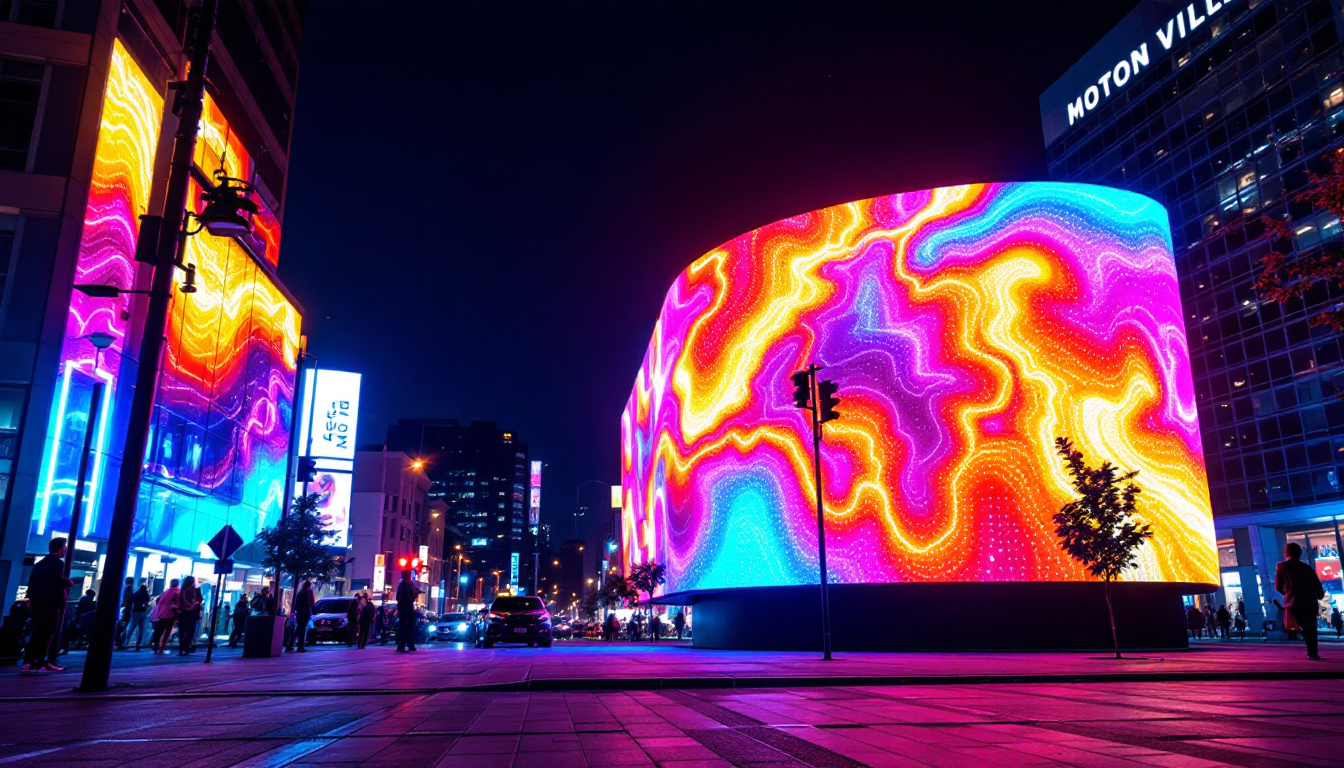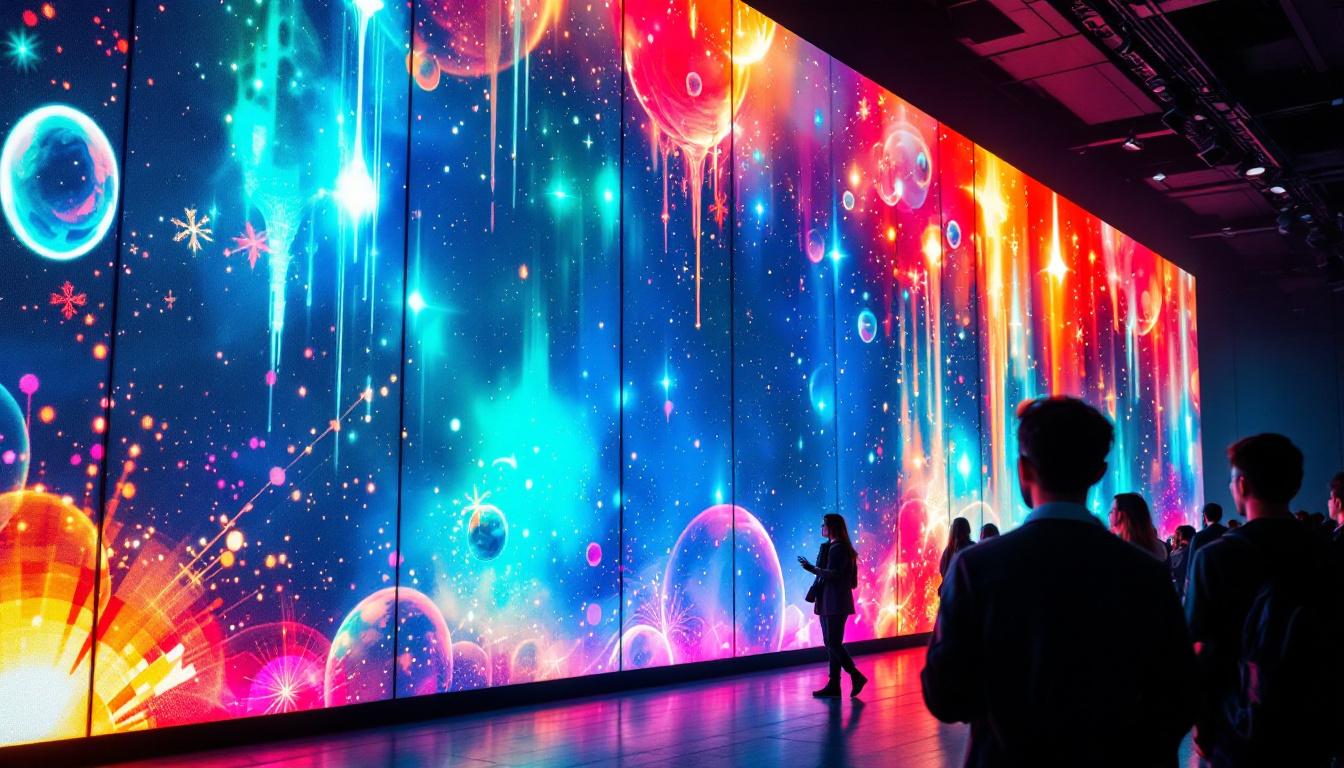
In the rapidly evolving world of digital signage and event production, LED curtain video walls have emerged as a transformative technology. Offering unparalleled flexibility, vibrant visuals, and seamless integration, these displays are redefining how audiences experience content in large venues, concerts, retail environments, and corporate settings. This article provides an in-depth explanation of LED curtain video walls, exploring their technology, applications, benefits, and key considerations for deployment.
Understanding LED Curtain Video Walls
What Is an LED Curtain Video Wall?
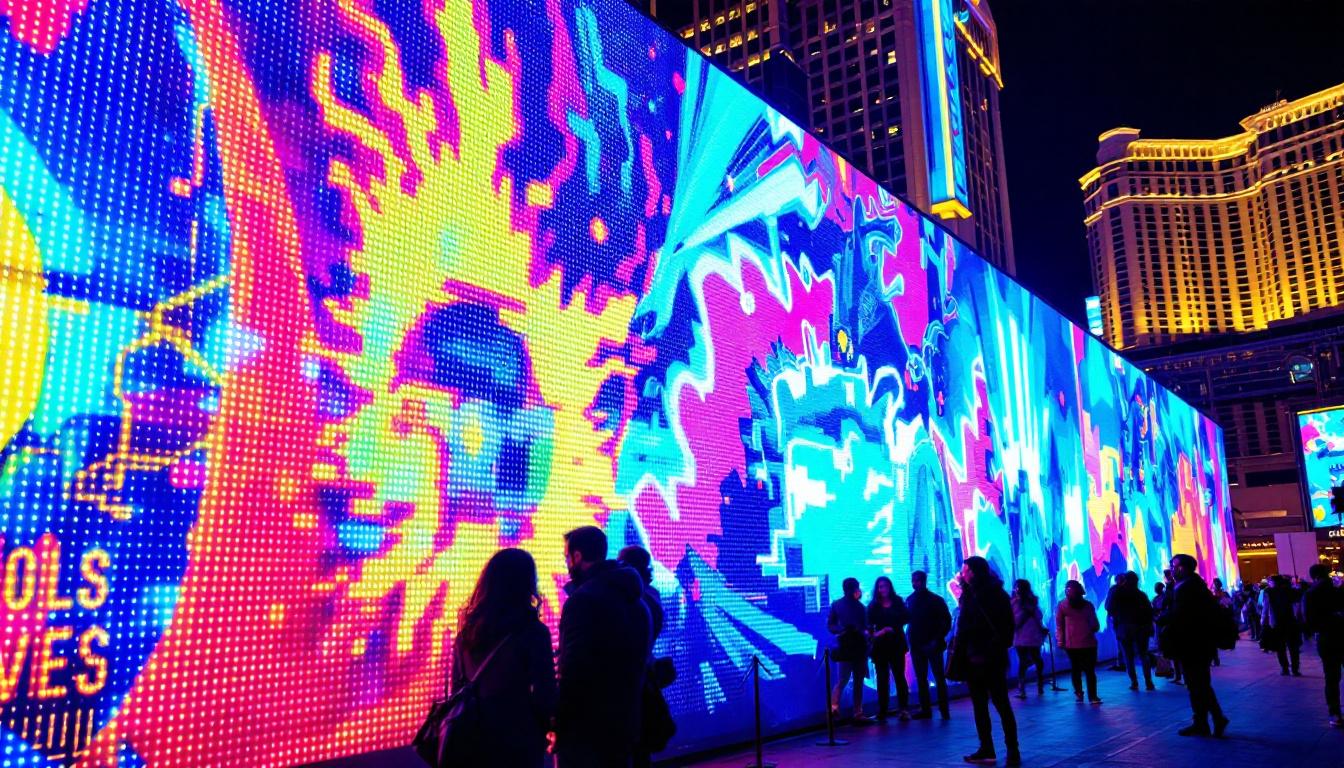
An LED curtain video wall is a type of large-scale digital display composed of numerous lightweight LED panels arranged in a flexible, often semi-transparent curtain-like configuration. Unlike traditional rigid LED walls, these curtains are designed to be lightweight and portable, allowing them to be hung or draped across structures such as trusses, stages, or building facades.
The key characteristic that sets LED curtain walls apart is their mesh-like design, which permits airflow and light to pass through. This feature is especially valuable for outdoor events or venues where wind resistance and natural lighting are factors. The panels are interconnected with cables and controlled by sophisticated video processors to create a seamless, high-resolution display.
How Does LED Curtain Technology Work?
At the core of LED curtain video walls are thousands of tiny light-emitting diodes (LEDs) arranged in a grid. Each LED acts as an individual pixel, capable of producing vibrant colors and brightness levels. The curtain’s mesh structure spaces these LEDs apart on a flexible substrate, enabling the entire assembly to bend or fold without damaging the electronics.
Video content is fed into the system via a controller that synchronizes the LEDs across all panels, ensuring smooth playback and consistent color reproduction. Modern LED curtains support high refresh rates and wide color gamuts, making them suitable for dynamic video, animations, and live feeds. Additionally, the semi-transparent nature of the curtain allows for creative layering effects, where background lighting or scenery remains partially visible through the display.
Key Features and Benefits of LED Curtain Video Walls
Lightweight and Flexible Design
One of the most significant advantages of LED curtain video walls is their lightweight construction. Traditional LED walls can weigh hundreds of kilograms, requiring heavy-duty support structures. In contrast, LED curtains weigh significantly less, often under 10 kilograms per square meter, making them easier to transport, install, and dismantle.
The flexibility of these curtains means they can be shaped to fit curved surfaces or irregular spaces, expanding creative possibilities for event designers and architects. This adaptability also reduces setup time and labor costs, a critical factor for touring concerts or temporary installations.
High Transparency and Airflow
LED curtains typically offer transparency rates between 40% and 70%, depending on the pixel pitch and mesh density. This transparency allows natural light to pass through, making them ideal for glass facades, retail windows, or outdoor venues where maintaining visibility is important.
Moreover, the open mesh design facilitates airflow, reducing wind load and the risk of structural damage during outdoor use. This feature also helps prevent overheating of the LEDs, enhancing the longevity and reliability of the display.
Superior Visual Performance
Despite their lightweight and transparent design, LED curtain video walls deliver impressive visual quality. Advances in LED technology have enabled pixel pitches as fine as 2.5mm, providing sharp images even at close viewing distances. Brightness levels can exceed 5,000 nits, ensuring visibility even in direct sunlight.
The high refresh rates, often above 3,000 Hz, eliminate flickering in video content, which is essential for broadcast applications and live events. Additionally, the wide color gamut and high contrast ratios produce vivid, immersive visuals that captivate audiences.
Energy Efficiency and Durability
LED technology is inherently energy-efficient compared to other display types such as LCD or projection. LED curtains consume less power while delivering brighter images, which translates into lower operational costs and reduced environmental impact.
Durability is another hallmark of LED curtains. They are typically rated with IP65 or higher, meaning they are dust-tight and protected against water jets, suitable for outdoor use in various weather conditions. The modular design also allows for easy maintenance and replacement of individual panels without dismantling the entire wall.
Common Applications of LED Curtain Video Walls
Concerts and Live Events
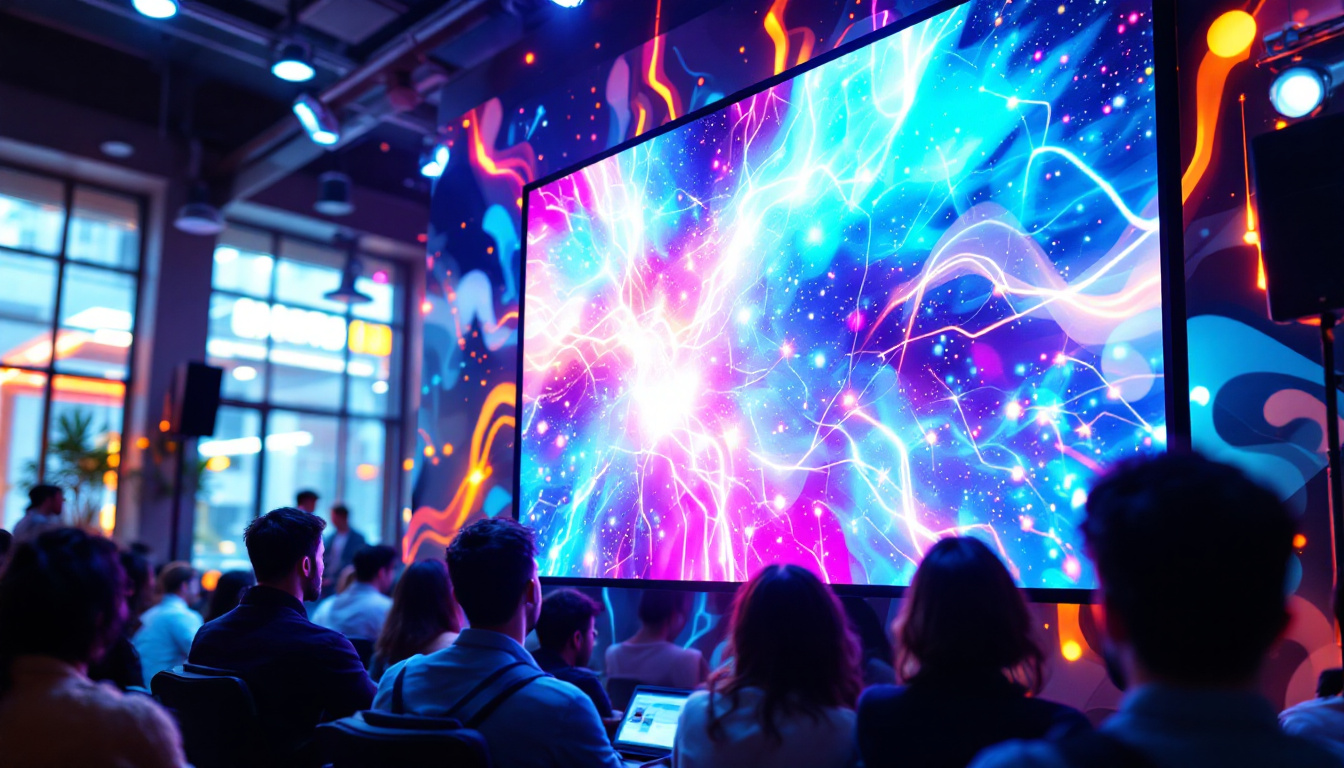
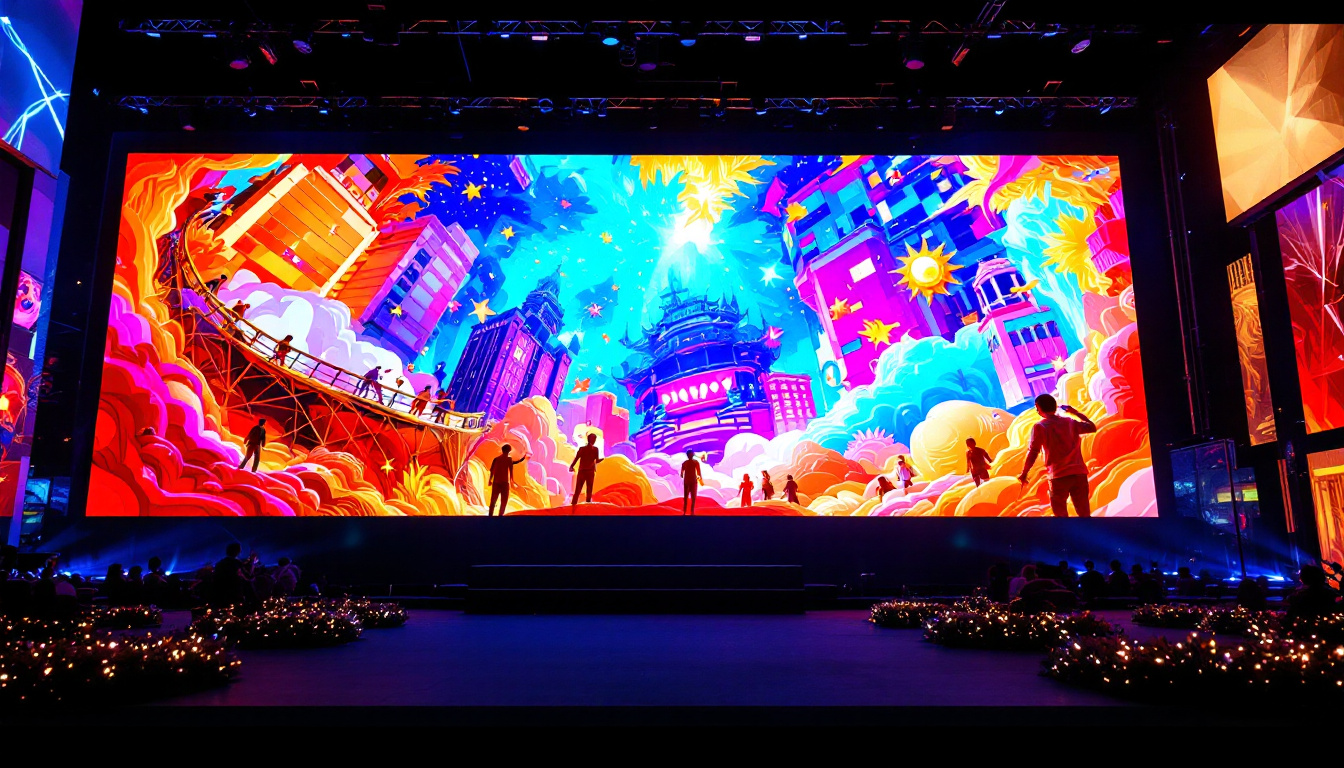
LED curtain video walls have become a staple in the live entertainment industry. Their lightweight and flexible nature make them perfect for touring productions where quick assembly and disassembly are essential. Artists and event producers use these curtains to create dynamic backdrops, immersive stage environments, and interactive visual experiences that enhance performances.
For example, major music festivals often employ LED curtains to cover large stage areas, providing high-impact visuals that can be seen from long distances while maintaining airflow and safety. The ability to integrate live video feeds and real-time graphics adds an engaging layer to the audience experience.
Retail and Advertising
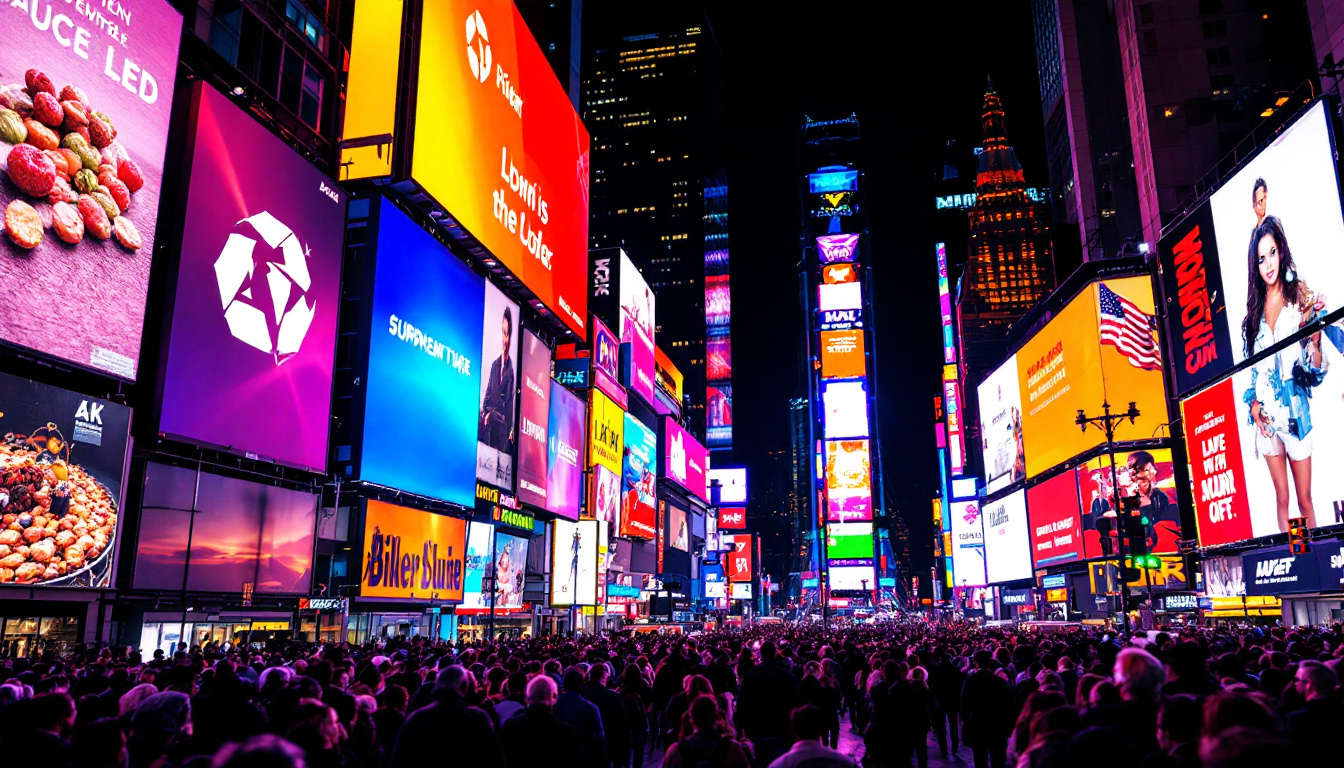
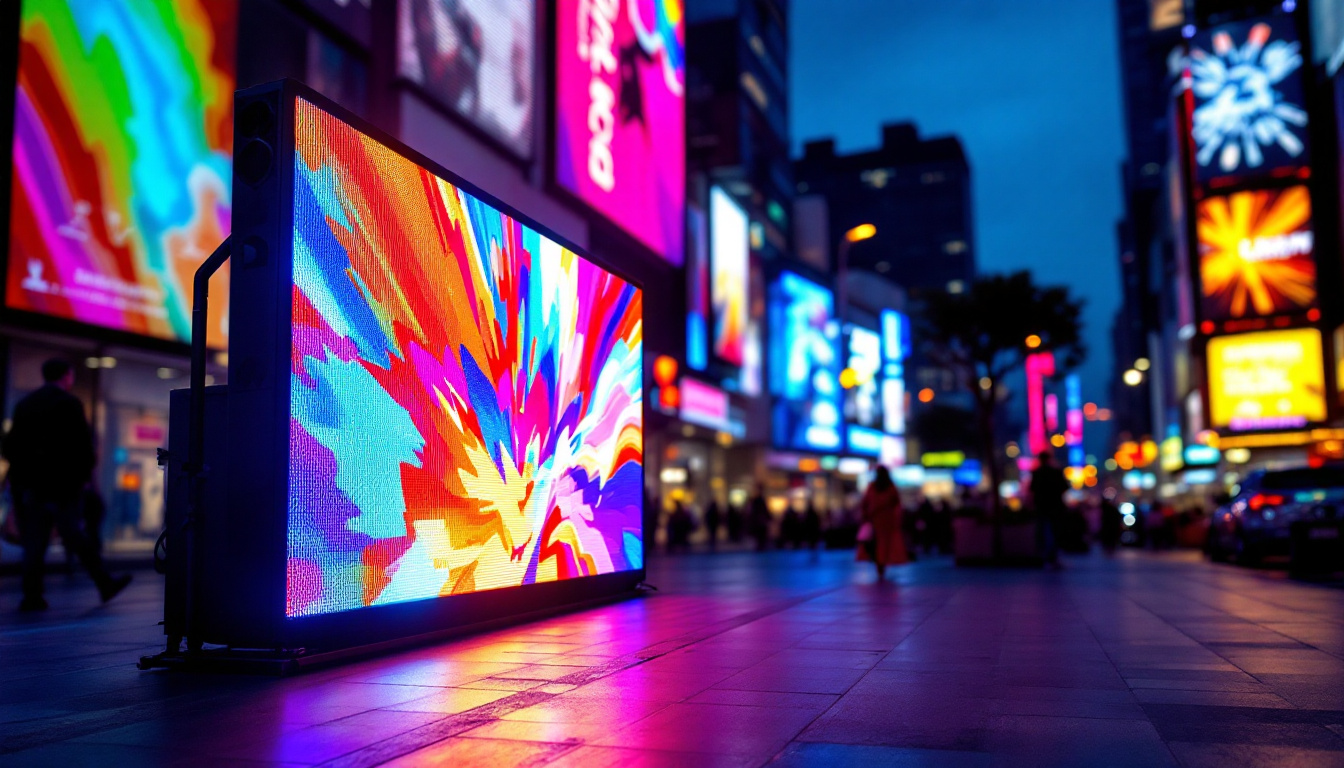
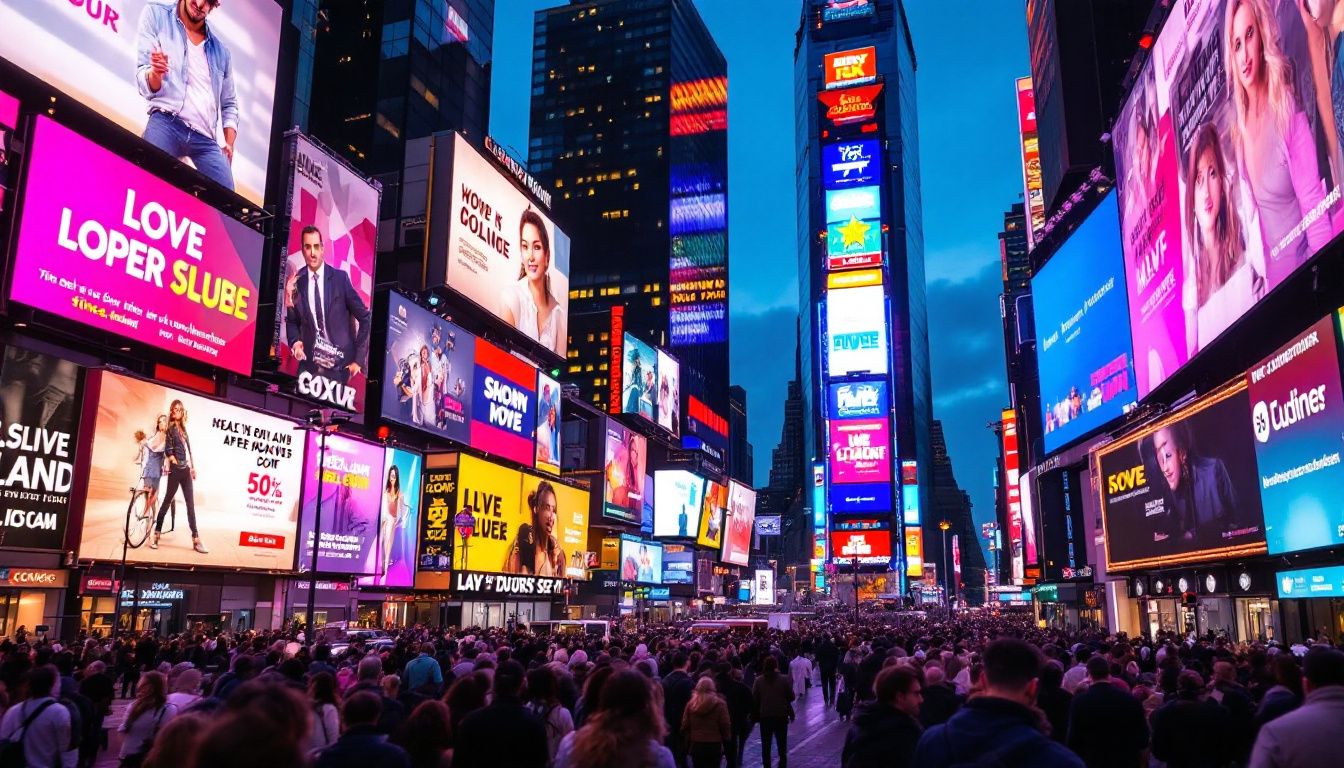
Retailers are increasingly adopting LED curtain video walls for window displays and in-store advertising. The transparency of the curtains allows passersby to see both the digital content and the products behind the display, creating a compelling blend of physical and digital marketing.
Brands use LED curtains to showcase promotions, brand messages, and interactive content that attracts foot traffic and enhances customer engagement. The energy efficiency and durability of LED curtains also make them a cost-effective solution for long-term installations.
Corporate and Exhibition Spaces
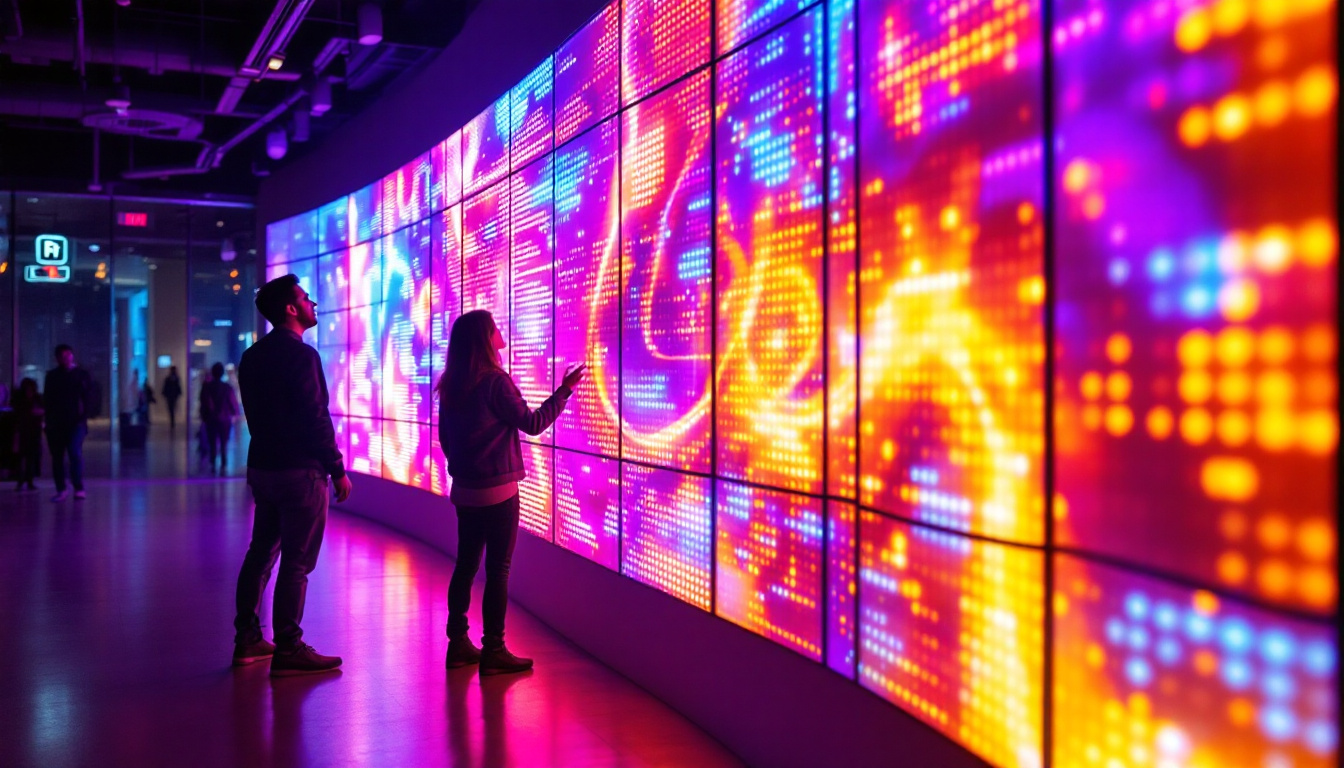
In corporate environments, LED curtain video walls serve as impressive visual tools for conferences, trade shows, and product launches. Their ability to cover large areas without heavy infrastructure allows companies to create impactful presentations and immersive environments that communicate their brand values effectively.
Exhibition designers use LED curtains to partition spaces creatively while displaying dynamic content, enabling flexible layouts and engaging visitor experiences. The portability of these systems also supports frequent relocation and reconfiguration.
Architectural and Outdoor Installations
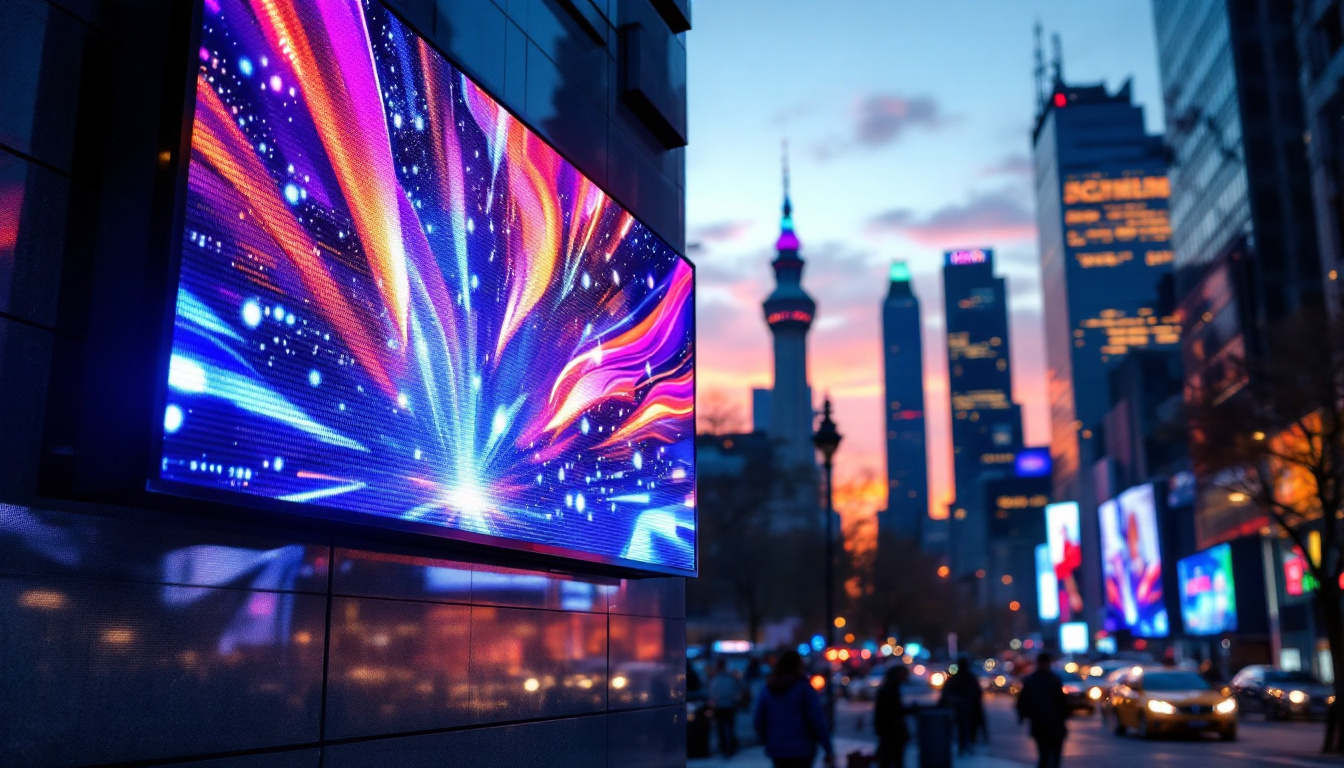
Architects and urban planners are leveraging LED curtain video walls to transform building facades and public spaces. The semi-transparent design enables integration with glass surfaces, allowing for stunning light shows, advertising, or informational displays without compromising natural lighting or views.
Outdoor LED curtains are used in plazas, stadiums, and transportation hubs to provide real-time information, entertainment, and branding opportunities. Their weather resistance and low wind load make them suitable for permanent or seasonal installations.
Technical Considerations When Choosing an LED Curtain Video Wall
Pixel Pitch and Resolution
Pixel pitch, the distance between individual LEDs, is a critical factor that influences image sharpness and viewing distance. Smaller pixel pitches (e.g., 2.5mm to 4mm) offer higher resolution and are suitable for close-up viewing, such as indoor events or retail displays. Larger pitches (e.g., 10mm or more) are more cost-effective for large outdoor installations where viewers are farther away.
Choosing the right pixel pitch depends on the intended use case, viewing distance, and budget. Balancing these factors ensures optimal visual impact without unnecessary expense.
Brightness and Contrast
Brightness is measured in nits and determines how well the display performs under various lighting conditions. For outdoor use, brightness levels above 5,000 nits are recommended to combat sunlight glare. Indoor environments generally require lower brightness but benefit from higher contrast ratios to enhance image depth and color richness.
Some LED curtains include automatic brightness adjustment features that optimize visibility while conserving energy.
Transparency Rate
The transparency rate affects how much light and visibility pass through the curtain. Higher transparency is desirable for applications like retail windows or architectural facades where maintaining natural light and visibility is important. However, increased transparency often means fewer LEDs per square meter, which can reduce image density and brightness.
Understanding the trade-off between transparency and visual quality is essential when selecting an LED curtain.
Installation and Maintenance
Installation logistics, including mounting options, power supply, and data connectivity, must be carefully planned. LED curtains typically come with standardized rigging hardware compatible with common truss systems, simplifying the setup process.
Maintenance access is another important consideration. Modular designs with easily replaceable panels reduce downtime and service costs. Additionally, ensuring that the system includes monitoring software to detect faults can prevent unexpected failures during critical events.
Future Trends in LED Curtain Video Wall Technology
Advancements in Pixel Density and Flexibility
Ongoing research in LED microtechnology is pushing pixel densities even higher, enabling ultra-high-definition content on flexible substrates. This progress will allow LED curtains to deliver cinema-quality visuals at close range, opening new possibilities in retail, corporate, and entertainment sectors.
Integration with Augmented Reality (AR) and Interactive Technologies
As AR and interactive content become more prevalent, LED curtains are expected to serve as dynamic canvases for immersive experiences. Integration with sensors, cameras, and gesture recognition will enable audiences to interact directly with displayed content, creating personalized and engaging environments.
Energy Efficiency and Sustainability
Manufacturers are focusing on reducing power consumption and using eco-friendly materials in LED curtain production. Innovations such as adaptive brightness controls, recyclable components, and longer-lasting LEDs contribute to more sustainable digital signage solutions.
Conclusion
LED curtain video walls represent a significant leap forward in display technology, combining flexibility, transparency, and high visual performance. Their lightweight, modular design and ability to deliver stunning visuals in diverse environments make them an invaluable asset across industries—from live entertainment and advertising to corporate communications and architectural design.
When selecting an LED curtain video wall, understanding the technical specifications and application requirements is crucial to maximizing impact and return on investment. As technology continues to advance, LED curtains will undoubtedly play an increasingly prominent role in shaping the future of visual communication.
Discover LumenMatrix’s Innovative LED Display Solutions
Ready to elevate your visual communication with the latest in LED display technology? Look no further than LumenMatrix, a pioneer in crafting LED display modules that bring your brand to life. From immersive indoor and outdoor video walls to versatile vehicle displays and beyond, LumenMatrix offers a comprehensive range of solutions designed to captivate your audience. Whether you’re looking to create a custom LED display or integrate an all-in-one solution, our mission is to empower your message with clarity and impact. Check out LumenMatrix LED Display Solutions today and transform your space into a dynamic visual experience.