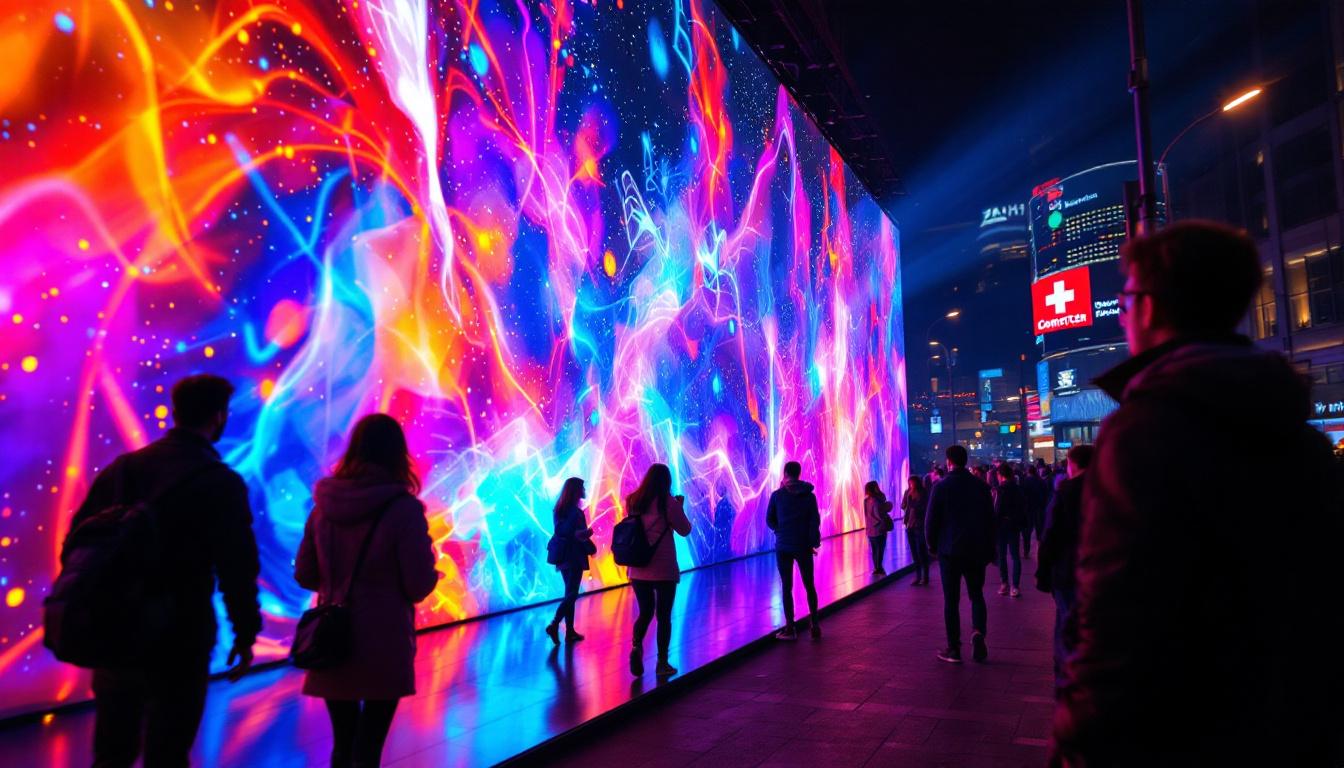
In the rapidly evolving world of digital technology, LED displays have become a cornerstone of modern visual communication. From advertising billboards to control panels in industrial settings, LED displays provide vibrant, clear, and energy-efficient solutions for presenting information. This article delves into the concept of “Led De Controle” — or control LED displays — exploring their technology, applications, and the advantages that make them indispensable in various industries.
Understanding LED Display Technology
LED, or Light Emitting Diode, technology is the foundation of many contemporary display systems. These tiny semiconductor devices emit light when an electric current passes through them. Unlike traditional display technologies such as LCD or plasma, LEDs produce their own light, resulting in higher brightness and better contrast. This self-illuminating property allows for thinner and lighter display designs, making LEDs an ideal choice for everything from smartphones to large-scale billboards.
Control LED displays, often referred to as “Led De Controle,” are specialized LED panels designed to convey critical information in control rooms, industrial environments, and public spaces. These displays are engineered for reliability, clarity, and responsiveness, ensuring that operators and users receive real-time data without delay or distortion. The robustness of these displays makes them suitable for various applications, including emergency response centers, transportation hubs, and manufacturing facilities, where timely information can significantly impact safety and efficiency.
How LEDs Work in Control Displays
Each LED in a control display functions as a pixel or part of a pixel, depending on the resolution. When arranged in a matrix, these LEDs can display numbers, letters, symbols, or complex graphics. The control system manages which LEDs light up and at what intensity, creating dynamic and customizable visual outputs. This flexibility allows operators to tailor the display to their specific needs, whether it’s showcasing real-time data trends or alerting personnel to critical system failures.
Modern control LED displays often incorporate RGB (Red, Green, Blue) LEDs, which combine to produce a full spectrum of colors. This capability is crucial for differentiating types of information quickly—for example, using red for alerts and green for normal operation statuses. Additionally, advancements in LED technology have led to the development of high-definition displays with increased pixel density, enabling clearer images and more detailed information presentation. Some systems even feature intelligent software that can analyze data and adjust the display settings automatically, ensuring optimal visibility and comprehension under varying lighting conditions.
Applications of Led De Controle in Industry
Control LED displays are vital in sectors where real-time monitoring and quick decision-making are essential. Their robust design and high visibility make them suitable for a wide range of environments.
Industrial Automation and Manufacturing
In manufacturing plants, LED control displays are used to show machine statuses, production counts, and safety warnings. These displays help operators monitor processes without needing to access complex computer systems constantly. For instance, a production line might use a large LED display to indicate the number of units produced per hour, allowing supervisors to track efficiency at a glance.
Moreover, the durability of LED displays ensures they withstand harsh industrial conditions such as dust, vibration, and temperature fluctuations, which are common in factory settings. The integration of LED displays with automated systems allows for seamless communication between machines, enabling predictive maintenance and reducing downtime. This proactive approach not only enhances productivity but also extends the lifespan of equipment, making LED displays a crucial component in the quest for operational excellence.
Transportation and Traffic Management
LED control displays are also integral to traffic control systems. Variable message signs (VMS) on highways use LED technology to provide drivers with real-time information about road conditions, speed limits, and detours. The high brightness of LEDs ensures visibility even in direct sunlight, enhancing road safety.
Similarly, public transit systems employ LED displays to communicate schedules, delays, and platform information to passengers, improving overall user experience and operational efficiency. These displays can be programmed to change dynamically based on real-time data, such as traffic congestion or service interruptions, allowing for more effective routing and scheduling. Furthermore, the use of LED displays in transportation hubs, such as airports and train stations, not only provides essential information but also contributes to a modern and organized environment, fostering passenger confidence and satisfaction.
Energy and Utility Sectors
In power plants and utility control rooms, LED displays provide critical data on system performance, energy consumption, and fault detection. Operators rely on these displays to maintain grid stability and respond promptly to any anomalies.
The clarity and immediacy of LED displays can be life-saving in emergency situations, where every second counts to prevent outages or accidents. Additionally, the ability to integrate LED displays with advanced monitoring systems allows for real-time analytics and reporting, which can inform strategic decisions regarding energy distribution and resource allocation. As the energy sector increasingly moves toward renewable sources, LED displays will play a pivotal role in visualizing data related to energy generation and consumption patterns, helping to optimize the transition to a more sustainable energy future.
Advantages of Using LED Control Displays
Choosing LED technology for control displays offers numerous benefits that contribute to operational excellence and cost-effectiveness.
Energy Efficiency and Longevity
LEDs consume significantly less power compared to traditional incandescent or fluorescent displays. This energy efficiency translates into lower operational costs, especially important for installations that run continuously, such as control rooms and public information systems.
Additionally, LEDs have a long lifespan, often exceeding 50,000 hours of operation. This durability reduces maintenance needs and replacement frequency, minimizing downtime and associated expenses. Moreover, the lower heat output of LEDs means that cooling systems do not have to work as hard, further enhancing energy savings and contributing to a more sustainable operational environment.
High Visibility and Readability
One of the most critical features of control LED displays is their exceptional visibility. LEDs produce bright, sharp images that remain clear under various lighting conditions, including direct sunlight and low-light environments.
The ability to display high-contrast text and graphics ensures that information is easily readable from a distance, which is vital for safety and efficiency in control environments. This is particularly beneficial in emergency situations where quick decision-making is essential, as operators can swiftly interpret critical data without straining their eyes or losing precious time.
Customization and Flexibility
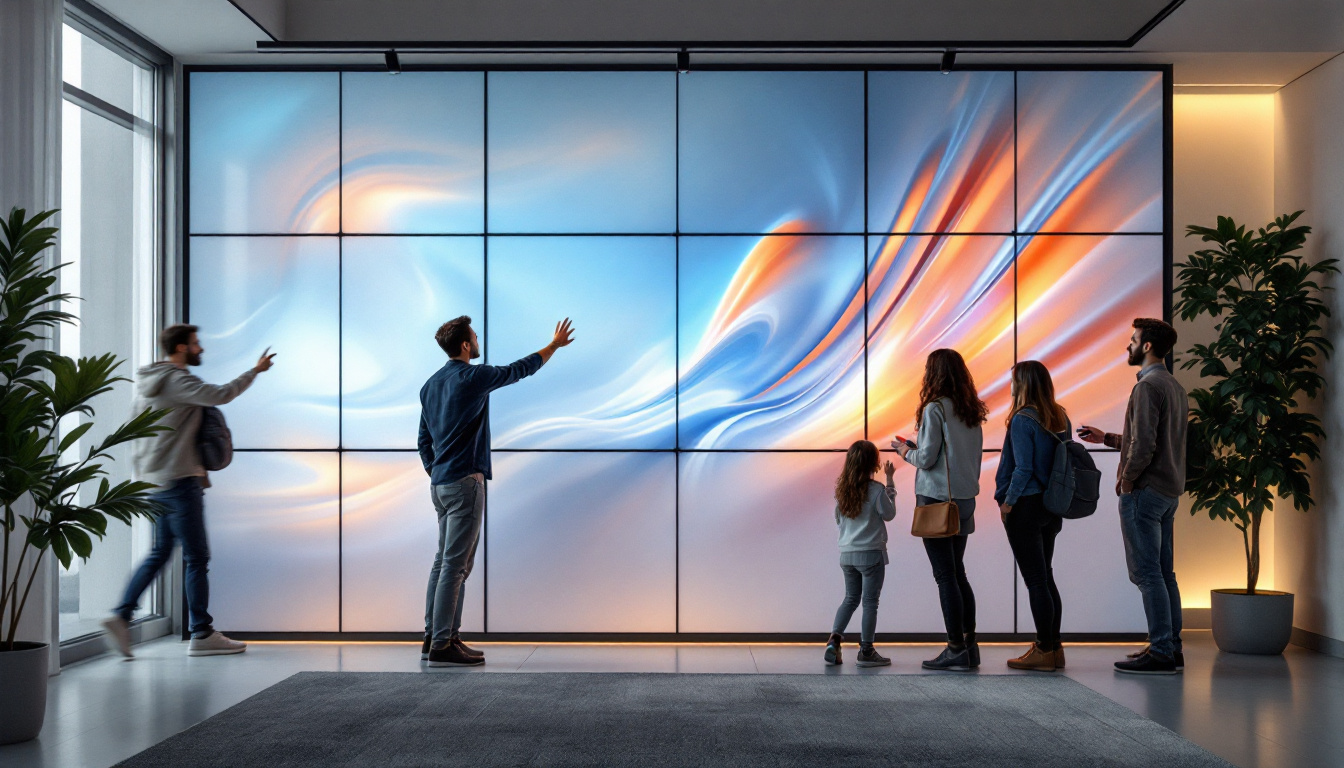
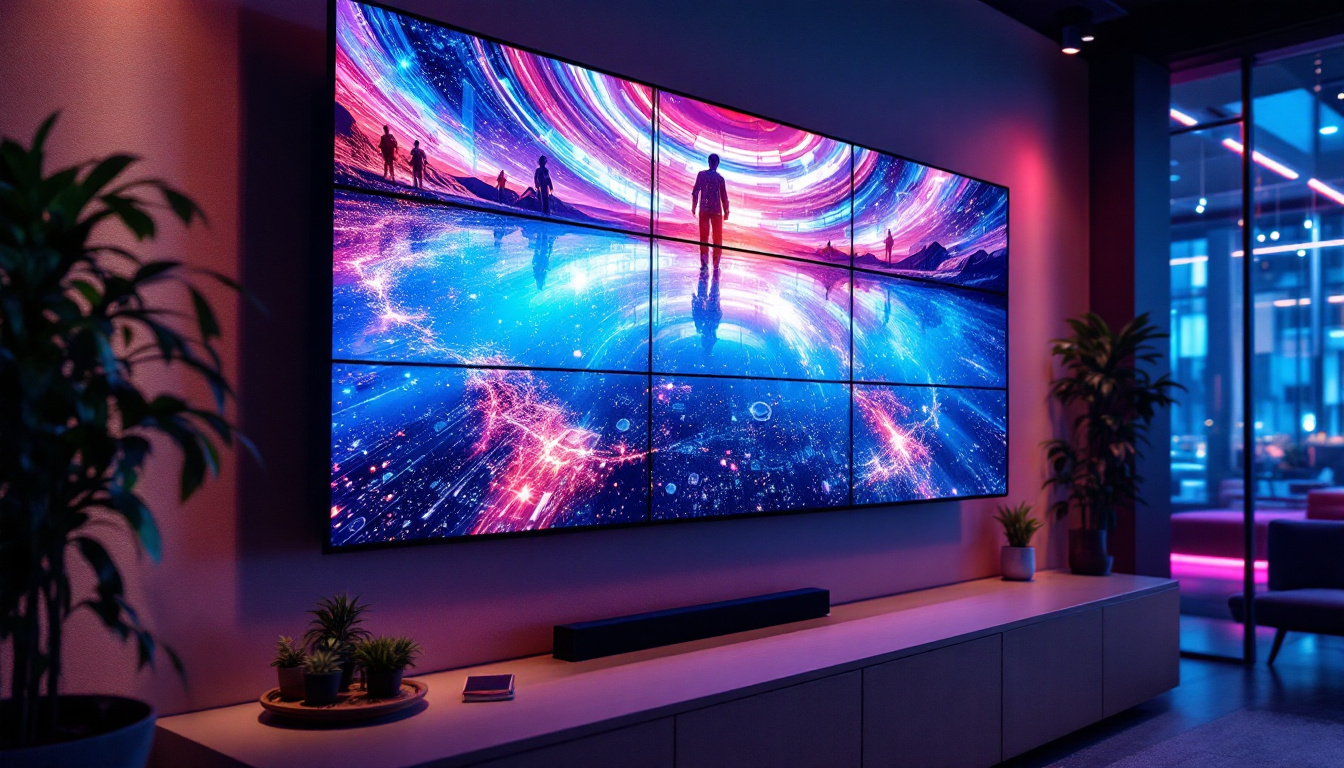
LED control displays are highly customizable. They can be designed in various sizes and resolutions to fit specific needs, from small indicator panels to large video walls. The content displayed can be dynamically updated, allowing for real-time data visualization and alerts.
This flexibility enables organizations to tailor their control systems precisely to operational requirements, enhancing usability and effectiveness. Furthermore, the integration of advanced software allows for the seamless incorporation of various data sources, enabling users to monitor multiple parameters simultaneously. This capability is especially advantageous in industries such as manufacturing and transportation, where real-time updates can significantly impact operational efficiency and responsiveness.
Emerging Trends in LED Control Display Technology
As technology advances, LED control displays continue to evolve, integrating new features and capabilities that expand their usefulness.
Integration with IoT and Smart Systems
The rise of the Internet of Things (IoT) has led to smarter control displays that connect seamlessly with sensors, devices, and cloud platforms. This integration allows for more sophisticated data collection and analysis, with LED displays presenting actionable insights directly to operators.
For example, in smart factories, LED control displays can show predictive maintenance alerts derived from IoT sensor data, helping prevent equipment failures before they occur.
Enhanced Resolution and Pixel Density
Recent innovations have improved the resolution and pixel density of LED displays, enabling finer detail and smoother graphics. This enhancement is particularly beneficial for control rooms that require complex data visualization, such as 3D modeling or detailed schematics.
Higher resolution displays facilitate better situational awareness and decision-making by providing clearer and more comprehensive visual information.
Energy Harvesting and Sustainable Solutions
Environmental concerns are driving the development of more sustainable LED display solutions. Some manufacturers are exploring energy-harvesting technologies that reduce the power consumption of LED displays even further, making them more eco-friendly.
Additionally, advances in materials and manufacturing processes aim to reduce the environmental impact of LED production and disposal, aligning with global sustainability goals.
Choosing the Right LED Control Display for Your Needs
Selecting the appropriate LED display involves considering several factors to ensure optimal performance and value.
Assessing Environmental Conditions
Understanding the operating environment is crucial. Factors such as ambient light, temperature, humidity, and exposure to dust or chemicals influence the choice of display type and protective features.
For outdoor applications, weatherproof and high-brightness LED displays are essential, while indoor control rooms may prioritize resolution and viewing angles.
Determining Display Size and Resolution
The size of the display should correspond to the viewing distance and the amount of information to be presented. Larger displays with higher resolution are necessary for detailed data visualization or when viewed from a distance.
Conversely, smaller, simpler displays can suffice for basic status indicators or close-range monitoring.
Evaluating Connectivity and Control Options
Modern LED control displays offer various connectivity options, including Ethernet, Wi-Fi, and proprietary control protocols. Choosing a display compatible with existing control systems and networks simplifies integration and enhances functionality.
Consider also the software interface and ease of updating displayed content, especially if dynamic or remote control is required.
Conclusion
Led De Controle, or control LED displays, represent a vital technology in the landscape of industrial, transportation, and utility sectors. Their combination of energy efficiency, high visibility, durability, and flexibility makes them ideal for environments demanding reliable and immediate information display.
As LED technology continues to advance, incorporating smart features and sustainable innovations, these displays will become even more integral to efficient and safe operations. Understanding their capabilities and selecting the right system can significantly enhance monitoring and control processes, ultimately contributing to better decision-making and operational success.
Discover LumenMatrix’s Advanced LED Solutions
Ready to elevate your control room, advertising space, or public information system with the latest in LED display technology? LumenMatrix is at the forefront of creating immersive visual experiences with a comprehensive range of LED display solutions. From Indoor and Outdoor LED Walls to specialized displays for vehicles, sports, and even custom configurations, our mission is to transform your communication with unparalleled clarity and impact. Check out LumenMatrix LED Display Solutions today and step into the future of vibrant, energy-efficient digital signage.