In the rapidly evolving world of digital technology, LED displays have become a cornerstone of modern visual communication. From the smartphones in our pockets to massive outdoor billboards, LED technology powers vibrant, energy-efficient screens that captivate audiences worldwide. This article dives deep into the definition of LED displays, how they work, their types, applications, and why they continue to dominate the display industry.
What is an LED Display?
LED stands for Light Emitting Diode, a semiconductor device that emits light when an electric current passes through it. An LED display is a flat panel display that uses an array of LEDs as pixels to produce images, videos, or text. Unlike traditional LCD or plasma screens, LED displays generate light directly from each diode, resulting in brighter and more vivid visuals. This inherent brightness allows LED displays to maintain visibility even in well-lit environments, making them ideal for outdoor advertising and public information displays.
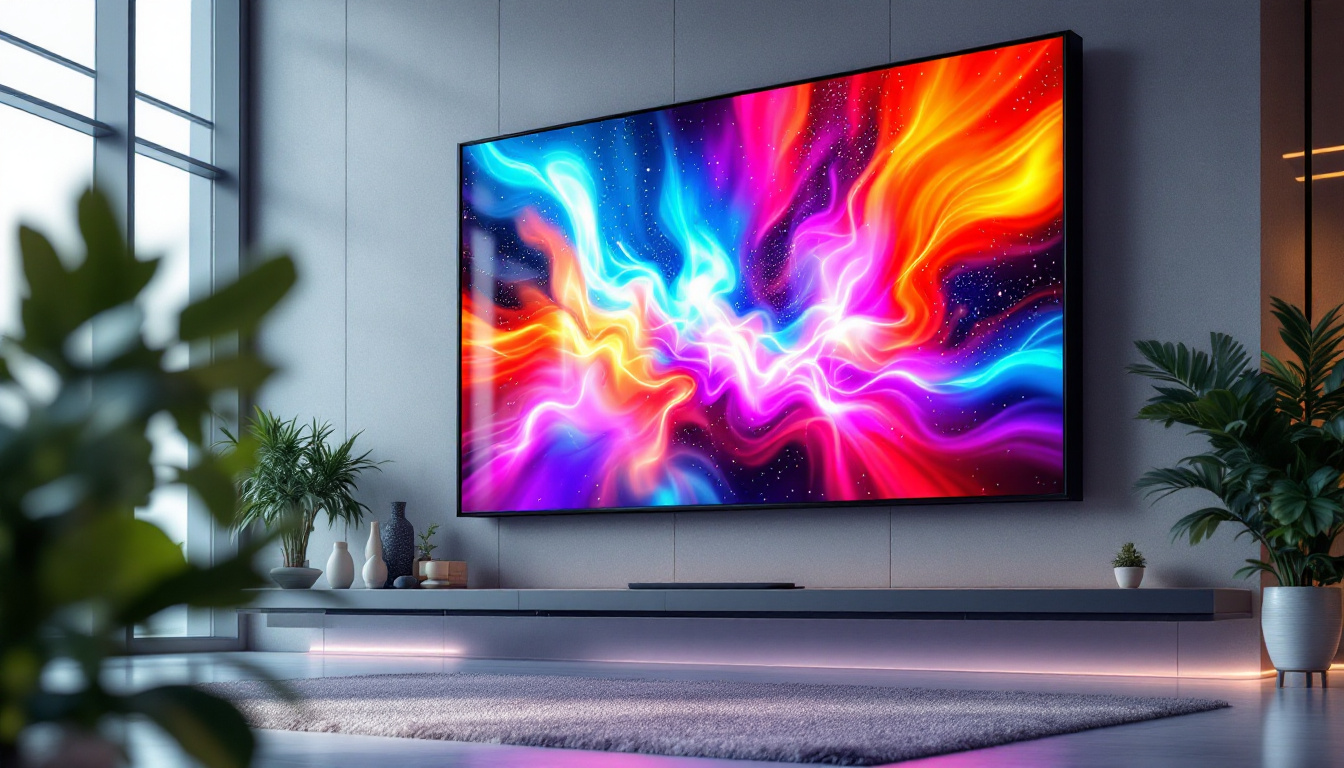
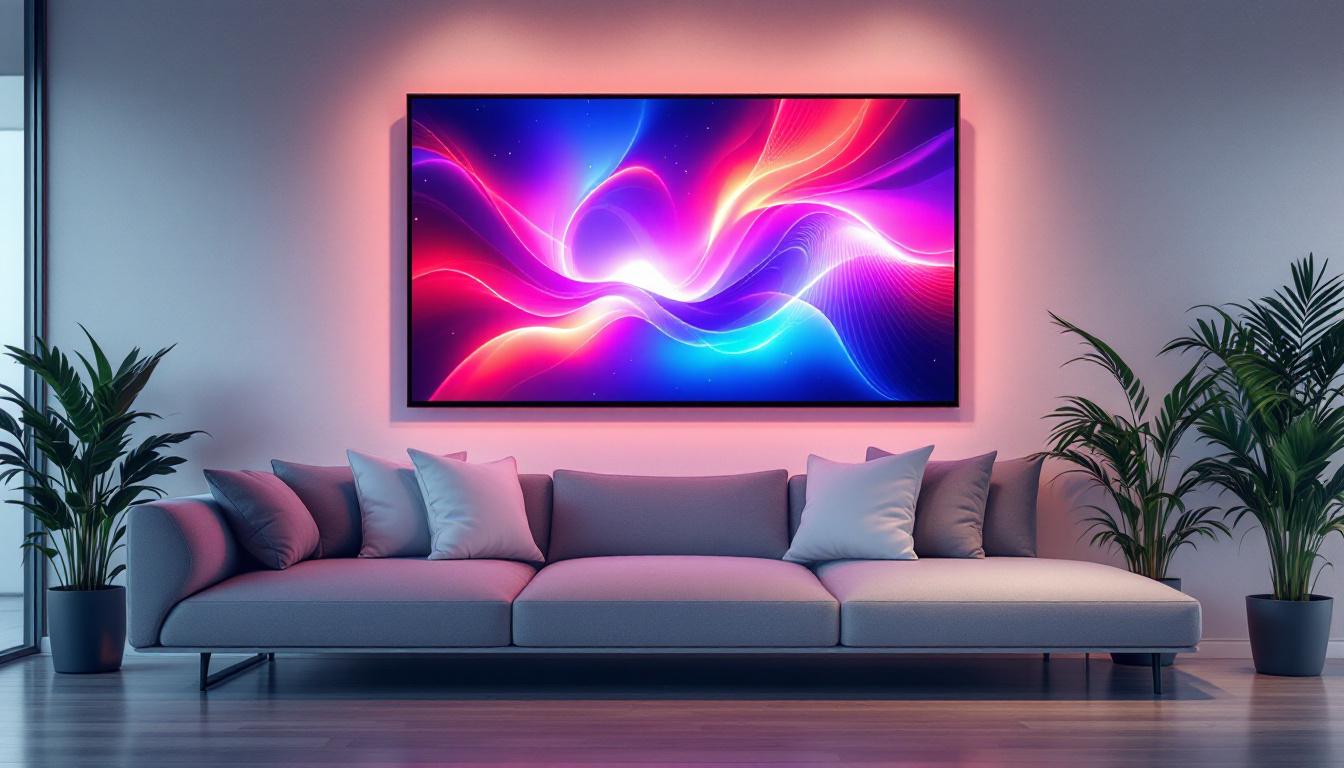
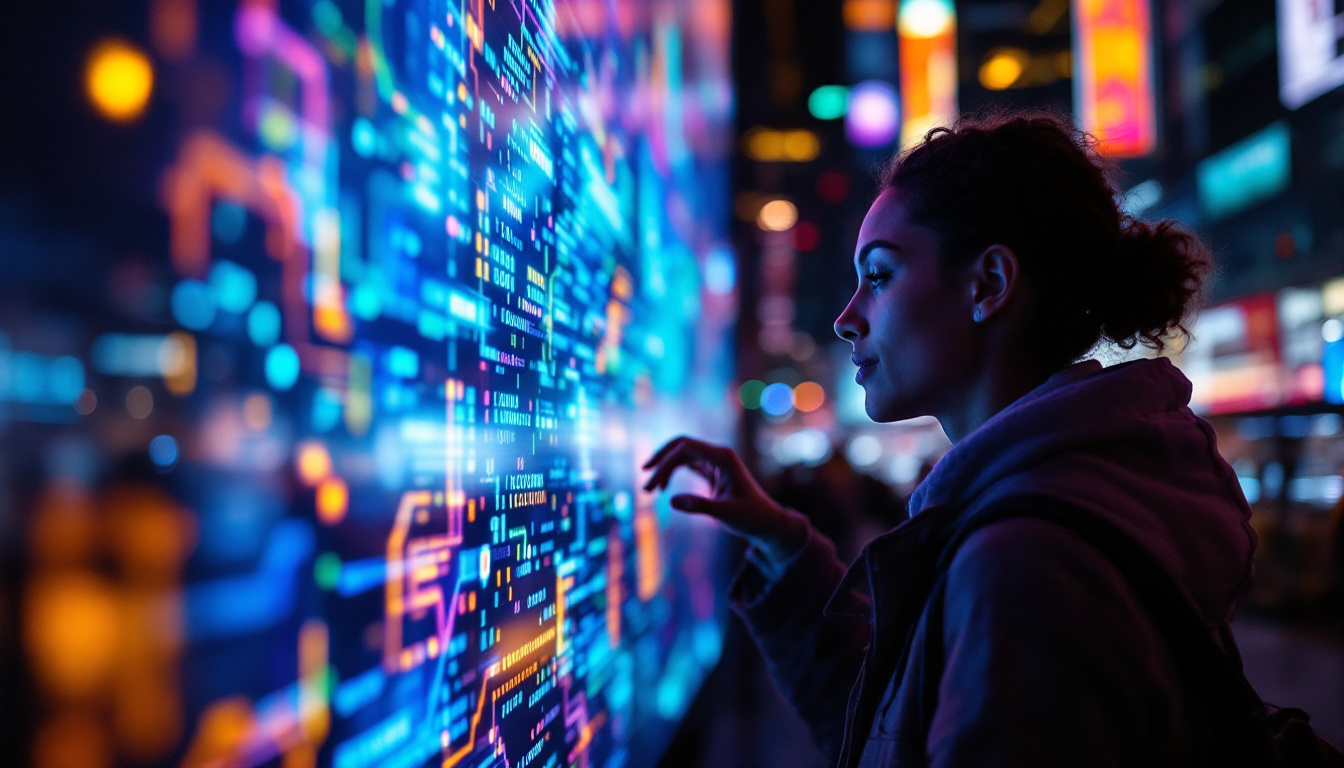
LED displays can range from small indicator lights on electronic devices to enormous video walls used in stadiums and public spaces. Their versatility and scalability make them suitable for a wide variety of applications, including advertising, entertainment, information dissemination, and even architectural aesthetics. In recent years, the adoption of LED technology has surged, driven by advancements in energy efficiency and a growing demand for high-quality visual experiences. As a result, LED displays are now commonplace in retail environments, transportation hubs, and even homes, where they serve as dynamic digital canvases.
How LED Displays Work
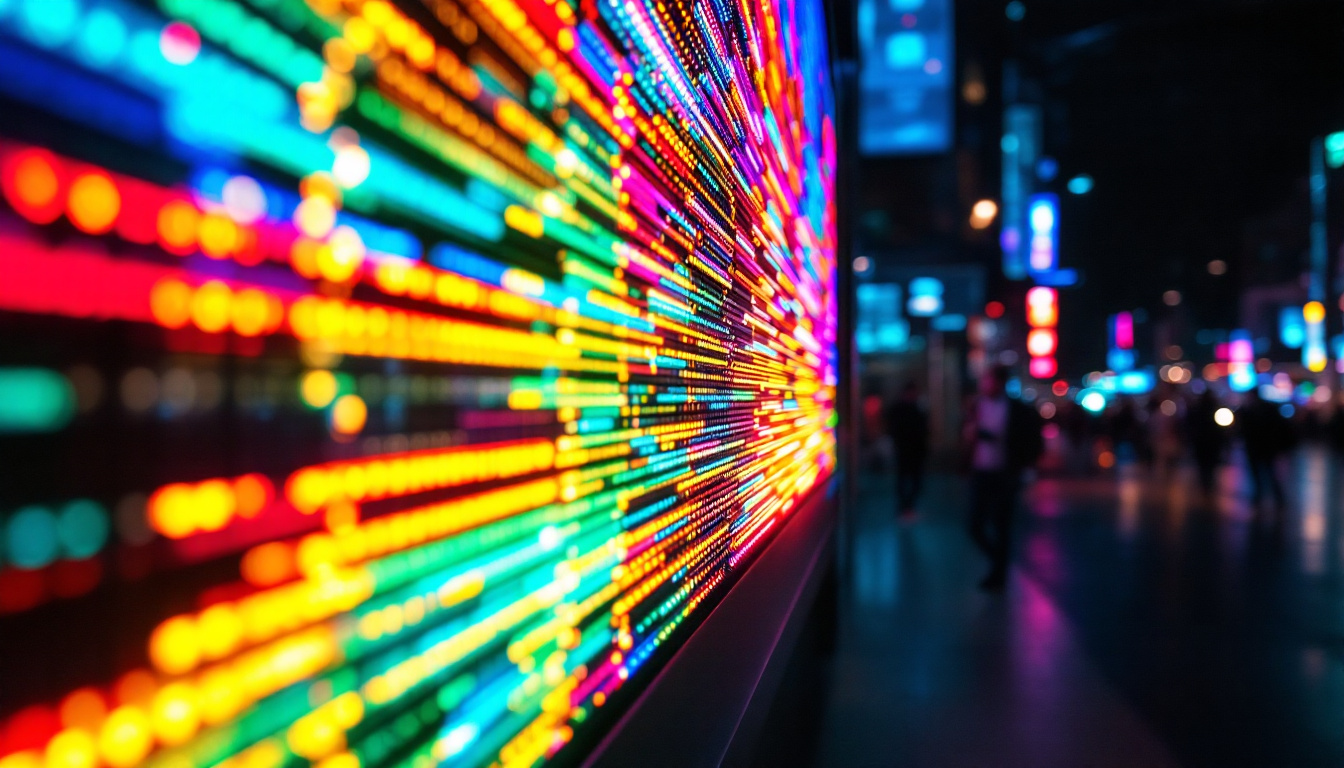
At the core of an LED display is the LED pixel. Each pixel consists of one or more LEDs that emit red, green, and blue light. By varying the intensity of these three colors, the display can produce a full spectrum of colors. This process is known as additive color mixing. The ability to create millions of colors through this method is one of the key advantages of LED technology, allowing for vibrant and lifelike images that captivate viewers.
The LEDs are arranged in a grid, and a controller sends signals to each pixel to determine its color and brightness. Modern LED displays use sophisticated driving circuits and software algorithms to ensure smooth color transitions, high refresh rates, and accurate image reproduction. Additionally, many LED displays incorporate features such as automatic brightness adjustment, which optimizes visibility based on ambient light conditions, and modular designs that allow for easy repairs and upgrades. This adaptability not only enhances performance but also extends the lifespan of the display, making LED technology a cost-effective solution in the long run.
Types of LED Displays
LED displays come in several types, each tailored to specific use cases and environments. Understanding these types helps in selecting the right display for a particular application.
1. Direct View LED Displays
Direct view LED displays consist of LEDs that are visible directly to the viewer without any intermediary screen. These are commonly used in large outdoor billboards, sports arenas, and concert stages. Their high brightness and excellent visibility in daylight make them ideal for outdoor use.
These displays are modular, allowing for custom sizes and shapes. The pixel pitch, or the distance between individual LEDs, determines the resolution and viewing distance. For example, a smaller pixel pitch (e.g., 1.5mm) is suitable for close viewing, while larger pitches (e.g., 10mm or more) are better for distant viewing.
2. LED-Backlit LCD Displays
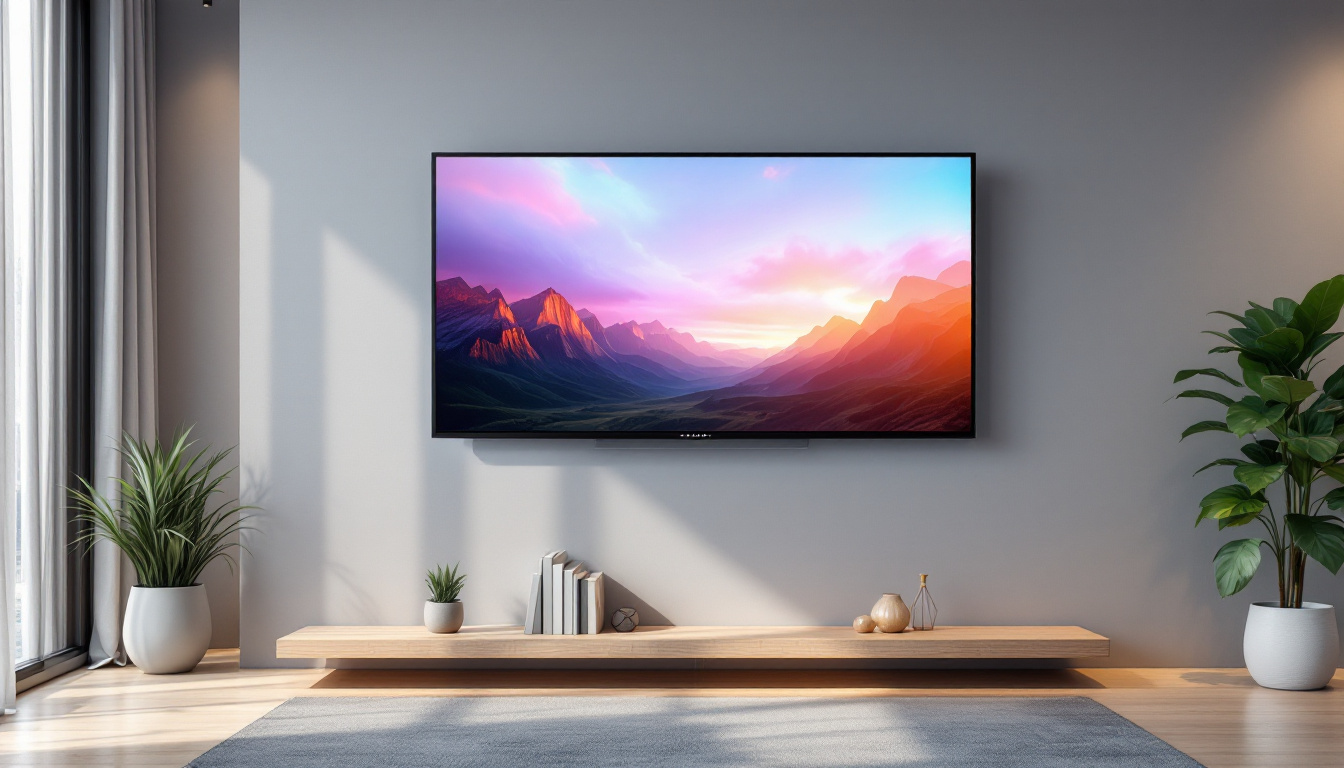
Many modern LCD screens use LEDs as a backlight source instead of traditional fluorescent lamps. This type of LED display is common in televisions, computer monitors, and smartphones. The LEDs provide more uniform lighting, better color accuracy, and energy efficiency compared to older backlighting technologies.
While the image is still formed by liquid crystals modulating the backlight, the use of LEDs significantly enhances overall display quality and lifespan.
3. OLED Displays
Organic Light Emitting Diode (OLED) displays are a distinct category where each pixel is an organic LED that emits light independently. Unlike traditional LED displays, OLEDs do not require a backlight, enabling thinner, more flexible screens with deeper blacks and higher contrast ratios.
OLED technology is widely used in premium smartphones, televisions, and wearable devices. However, it is different from conventional LED displays and is typically considered a separate technology despite sharing the LED acronym.
Advantages of LED Displays
LED displays offer numerous benefits that have contributed to their widespread adoption across industries.
Energy Efficiency
Compared to older display technologies like plasma or fluorescent backlit LCDs, LED displays consume significantly less power. This energy efficiency translates into lower operating costs and reduced environmental impact, a critical consideration for large-scale installations such as digital billboards or stadium screens.
Brightness and Visibility
One of the standout features of LED displays is their exceptional brightness. Outdoor LED billboards can achieve brightness levels exceeding 5,000 nits, ensuring clear visibility even under direct sunlight. This high luminance makes LED displays ideal for environments where ambient light conditions vary dramatically.
Durability and Longevity
LEDs are solid-state devices with no fragile filaments or glass components, making them highly durable and resistant to shock and vibration. Additionally, modern LEDs have a lifespan of 50,000 to 100,000 hours, far surpassing many other display technologies.
Color Accuracy and Contrast
LED displays can produce vibrant colors with high contrast ratios. Direct view LED displays, in particular, offer excellent color uniformity and deep blacks, enhancing the overall viewing experience. This makes them suitable for applications requiring precise color reproduction, such as digital signage and broadcast studios.
Common Applications of LED Displays
The versatility of LED displays has led to their integration into numerous sectors, transforming how information and entertainment are presented.
Outdoor Advertising and Digital Billboards
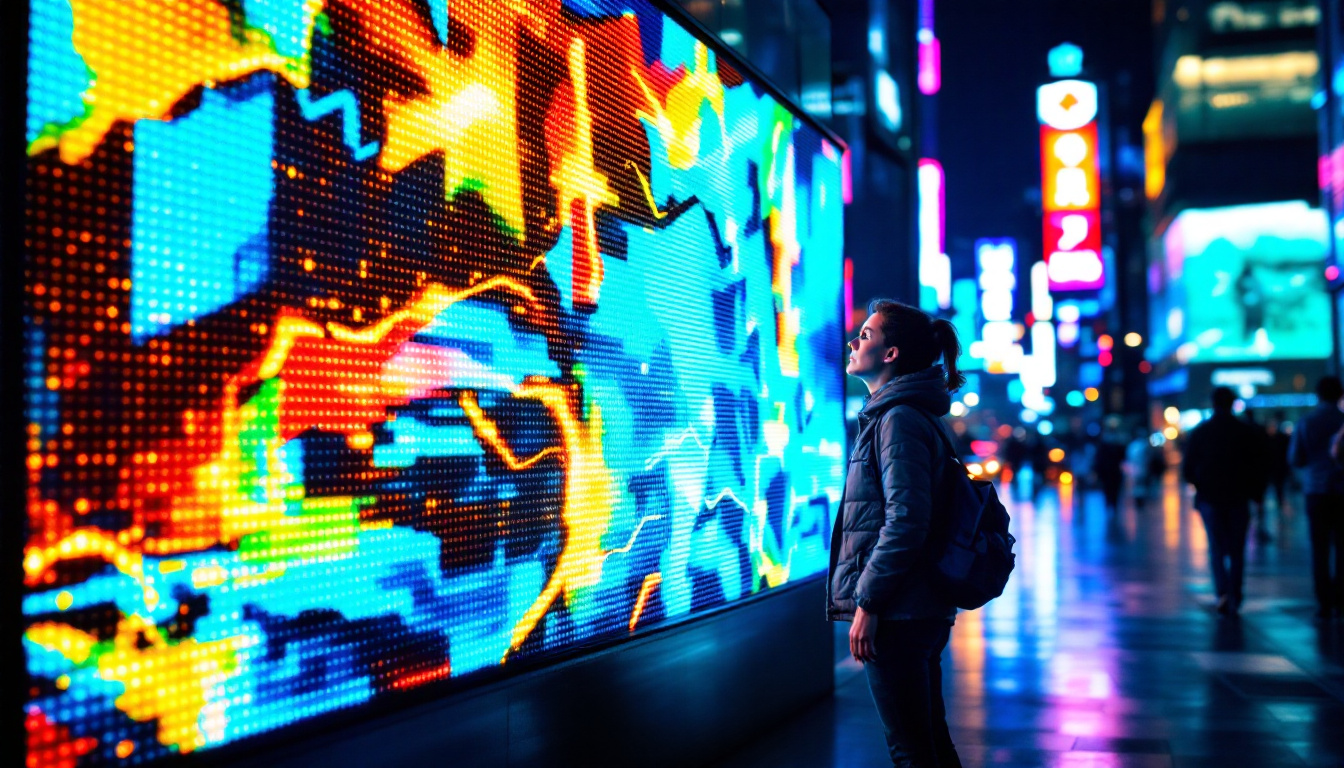
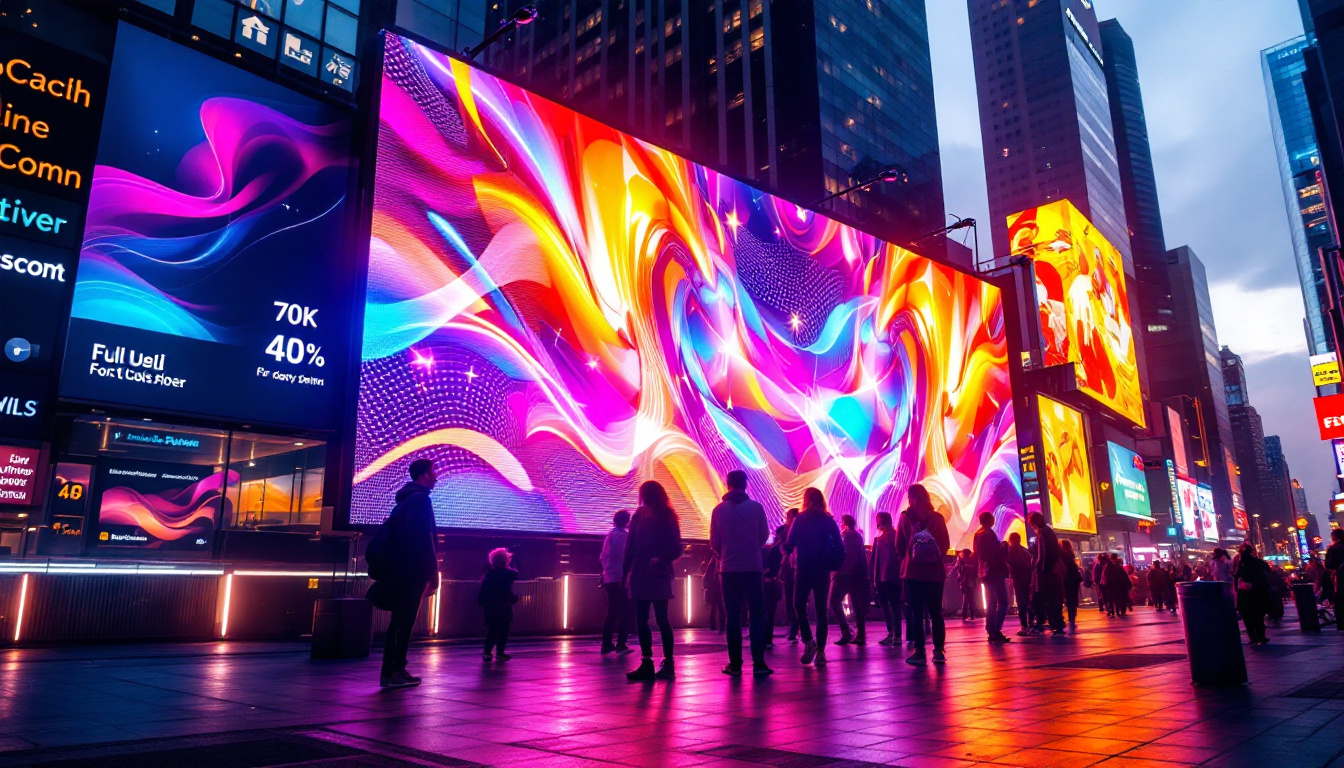
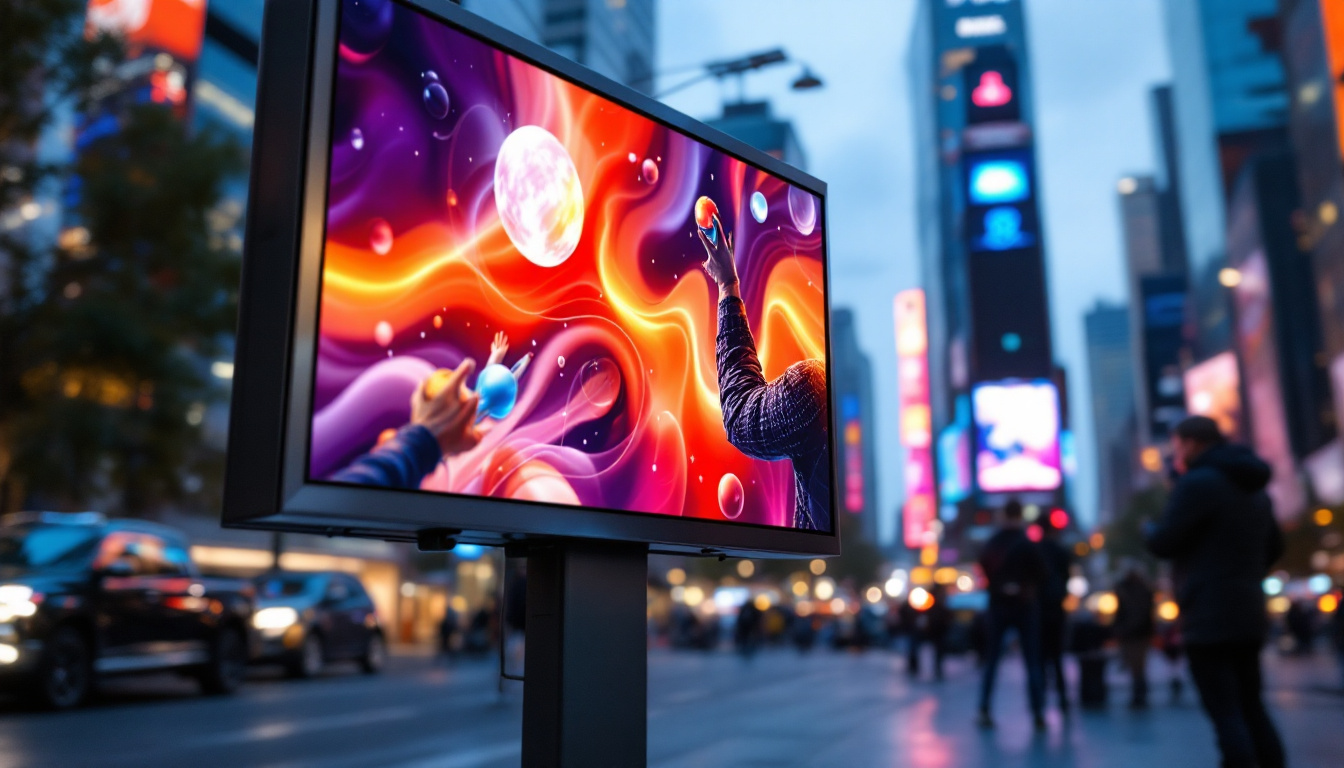
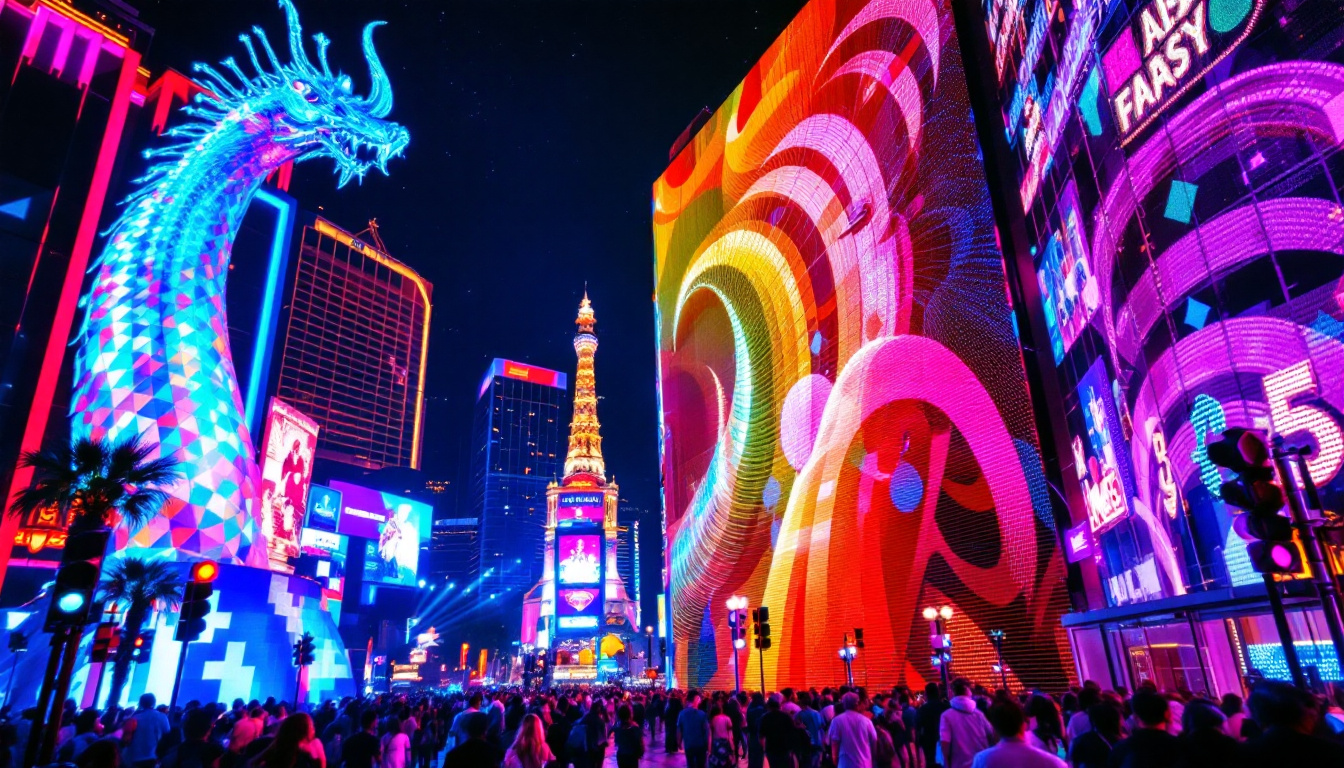
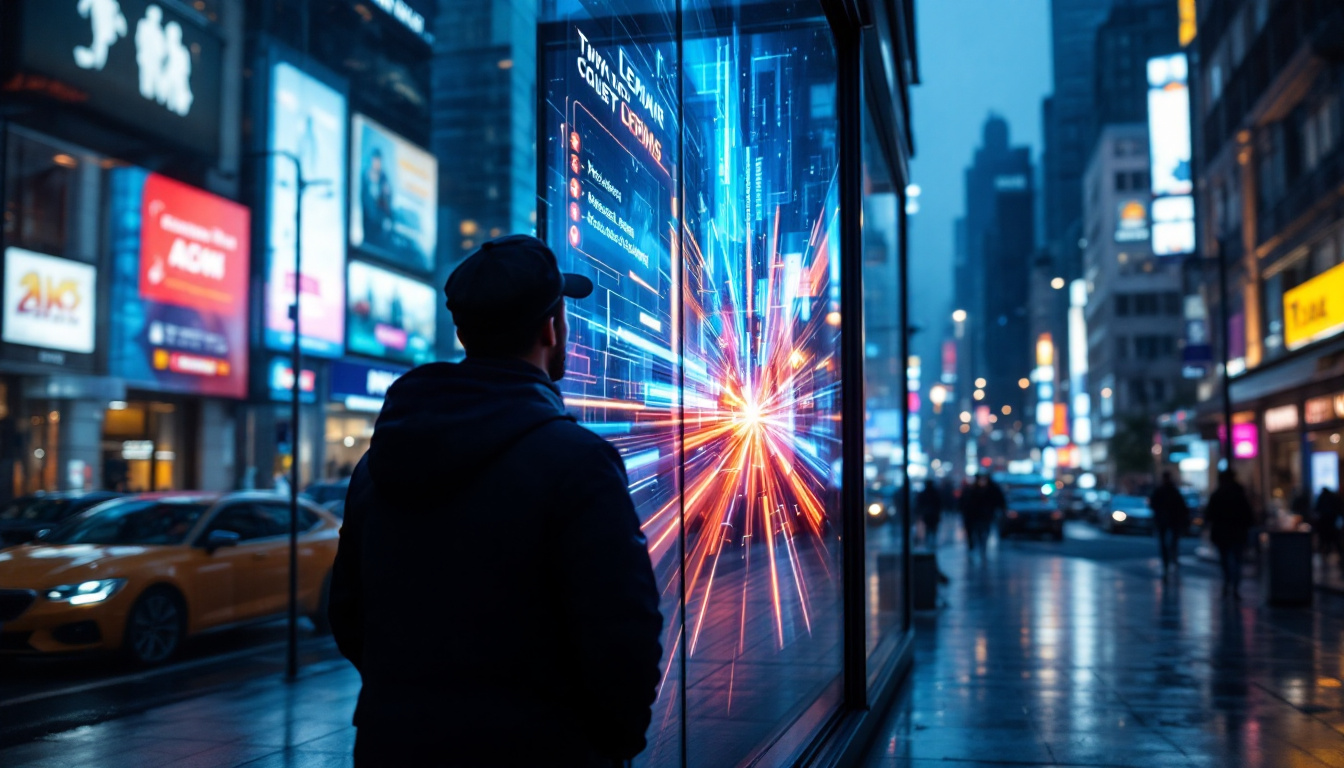
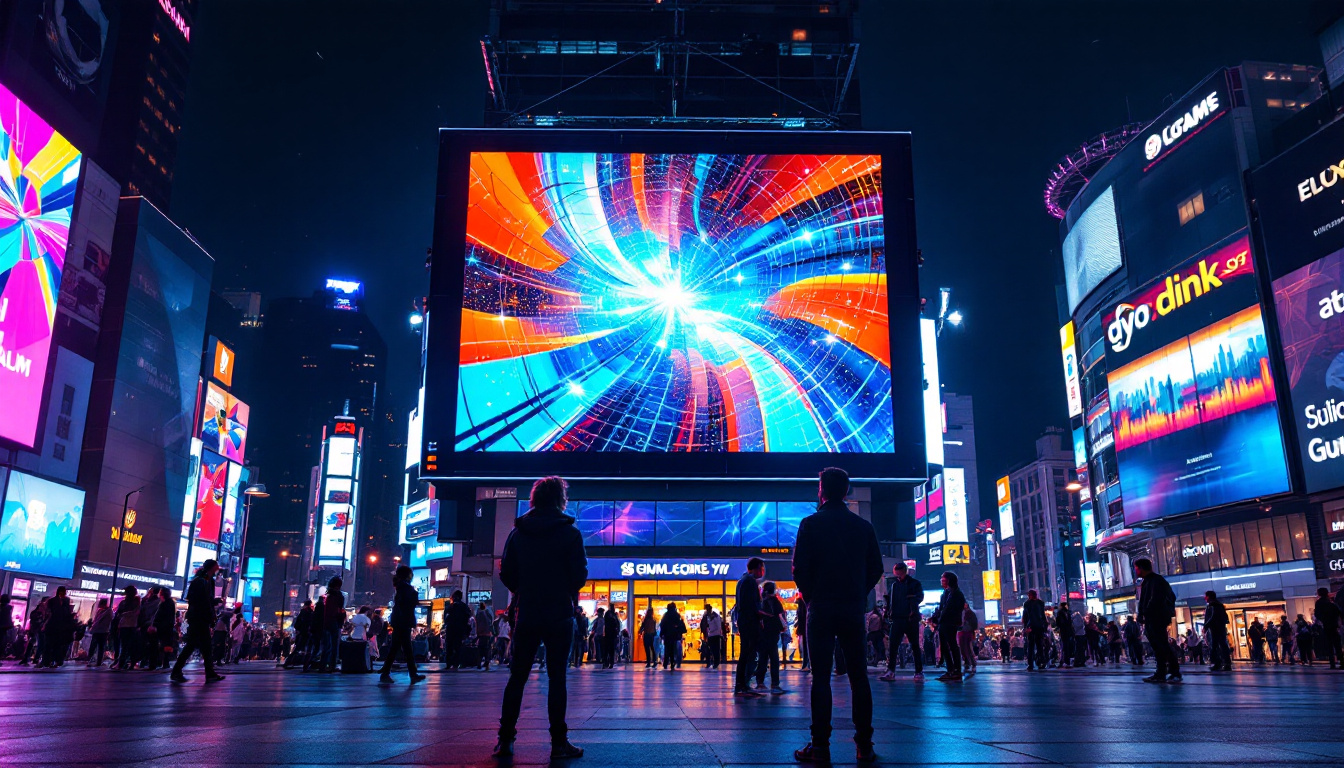
LED displays revolutionized outdoor advertising by enabling dynamic, eye-catching content that can be updated remotely and in real-time. According to recent market reports, the global digital signage market is projected to reach over $32 billion by 2027, with LED displays accounting for a significant share due to their brightness and scalability.
From Times Square in New York to Piccadilly Circus in London, LED billboards dominate urban landscapes, attracting millions of viewers daily.
Sports and Entertainment Venues
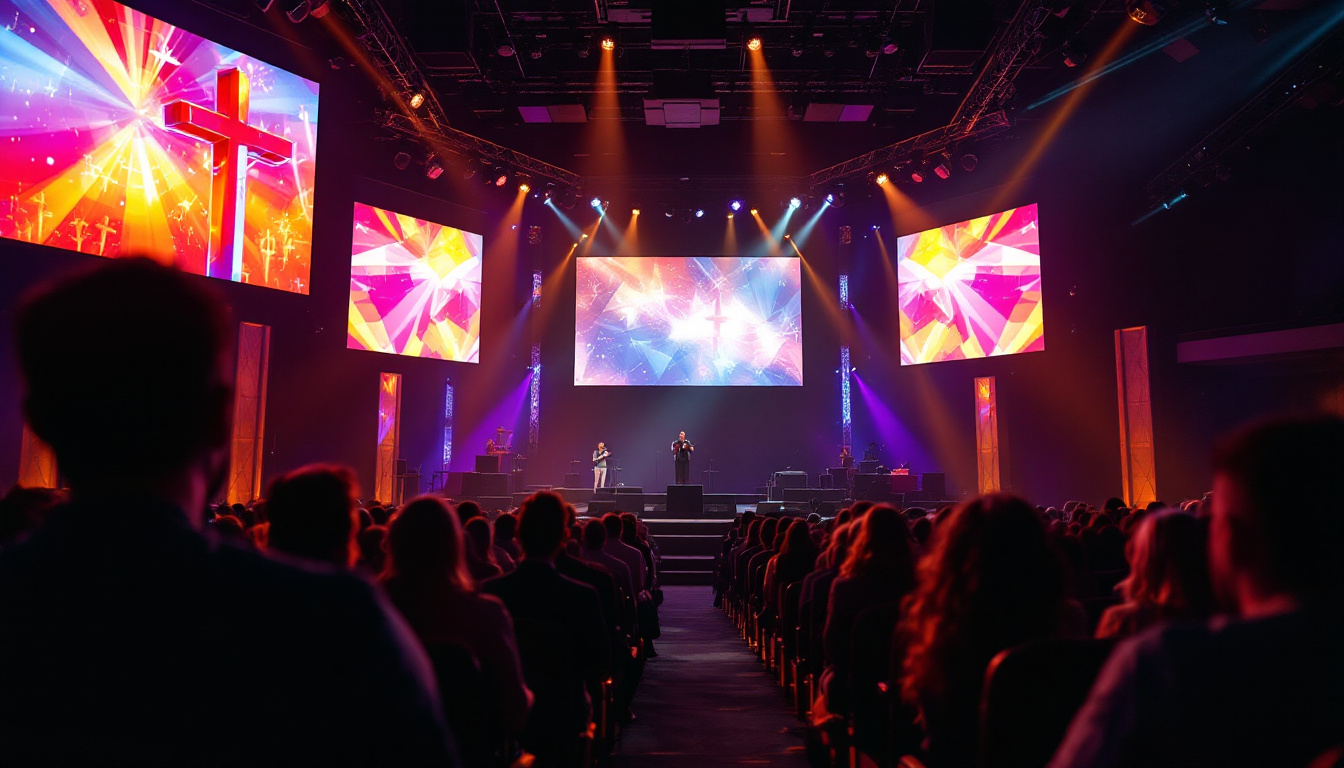
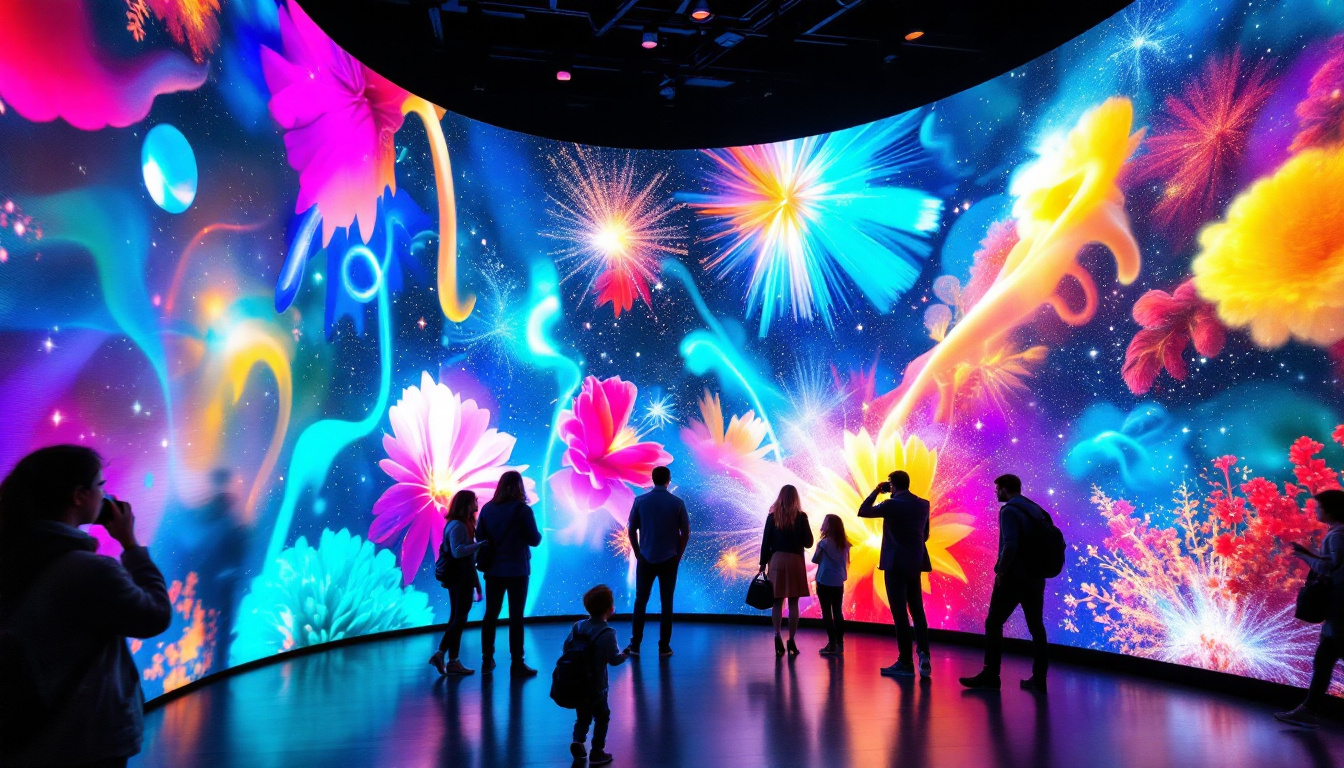
Large LED video walls are standard in stadiums, arenas, and concert venues, providing spectators with replays, scores, and immersive visual effects. The ability to create massive, seamless displays enhances the live event experience and opens new revenue streams through advertising and sponsorships.
Retail and Corporate Environments
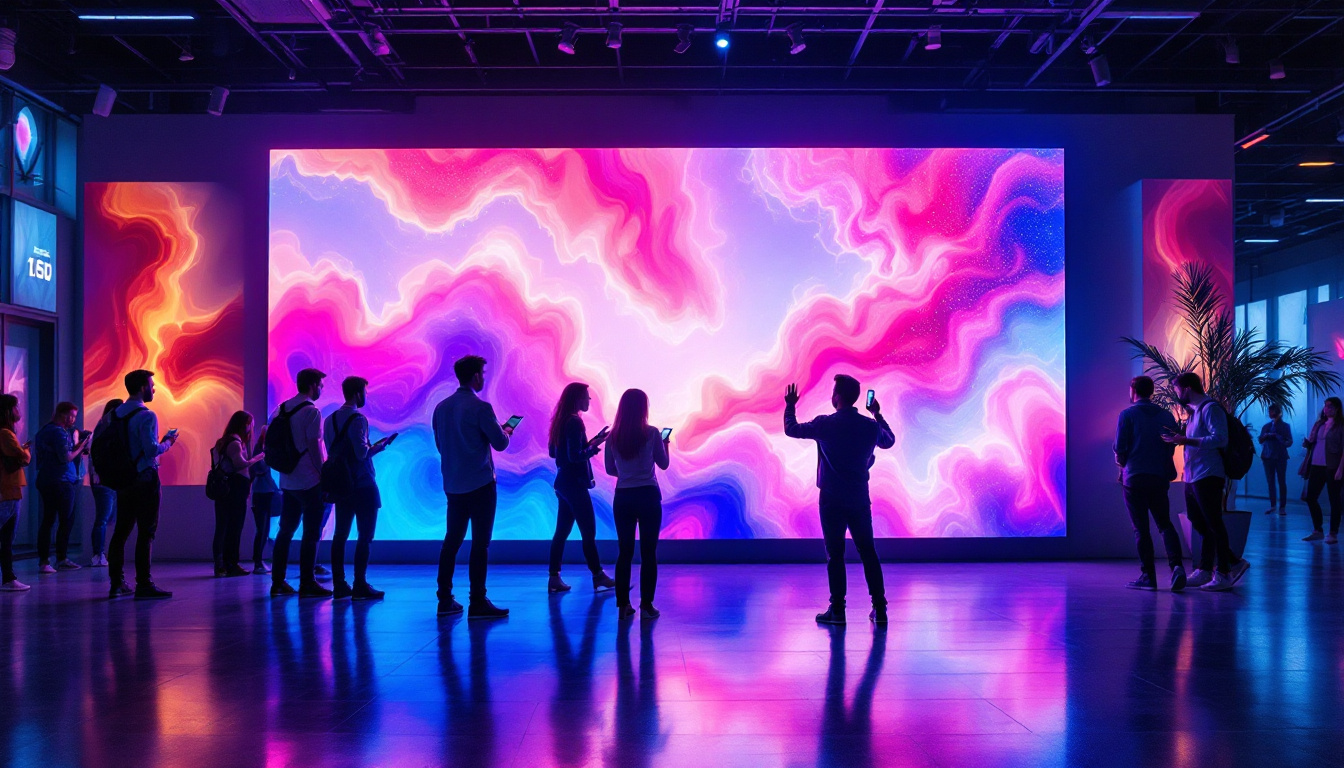
Retailers use LED displays for in-store promotions, digital price tags, and interactive kiosks. Corporations deploy LED walls in lobbies and conference rooms to showcase branding and facilitate presentations. The flexibility of LED technology allows for creative installations that engage customers and employees alike.
Transportation and Public Information
LED displays are ubiquitous in airports, train stations, and bus terminals, providing real-time information on schedules, delays, and safety announcements. Their high visibility and reliability make them essential for effective communication in high-traffic environments.
Key Considerations When Choosing an LED Display
Selecting the right LED display involves evaluating several technical and practical factors to ensure optimal performance and return on investment.
Pixel Pitch and Resolution
The pixel pitch determines the display’s resolution and optimal viewing distance. For close-up viewing, such as indoor retail displays, a smaller pixel pitch (1-3mm) is preferred to ensure sharp images. For outdoor billboards viewed from afar, a larger pixel pitch (10mm or more) suffices and reduces costs.
Brightness and Contrast Ratio
Brightness requirements depend on the installation environment. Outdoor displays need higher brightness to combat sunlight, while indoor displays can operate at lower levels to reduce eye strain and power consumption. Contrast ratio affects image depth and clarity, particularly in darker scenes.
Refresh Rate and Color Depth
A higher refresh rate minimizes flicker and motion blur, essential for video content and live broadcasts. Color depth impacts the range of colors the display can reproduce, influencing overall image quality.
Durability and Weather Resistance
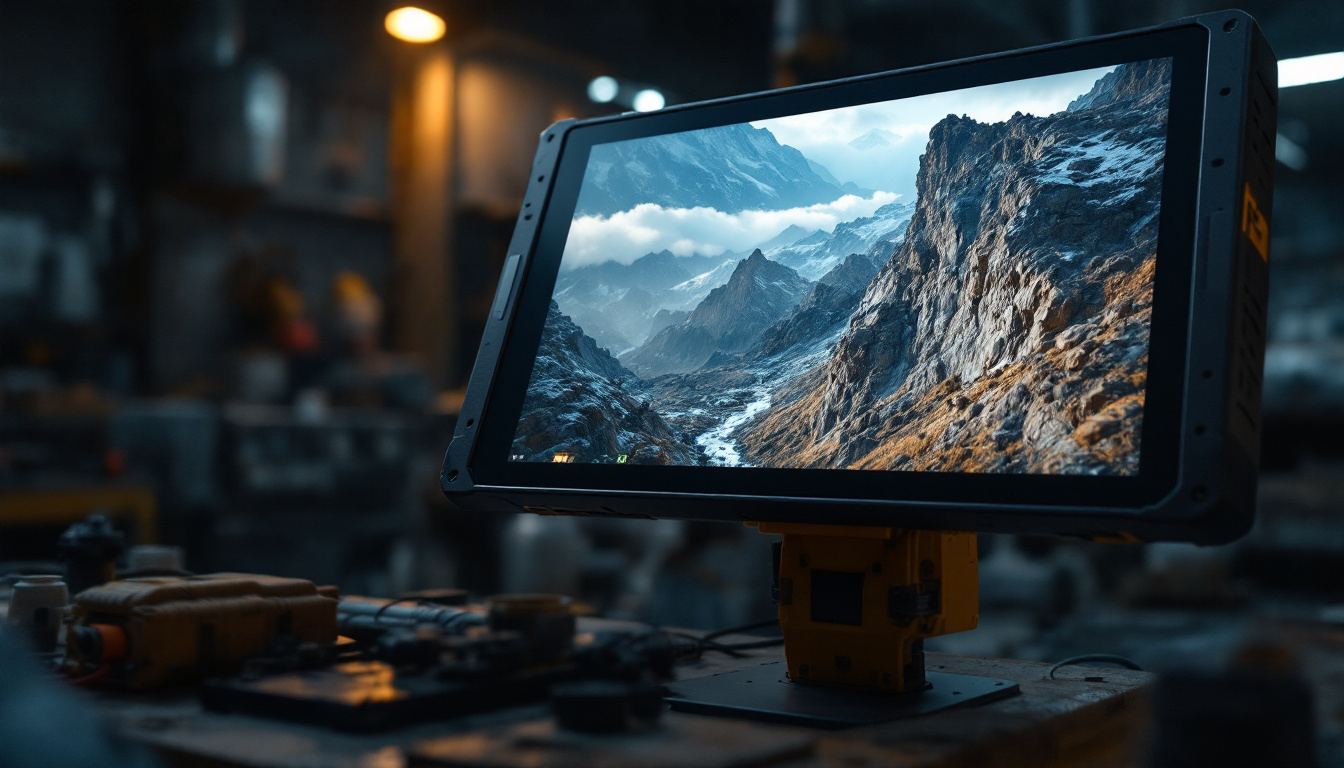
For outdoor installations, LED displays must be weatherproof, with protection against rain, dust, and extreme temperatures. IP ratings (Ingress Protection) indicate the level of environmental sealing, with IP65 or higher recommended for most outdoor applications.
Installation and Maintenance
Modular designs simplify installation and allow for easy repairs or upgrades. Consideration of maintenance access, power consumption, and cooling requirements is also important to ensure long-term reliability.
The Future of LED Display Technology
LED display technology continues to advance rapidly, driven by innovations in materials, manufacturing, and software integration.
MicroLED and MiniLED
Emerging technologies like MicroLED and MiniLED offer even greater resolution, brightness, and energy efficiency. MicroLED displays use microscopic LEDs to create ultra-high-definition screens with superior color accuracy and contrast, rivaling OLED in performance but with longer lifespan and higher brightness.
Flexible and Transparent LED Displays
Flexible LED panels enable curved, foldable, or rollable screens, expanding design possibilities for consumer electronics and architectural applications. Transparent LED displays, which can be integrated into glass surfaces, open new avenues for augmented reality and interactive storefronts.
Integration with IoT and AI
Smart LED displays connected to the Internet of Things (IoT) can dynamically adapt content based on audience demographics, weather conditions, or time of day. Artificial intelligence algorithms optimize content delivery for maximum engagement and efficiency.
Conclusion
LED displays have transformed the way information and entertainment are delivered across diverse environments. Their combination of brightness, energy efficiency, durability, and vibrant color reproduction makes them an indispensable technology in today’s digital landscape. Whether for massive outdoor billboards, immersive sports arenas, or sleek indoor screens, understanding the fundamentals of LED displays empowers businesses and consumers to make informed decisions and leverage this technology’s full potential.
As LED technology continues to evolve with innovations like MicroLED and flexible panels, the future promises even more dynamic and engaging visual experiences. Staying informed about these developments is essential for anyone involved in digital signage, display manufacturing, or media production.
Discover LumenMatrix LED Display Solutions
Ready to elevate your visual experience with the latest in LED display technology? Look no further than LumenMatrix, where innovation meets excellence. Our comprehensive range of LED display solutions, including Indoor and Outdoor LED Wall Displays, Vehicle LED Displays, LED Poster Displays, LED Sports Displays, Floor LED Displays, Custom LED Displays, All-in-One LED Displays, and LED Transparent Displays, are designed to captivate your audience and amplify your message. Embrace the future of digital signage with LumenMatrix and create unforgettable visual narratives. Check out LumenMatrix LED Display Solutions today and see how we can transform your space into a dynamic visual spectacle.