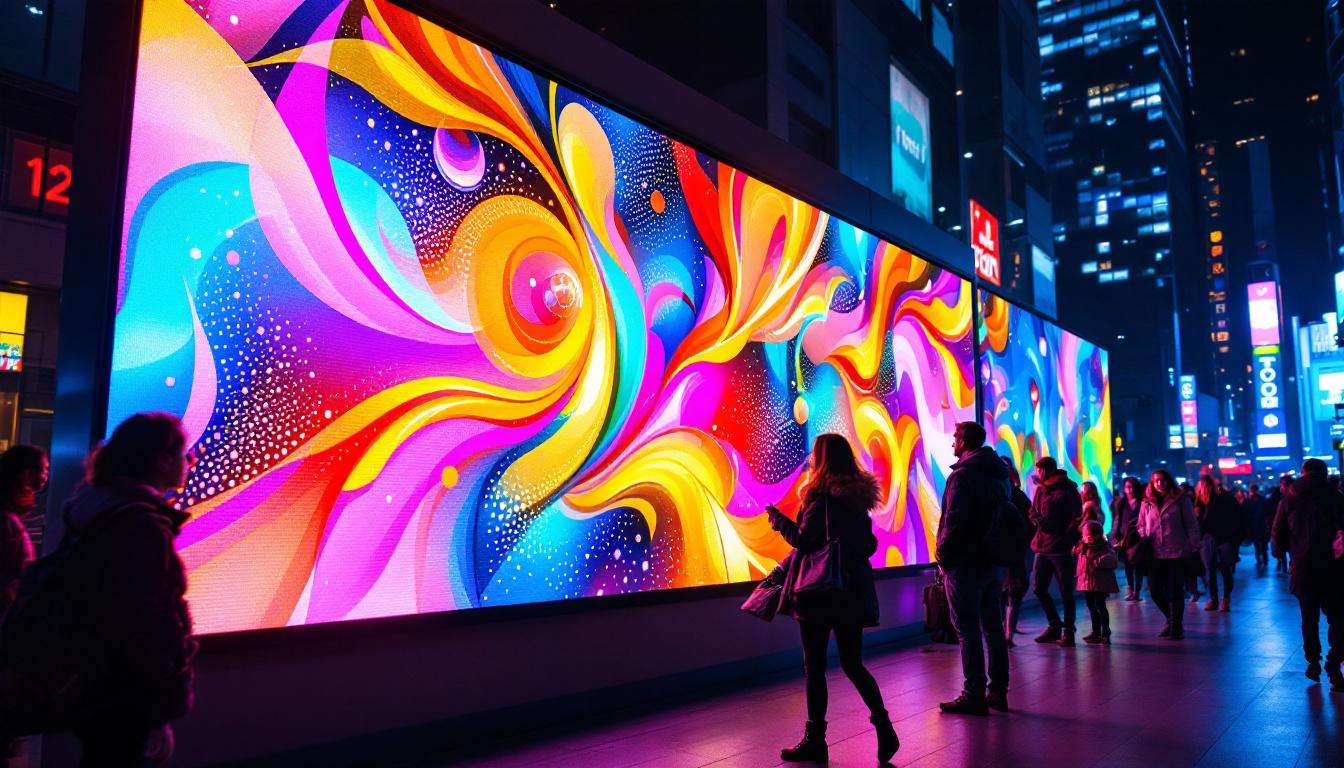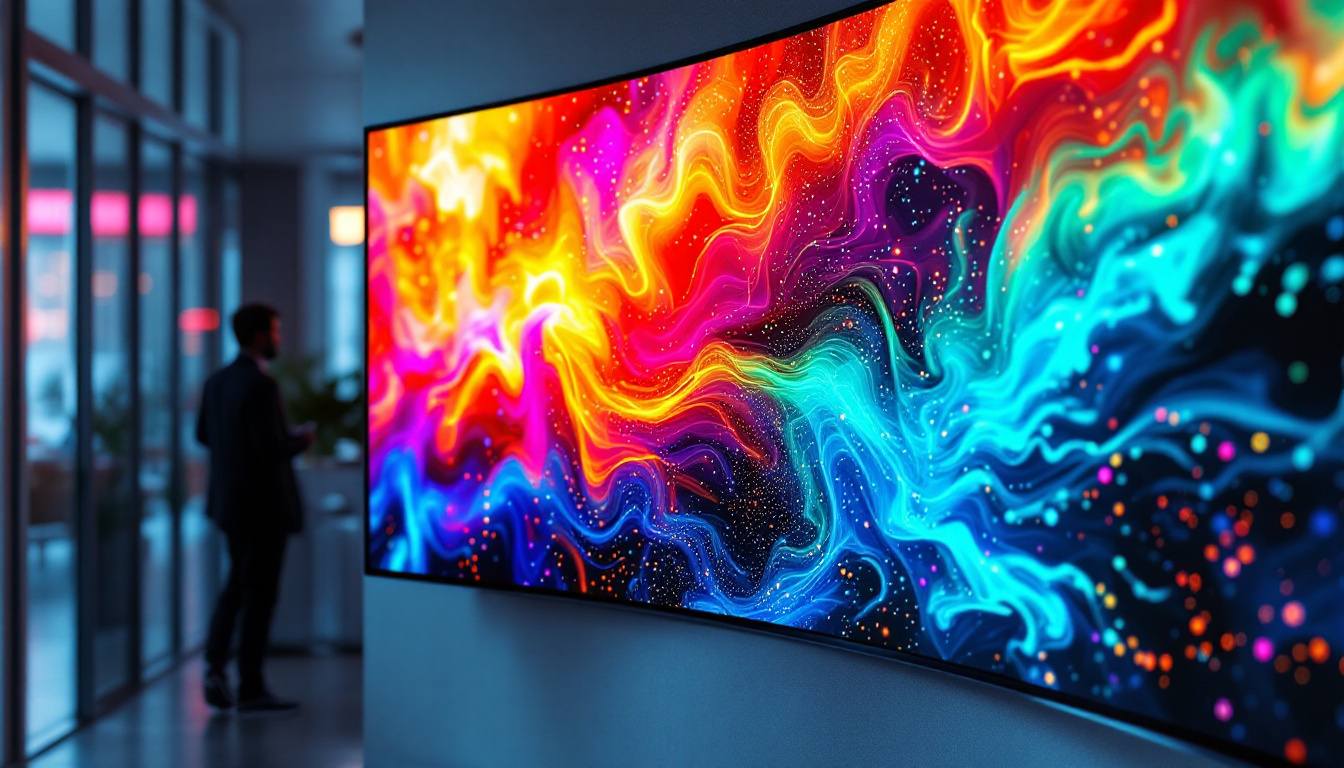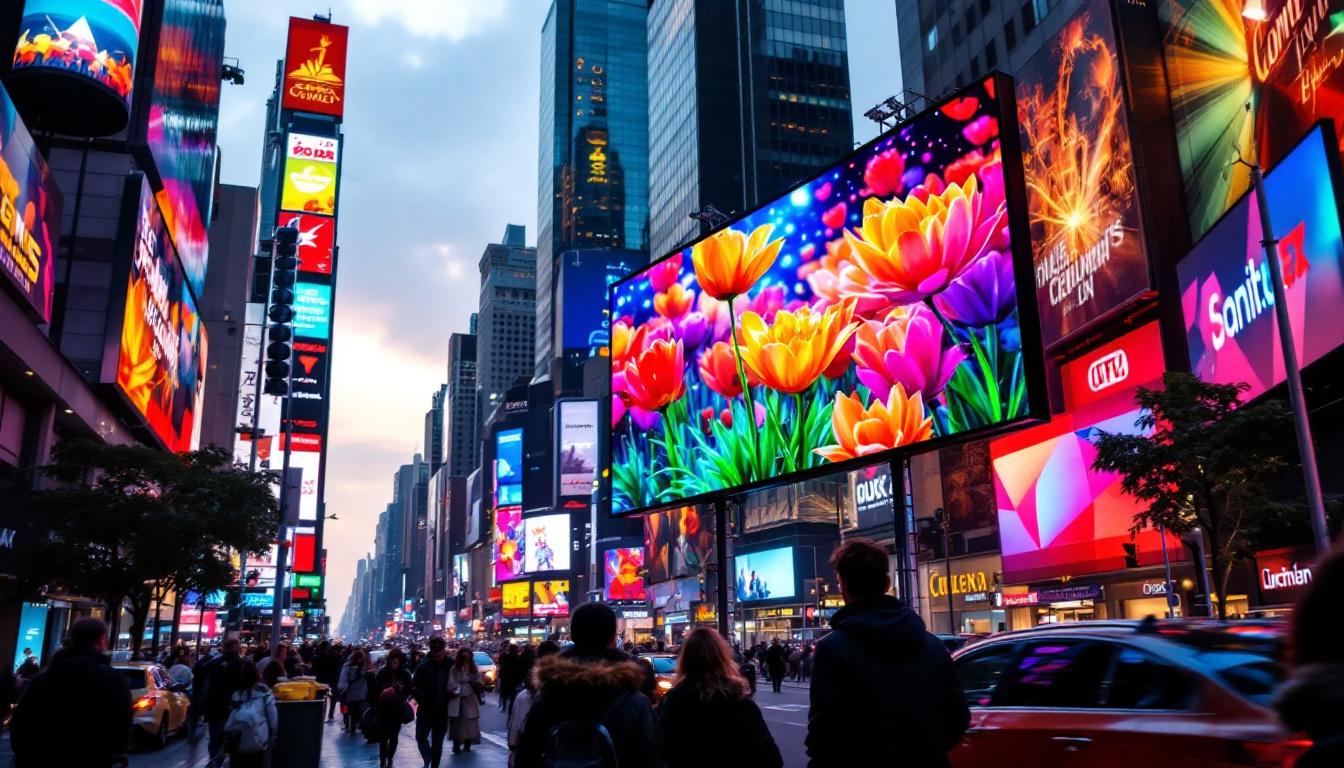
In an era where digital communication dominates, LED displays have become a cornerstone technology for visual information dissemination. From vibrant billboards in bustling city centers to intricate indoor screens in corporate boardrooms, LED displays are everywhere, transforming how messages are conveyed and experiences are crafted. This article delves into the world of LED displays, exploring their technology, diverse applications, and why they continue to revolutionize visual communication across industries.
Understanding LED Display Technology
What is an LED Display?
LED, short for Light Emitting Diode, is a semiconductor device that emits light when an electric current passes through it. An LED display is essentially a flat panel or flexible surface that uses an array of these tiny LEDs as pixels to create images, videos, and text. Unlike traditional LCD or plasma screens, LED displays use self-illuminating diodes, which offer superior brightness, contrast, and energy efficiency.
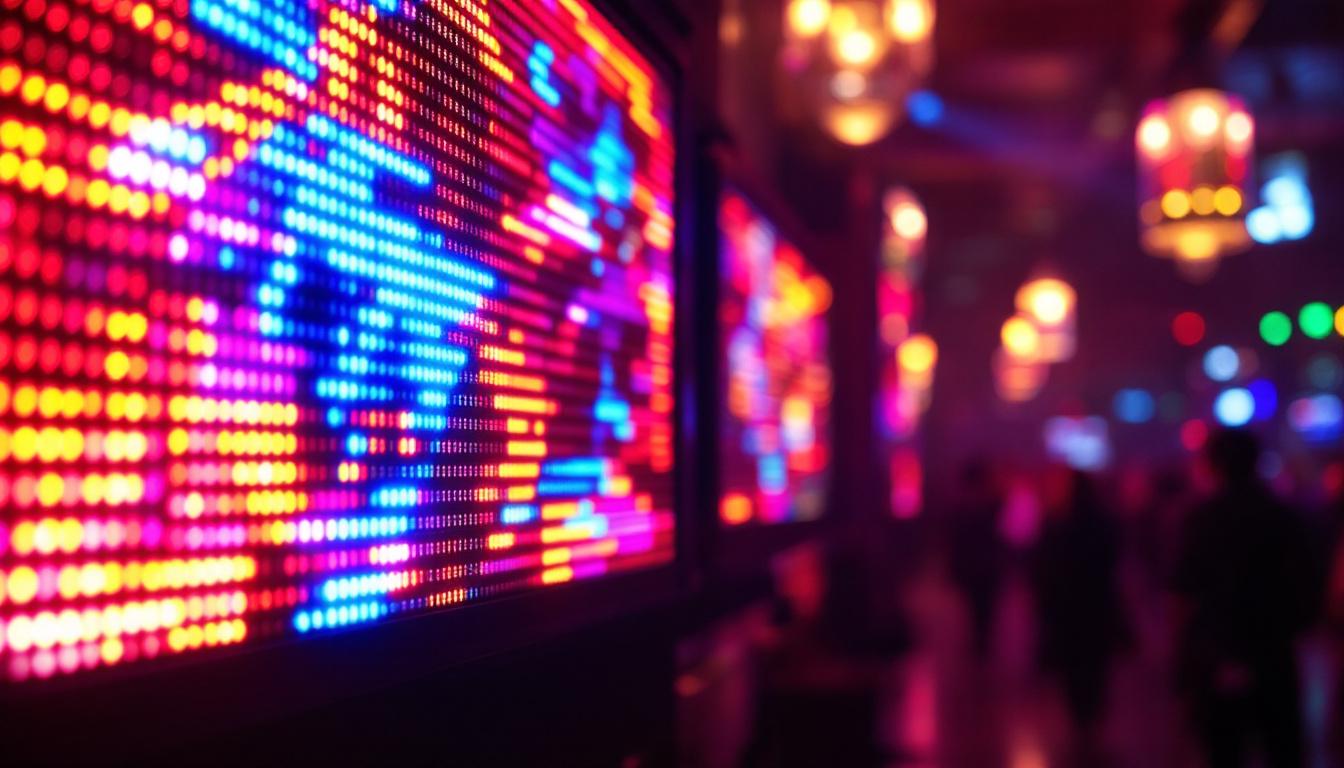
The fundamental building block of an LED display is the pixel, which typically consists of three sub-pixels: red, green, and blue LEDs. By varying the intensity of each sub-pixel, the display can produce a wide spectrum of colors, enabling vivid and dynamic visuals. This capability allows for the creation of intricate graphics and animations that can capture the attention of viewers, making LED displays a popular choice for advertising and entertainment venues. Additionally, advancements in technology have led to the development of high dynamic range (HDR) capabilities in some LED displays, further enhancing color depth and contrast, resulting in an even more immersive viewing experience.
Types of LED Displays
LED displays come in various forms, each tailored for specific applications and environments:
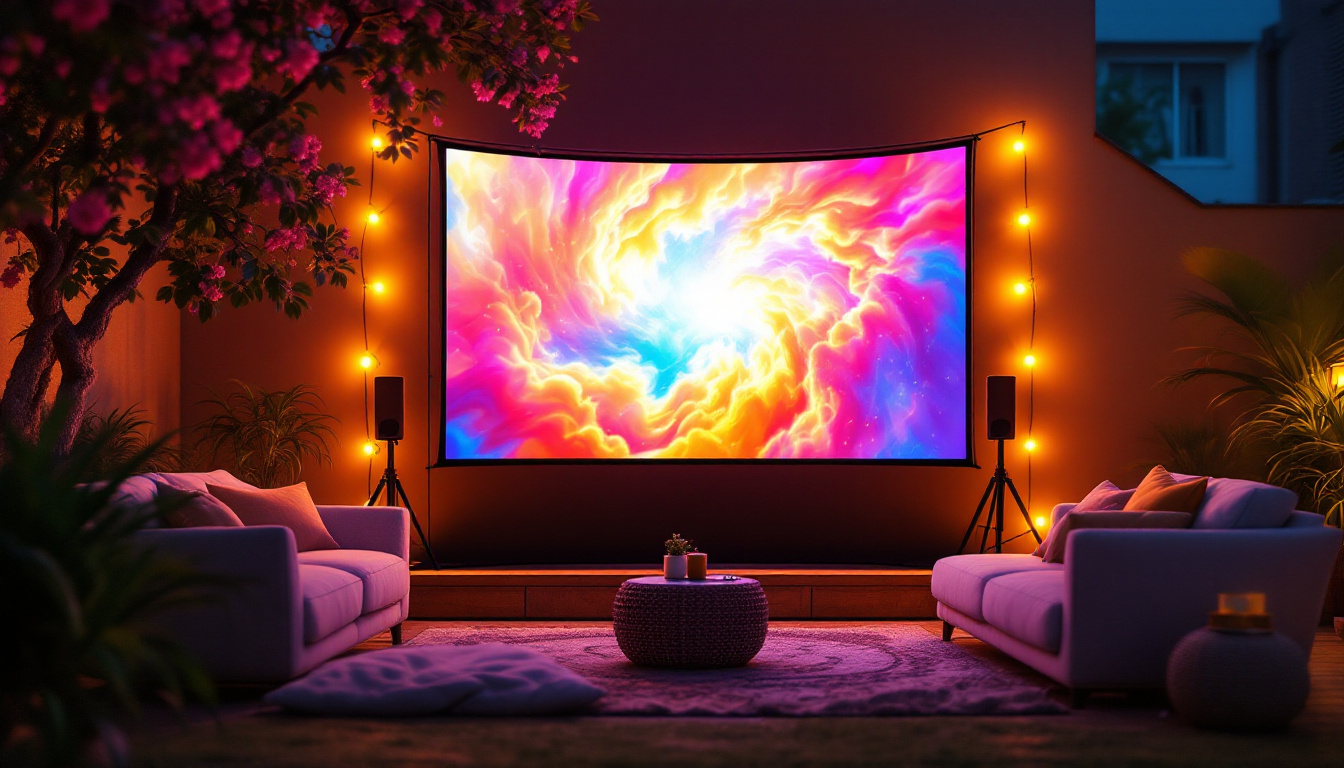
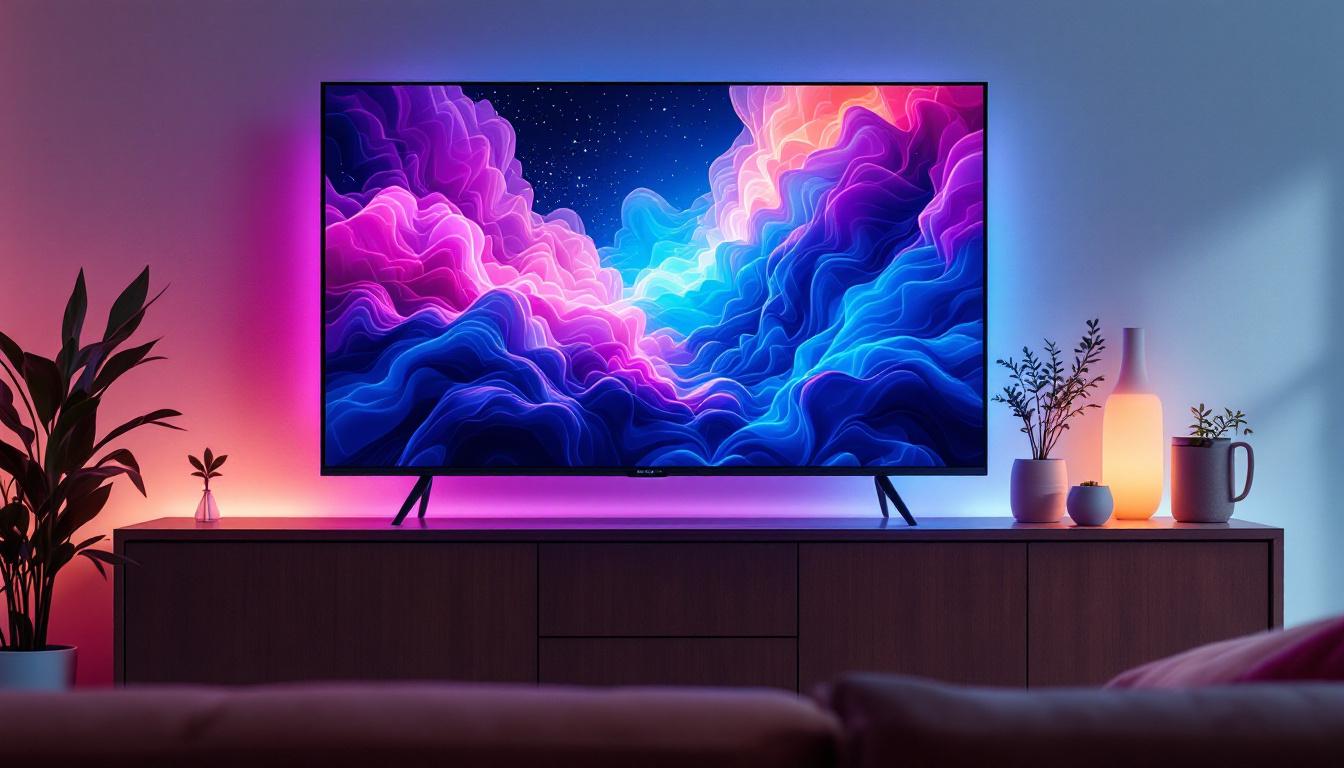
- Indoor LED Displays: Designed for close viewing distances, these displays have a high pixel density (small pixel pitch) to ensure sharp image quality. They are commonly used in conference rooms, retail stores, and indoor advertising. The ability to adjust brightness levels according to ambient light conditions makes them versatile for different indoor settings.
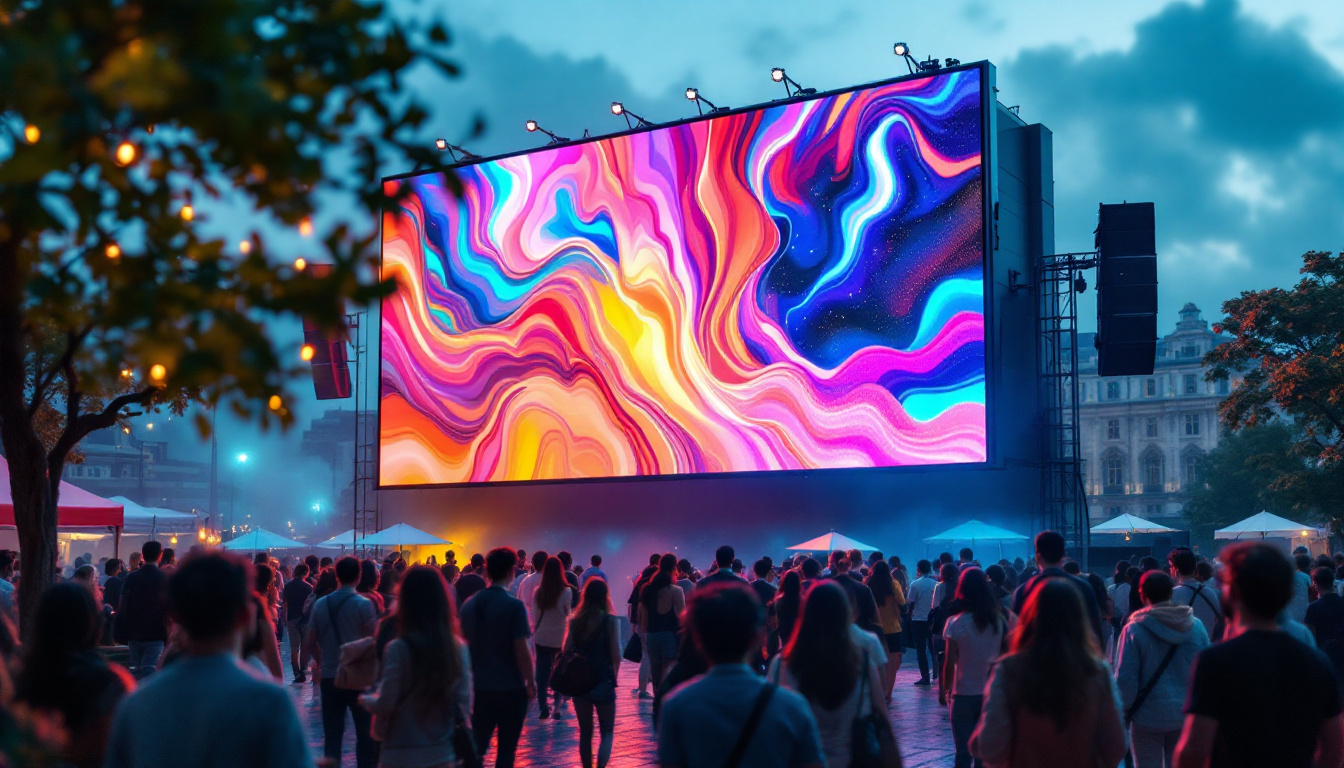
- Outdoor LED Displays: Built to withstand harsh weather conditions, these displays are brighter and have a larger pixel pitch to ensure visibility over long distances. Examples include stadium screens and digital billboards. Many outdoor models are equipped with protective casings to guard against rain, dust, and extreme temperatures, ensuring durability and reliability in various climates.
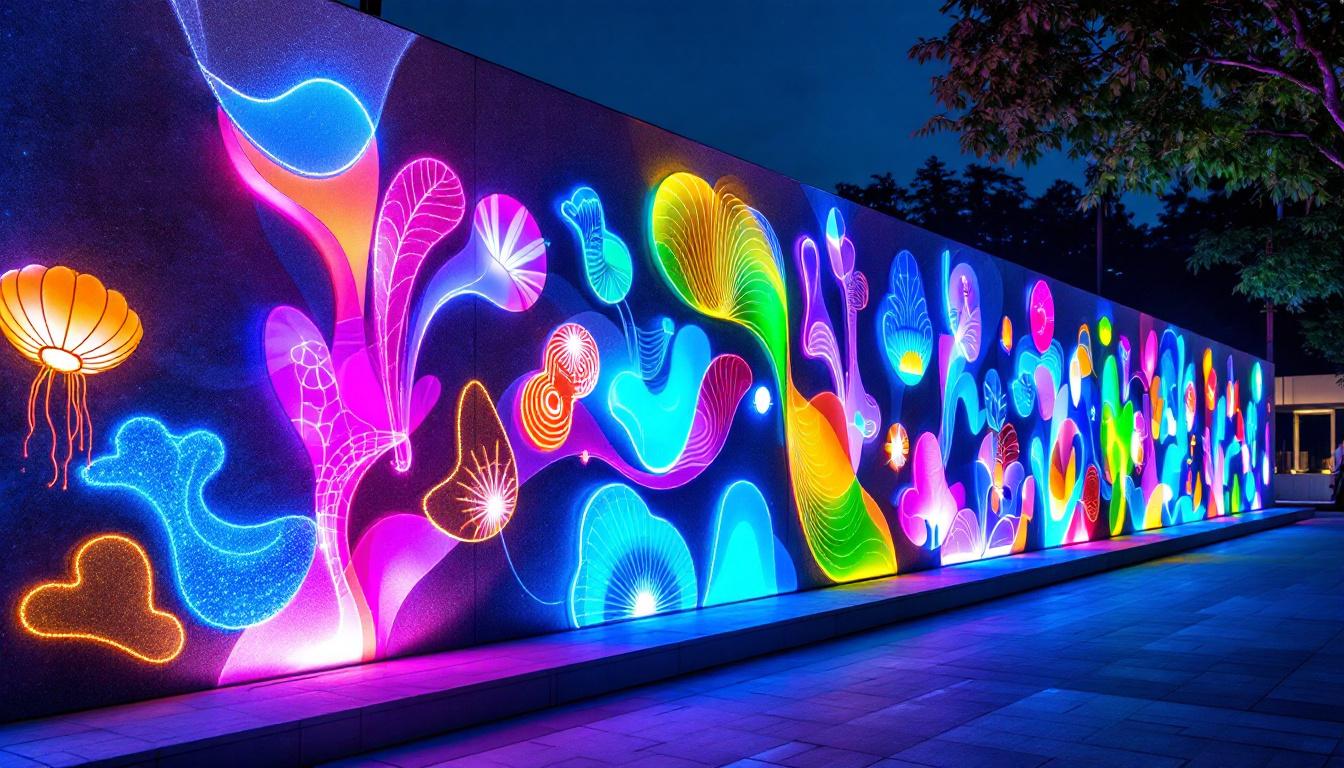
- Flexible and Transparent LED Displays: These innovative displays can bend or allow light to pass through, making them ideal for creative architectural installations and retail windows. Their unique design opens up new possibilities for advertising, allowing brands to create eye-catching displays that blend seamlessly with their surroundings.
- Curved LED Displays: Used to create immersive viewing experiences, especially in arenas and control rooms. The curvature of these displays enhances the viewer’s field of vision, making them particularly effective for large-scale events and presentations.
Key Advantages of LED Displays
LED displays offer several benefits that make them a preferred choice across sectors:
- Brightness and Visibility: LEDs can achieve brightness levels exceeding 5,000 nits, making them visible even under direct sunlight. This high brightness ensures that outdoor advertisements remain effective at all times of the day, drawing in potential customers with vibrant visuals.
- Energy Efficiency: Compared to traditional lighting and display technologies, LEDs consume less power, reducing operational costs. This efficiency not only lowers electricity bills but also contributes to a smaller carbon footprint, making LED displays a more environmentally friendly option.
- Longevity: High-quality LED modules can last upwards of 100,000 hours, minimizing maintenance and replacement expenses. This durability means that businesses can invest in LED technology with confidence, knowing that they will not need frequent replacements.
- Color Accuracy and Contrast: The ability to produce deep blacks and vibrant colors enhances visual appeal and readability. This feature is particularly beneficial in environments where clear communication is essential, such as in transportation hubs and public information displays.
- Flexibility: LED displays can be customized in size, shape, and resolution, fitting diverse installation needs. This adaptability allows for creative designs that can transform spaces, whether in retail, entertainment, or corporate environments.
Furthermore, LED technology has evolved to include smart features, such as connectivity options for remote management and real-time content updates. This capability allows businesses to tailor their messaging dynamically, ensuring that their displays remain relevant and engaging. As the demand for innovative advertising solutions continues to grow, LED displays are becoming an integral part of modern marketing strategies, enabling brands to connect with their audiences in more impactful ways.
Applications of LED Displays Across Industries
Advertising and Marketing
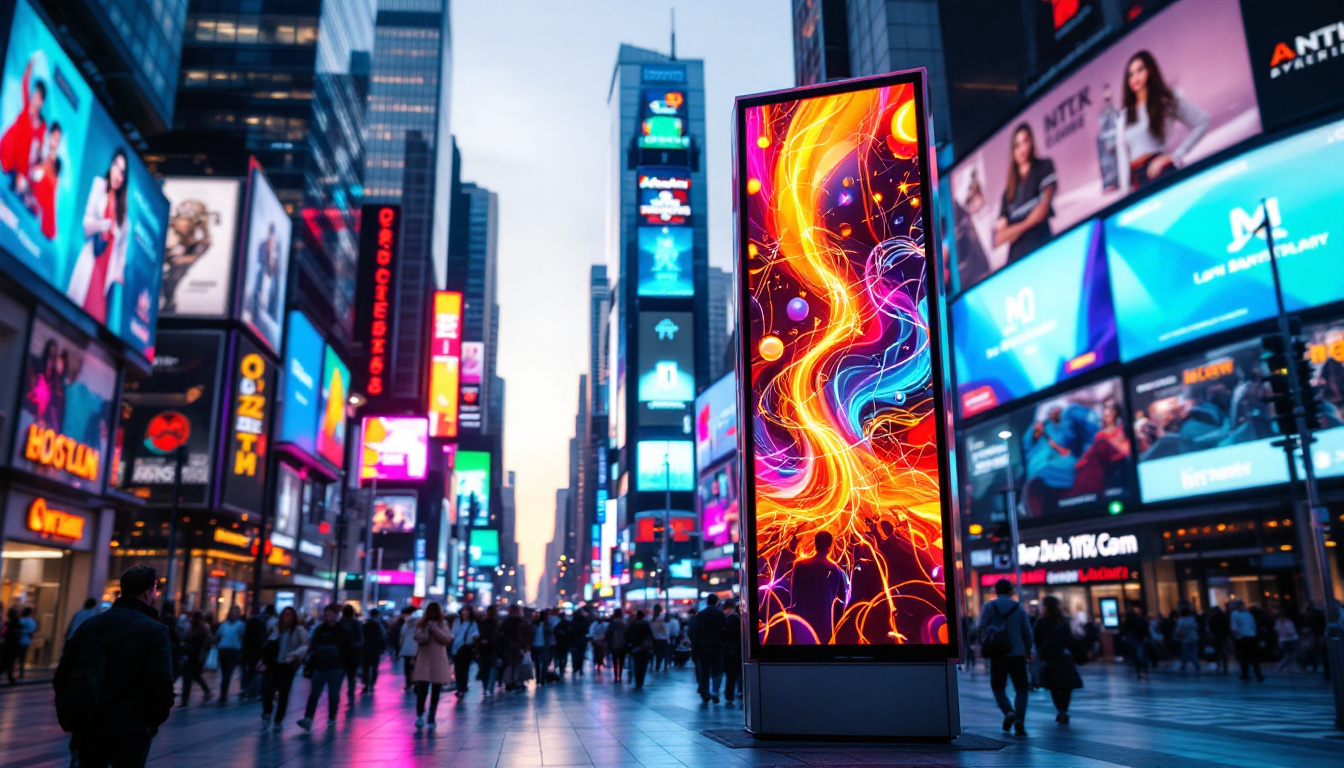
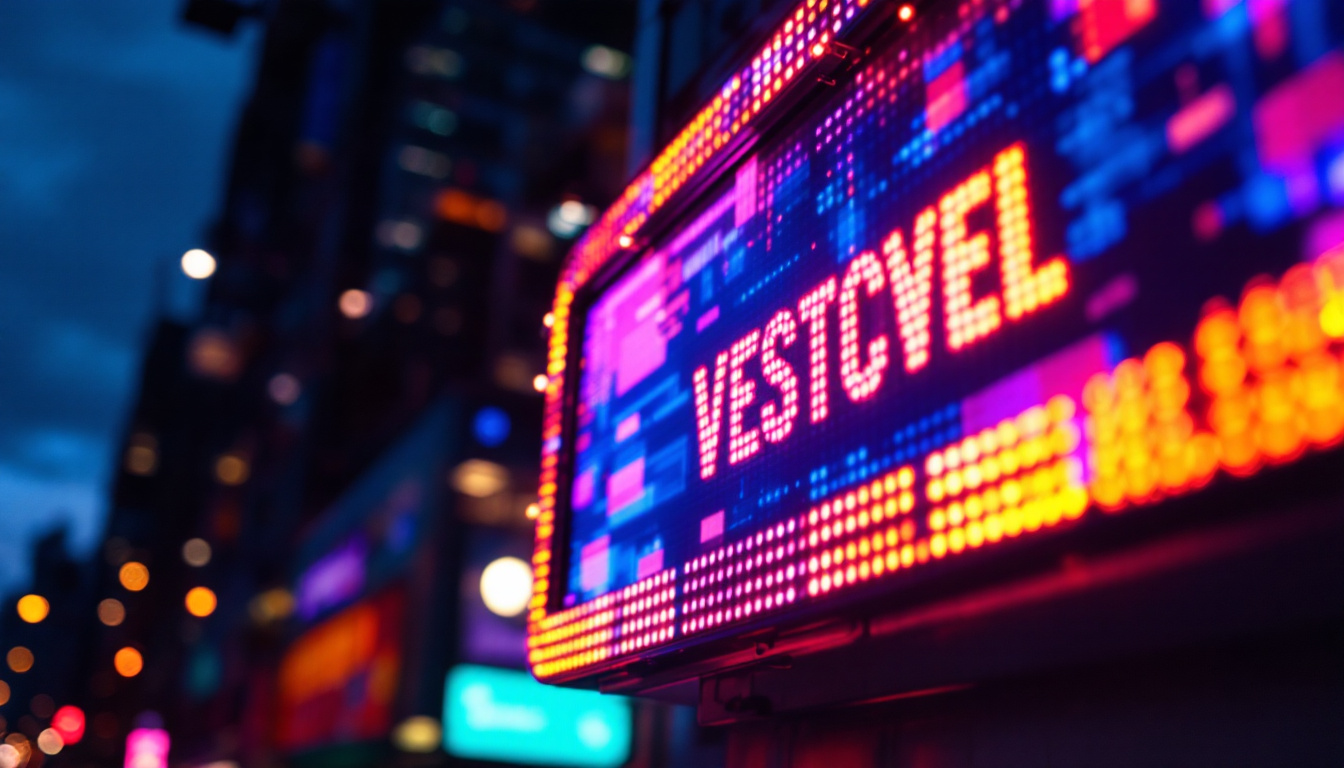
One of the most visible applications of LED displays is in outdoor advertising. Digital billboards equipped with LED technology have transformed the advertising landscape by enabling dynamic content that can be updated in real-time. According to recent market research, the global digital billboard market is expected to grow at a CAGR of over 7% from 2023 to 2030, driven largely by LED technology advancements.
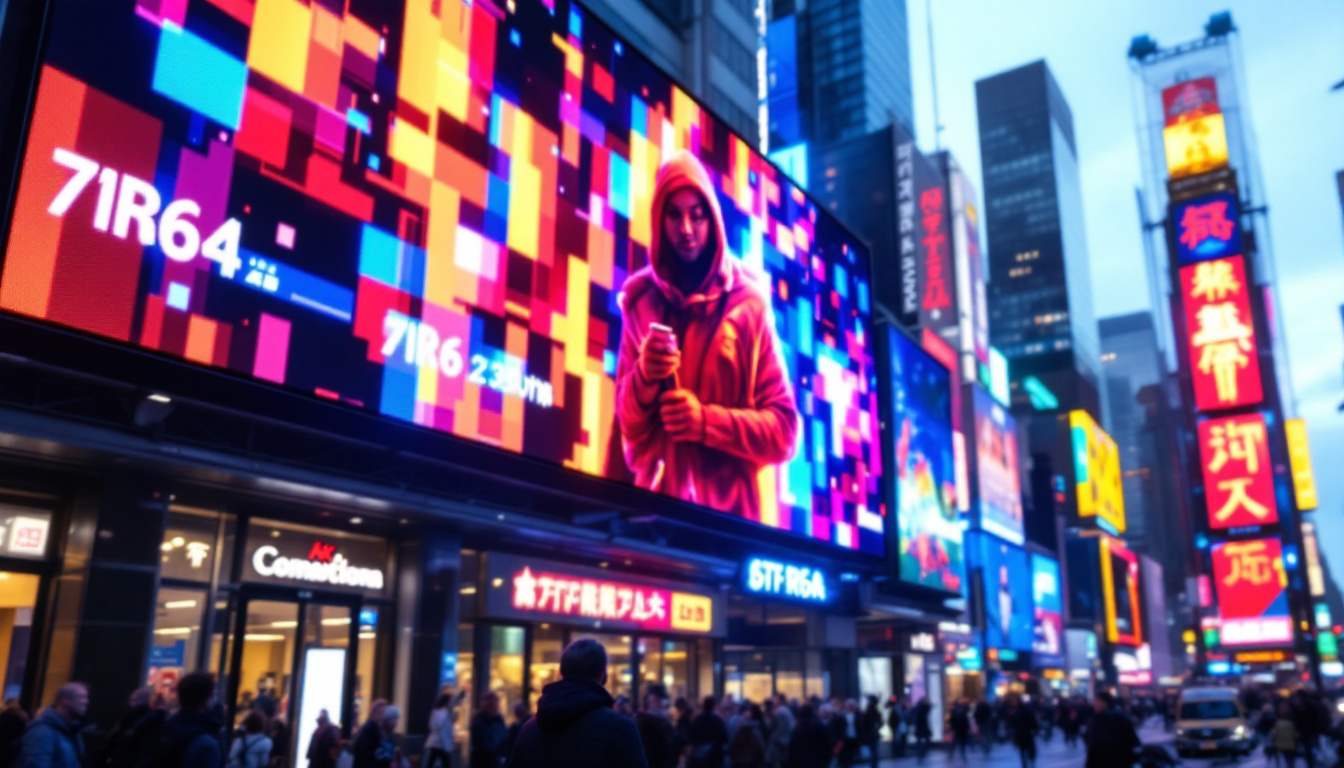
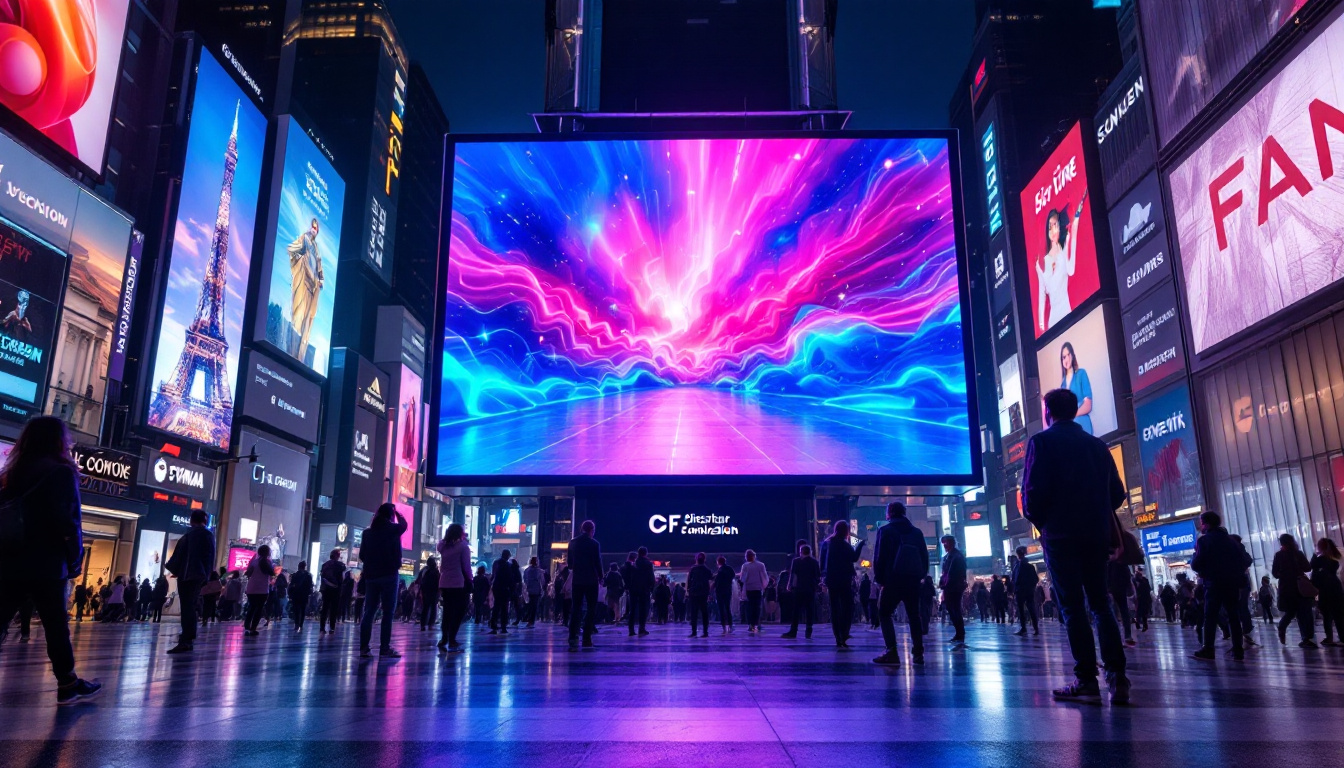
LED displays allow marketers to deliver targeted messages based on time of day, weather conditions, or audience demographics, enhancing engagement and return on investment. For example, Times Square in New York City features some of the largest and most sophisticated LED billboards, captivating millions of viewers daily.
Sports and Entertainment Venues
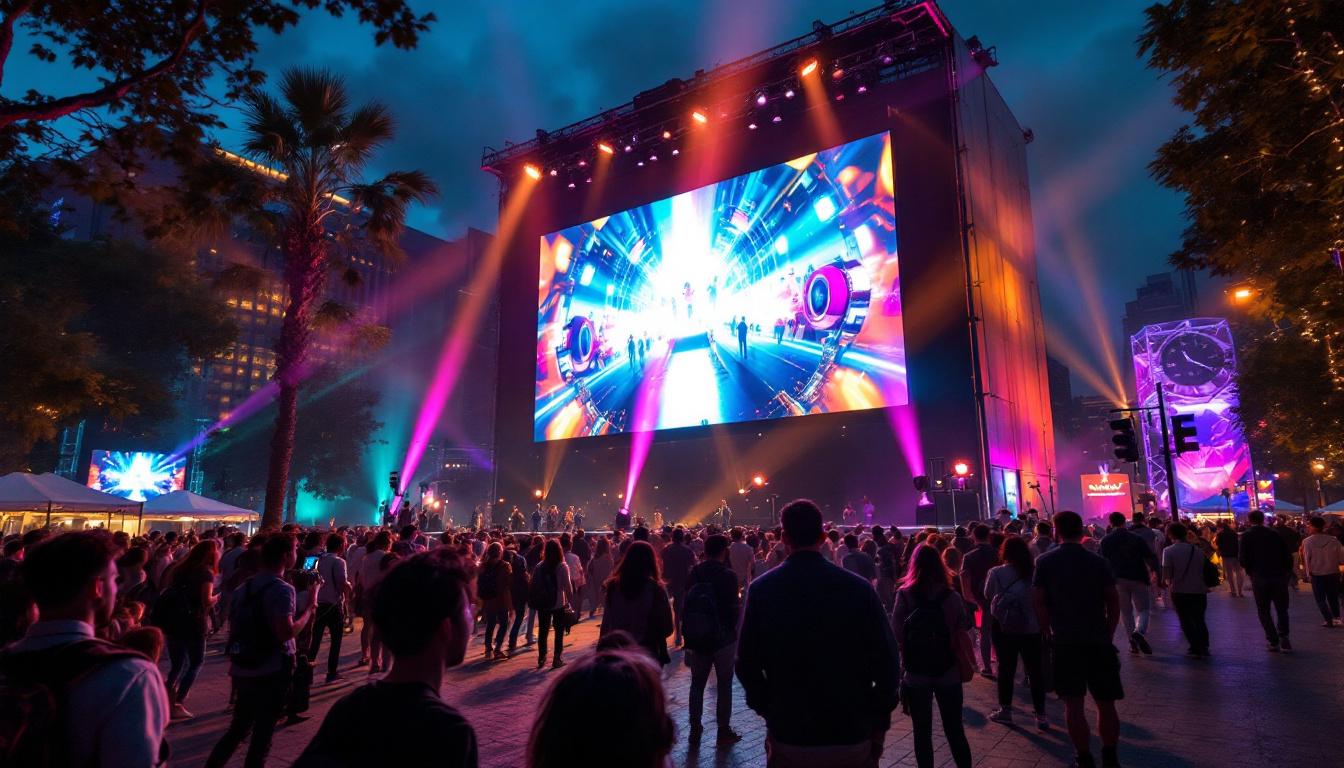
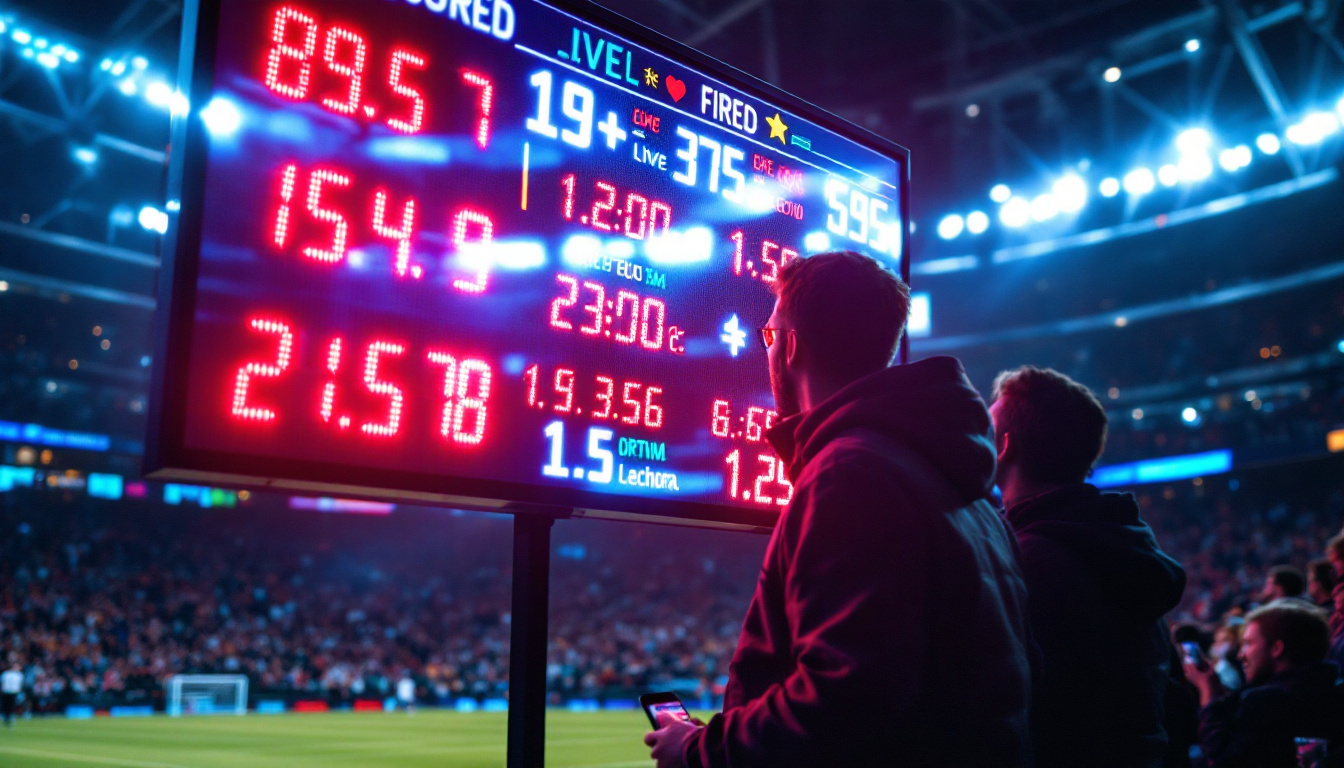
Stadiums and arenas utilize massive LED screens to enhance spectator experience. These displays provide live game footage, instant replays, advertisements, and interactive content. The ability to produce high-resolution images visible from any seat in the venue is crucial for fan engagement.
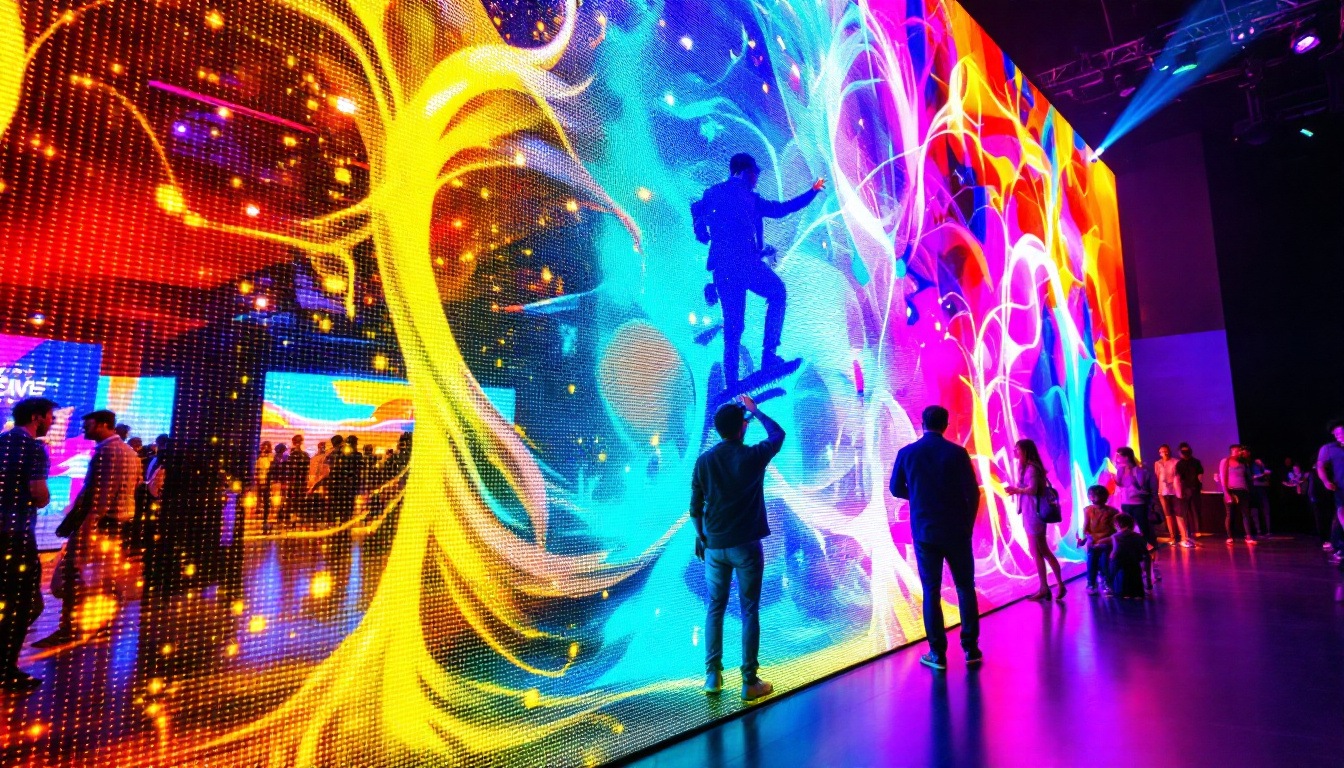
Moreover, concert venues and theaters incorporate LED walls and floors to create immersive stage designs and special effects. The flexibility and brightness of LED displays enable creative freedom for event producers, elevating performances to new heights.
Retail and Hospitality
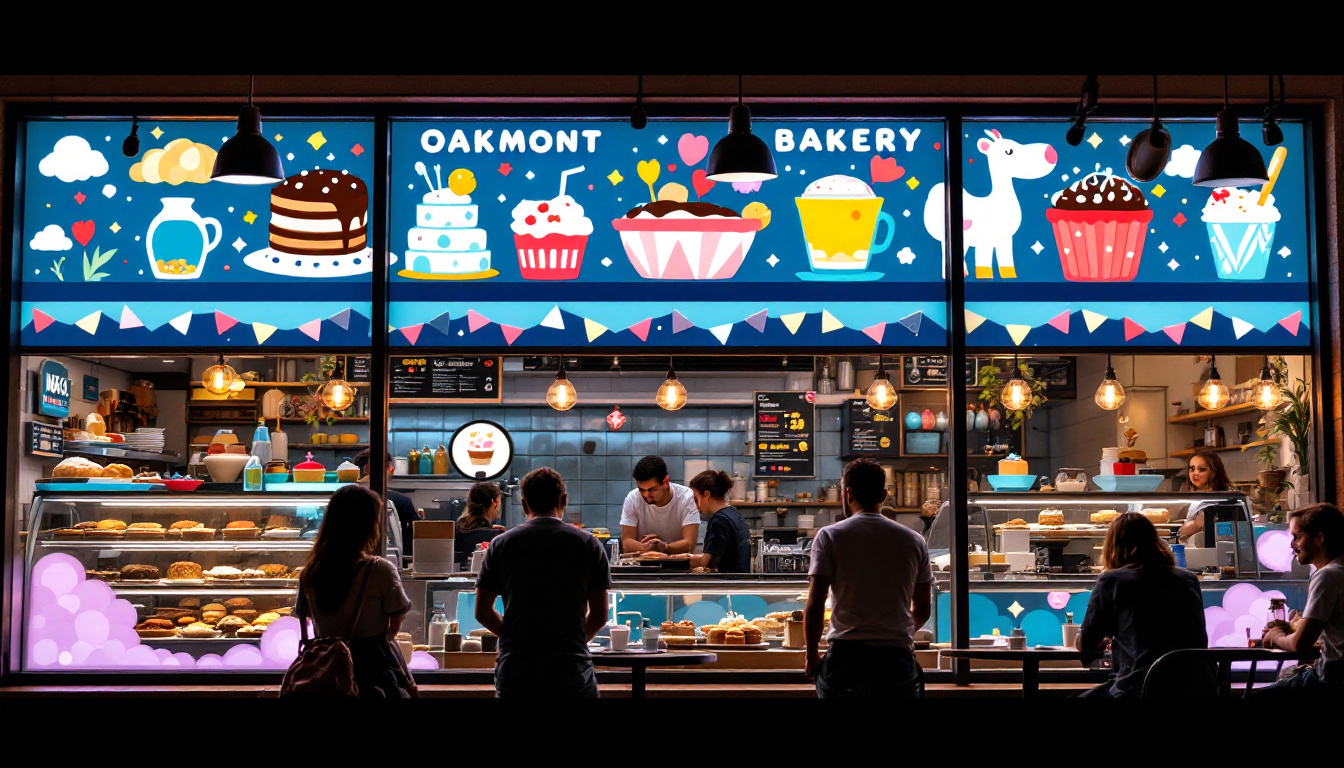
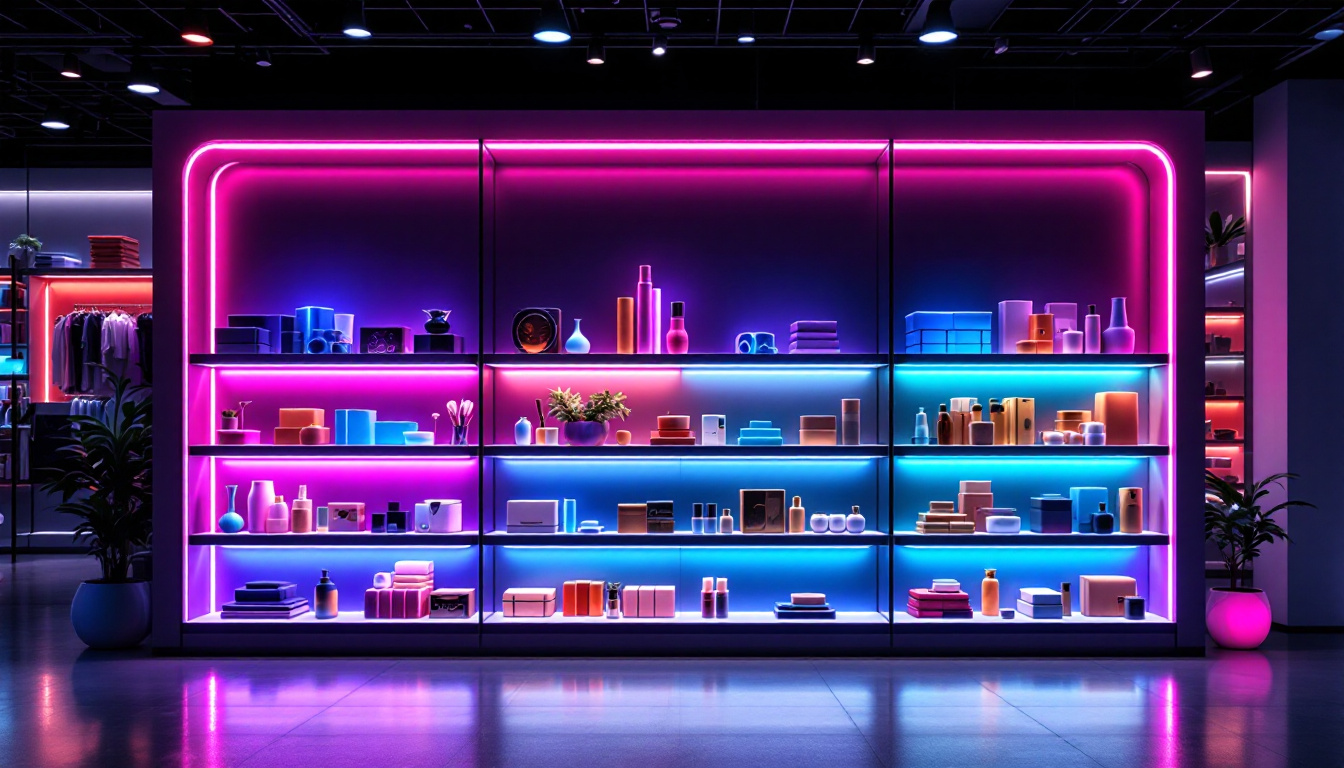
In retail environments, LED displays serve as digital signage to attract customers, showcase promotions, and create interactive experiences. High-resolution indoor LED screens can transform storefronts and in-store displays, enhancing brand visibility and customer engagement.
Hotels and restaurants use LED displays for digital menus, wayfinding, and ambient lighting, contributing to a modern and welcoming atmosphere. The ability to update content quickly allows businesses to respond to changing customer preferences and operational needs.
Transportation and Public Spaces
Transportation hubs such as airports, train stations, and bus terminals rely on LED displays for real-time information dissemination. Flight schedules, gate changes, and emergency alerts are communicated effectively through bright, legible LED screens.
In public spaces, LED displays are used for public service announcements, event promotions, and interactive kiosks. Their durability and visibility make them ideal for outdoor use in varying weather conditions.
Corporate and Educational Environments
Corporate offices utilize LED displays for video conferencing, presentations, and digital dashboards. The clarity and brightness of LED screens improve communication and collaboration among teams.
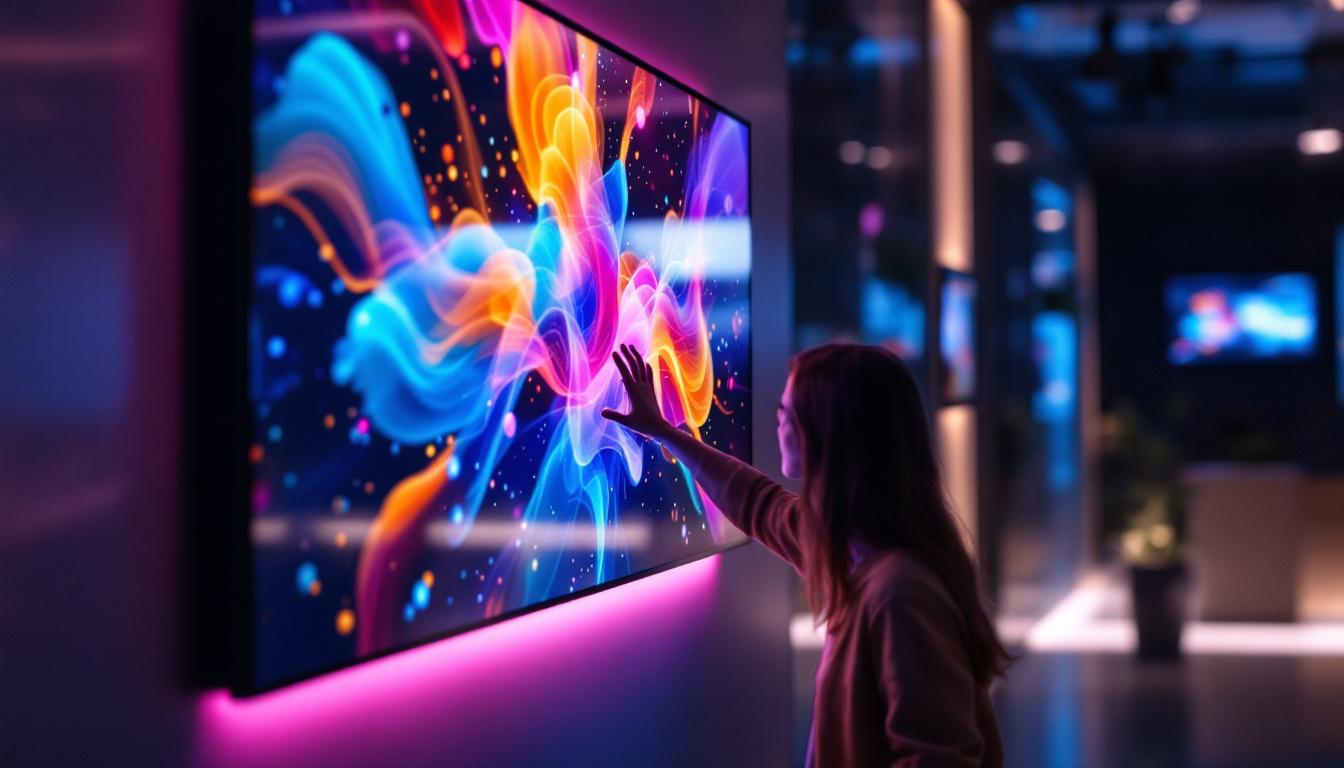
Educational institutions employ LED displays in lecture halls and auditoriums to enhance learning experiences. Interactive LED panels facilitate engagement and provide versatile tools for educators.
Technical Considerations for LED Display Implementation
Pixel Pitch and Resolution
Pixel pitch, the distance between the centers of two adjacent pixels, is a critical factor influencing image clarity. Smaller pixel pitches result in higher resolution and sharper images, suitable for close viewing distances. For example, indoor LED displays typically have pixel pitches ranging from 0.9mm to 4mm, while outdoor displays may have pitches from 4mm to 20mm or more.
Choosing the appropriate pixel pitch depends on the intended viewing distance and content type. A mismatch can lead to pixelation or unnecessary cost increases.
Brightness and Contrast Ratio
Brightness is measured in nits (cd/m²) and determines how well the display performs under various lighting conditions. Outdoor displays often require brightness levels above 5,000 nits to remain visible in sunlight, while indoor displays typically operate around 800 to 1,500 nits.
Contrast ratio, the difference between the darkest black and brightest white, affects image depth and color vibrancy. High contrast ratios improve readability and visual impact, especially in environments with ambient light.
Viewing Angle and Color Uniformity
Wide viewing angles ensure that the display is visible and color-accurate from different positions. LED displays generally offer viewing angles of 140 degrees or more horizontally and vertically, making them suitable for public spaces where viewers are scattered.
Color uniformity across the display surface is essential to avoid visual inconsistencies. Advanced calibration techniques and quality control during manufacturing help maintain uniform color reproduction.
Durability and Maintenance
Outdoor LED displays must be weatherproof, resistant to dust, moisture, and temperature extremes. IP65 or higher ratings are common for outdoor installations, ensuring longevity and reliable operation.
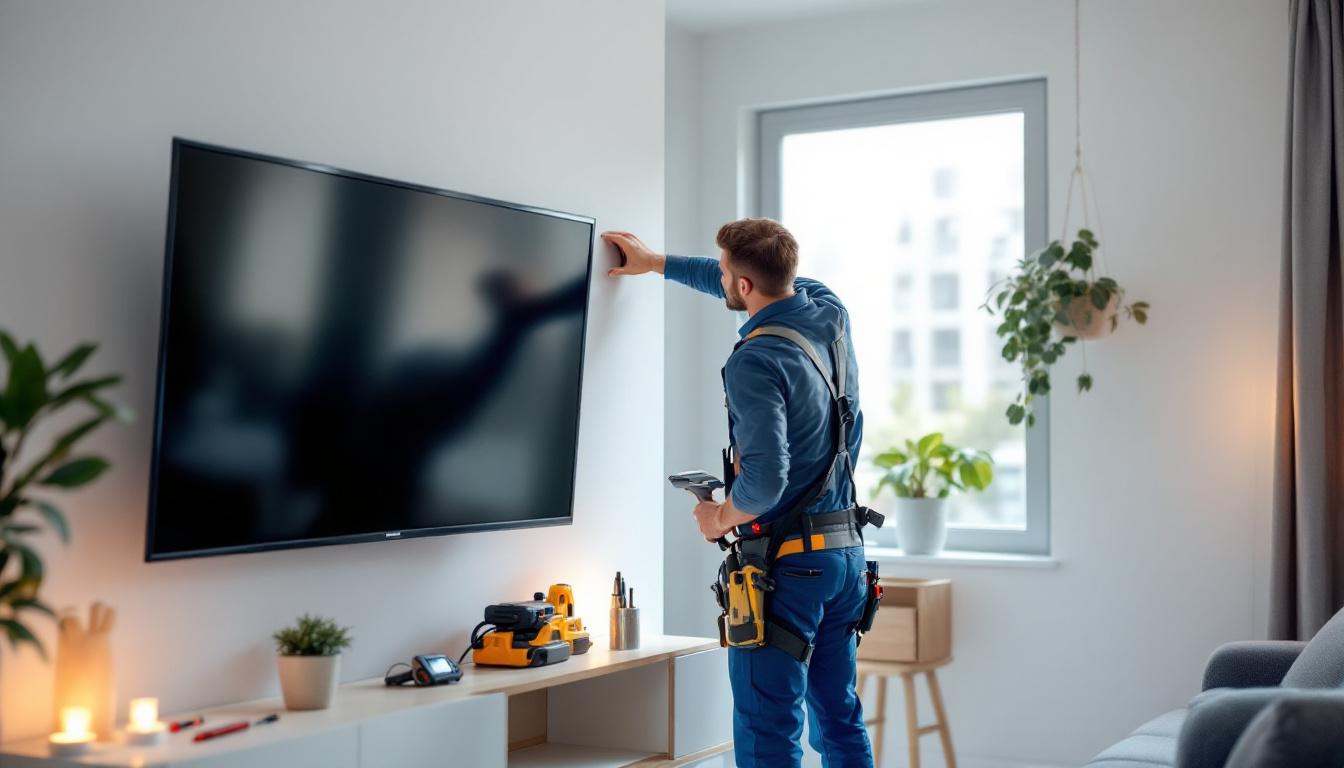
Modular design facilitates easier maintenance and repairs, allowing individual LED panels or modules to be replaced without dismantling the entire display. This reduces downtime and maintenance costs.
Future Trends in LED Display Technology
MicroLED and MiniLED Innovations
Emerging technologies like MicroLED and MiniLED are pushing the boundaries of LED display performance. MicroLEDs are microscopic LEDs that offer even higher resolution, brightness, and energy efficiency without the burn-in issues associated with OLED displays. Although currently costly, MicroLED technology is expected to become more accessible, potentially revolutionizing consumer electronics and large-scale displays.
Integration with IoT and Smart Systems
LED displays are increasingly integrated with Internet of Things (IoT) platforms, enabling real-time data-driven content updates. For example, smart city initiatives use connected LED displays to provide dynamic traffic updates, weather alerts, and emergency notifications tailored to specific locations and times.
This integration enhances the utility and responsiveness of LED displays, making them pivotal components in smart infrastructure.
Sustainability and Energy Efficiency
With growing emphasis on sustainability, LED display manufacturers are focusing on reducing power consumption and utilizing eco-friendly materials. Innovations in driver electronics, heat dissipation, and recyclable components contribute to greener solutions.
Energy-efficient LED displays not only reduce operational costs but also align with corporate social responsibility goals, appealing to environmentally conscious consumers and stakeholders.
Conclusion
LED displays have firmly established themselves as versatile, high-performance tools for visual communication across a multitude of industries. Their ability to deliver bright, vivid, and dynamic content in various environments makes them indispensable in advertising, entertainment, retail, transportation, and beyond.
Understanding the technical aspects and application-specific requirements is crucial for selecting the right LED display solution. As technology advances with innovations like MicroLED and IoT integration, the potential for LED displays to enhance engagement and information delivery will only expand.
For businesses and organizations aiming to captivate audiences and communicate effectively, investing in LED display technology offers a compelling path forward in the digital age.
Discover Cutting-Edge LED Display Solutions with LumenMatrix
Ready to elevate your visual communication strategy with the latest in LED display technology? LumenMatrix is at the forefront of innovation, offering a diverse range of LED display modules designed to captivate and engage your audience. From Indoor and Outdoor LED Wall Displays to specialized solutions like Vehicle LED Displays, LED Sports Displays, and Custom LED Displays, we have the tools to bring your brand to life. Experience the transformative power of our All-in-One and Transparent LED Displays. Check out LumenMatrix LED Display Solutions today and join the revolution in digital signage and visual storytelling.