In the rapidly evolving world of digital signage and display technology, LED displays have emerged as a dominant force, offering vibrant visuals, energy efficiency, and remarkable versatility. However, to harness the full potential of LED displays, proper calibration is essential. Calibration ensures that the colors, brightness, and contrast are accurate and consistent, providing an optimal viewing experience regardless of environmental conditions or usage scenarios.
This article delves into the fundamentals of LED display technology, the importance of calibration, and the best practices to achieve precise and reliable display performance. Whether you are a professional in digital signage, a content creator, or simply curious about how LED displays work, this comprehensive guide will illuminate the key concepts and practical steps involved in LED display calibration.
Understanding LED Display Technology
What Is an LED Display?
LED stands for Light Emitting Diode, a semiconductor device that emits light when an electric current passes through it. An LED display is a flat panel that uses an array of these tiny LEDs as pixels to create images and videos. Unlike traditional LCD screens that rely on backlighting, LED displays generate their own light, which results in higher brightness levels and better contrast ratios. This capability allows for vivid colors and sharp images, making LED displays particularly appealing for dynamic content such as video presentations and live broadcasts.
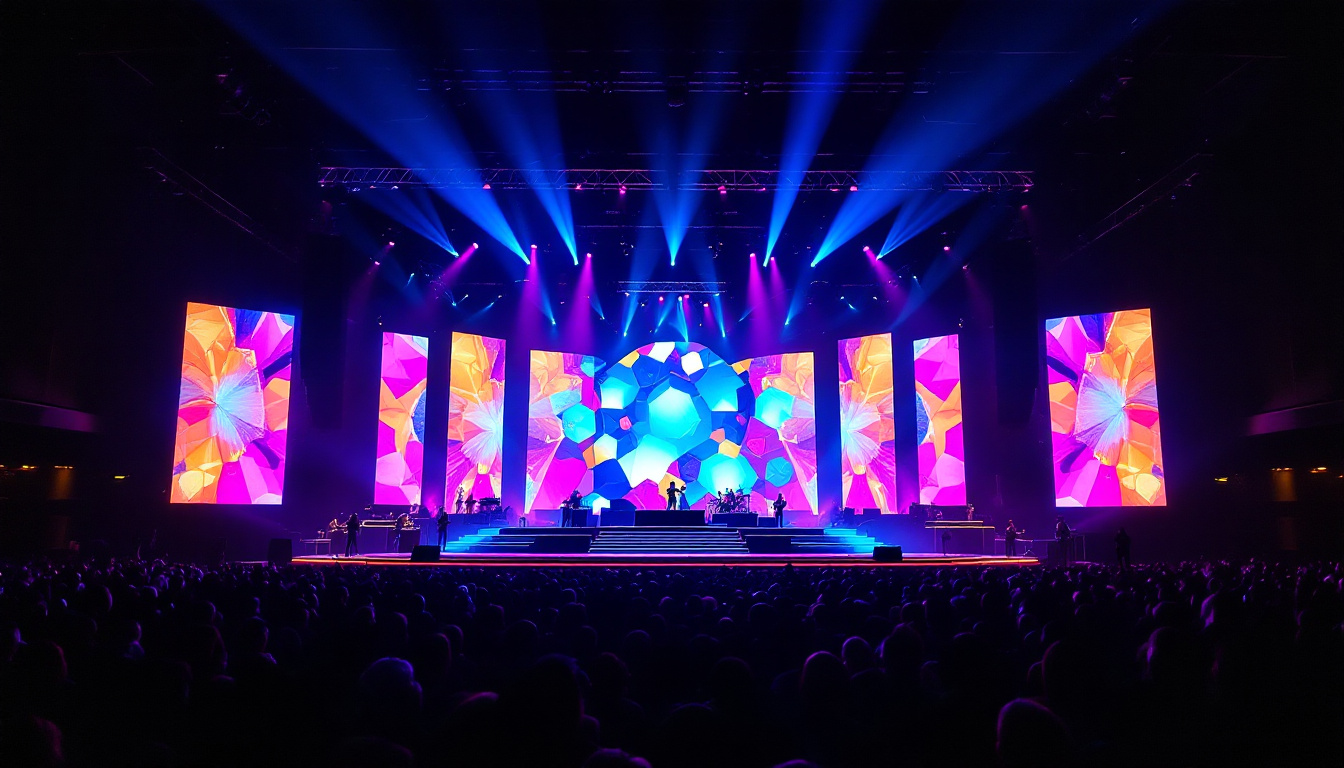
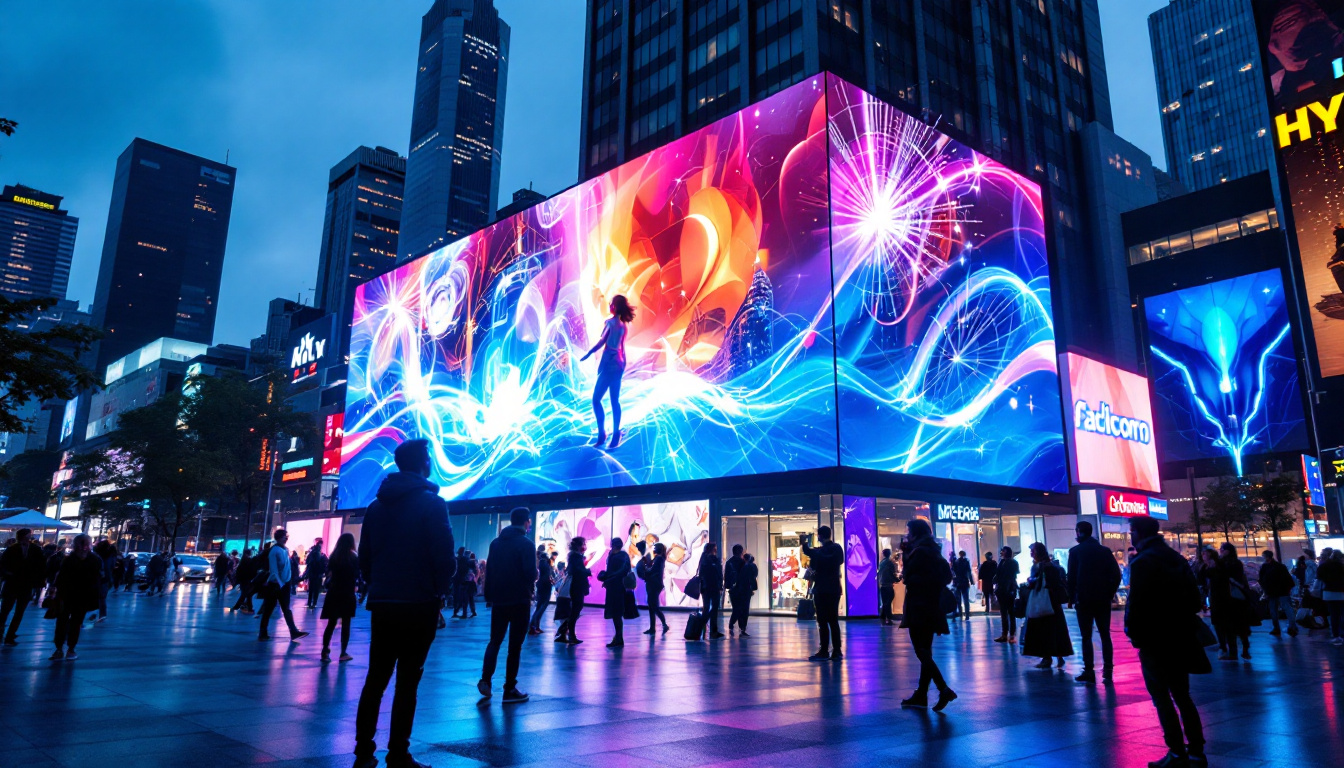
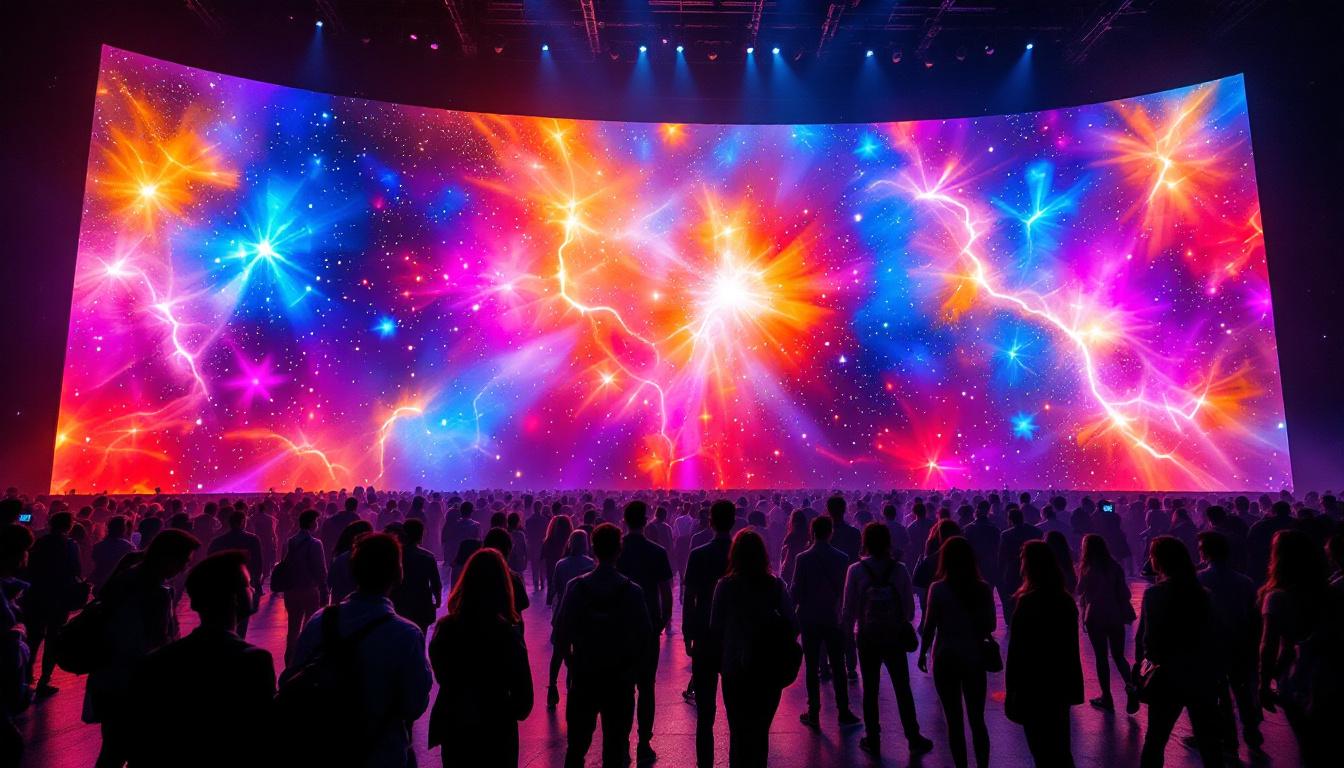
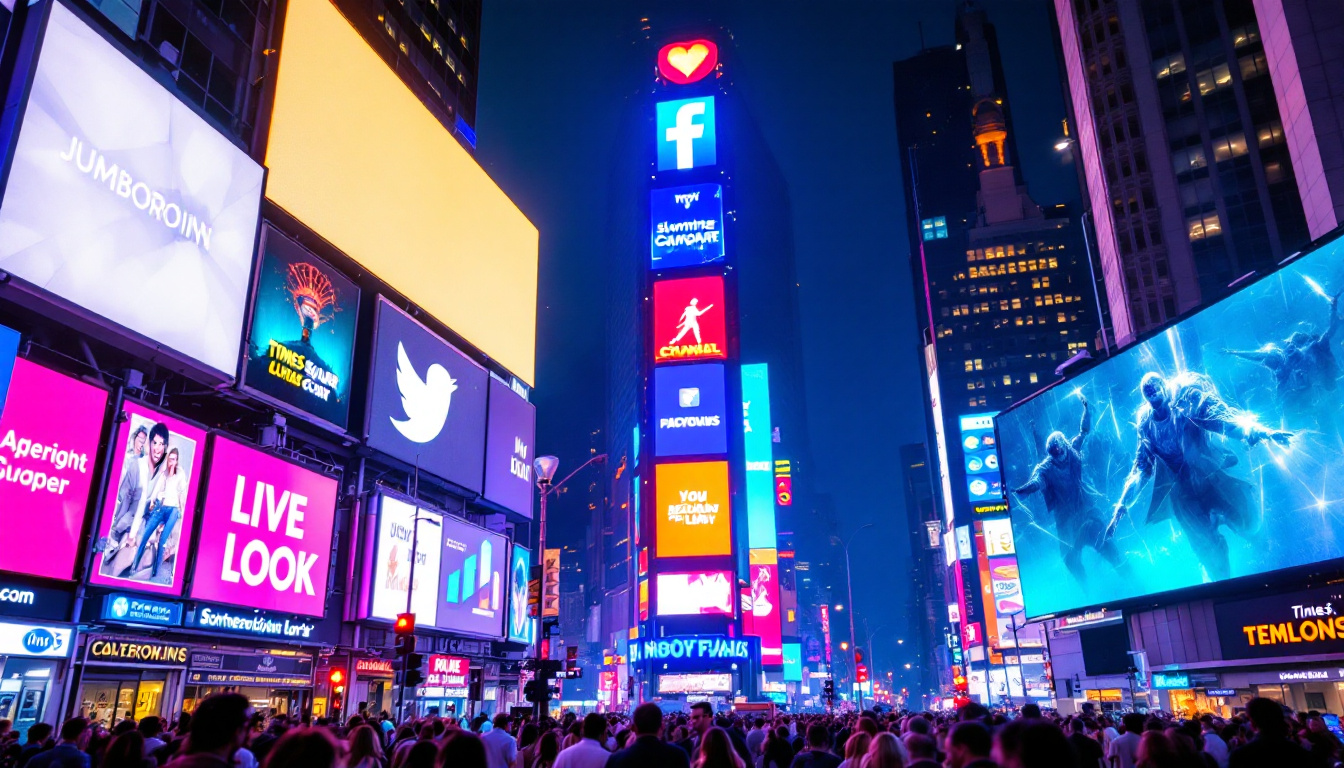
LED displays are widely used in various applications, from large outdoor billboards and stadium screens to indoor video walls and consumer televisions. Their scalability, durability, and energy efficiency make them a preferred choice for both commercial and residential use. Additionally, the lifespan of LED displays often exceeds that of traditional display technologies, with many lasting over 100,000 hours, which translates to years of uninterrupted use. This longevity, combined with their low power consumption, contributes to a lower total cost of ownership, making them an attractive investment for businesses and individuals alike.
Types of LED Displays
LED displays come in several types, each suited for different environments and purposes:
- Direct View LED (DVLED): These displays use LEDs as the actual pixels, offering superior brightness and color accuracy. They are ideal for large-scale installations like stadiums and outdoor advertising. The ability to withstand harsh weather conditions makes DVLED displays particularly popular for outdoor use, where they can be seen clearly even in direct sunlight.
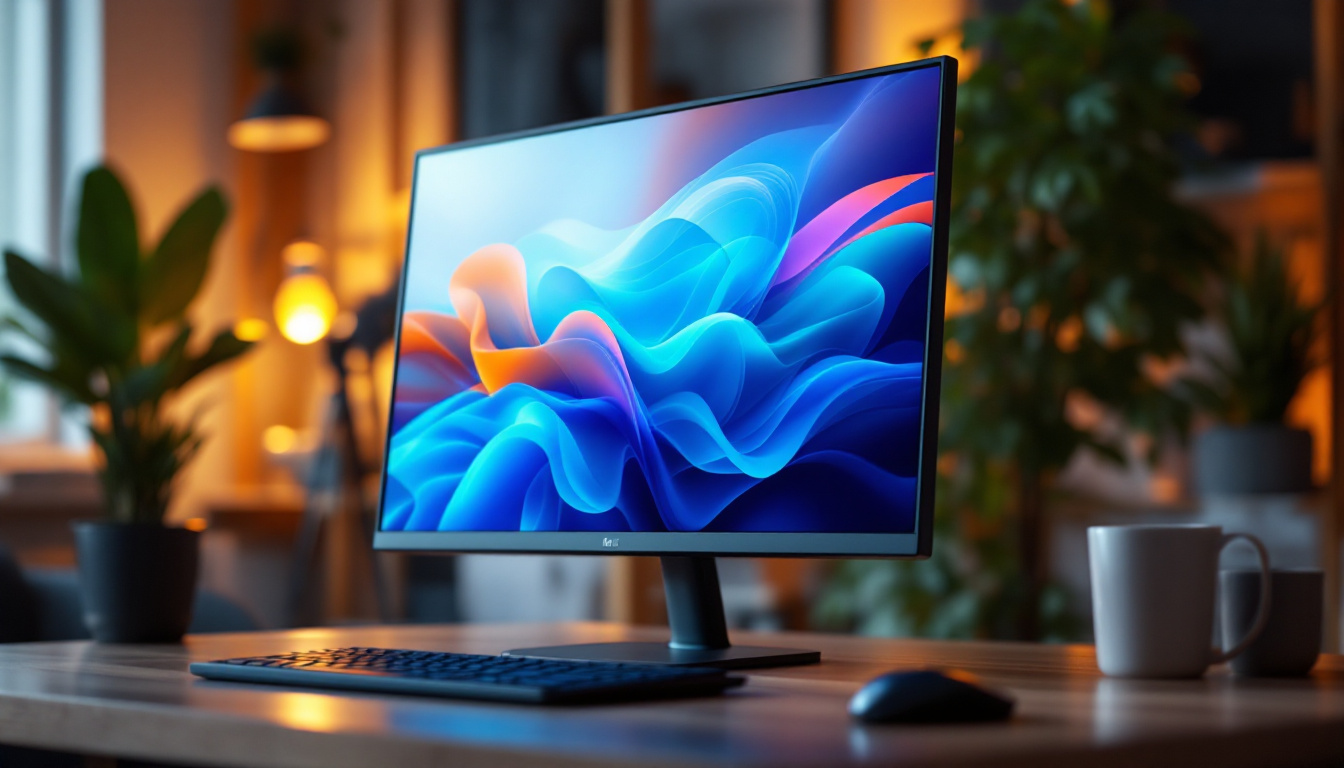
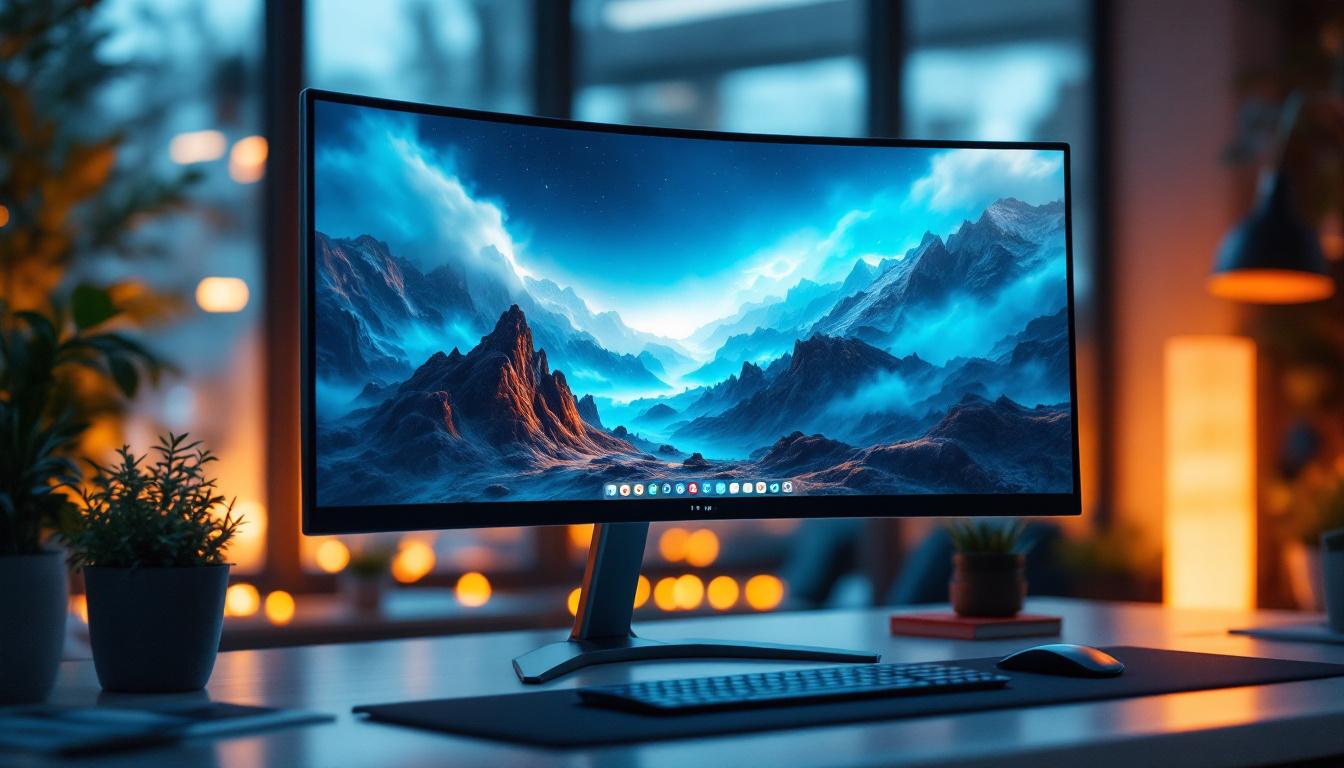
- LED-backlit LCD: In this type, LEDs serve as the backlight source behind an LCD panel. This is common in consumer TVs and monitors, providing better energy efficiency and thinner designs. The incorporation of local dimming technology in LED-backlit LCDs further enhances contrast by allowing specific areas of the screen to dim or brighten independently, resulting in deeper blacks and more vibrant colors.
- MicroLED: An emerging technology that uses microscopic LEDs for each pixel, promising exceptional color accuracy and longevity but currently at a higher cost. MicroLED displays are often touted as the future of display technology due to their potential for seamless scalability and flexibility in design, allowing for innovative applications such as curved or even foldable screens.
As the technology continues to evolve, we can expect to see even more advancements in LED display capabilities. Innovations such as enhanced color gamuts, improved refresh rates, and greater energy efficiency are on the horizon, paving the way for more immersive and engaging viewing experiences. Furthermore, the integration of smart technology into LED displays is becoming increasingly common, enabling features like interactive touch screens and connectivity to the Internet of Things (IoT), which can transform how we interact with digital content in both public and private spaces.
The Importance of LED Display Calibration
Why Calibration Matters
Calibration is the process of adjusting the display settings to ensure that the output matches a defined standard or target. For LED displays, this involves tuning parameters such as brightness, contrast, color temperature, gamma, and uniformity.
Without proper calibration, LED displays may suffer from issues like color shifts, uneven brightness, and poor contrast, which can degrade the viewer’s experience and reduce the effectiveness of the displayed content. For businesses relying on digital signage, inaccurate displays can lead to miscommunication, brand inconsistency, and diminished audience engagement.
Impact on Visual Quality and Viewer Experience
Accurate calibration ensures that colors are reproduced faithfully, images appear sharp, and brightness levels are appropriate for the viewing environment. This is particularly critical in applications such as:
- Retail and Advertising: Brands depend on consistent color representation to maintain their identity and attract customers.
- Broadcast and Media Production: Precise color grading and image fidelity are essential for content creators and broadcasters.
- Control Rooms and Command Centers: Accurate displays are vital for interpreting data and making informed decisions.
Key Parameters in LED Display Calibration
Brightness and Contrast Adjustment
Brightness refers to the luminance level of the display, while contrast is the difference between the darkest and brightest parts of an image. Proper calibration balances these two to ensure visibility without causing eye strain or washing out colors.
Outdoor LED displays require higher brightness levels, often exceeding 5,000 nits, to remain visible under direct sunlight. Indoor displays typically operate at lower brightness levels around 300 to 600 nits to avoid glare and maintain comfort.
Color Accuracy and White Balance
Color calibration involves adjusting the display to reproduce colors as intended by the content creator. This includes setting the correct white point, often standardized at D65 (6500K), which represents daylight conditions.
Colorimeters and spectroradiometers are commonly used tools to measure and adjust the color output, ensuring the display adheres to color spaces such as sRGB, Adobe RGB, or Rec. 709 depending on the application.
Gamma Correction
Gamma defines the relationship between the input signal and the brightness output of the display. Proper gamma correction ensures that images have the correct luminance and tonal range, preventing issues like overly dark shadows or washed-out highlights.
The standard gamma value for most LED displays is 2.2, which aligns with human visual perception and industry standards.
Uniformity and Pixel Consistency
Uniformity calibration addresses variations in brightness and color across the display surface. In large LED panels, inconsistencies can arise due to manufacturing tolerances, aging of LEDs, or environmental factors.
Calibration software can map and compensate for these variations, ensuring a seamless and consistent image across the entire display.
Calibration Techniques and Tools
Manual vs. Automated Calibration
Calibration can be performed manually or through automated systems. Manual calibration involves using measurement devices and adjusting settings by hand, which can be time-consuming and requires expertise.
Automated calibration systems use sensors integrated into the display or external devices connected to software that performs real-time adjustments. These systems are particularly beneficial for large-scale installations where frequent recalibration is necessary.
Essential Calibration Equipment
Several tools are indispensable for effective LED display calibration:
- Colorimeter: Measures color and luminance to provide data for adjustments.
- Spectroradiometer: Offers highly accurate spectral measurements, useful for advanced calibration.
- Calibration Software: Interfaces with measurement devices to analyze data and guide the calibration process.
- Test Patterns and Reference Content: Standardized images and videos used to evaluate display performance.
Step-by-Step Calibration Process
A typical LED display calibration workflow includes the following steps:
- Initial Setup: Warm up the display to its normal operating temperature to ensure stable measurements.
- Measurement: Use a colorimeter or spectroradiometer to capture current display output data.
- Adjustment: Modify brightness, contrast, color balance, and gamma based on measurement results.
- Verification: Re-measure to confirm that adjustments meet target standards.
- Uniformity Correction: Apply compensation for any spatial inconsistencies.
- Documentation: Record calibration settings and results for future reference and maintenance.
Challenges and Considerations in LED Display Calibration
Environmental Factors
Ambient light, temperature, and humidity can significantly affect LED display performance and calibration stability. For instance, outdoor displays must be calibrated to compensate for changing sunlight conditions throughout the day.
Regular recalibration is often necessary to maintain optimal performance, especially in environments with fluctuating conditions.
Age and Wear of LEDs
Over time, LEDs can degrade, leading to shifts in brightness and color output. Calibration can compensate for some of these changes, but eventually, hardware maintenance or replacement may be required to preserve display quality.
Complexity of Large-Scale Displays
Large video walls composed of multiple LED modules present unique calibration challenges. Each module may have slight variations, and synchronization across the entire display is crucial to avoid visible seams or color mismatches.
Advanced calibration software and hardware solutions are designed to address these complexities, but they require skilled operators and periodic maintenance.
Future Trends in LED Display Calibration
Artificial Intelligence and Machine Learning
Emerging calibration systems are leveraging AI and machine learning algorithms to automate and optimize calibration processes. These technologies can predict display behavior, adapt to environmental changes in real time, and reduce the need for manual intervention.
Integration with IoT and Remote Management
Internet of Things (IoT) connectivity enables remote monitoring and calibration of LED displays. Operators can receive alerts, perform diagnostics, and adjust settings from centralized control centers, enhancing efficiency and reducing downtime.
Advancements in MicroLED and Quantum Dot Technologies
As new display technologies like MicroLED and Quantum Dot become more prevalent, calibration techniques will evolve to address their unique characteristics, ensuring even higher fidelity and energy efficiency.
Conclusion
LED displays have transformed the visual communication landscape with their brightness, versatility, and energy efficiency. However, achieving and maintaining high-quality visual performance hinges on meticulous calibration. Understanding the fundamental principles of LED display technology and the calibration process is essential for professionals and enthusiasts alike.
By investing in proper calibration tools, techniques, and ongoing maintenance, users can ensure their LED displays deliver consistent, accurate, and captivating visuals that meet the demands of today’s dynamic environments.
As the technology continues to advance, staying informed about emerging trends and best practices will empower users to maximize the potential of their LED display installations.
Explore Cutting-Edge LED Display Solutions with LumenMatrix
Ready to elevate your visual communication with the latest in LED display technology? LumenMatrix is at the forefront of innovation, offering a diverse range of LED display solutions tailored to your needs. From dynamic Indoor and Outdoor LED Wall Displays to specialized options like Vehicle, Sports, and Floor LED Displays, we have the tools to transform your space and captivate your audience. Discover how our Custom, All-in-One, and Transparent LED Displays can revolutionize your brand’s visibility and engagement. Check out LumenMatrix LED Display Solutions today and step into the future of digital signage.