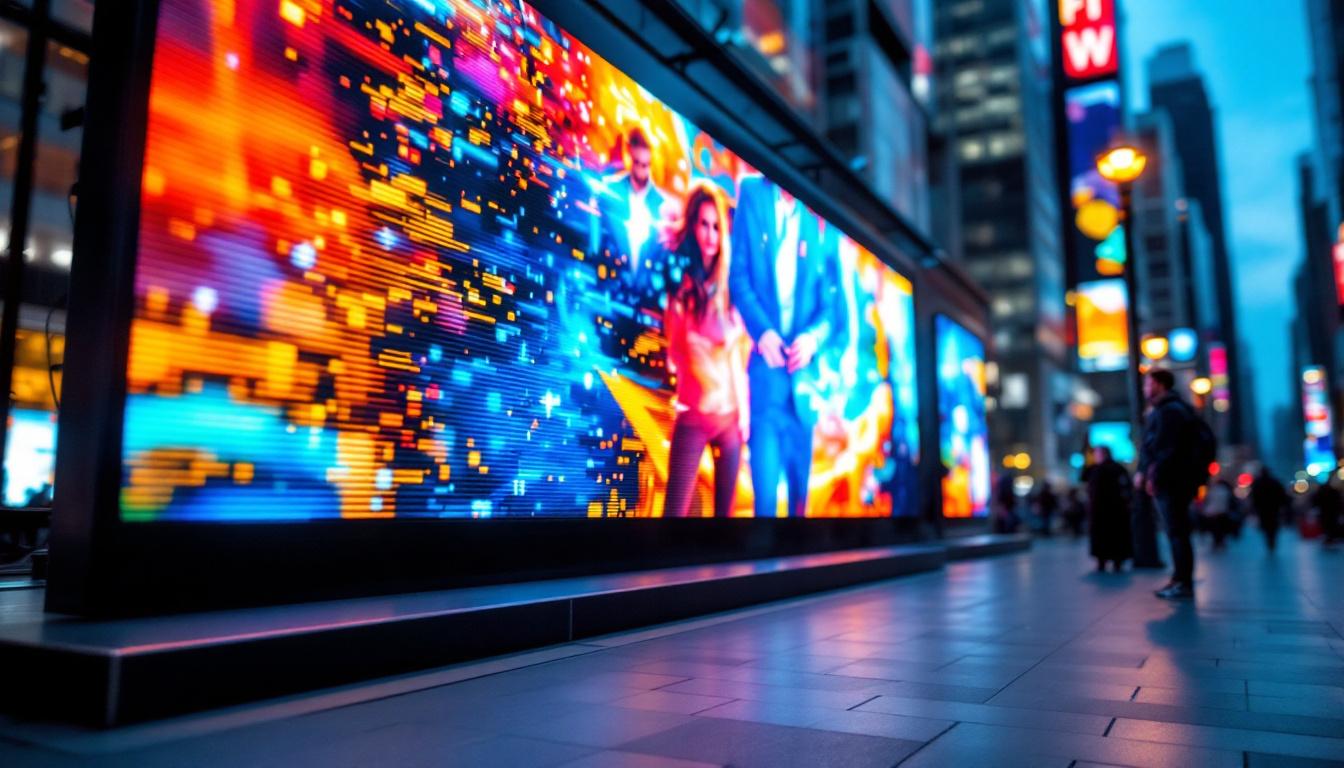
In today’s fast-paced world, capturing attention in outdoor environments is more challenging than ever. Whether it’s advertising, public information, or entertainment, LED display panels have become a cornerstone technology for delivering vibrant, dynamic content in outdoor settings. This article delves into the essentials of outdoor LED display panels, explaining their technology, benefits, applications, and what to consider when choosing one.
Understanding Outdoor LED Display Panels
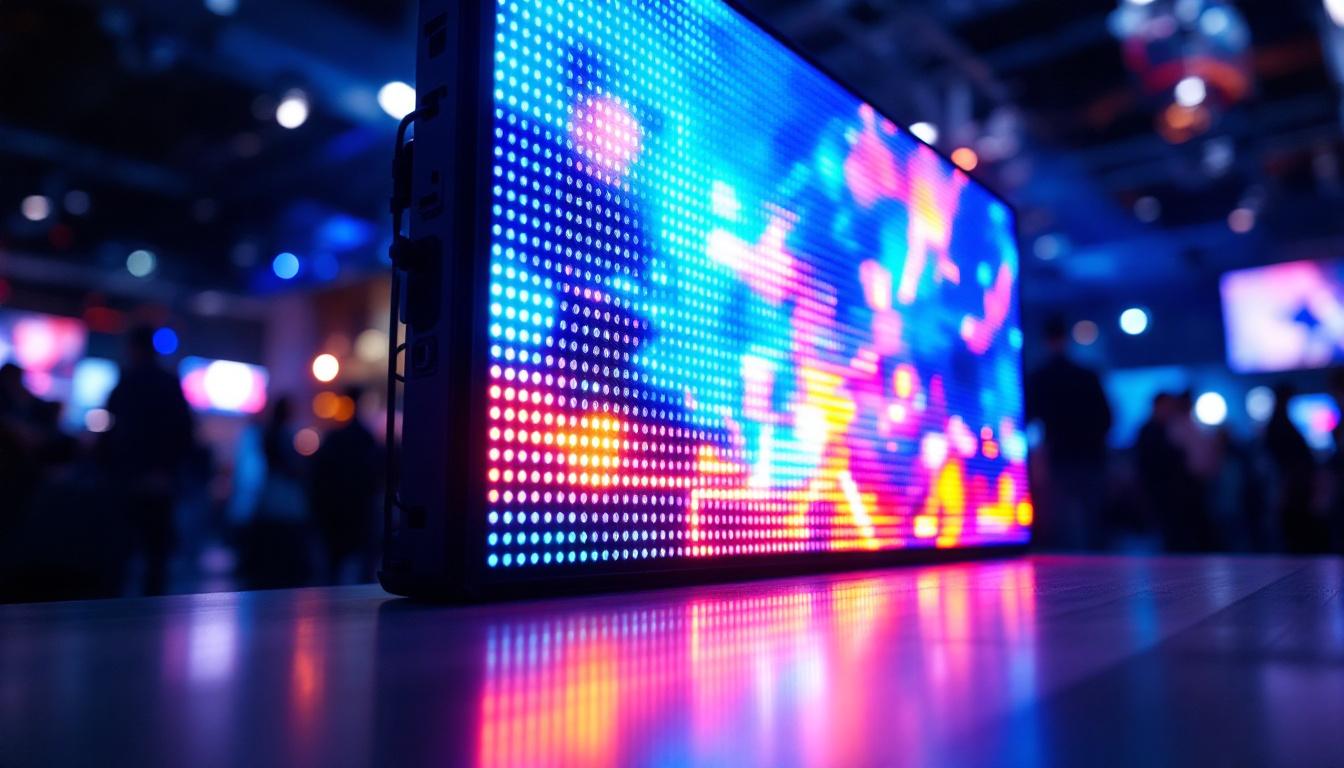
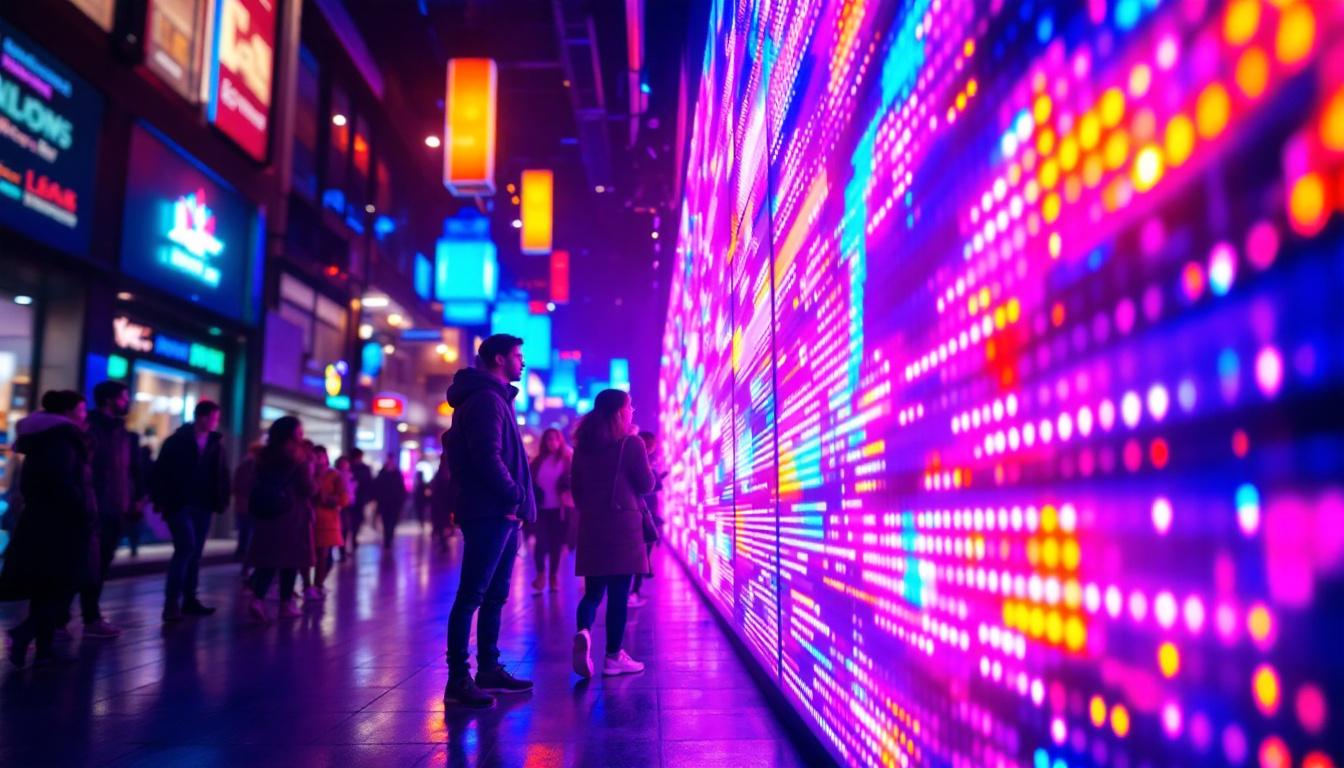
LED (Light Emitting Diode) display panels are composed of numerous tiny LEDs arranged in a grid. Each LED acts as a pixel, emitting light to form images, text, or video. Outdoor LED displays are specially designed to withstand environmental factors such as sunlight, rain, and temperature extremes, making them ideal for external use. These panels are not only robust but also versatile, allowing for a wide range of applications, from advertising billboards to sports arenas and public information displays.
Unlike traditional LCD or projection displays, LED panels offer superior brightness and visibility, especially in direct sunlight. This is achieved through high luminance levels, often exceeding 5,000 nits, which is essential for outdoor readability. Additionally, LED panels provide wide viewing angles and vibrant colors, ensuring content remains clear from various perspectives. The ability to display dynamic content, such as animations or real-time updates, further enhances their effectiveness in capturing audience attention, making them a popular choice for marketers and event organizers alike.
Key Components of Outdoor LED Displays
Outdoor LED panels consist of several critical components:
- LED Modules: These are the building blocks containing the LEDs themselves. Modules are combined to create the full display.
- Cabinet: The protective enclosure that houses the LED modules and electronics, designed to be weatherproof and durable.
- Power Supply: Ensures stable power delivery to the LEDs and control systems.
- Control System: Manages the content displayed, controlling pixel illumination and synchronization.
- Cooling System: Maintains optimal operating temperatures, which is critical for longevity and performance.
In addition to these components, outdoor LED displays often incorporate advanced technologies such as pixel pitch, which refers to the distance between the centers of adjacent pixels. A smaller pixel pitch results in higher resolution and clearer images, making it suitable for close viewing distances. Furthermore, many modern LED displays are equipped with intelligent software that allows for remote monitoring and management, enabling operators to update content in real-time and troubleshoot issues without needing to be physically present at the site. This capability not only enhances operational efficiency but also reduces maintenance costs, making outdoor LED displays a smart investment for businesses looking to enhance their visibility and engagement.
Why Choose Outdoor LED Displays?
Outdoor LED displays offer several advantages that make them the preferred choice for many industries and applications. Their ability to deliver bright, clear, and dynamic content in challenging environments is unmatched by other display technologies.
Superior Brightness and Visibility
One of the most significant benefits of outdoor LED displays is their brightness. With luminance levels often reaching 5,000 to 7,000 nits, these screens remain visible even in direct sunlight. This makes them ideal for billboards, stadium screens, and public information boards where visibility is critical.
Energy Efficiency
Despite their brightness, LED technology is energy efficient compared to traditional lighting and display methods. LEDs consume less power and generate less heat, which reduces operational costs and environmental impact. Advances in LED technology continue to improve energy efficiency, making outdoor LED panels a sustainable choice.
Durability and Weather Resistance
Outdoor LED panels are built to withstand harsh weather conditions, including rain, wind, dust, and extreme temperatures. Many panels come with IP65 or higher ratings, indicating strong protection against water and dust ingress. This durability ensures long-term reliability and reduces maintenance costs.
Flexibility and Customization
Outdoor LED displays come in various sizes and resolutions, allowing for tailored solutions to fit specific needs. From small digital signage to massive video walls, LED technology can be scaled and shaped to suit any application. Content can be updated remotely and in real-time, providing unmatched flexibility compared to static signage.
Applications of Outdoor LED Display Panels
The versatility of outdoor LED displays has led to their widespread adoption across numerous sectors. Their ability to engage audiences with bright, dynamic content makes them invaluable in many contexts.
Advertising and Marketing
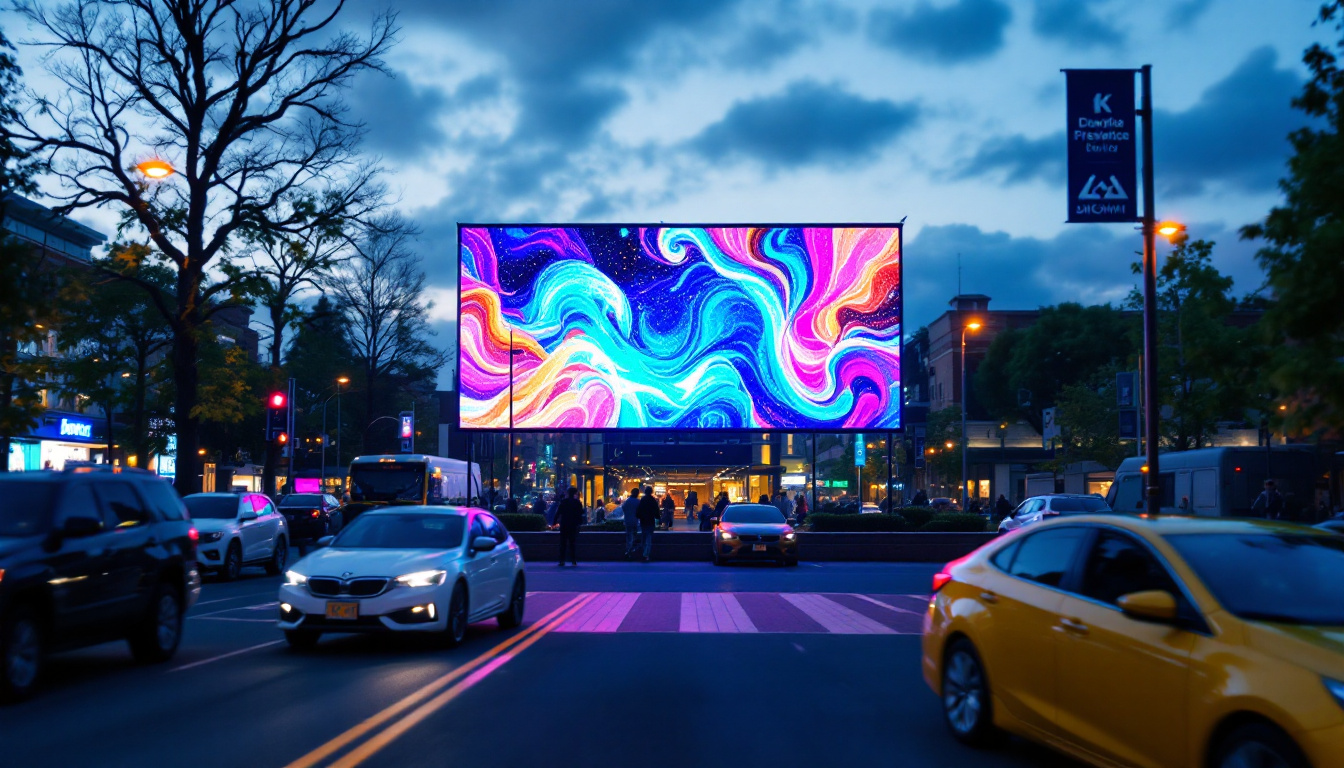
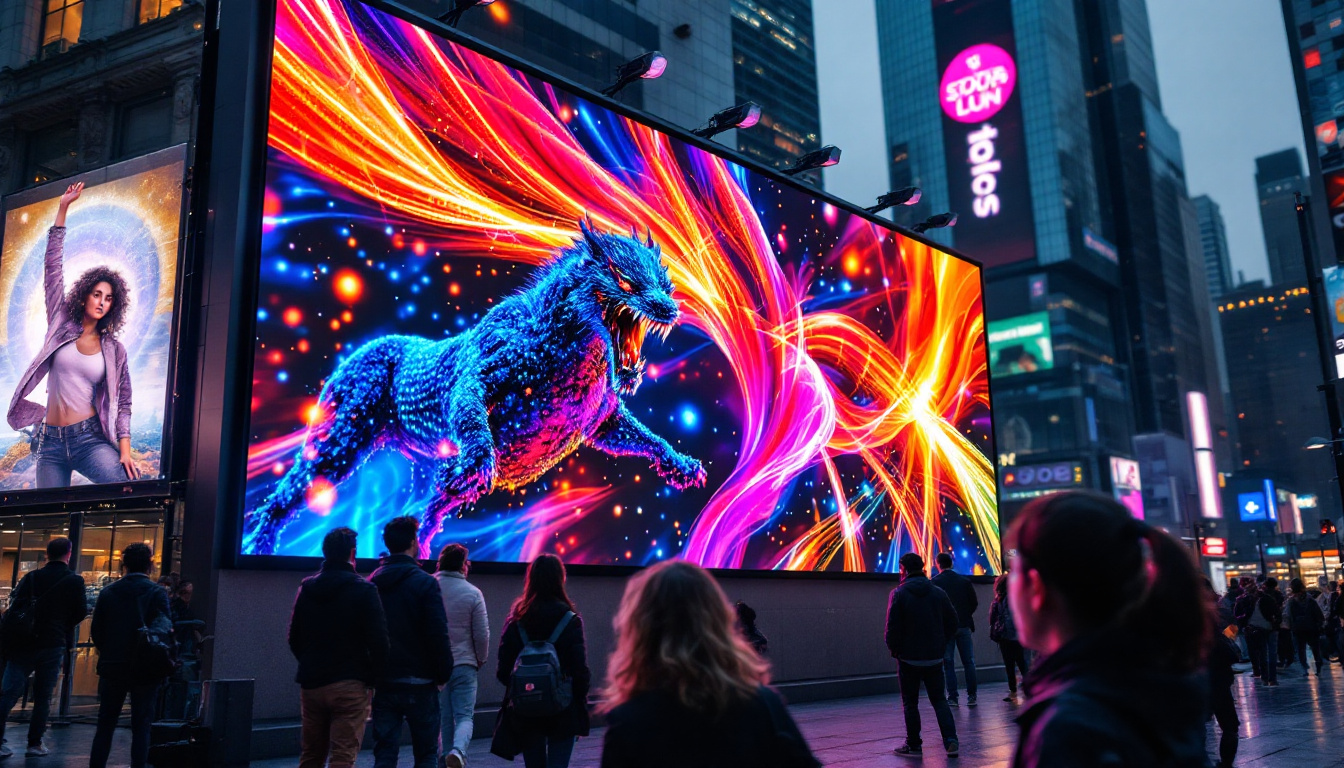
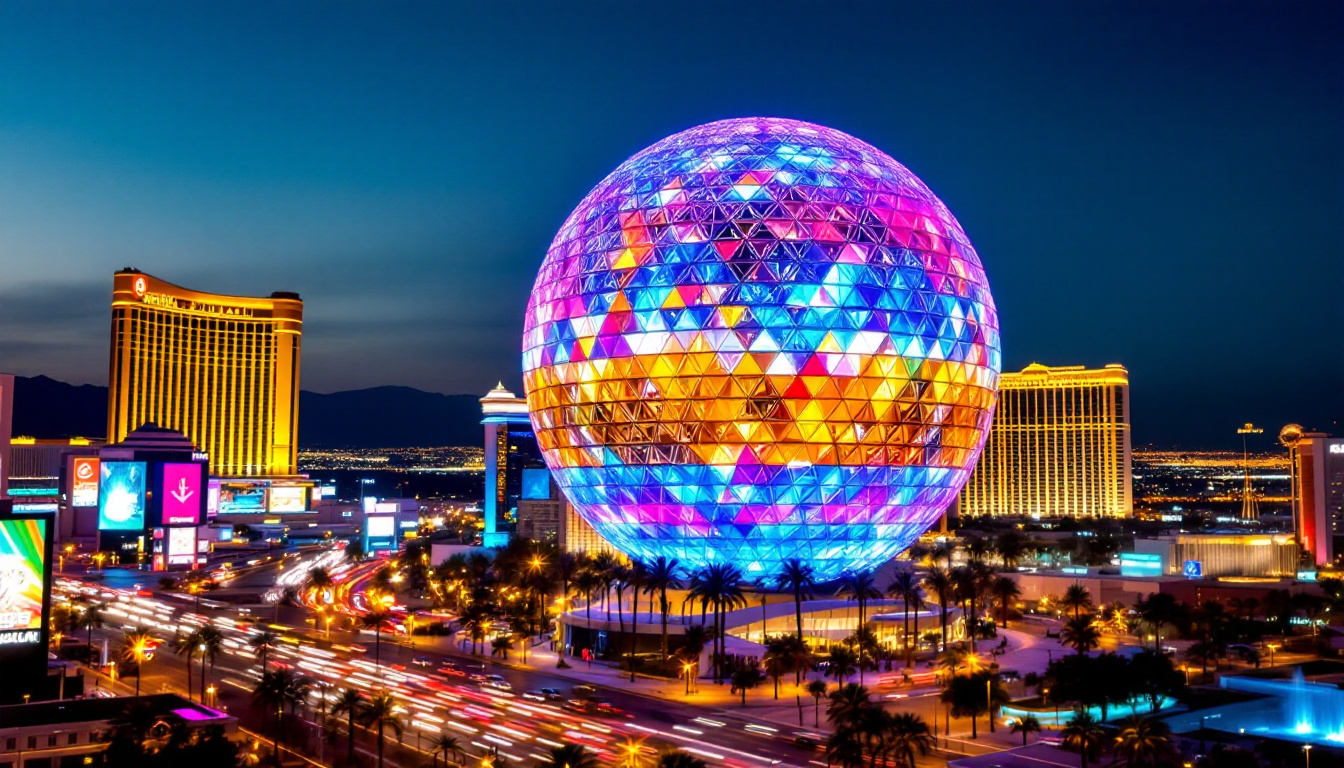
Outdoor LED billboards are a dominant force in modern advertising. Their high visibility and dynamic content capabilities allow brands to capture attention effectively. According to recent industry reports, digital out-of-home advertising, which includes LED billboards, is expected to grow at a compound annual growth rate (CAGR) of over 10% through 2027, reflecting the increasing demand for digital signage solutions.
LED displays enable advertisers to change messages instantly, target specific audiences with tailored content, and incorporate video and animation to boost engagement. This flexibility is a game-changer compared to traditional static billboards.
Sports and Entertainment Venues
Stadiums and arenas use large-scale outdoor LED screens to enhance the spectator experience. These displays show live game footage, replays, advertisements, and interactive content. The high refresh rates and excellent color reproduction of LED panels ensure smooth and vivid visuals, even for fast-moving sports action.
Public Information and Transportation
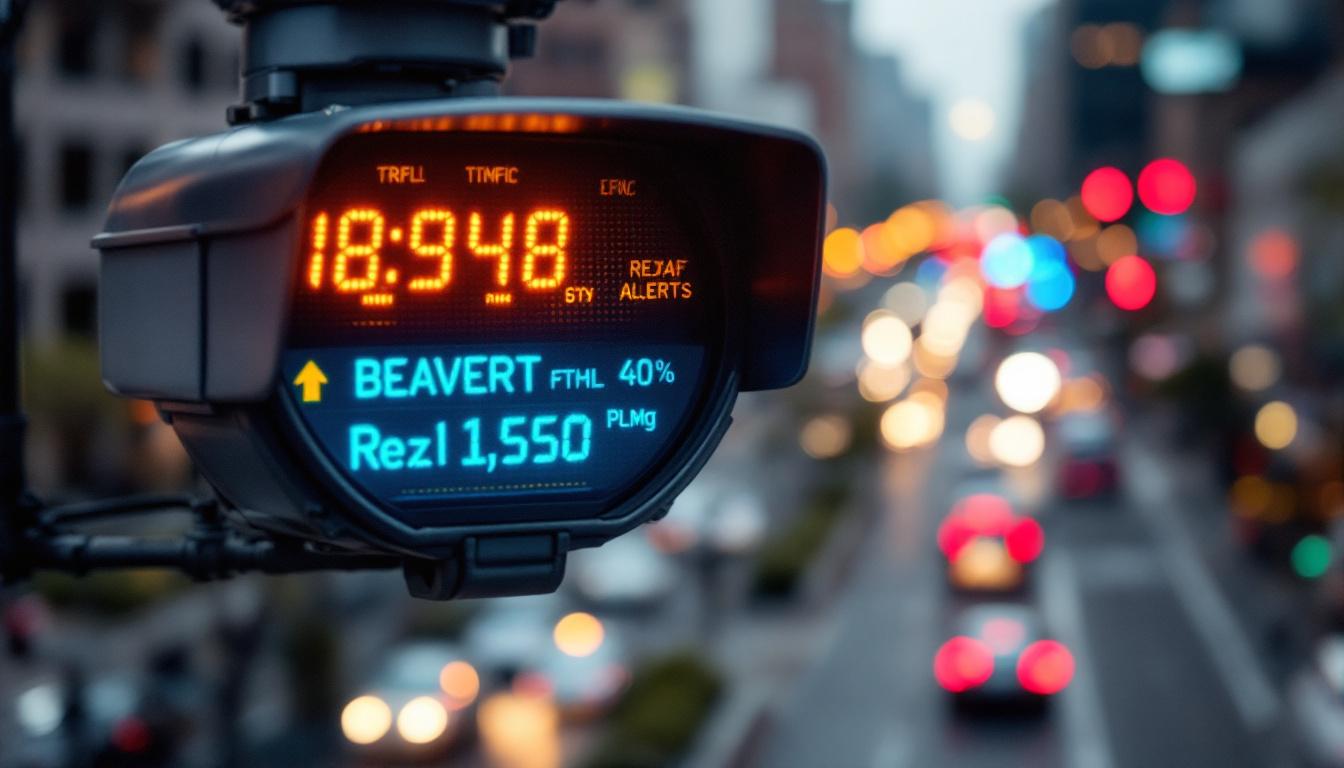
Outdoor LED panels are widely used for public information systems, including traffic signs, transit schedules, and emergency alerts. Their ability to display real-time updates makes them critical tools for city infrastructure and public safety. For example, many metropolitan transit authorities use LED displays at bus stops and train stations to provide passengers with up-to-date arrival times and service notices.
Events and Festivals
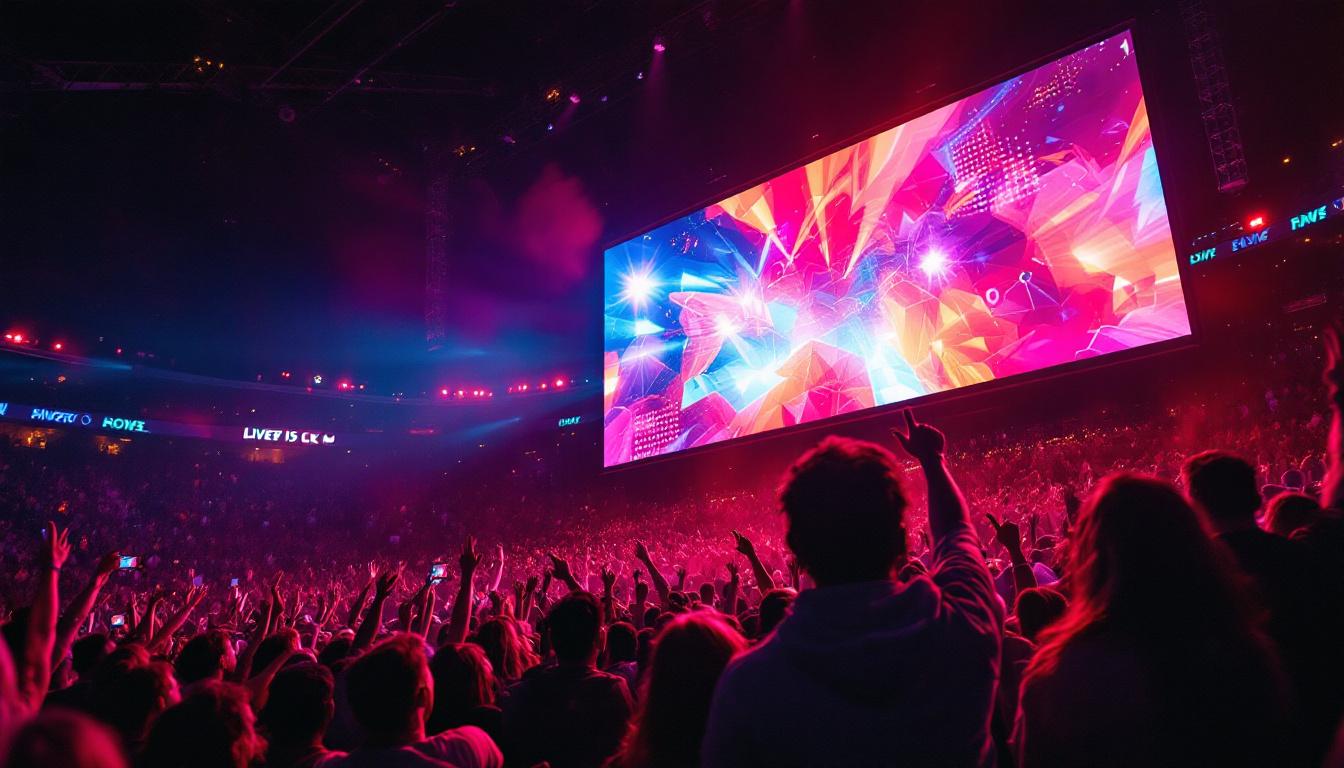
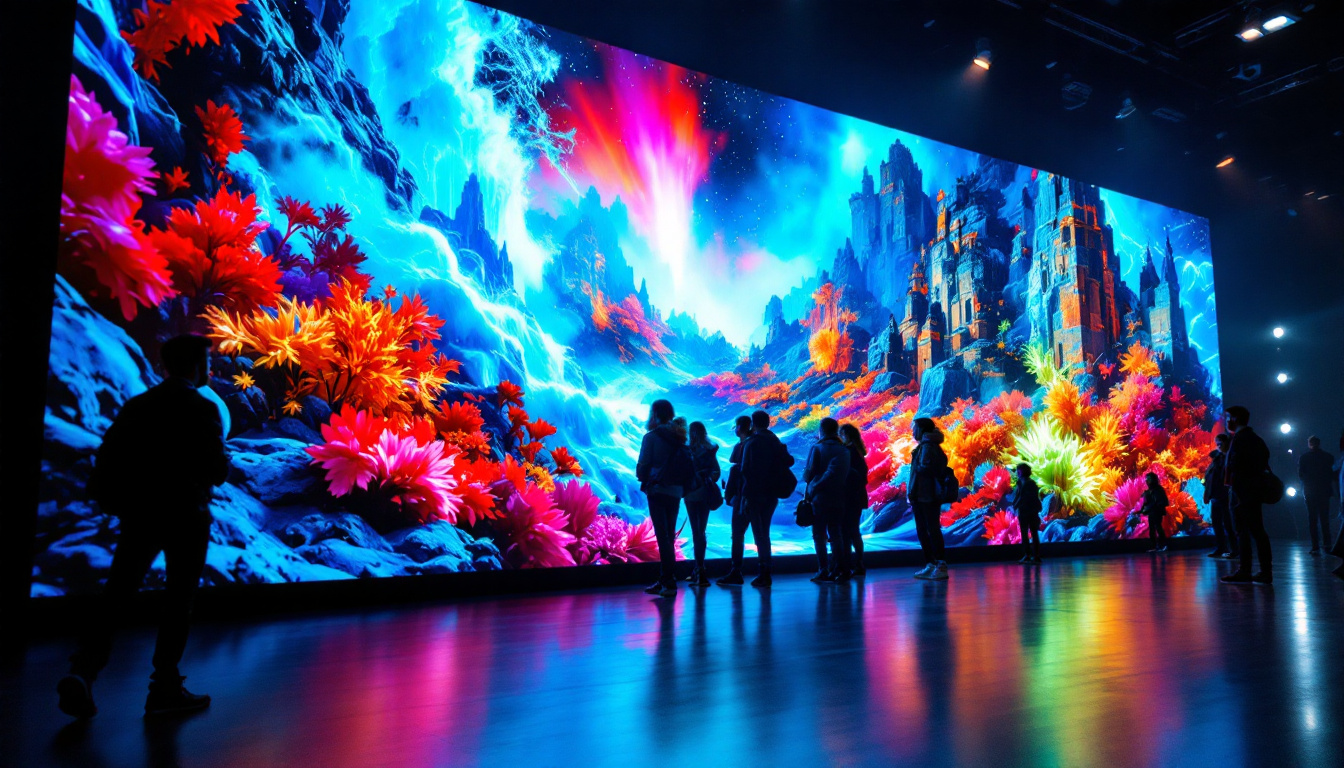
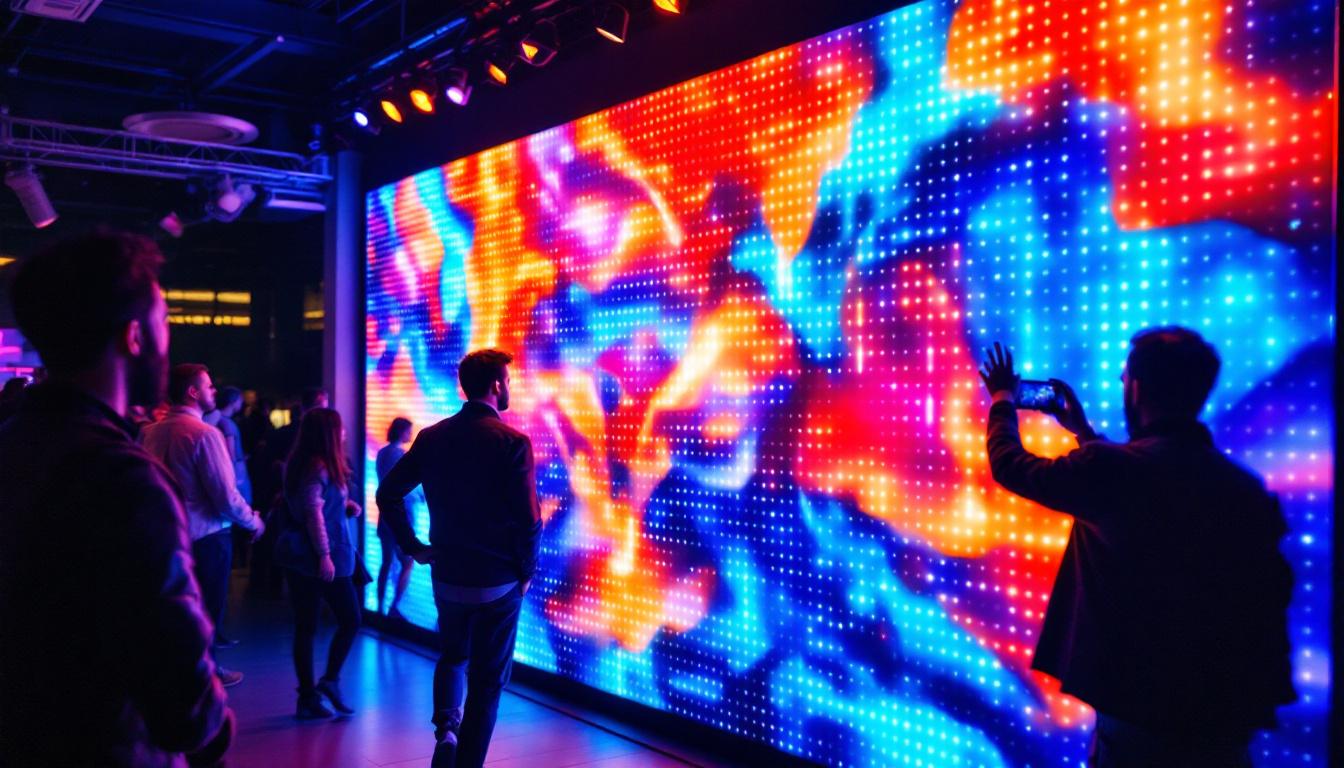
Temporary outdoor LED displays are popular for concerts, festivals, and public gatherings. Their portability and quick setup allow event organizers to create immersive visual experiences that captivate audiences. Rental LED panels with modular designs are commonly used in these scenarios.
Technical Considerations When Selecting an Outdoor LED Display
Choosing the right outdoor LED display panel involves evaluating several technical factors to ensure the display meets the specific needs of the application.
Pixel Pitch and Resolution
Pixel pitch refers to the distance between the centers of adjacent LEDs, measured in millimeters. It directly affects the display’s resolution and viewing distance. Smaller pixel pitches provide higher resolution and are suitable for closer viewing distances, while larger pixel pitches are more cost-effective for long-distance viewing.
For example, a pixel pitch of 10mm or more is common for large billboards viewed from hundreds of feet away, whereas a 4mm or smaller pitch might be used for displays viewed from a few meters.
Brightness and Contrast Ratio
Brightness is measured in nits, and outdoor displays typically require at least 5,000 nits to remain visible in daylight. Contrast ratio—the difference between the darkest and brightest parts of the image—also impacts image quality. Higher contrast ratios enhance the clarity and vibrancy of the content.
Viewing Angle
Wide viewing angles ensure that the display is visible from various positions without color distortion or brightness loss. Outdoor LED panels often feature horizontal and vertical viewing angles of 120 degrees or more, allowing large crowds to see the content clearly.
Ingress Protection (IP) Rating
The IP rating indicates the level of protection against dust and water. For outdoor use, an IP65 rating or higher is recommended. This means the display is dust-tight and protected against water jets, ensuring reliable operation in rain and dusty environments.
Refresh Rate and Gray Scale
High refresh rates (above 3,000 Hz) prevent flickering, especially important for video content and when the display is recorded by cameras. Gray scale affects the display’s ability to show smooth color gradients and detailed images. A higher gray scale value results in better image quality.
Installation and Maintenance Best Practices
Proper installation and maintenance are critical to maximizing the lifespan and performance of outdoor LED displays.
Site Assessment and Preparation
Before installation, a thorough site assessment should be conducted to evaluate factors such as sunlight exposure, wind load, accessibility, and power availability. Structural support must be adequate to handle the weight and size of the LED panels.
Professional Installation
Engaging experienced professionals ensures correct assembly, alignment, and electrical connections. Proper sealing and grounding are essential to protect against weather and electrical hazards.
Regular Maintenance and Cleaning
Outdoor LED displays require periodic cleaning to remove dust, dirt, and debris that can affect brightness and image quality. Maintenance checks should include inspecting power supplies, control systems, and cooling components to prevent failures.
Software Updates and Content Management
Keeping the control software up to date ensures compatibility with new content formats and security improvements. Efficient content management systems allow for remote updates, scheduling, and monitoring, reducing the need for on-site intervention.
Future Trends in Outdoor LED Display Technology
The LED display industry continues to evolve rapidly, driven by advances in materials, electronics, and software. Several trends are shaping the future of outdoor LED panels.
Higher Resolution and Smaller Pixel Pitch
As manufacturing techniques improve, LED panels with ultra-fine pixel pitches (below 1mm) are becoming feasible for outdoor use. This enables stunningly detailed images even at close viewing distances, expanding the range of applications.
Energy Efficiency and Sustainability
New LED technologies, such as micro-LEDs and improved driver circuits, are pushing energy consumption even lower. Additionally, manufacturers are focusing on recyclable materials and eco-friendly production processes to reduce environmental impact.
Interactive and Smart Displays
Integration of sensors, cameras, and AI enables interactive outdoor LED displays that respond to audience behavior or environmental conditions. For example, displays can adjust brightness automatically based on ambient light or offer touchless interaction for public engagement.
Flexible and Transparent LED Panels
Innovations in flexible and transparent LED technology allow for creative installations on curved surfaces, glass facades, and irregular structures. These displays blend seamlessly with architecture while delivering impactful visuals.
Conclusion
Outdoor LED display panels are a powerful tool for communication, marketing, and entertainment in public spaces. Their brightness, durability, and versatility make them ideal for a wide range of applications, from advertising billboards to live event screens. Understanding the technical aspects and future trends of LED technology helps businesses and organizations make informed decisions when investing in outdoor displays.
As LED technology continues to advance, outdoor displays will become even more immersive, energy-efficient, and interactive, opening new possibilities for engaging audiences in the urban landscape.
Discover LumenMatrix’s Innovative LED Solutions
Ready to elevate your outdoor space with unparalleled vibrancy and dynamic visual appeal? LumenMatrix is at the forefront of LED display technology, offering a diverse range of solutions tailored to your unique needs. From mesmerizing Outdoor LED Wall Displays to interactive Floor LED Displays, our mission is to transform your visual communication and audience engagement. Don’t miss the opportunity to make a lasting impression. Check out LumenMatrix LED Display Solutions today and step into the future of digital signage.