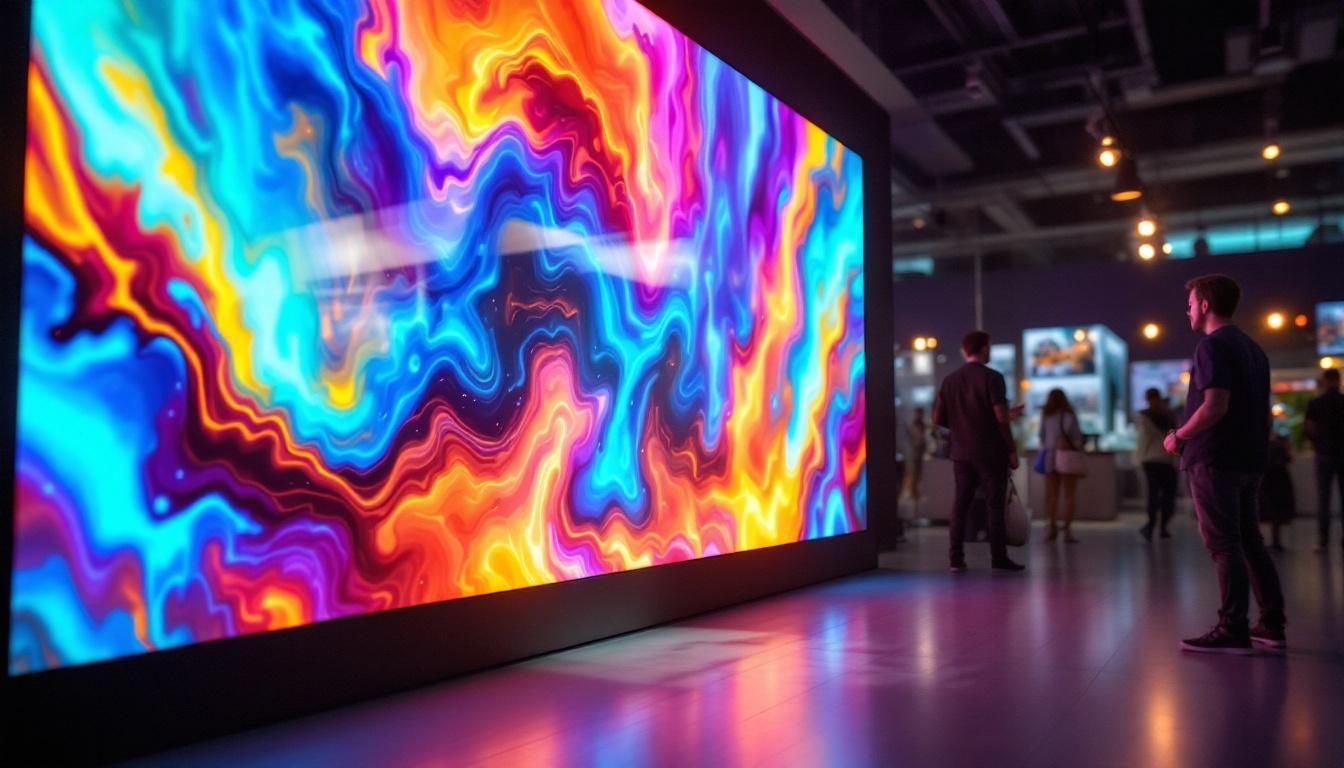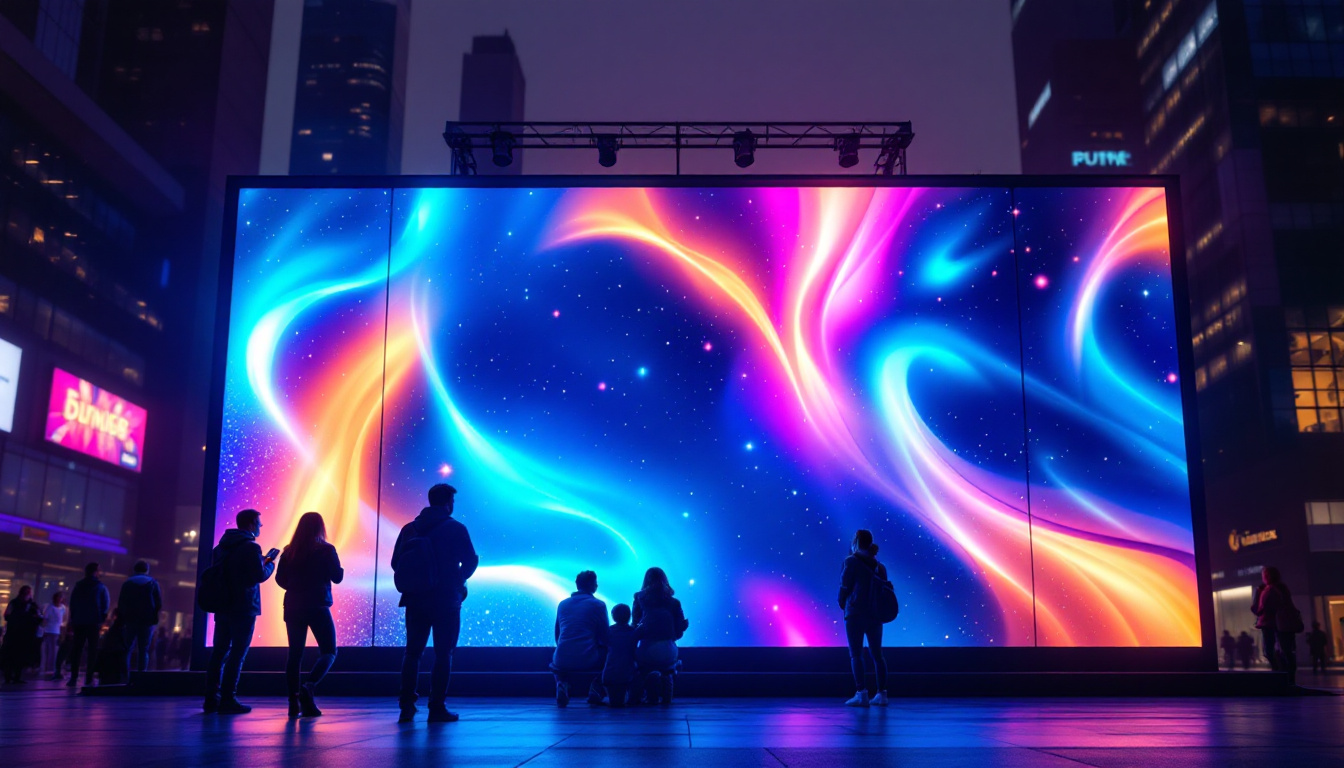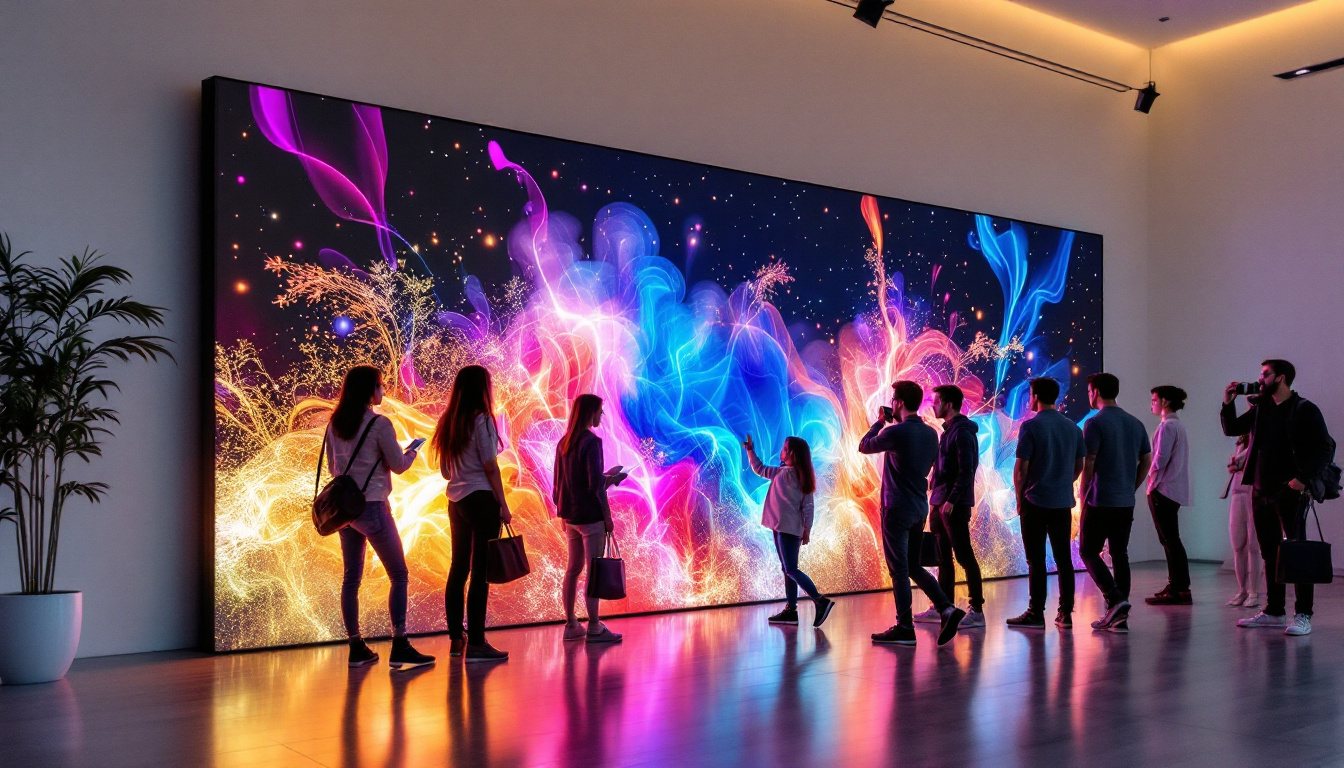
In today’s fast-paced digital world, LED light boards have become an essential tool for communication, advertising, and information dissemination. From vibrant billboards on city streets to dynamic scoreboards in sports arenas, LED displays are everywhere, captivating audiences with their brightness, clarity, and versatility. This comprehensive article explores the technology behind LED light boards, their applications, benefits, and considerations for choosing the right display for your needs.
Understanding LED Technology
What Are LEDs?
LED stands for Light Emitting Diode, a semiconductor device that emits light when an electric current passes through it. Unlike traditional incandescent bulbs that produce light by heating a filament, LEDs generate light through electroluminescence, making them far more energy-efficient and longer-lasting. This efficiency translates into lower electricity bills and a reduced carbon footprint, making LEDs a popular choice for environmentally conscious consumers.
First developed in the early 1960s, LED technology has evolved significantly. Today’s LEDs come in various colors and sizes, powering everything from household lighting to large-scale digital displays. The advancements in LED technology have also led to the creation of smart lighting systems that can be controlled via smartphones or home automation systems, allowing users to customize their lighting preferences easily. Furthermore, the durability of LEDs means they are less likely to break compared to traditional bulbs, making them ideal for a wide range of applications, including outdoor lighting and automotive headlights.
How LED Light Boards Work
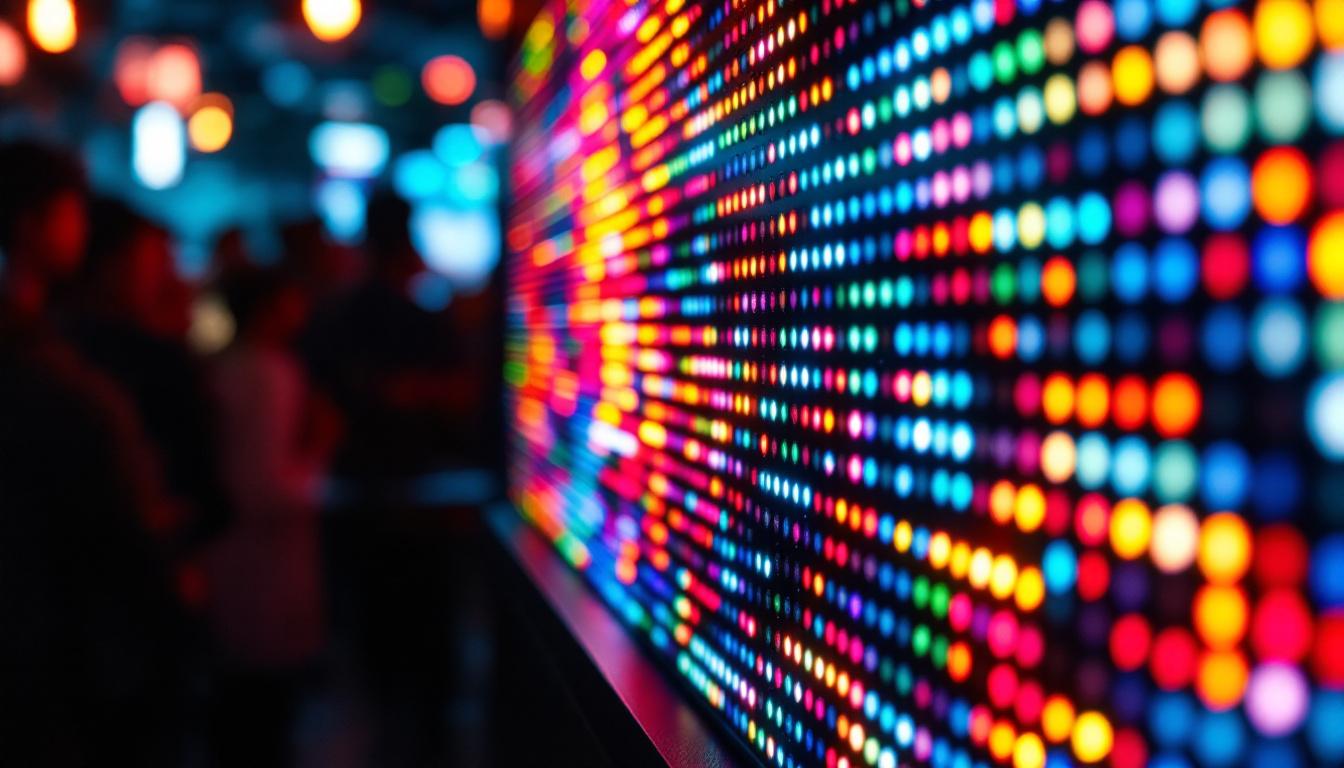
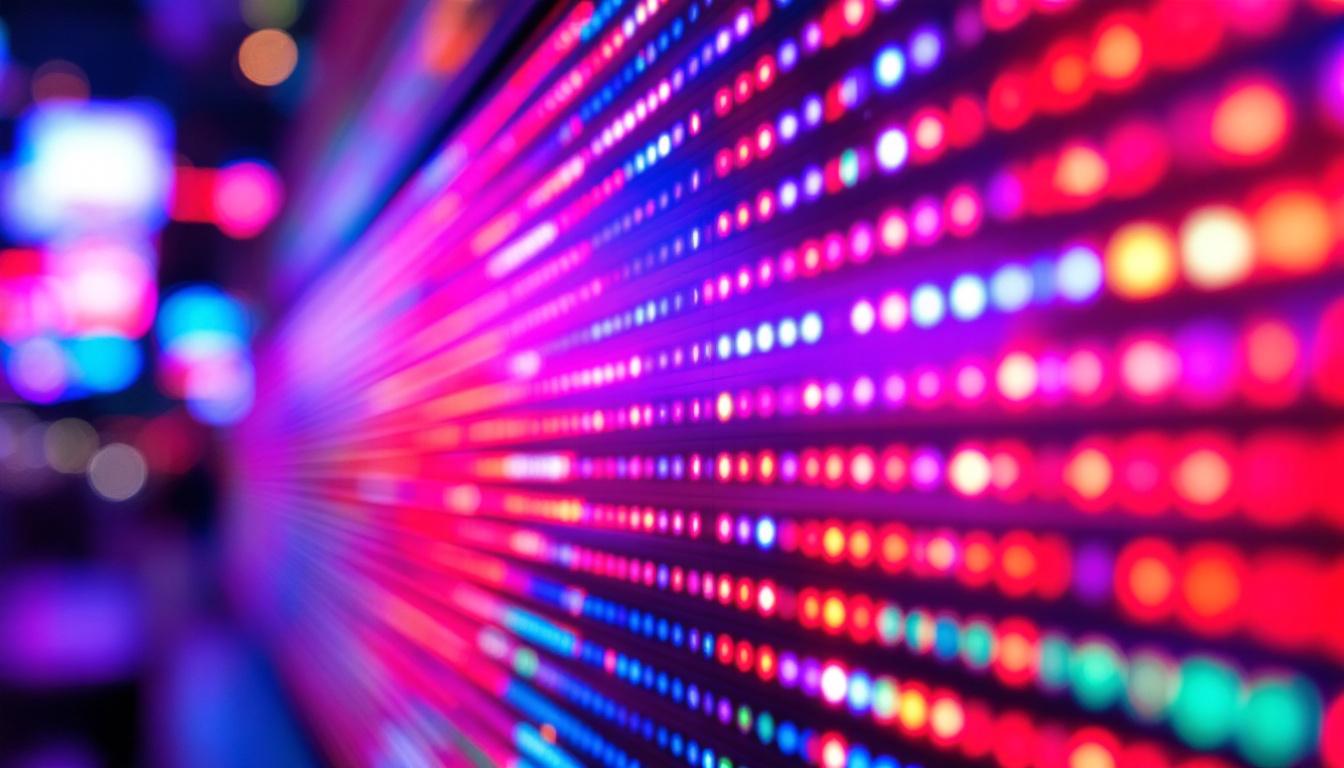
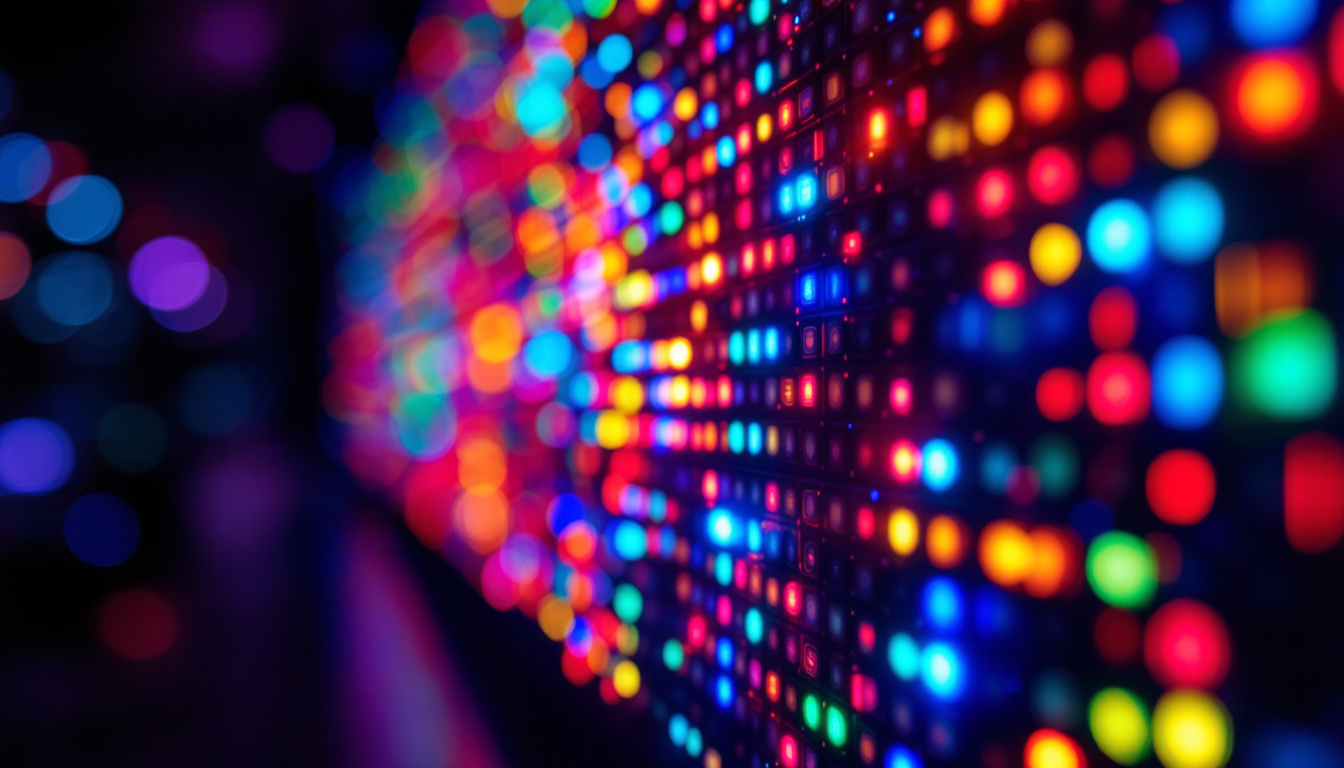
LED light boards, also known as LED displays or LED screens, consist of an array of tiny LEDs arranged in a grid. Each LED acts as a pixel, and by controlling the brightness and color of each pixel, the display can render images, videos, or text with remarkable clarity. This pixel-based structure allows for high-resolution displays that can be scaled to various sizes, making them suitable for everything from small electronic devices to massive billboard advertisements.
Modern LED displays use red, green, and blue LEDs (RGB) combined at varying intensities to produce a full spectrum of colors. This RGB technology enables vibrant, high-resolution visuals that can be seen clearly even in direct sunlight. Additionally, advancements in LED technology have introduced features such as dynamic refresh rates and improved color accuracy, enhancing the viewing experience. These displays are not only used for advertising but also in arenas, concert venues, and public spaces, where they create immersive environments that engage audiences. The versatility of LED light boards has revolutionized the way information and entertainment are presented, making them an essential component of modern visual communication.
Types of LED Light Boards
Indoor vs. Outdoor LED Displays
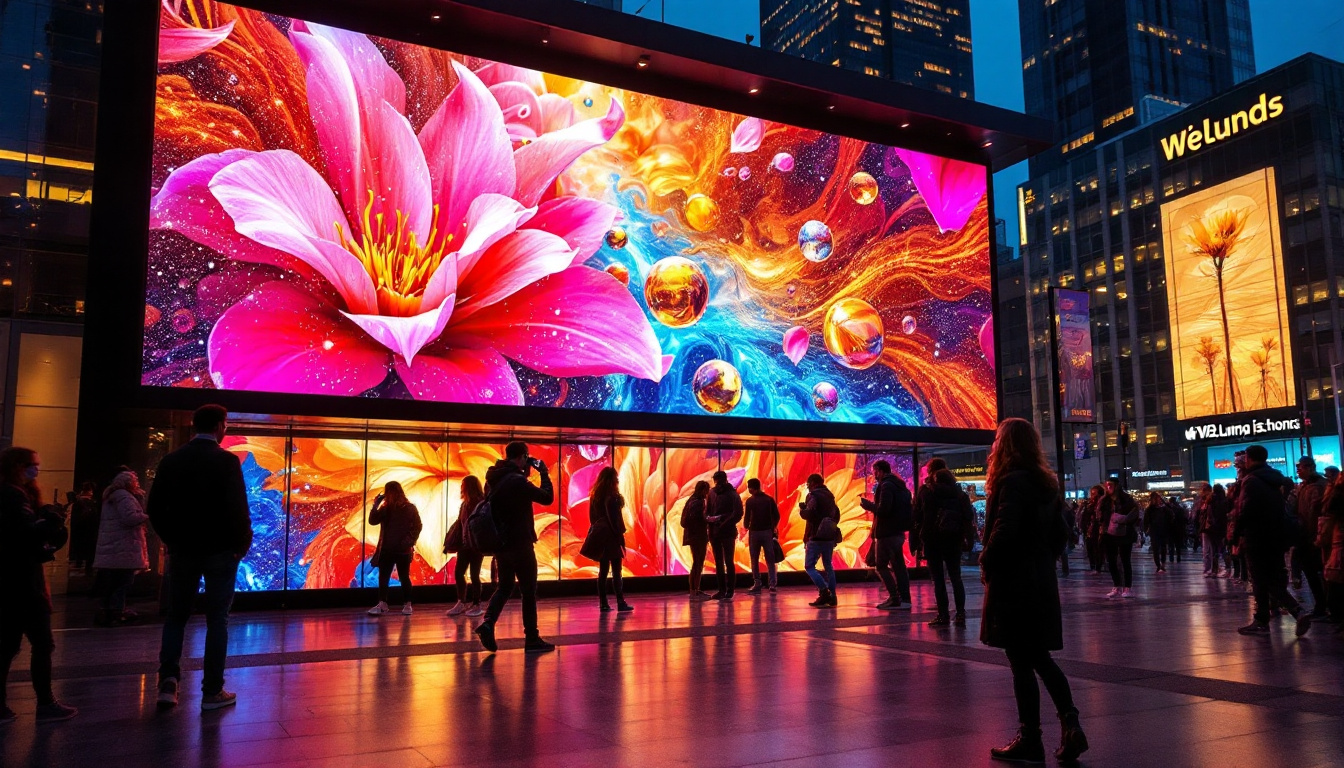
One of the primary distinctions in LED light boards is between indoor and outdoor displays. Indoor LED boards are designed for environments such as retail stores, conference rooms, or concert venues. They typically have a higher pixel density, meaning the LEDs are packed closer together to provide crisp images at close viewing distances. This makes them particularly effective for applications where detail and clarity are paramount, such as in digital signage or advertising displays that require intricate graphics and text to be easily readable from just a few feet away.
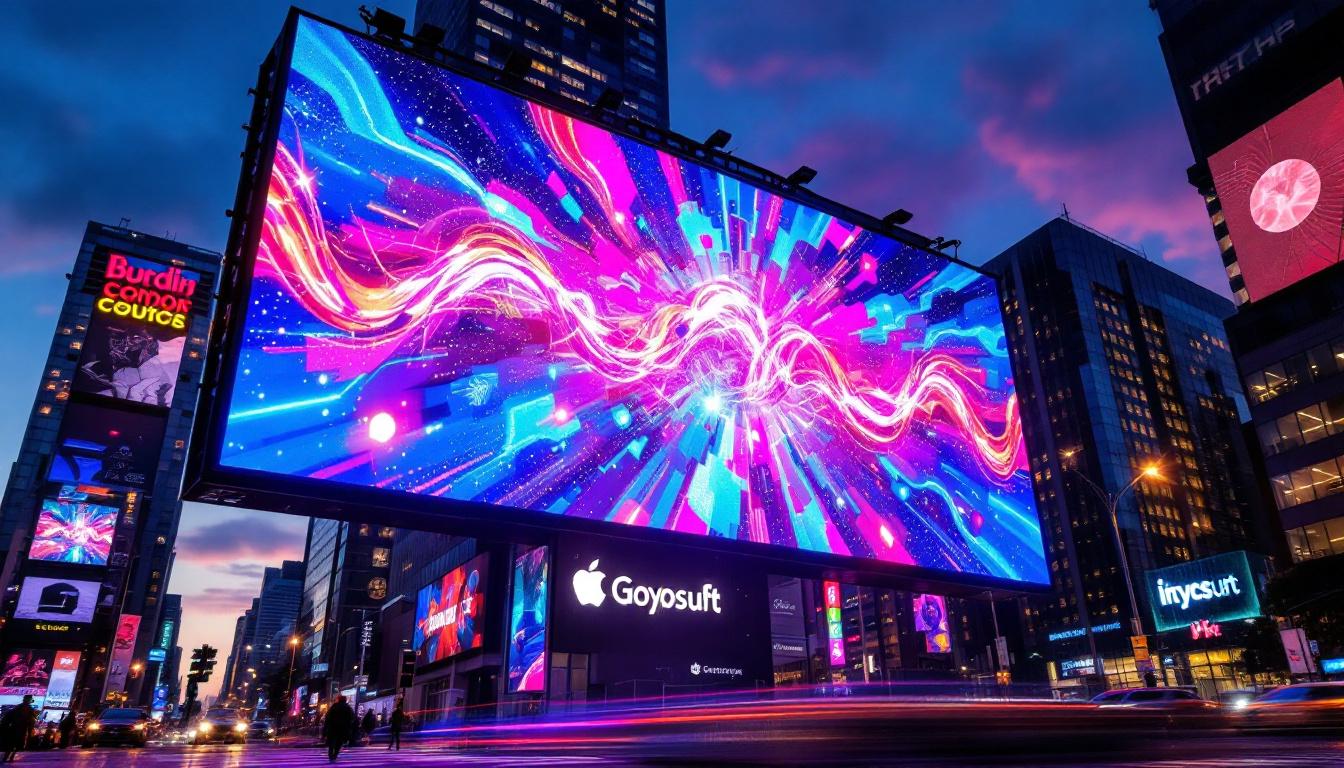
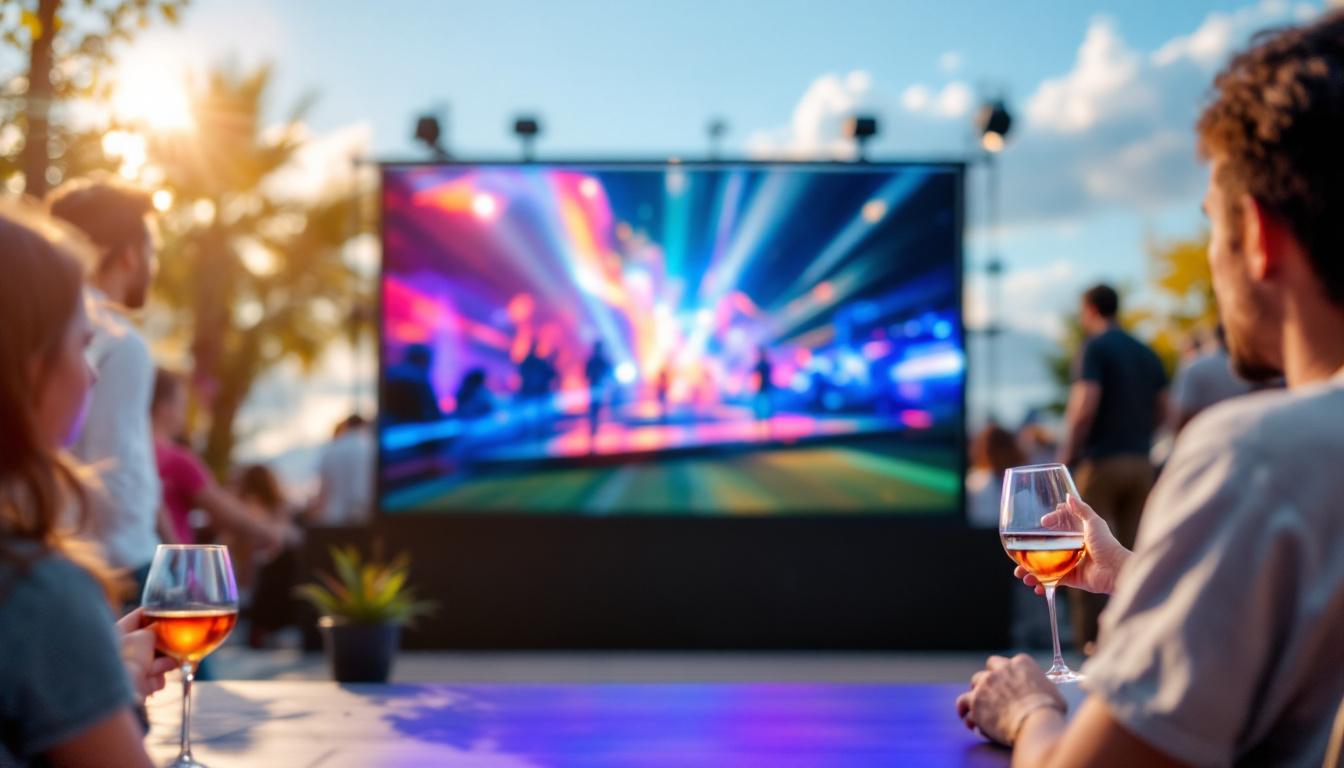
Outdoor LED displays, on the other hand, are built to withstand harsh weather conditions and intense sunlight. They feature higher brightness levels—often exceeding 5,000 nits—to ensure visibility in daylight. Additionally, outdoor displays are usually larger and have a wider viewing angle to reach audiences from various distances and angles. These displays are often used for billboards, sports arenas, and public events, where they can attract attention and convey messages effectively, even in bright sunlight or during inclement weather. Moreover, many outdoor LED boards come equipped with advanced features like weatherproofing and UV protection to enhance their durability and longevity.
Fixed vs. Rental LED Displays
Fixed LED displays are permanently installed in a location, such as a storefront or stadium. These are tailored for long-term use and often customized to fit specific dimensions and design requirements. Fixed installations allow businesses to create a consistent brand presence, as they can be programmed to showcase promotional content, live feeds, or even interactive elements that engage customers over time. The investment in fixed displays can yield significant returns as they continuously attract foot traffic and enhance the overall aesthetic of the space.
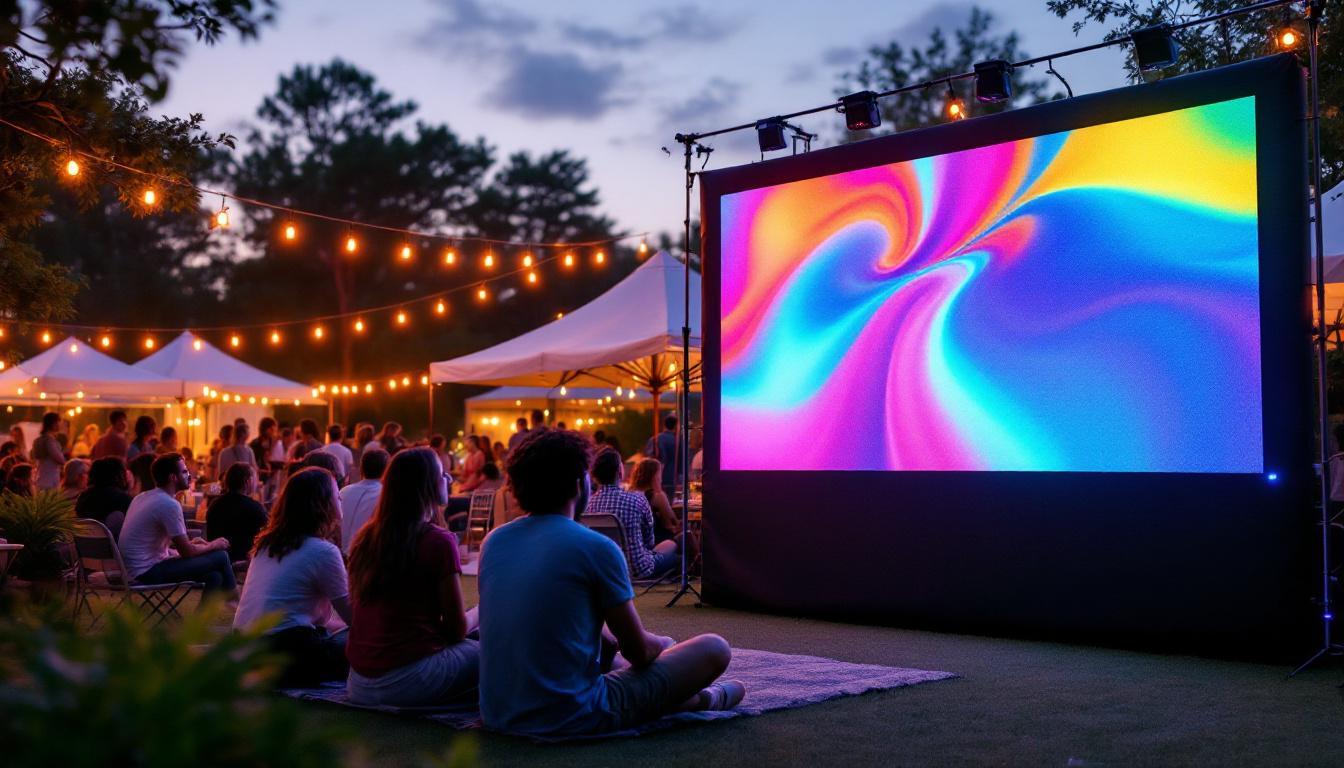
Rental LED displays are portable and designed for temporary use at events like concerts, trade shows, or festivals. They are modular, allowing for quick assembly and disassembly, and provide flexibility for different setups. This adaptability makes them a popular choice for event organizers who require high-quality visuals without the commitment of a permanent installation. Rental displays can be configured in various shapes and sizes, enabling creative setups that can transform any venue into a captivating visual experience. Additionally, many rental companies offer the latest technology, ensuring that clients have access to cutting-edge displays that enhance their event’s impact.
Direct View LED vs. LED Backlit LCD
Direct view LED displays use LEDs as the actual pixels emitting light, offering superior brightness, contrast, and color accuracy. This makes them ideal for large-scale applications where vivid visuals are critical. The ability to achieve deep blacks and vibrant colors makes direct view LEDs the preferred choice for venues like theaters, arenas, and outdoor advertising where the visual experience is paramount. Furthermore, these displays often support high refresh rates, making them suitable for dynamic content such as video and animations without motion blur.
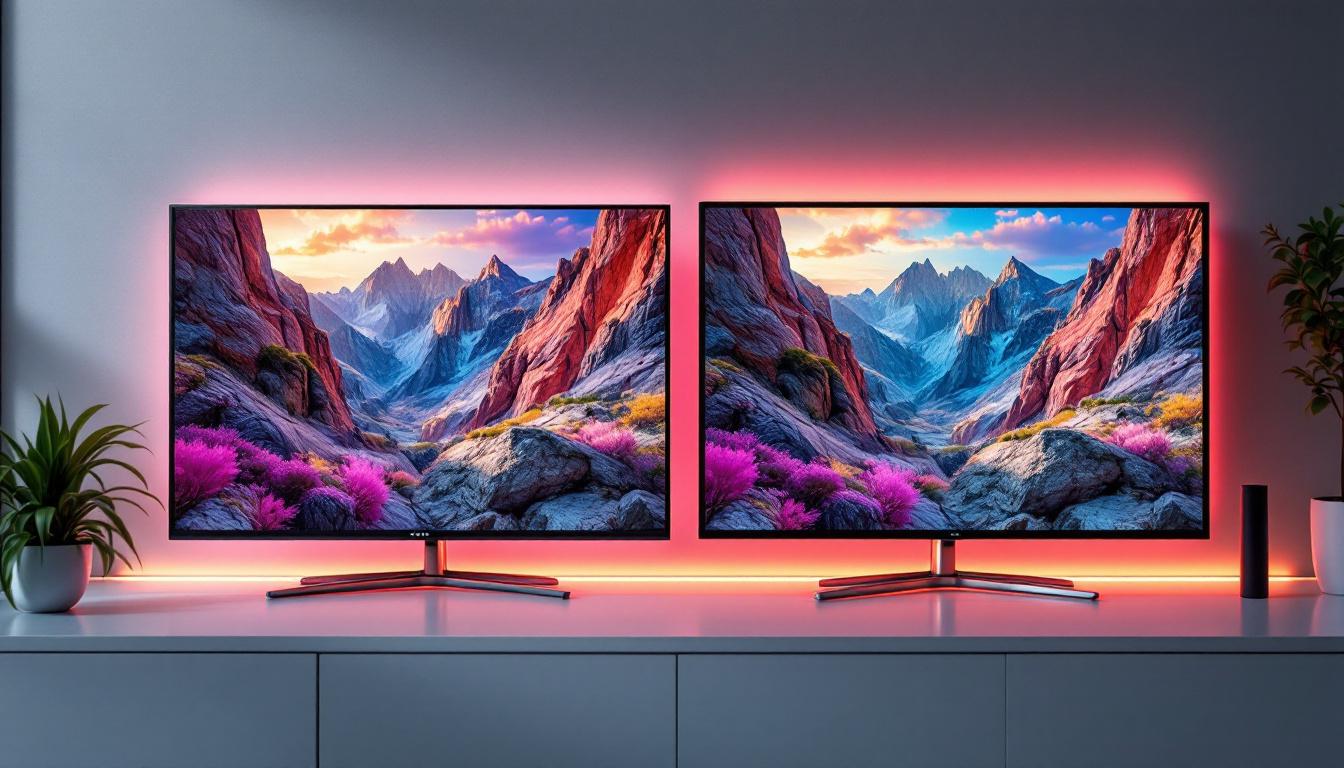
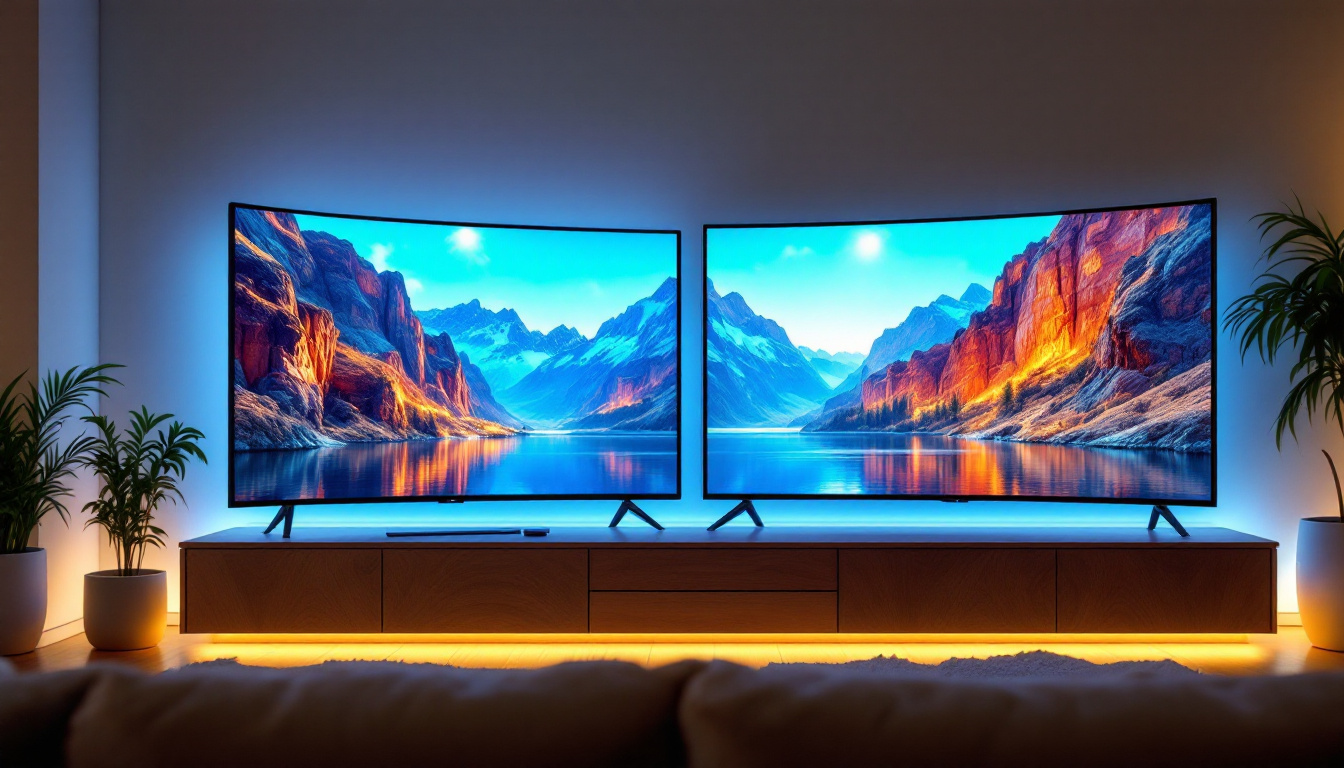
In contrast, LED-backlit LCD screens use LEDs as a backlight behind an LCD panel. While this technology is common in televisions and monitors, it does not offer the same level of brightness or viewing angles as direct view LED displays. The limitations of LED-backlit LCDs become apparent in brightly lit environments, where glare and reflections can diminish image quality. However, they are often more cost-effective for smaller applications, making them a viable option for home use or smaller businesses that require decent display quality without the need for the high performance that direct view LEDs provide. As technology advances, the lines between these two types of displays continue to blur, with innovations in LCD technology striving to close the gap in performance.
Applications of LED Light Boards
Advertising and Digital Signage
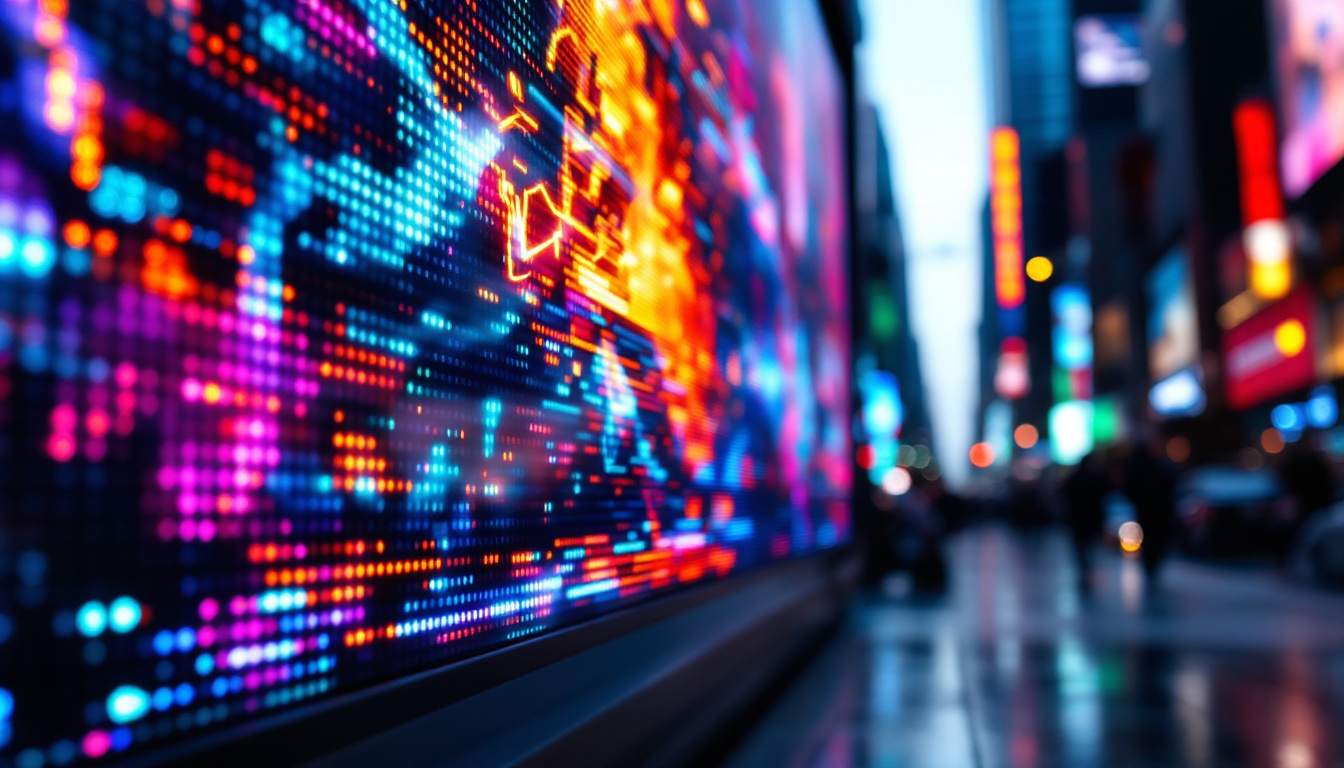
LED light boards have revolutionized advertising by enabling dynamic, eye-catching displays that can be updated instantly. Digital billboards in urban areas can show multiple advertisements in rotation, tailored to time of day or audience demographics.
Retailers use LED signage to promote sales, highlight products, and enhance brand visibility. The ability to display videos and animations draws more attention compared to static signs, increasing customer engagement and conversion rates.
Sports and Entertainment
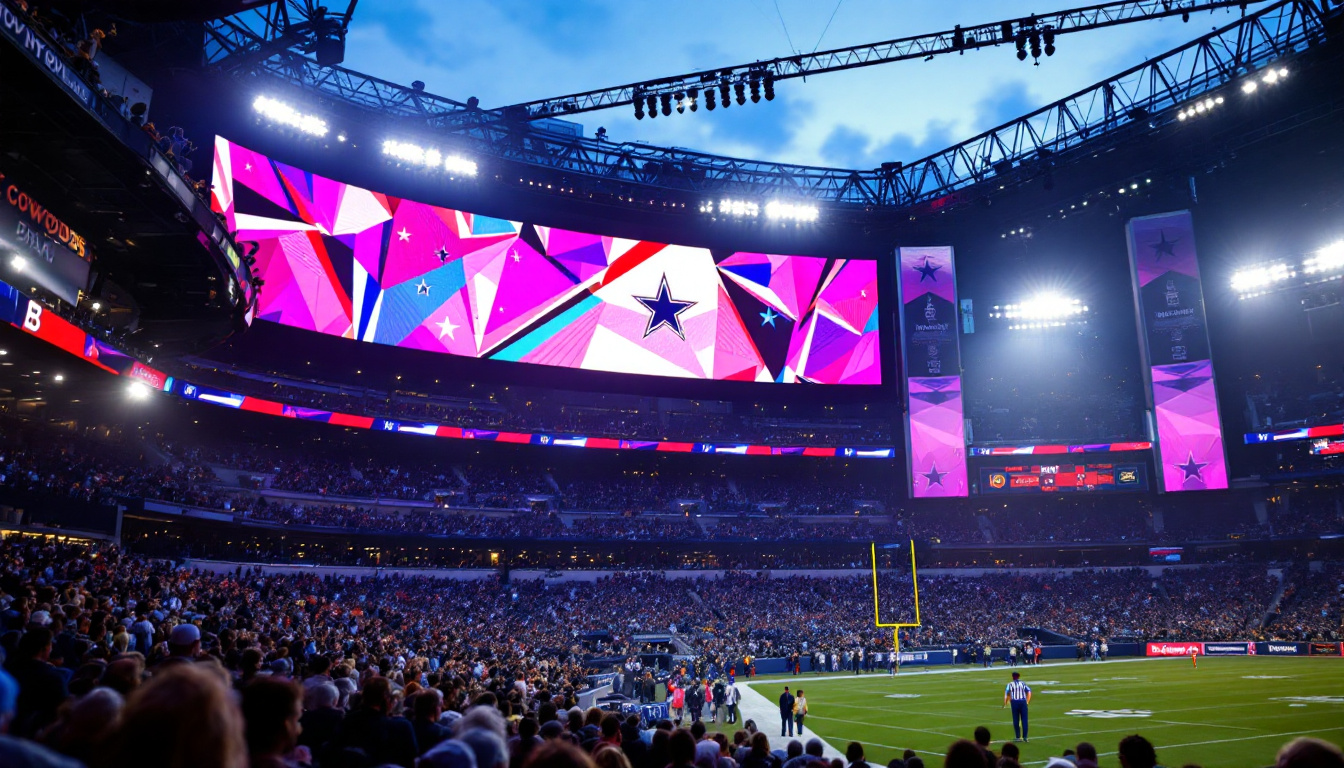
Scoreboards and video walls in stadiums rely heavily on LED technology. These displays provide real-time scores, instant replays, and interactive content, enriching the spectator experience.
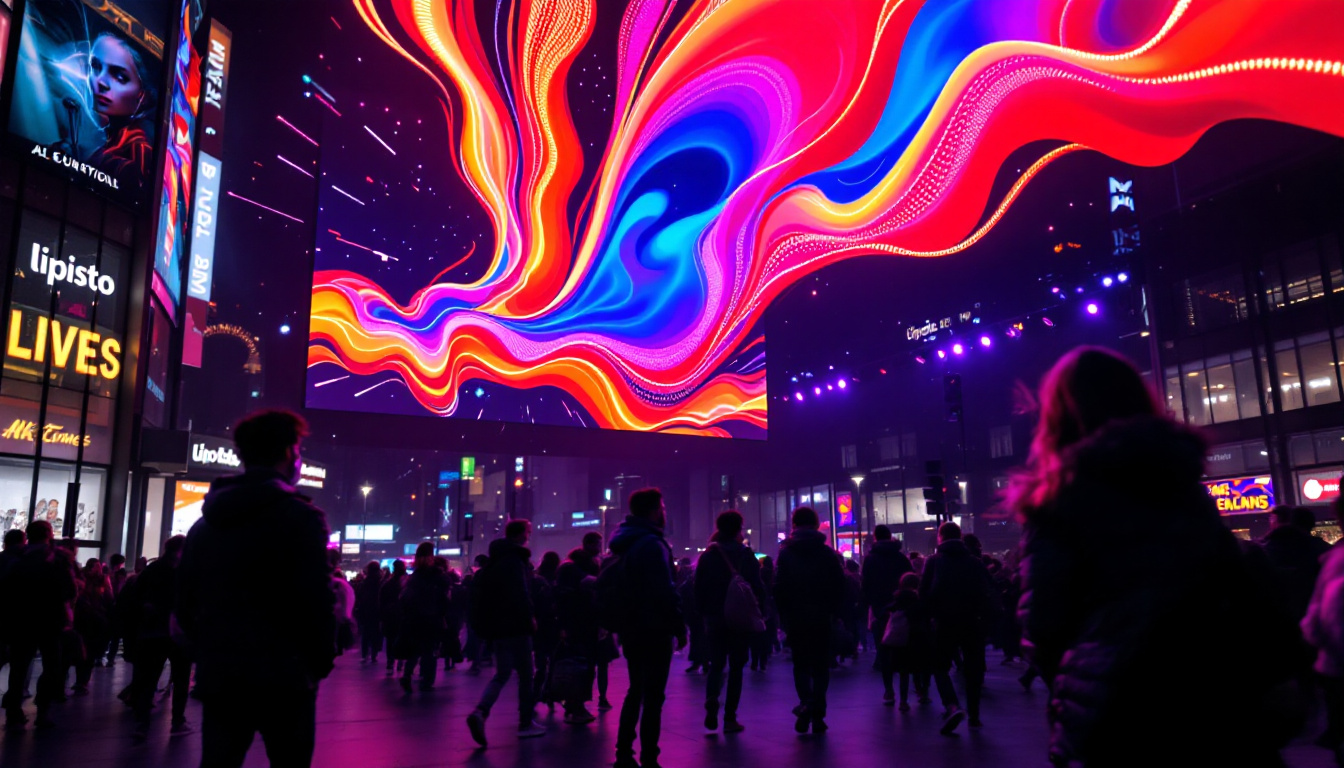
Concerts and live events use LED walls as backdrops, creating immersive visuals synchronized with performances. The scalability of LED displays allows for customization to fit venues of all sizes.
Transportation and Public Information
LED boards are widely used in transportation hubs such as airports, train stations, and bus terminals. They deliver real-time updates on schedules, delays, and safety information, helping travelers navigate efficiently.
Public safety agencies employ LED displays for emergency alerts and community announcements, ensuring messages reach a broad audience quickly.
Benefits of LED Light Boards
Energy Efficiency and Longevity
Compared to traditional lighting and display technologies, LEDs consume significantly less power. This energy efficiency translates into lower operating costs, especially for large-scale or 24/7 installations.
LEDs also have a longer lifespan, often exceeding 50,000 hours of operation. This durability reduces maintenance frequency and costs, making LED light boards a cost-effective investment over time.
Brightness and Visibility
LED displays offer exceptional brightness levels, with some outdoor models reaching up to 10,000 nits. This ensures clear visibility even in direct sunlight, a critical factor for outdoor advertising and public information systems.
The high contrast ratio and wide viewing angles of LED boards mean that content remains sharp and readable from various distances and perspectives.
Flexibility and Customization
LED light boards can be manufactured in virtually any size and shape, allowing for creative and customized installations. Curved, flexible, and transparent LED displays are now available, expanding design possibilities.
The content displayed can be changed instantly, enabling dynamic messaging that adapts to different audiences, events, or times of day. This flexibility is invaluable for marketing campaigns and public communications.
Key Considerations When Choosing an LED Display
Pixel Pitch and Resolution
Pixel pitch refers to the distance between the centers of two adjacent LEDs, usually measured in millimeters. A smaller pixel pitch means higher resolution and sharper images, which is crucial for close viewing distances.
For indoor displays viewed up close, pixel pitches can be as low as 1-2 mm. Outdoor displays, viewed from further away, typically have larger pixel pitches ranging from 4 mm to over 20 mm.
Brightness and Contrast Ratio
Brightness is measured in nits, and selecting the right level depends on the installation environment. Outdoor displays require higher brightness to combat sunlight, while indoor displays can operate at lower levels to avoid glare.
Contrast ratio, the difference between the darkest and brightest parts of the image, affects image quality and readability. Higher contrast ratios produce more vivid and lifelike visuals.
Durability and Weather Resistance
For outdoor LED boards, weather resistance is paramount. Look for displays with IP65 or higher ratings, indicating protection against dust and water ingress.
Temperature tolerance is also important, as LED displays must operate reliably in extreme heat or cold.
Control Systems and Connectivity
Modern LED displays come with sophisticated control systems that allow remote management, scheduling, and content updates via internet or local networks. Compatibility with various media formats and software platforms enhances usability.
Consider the ease of integration with existing infrastructure and the availability of technical support when selecting a system.
Future Trends in LED Display Technology
MicroLED and MiniLED Innovations
Emerging technologies like MicroLED and MiniLED promise even higher resolution, brightness, and energy efficiency. MicroLEDs are tiny LEDs that can be densely packed, enabling ultra-high-definition displays with exceptional color accuracy.
These advancements are expected to impact consumer electronics, digital signage, and large-scale displays in the coming years.
Interactive and Smart LED Displays
Integration of touch sensors and AI-powered content management is making LED displays more interactive and intelligent. Smart LED boards can respond to audience behavior, customize content in real-time, and gather analytics for better engagement strategies.
Sustainability and Eco-Friendly Designs
As environmental concerns grow, manufacturers are focusing on sustainable materials and energy-saving designs. LED displays with recyclable components and lower power consumption align with global efforts to reduce carbon footprints.
Conclusion
LED light boards represent a powerful medium for communication, combining cutting-edge technology with practical benefits such as energy efficiency, durability, and visual impact. Understanding the fundamentals of LED displays, their types, applications, and key specifications can help businesses and organizations make informed decisions when investing in this versatile technology.
Whether for advertising, entertainment, public information, or creative expression, LED light boards continue to transform the way messages are delivered and experienced worldwide, promising even greater innovations in the near future.
Discover LumenMatrix LED Display Solutions
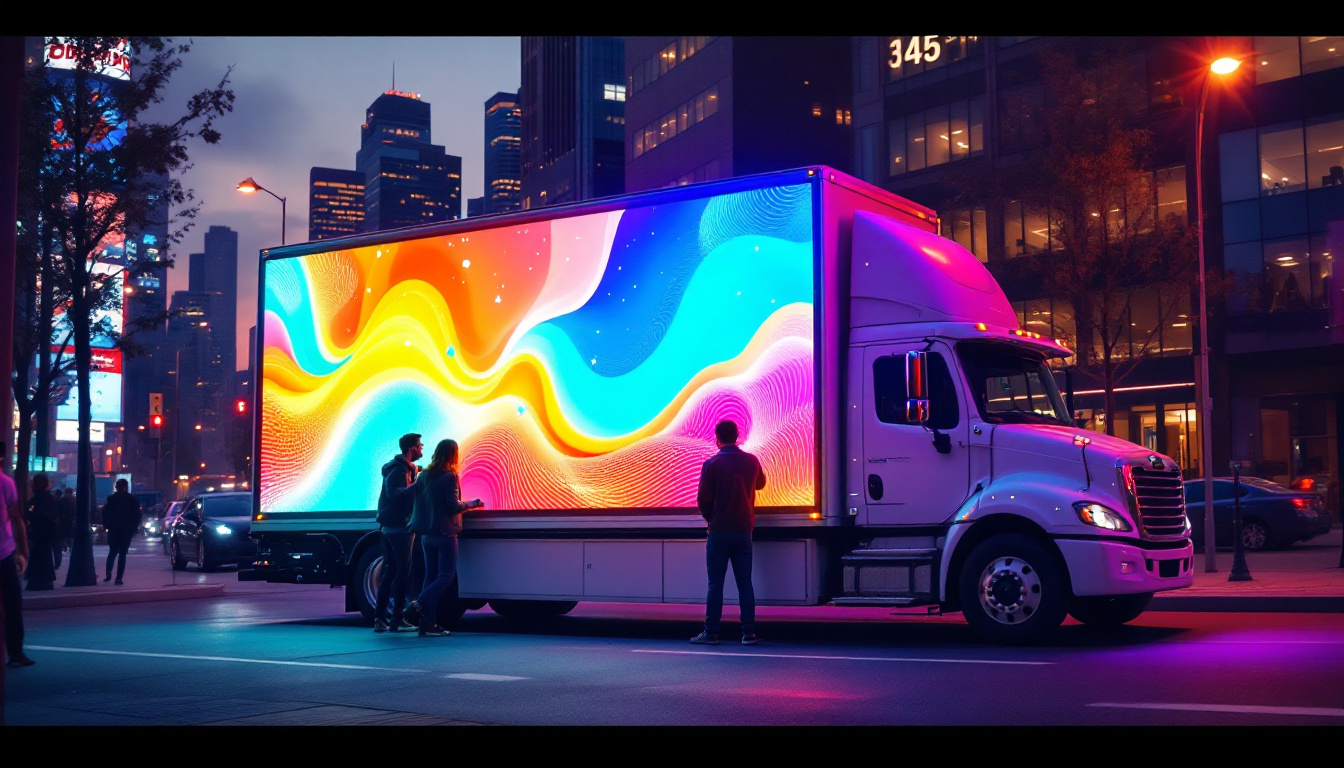
Ready to elevate your visual communication with the latest in LED technology? Look no further than LumenMatrix, where innovation meets impact. Our extensive range of LED display solutions, from Indoor and Outdoor LED Walls to specialized displays like Vehicle, Sports, and Floor LED, is designed to captivate your audience and amplify your message. With our commitment to cutting-edge technology and creative expression, LumenMatrix is your partner in crafting unforgettable visual experiences. Check out LumenMatrix LED Display Solutions today and see how we can transform your space into a dynamic canvas.