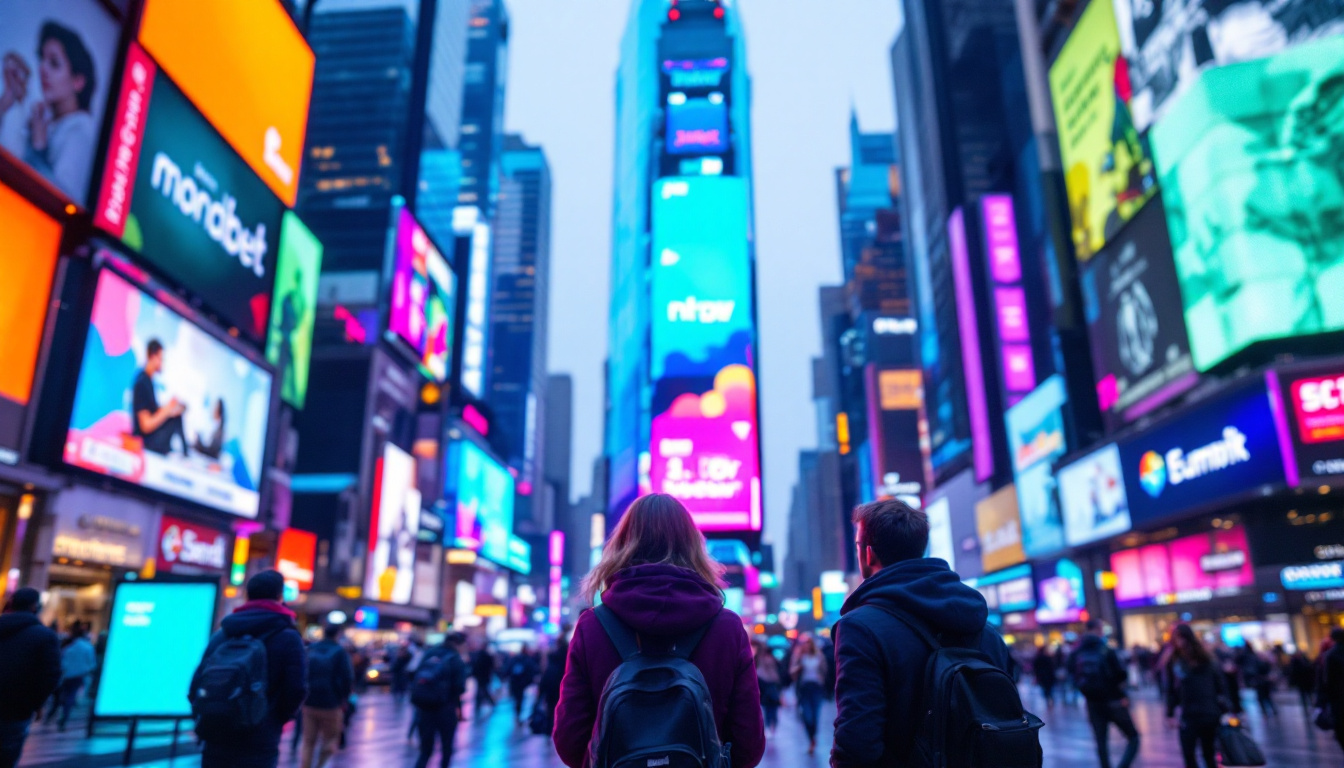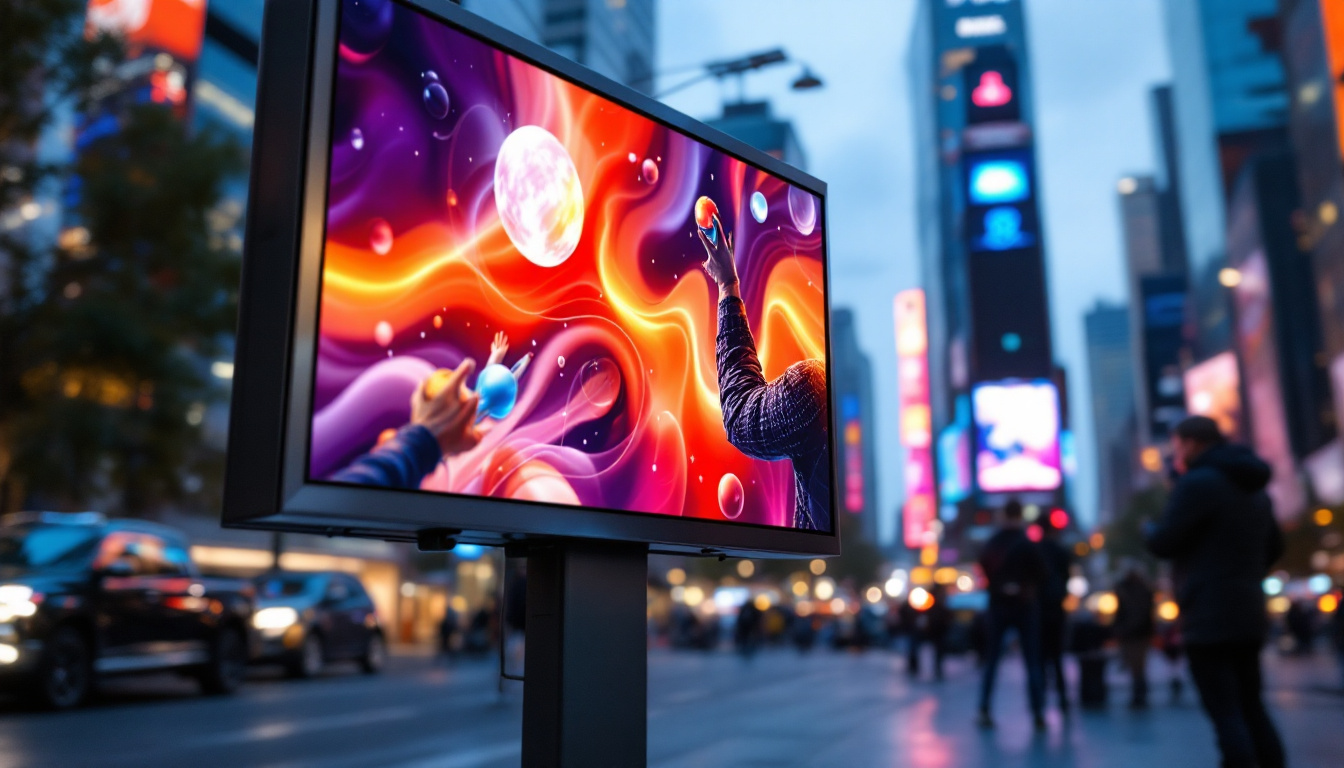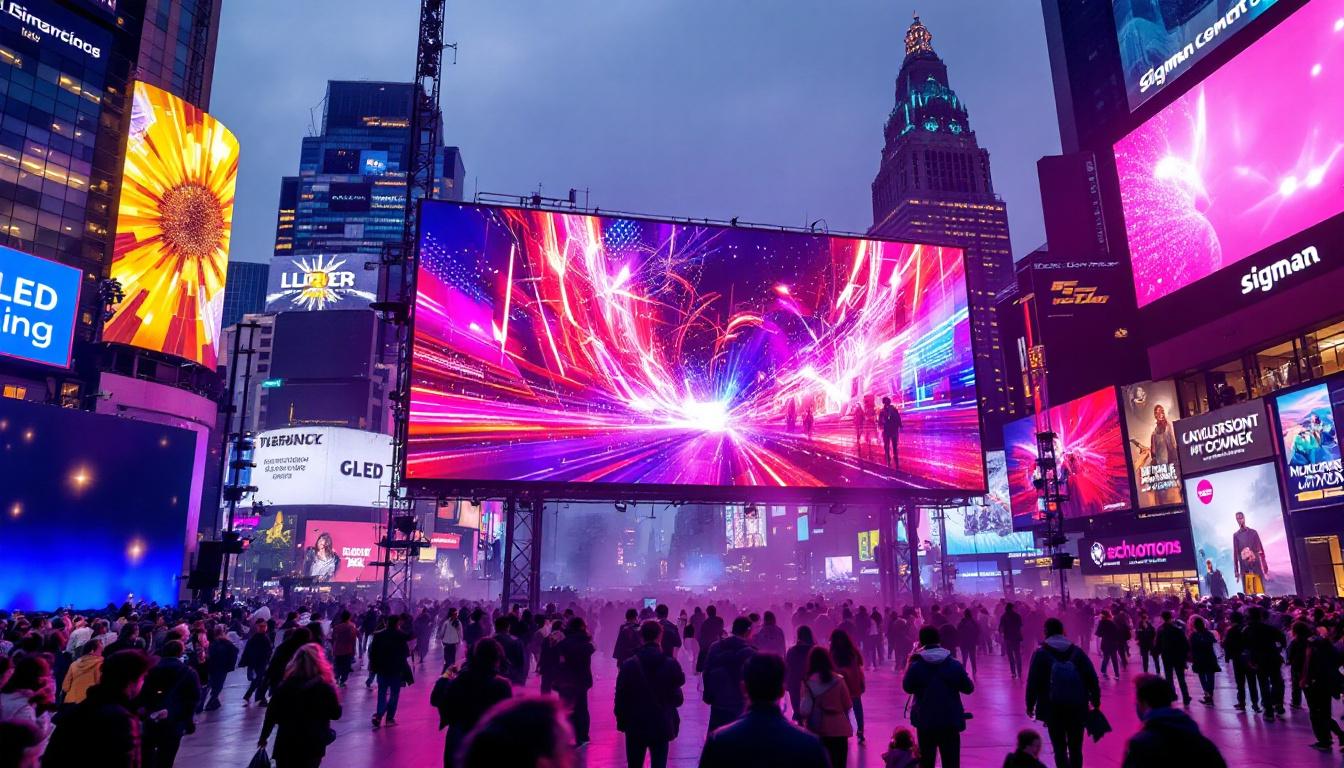
In today’s digital era, LED display screens have become an integral part of advertising, entertainment, and information dissemination. From colossal billboards in Times Square to compact digital signage in retail stores, LED displays captivate audiences with vibrant colors and dynamic content. However, understanding LED display screen sizes and their implications is crucial for businesses and individuals aiming to maximize impact and efficiency. This article delves deep into the world of LED displays, exploring screen sizes, types, applications, and key considerations for selecting the right LED display.
Understanding LED Display Technology
What is an LED Display?
LED stands for Light Emitting Diode, a semiconductor device that emits light when an electric current passes through it. An LED display screen is composed of numerous tiny LEDs arranged in a matrix to form images, videos, or text. These screens are known for their brightness, energy efficiency, and long lifespan compared to traditional display technologies like LCD or plasma.
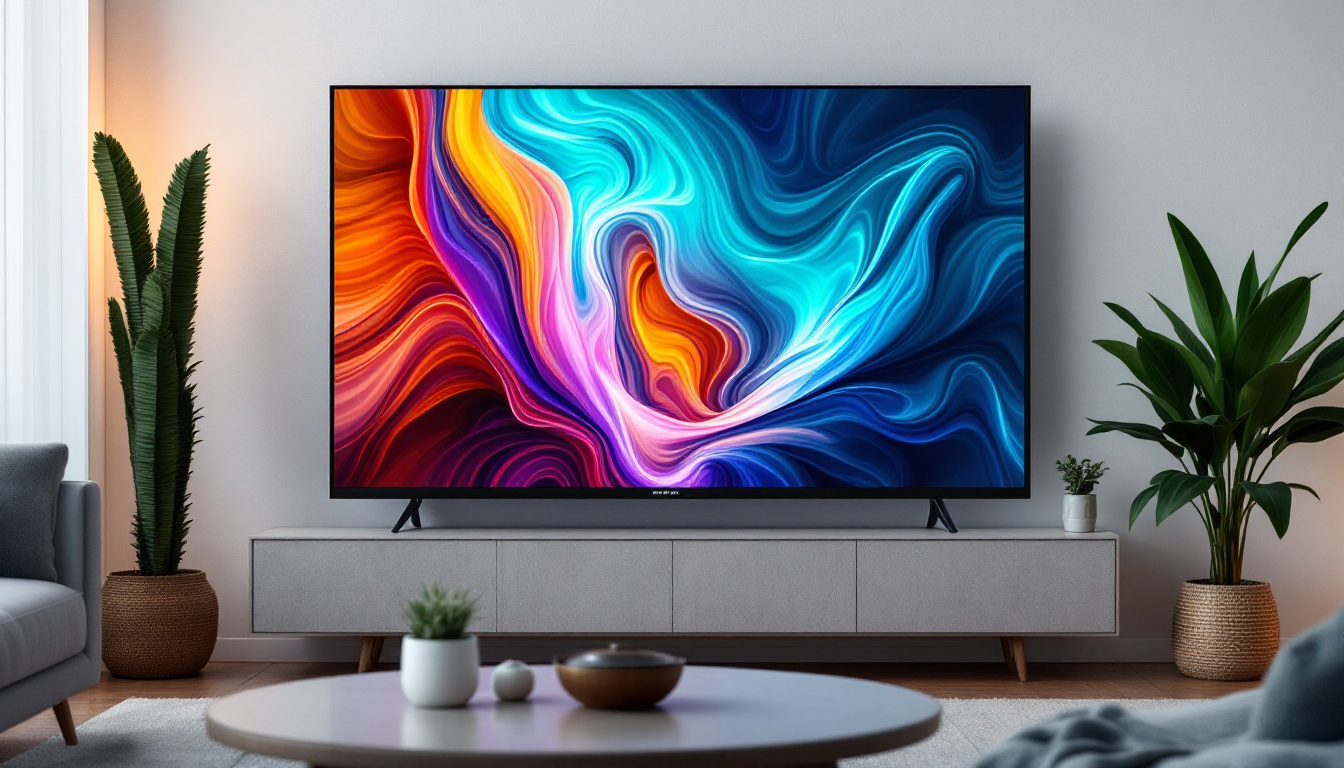
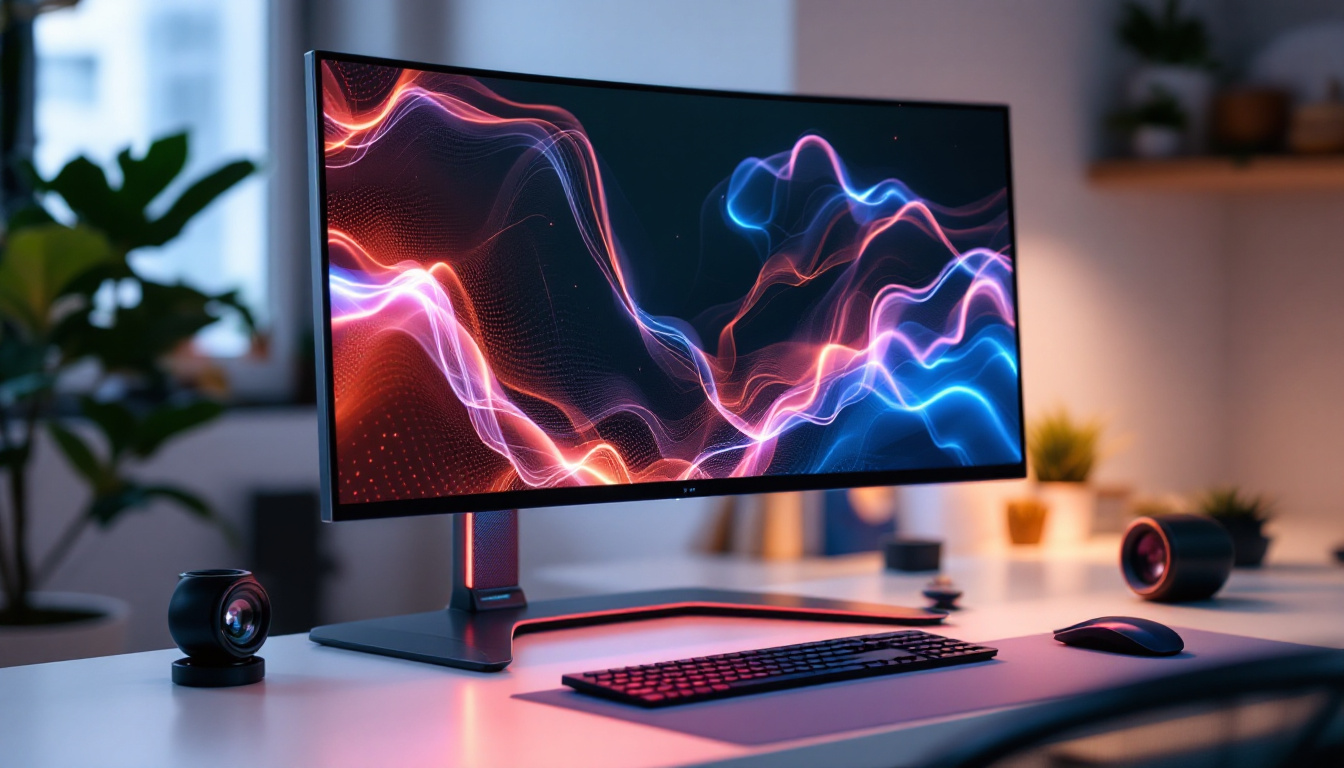
LED displays can be categorized into two primary types: direct view LED and LED-backlit LCD. Direct view LED displays use LEDs as the actual pixels, offering superior brightness and contrast, making them ideal for large outdoor screens. LED-backlit LCDs use LEDs to illuminate an LCD panel, common in televisions and monitors.
How LED Displays Work
The core principle behind LED displays is the control of individual LEDs to create images. Each LED can emit red, green, or blue light, and by adjusting the intensity of these colors, millions of colors can be generated. The density of these LEDs, known as pixel pitch, determines the resolution and clarity of the display.
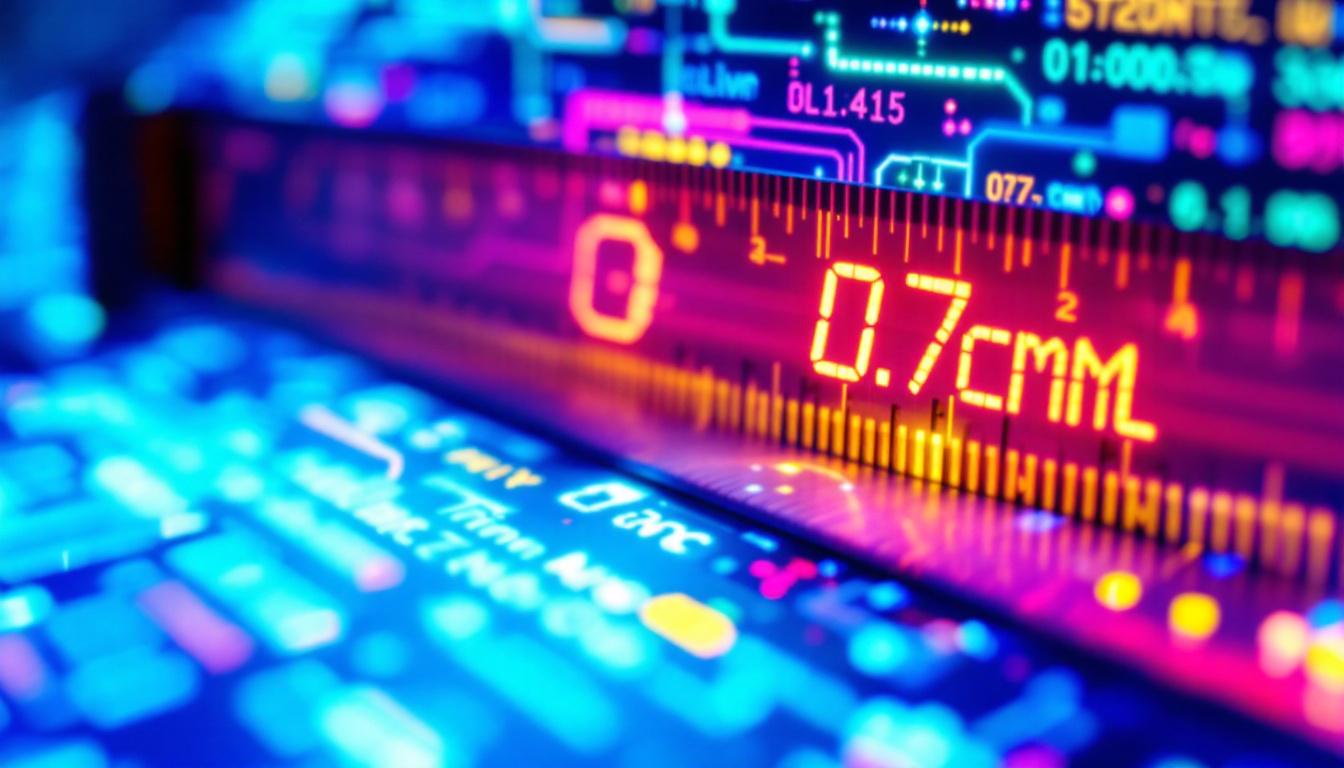
Pixel pitch is measured in millimeters and represents the distance from the center of one LED cluster to the next. A smaller pixel pitch means higher resolution and sharper images, which is essential for close-viewing applications like indoor displays.
LED Display Screen Sizes: What You Need to Know
Common LED Display Sizes and Their Applications
LED display screens come in a vast range of sizes, from small panels used in retail price tags to massive outdoor billboards spanning hundreds of square meters. Choosing the right size depends heavily on the intended application, viewing distance, and content type.
- Small LED Displays (under 1 square meter): These are typically used for indoor digital signage, menu boards, and information displays in retail or hospitality settings. Their compact size allows for easy integration into existing environments.
- Medium LED Displays (1 to 10 square meters): Commonly found in conference rooms, shopping malls, and event venues, these screens balance visibility and space constraints effectively.
- Large LED Displays (over 10 square meters): These are used for outdoor advertising, stadium screens, and public information boards. Their size ensures visibility from long distances and in various lighting conditions.
Pixel Pitch and Viewing Distance
Pixel pitch plays a critical role in determining the optimal viewing distance for an LED display. A general rule of thumb is that the minimum viewing distance (in meters) should be approximately 1.5 to 2 times the pixel pitch (in millimeters). For example, a display with a 4mm pixel pitch is best viewed from about 6 to 8 meters away.
Indoor LED displays often have pixel pitches ranging from 1mm to 4mm, allowing viewers to stand close without seeing individual pixels. Outdoor displays, where viewers are farther away, typically have pixel pitches between 6mm and 20mm or more.
Aspect Ratios and Custom Sizes
While traditional LED displays often follow standard aspect ratios such as 16:9 or 4:3, custom sizes and shapes are increasingly popular. Curved LED walls, transparent LED screens, and irregularly shaped installations enable creative and immersive experiences.
Manufacturers can design LED modules to fit unique dimensions, allowing businesses to tailor their displays to specific architectural or branding needs. This flexibility expands the possibilities for advertising, stage design, and interactive installations.
Choosing the Right LED Display Size for Your Needs
Assessing the Viewing Environment
One of the first steps in selecting an LED display size is understanding the environment in which it will be installed. Indoor and outdoor environments have different lighting conditions, space constraints, and audience behaviors.
Outdoor LED displays need to be brighter to combat sunlight glare, often requiring higher luminance levels (typically 5,000 to 10,000 nits). Indoor displays can operate at lower brightness (around 800 to 1,500 nits) but must prioritize resolution and color accuracy for close-up viewing.
Determining Viewing Distance and Audience Size
Knowing how far the audience will be from the screen helps determine the appropriate pixel pitch and screen size. For example, a digital billboard on a highway viewed from 50 meters will require a much larger screen with a bigger pixel pitch than a retail display viewed from 2 meters.
Additionally, the size of the audience impacts screen dimensions. Large crowds in stadiums or public squares benefit from massive LED walls, whereas smaller groups in conference rooms require more modest sizes.
Content Type and Resolution Requirements
The nature of the content displayed also influences size decisions. High-definition video, detailed graphics, or text-heavy content demands higher resolution and, consequently, smaller pixel pitch and larger screen sizes to maintain clarity.
Conversely, simple messages or logos can be effectively displayed on smaller screens with lower resolution. Understanding content needs ensures the display communicates effectively without unnecessary expenditure.
Applications of LED Display Screens by Size
Retail and Indoor Signage
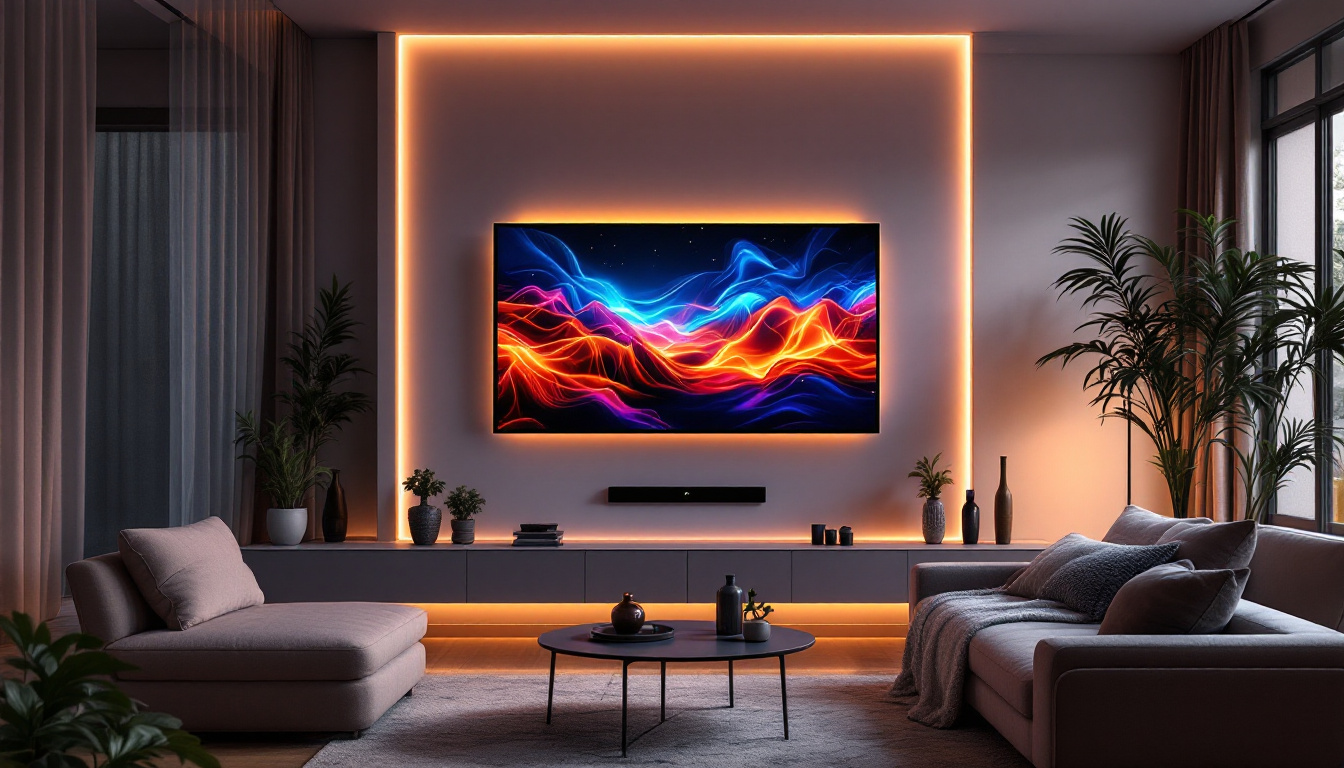
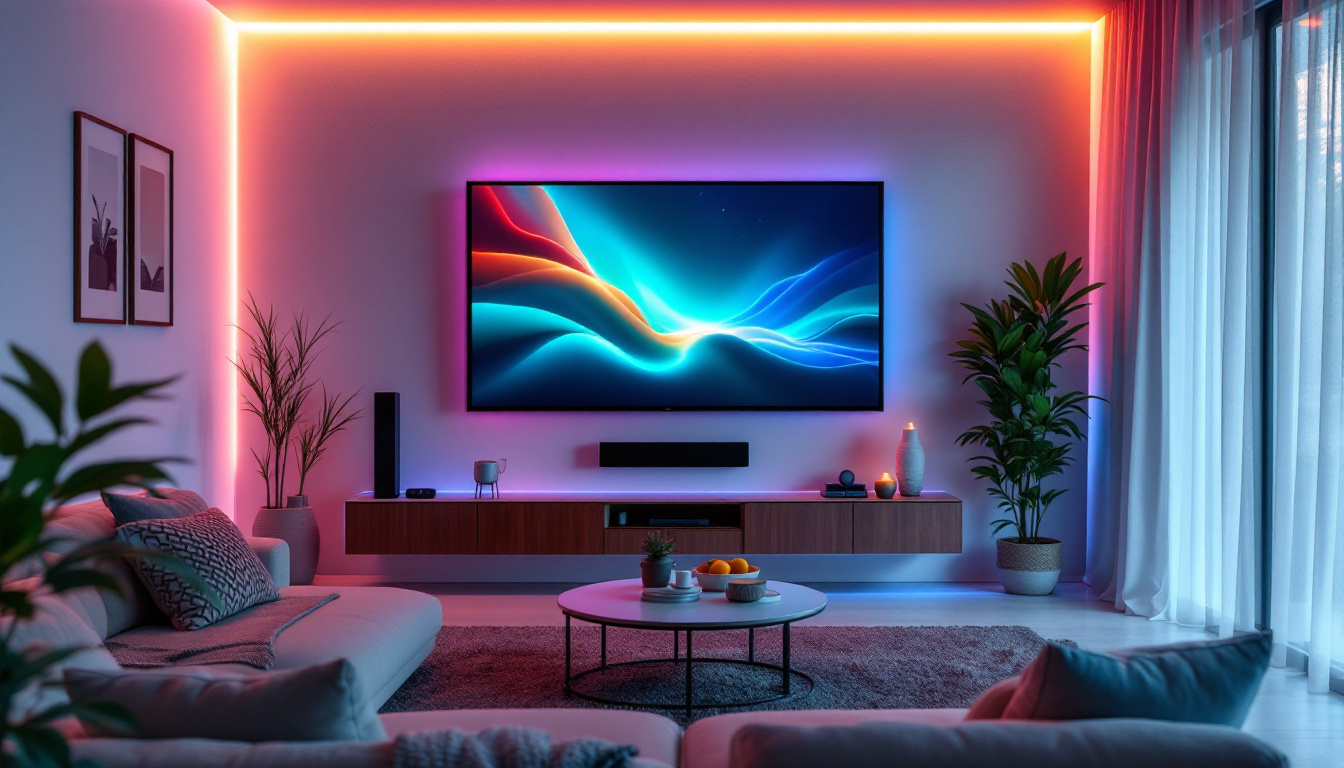
In retail environments, LED displays enhance customer engagement by showcasing promotions, product information, and interactive content. Small to medium-sized LED screens (ranging from 0.5 to 5 square meters) are ideal for these settings.
For example, fashion retailers use LED walls to create dynamic window displays that attract foot traffic, while supermarkets employ digital price tags and menu boards for real-time updates. The high brightness and color vibrancy of LED displays help products stand out in competitive retail spaces.
Sports and Entertainment Venues
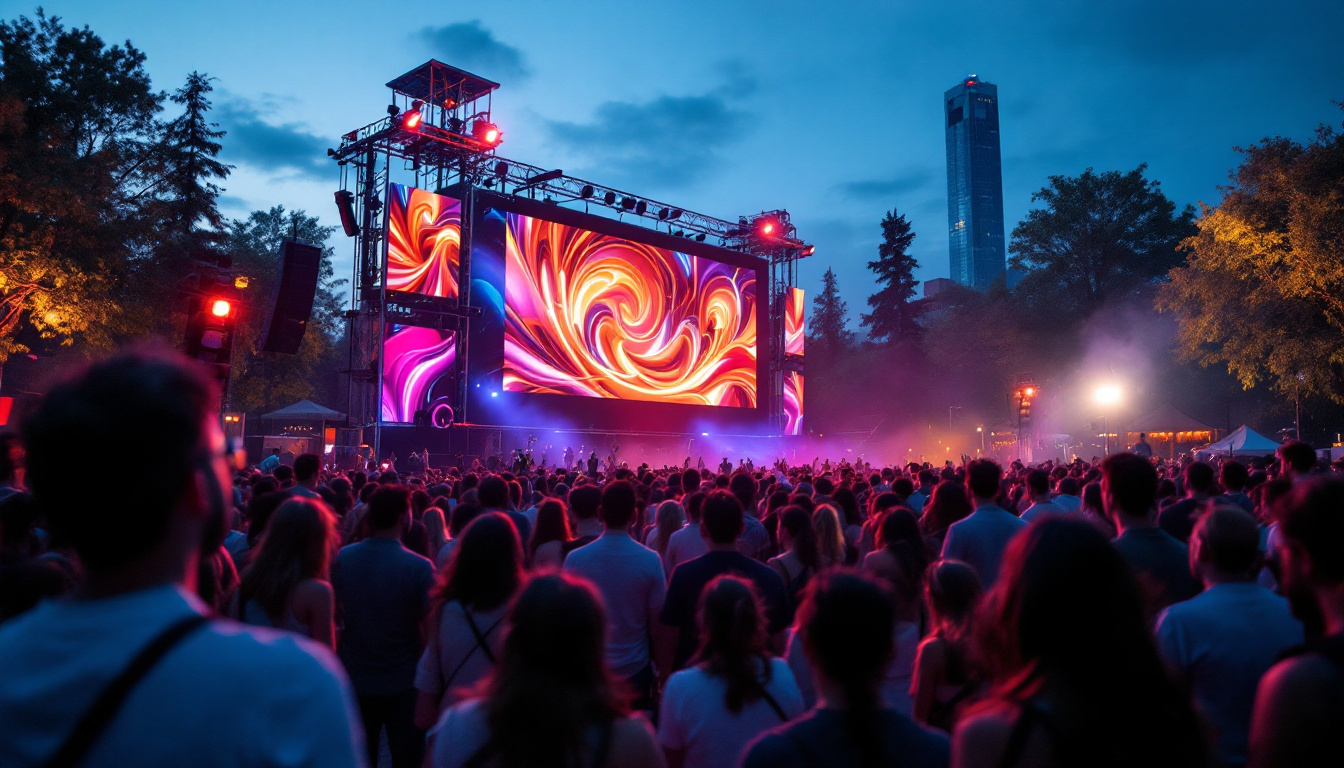
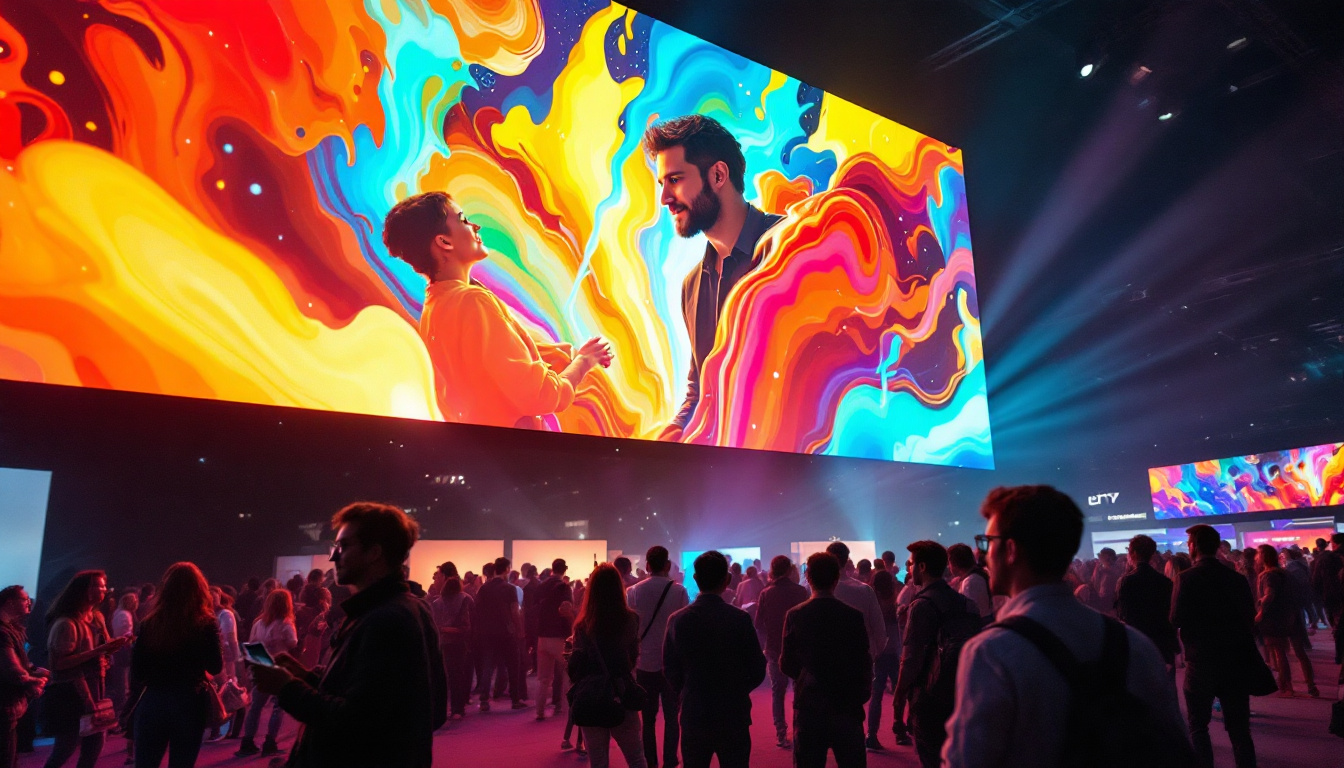
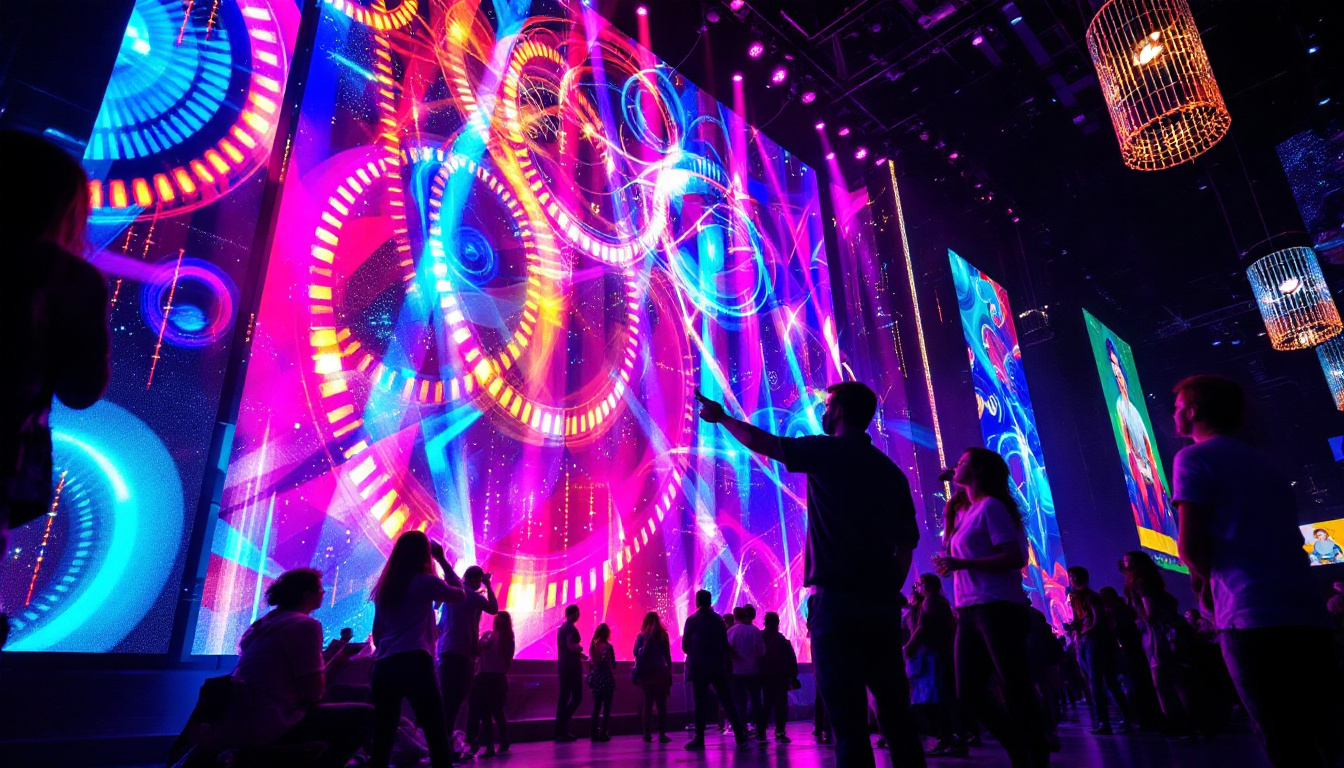
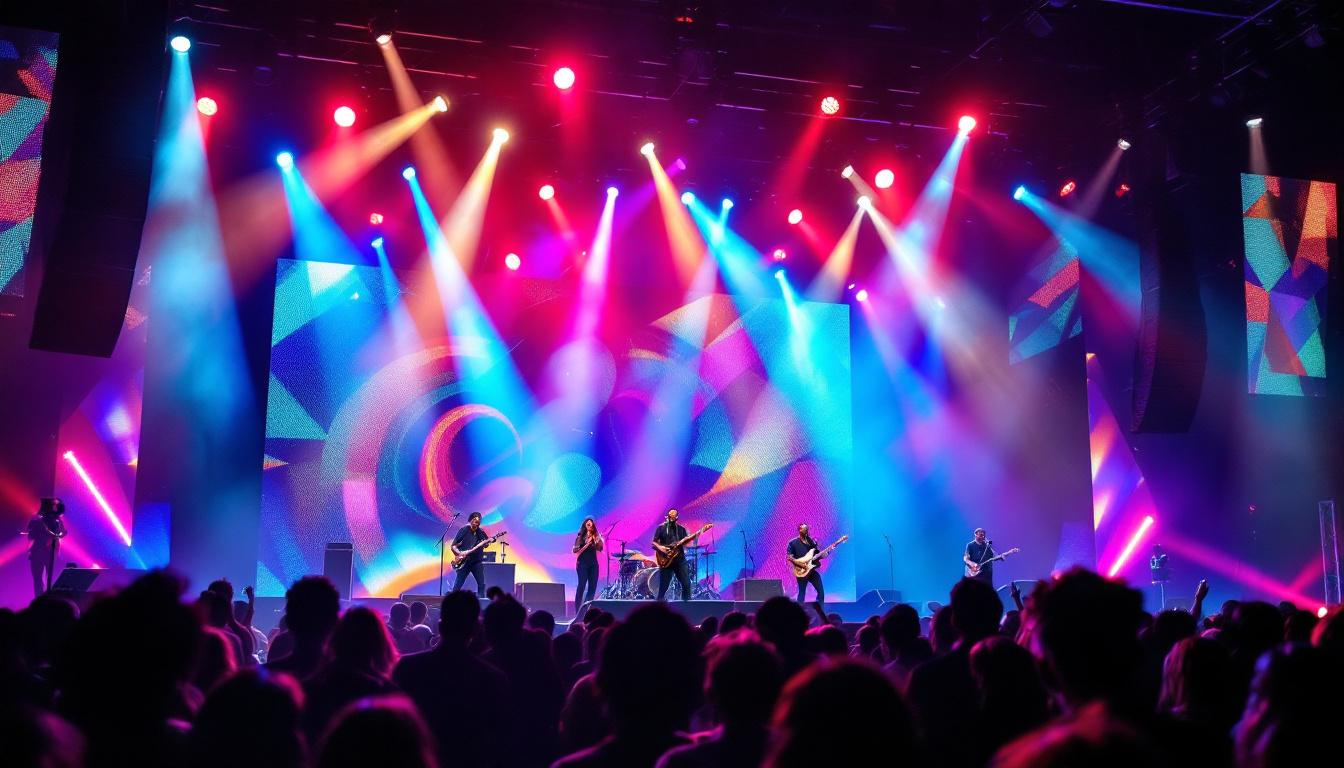
Large LED screens are a staple in stadiums, arenas, and concert venues. These displays provide live game footage, replays, advertisements, and interactive content to thousands of spectators.
The size of these screens often exceeds 100 square meters, with pixel pitches tailored to viewing distances of 20 meters or more. Advanced LED technologies enable seamless video playback even on curved or irregular surfaces, enhancing the spectator experience.
Outdoor Advertising and Public Information
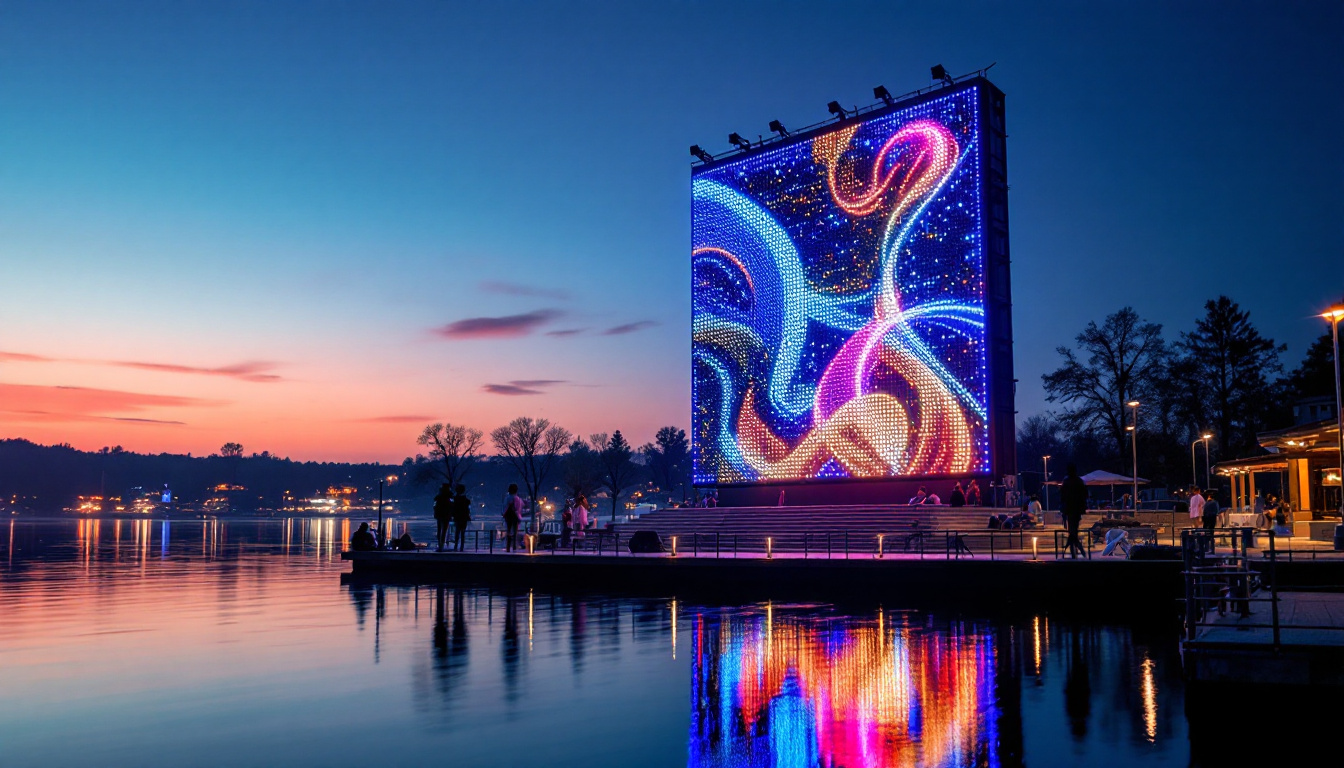
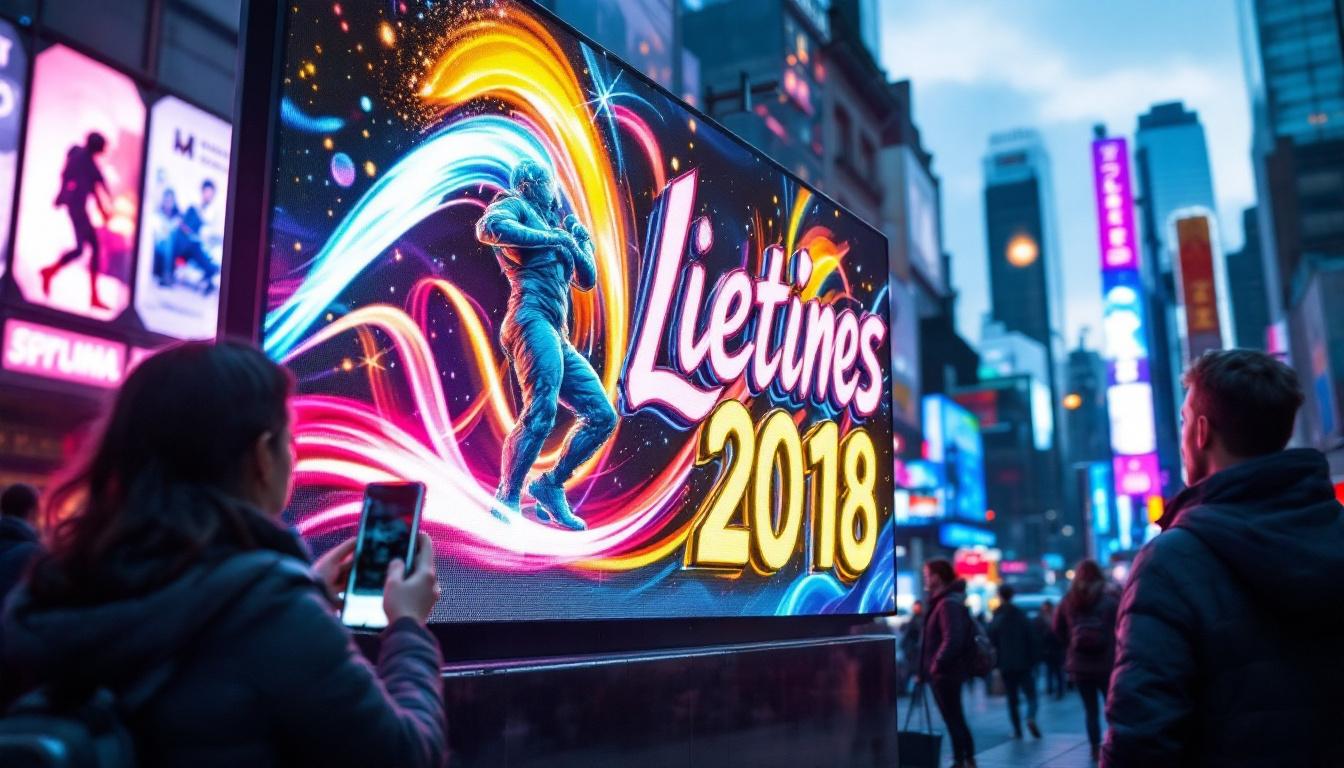
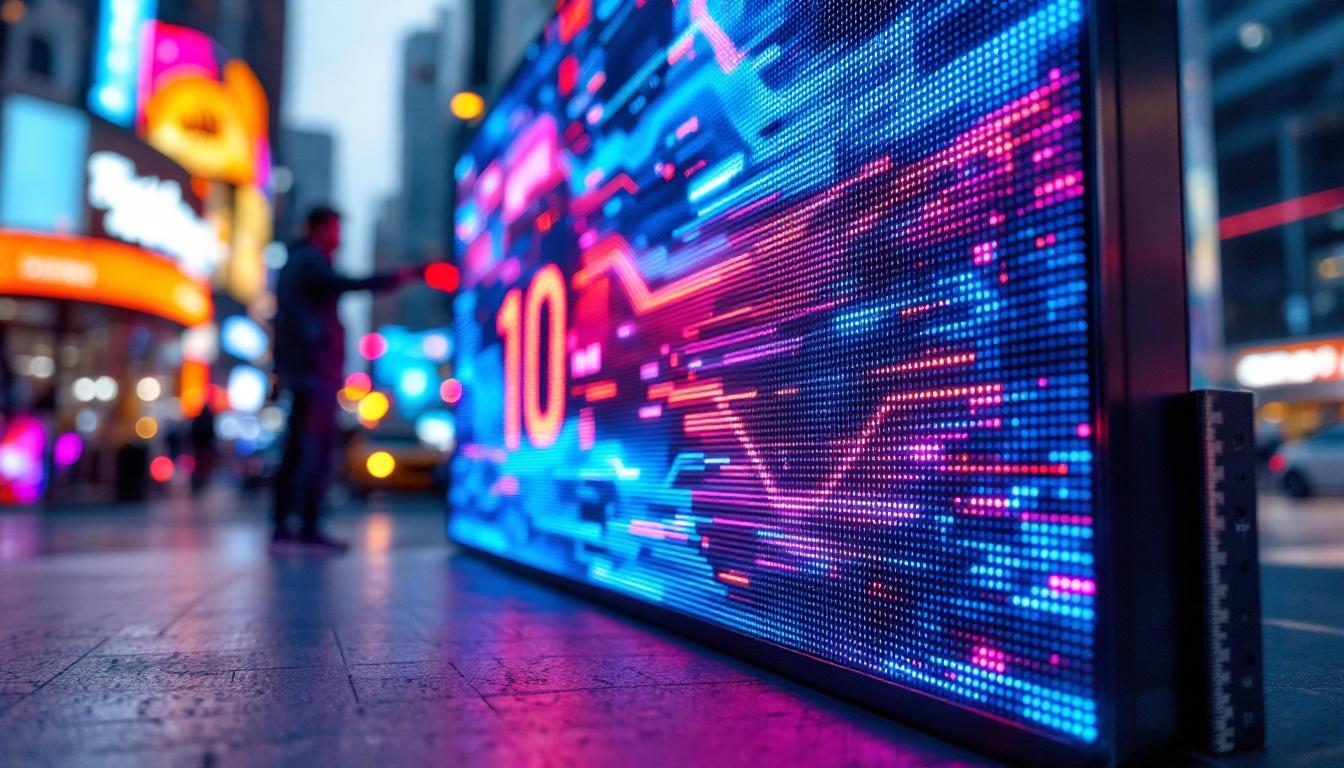
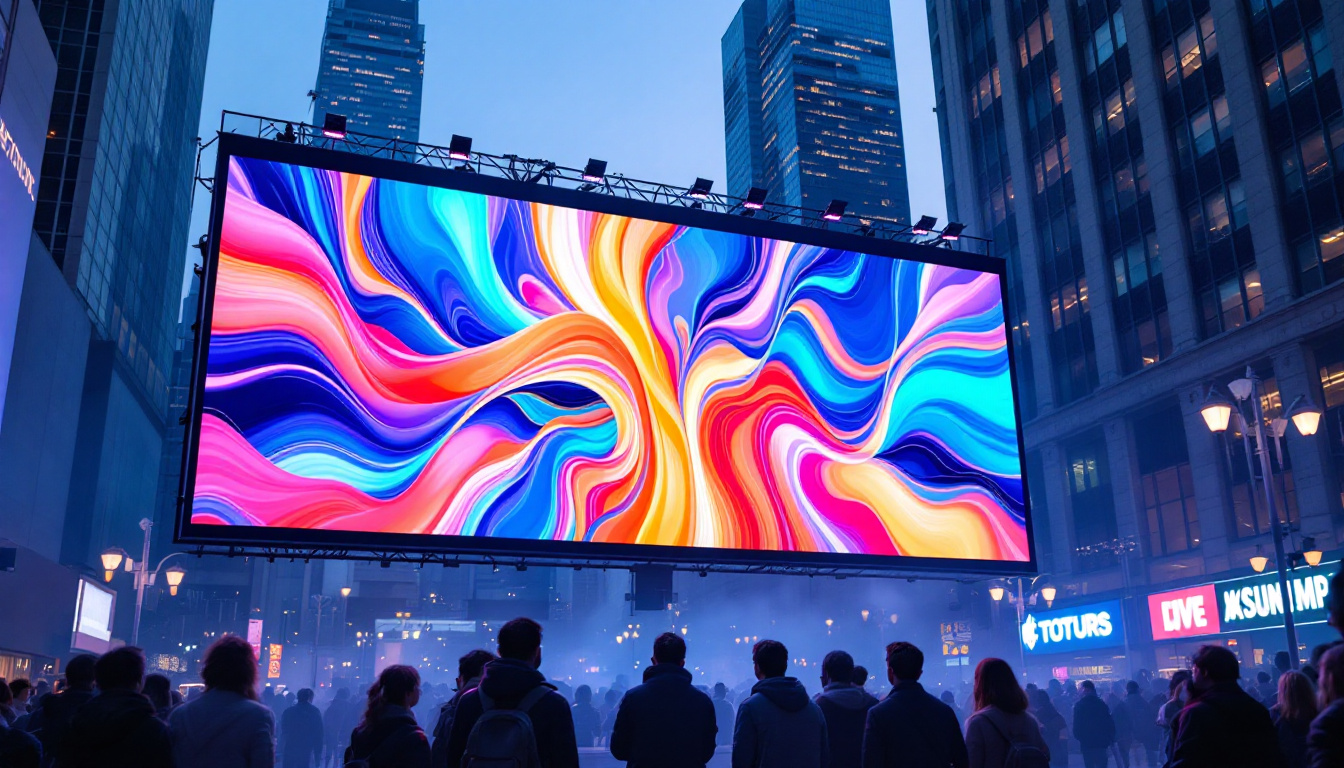
Billboards and public information displays rely heavily on large LED screens to capture attention in busy urban environments. Sizes can range from 10 square meters for roadside signs to over 500 square meters for landmark installations.
These displays must withstand harsh weather conditions and maintain high brightness levels for visibility in daylight. Additionally, many outdoor LED screens incorporate remote content management systems, allowing advertisers to update messages instantly.
Key Considerations When Purchasing LED Displays
Brightness and Contrast Ratio
Brightness, measured in nits, determines how well the display performs under different lighting conditions. Outdoor LED displays typically require 5,000 to 10,000 nits, while indoor displays function well within 800 to 1,500 nits.
Contrast ratio, the difference between the darkest black and brightest white, affects image depth and clarity. Higher contrast ratios enhance visual appeal, especially for video content.
Durability and Maintenance
LED displays should be durable enough to withstand environmental factors such as rain, dust, and temperature fluctuations. IP ratings indicate the level of protection, with IP65 or higher recommended for outdoor installations.
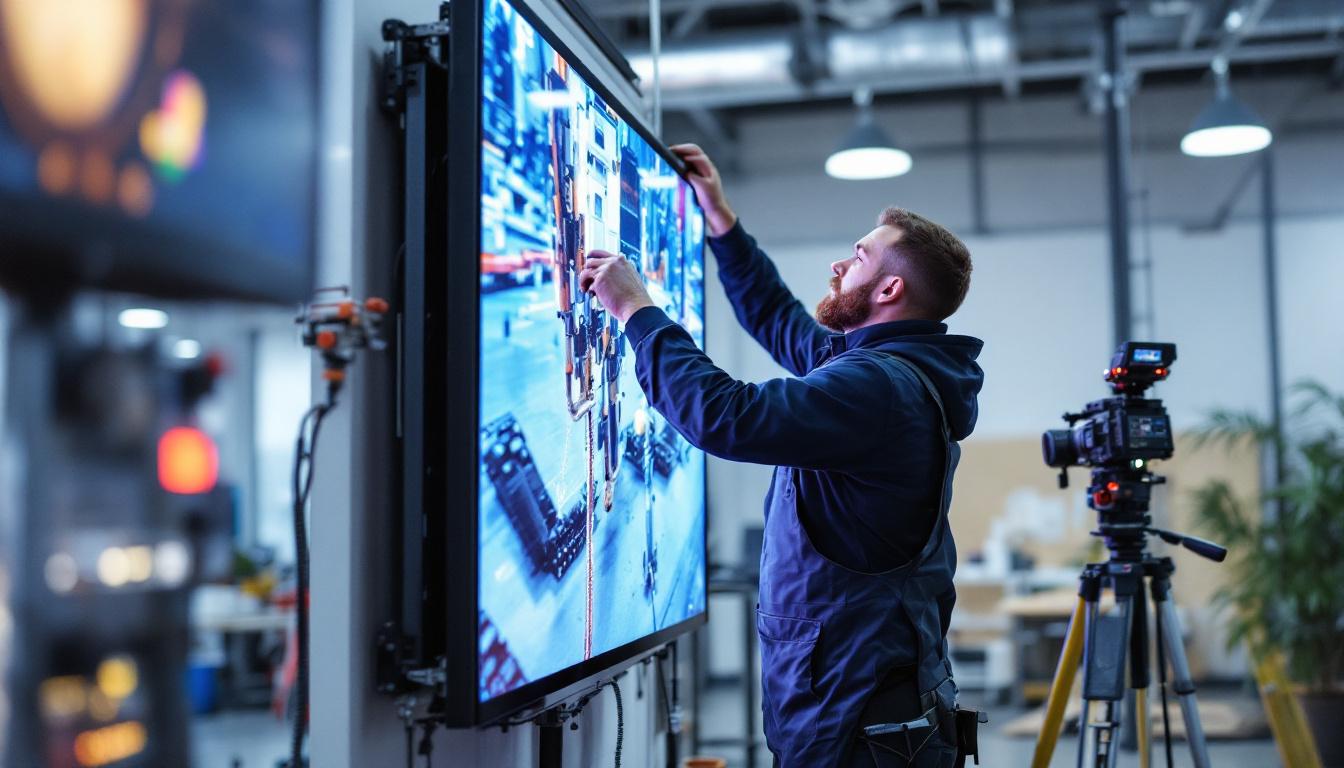
Maintenance accessibility is also vital. Modular LED panels allow for easier repairs and replacements, minimizing downtime and operational costs.
Energy Efficiency and Lifespan
LED technology is inherently energy-efficient, but power consumption varies based on screen size, brightness, and usage patterns. Selecting energy-efficient models can reduce operational costs significantly.
The lifespan of LED displays typically ranges from 50,000 to 100,000 hours, depending on quality and usage. Investing in high-quality displays ensures longer service life and better return on investment.
Future Trends in LED Display Technology
MicroLED and MiniLED Innovations
Emerging technologies like MicroLED and MiniLED promise even higher resolution, brightness, and energy efficiency. MicroLED displays consist of microscopic LEDs, enabling ultra-fine pixel pitches below 1mm, ideal for close-up viewing and compact devices.
These advancements are expected to revolutionize indoor displays, wearable technology, and augmented reality applications by delivering unparalleled image quality.
Flexible and Transparent LED Displays
Flexible LED screens can bend and curve, opening new possibilities for creative installations in architecture and design. Transparent LED displays integrate seamlessly into glass surfaces, allowing for innovative advertising without obstructing views.
Such technologies are gaining traction in retail, automotive, and smart building sectors, enhancing interactivity and aesthetic appeal.
AI-Driven Content and Smart Displays
Artificial intelligence is being integrated into LED display systems to optimize content delivery based on audience demographics, time of day, and environmental factors. Smart displays can adapt brightness, contrast, and content dynamically, improving engagement and energy efficiency.
These intelligent systems are transforming digital signage into interactive, context-aware communication platforms.
Conclusion
LED display screen sizes are a fundamental factor in the effectiveness of digital signage and visual communication. Understanding the relationship between screen size, pixel pitch, viewing distance, and application ensures that businesses and organizations select the right LED display for their needs.
From small indoor panels to massive outdoor billboards, LED technology offers versatile solutions that combine brightness, durability, and energy efficiency. As innovations like MicroLED and transparent displays continue to evolve, the future of LED screens promises even greater possibilities for engaging and immersive experiences.
Careful planning, consideration of environmental factors, and alignment with content goals are essential steps in leveraging LED displays to their full potential. Whether for advertising, entertainment, or information, the right LED display size can make all the difference in capturing attention and delivering impactful messages.
Discover the Perfect LED Display with LumenMatrix
Ready to elevate your visual communication with the ideal LED display size and technology? LumenMatrix is at the forefront of LED innovation, offering a comprehensive range of solutions tailored to your unique needs. From vibrant Indoor LED Wall Displays to dynamic Outdoor LED Wall Displays, and from sleek LED Poster Displays to immersive LED Sports and Floor Displays, we have the cutting-edge technology to make your brand shine. Explore our Custom LED Displays and All-in-One LED Display solutions, and experience the future with our LED Transparent Displays. Don’t just capture attention—create an unforgettable visual experience. Check out LumenMatrix LED Display Solutions today and transform the way you share your message.