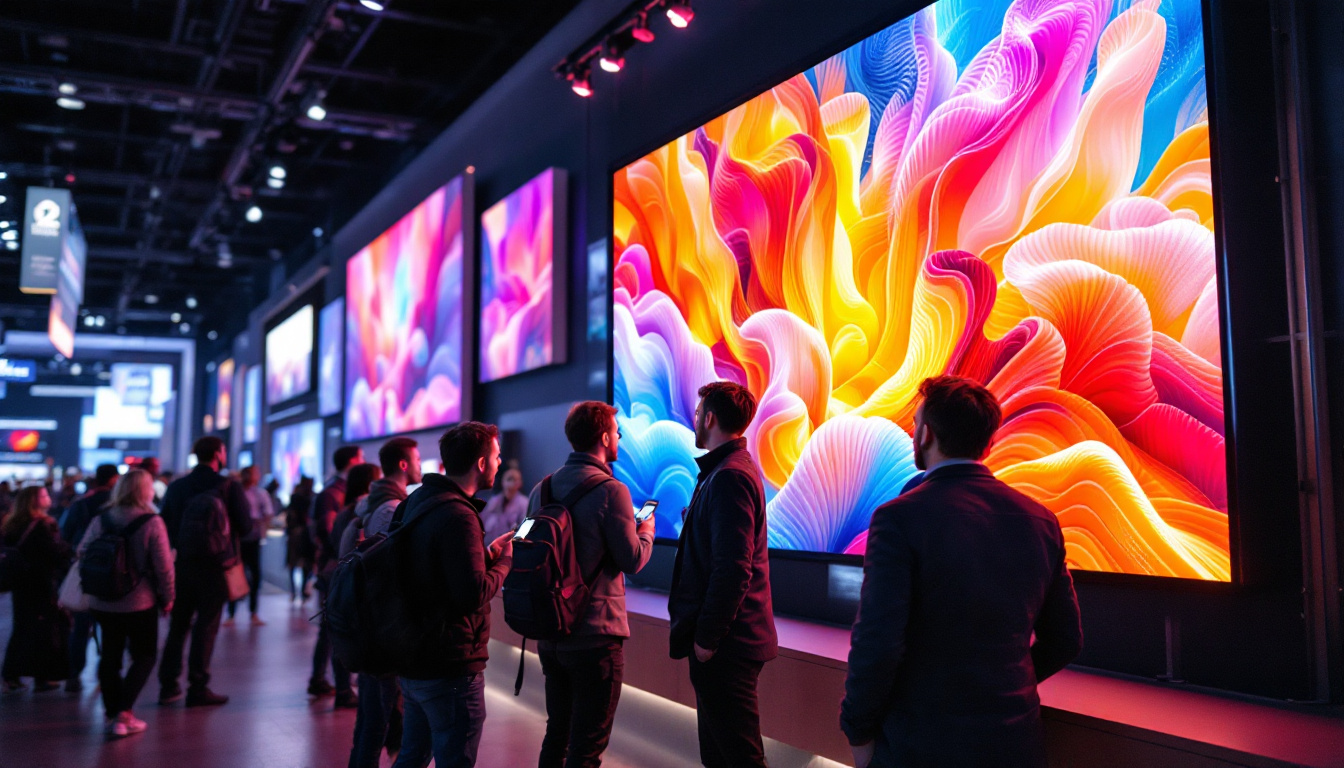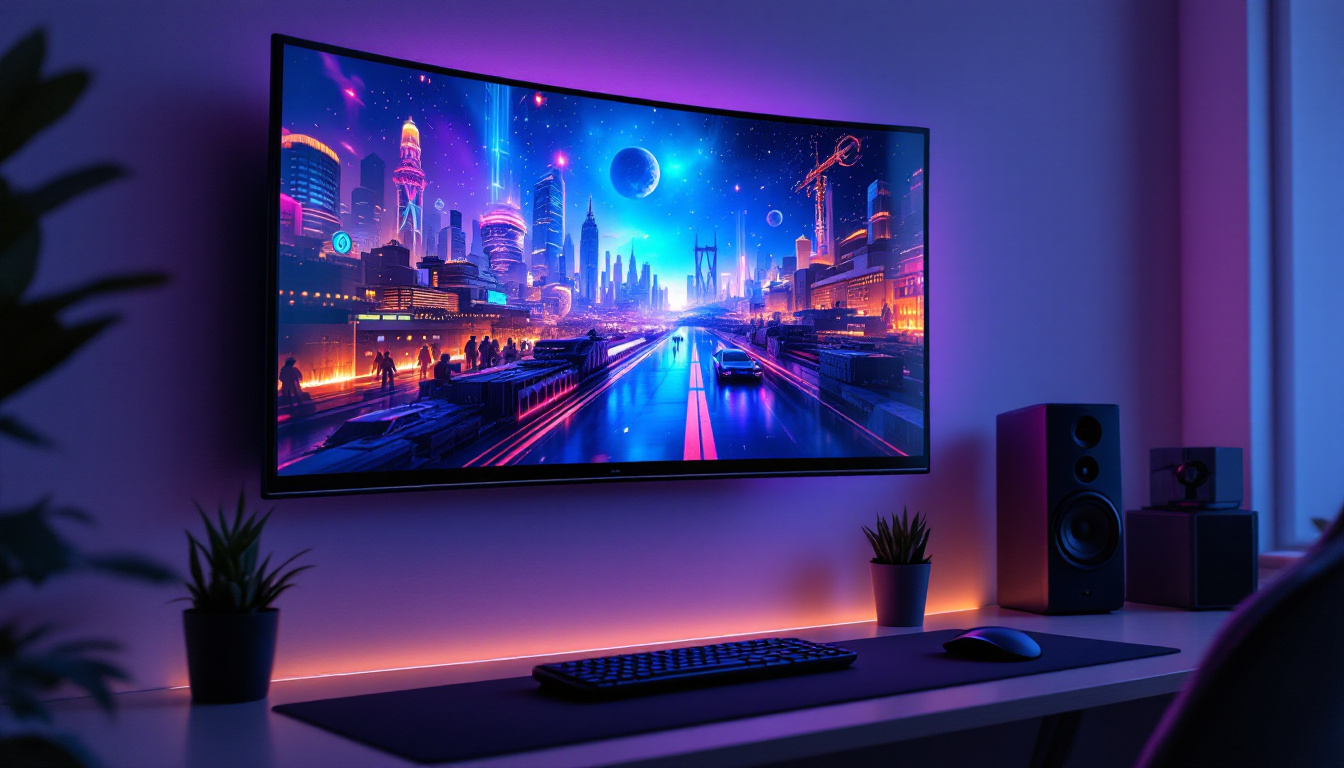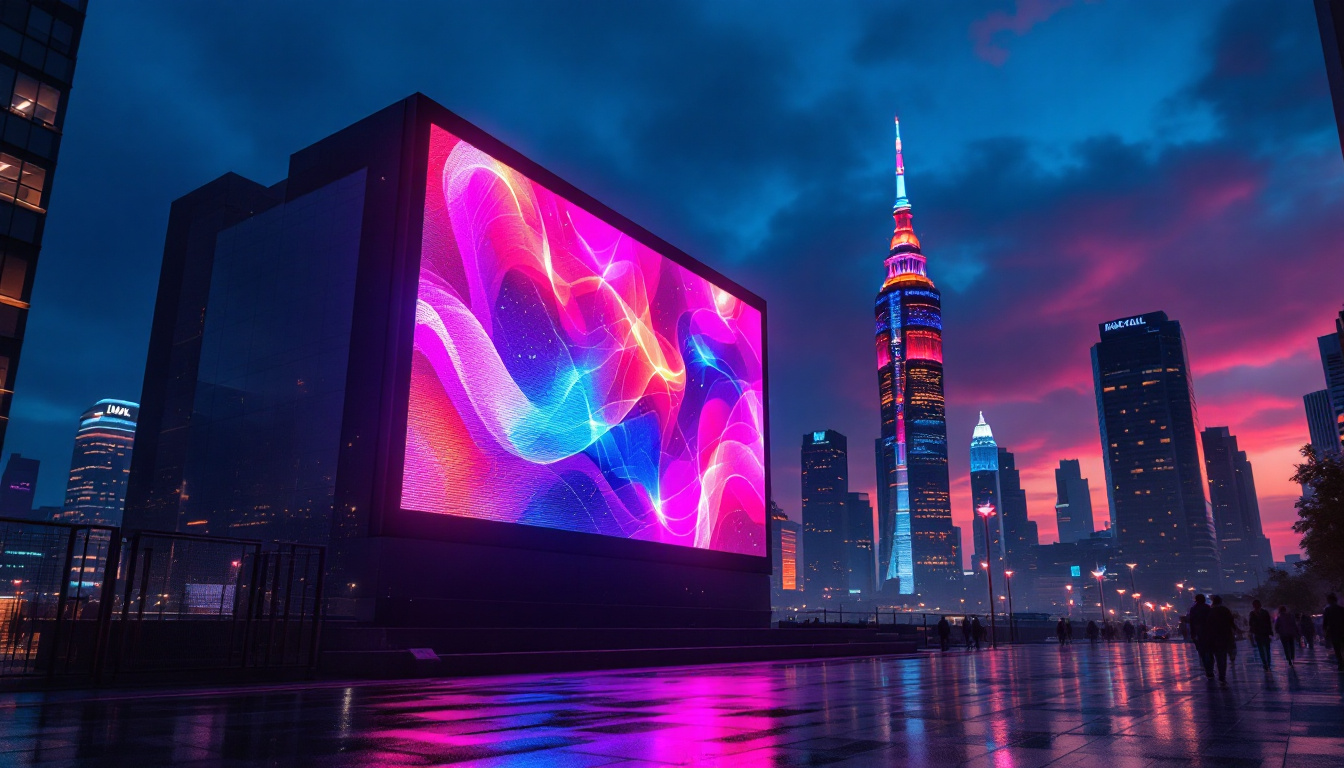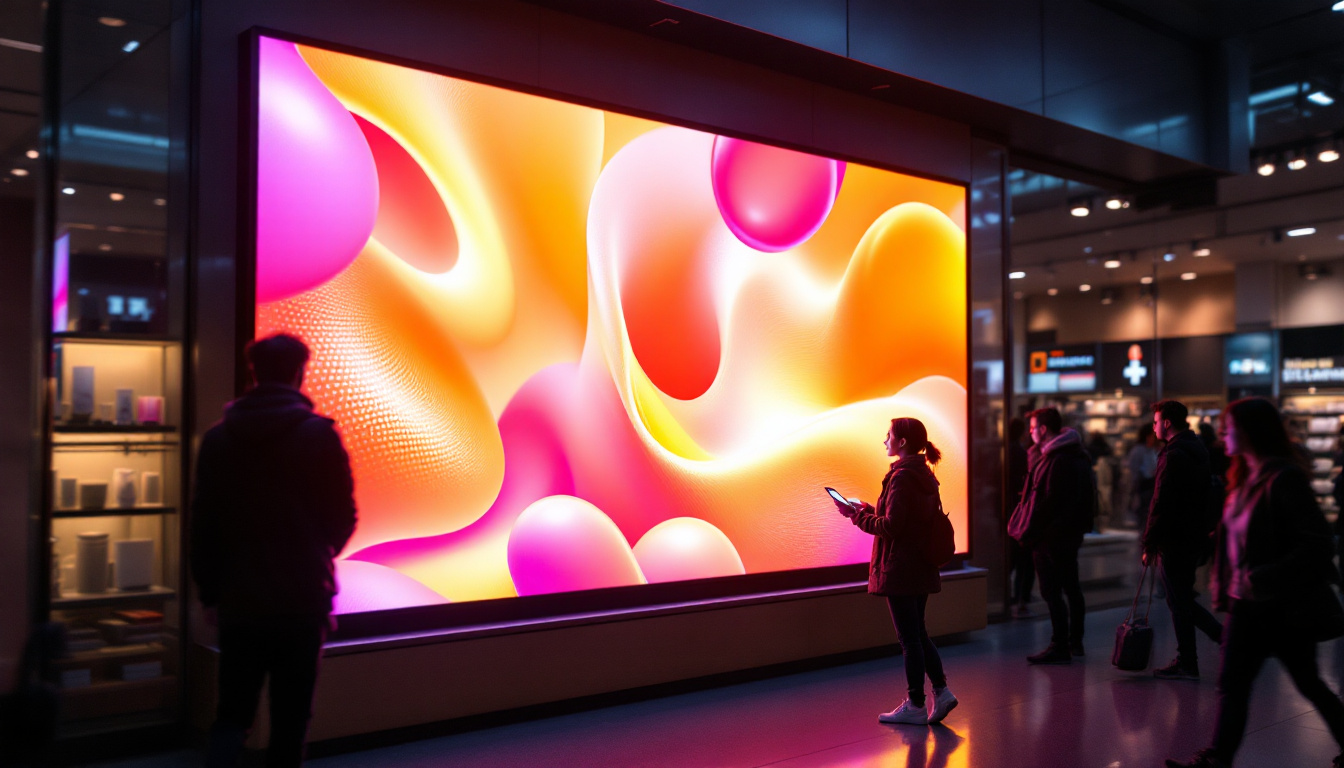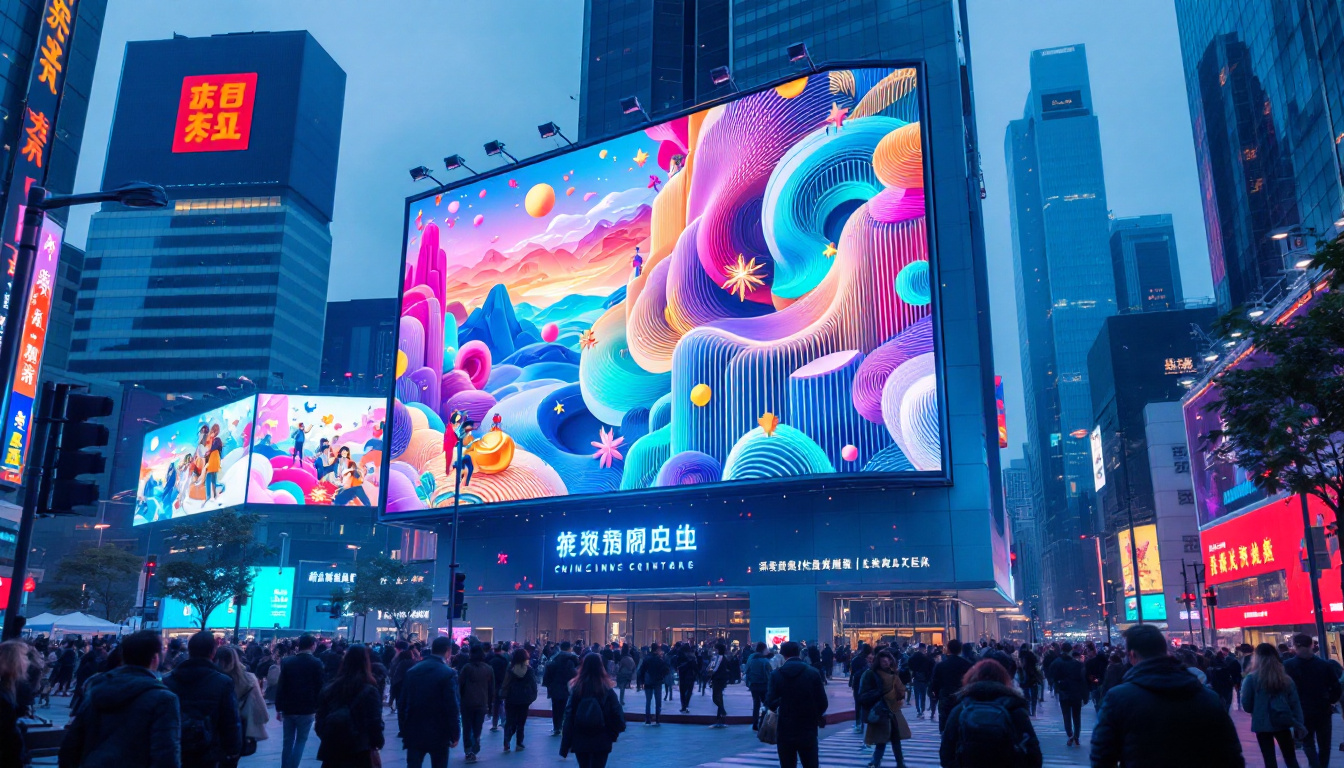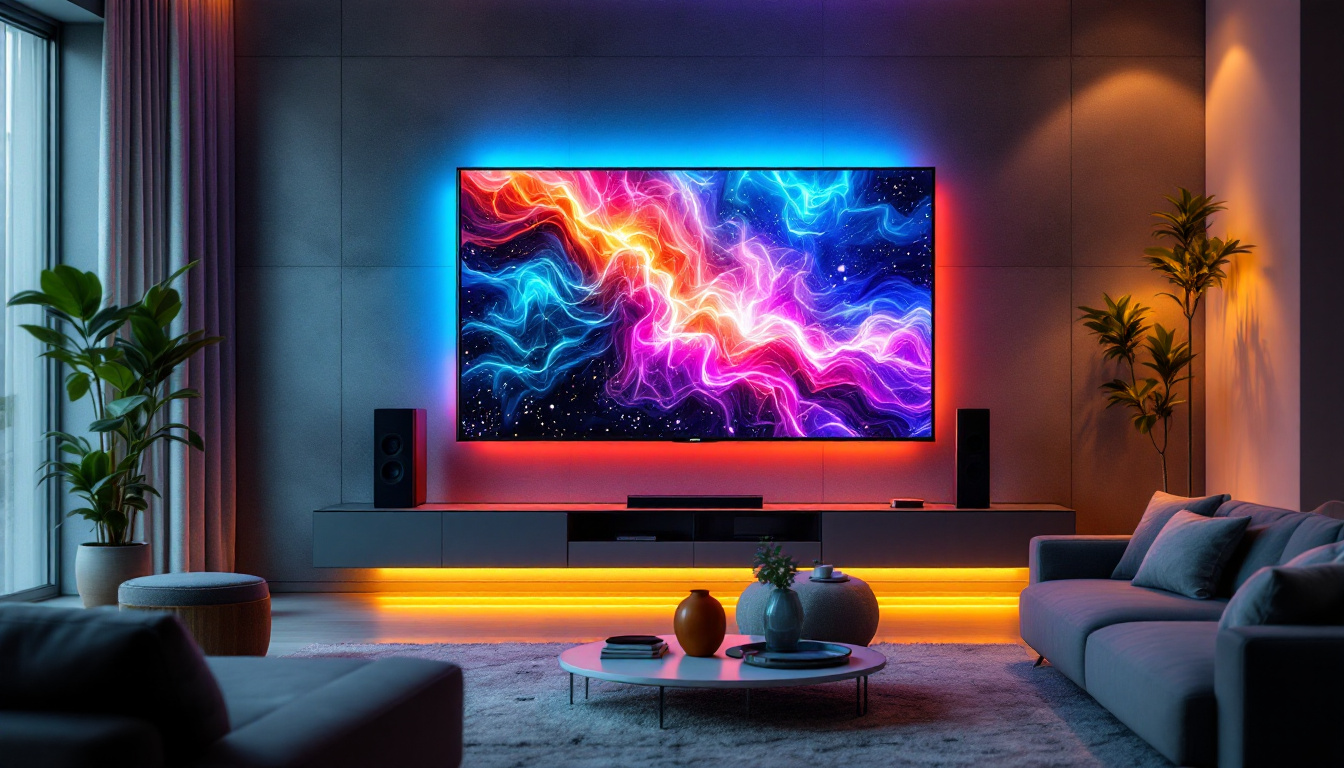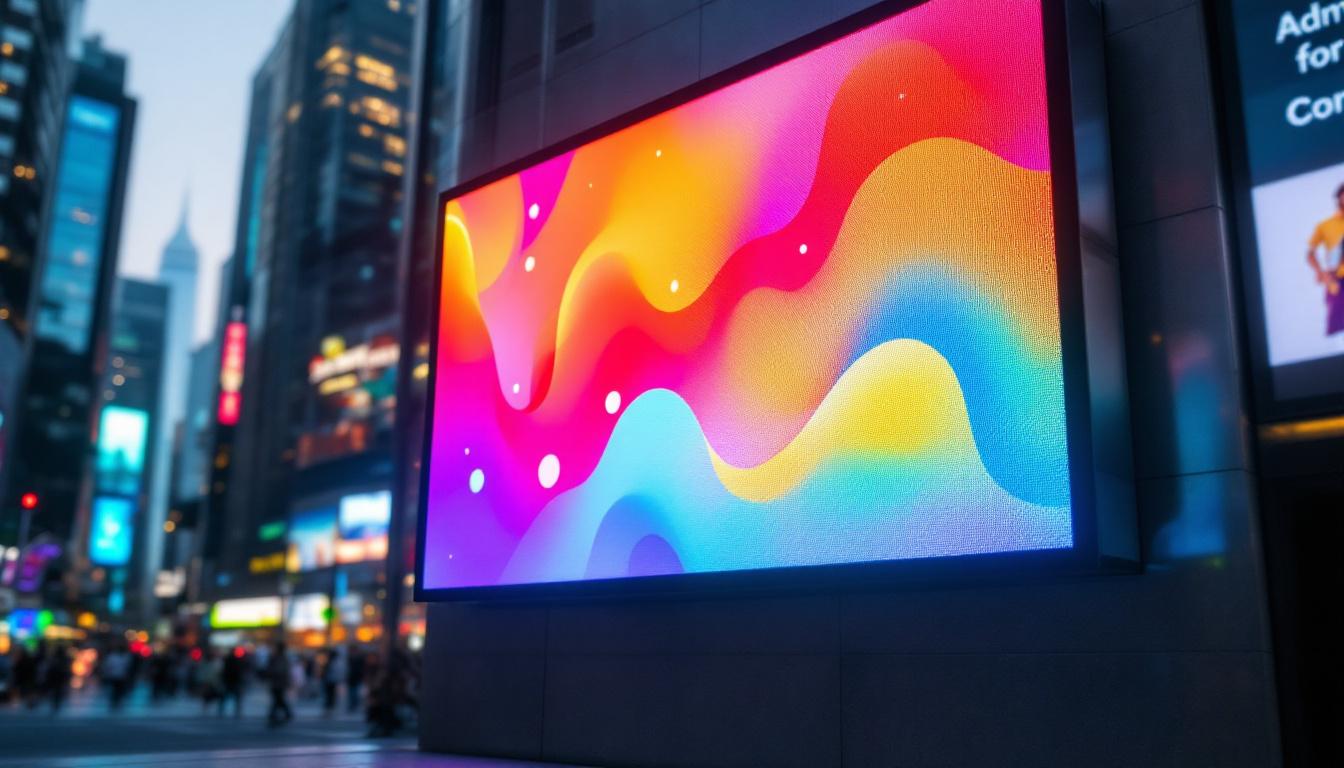
In an era where digital screens dominate advertising, entertainment, and information dissemination, understanding LED display size is crucial for businesses, event organizers, and technology enthusiasts alike. LED displays have revolutionized the way content is presented, offering vibrant visuals, energy efficiency, and scalability. However, selecting the right LED display size involves more than just picking a large screen; it requires a nuanced understanding of pixel pitch, viewing distance, resolution, and application context.
This comprehensive guide delves into the fundamentals of LED display size, exploring how it impacts performance, user experience, and overall effectiveness. Whether you are considering an LED wall for a retail store, a stadium scoreboard, or an indoor digital signage solution, this article will provide the insights needed to make informed decisions.
Understanding LED Display Fundamentals
What Is an LED Display?
LED (Light Emitting Diode) displays are screens made up of numerous tiny LEDs that emit light to form images and videos. Unlike traditional LCD or plasma screens, LED displays can be much larger and brighter, making them ideal for outdoor and large venue applications. The LEDs can be arranged in various configurations, including full-color RGB pixels, to create dynamic and vivid content.
LED technology has advanced significantly over the past decade, with improvements in brightness, energy consumption, and pixel density. These advancements have expanded the use cases for LED displays, from small indoor panels to massive outdoor billboards.
Key Components Affecting LED Display Size
Several technical factors influence the effective size and quality of an LED display. Understanding these components is essential for selecting the right display size for any application.
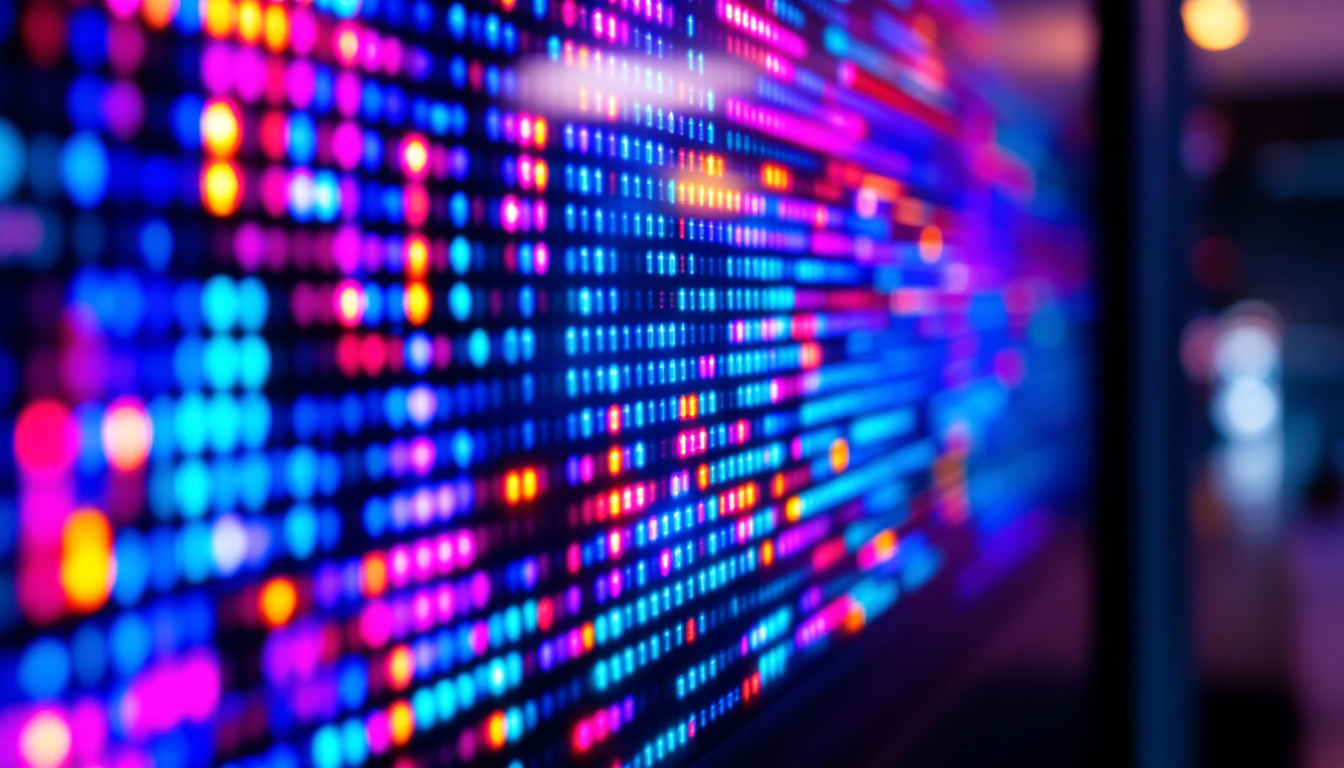
- Pixel Pitch: This is the distance between the centers of two adjacent pixels, usually measured in millimeters. A smaller pixel pitch means higher pixel density, resulting in sharper images and closer optimal viewing distances.
- Resolution: The total number of pixels horizontally and vertically determines the display’s resolution. Higher resolution displays can show more detail but require more LEDs and processing power.
- Viewing Distance: The optimal distance from which the display is viewed affects how large the display should be and what pixel pitch is suitable. Closer viewing distances require smaller pixel pitches for clarity.
- Brightness and Contrast: Depending on whether the display is used indoors or outdoors, brightness levels can vary significantly. Outdoor LED displays often exceed 5,000 nits to combat sunlight glare.
How LED Display Size Is Measured
Physical Dimensions vs. Display Area
When discussing LED display size, it’s important to distinguish between physical dimensions and display area. Physical dimensions refer to the width and height of the display in feet or meters, while the display area is the total surface area, typically measured in square feet or square meters.
For example, a display measuring 10 feet wide by 5 feet high has a display area of 50 square feet. This measurement helps in understanding the space the display will occupy and its potential visibility.
Pixel Count and Resolution
The resolution of an LED display is often expressed as the number of pixels horizontally by the number of pixels vertically (e.g., 1920 x 1080 pixels). The total pixel count is the product of these two numbers and directly relates to the level of detail the display can render.
However, the pixel pitch influences how many pixels fit into a given physical size. For example, a 10-foot-wide display with a 10mm pixel pitch will have fewer pixels than a 10-foot-wide display with a 4mm pixel pitch, resulting in a difference in image sharpness and clarity.
Aspect Ratio Considerations
The aspect ratio, or the ratio of width to height, is another critical factor in LED display sizing. Common aspect ratios include 16:9 (widescreen), 4:3 (standard), and custom ratios tailored to specific installation environments.
Choosing the right aspect ratio ensures that content is displayed without distortion and maximizes the use of available space. For example, digital billboards often use wide aspect ratios to fit along highways, whereas indoor displays might use more square or vertical formats for better integration with architectural elements.
Factors Influencing the Choice of LED Display Size
Viewing Distance and Pixel Pitch
One of the most important considerations when selecting an LED display size is the viewing distance. The pixel pitch must be chosen to match the typical distance from which viewers will observe the screen. A general rule of thumb is that the optimal viewing distance in meters is approximately 1,000 times the pixel pitch in millimeters.
For example, a display with a 5mm pixel pitch is best viewed from about 5 meters (16 feet) or more. At closer distances, the image may appear pixelated or grainy. Conversely, a display with too small a pixel pitch for a distant viewing audience may be unnecessarily expensive and consume more power.
Application and Environment
The intended use of the LED display heavily influences the size choice. Outdoor displays for stadiums, transportation hubs, or billboards require larger sizes and higher brightness levels to be visible in daylight. Indoor displays, such as those used in retail stores, conference rooms, or museums, can be smaller with finer pixel pitches due to controlled lighting and closer viewing distances.
Environmental factors like weather resistance, temperature range, and ambient light conditions also affect the LED display size and type. For example, outdoor displays need robust enclosures and high brightness, which can impact the overall size and weight of the installation.
Content Type and Resolution Requirements
The nature of the content displayed—whether static images, video, text, or interactive media—also determines the ideal LED display size. High-resolution video content requires displays with higher pixel densities and larger sizes to maintain image quality.
For example, a digital menu board in a restaurant may only need a small display with a 4mm pixel pitch, while a concert venue LED wall showing live video feeds may require a massive display with a 10mm or larger pixel pitch to balance cost and visibility.
Common LED Display Sizes and Their Uses
Small to Medium Indoor Displays
Indoor LED displays typically range from a few square feet up to 100 square feet. These are commonly used in retail environments, corporate lobbies, control rooms, and conference centers. Pixel pitches for indoor displays usually range from 1.2mm to 4mm, providing crisp images at close viewing distances.
Examples include:
- A 2m x 1m (6.5ft x 3.3ft) LED panel with a 2.5mm pixel pitch used for digital signage in shopping malls.
- A 3m x 2m (10ft x 6.5ft) LED video wall in a corporate auditorium with a 3mm pixel pitch.
Large Indoor and Outdoor Displays
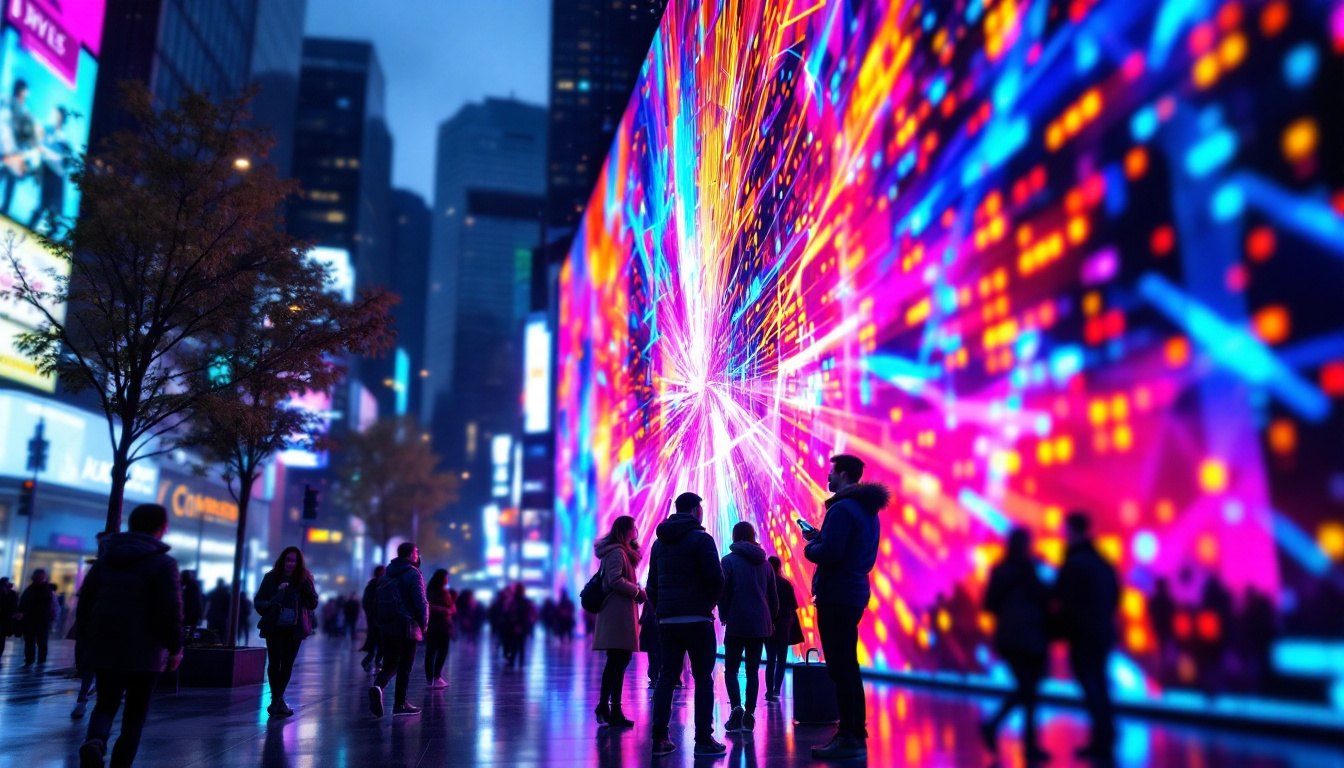
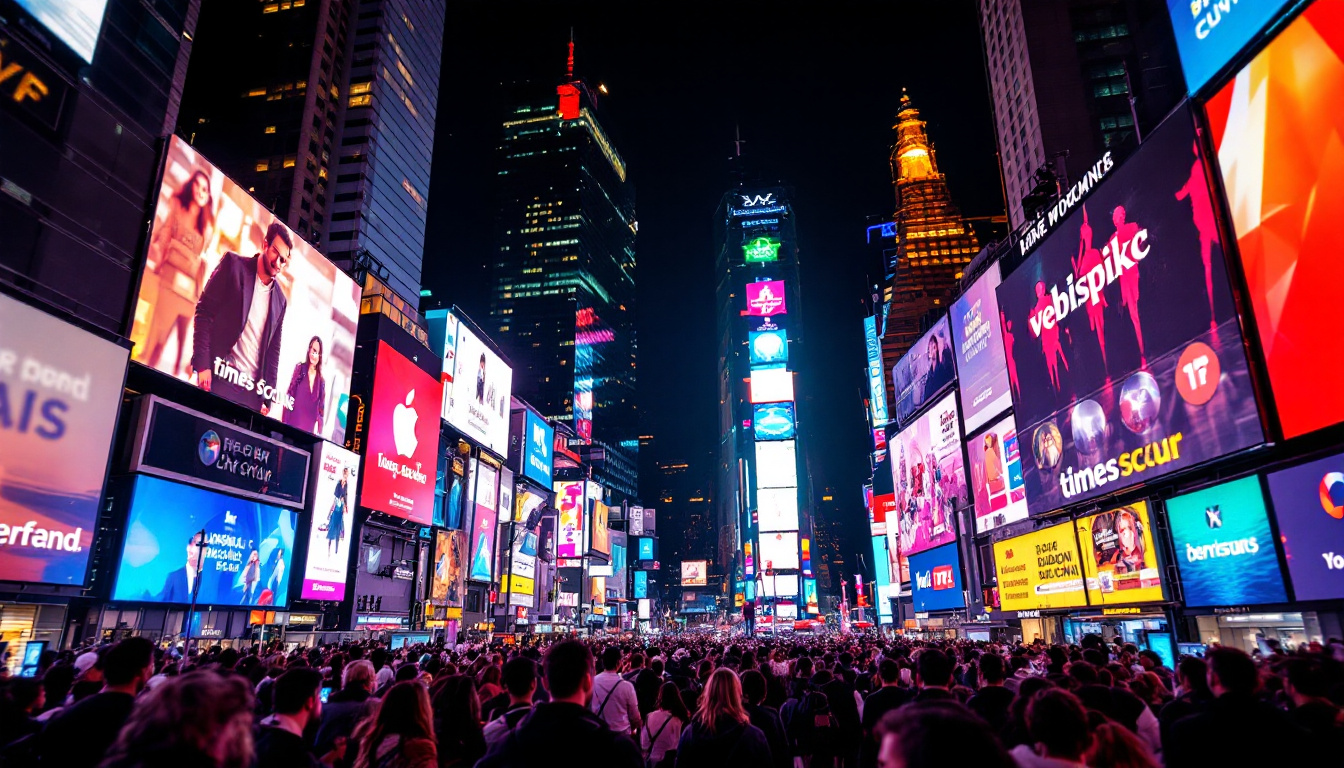
For larger venues such as airports, stadiums, and outdoor advertising, LED displays can span hundreds of square feet. Pixel pitches tend to be larger, ranging from 6mm to 20mm or more, as viewing distances increase.
Examples include:
- A 10m x 5m (33ft x 16ft) outdoor billboard with a 10mm pixel pitch, visible from over 100 meters away.
- A 15m x 8m (50ft x 26ft) stadium LED screen with a 16mm pixel pitch for live event broadcasting.
Custom and Modular LED Displays
Modular LED displays allow for customized sizes and shapes by combining multiple panels. This flexibility is ideal for architectural integration, creative advertising, and immersive experiences. Sizes can range from small curved displays to massive wrap-around installations.
For instance, a retail store might install a curved LED display that is 5m wide and 3m high, using 2.5mm pixel pitch modules for high image quality and visual appeal.
Calculating the Ideal LED Display Size for Your Project
Step 1: Determine the Viewing Distance
Start by identifying the typical distance from which the audience will view the display. This will guide the choice of pixel pitch and overall size.
Step 2: Select the Appropriate Pixel Pitch
Use the viewing distance to select a pixel pitch that ensures clear and comfortable viewing. For example, if viewers are mostly 10 meters away, a pixel pitch of around 10mm is suitable.
Step 3: Calculate Resolution and Physical Size
Decide on the resolution based on the content requirements. Then calculate the physical dimensions using the formula:
Physical Width (meters) = Horizontal Pixels × Pixel Pitch (mm) ÷ 1000
Physical Height (meters) = Vertical Pixels × Pixel Pitch (mm) ÷ 1000
This calculation ensures the display size matches the resolution and pixel pitch selected.
Step 4: Consider Environmental and Installation Constraints
Account for factors such as available space, mounting options, power supply, and environmental conditions to finalize the display size and type.
Future Trends in LED Display Size and Technology
Increasing Pixel Density and Resolution
As LED technology advances, pixel pitches are shrinking, enabling ultra-high-definition displays even at large sizes. MicroLED technology, for example, promises pixel pitches below 1mm, which could revolutionize indoor and wearable displays.
Flexible and Transparent LED Displays
New materials and manufacturing techniques are enabling flexible, curved, and transparent LED displays. These innovations allow for creative applications in retail, automotive, and architectural design, expanding the possibilities for display size and shape.
Energy Efficiency and Sustainability
Energy consumption remains a critical consideration for large LED displays. Advances in LED efficiency, smart brightness controls, and recyclable materials are making LED displays more sustainable, even at massive sizes.
Conclusion
Choosing the right LED display size is a complex but essential task that impacts visibility, engagement, and return on investment. Understanding the interplay between pixel pitch, resolution, viewing distance, and environmental factors ensures that the selected LED display meets the specific needs of any application.
Whether deploying a small indoor digital sign or a colossal outdoor billboard, the principles outlined in this guide provide a solid foundation for making informed decisions. As LED technology continues to evolve, staying informed about the latest trends and technical specifications will help maximize the impact and longevity of LED display investments.
Discover LumenMatrix LED Display Solutions
Ready to elevate your visual communication with an LED display that perfectly fits your needs? LumenMatrix is at the forefront of LED display innovation, offering a diverse range of solutions tailored to your unique requirements. From mesmerizing Indoor and Outdoor LED Wall Displays to dynamic Vehicle and Sports LED Displays, our products are designed to captivate and engage your audience. Experience the transformative power of our LED Poster Displays, Floor Displays, Custom Displays, All-in-One, and Transparent LED Displays. Embrace the future of digital signage with LumenMatrix and make a lasting impression. Check out LumenMatrix LED Display Solutions today and see your vision come to life.