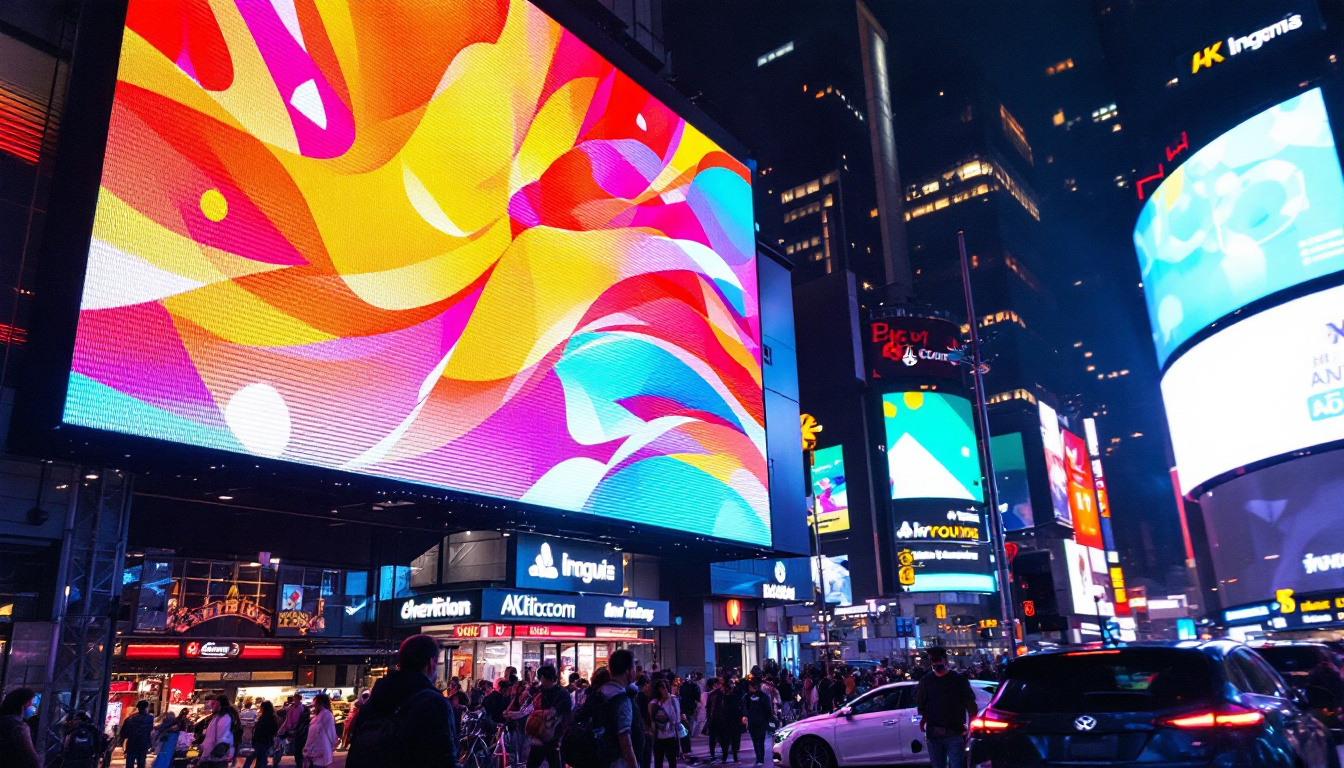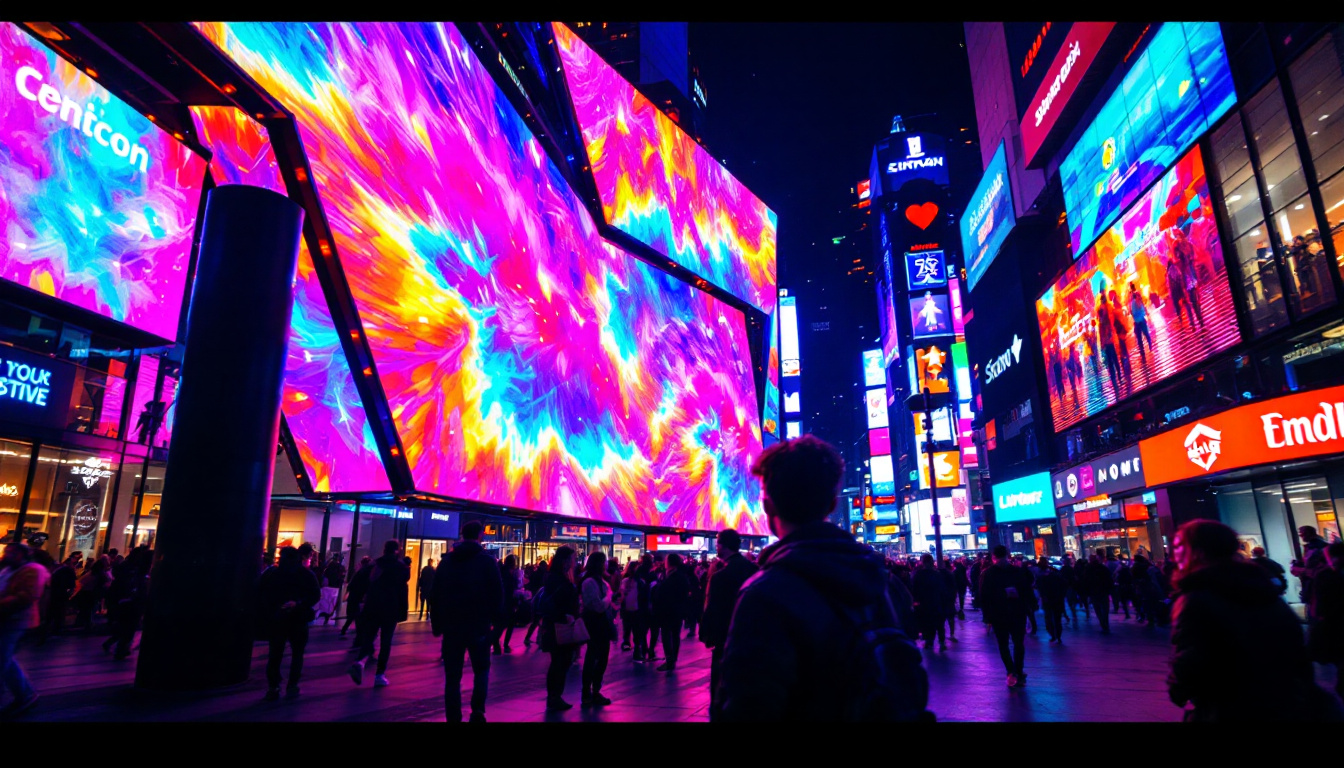
In the world of live events, concerts, conferences, and large-scale productions, visual impact is paramount. One of the most transformative technologies in recent years has been the LED display stage. These vibrant, dynamic screens have revolutionized how audiences experience performances and presentations, offering unparalleled clarity, brightness, and flexibility. This article delves into the intricacies of LED display stages, explaining their technology, applications, benefits, and future trends.
Understanding LED Display Technology
What is an LED Display?
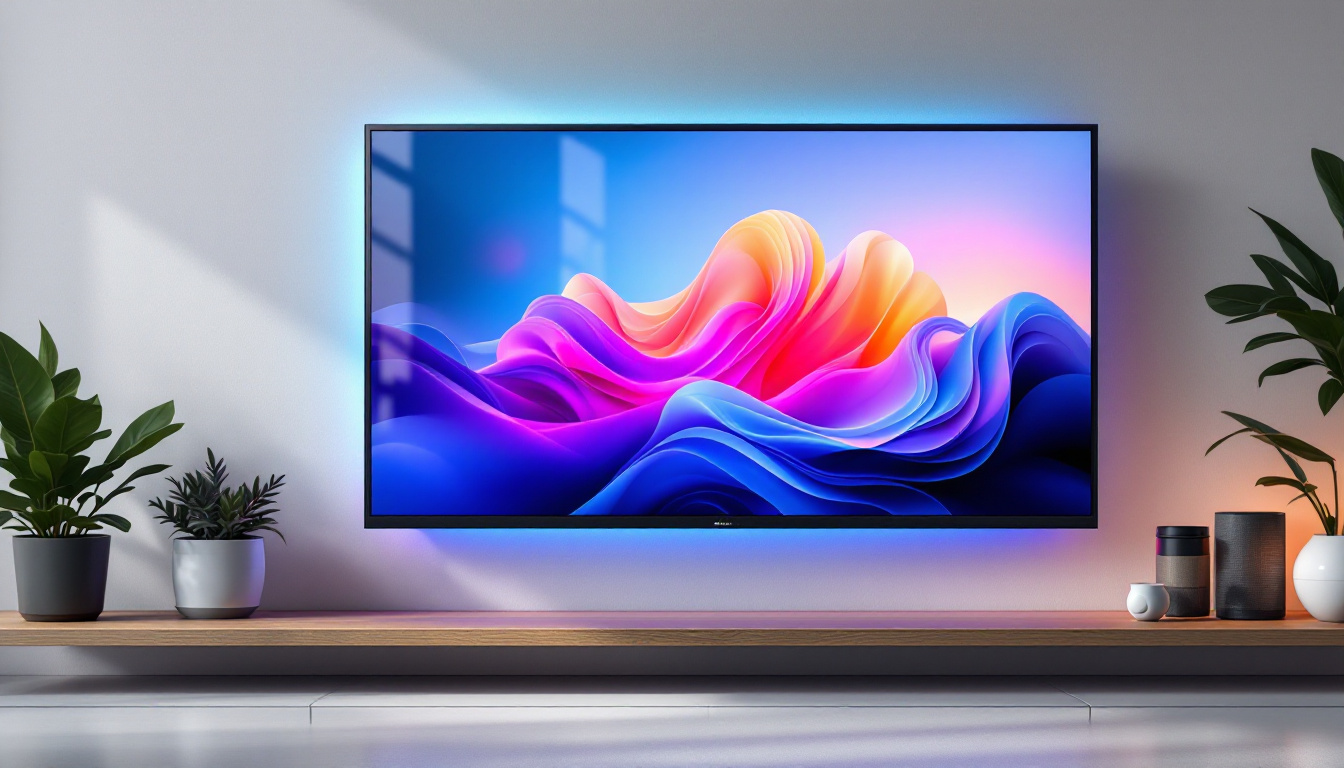
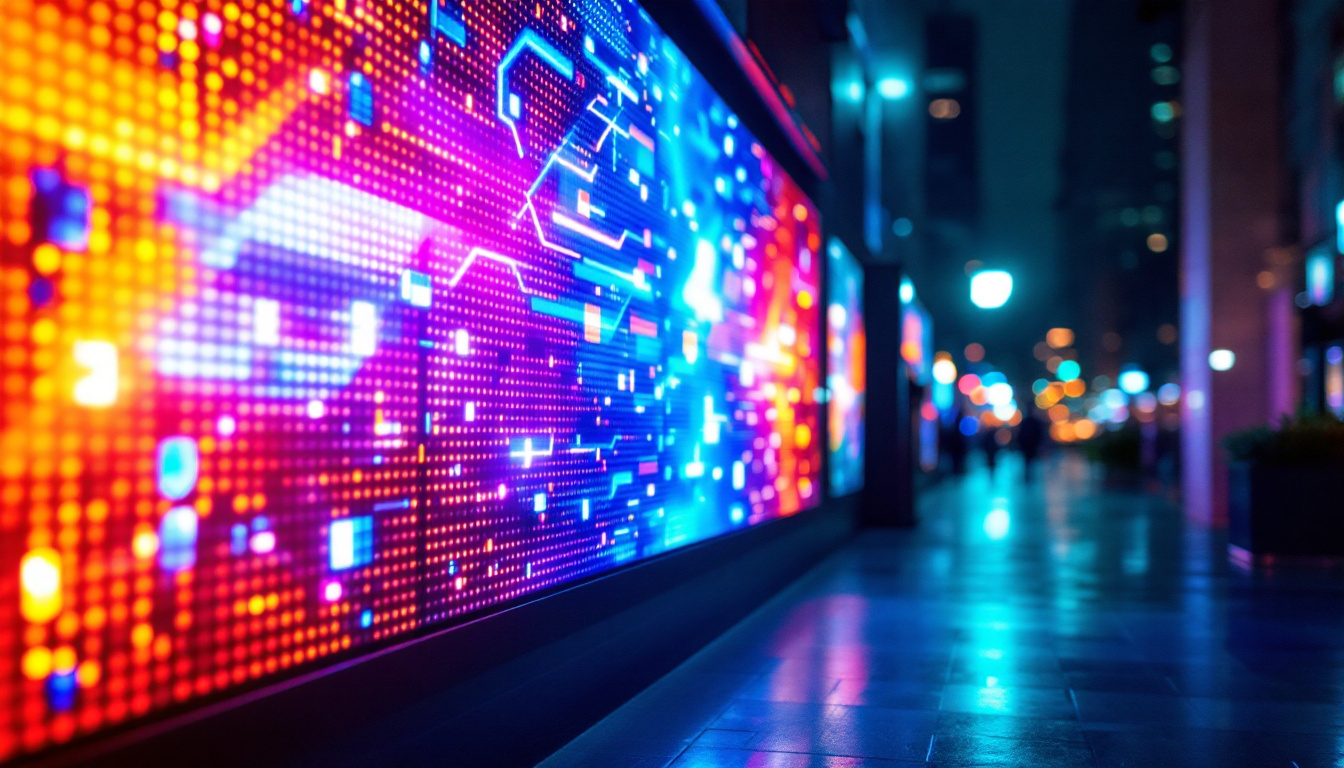
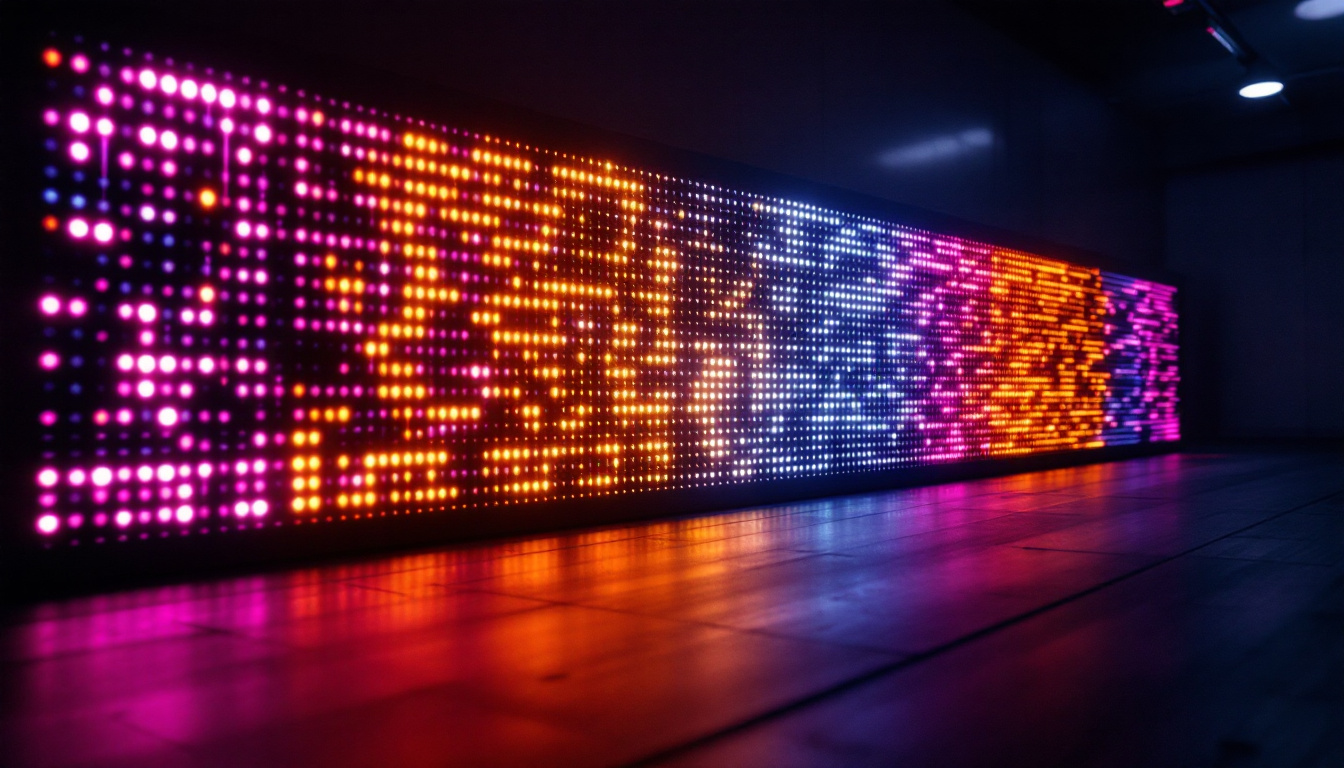
LED stands for Light Emitting Diode, a semiconductor device that emits light when an electric current passes through it. An LED display is a flat panel that uses an array of these tiny LEDs to create images, videos, and graphics. Unlike traditional LCD or projection screens, LED displays generate their own light, resulting in brighter and more vivid visuals that are easily visible even in bright ambient lighting conditions.
The LED display stage typically consists of modular panels that can be assembled into various sizes and shapes, making them highly versatile for different event requirements. Each panel contains thousands of LEDs arranged in a grid, and by controlling the intensity and color of each LED, the display produces a seamless, high-resolution image. This modularity not only allows for creative configurations but also simplifies transportation and setup, making LED displays a favorite choice among event organizers and production teams.
Moreover, LED technology has advanced significantly over the years, leading to improvements in energy efficiency and lifespan. Modern LED displays can last tens of thousands of hours, reducing the need for frequent replacements and maintenance. This longevity, combined with lower power consumption, makes LED displays a more sustainable option for large-scale events, contributing to a smaller carbon footprint compared to older display technologies.
Types of LED Displays Used on Stage
There are several types of LED displays commonly used in stage settings, each suited to different environments and purposes:
- Indoor LED Displays: Designed for controlled lighting environments, these displays offer high resolution and pixel density, making them ideal for close viewing distances such as conferences, theaters, and corporate events.
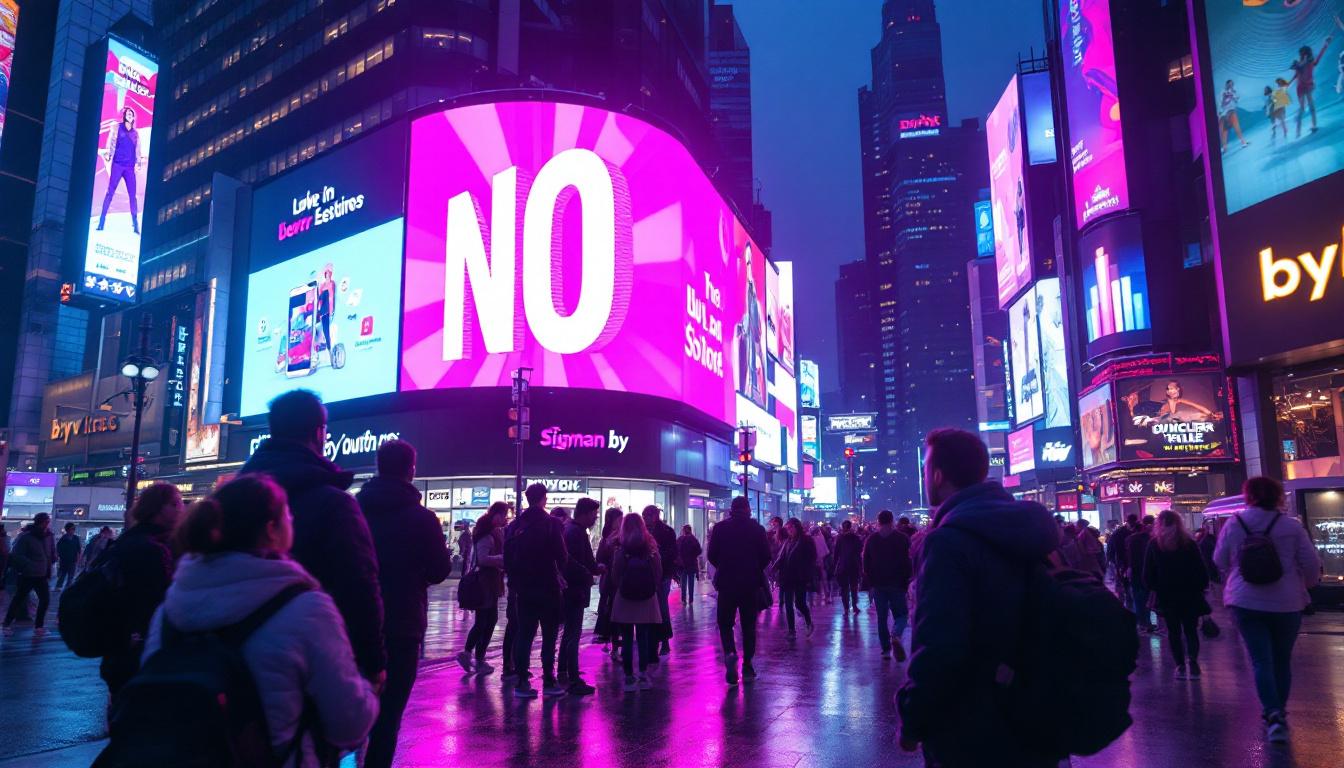
- Outdoor LED Displays: Built to withstand weather conditions, these screens are brighter and more rugged, suitable for concerts, festivals, and sports events held outdoors. They often feature protective coatings to guard against rain, dust, and UV rays, ensuring reliable performance in various climates.
- Transparent LED Displays: These innovative screens allow light to pass through, enabling creative stage designs where the LED display can act as a window or backdrop without blocking visibility. This feature is particularly popular in retail environments and exhibitions, where brands can showcase products behind the display while still engaging viewers with dynamic content.
- Flexible and Curved LED Displays: These displays can be bent or shaped to fit unique stage designs, enhancing visual storytelling and audience engagement. Their adaptability allows for immersive experiences, such as wrapping around structures or creating three-dimensional effects that captivate audiences.
In addition to these types, advancements in technology have led to the emergence of interactive LED displays that respond to audience movements or inputs. This interactivity can transform a passive viewing experience into an engaging one, where attendees can influence the content displayed, creating memorable moments during performances or events. As the demand for innovative visual experiences continues to grow, LED display technology is likely to evolve further, offering even more exciting possibilities for stage design and audience interaction.
Key Components and Specifications of LED Display Stages
Pixel Pitch and Resolution
One of the most critical specifications of an LED display is the pixel pitch, which refers to the distance between the centers of two adjacent pixels. Measured in millimeters, pixel pitch determines the display’s resolution and image clarity. A smaller pixel pitch means higher resolution and sharper images, especially important for stages where the audience is close to the screen.
For example, an indoor LED display might have a pixel pitch ranging from 1.2mm to 3mm, offering crisp visuals for audiences within a few meters. Outdoor displays typically have larger pixel pitches, such as 6mm to 10mm, balancing visibility from a distance with cost-effectiveness.
Brightness and Contrast Ratio
Brightness is measured in nits (candelas per square meter) and is a vital factor for stage LED displays. Indoor displays usually have brightness levels between 800 to 1,200 nits, sufficient for dimly lit venues. Outdoor displays require much higher brightness, often exceeding 5,000 nits, to remain visible under direct sunlight.
The contrast ratio, the difference between the darkest black and the brightest white the display can produce, affects image depth and realism. High contrast ratios enhance the viewing experience by delivering vivid colors and detailed shadows, critical for immersive stage visuals.
Refresh Rate and Viewing Angle
The refresh rate, measured in Hertz (Hz), indicates how many times per second the display updates its image. A higher refresh rate (typically 3,000Hz or more for LED stages) prevents flickering and ensures smooth motion, especially important for live video feeds and fast-moving graphics.
Viewing angle determines how well the image can be seen from different positions. Wide viewing angles, often around 140° horizontal and vertical, ensure that the audience experiences consistent image quality regardless of their seating location.
Applications of LED Display Stages
Concerts and Music Festivals
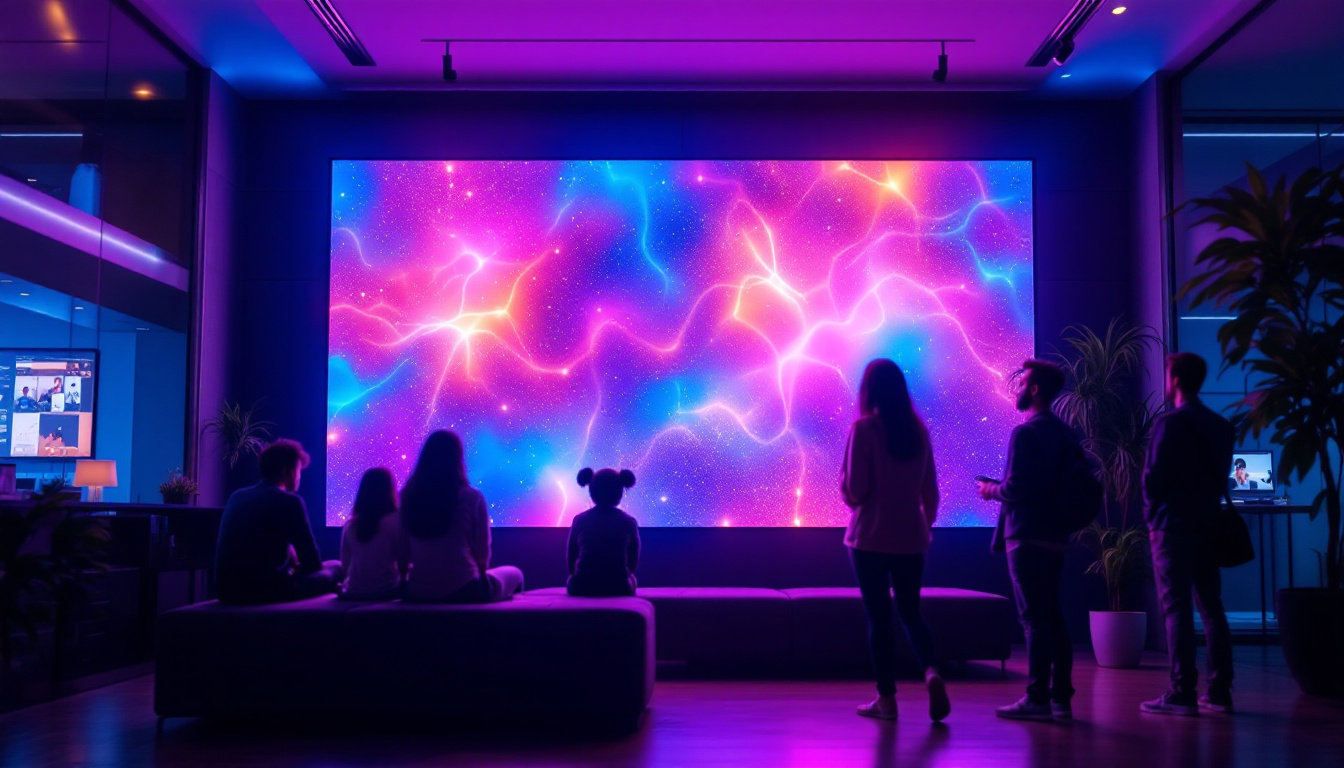
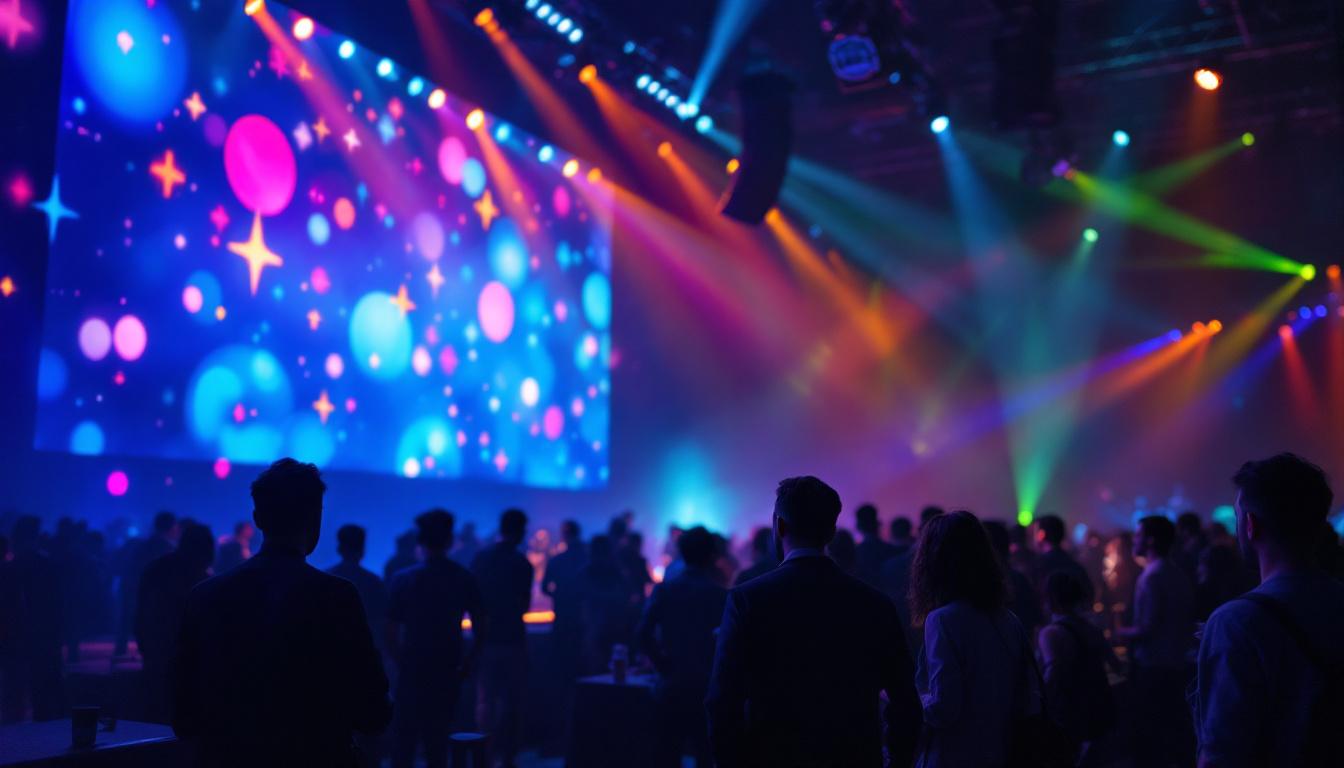
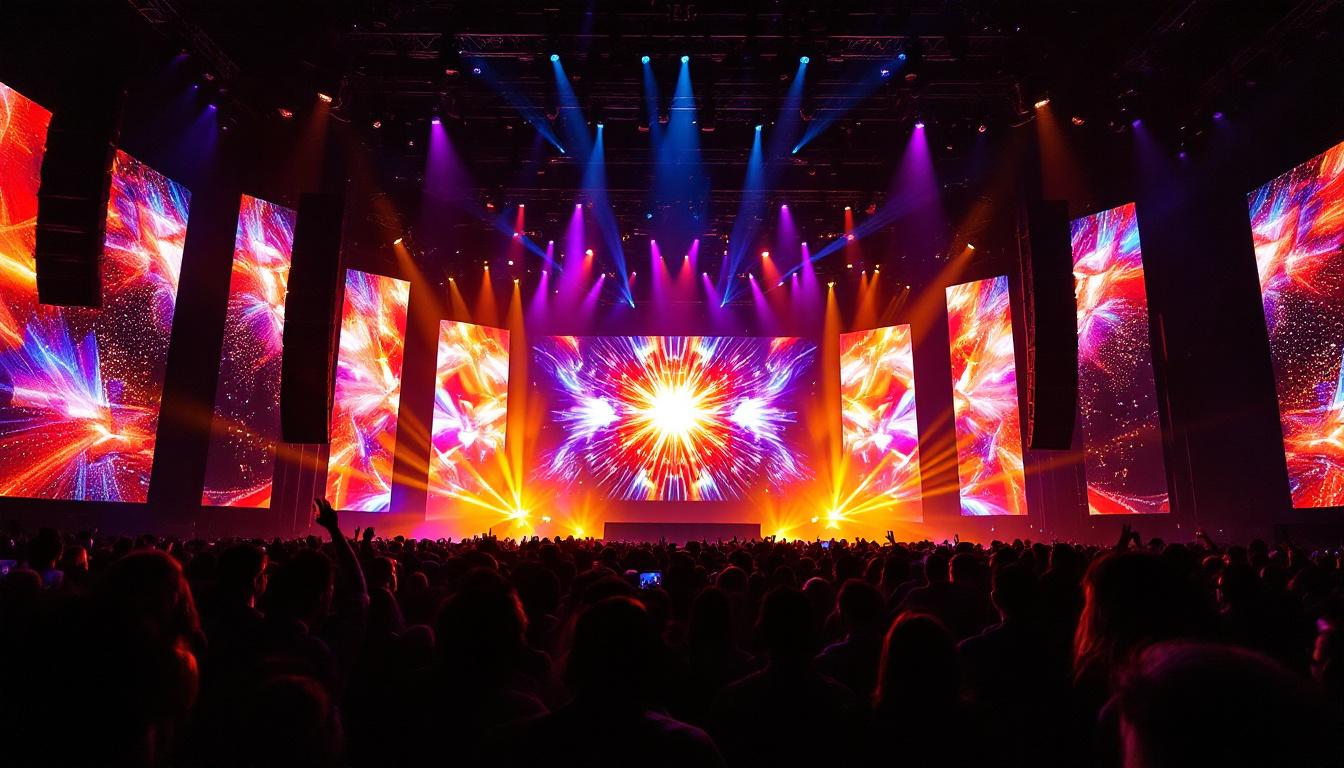
LED display stages have become a staple in the music industry. They enable artists to create immersive environments with dynamic visuals that synchronize with the music. From massive outdoor festivals like Coachella to intimate indoor concerts, LED screens provide vibrant backdrops, live video feeds, and interactive content that enhance the audience’s connection to the performance.
For example, the 2023 Glastonbury Festival featured a giant LED screen stage setup that integrated real-time social media feeds, artist visuals, and lighting effects, creating a multi-sensory experience that captivated tens of thousands of attendees.
Corporate Events and Conferences
In corporate settings, LED display stages elevate presentations and product launches by delivering clear, high-definition visuals that engage attendees. They support multimedia content, live streaming, and interactive sessions, making complex information easier to understand and more memorable.
Leading companies often use LED stages for global conferences, such as CES or Mobile World Congress, where large audiences demand professional-grade visual solutions that can adapt to various content formats and stage designs.
Theater and Performing Arts
Theater productions increasingly incorporate LED display stages to create dynamic sets and backgrounds that can change instantly. This flexibility reduces the need for physical set changes, lowers production costs, and opens up new creative possibilities for directors and designers.
Broadway shows and touring productions have adopted LED technology to enhance storytelling, using high-resolution imagery and video to transport audiences to different locations and eras seamlessly.
Benefits of Using LED Display Stages
Enhanced Visual Impact
LED displays offer unmatched brightness and color accuracy, making visuals pop even in challenging lighting conditions. This capability ensures that every audience member, regardless of their seat, experiences the event as intended. The ability to display high-definition video, animations, and graphics adds layers of engagement that traditional stage setups cannot match.
Flexibility and Customization
The modular nature of LED panels allows event planners and designers to customize stage sizes and shapes to fit any venue or creative vision. Whether it’s a massive wall of LED screens or a curved, wrap-around display, LED technology adapts to the needs of the production.
Moreover, content can be changed instantly, enabling multiple scenes or presentations within a single event without physical alterations to the stage.
Durability and Energy Efficiency
Modern LED displays are built to last, with robust materials that withstand frequent assembly and disassembly, as well as environmental factors for outdoor use. Compared to traditional lighting and projection systems, LEDs consume less power, reducing operational costs and environmental impact.
Challenges and Considerations When Using LED Display Stages
Initial Investment and Setup
While LED display stages offer numerous advantages, the upfront cost can be significant, especially for high-resolution indoor screens or large outdoor setups. Budgeting for quality equipment, installation, and skilled operators is essential to maximize the investment.
Technical Expertise and Maintenance
Operating LED display stages requires specialized knowledge in calibration, content management, and troubleshooting. Ensuring a seamless experience demands trained technicians and regular maintenance to prevent issues such as dead pixels, color inconsistencies, or connectivity problems.
Content Creation and Management
To fully leverage LED displays, content must be designed specifically for the screen’s resolution, aspect ratio, and brightness capabilities. This often involves collaboration between event producers, graphic designers, and video specialists to create engaging visuals that complement the live performance or presentation.
Future Trends in LED Display Stage Technology
Mini-LED and Micro-LED Innovations
Emerging technologies like Mini-LED and Micro-LED promise even higher resolutions, better contrast, and improved energy efficiency. These advancements will enable thinner, lighter displays with superior image quality, expanding possibilities for stage design and audience engagement.
Interactive and Augmented Reality Integration
Future LED stages are expected to incorporate interactive elements and augmented reality (AR) features, allowing audiences to engage with content in novel ways. Gesture control, real-time data overlays, and immersive environments will transform passive viewing into participatory experiences.
Sustainability and Eco-Friendly Designs
As environmental concerns grow, manufacturers and event organizers are focusing on sustainable LED solutions. This includes using recyclable materials, reducing power consumption, and implementing efficient logistics for equipment transport and setup, aligning with global efforts to minimize carbon footprints.
Conclusion
LED display stages have become an indispensable component of modern live events, offering unmatched visual quality, flexibility, and creative potential. Whether enhancing the excitement of a music festival, elevating a corporate presentation, or transforming theatrical performances, LED technology continues to push the boundaries of audience engagement.
Understanding the technical aspects, applications, benefits, and challenges of LED display stages empowers event professionals to make informed decisions and deliver unforgettable experiences. With ongoing innovations on the horizon, the future of LED display stages promises even greater possibilities for immersive and impactful storytelling.
Discover LumenMatrix’s Innovative LED Display Solutions
Ready to elevate your live event experience with the latest in LED display technology? Look no further than LumenMatrix, a pioneer in crafting visually stunning and technologically advanced LED display modules. From indoor and outdoor events to dynamic vehicle displays and beyond, LumenMatrix offers a comprehensive range of solutions including Indoor LED Wall Display, Outdoor LED Wall Display, LED Poster Display, and even Custom LED Displays tailored to your unique needs. Embrace the future of visual storytelling and create unforgettable moments with LumenMatrix. Check out LumenMatrix LED Display Solutions today and transform your next event into a captivating visual journey.