In the evolving world of digital signage and display technology, LED film screens for windows are gaining significant traction. These innovative displays transform ordinary glass surfaces into vibrant, dynamic screens without compromising transparency or natural light. This article delves into the technology behind LED film screens, their applications, benefits, and considerations for businesses and consumers looking to adopt this cutting-edge solution.
Understanding LED Film Screens: What Are They?
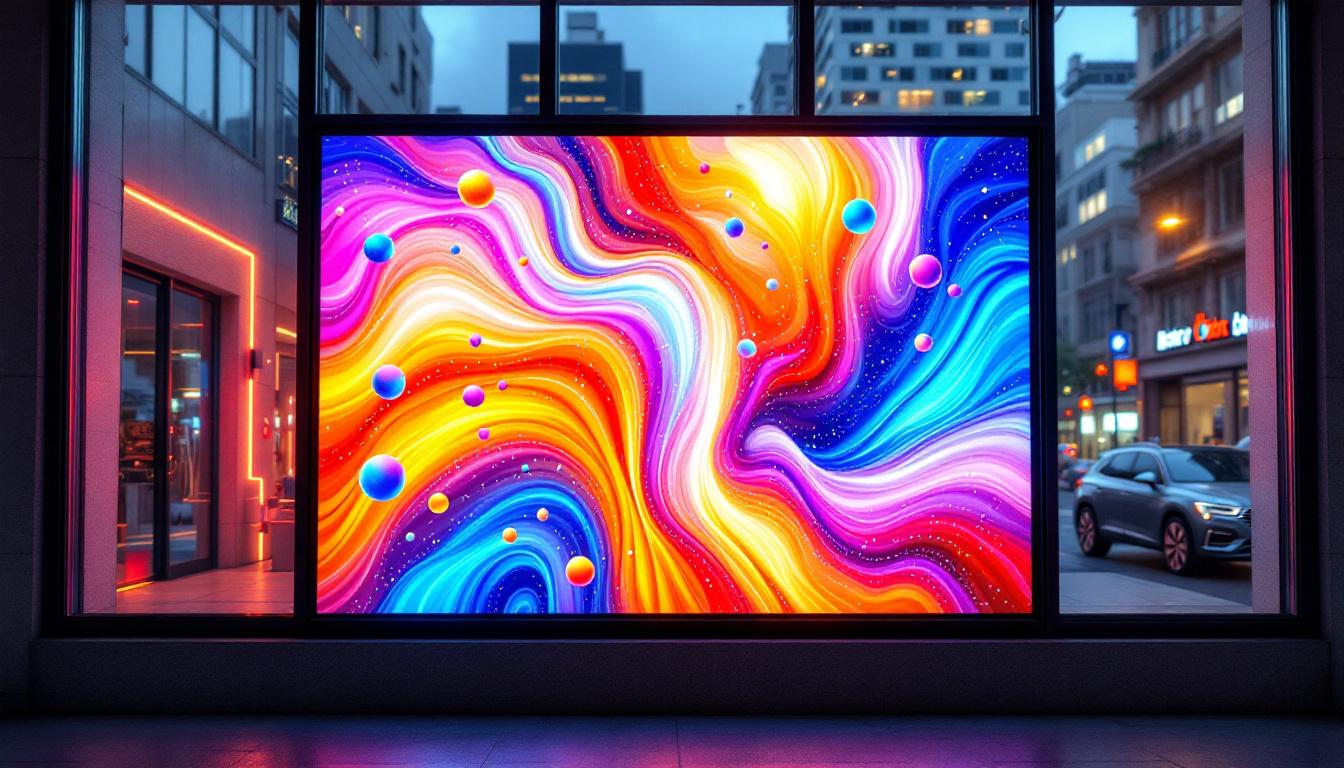
LED film screens are ultra-thin, flexible display panels that can be applied directly onto glass surfaces such as windows or storefronts. Unlike traditional LED displays that are bulky and opaque, LED film screens maintain a level of transparency, allowing light to pass through while simultaneously displaying vivid images or videos.
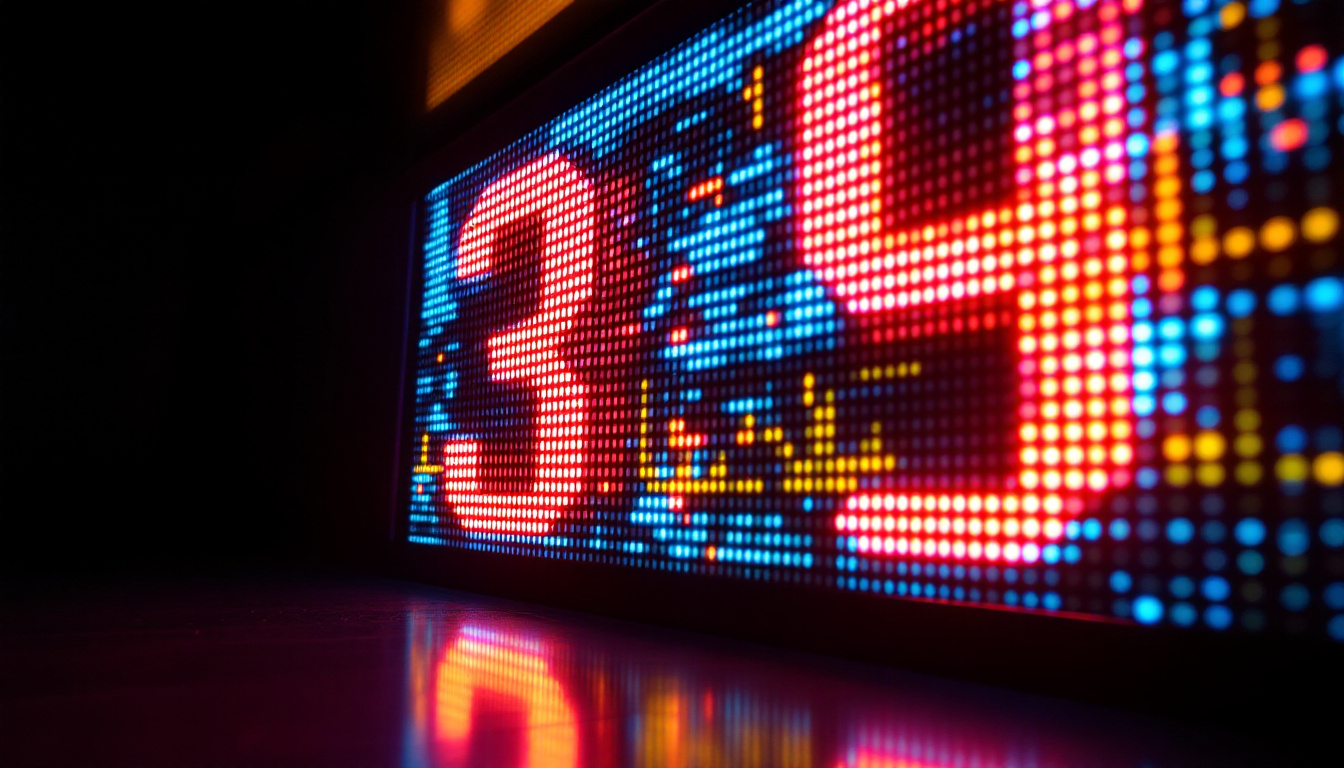
These screens utilize micro-LED or mini-LED technology embedded within a transparent film. The film integrates tiny light-emitting diodes arranged in a grid, which can be individually controlled to produce high-resolution content. The result is a seamless, eye-catching display that blends with the architectural features of a building.
How Does LED Film Technology Work?
The core of LED film technology lies in its ability to balance transparency with brightness. Each LED pixel is small enough to allow light to pass between them, creating a see-through effect when the screen is off or displaying minimal content. When activated, the LEDs emit light and color, forming images or videos that can be viewed clearly from a distance.
Typically, the LED film is laminated onto the interior or exterior side of a window. It connects to a control system that manages content playback, brightness levels, and other display parameters. Advanced models include sensors that adjust brightness automatically based on ambient light, ensuring optimal visibility at all times.
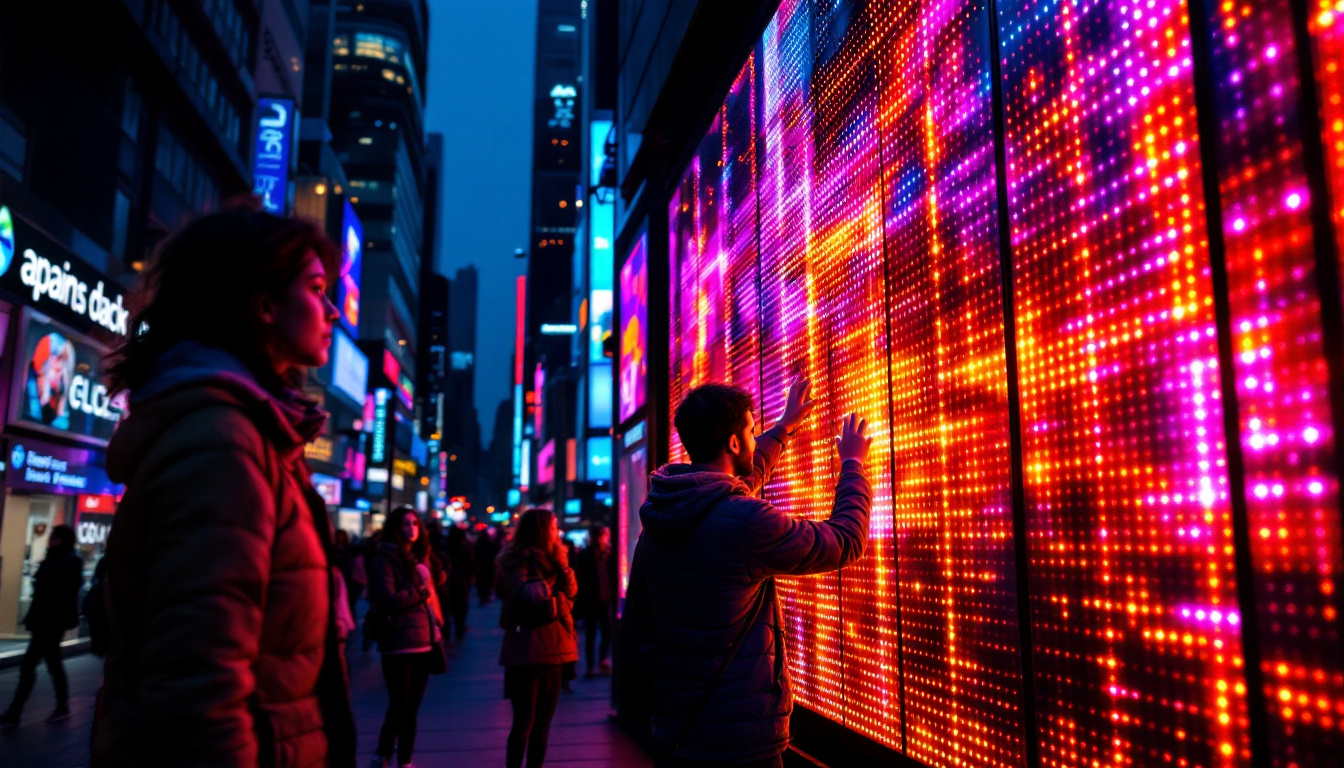
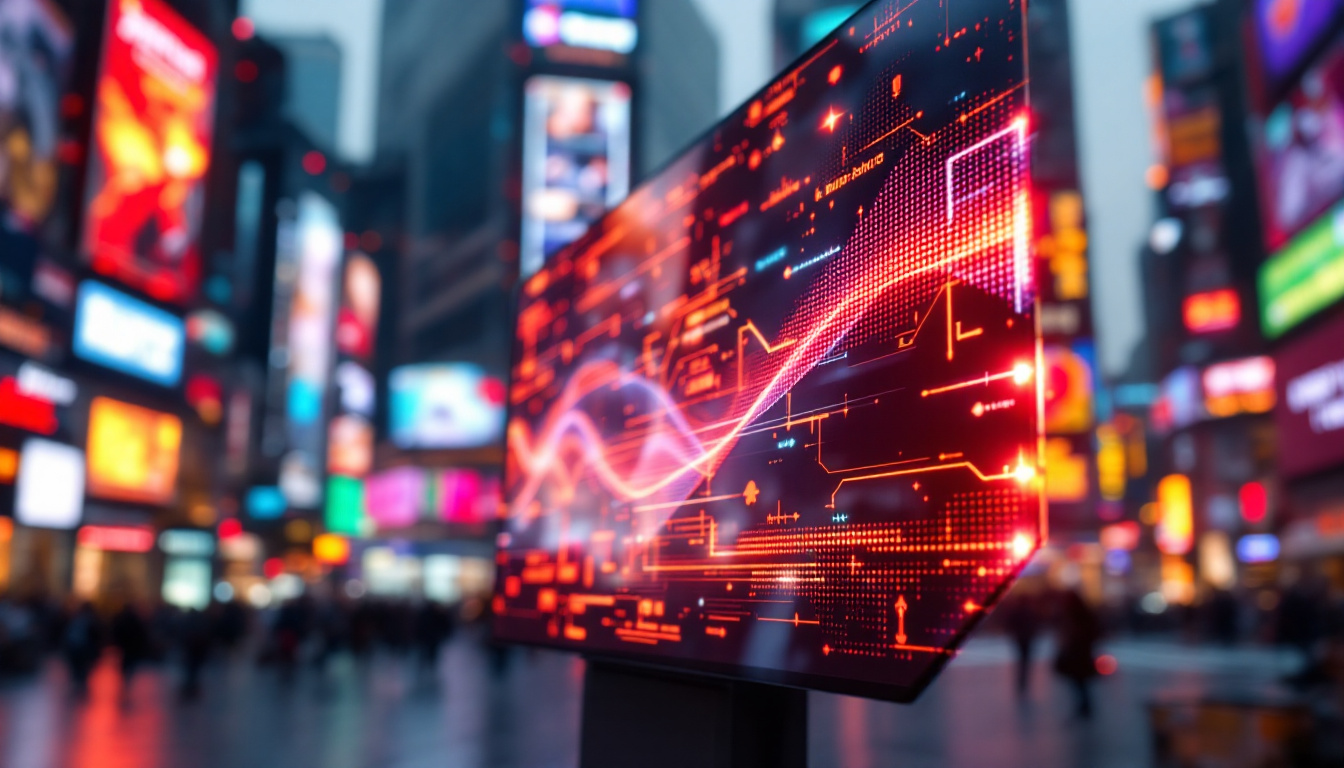
One of the most compelling applications of LED film screens is in retail environments, where they can transform ordinary storefronts into dynamic advertising spaces. Retailers can showcase promotions, seasonal sales, or even interactive content that engages potential customers as they walk by. This not only enhances the shopping experience but also drives foot traffic and increases brand visibility. Furthermore, the flexibility of LED film allows for easy installation and removal, making it an ideal solution for temporary campaigns or events.
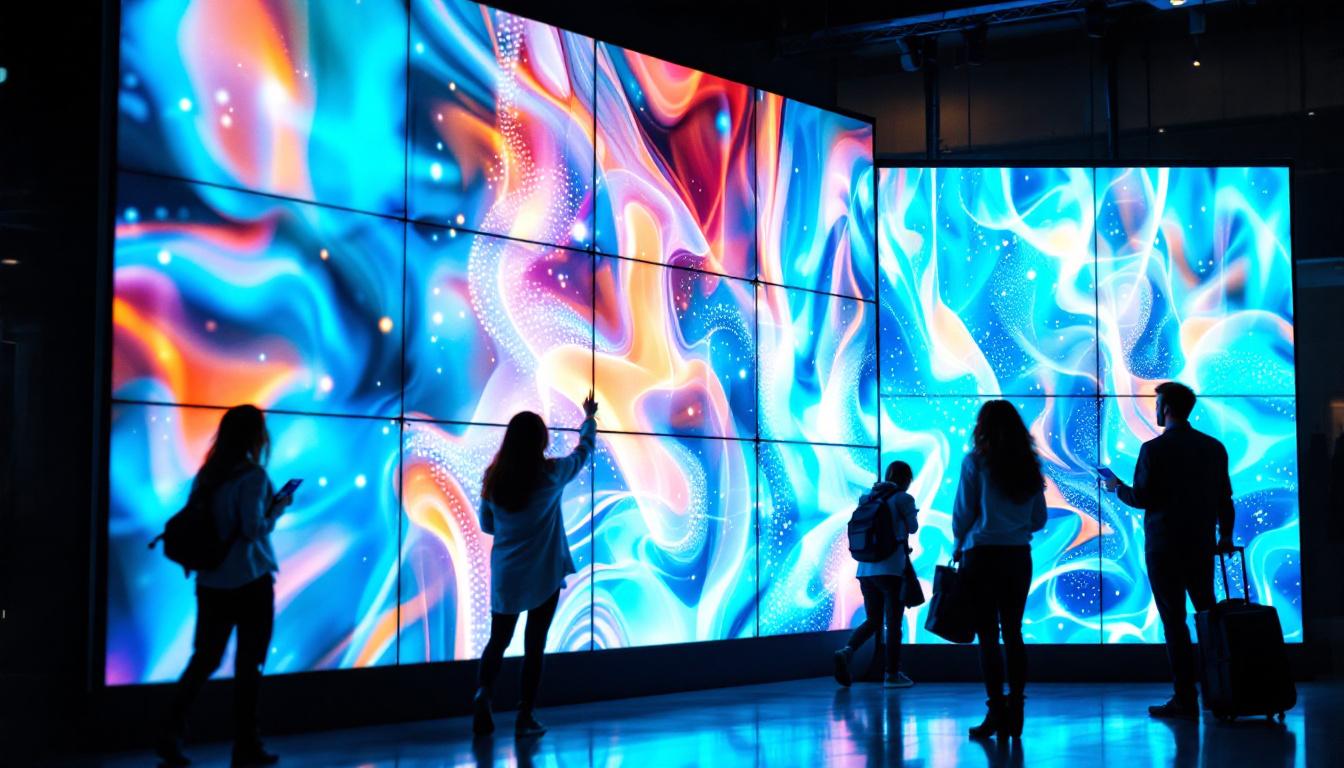
Beyond retail, LED film screens are increasingly being utilized in corporate settings, museums, and public spaces. For instance, museums can use these screens to provide immersive experiences, overlaying digital information onto physical exhibits without obstructing the view. In corporate environments, they can serve as innovative presentation tools, displaying data and visuals in a way that captivates audiences. The versatility of LED film technology opens up a world of creative possibilities, allowing businesses and organizations to communicate their messages in striking and memorable ways.
Key Advantages of LED Film Screens for Windows
LED film screens offer several compelling benefits over traditional signage and display options, making them an attractive choice for various industries.
1. Transparency and Aesthetic Integration
One of the most significant advantages is the ability to maintain window transparency. Unlike conventional LED billboards or LCD screens, LED film screens allow natural light to enter the space, preserving the aesthetic and functional qualities of glass facades. This feature is particularly valuable for retail stores, corporate offices, and public buildings that want to display dynamic content without sacrificing daylight or exterior views. Furthermore, the ability to seamlessly integrate these screens into the architecture enhances the overall design of the building, creating a modern and inviting atmosphere that can significantly improve customer experience.
2. Energy Efficiency and Low Heat Emission
LED technology is renowned for its energy efficiency compared to other lighting and display solutions. LED films consume relatively low power, which translates to cost savings and reduced environmental impact. Additionally, LEDs emit minimal heat, reducing the risk of window damage and making them safer for prolonged use in various climates. This energy efficiency not only contributes to lower utility bills but also aligns with sustainability goals that many companies are striving to achieve today. As businesses increasingly focus on reducing their carbon footprint, adopting LED film screens can be a step towards greener practices.
3. Flexibility and Customization
Because LED films are thin and flexible, they can be cut and shaped to fit different window sizes and shapes. This adaptability allows for creative display designs, from full-window coverage to partial installations highlighting specific areas. Content can be customized in real-time, enabling businesses to update promotions, announcements, or branding messages instantly. This capability is particularly beneficial for seasonal marketing campaigns or special events, allowing businesses to stay relevant and responsive to customer needs. The ease of installation and modification means that companies can experiment with different layouts and designs without significant downtime or expense.
4. Enhanced Engagement and Brand Visibility
Dynamic, bright displays naturally attract attention. For retailers and advertisers, LED film screens offer a powerful tool to engage passersby, increase foot traffic, and enhance brand recognition. Studies have shown that digital signage can increase sales by up to 30%, highlighting the commercial value of investing in innovative display technologies. Moreover, the ability to showcase high-definition videos and animations can create a memorable experience for viewers, fostering a deeper connection with the brand. This level of engagement is essential in today’s competitive market, where capturing consumer interest is more challenging than ever.
Applications of LED Film Screens in Various Sectors
The versatility of LED film screens makes them suitable for a wide range of applications across different industries.
Retail and Advertising
Retailers use LED film screens to showcase promotions, new products, and brand stories directly on their storefront windows. This approach transforms passive glass surfaces into interactive marketing platforms that operate 24/7. For example, fashion boutiques can display runway videos or seasonal collections, while restaurants might highlight daily specials or customer testimonials.
Corporate and Office Buildings
In corporate environments, LED film screens serve multiple purposes, from displaying company news and event updates to enhancing building aesthetics with artistic visuals. They can also be used for privacy control by selectively displaying opaque content on certain window sections, blending functionality with design.
Transportation Hubs and Public Spaces
Airports, train stations, and bus terminals benefit from LED film screens by providing real-time information, wayfinding assistance, and advertising in high-traffic areas. The transparent nature of the screens ensures that natural light and visibility are preserved, which is critical in busy public environments.
Hospitality and Entertainment
Hotels, casinos, and entertainment venues employ LED film technology to create immersive experiences. From dynamic lobby displays to window projections that complement events or performances, these screens enhance guest engagement and elevate ambiance.
Technical Considerations and Installation Insights
While LED film screens offer numerous advantages, understanding their technical aspects and installation requirements is essential for successful implementation.
Resolution and Pixel Pitch
Resolution depends on the pixel pitch—the distance between individual LEDs. Smaller pixel pitches yield higher resolution and sharper images but may reduce transparency. Selecting the right balance is crucial based on viewing distance and content type. For window displays viewed from the street, pixel pitches between 10mm and 20mm are common, providing clear visuals without overly obstructing the view.
Brightness and Ambient Light Adaptation
Brightness levels must be sufficient to ensure visibility in daylight conditions. High-brightness LED films can reach up to 3,000 nits, making content visible even under direct sunlight. Incorporating ambient light sensors allows automatic brightness adjustment, optimizing energy use and viewer experience.
Durability and Weather Resistance
For exterior window applications, LED film screens must withstand environmental factors such as rain, wind, and temperature fluctuations. High-quality films are designed with protective coatings and sealed components to ensure longevity and consistent performance.
Installation Process
Installation involves cleaning the glass surface thoroughly, applying the LED film with precision, and connecting the control hardware. Professional installation is recommended to avoid air bubbles, misalignment, or damage. Maintenance is generally minimal but includes periodic cleaning and software updates.
Cost Analysis and Return on Investment
Investing in LED film screens requires evaluating initial costs against long-term benefits and potential revenue gains.
Upfront Costs
Prices vary based on screen size, resolution, brightness, and additional features such as sensors or interactive capabilities. On average, LED film screens cost between $300 and $700 per square meter, excluding installation. While this may seem higher than traditional signage, the multifunctional nature and marketing impact justify the expenditure.
Operational Savings
Energy efficiency and low maintenance reduce ongoing expenses. Unlike printed signage that requires frequent replacement, LED film content can be updated digitally without physical materials, saving printing and labor costs.
Revenue and Marketing Impact
Dynamic window displays can significantly boost customer engagement and sales. According to industry reports, digital signage can increase customer dwell time by up to 30%, translating into higher conversion rates. For businesses in competitive markets, this advantage can lead to substantial revenue growth.
Future Trends and Innovations in LED Film Technology
The LED film screen market is rapidly evolving, with ongoing research and development pushing the boundaries of what these displays can achieve.
Higher Transparency and Resolution
Emerging technologies aim to increase transparency beyond 80% while enhancing resolution to support ultra-high-definition content. This will enable even more seamless integration into architectural glass without compromising image quality.
Interactive and Smart Features
Integration with touch sensors, augmented reality (AR), and Internet of Things (IoT) connectivity is becoming more common. These features allow users to interact with content directly on the window, opening new possibilities for customer engagement and data collection.
Eco-Friendly Materials and Manufacturing
As sustainability gains importance, manufacturers are developing LED films using recyclable materials and environmentally friendly production processes. This aligns with corporate social responsibility goals and consumer preferences for green technologies.
Conclusion
LED film screens for windows represent a transformative advancement in display technology, merging transparency with dynamic digital content. Their versatility, energy efficiency, and aesthetic appeal make them ideal for diverse applications, from retail and corporate environments to public spaces and entertainment venues.
By understanding the technical aspects, benefits, and costs associated with LED film screens, businesses can make informed decisions that enhance visibility, engagement, and brand presence. As technology continues to advance, these displays will become even more integral to modern architectural design and marketing strategies.
For organizations seeking innovative ways to communicate and captivate audiences, LED film screens offer a compelling solution that turns ordinary windows into extraordinary digital canvases.
Discover LumenMatrix’s Innovative LED Display Solutions
Ready to elevate your space with the cutting-edge technology of LED film screens? LumenMatrix is at the forefront of LED display innovation, offering a wide array of solutions that cater to your unique needs. From enhancing retail environments to transforming corporate offices, our products are designed to captivate and engage your audience. Experience the future of visual communication with our Indoor and Outdoor LED Wall Displays, Vehicle LED Displays, LED Poster Displays, and more. Check out LumenMatrix LED Display Solutions today and turn your windows into dynamic digital canvases that leave a lasting impression.