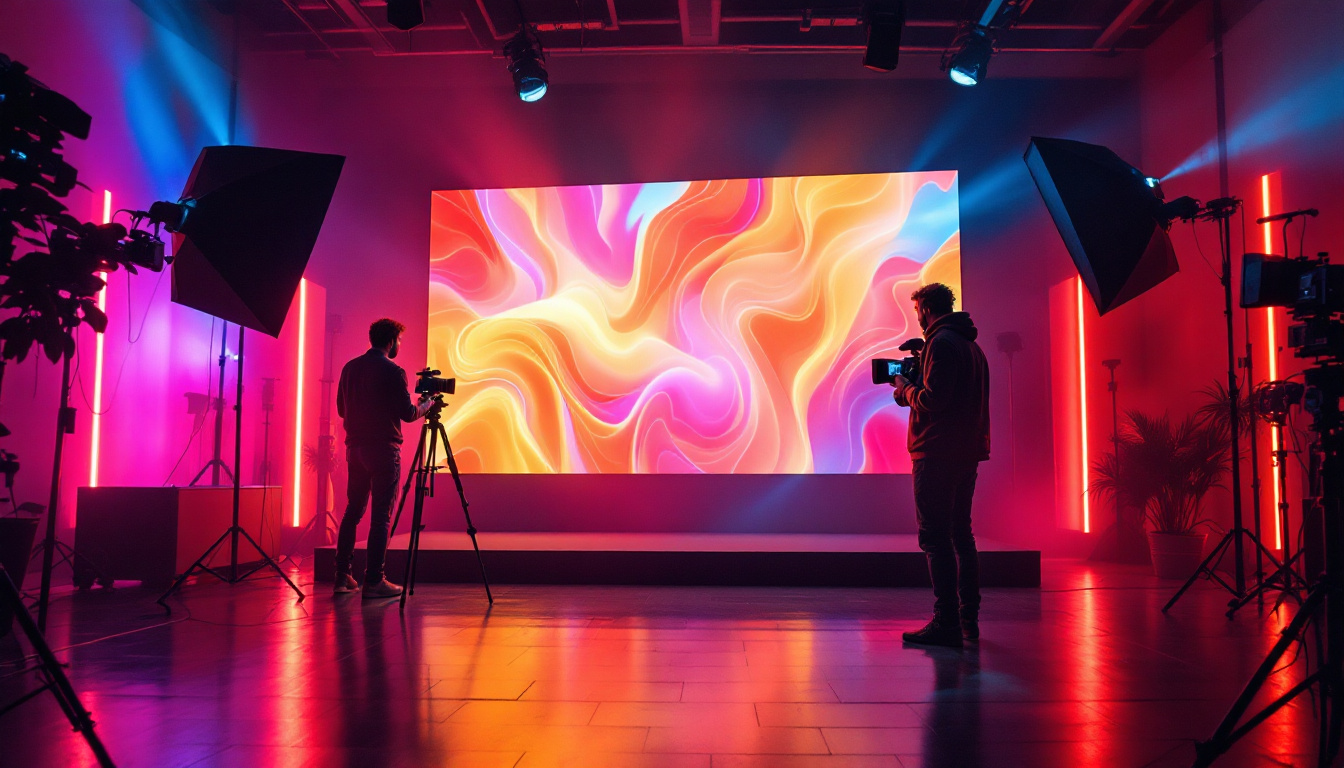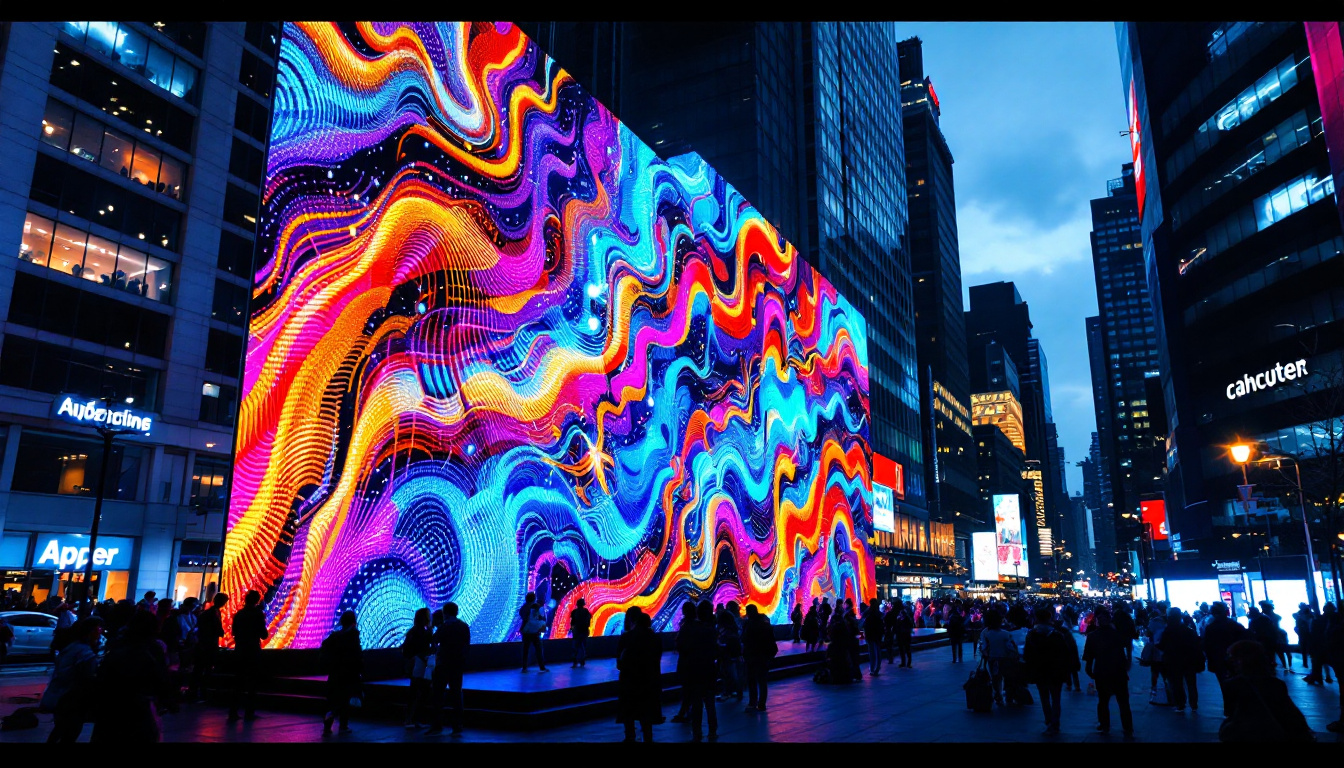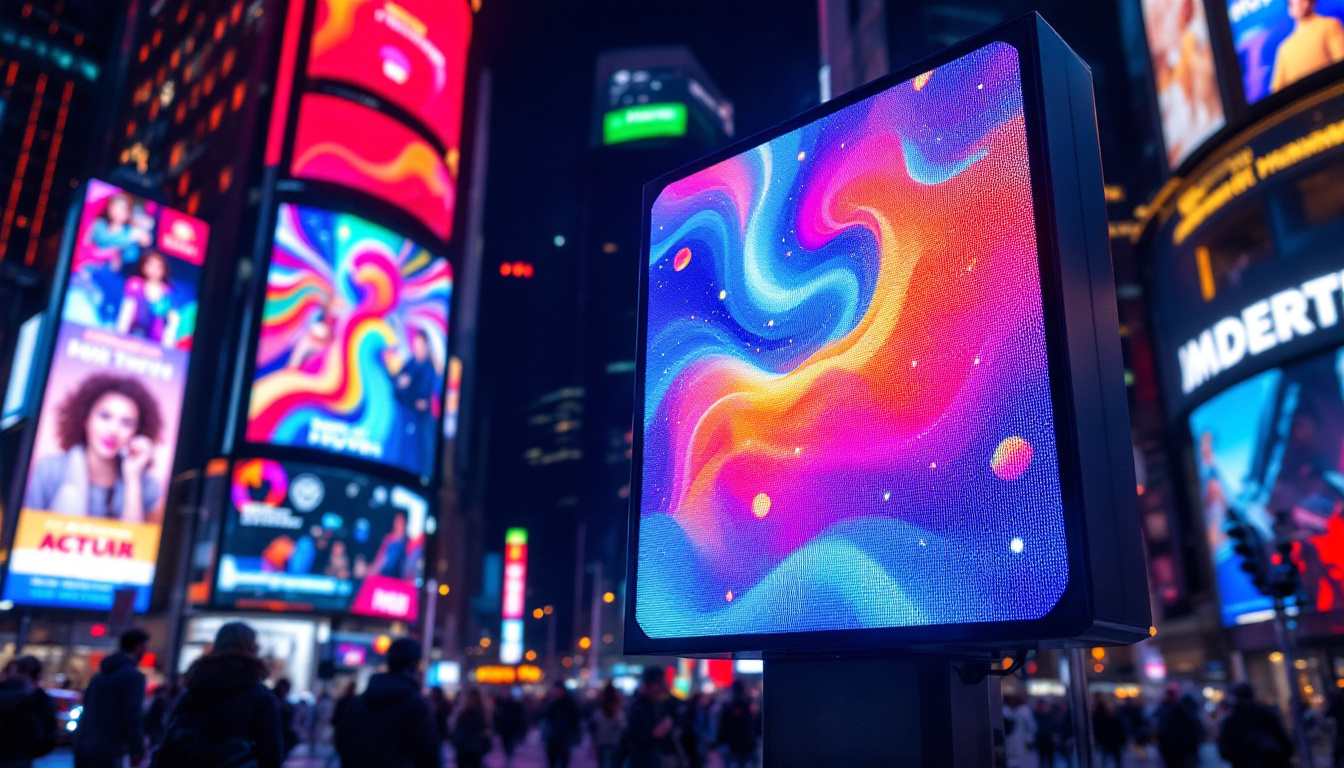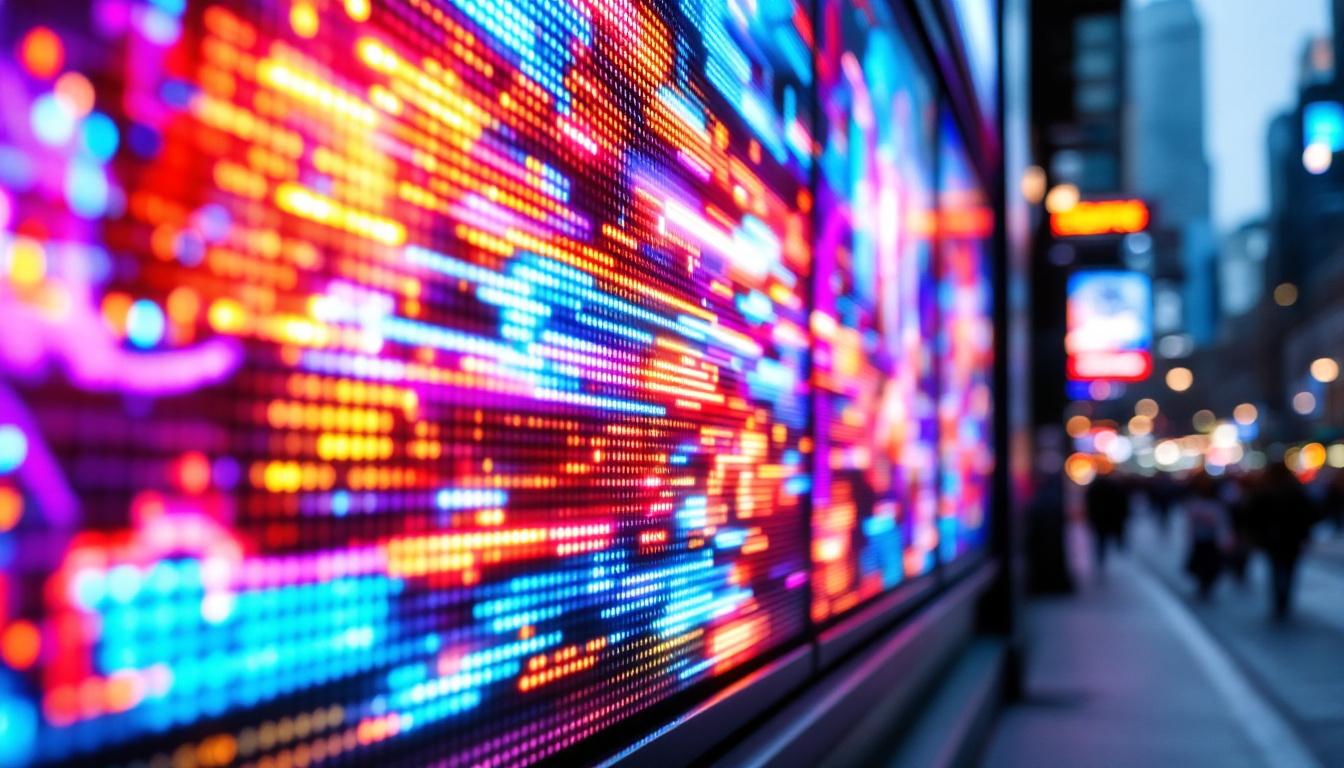
In the evolving world of digital art and interior design, pixel wall art created with LED displays has emerged as a captivating medium. Combining technology with creativity, LED pixel art transforms ordinary walls into dynamic canvases that can display anything from vibrant images to interactive animations. This article explores the fundamentals of pixel wall art, the technology behind LED displays, and how this innovative art form is reshaping spaces in both residential and commercial environments.
Understanding Pixel Wall Art
What Is Pixel Wall Art?
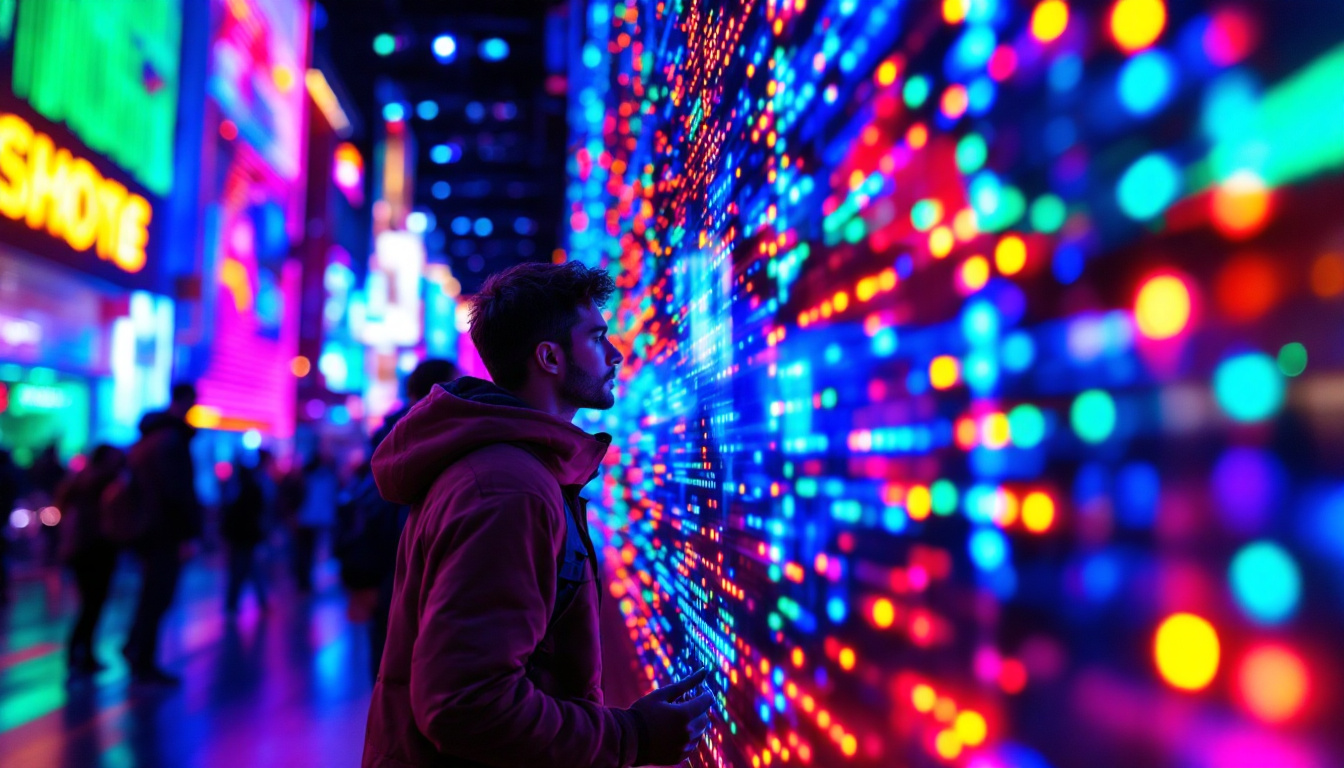
Pixel wall art refers to artworks composed of individual pixels—small, discrete units of color—that collectively form an image or pattern. Traditionally, pixels are associated with digital screens, but in the context of wall art, they are physically represented using LED lights arranged in grids. Each LED acts as a pixel, capable of displaying a specific color and brightness level, allowing the creation of intricate and vivid designs.
This form of art blurs the line between technology and traditional aesthetics, offering a dynamic alternative to static paintings or prints. Unlike conventional wall art, pixel wall art can change in real-time, adapting to moods, themes, or even external stimuli such as music or environmental factors. This interactivity not only enhances the viewer’s experience but also invites them to engage with the artwork on a deeper level, as they can influence the visual display through their actions or emotions.
The Appeal of Pixel Art in Modern Design
The resurgence of pixel art aesthetics taps into nostalgia for early digital graphics while embracing modern capabilities. Pixel wall art appeals to a wide audience—from tech enthusiasts and gamers to contemporary art lovers—because it combines simplicity with versatility. The minimalist grid structure allows artists and designers to experiment with color, motion, and interactivity, making it a powerful tool for creative expression.
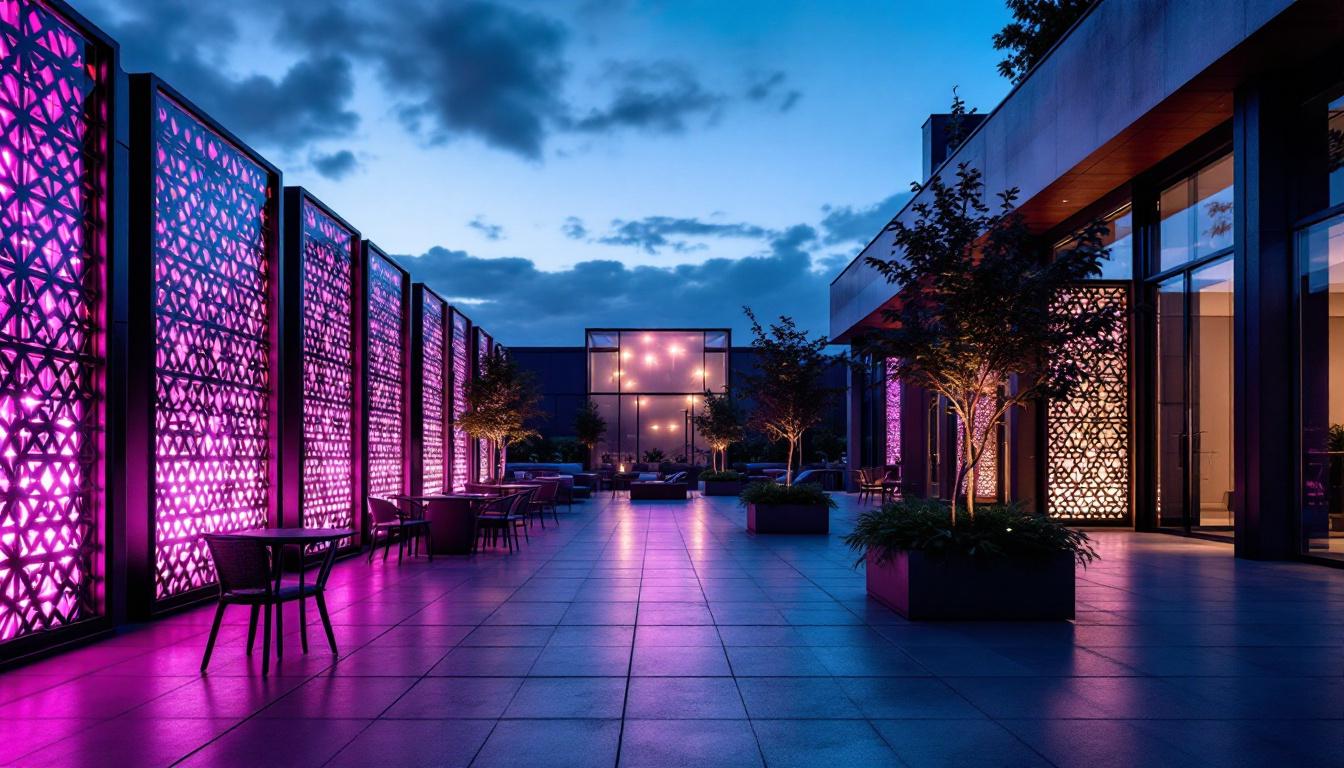
Moreover, pixel wall art fits seamlessly into various interior styles, from ultra-modern to eclectic. Its ability to transform a space instantly and its customizable nature make it highly attractive for both private homes and public venues like restaurants, offices, and galleries. As technology advances, artists are increasingly incorporating programmable features into their designs, enabling users to select from a range of pre-set patterns or create their own unique displays. This level of personalization not only makes each piece of pixel wall art a reflection of individual taste but also fosters a sense of ownership and connection between the viewer and the artwork. Additionally, the communal aspect of pixel wall art—where groups can gather to enjoy a shared visual experience—adds an engaging social dimension that traditional art forms often lack.
The Technology Behind LED Pixel Displays
How LED Displays Work
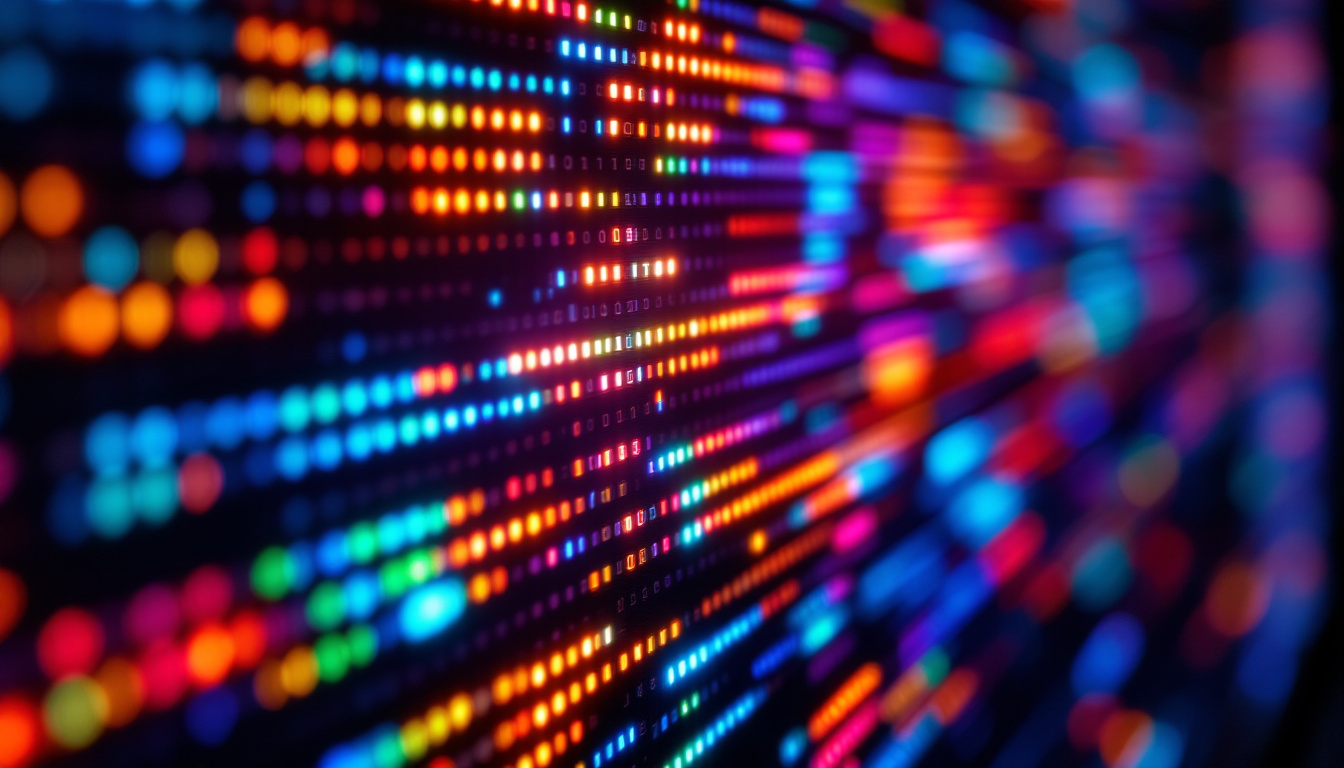
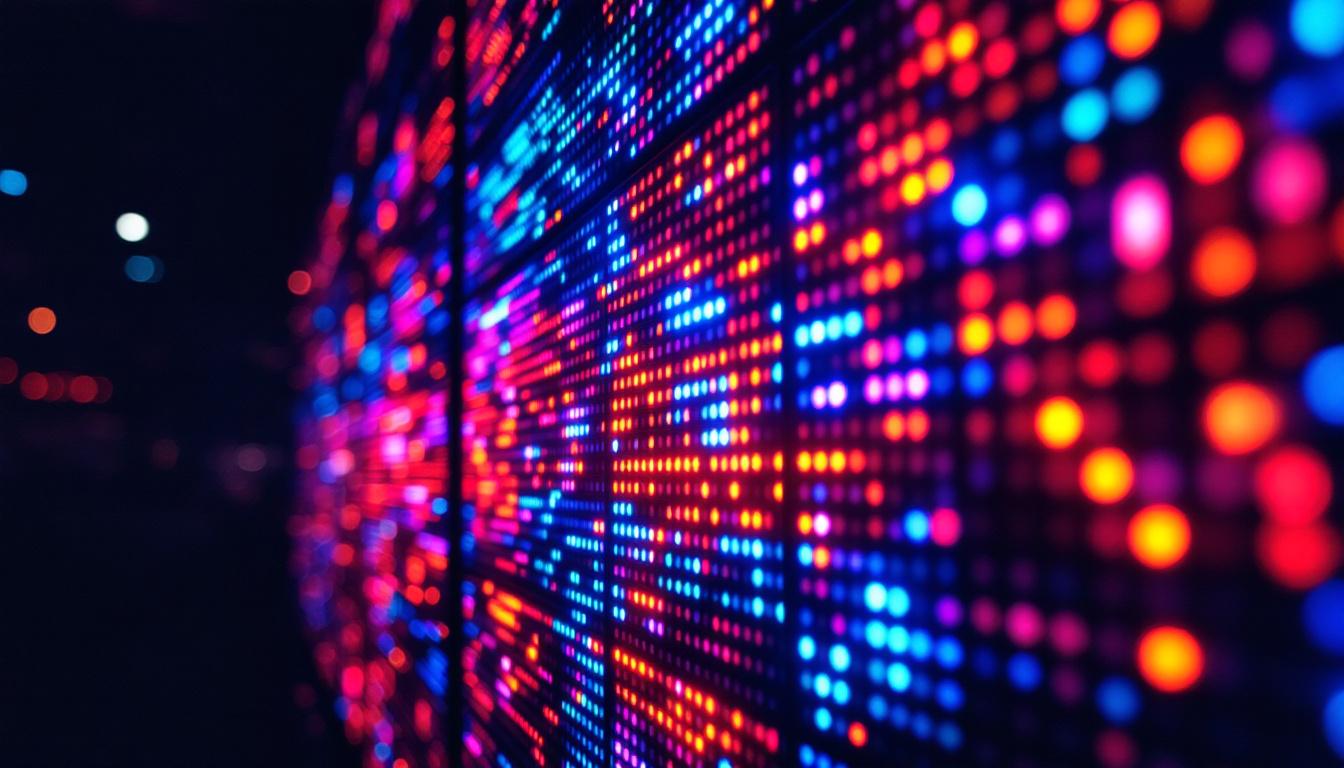
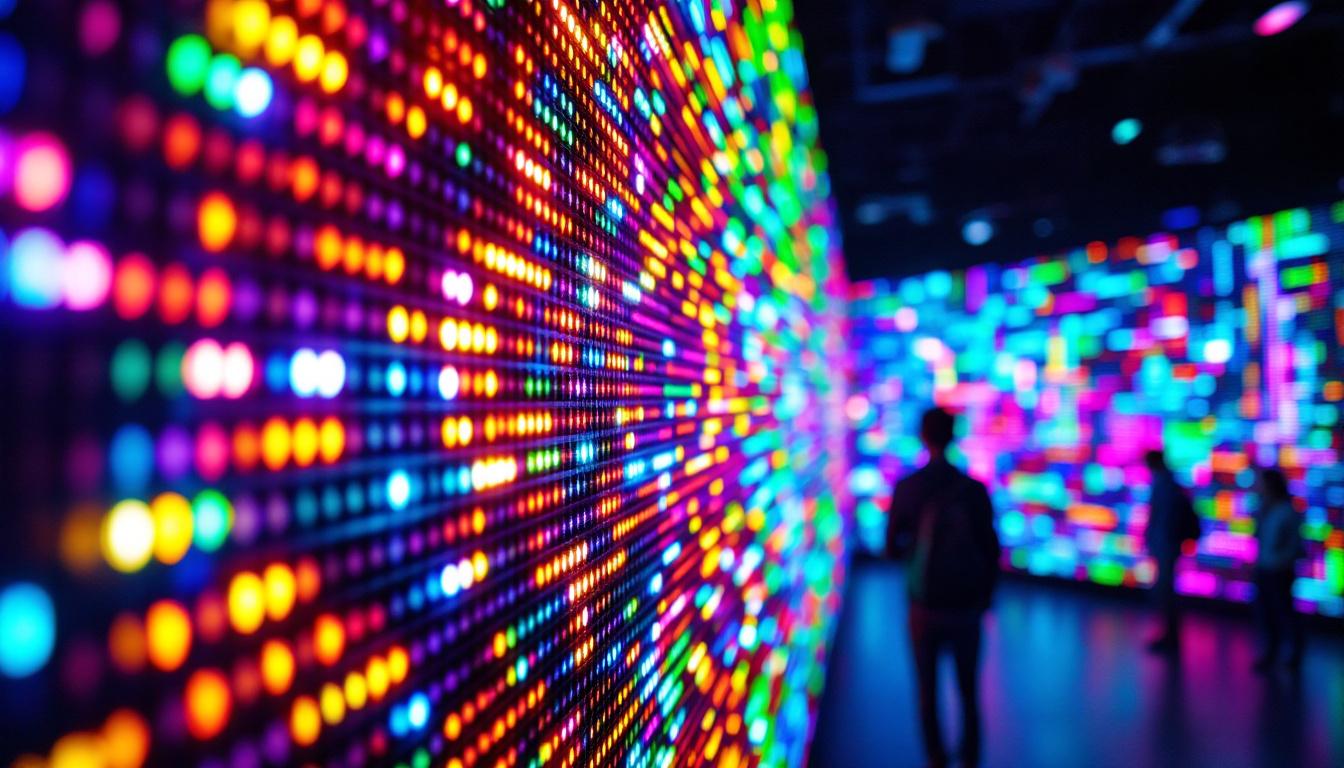
At the core of pixel wall art is the LED (Light Emitting Diode) technology. LEDs are semiconductor devices that emit light when an electric current passes through them. In pixel displays, multiple LEDs are arranged in a matrix, with each LED representing one pixel. The color of each pixel is controlled by adjusting the intensity of red, green, and blue subpixels, which combine to produce a full spectrum of colors.
Modern LED displays use RGB (Red, Green, Blue) LEDs capable of producing millions of colors by varying the brightness of each subpixel. This capability allows pixel wall art to render detailed images and smooth gradients, making the visuals rich and engaging. The precision of LED technology not only enhances the aesthetic appeal but also allows for dynamic content that can change in real-time, creating immersive experiences for viewers. As a result, LED displays have become a popular choice for artists and designers looking to push the boundaries of traditional art forms.
Types of LED Displays Used in Pixel Wall Art
There are several types of LED displays commonly used for pixel wall art, each with its own characteristics:
- RGB LED Matrices: These are grids of RGB LEDs where each pixel can be individually controlled. They are popular for their high color fidelity and brightness, suitable for both indoor and outdoor installations.
- LED Strip Panels: Flexible LED strips arranged in patterns can create pixel art with more organic shapes. They are often used for custom installations where traditional grids are impractical.
- Micro-LED Displays: An emerging technology offering even smaller pixel sizes and higher resolution. Though currently expensive, micro-LEDs promise future applications in ultra-high-definition pixel art.
Choosing the right type of LED display depends on factors such as desired resolution, viewing distance, installation environment, and budget. For instance, RGB LED matrices are often favored for public installations due to their robustness and brightness, while micro-LEDs are gaining traction in high-end applications where detail and clarity are paramount. Additionally, the flexibility of LED strip panels allows for creative freedom, enabling artists to design installations that can fit unconventional spaces or even move with the environment, enhancing the overall experience.
Control Systems and Software
Pixel wall art requires sophisticated control systems to manage the color and brightness of each LED pixel. These systems range from simple microcontrollers for small installations to advanced computers and custom software for large-scale displays.
Software platforms enable artists and designers to create, upload, and animate images or videos on the LED matrix. Some popular tools include open-source programs like Processing or proprietary solutions tailored for LED control. Additionally, many installations incorporate sensors or network connectivity to enable interactivity and real-time content updates. This interactivity can take many forms, from audience participation through mobile devices to responsive visuals that change based on environmental factors like sound or light. Such features not only enhance viewer engagement but also allow for a more personalized experience, transforming static displays into dynamic works of art that resonate with the audience on multiple levels.
Applications and Benefits of Pixel Wall Art
Residential Spaces
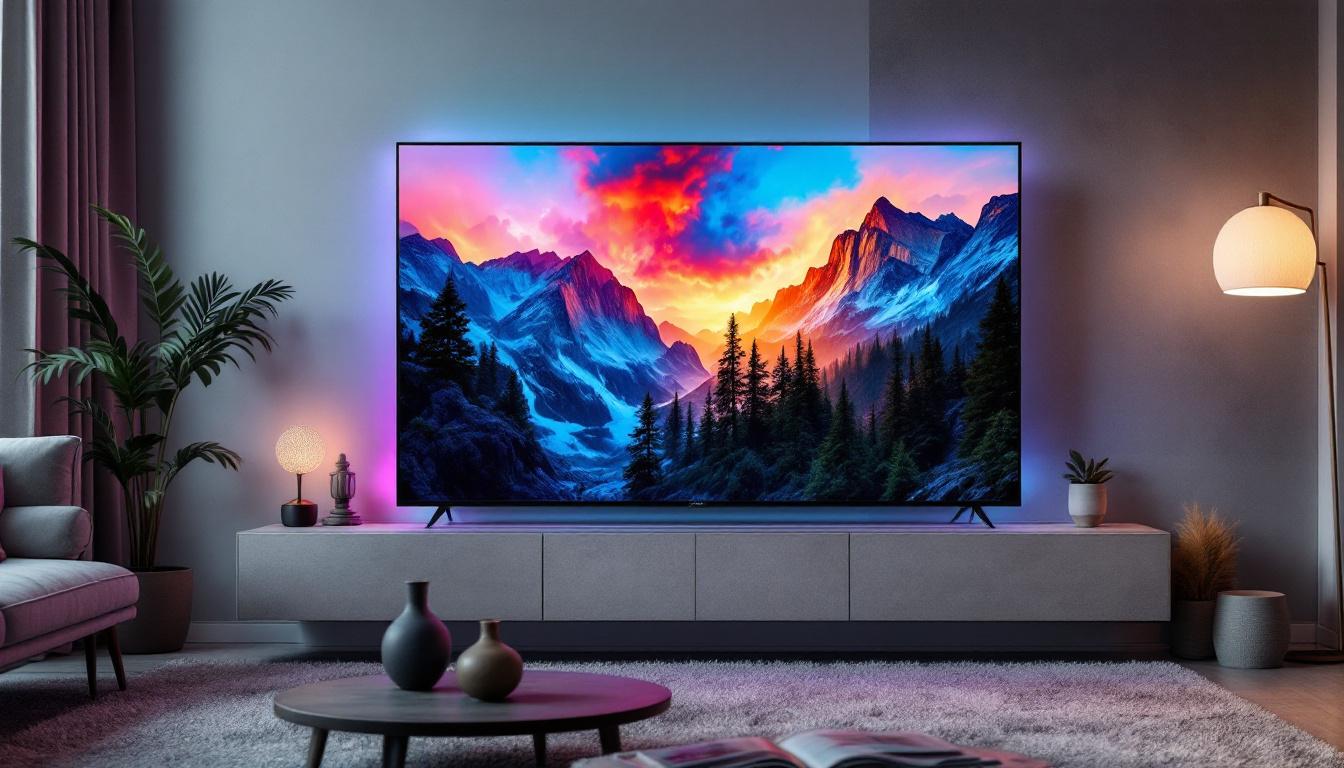
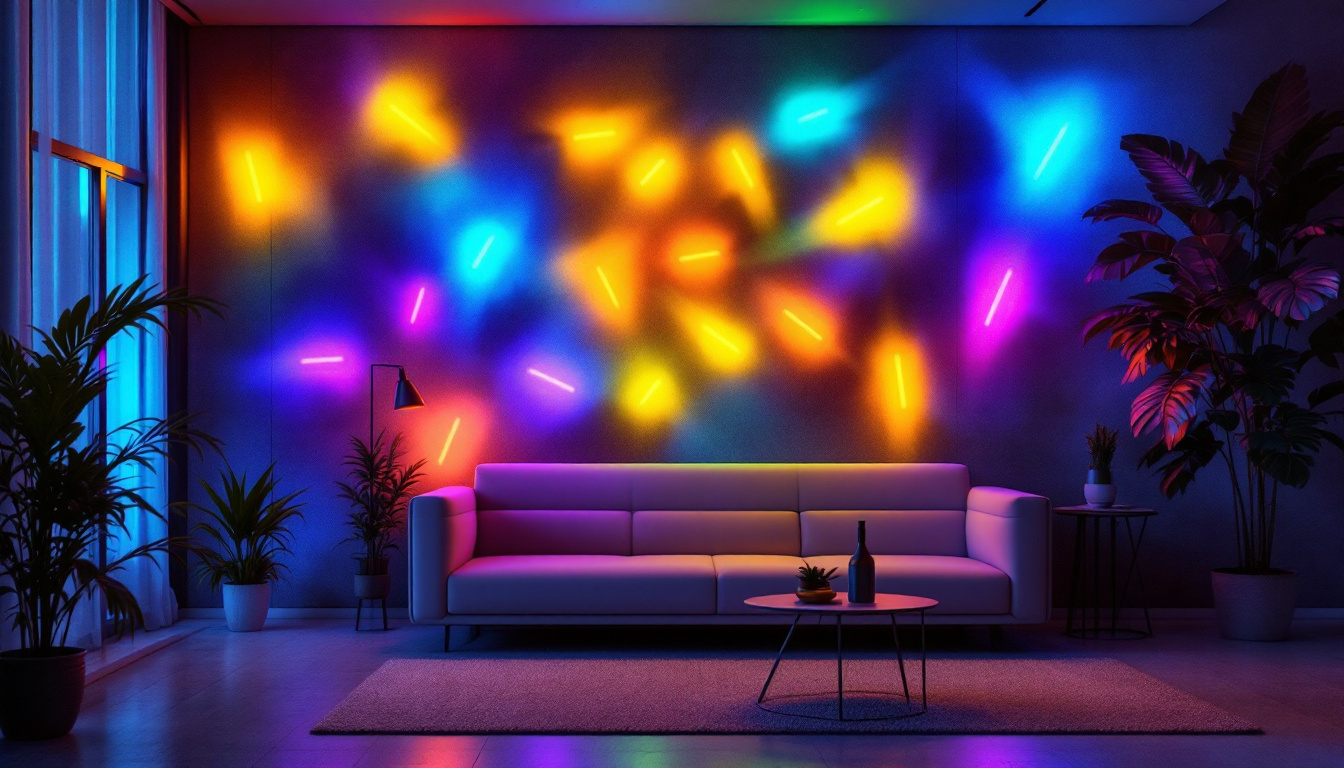
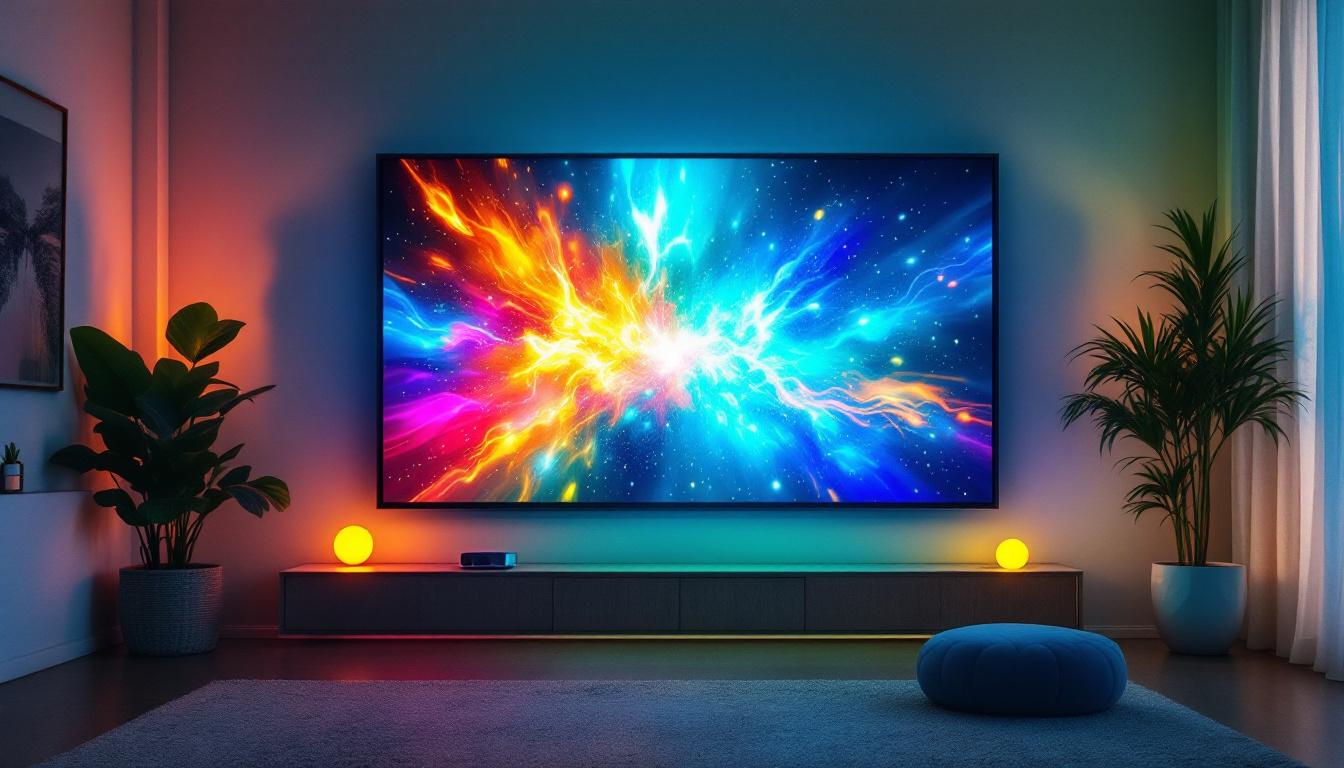
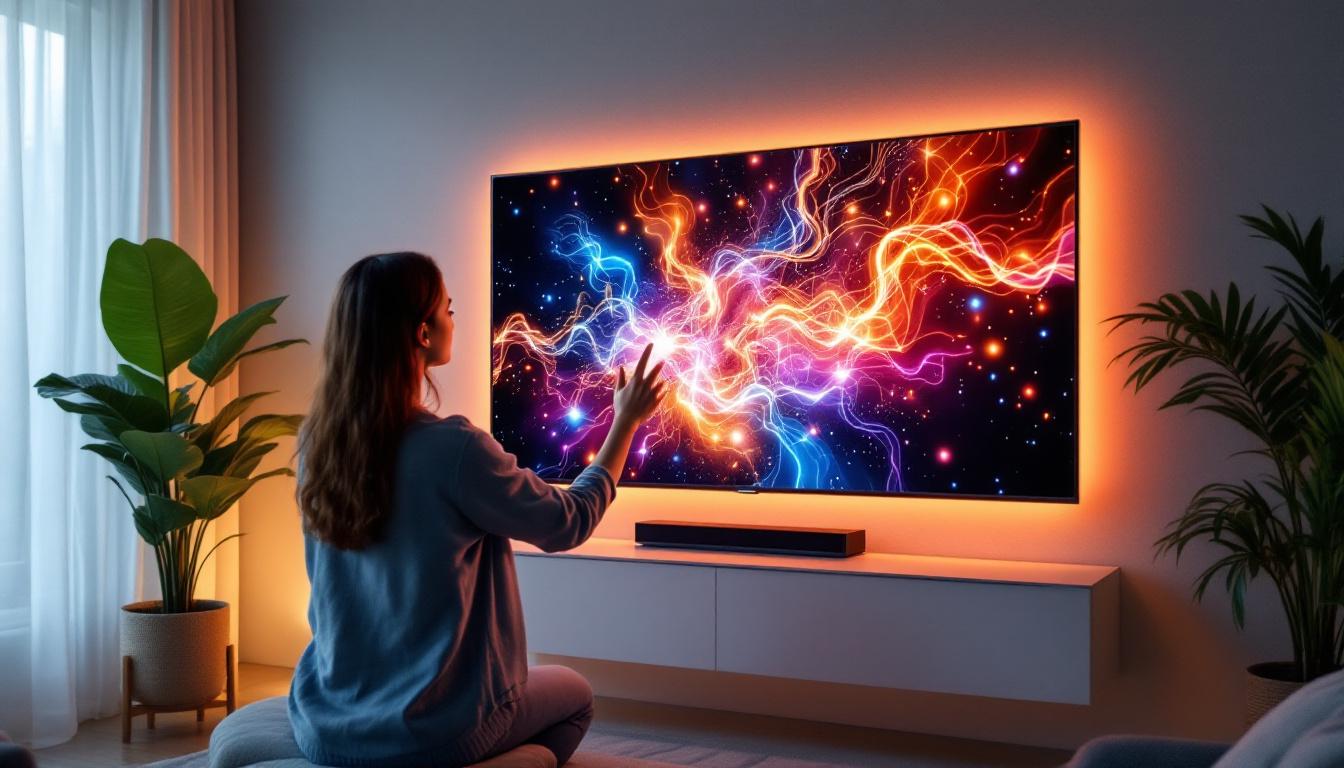
In homes, pixel wall art offers a unique way to personalize living spaces. Homeowners can display family photos, abstract patterns, or seasonal themes that change with the mood or occasion. The dynamic nature of LED pixel art also makes it ideal for creating ambient lighting effects, enhancing the atmosphere of rooms.
Moreover, pixel wall art can serve functional purposes such as displaying clocks, weather information, or notifications, blending utility with aesthetics seamlessly.
Commercial and Public Environments
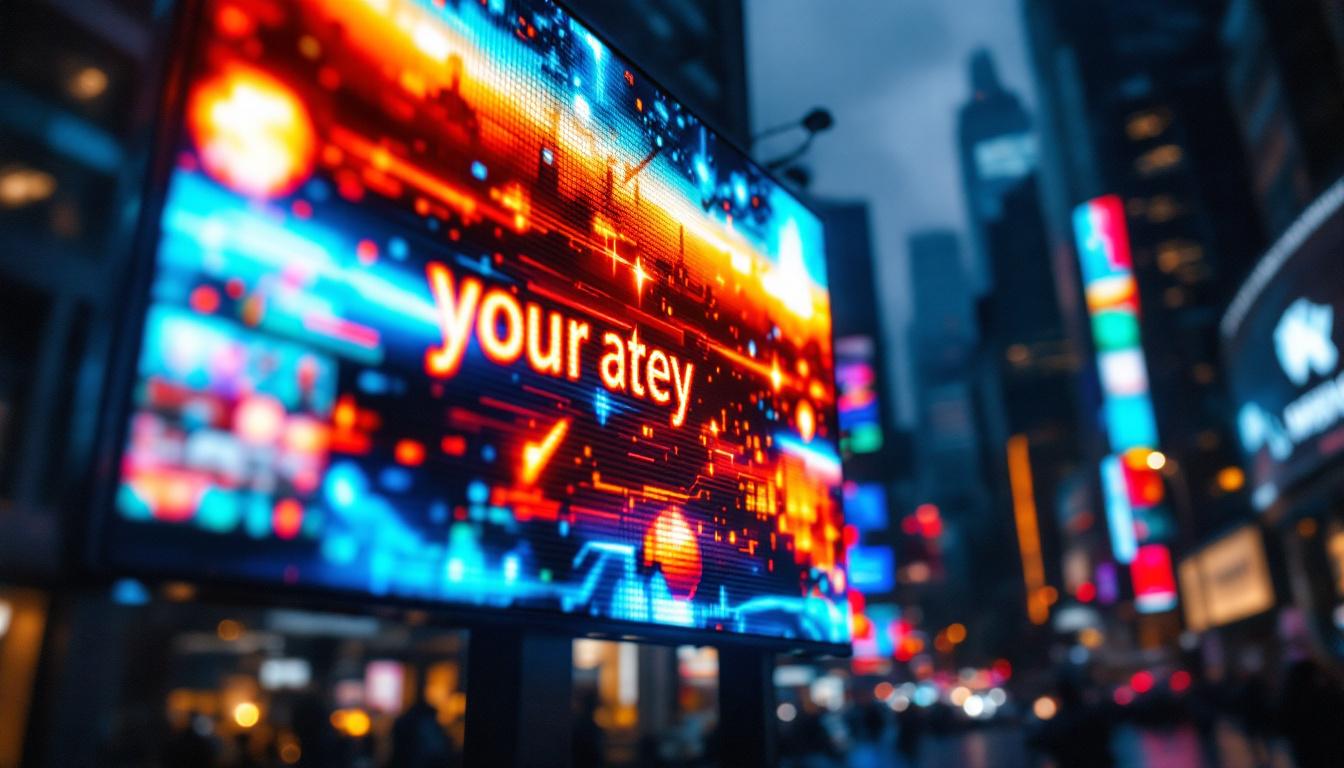
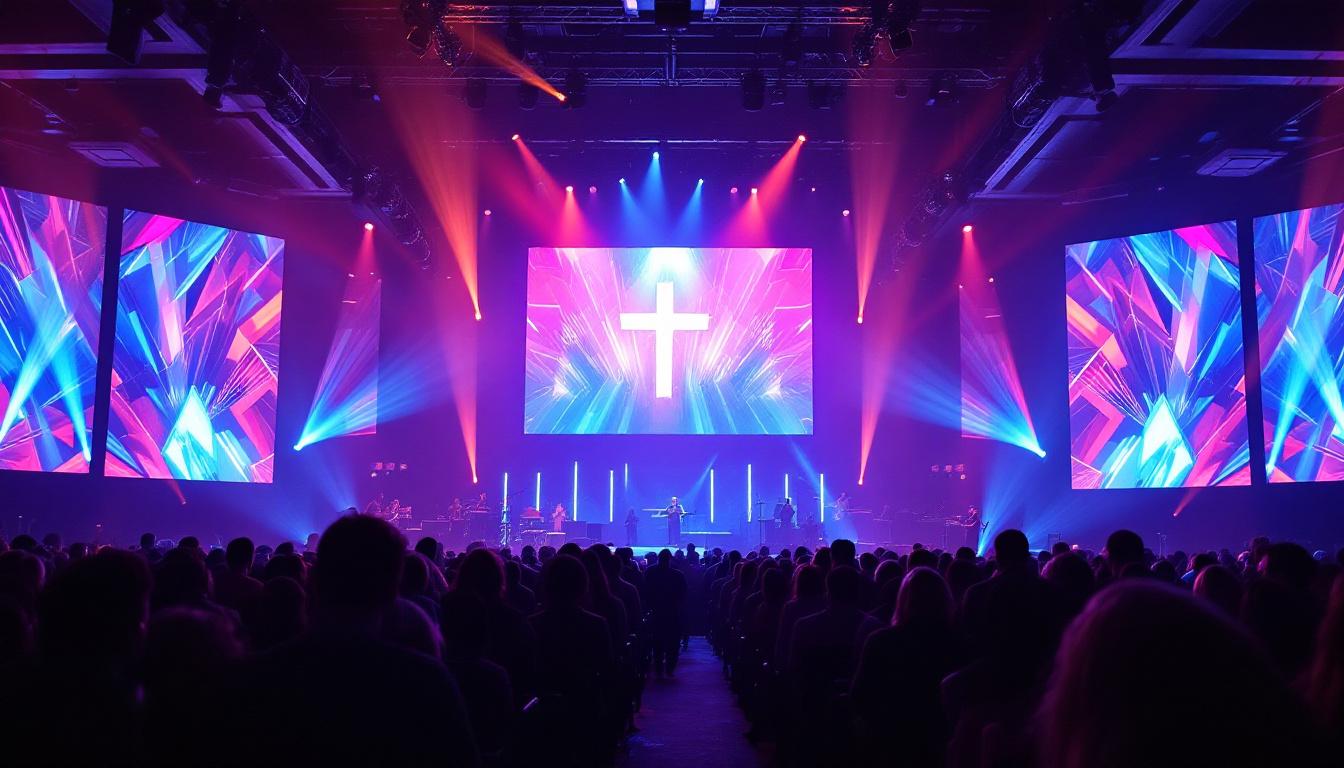
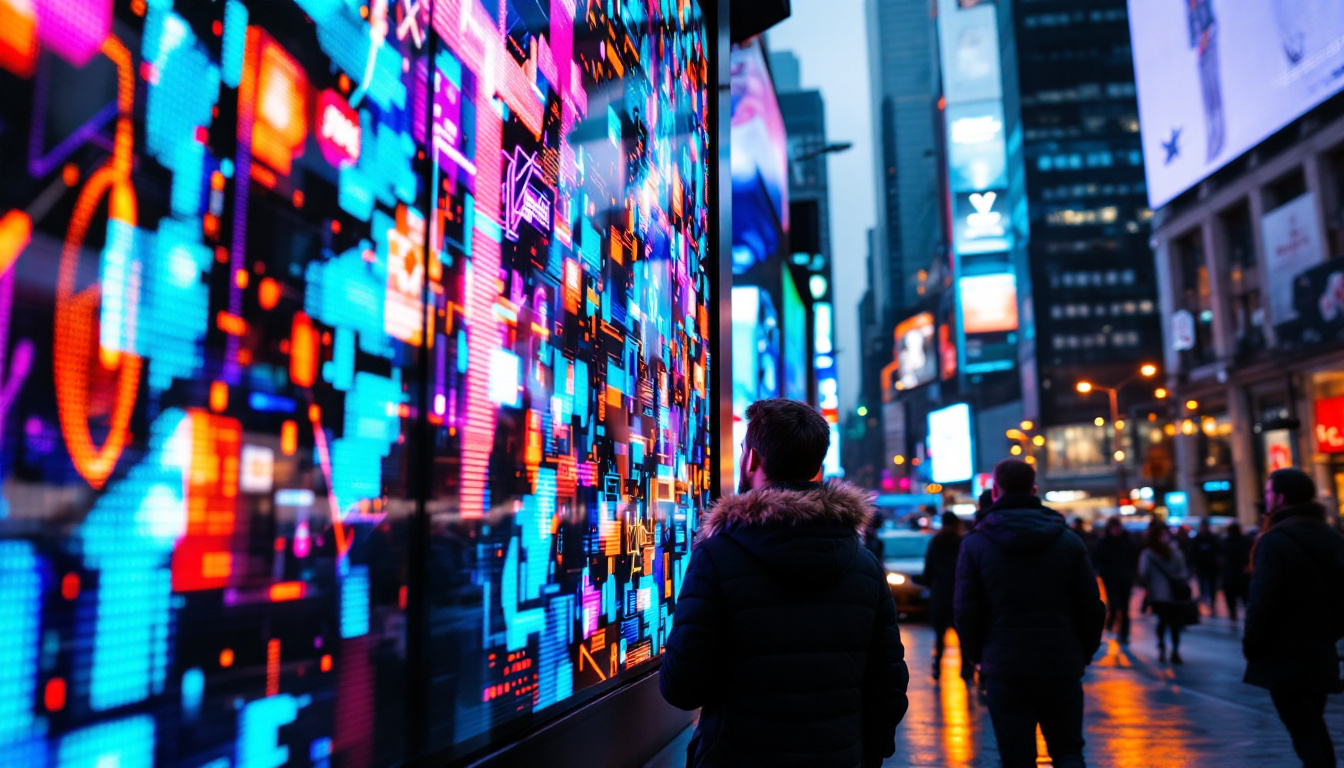
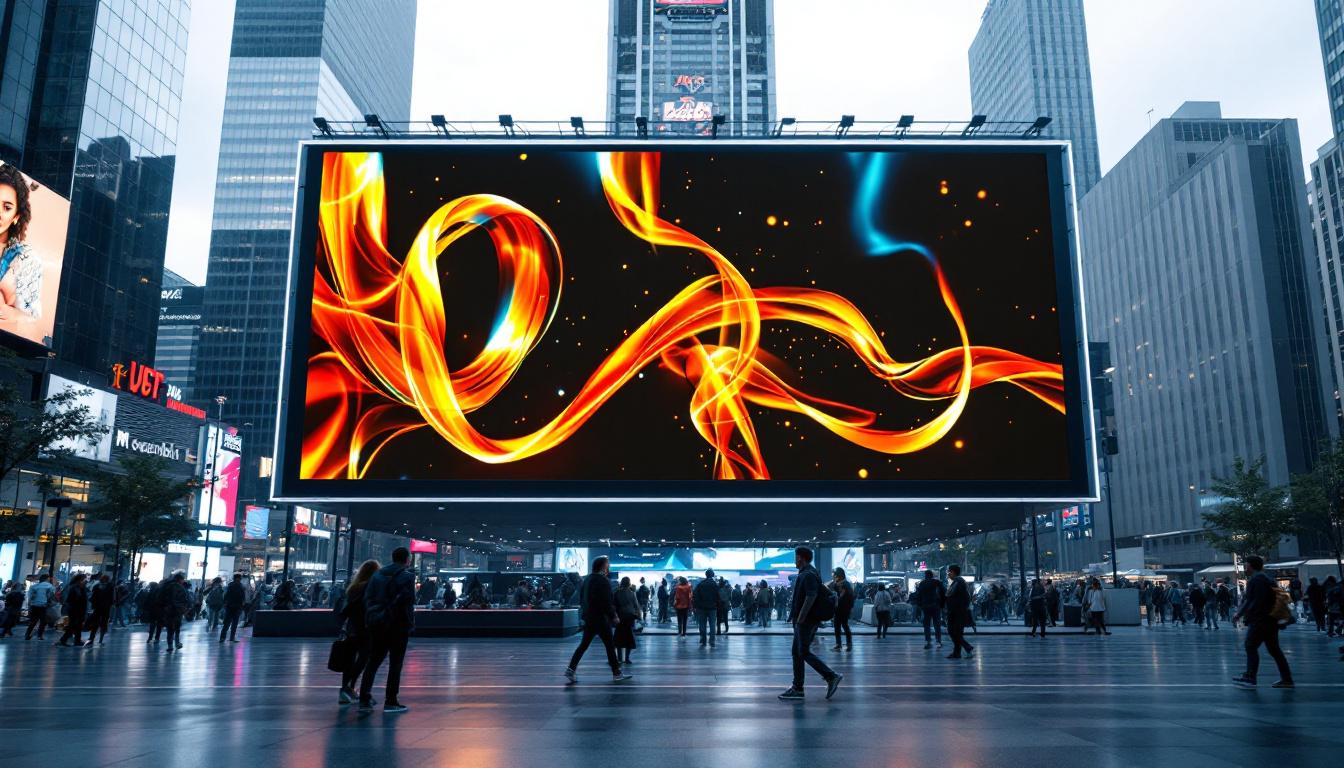
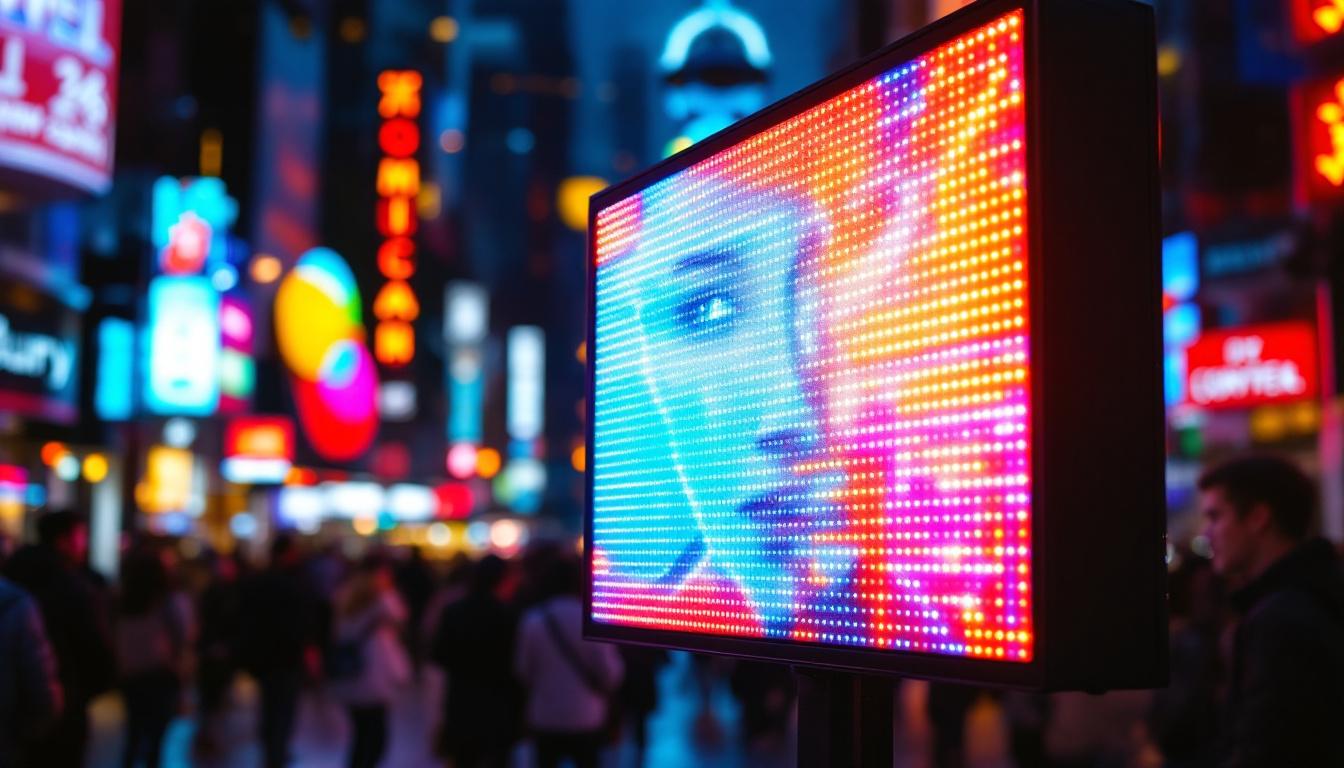
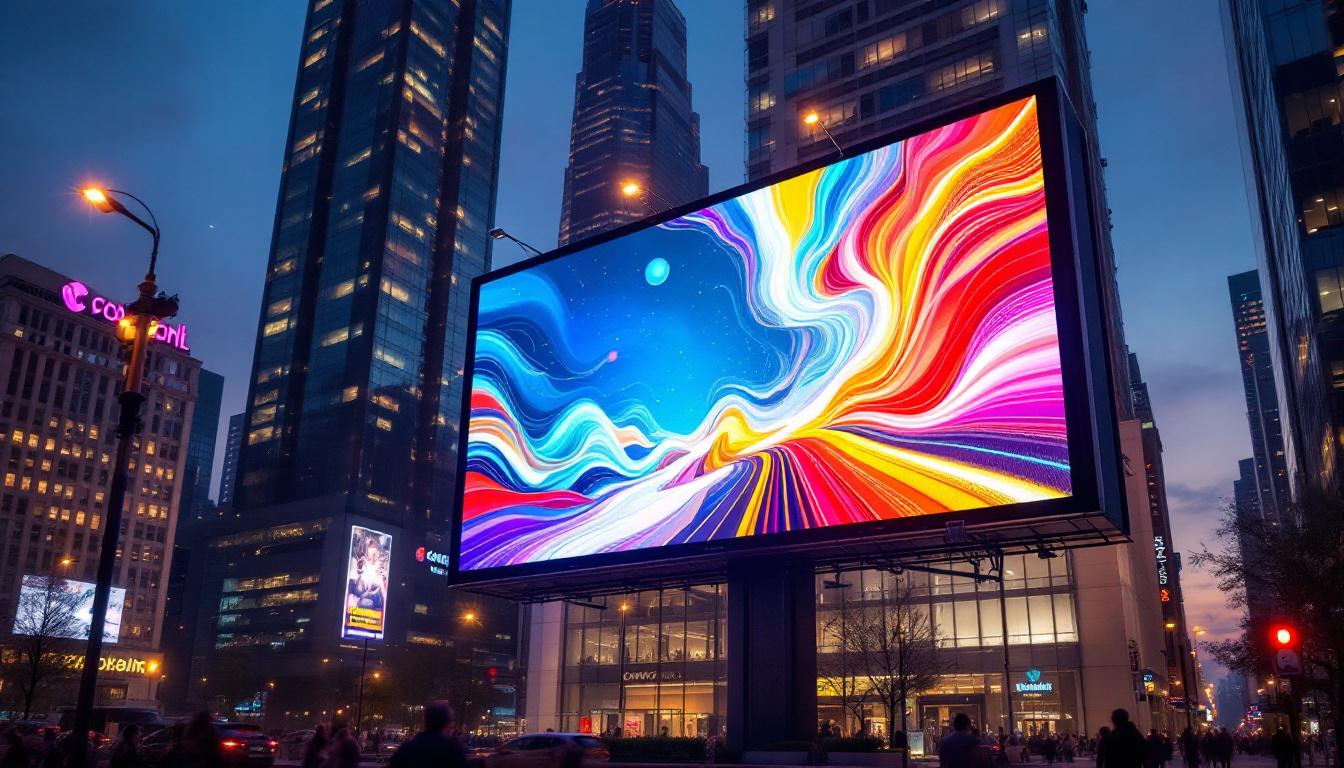
Businesses and public venues have embraced pixel wall art for its ability to attract attention and communicate messages dynamically. Retail stores use LED pixel walls for advertising and branding, while restaurants and bars create immersive environments with animated visuals synchronized to music or events.
Corporate offices integrate pixel wall art to showcase company values, achievements, or live data dashboards, fostering engagement and modernizing workspaces. Public art installations using LED pixels contribute to urban beautification and interactive experiences, often becoming landmarks in their own right.
Educational and Cultural Uses
Pixel wall art also finds applications in educational settings, where it can be used to visualize complex data, demonstrate digital art techniques, or create interactive exhibits. Museums and galleries incorporate LED pixel displays to enhance storytelling and engage visitors through multimedia presentations.
Culturally, pixel art resonates with digital natives and communities interested in video game history, retro aesthetics, and new media art, making it a bridge between technology and heritage.
Design Considerations for Pixel Wall Art
Resolution and Pixel Pitch
The resolution of a pixel wall art installation is determined by the number of pixels and the pixel pitch—the distance between the centers of adjacent LEDs. A smaller pixel pitch results in higher resolution and finer detail but increases cost and complexity.
Designers must balance resolution with viewing distance; higher resolution is essential for close-up viewing, while larger pixel pitches may suffice for installations viewed from afar. Understanding this relationship ensures the artwork appears crisp and visually effective.
Color Accuracy and Brightness
Color accuracy is critical in pixel wall art, especially when reproducing images or branding elements. High-quality LEDs and calibration tools help maintain consistent colors across the display. Brightness levels must also be adjusted to suit ambient lighting conditions, preventing glare or washed-out visuals.
Dynamic brightness control can enhance energy efficiency and prolong the lifespan of the LEDs, contributing to sustainable design practices.
Installation and Maintenance
Installing pixel wall art requires careful planning regarding mounting, power supply, and ventilation. LED displays generate heat, so adequate cooling mechanisms are necessary to maintain performance and safety.
Maintenance considerations include accessibility for repairs, cleaning, and software updates. Modular designs that allow individual pixel replacement can reduce downtime and costs over the installation’s lifetime.
The Future of Pixel Wall Art
Emerging Technologies
Advancements in LED technology, such as micro-LEDs and flexible OLEDs, are expanding the possibilities for pixel wall art. These innovations promise higher resolution, greater flexibility, and improved energy efficiency, enabling more immersive and intricate designs.
Integration with artificial intelligence and augmented reality is also on the horizon, allowing pixel wall art to respond intelligently to viewers or environmental cues, creating personalized and interactive experiences.
Environmental Impact and Sustainability
As awareness of environmental issues grows, sustainable practices in pixel wall art production and operation are becoming increasingly important. Using energy-efficient LEDs, recyclable materials, and smart control systems can reduce the ecological footprint of installations.
Designers and manufacturers are exploring ways to extend the lifespan of LED displays and minimize electronic waste, aligning pixel wall art with broader sustainability goals.
Conclusion
Pixel wall art powered by LED displays represents a fascinating intersection of art, technology, and design. Its ability to transform spaces dynamically and interactively offers new opportunities for creative expression and functional decoration. Understanding the technology behind LED pixel displays, their applications, and design considerations enables artists, designers, and consumers to harness this medium’s full potential.
As LED technology continues to advance and integrate with emerging digital trends, pixel wall art is poised to become an even more prominent feature in homes, businesses, and public spaces worldwide—illuminating walls with vibrant pixels that tell stories, evoke emotions, and inspire innovation.
Illuminate Your Space with LumenMatrix
Ready to elevate your environment with the vibrant storytelling of pixel wall art? LumenMatrix is at the forefront of LED display innovation, offering a wide array of solutions that bring your space to life. From Indoor and Outdoor LED Wall Displays to specialized options like Vehicle, Sports, and Floor LED Displays, our technology is designed to captivate and engage. Discover the transformative power of LED displays and how they can amplify your brand’s presence and message. Check out LumenMatrix LED Display Solutions today and start creating unforgettable visual experiences.