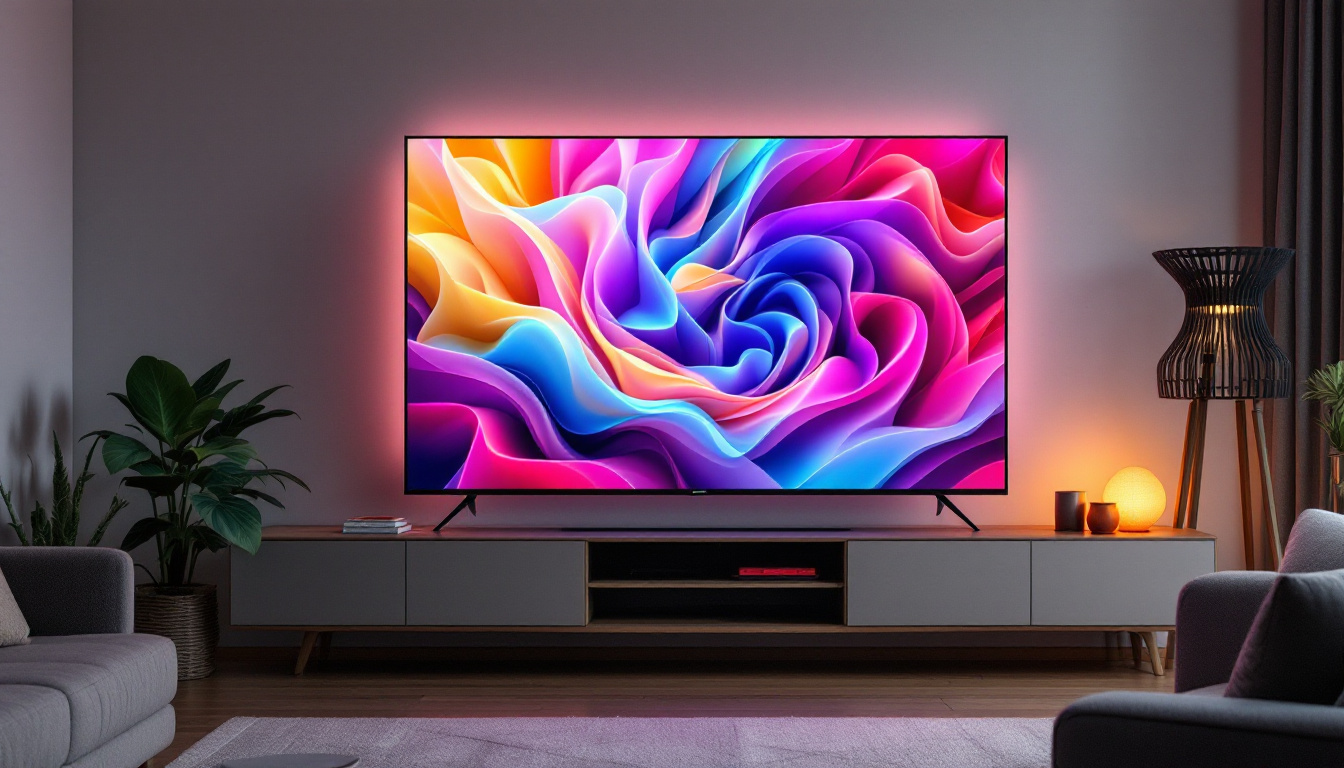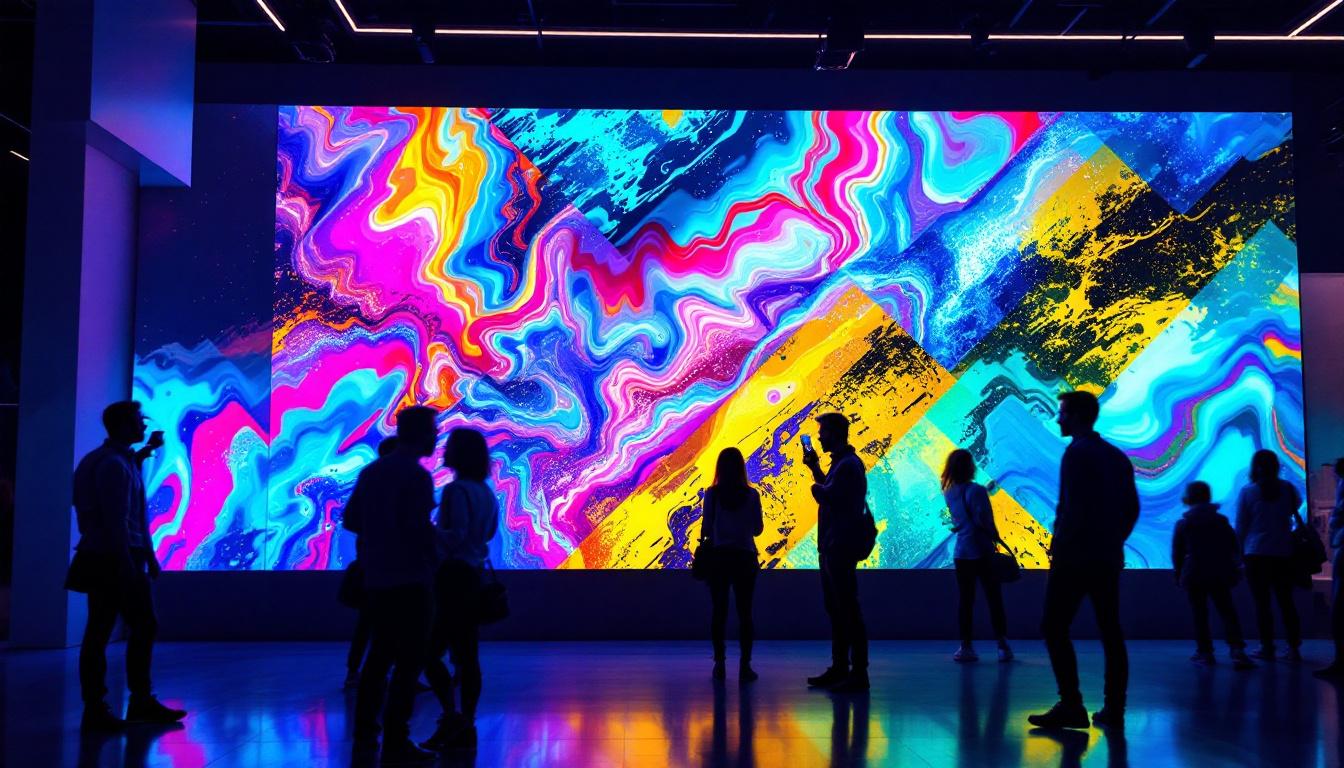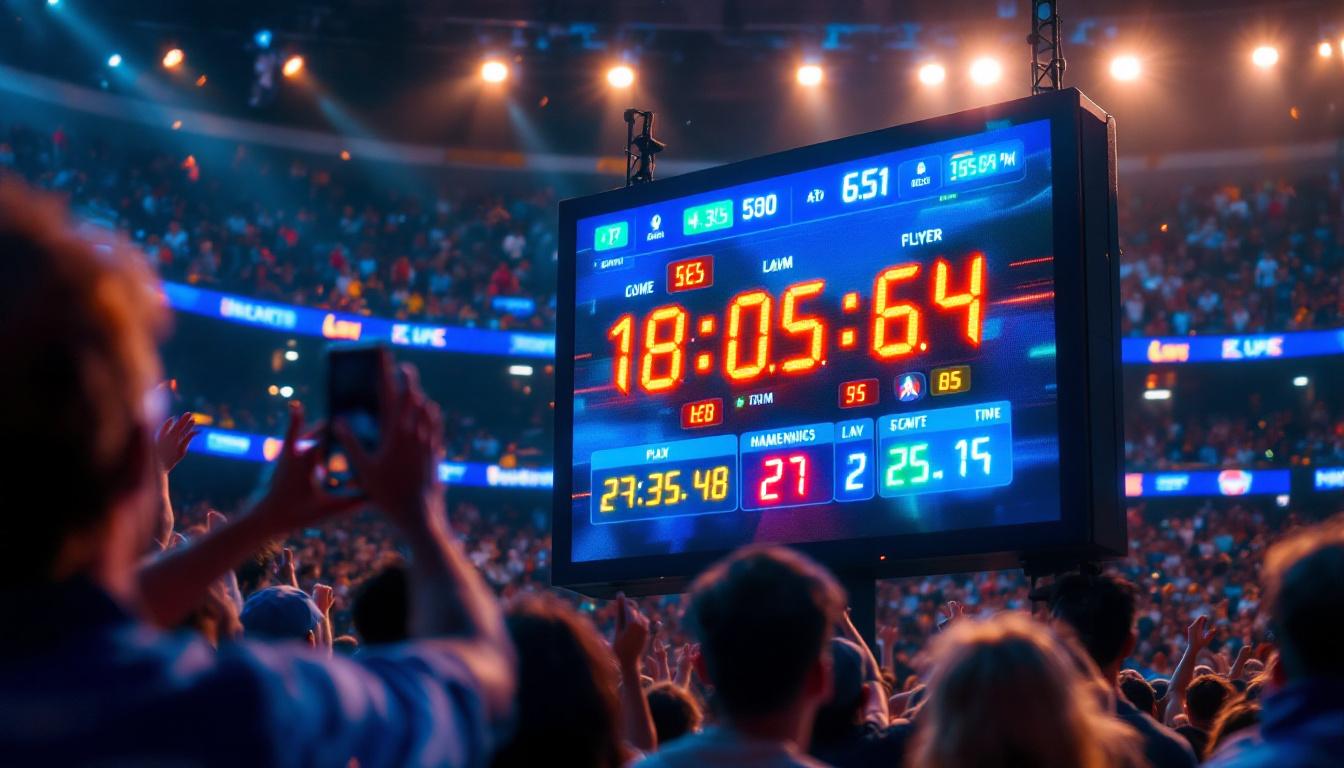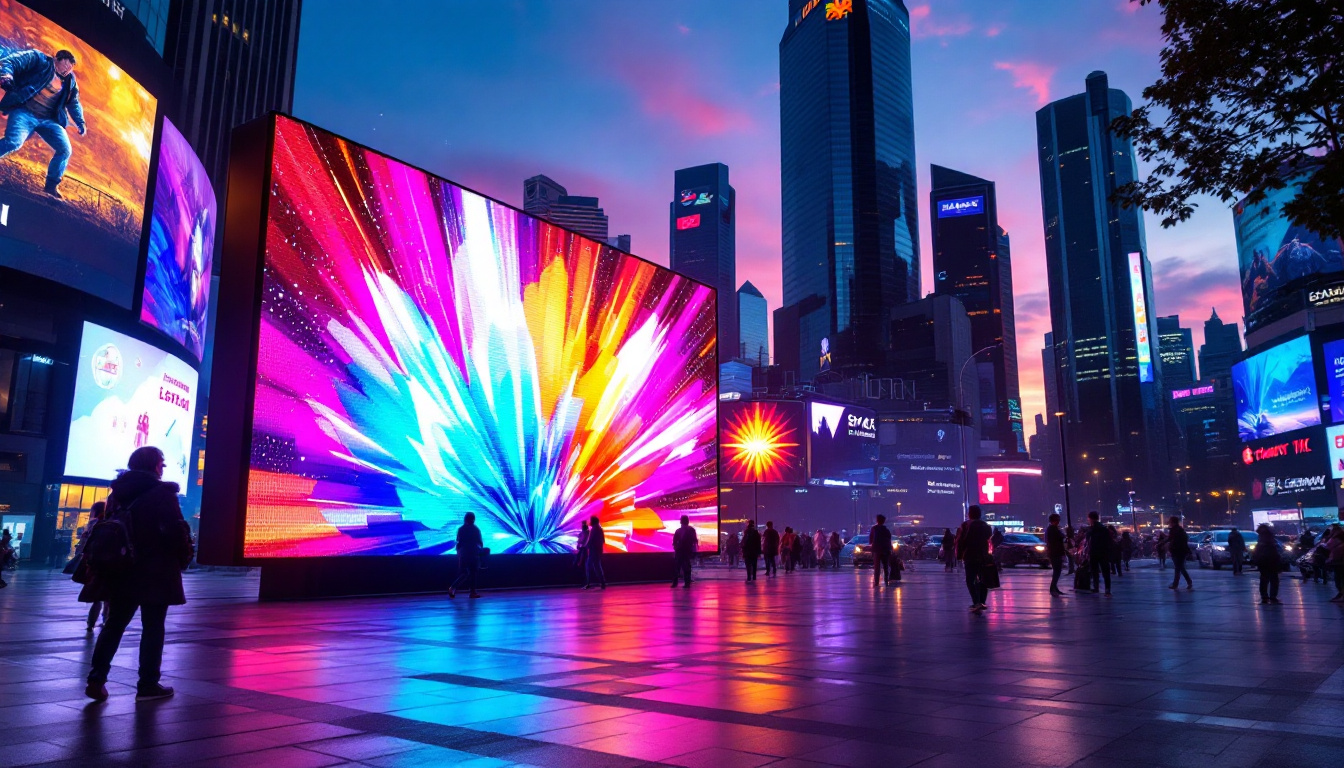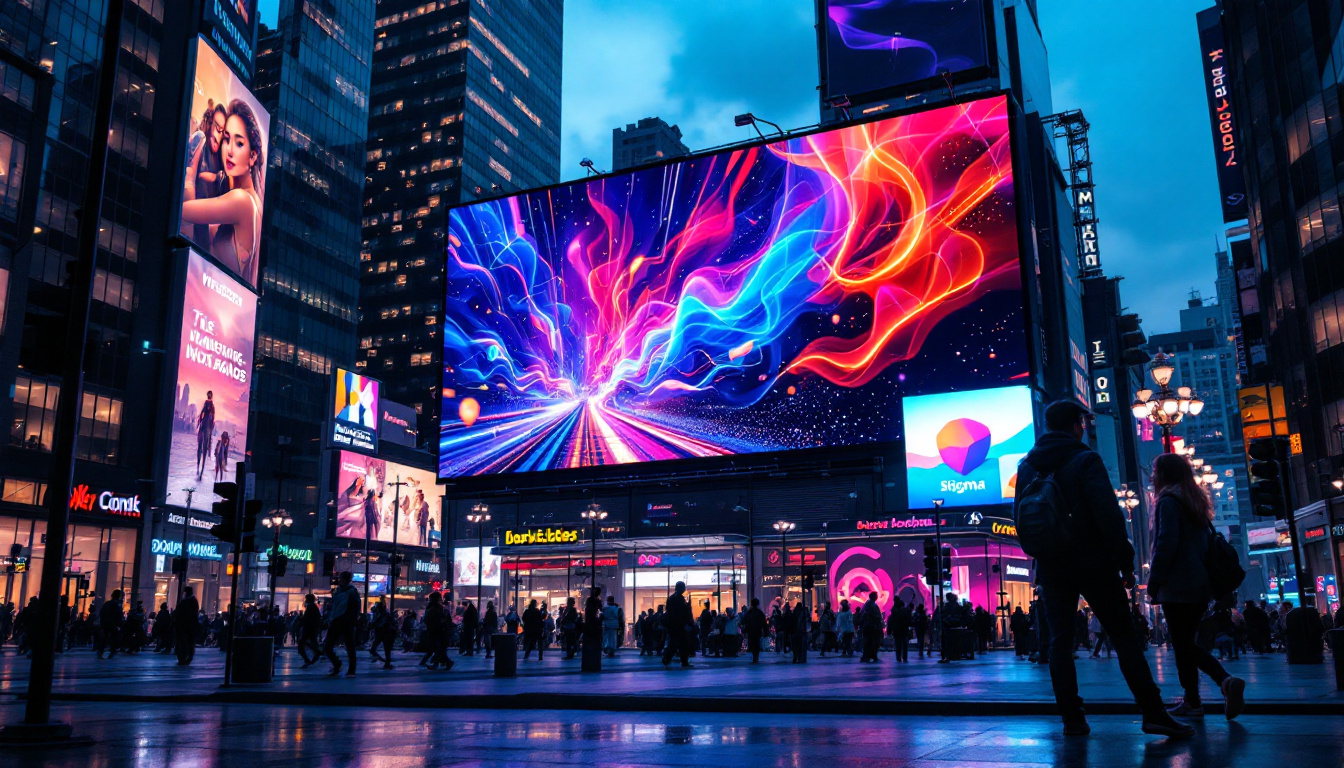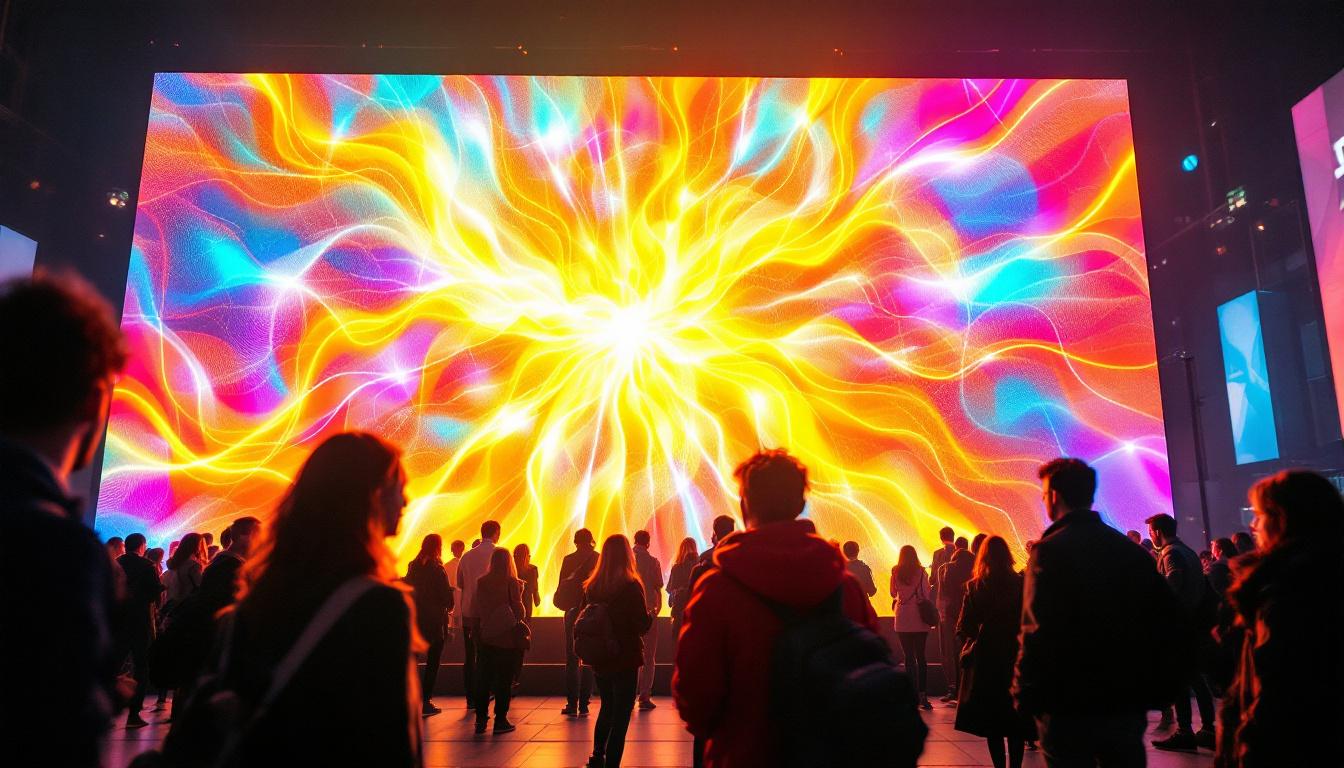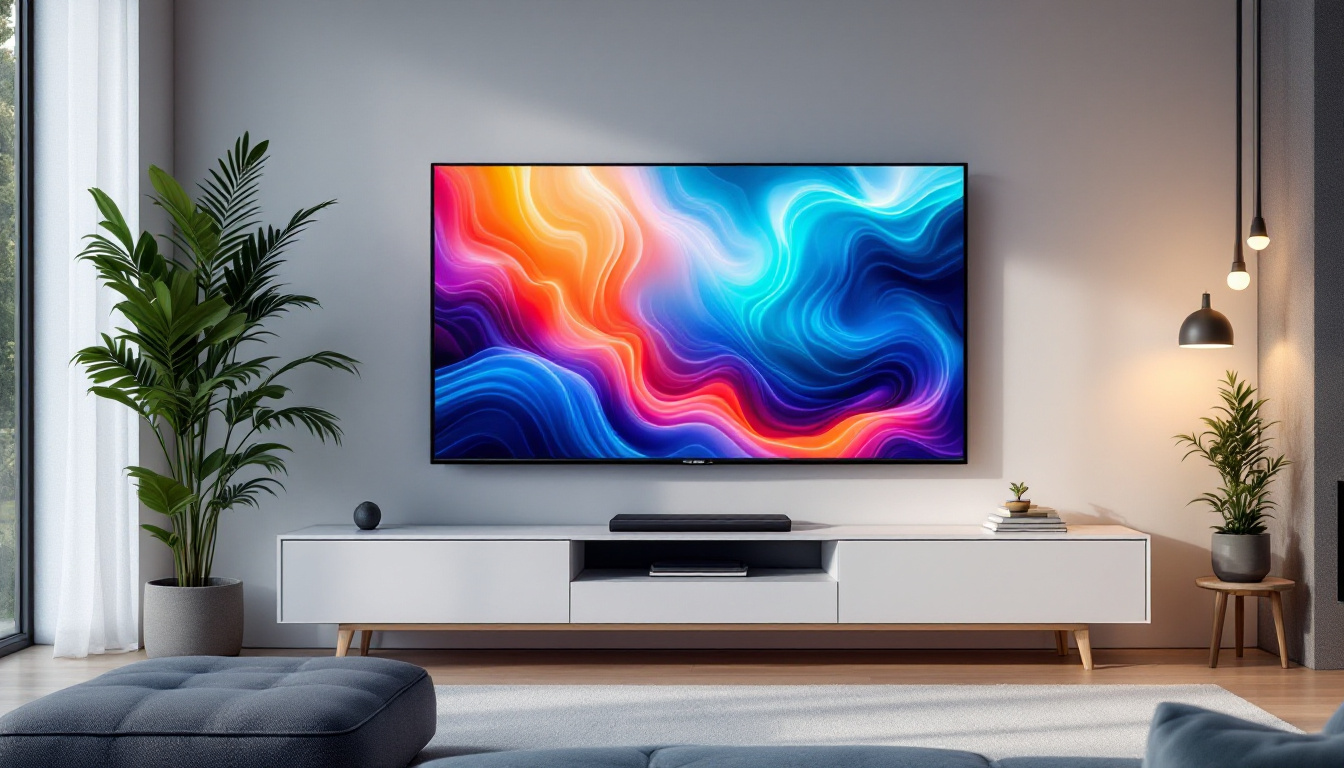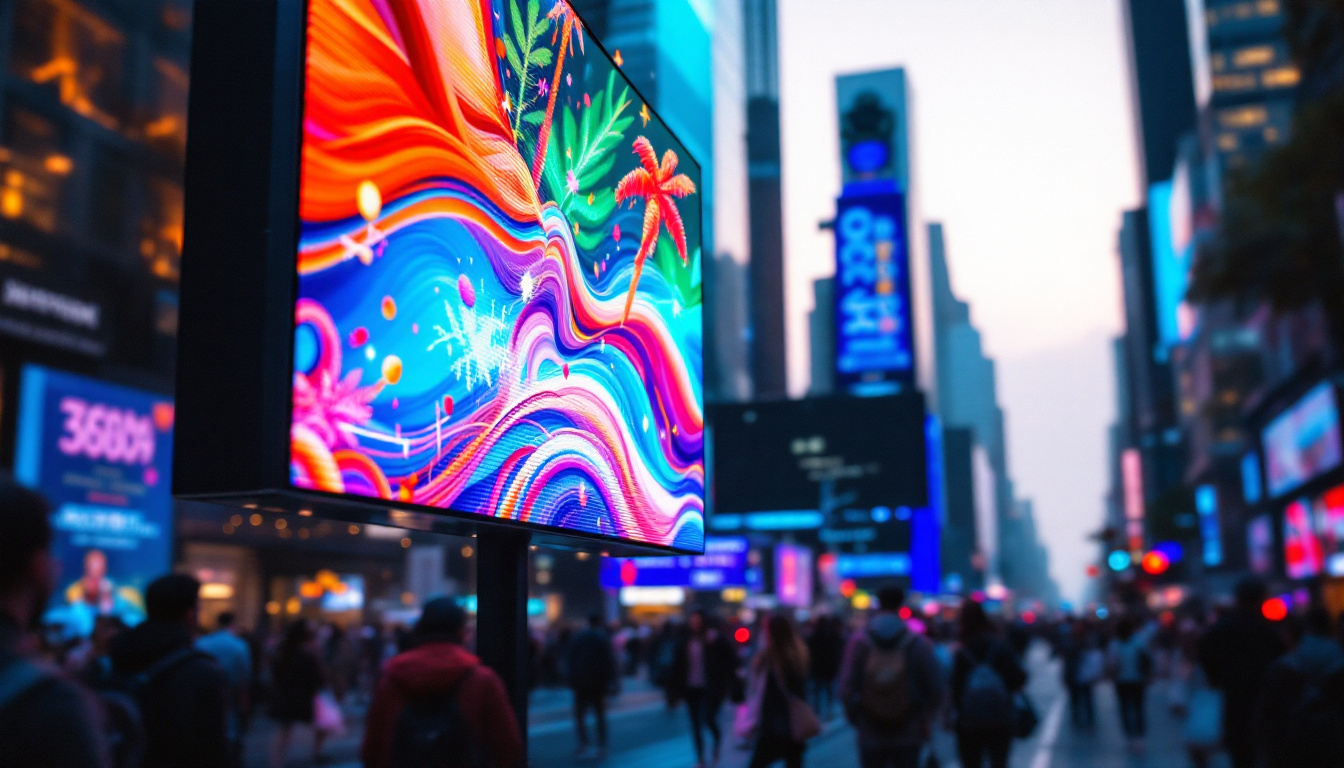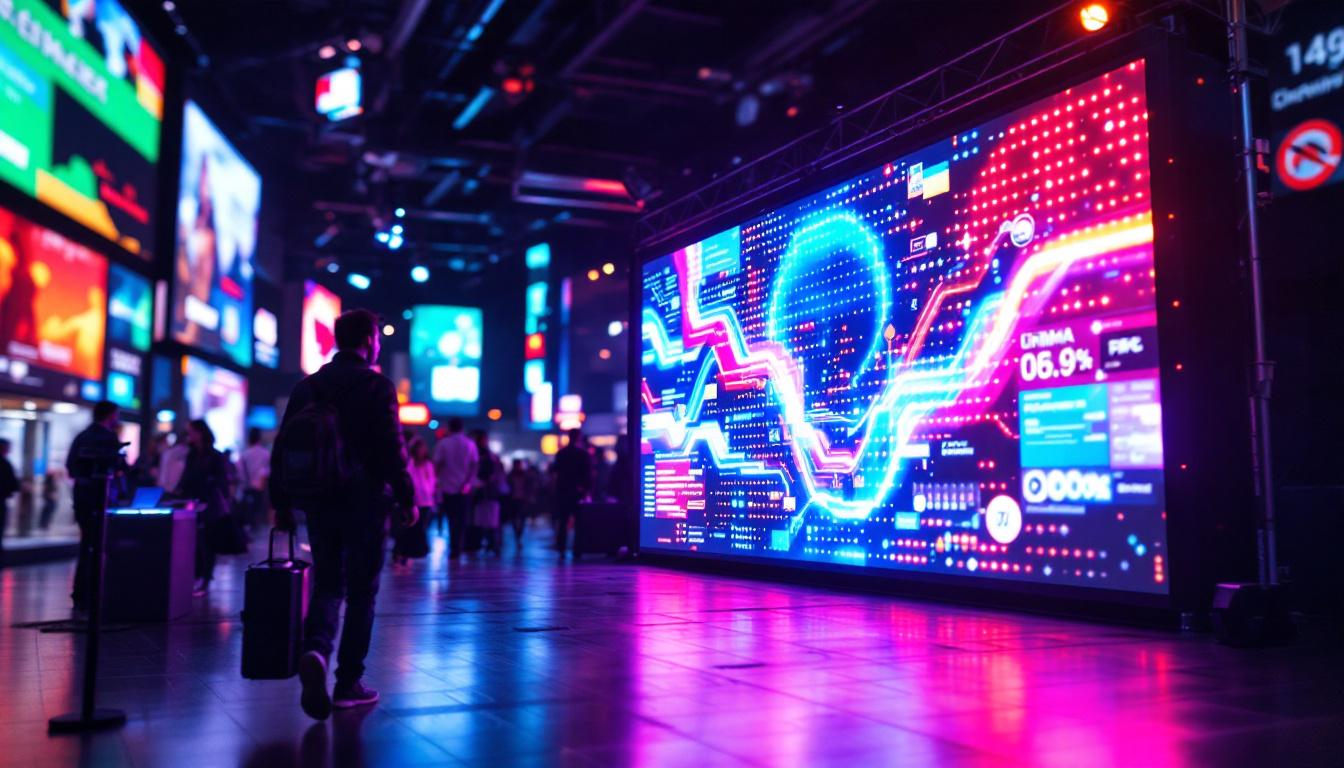
Light Emitting Diode (LED) displays have revolutionized the way information and visuals are presented across various industries, from advertising billboards to stadium screens and consumer electronics. Their energy efficiency, brightness, and versatility make them a preferred choice for many applications. However, despite their advantages, LED displays are not without issues. Understanding these challenges is crucial for manufacturers, installers, and users to ensure optimal performance and longevity.
Understanding LED Display Technology
LED displays consist of an array of tiny light-emitting diodes that produce images by illuminating in different colors and intensities. These diodes are arranged in pixels, typically combining red, green, and blue LEDs to create a full spectrum of colors. The technology behind LED displays allows for high brightness levels, excellent contrast ratios, and wide viewing angles, making them suitable for both indoor and outdoor use.
Modern LED displays come in various forms, including direct view LED panels, LED-backlit LCDs, and micro-LEDs. Each type has its unique characteristics and applications, but all share common challenges related to the LED components themselves and the electronic systems that drive them.
One of the most significant advancements in LED technology is the development of micro-LED displays, which utilize microscopic LEDs to create images with incredible detail and clarity. Unlike traditional LED displays, micro-LEDs can achieve higher pixel densities, resulting in sharper images and more vibrant colors. This technology also offers improved energy efficiency, as each micro-LED can be turned on or off individually, allowing for true blacks and enhanced contrast. As a result, micro-LEDs are gaining traction in high-end applications, such as televisions and digital signage, where image quality is paramount.
In addition to their visual capabilities, LED displays are also known for their durability and longevity. Compared to traditional display technologies, such as cathode ray tubes (CRTs) or even older LCDs, LED displays can last significantly longer, often exceeding 100,000 hours of use before a noticeable drop in brightness occurs. This longevity, paired with their resistance to shock and vibration, makes LED displays ideal for various environments, from bustling city billboards to immersive gaming setups. Furthermore, as the technology continues to evolve, innovations such as flexible LED displays are emerging, enabling new possibilities in design and application, allowing screens to bend and conform to different shapes and surfaces.
Common LED Display Issues and Their Causes
Dead or Stuck Pixels
One of the most noticeable problems in LED displays is the presence of dead or stuck pixels. Dead pixels are LEDs that fail to light up, appearing as black spots on the screen. Stuck pixels, on the other hand, remain permanently lit in one color. These issues can result from manufacturing defects, physical damage, or electrical failures within the LED matrix.
While a few dead pixels might not significantly impact the viewing experience, larger clusters or prominent locations can detract from image quality. In high-resolution displays, even a small number of defective pixels can be distracting, especially in professional or commercial settings. Various techniques, such as pixel massage or software solutions, can sometimes revive stuck pixels, but these methods are not always effective. In severe cases, replacing the affected panel may be necessary to restore optimal display quality.
Color Inconsistency and Calibration Problems
Color accuracy is critical for applications such as digital signage, broadcasting, and medical imaging. LED displays may suffer from color inconsistency due to variations in LED manufacturing, aging of diodes, or improper calibration. Over time, LEDs can degrade at different rates, causing shifts in color balance and brightness levels.
Calibration involves adjusting the display’s color output to match a standard reference. Without regular calibration, users may notice washed-out colors, color banding, or uneven brightness across the screen. This issue is particularly prevalent in large-scale LED walls composed of multiple panels, where uniformity is essential. Advanced calibration tools and software can help technicians achieve precise color matching, ensuring that the display performs consistently across all viewing conditions, which is crucial for maintaining brand integrity in commercial applications.
Flickering and Refresh Rate Issues
Flickering is a common complaint that can cause eye strain and reduce the perceived quality of an LED display. It usually stems from problems with the display’s refresh rate or power supply inconsistencies. A low refresh rate can cause visible flicker, especially in video content or fast-moving images.
Power supply fluctuations or faulty driver circuits can also introduce flicker or intermittent brightness changes. Ensuring a stable power source and using high-quality driver electronics are vital to minimizing flicker and maintaining smooth image rendering. Additionally, implementing advanced technologies such as adaptive refresh rates can help optimize performance, particularly in dynamic environments where content changes frequently. By addressing these flickering issues, users can enhance viewer comfort and improve overall display effectiveness.
Brightness Degradation Over Time
LEDs are known for their long lifespan, often rated between 50,000 to 100,000 hours. However, they do experience gradual brightness degradation, commonly referred to as lumen depreciation. Environmental factors such as temperature, humidity, and exposure to UV light can accelerate this process.
Brightness degradation affects the display’s visibility and vibrancy, which is particularly problematic for outdoor LED screens exposed to sunlight. Regular maintenance and timely replacement of aging modules are necessary to sustain optimal brightness and performance. Furthermore, utilizing technologies like dynamic brightness adjustment can help counteract the effects of lumen depreciation by automatically adjusting the display’s brightness based on ambient light conditions, ensuring that the content remains clear and engaging regardless of the environment.
Moisture and Environmental Damage
Outdoor LED displays face harsh environmental conditions, including rain, dust, and extreme temperatures. Moisture ingress can cause corrosion of electronic components and short circuits, leading to display failures. High humidity environments may also promote condensation inside the display housing.
Proper sealing, conformal coatings on circuit boards, and the use of weather-resistant materials are essential design considerations to protect LED displays from environmental damage. Failure to address these factors can result in costly repairs and downtime. Additionally, implementing regular inspections and maintenance routines can help identify potential vulnerabilities before they escalate into significant issues. By proactively managing environmental risks, operators can extend the life of their LED displays and ensure consistent performance in challenging conditions.
Diagnosing LED Display Problems Effectively
Timely and accurate diagnosis is the first step toward resolving LED display issues. Technicians often use specialized diagnostic tools such as pixel testers, colorimeters, and thermal cameras to identify faults. Visual inspections can reveal physical damage, while software diagnostics can detect electrical or firmware-related problems.
For large LED video walls, modular testing is common, where individual panels or modules are isolated and tested independently. This approach helps pinpoint the exact location of defects, facilitating targeted repairs without dismantling the entire display.
Role of Firmware and Software in LED Display Performance
Beyond hardware, firmware and control software play a crucial role in LED display functionality. Bugs or outdated firmware can cause erratic behavior, including flickering, color shifts, or synchronization issues. Regular firmware updates from manufacturers often address known problems and improve performance.
Control software settings such as gamma correction, brightness levels, and refresh rates must be optimized for the specific display environment. Misconfiguration can mimic hardware faults, so ensuring proper software setup is a vital part of troubleshooting.
Preventative Measures and Maintenance Best Practices
Preventing LED display issues is more cost-effective than reactive repairs. Implementing a comprehensive maintenance program can extend the lifespan and reliability of LED displays significantly.
Routine Cleaning and Inspection
Dust and debris accumulation can obstruct LEDs and cause overheating. Regular cleaning with appropriate, non-abrasive materials helps maintain brightness and prevents damage. Inspections should focus on connectors, cables, and housing seals to detect early signs of wear or corrosion.
Environmental Controls
For indoor displays, controlling ambient temperature and humidity reduces stress on electronic components. Outdoor installations benefit from protective enclosures, sunshades, and ventilation systems designed to mitigate environmental impact.
Scheduled Calibration and Software Updates
Periodic calibration ensures color accuracy and uniformity, especially for professional-grade displays. Software and firmware updates should be applied promptly to leverage manufacturer improvements and security patches.
Backup Power and Surge Protection
Power fluctuations are a common cause of LED display failures. Using uninterruptible power supplies (UPS) and surge protectors safeguards sensitive electronics against voltage spikes and outages, preserving display integrity.
Emerging Technologies and Future Directions
Advancements in LED technology continue to address many traditional issues. Micro-LEDs, for example, offer higher brightness, better color accuracy, and longer lifespans compared to conventional LEDs. Their self-emissive nature reduces the need for backlighting and improves energy efficiency.
Artificial intelligence (AI) and machine learning are also being integrated into display management systems to predict failures, optimize calibration, and automate maintenance tasks. These innovations promise to enhance reliability and reduce operational costs.
Sustainability and Environmental Impact
As LED displays become ubiquitous, sustainability considerations are gaining importance. Manufacturers are focusing on reducing hazardous materials, improving recyclability, and lowering energy consumption. These efforts align with global initiatives to minimize electronic waste and carbon footprints.
Conclusion
LED displays offer unparalleled advantages in brightness, energy efficiency, and versatility, but they are not immune to issues. Understanding common problems such as dead pixels, color inconsistency, flickering, and environmental damage is essential for maintaining high-quality performance. Through effective diagnosis, regular maintenance, and adoption of emerging technologies, users can mitigate these challenges and maximize the lifespan of their LED displays.
As the technology evolves, ongoing education and investment in quality components and professional service will remain key to harnessing the full potential of LED displays in an increasingly digital world.
Explore Cutting-Edge LED Display Solutions with LumenMatrix
Ready to overcome common LED display challenges and elevate your visual communication? LumenMatrix is at the forefront of LED display innovation, offering a diverse range of solutions tailored to your needs. From captivating Indoor and Outdoor LED Wall Displays to dynamic Vehicle and Sports LED Displays, our technology is designed to make a lasting impression. Experience the difference with our LED Poster, Floor, Custom, All-in-One, and Transparent Displays. Embrace the future of digital signage with LumenMatrix and ensure your message resonates with brilliance and clarity. Check out LumenMatrix LED Display Solutions today and transform your visual storytelling.