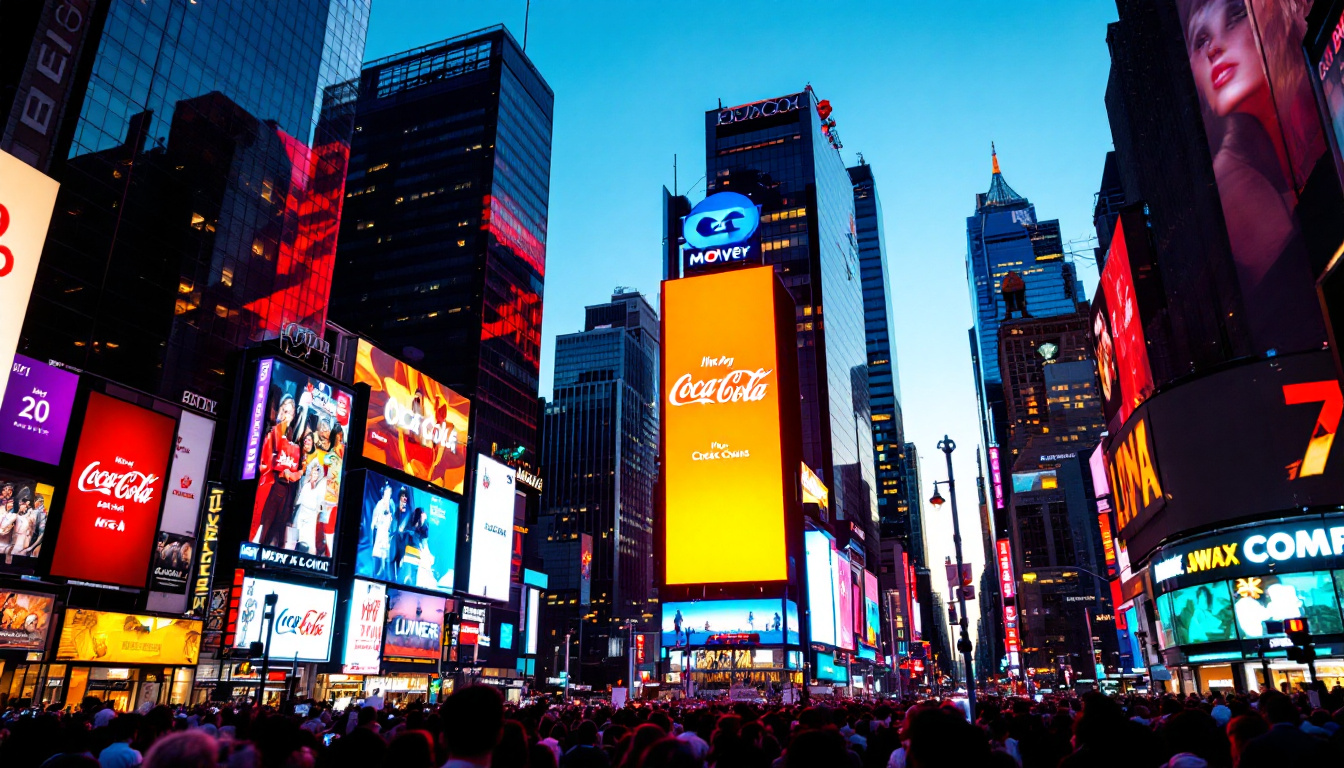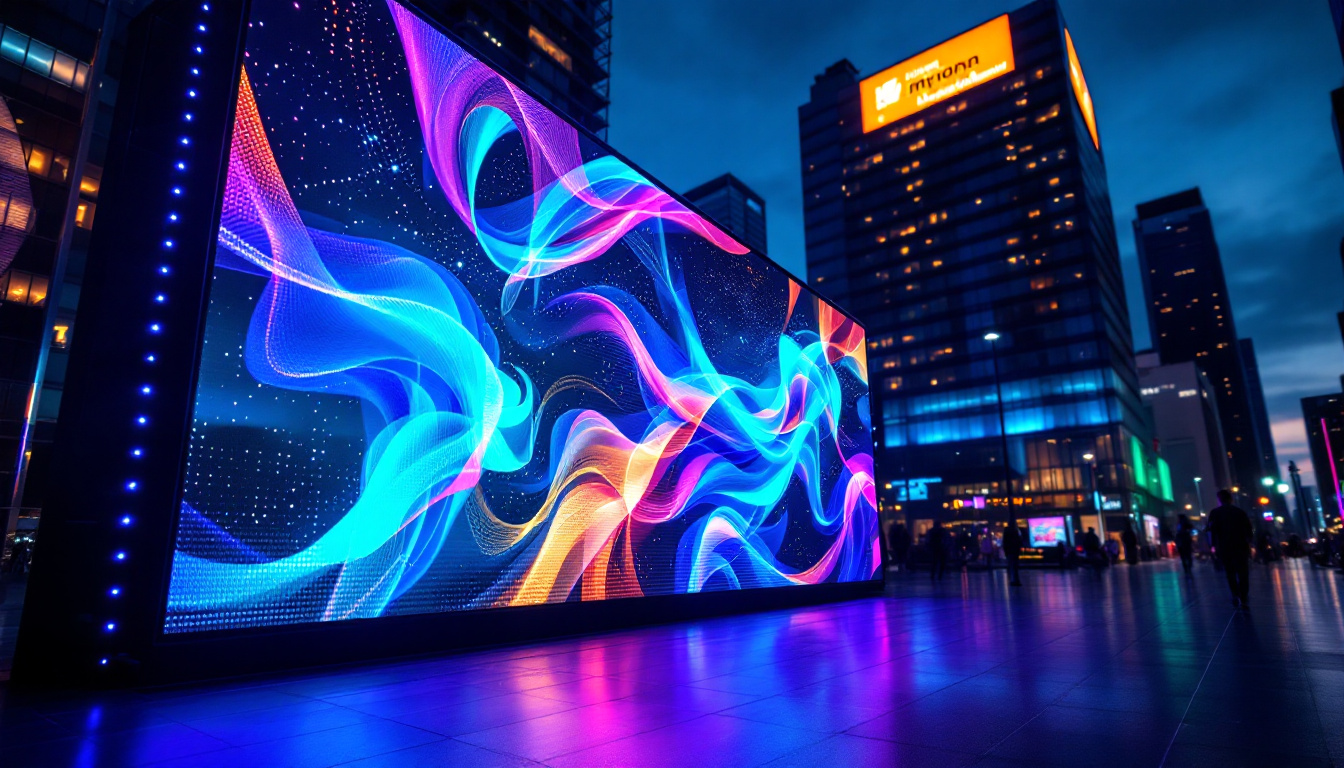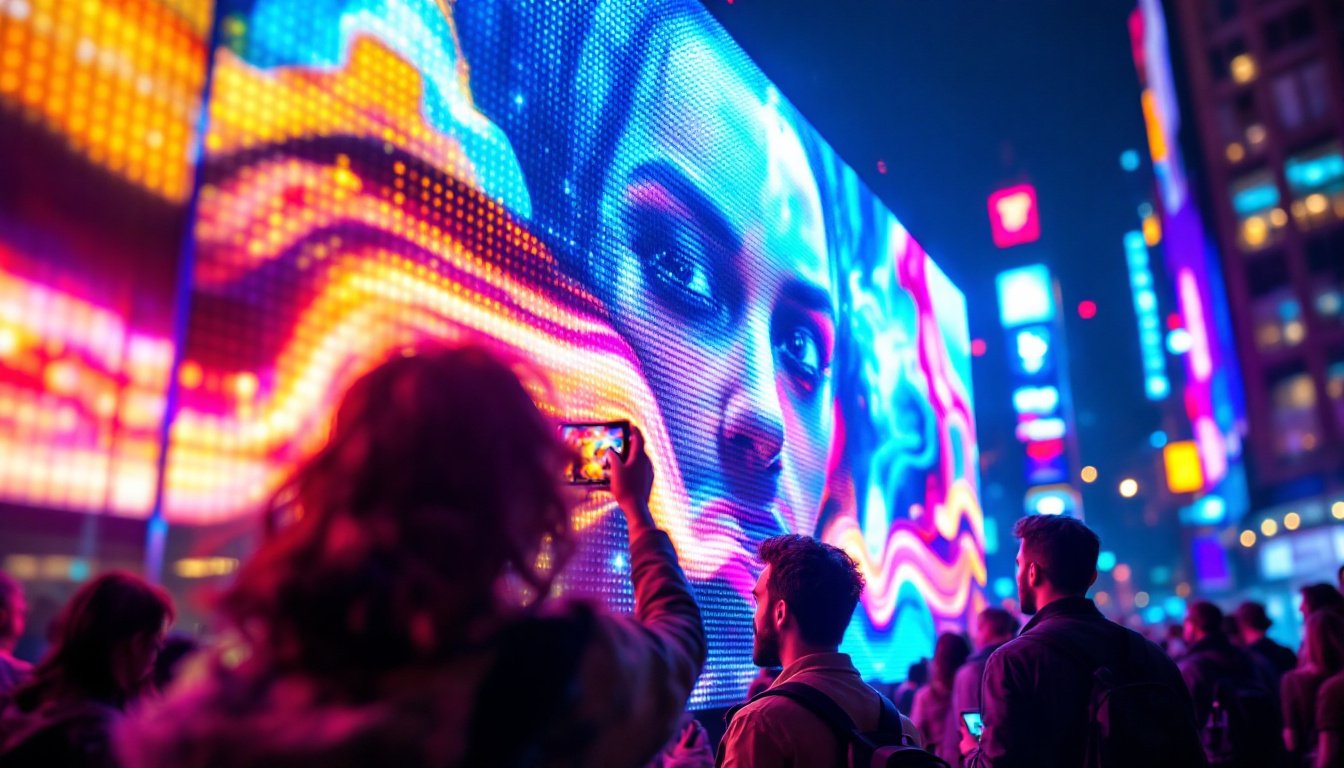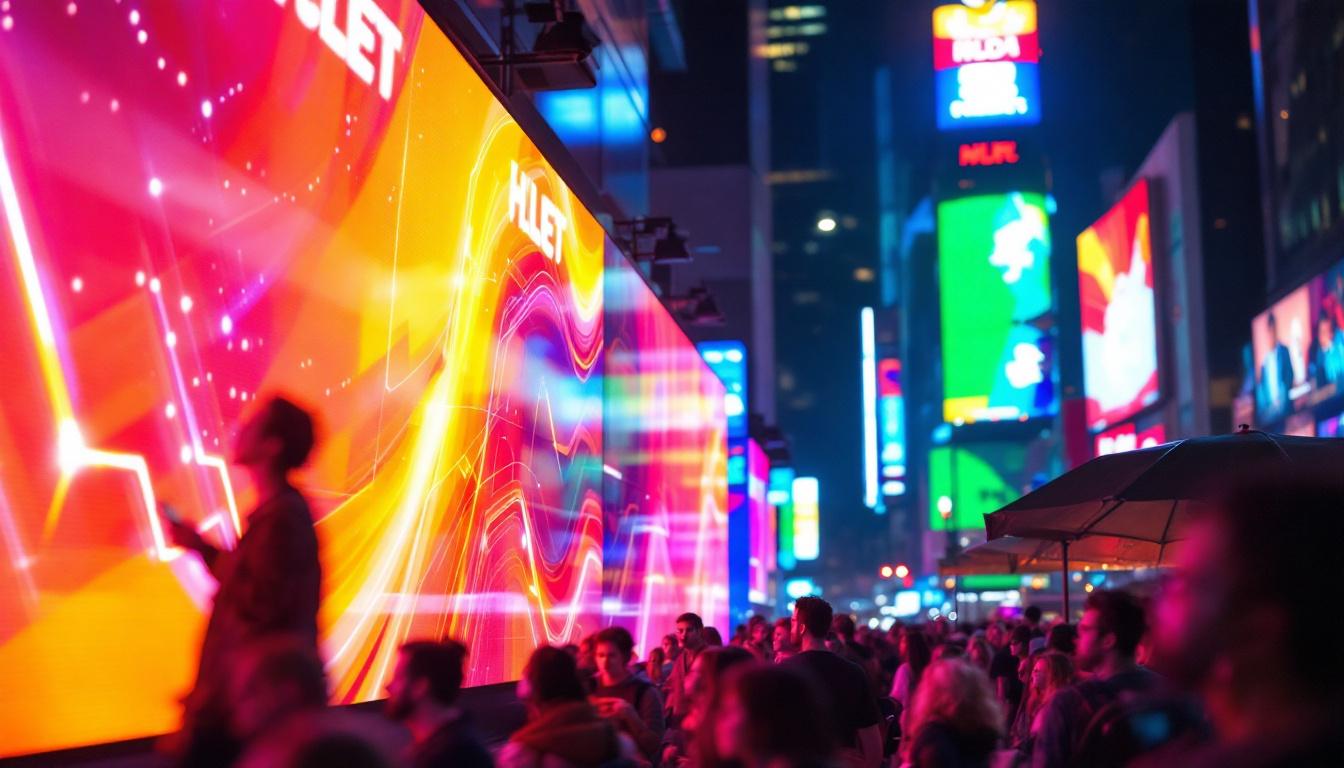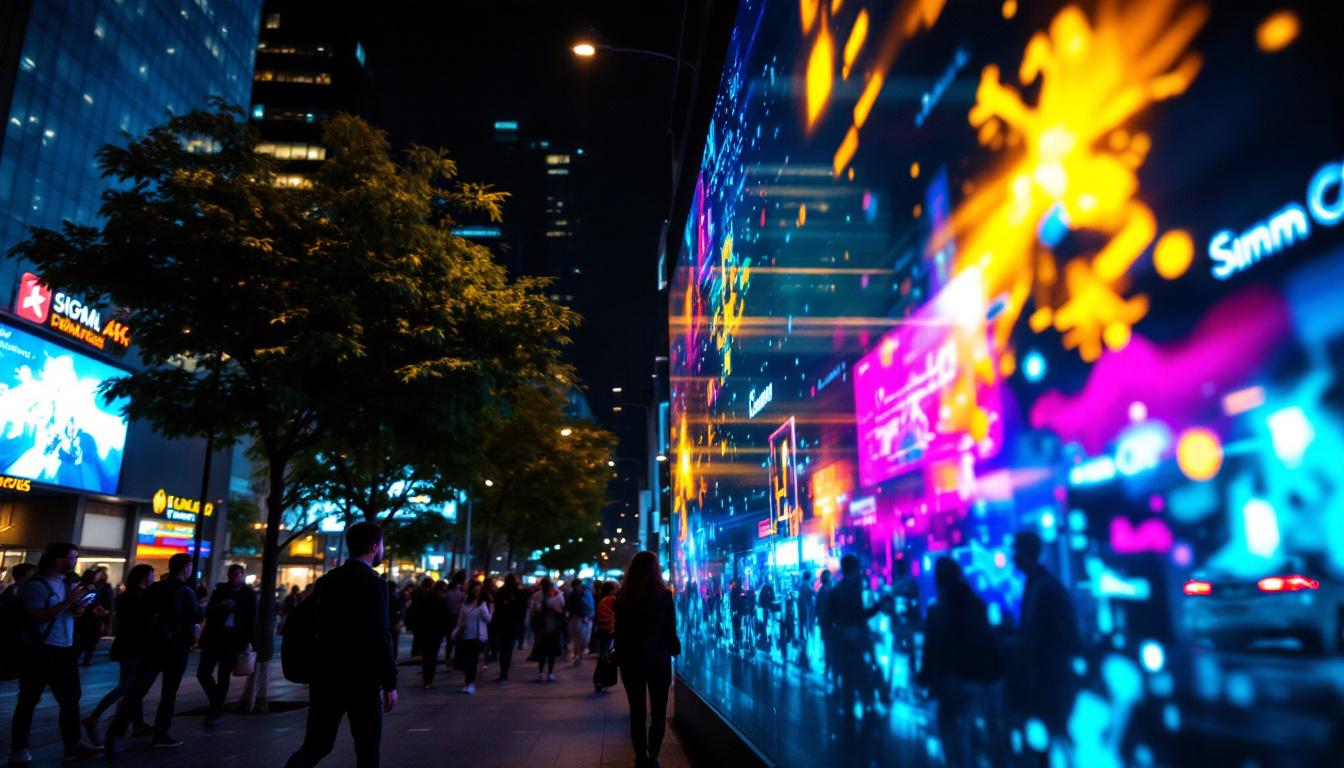
In today’s digital age, LED displays have become an integral part of how information is communicated visually. From the giant screens in Times Square to the compact digital billboards on highways, LED technology powers a vast array of display solutions. But what exactly is an LED display, how does it work, and why has it become the preferred choice for so many applications? This article delves deep into the world of LED displays, explaining their technology, types, benefits, and emerging trends to provide a comprehensive understanding of this dynamic visual medium.
Understanding LED Display Technology
What is an LED Display?
LED stands for Light Emitting Diode, a semiconductor device that emits light when an electric current passes through it. An LED display is a flat panel display that uses an array of these tiny LEDs as pixels to create images, videos, or text. Each LED acts as an individual light source, allowing for bright and vibrant visuals that are visible even in direct sunlight.
The core advantage of LED displays over traditional display technologies, such as LCD or plasma, is their ability to produce intense brightness with low power consumption. This makes them ideal for both indoor and outdoor applications, ranging from smartphone screens to large-scale advertising billboards. Moreover, LED displays are known for their longevity, often lasting tens of thousands of hours, which significantly reduces the need for frequent replacements and maintenance. This durability is particularly beneficial in commercial settings where constant visibility is crucial, such as in retail environments or during public events.
How Do LED Displays Work?
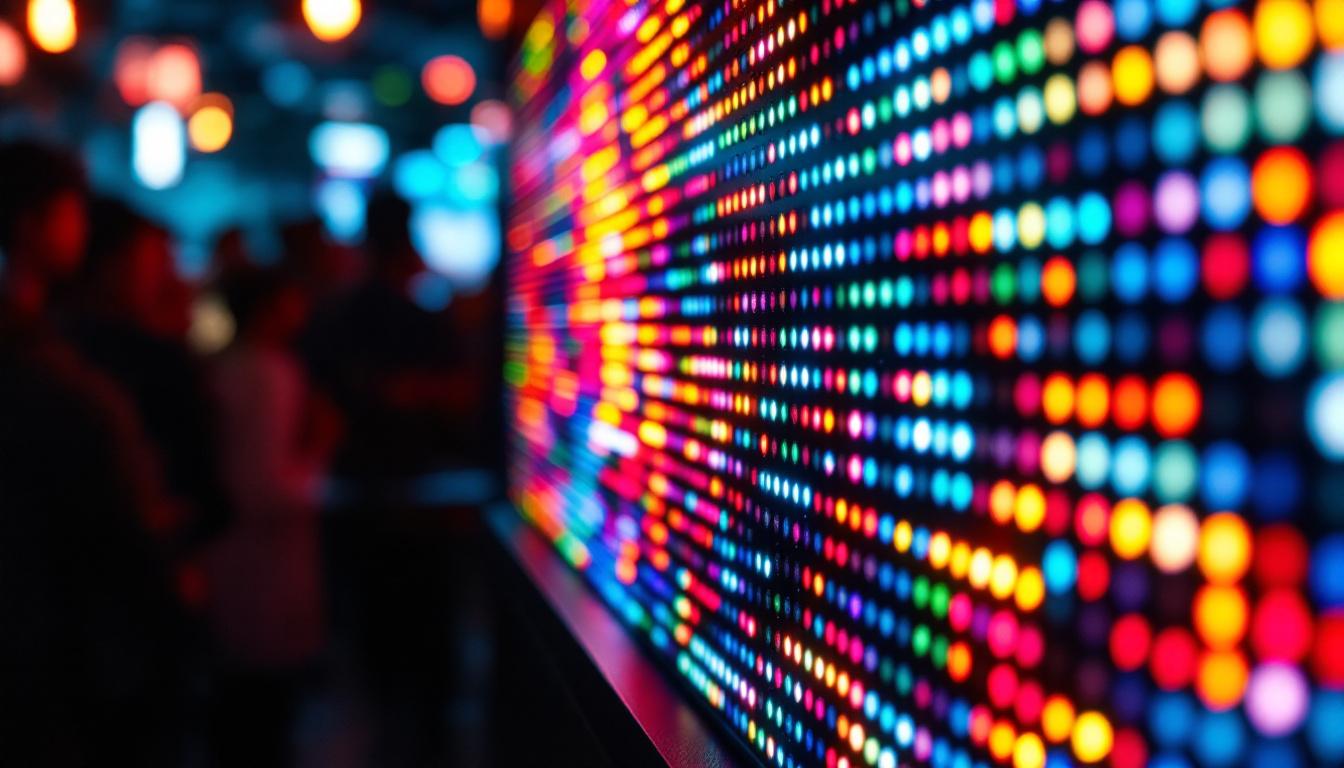
At the heart of an LED display is a matrix of LEDs arranged in rows and columns. Each LED can be controlled individually to emit different colors and brightness levels. By combining red, green, and blue LEDs in varying intensities, the display can produce a full spectrum of colors through a process called additive color mixing. This capability allows for stunning visuals that can be tailored to specific applications, from displaying detailed graphics in a gaming setup to showing dynamic advertisements on a city street.
The control system sends signals to each LED to turn on or off and adjust brightness, creating the desired image or video frame. This process happens thousands of times per second, resulting in smooth motion and high-resolution visuals. Modern LED displays also incorporate advanced driver ICs (integrated circuits) and sophisticated software algorithms to optimize color accuracy and energy efficiency. Additionally, many LED displays now feature smart technology, enabling connectivity with various devices and real-time content updates, which enhances their functionality in advertising and information dissemination. This integration of technology not only improves user experience but also opens up new avenues for interactive displays, allowing for engaging and immersive viewer interactions.
Types of LED Displays
Indoor vs. Outdoor LED Displays
LED displays are broadly categorized into indoor and outdoor types, each designed to meet specific environmental and performance requirements.
Indoor LED Displays are optimized for close viewing distances and controlled lighting conditions. They typically have smaller pixel pitches (the distance between LEDs), often ranging from 0.9 mm to 4 mm, allowing for high-resolution images suitable for conference rooms, retail stores, and broadcast studios.
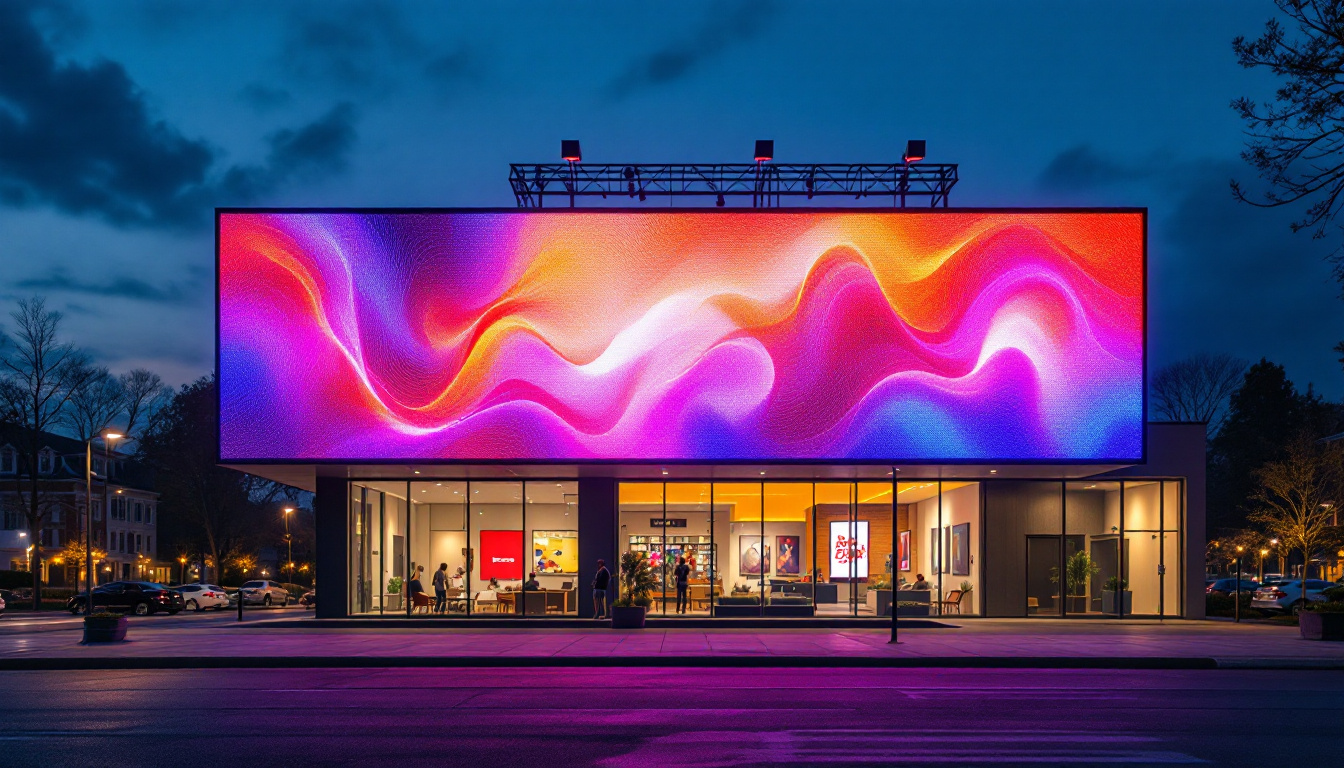
Outdoor LED Displays, on the other hand, are built to withstand harsh weather conditions such as rain, wind, and extreme temperatures. They have larger pixel pitches, usually between 4 mm and 20 mm, which makes them visible from greater distances. These displays are commonly used for billboards, stadium screens, and public information boards.
Direct View LED vs. LED-Backlit LCD
It is important to distinguish between direct view LED displays and LED-backlit LCD screens. Direct view LED displays use LEDs as the actual pixels that emit light, producing vibrant and high-contrast images. LED-backlit LCDs, however, use LEDs only as a backlight behind an LCD panel, which modulates the light to create images.
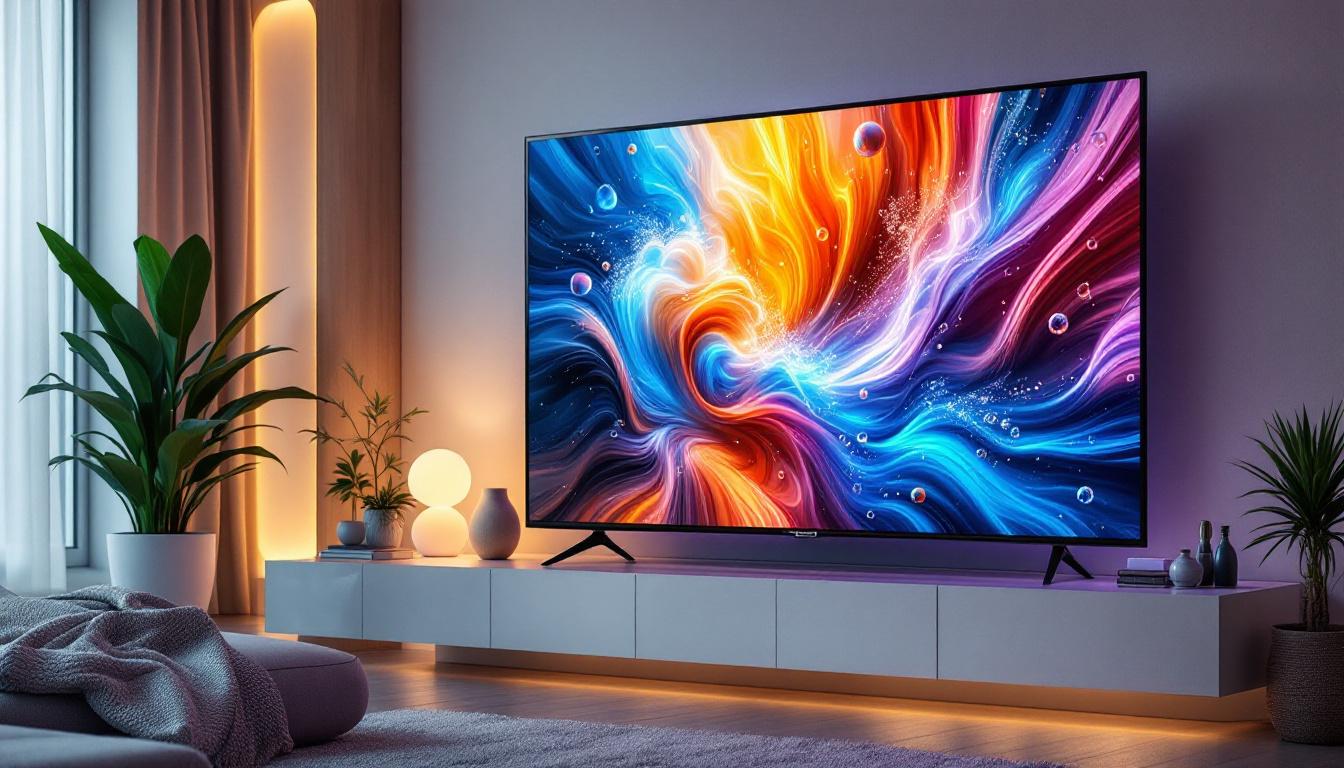
Direct view LED displays generally offer superior brightness, viewing angles, and durability, making them the preferred choice for large-scale and outdoor applications. LED-backlit LCDs are more common in consumer electronics such as laptops and televisions due to their cost-effectiveness and thin form factor.
Flexible and Transparent LED Displays
Recent advancements have introduced flexible and transparent LED displays, expanding the possibilities for creative installations. Flexible LED displays use bendable substrates that allow the screen to curve or wrap around surfaces, ideal for architectural designs and immersive environments.
Transparent LED displays incorporate LEDs on a transparent panel, enabling viewers to see through the screen while still displaying vivid content. These are popular in retail storefronts and exhibition spaces where blending digital content with physical surroundings enhances customer engagement.
Key Benefits of LED Displays
Brightness and Visibility
One of the most significant advantages of LED displays is their exceptional brightness. Outdoor LED screens can reach brightness levels exceeding 5,000 nits, making them clearly visible even under direct sunlight. This ensures messages and advertisements remain impactful regardless of ambient lighting conditions.
Indoor LED displays, while less bright, still outperform many other display technologies by offering uniform brightness and excellent contrast ratios. This translates into sharper images and more vibrant colors that captivate viewers.
Energy Efficiency and Longevity
LED technology is inherently energy-efficient because LEDs convert most of the electrical energy into light rather than heat. This efficiency results in lower power consumption compared to traditional lighting and display technologies.
Moreover, LEDs have a long operational lifespan, often exceeding 100,000 hours. This longevity reduces maintenance costs and downtime, making LED displays a cost-effective investment over time.
Durability and Environmental Resistance
LED displays are designed to be robust and durable. Outdoor models are typically housed in weatherproof enclosures rated with IP65 or higher, protecting against dust, moisture, and physical impact.
This durability makes LED displays suitable for a wide range of environments, from busy urban centers to rugged industrial sites, ensuring consistent performance under challenging conditions.
Customizability and Scalability
LED displays offer great flexibility in terms of size and shape. Modules can be combined seamlessly to create displays of virtually any dimension, from small digital signage to massive video walls spanning thousands of square feet.
Additionally, pixel pitch can be selected based on viewing distance and resolution requirements, allowing businesses to tailor displays to their specific needs and budget.
Applications of LED Displays
Advertising and Digital Signage
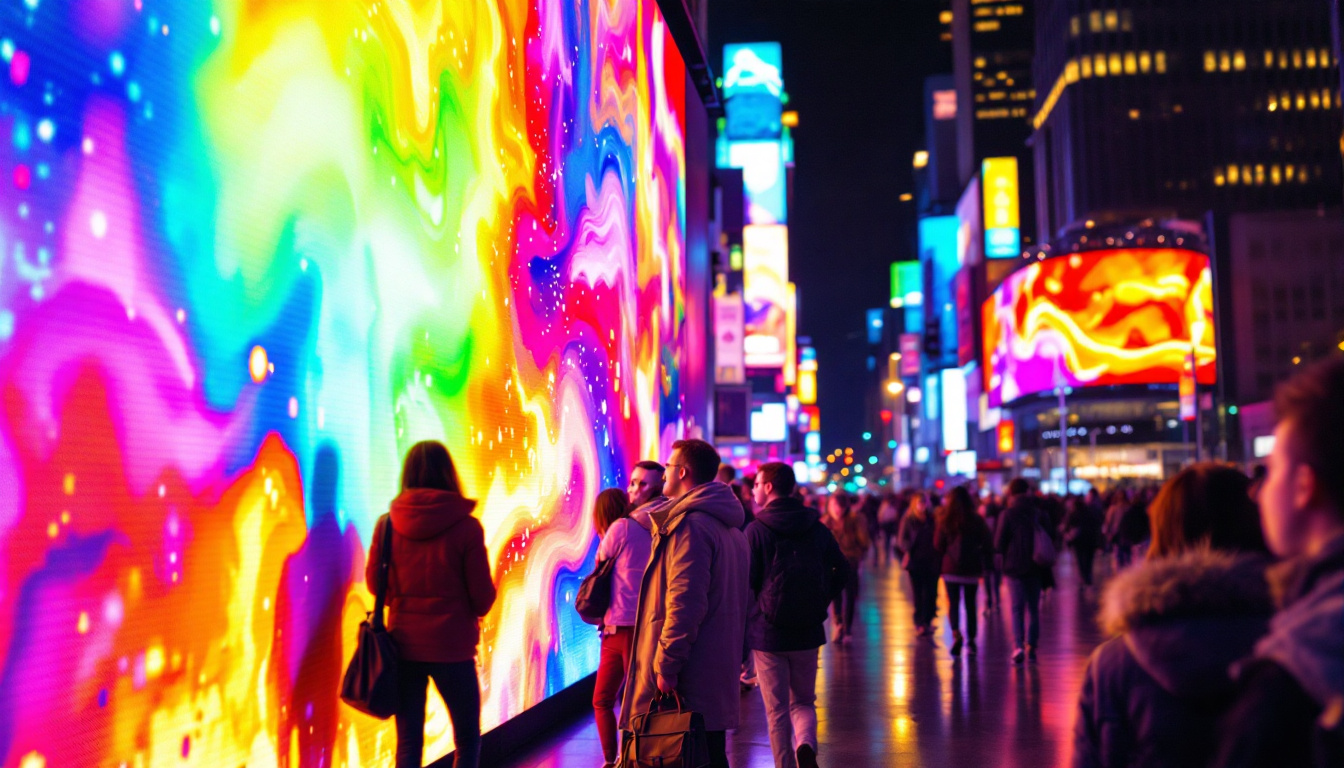
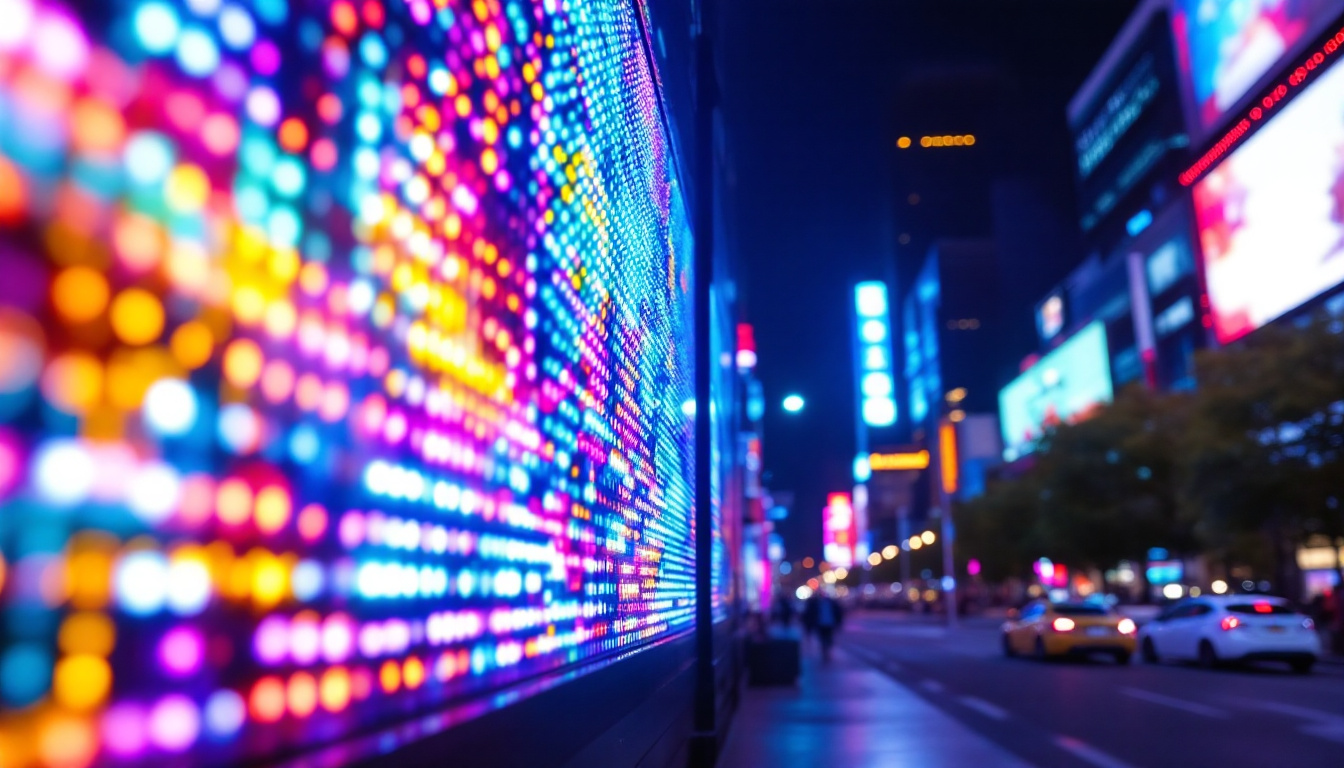
Advertising is one of the most prominent uses of LED displays. Their brightness, color vibrancy, and dynamic content capabilities make them ideal for capturing attention in crowded urban environments. Digital billboards powered by LED technology have been shown to increase brand recall by up to 47% compared to static signs.
Retailers use LED displays for in-store promotions, interactive kiosks, and window displays that engage customers and drive sales. The ability to update content remotely and in real-time adds significant marketing agility.
Sports and Entertainment Venues
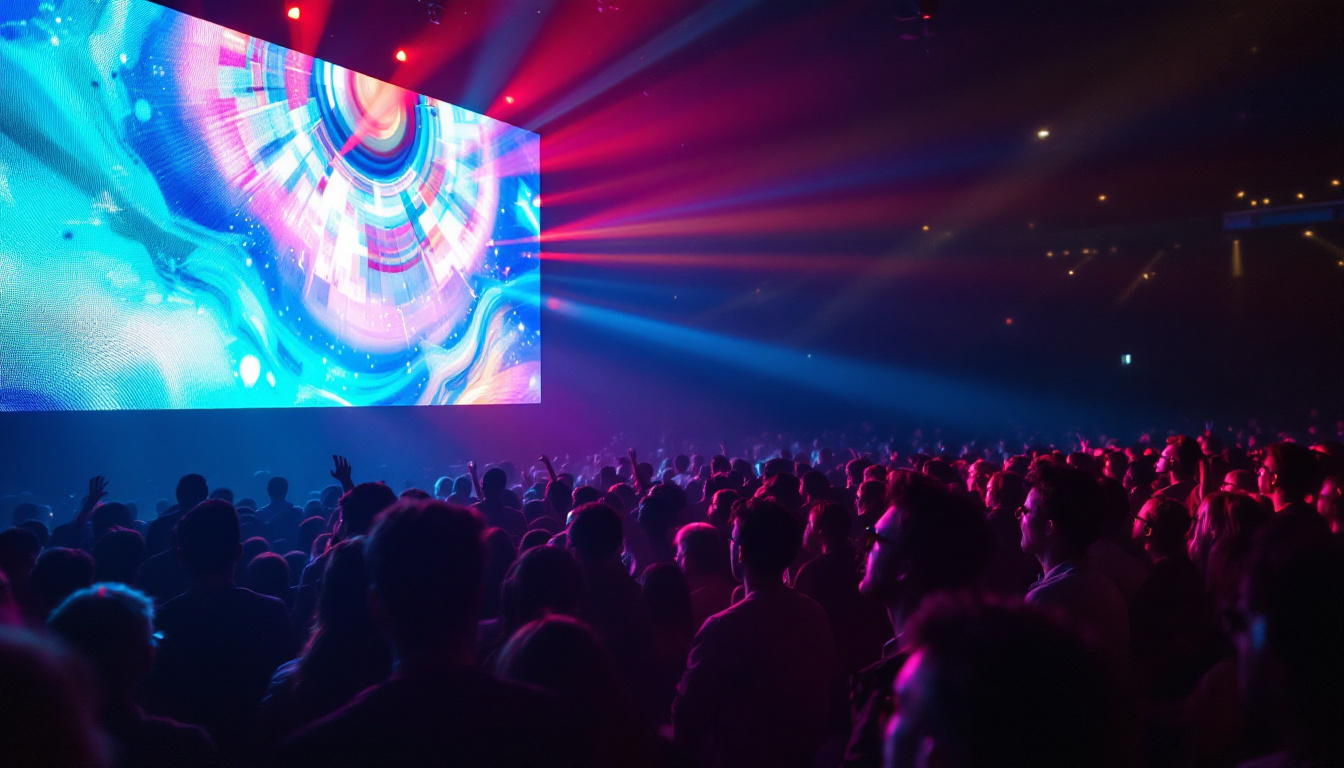
Sports arenas and concert venues rely heavily on LED displays to enhance the spectator experience. Large LED video walls show live action, replays, and interactive content, ensuring that every seat in the house has a great view.
LED ribbon boards and perimeter displays provide additional advertising space and real-time information, contributing to venue revenue and fan engagement.
Transportation and Public Information
LED displays are widely used in transportation hubs such as airports, train stations, and bus terminals. They provide real-time updates on schedules, delays, and safety information in a clear and easily readable format.
Roadside LED signs improve traffic management by displaying variable speed limits, warnings, and emergency alerts. Their high visibility and reliability are critical for public safety.
Corporate and Educational Environments
In corporate settings, LED displays are used for presentations, video conferencing, and digital notice boards. Their ability to display high-resolution content makes meetings more engaging and productive.
Educational institutions utilize LED screens for digital signage, interactive learning tools, and event broadcasting, enhancing communication and student participation.
Emerging Trends and Future of LED Displays
MicroLED and MiniLED Technologies
MicroLED and MiniLED represent the next generation of LED display technology. MicroLEDs are tiny LEDs, often smaller than 100 micrometers, that allow for even higher resolution, improved contrast, and faster response times than current LED displays.
MiniLEDs, slightly larger than MicroLEDs but smaller than traditional LEDs, are being integrated into LCD backlighting to improve brightness and contrast. Both technologies promise to revolutionize displays in smartphones, televisions, and large-scale installations.
Integration with IoT and Smart Technologies
LED displays are increasingly being integrated with Internet of Things (IoT) platforms, enabling smarter and more interactive signage. Connected displays can adapt content based on real-time data such as weather, traffic, or audience demographics, creating personalized and context-aware experiences.
Smart LED displays can also facilitate two-way communication, allowing users to interact via touch, mobile devices, or sensors, opening new avenues for engagement and analytics.
Sustainability and Eco-Friendly Innovations
As environmental concerns grow, manufacturers are focusing on making LED displays more sustainable. Innovations include the use of recyclable materials, reducing hazardous substances, and designing for easier repair and recycling.
Energy-efficient designs and intelligent power management systems help reduce the carbon footprint of LED installations, aligning with global efforts toward greener technology solutions.
Conclusion
LED displays have transformed the way visual information is presented across industries, offering unparalleled brightness, durability, and versatility. Understanding the technology behind LED displays, their various types, and applications helps businesses and consumers make informed decisions about their digital signage needs.
With ongoing advancements such as MicroLED, smart integration, and sustainability initiatives, LED displays are poised to remain at the forefront of visual communication technology for years to come. Whether for advertising, entertainment, public safety, or corporate use, LED displays provide a dynamic and impactful medium that continues to evolve with the demands of modern society.
Discover LumenMatrix’s Innovative LED Solutions
Ready to elevate your visual communication with the latest in LED technology? LumenMatrix offers a diverse range of LED display solutions tailored to your unique needs. From vibrant Indoor and Outdoor LED Wall Displays to dynamic Vehicle and Sports LED Displays, our products are designed to captivate and engage. Experience the future of digital signage with our LED Poster Displays, Floor LED Displays, and Custom LED solutions. Embrace the clarity and impact of LumenMatrix’s All-in-One and Transparent LED Displays. Check out LumenMatrix LED Display Solutions today and transform your space into a visually stunning experience.